📋 Our Methodology
This comparison is built from real sources, not AI guesswork:
- 15+ Reddit threads from r/travel, r/AskNOLA, r/MexicoCity, r/solotravel, r/makemychoice synthesized
- Cost data from Numbeo (March 2026), cross-checked with recent Reddit trip reports
- Weather from Open-Meteo historical averages
- Safety data from US State Department, r/MexicoCity resident reports, and solo traveler accounts
⚡ The TL;DR Verdict
Mexico City wins for value, scale, cultural depth, and sheer food diversity — but New Orleans wins for a completely unique American experience that exists nowhere else on earth. Budget: Mexico City $35–60/day, New Orleans $80–130/day.
- Go to Mexico City if value matters (3–4x cheaper), you love exploring on foot through world-class neighborhoods, want to visit Teotihuacán, and are comfortable navigating a foreign capital. Reddit travelers consistently rank it as one of the best cities in the Western Hemisphere.
- Go to New Orleans if you want the most distinctive regional American food culture on the planet, easy open-container street-drinking on Frenchmen Street, and a city whose music, architecture, and Creole soul truly has no equivalent anywhere.
- Verdict: Mexico City is the more complete travel destination. But New Orleans is unrepeatable — if you've never been, it belongs on your US bucket list before you compare it to anything abroad.
Quick Comparison
| Category | 🎷 New Orleans | 🌮 Mexico City | Winner |
|---|---|---|---|
| Daily Budget (mid-range) | $80–130 per person | $35–60 per person | Mexico City |
| Food Uniqueness | Unparalleled — Creole/Cajun cuisine found nowhere else | World-class — tacos, mole, pozole, fine dining | Tie |
| Cultural Attractions | WWII Museum, jazz history, cemeteries, French Quarter | Teotihuacán, Anthropology Museum, Frida Kahlo, murals | Mexico City |
| Nightlife | Frenchmen Street jazz, open containers, 24/7 bars | Roma/Condesa clubs, bars open until dawn | New Orleans |
| Walkability | Excellent in French Quarter and Garden District | Excellent in Roma, Condesa, Centro | Tie |
| Safety for Tourists | Moderate — tourist areas safe, but crime exists | Good in tourist zones — safer than reputation suggests | Tie |
| Transit Quality | Limited — streetcars help but city is car-dependent | Excellent — Metro covers the city for $0.30/ride | Mexico City |
| Weather (Best Months) | Oct–Apr (avoid summer heat & hurricanes) | Year-round (mild elevation climate) | Mexico City |
| Language Barrier | None — US city, English only | Spanish helpful but tourist areas mostly fine | New Orleans |
| Day Trips | Swamp tours, Plantation Road, Mississippi Gulf Coast | Teotihuacán, Puebla, Taxco, Xochimilco | Mexico City |
| Signature Event | Mardi Gras (Feb/Mar), Jazz Fest (April/May) | Día de los Muertos (Oct/Nov), Semana Santa | Tie |
| Ideal Stay | 3–4 days | 5–7 days | Mexico City |
🏙️ City Character & Vibe
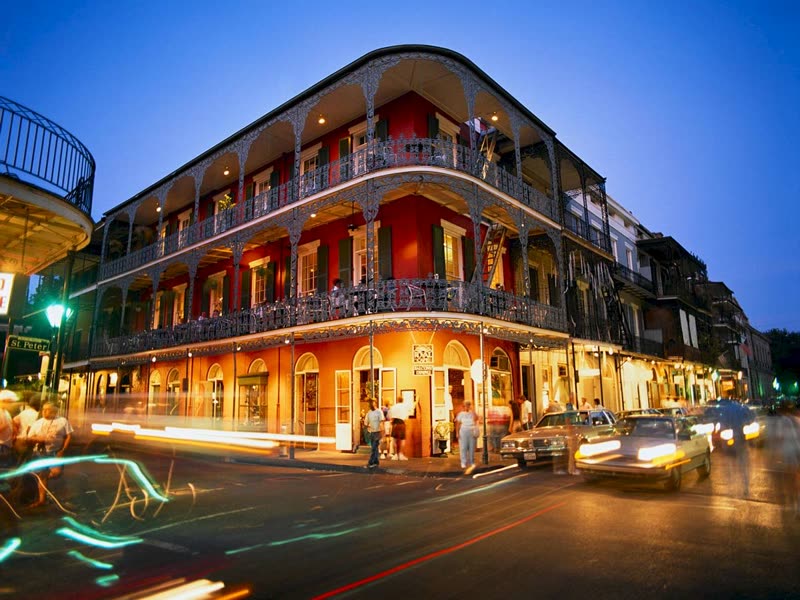
New Orleans is unlike any other American city — and that's not a cliché, it's a genuine architectural, culinary, and cultural fact. The French Quarter's wrought-iron balconies, the smell of chicory coffee and beignet powder at Café Du Monde at 2am, the brass bands that materialize in the middle of the street, the above-ground cemeteries, the shotgun houses of the Garden District — none of this exists in the same form anywhere else. NOLA absorbs influences (French, Spanish, African, Creole, Caribbean) and synthesizes them into something wholly its own. It's also small and walkable by American city standards: the entire tourist core — French Quarter, Marigny, Garden District — is navigable without a car.
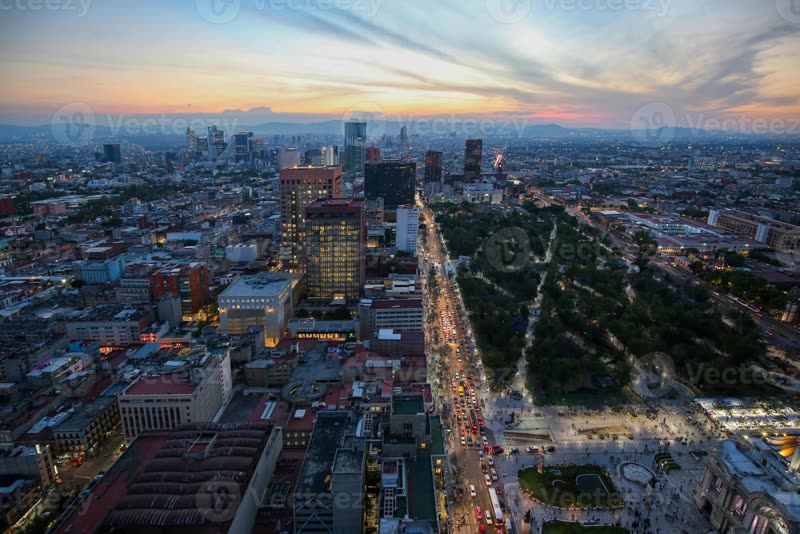
Mexico City is the opposite of small. CDMX is one of the world's great megacities: 22 million in the metro area, a skyline that stretches to the horizon, an ancient Aztec city buried under a colonial Spanish city buried under a modern Latin American capital. What shocks first-time visitors is how livable and neighborhood-oriented it feels despite the scale — Roma Norte's tree-lined streets and independent cafés, Condesa's art deco buildings and park-side restaurants, Coyoacán's cobblestone plazas and Frida Kahlo associations. Mexico City has been called the best city in the Western Hemisphere by people who've been everywhere.
"I have been to both, and I prefer New Orleans. Mexico City was just too crowded for my taste. New Orleans has great food and history. What puts New Orleans over the top for me is easy access to the Gulf of Mexico down I-10." — r/makemychoice
"I've been to Mexico City about eight times — once on a graduate school trip, which was amazing. So much more to do in Mexico City. New Orleans is great but I can't spend more than a couple days there." — r/makemychoice
🍜 Food & Dining
Both cities make a legitimate claim to being among the best food destinations in the Western Hemisphere. They're just claiming different things. New Orleans' Creole and Cajun cuisine — gumbo, jambalaya, crawfish étouffée, beignets, po-boys, red beans and rice — is genuinely hard to find in authentic form anywhere outside Louisiana. This is a cuisine built from centuries of African, French, Spanish, and Caribbean influence that cannot be easily replicated. Iconic spots: Commander's Palace (upscale Creole institution), Dooky Chase's (Civil Rights history + gumbo), Café Du Monde (open 24/7, beignets + café au lait), and dozens of neighborhood joints.
Mexico City's food scene operates on a different dimension. Tacos from a street cart at 3am for $1 each. Pujol (repeatedly ranked top 10 in the world) doing a 600-day-old mole madre that will rewire your idea of what mole is. Mercado de Jamaica overflowing with tropical produce. Breakfast chilaquiles that make every brunch you've had before feel irrelevant. The city encompasses every regional Mexican cuisine — Oaxacan tlayudas, Pueblan mole, Veracruz-style seafood — and has absorbed enough international influence to have excellent Japanese, Korean, and Middle Eastern food too.
"New Orleans, Great food, great art, great aesthetics, and better nightlife. I'll recommend to go to New Orleans in a special event like Mardi Gras or Halloween. No one does Halloween better than New Orleans." — r/makemychoice
"Mexico City is one of the best food cities in the world. I've eaten at Pujol, I've eaten at street taquerías for $2 — and both were among the best meals of my life." — r/travel
Reddit travelers consistently rank both cities as food pilgrimages, but for different reasons. The budget gap is massive: a full meal in CDMX can cost $3–8 from street food; the equivalent NOLA experience (po-boy + drink) runs $15–25. For fine dining value, Mexico City offers world-class restaurants at 40–60% of comparable NYC or Paris prices.
🏛️ Cultural Attractions
New Orleans' cultural attractions are strong but intimate. The National WWII Museum is consistently ranked among the world's best military history museums — genuinely moving and worth a full day. Preservation Hall (live traditional jazz in a 200-year-old building) is a bucket-list experience. The St. Louis Cemeteries No. 1 and No. 2 (Cities of the Dead, above-ground tombs) are unlike anything in the US. The Garden District's antebellum mansions on St. Charles Avenue, the live oaks of City Park, the vibrant street art of the Marigny — New Orleans has more to see than its reputation as a party city suggests. The city's music history is living and active: jazz, blues, brass band, and Zydeco are embedded in the daily culture.
Mexico City's cultural depth is hard to overstate. The Museo Nacional de Antropología holds the Aztec Sun Stone and one of the greatest pre-Columbian collections on earth — budget a full day. Teotihuacán (35 miles north, 1 hour by bus) is one of the most significant ancient sites in the Americas: two massive pyramids you can climb for panoramic views over the ancient city. The Palacio Nacional has Diego Rivera's epic mural cycle depicting Mexican history. Casa Azul (Frida Kahlo's home in Coyoacán) is intimate and genuinely moving. Chapultepec Park — larger than Central Park — contains three museums, a castle, and lakes. This is the level of cultural infrastructure that puts CDMX in a different conversation.
Internal links: See Cancun vs Tulum for more Mexico travel comparisons, or Austin vs Nashville for other US city contrasts.
🎉 Nightlife & Entertainment
New Orleans is one of America's best nightlife cities, full stop. The French Quarter's open-container laws let you wander from bar to bar with a drink in hand. Bourbon Street is loud and tourist-heavy (skip it except as a curiosity) but Frenchmen Street — a 15-minute walk from the Quarter — is the real NOLA nightlife: small jazz and blues clubs (d.b.a., Spotted Cat, Snug Harbor) where world-class musicians play for $10 covers. The Marigny and Bywater have quieter craft bars and speakeasies. New Orleans bars legally stay open 24/7 — last call is a suggestion, not a law. The vibe is loose, sweaty, and musical in a way that few American cities can match.
Mexico City's nightlife runs deeper and later. Roma Norte, Condesa, and Juárez have hundreds of bars and mezcalerías (start at La Botica or Bósforo for mezcal culture). The clubs in Zona Rosa and Tepito open at midnight and run until 6–8am. The mezcal bar scene is particularly strong: CDMX's craft mezcal obsession has produced dozens of excellent bars with deep agave lists at prices that make Brooklyn cocktail bars look criminal. Rooftop bars overlooking the Zócalo (Hotel Zócalo Central, Gran Hotel Ciudad de México) offer one of the most cinematic views in Latin America.
"Frenchmen Street was our favorite area. Cool, eclectic stores, restaurants, bars, book stores. It definitely felt less touristy than Bourbon Street. The live music was incredible." — r/AskNOLA
"Mexico City is great for nightlife if you're okay with going out at midnight and coming home at sunrise. The mezcal bar scene in Roma is legitimately world-class." — r/travel
💰 Cost Comparison
The cost difference between these two cities is enormous. Mexico City is one of the best-value major cities in the Western Hemisphere; New Orleans is expensive by US standards once you factor in dining, drinking, and activities.
| Expense | New Orleans | Mexico City |
|---|---|---|
| Budget hotel/hostel (per night) | $60–100 | $20–40 (₱350–700) |
| Mid-range hotel (per night) | $120–200 | $60–100 (₱1,000–1,700) |
| Street food meal | $12–18 (po-boy) | $2–5 (tacos, tamales) |
| Sit-down restaurant (mid-range) | $25–45 per person | $10–25 per person (₱180–450) |
| Cocktail at a bar | $12–18 | $5–10 (₱90–180) |
| Mezcal/spirits (bar) | $12–16 | $4–8 (₱70–150) |
| Metro/transit (single ride) | $1.25 (streetcar) | $0.30 (₱5, Metro) |
| Rideshare (cross-city) | $15–30 | $3–8 (₱50–140) |
| Museum entry | $15–30 (WWII Museum) | Free–$5 (most state museums) |
| Daily budget (budget traveler) | $60–90 | $25–40 |
| Daily budget (mid-range) | $100–150 | $45–70 |
"You can spend a good day in Mexico City with about 700 pesos (about $35 USD). That covers a decent hostel, street food breakfast, metro rides, and a sit-down dinner." — r/MexicoCity
"My wife and I managed to go under $200/day for two people in New Orleans without skimping. Accommodation included breakfast, big lunches, one nice dinner per day. It adds up fast." — r/AskNOLA
Watch for: New Orleans prices spike 3–5x during Mardi Gras (February/March) and Jazz Fest (late April–May). Mexico City is remarkably consistent year-round — Semana Santa sees some price increases but nothing like a US festival surge. Always book NOLA accommodation 4–6 months ahead for Mardi Gras.
🛡️ Safety
This is the section that concerns most potential Mexico City visitors — and where reality and reputation diverge most sharply. Mexico City's tourist neighborhoods (Roma Norte, Condesa, Polanco, Juárez, Coyoacán, Centro Histórico) are genuinely safe for tourists following basic precautions. Multiple Reddit threads of recent visitors note feeling safer walking at night in Roma Norte than in comparable parts of Miami, Chicago, or New Orleans. The key rules: use Uber or BEAT instead of hailing street taxis (NEVER get into an unmarked taxi), don't use ATMs on the street at night, keep a low profile on expensive electronics, and avoid the neighborhoods of Tepito, Iztapalapa, or Ecatepec (far from tourist zones anyway).
New Orleans has a genuine crime problem that the city government acknowledges. The French Quarter and main tourist areas are heavily policed and generally safe during the day and early evening. After midnight in less-trafficked areas, petty crime and occasional violent crime occur. The city's murder rate is among the highest of any US city per capita. Most tourists visit without incident — the tourist core is well-protected — but the risk is higher than Mexico City's tourist zones, counter to what most Americans assume.
"CDMX as a whole is quite safe compared to other LATAM destinations. Same big city rules apply just as anywhere else — no need to fearmonger. I'd argue the tourist areas in Roma, Condesa, and Polanco are safer than the French Quarter after midnight." — r/digitalnomad (Mexico City resident)
"As long as you stay in Roma Norte, Condesa, Juárez, and even Centro, you'll be fine. All of those places are safer than many parts of major European cities when it comes to tourist crime." — r/MexicoCity
The US State Department issues Level 2 advisories for many Mexican states — CDMX specifically sits at Level 2 (exercise increased caution), the same level as France and much of Western Europe. This is significantly better than the Level 4 (do not travel) assigned to some Mexican border states.
🚇 Getting Around
Mexico City's transit system is one of the best in Latin America and genuinely excellent by global standards. The Metro runs 12 lines across the city for 5 pesos ($0.30) per ride — faster and cheaper than anything in the US. The MetroBus (BRT) fills gaps the Metro doesn't cover. Uber and BEAT rideshares cost $3–8 for most cross-city trips. For tourists staying in Roma, Condesa, or the Centro, the Metro handles probably 80% of the trips you'll want to take. The one caveat: rush hour (7–9am, 6–8pm) is crushingly crowded — avoid it on the Metro with luggage.
New Orleans has a more limited transit network, though what exists is charming. The St. Charles streetcar (one of the oldest continuously operating streetcar lines in the world) runs from the French Quarter through the Garden District and Uptown — genuinely scenic and useful. The Canal Street streetcar connects to the cemeteries and City Park. The rest of the city requires rideshare or a car. Uber from the airport (MSY) to the French Quarter costs $30–45 and takes 30–45 minutes. Getting between the French Quarter, Marigny, and Garden District by foot is feasible for fit travelers.
"Take the Cablebus too! Transportation in Mexico City: $3 per day on Metro. It goes everywhere you need." — r/Shoestring
☀️ Best Time to Visit
New Orleans has a challenging climate for tourists. Summers (June–September) are genuinely brutal: 90–95°F (32–35°C) with near-100% humidity, plus hurricane season running June through November. The ideal window is October–April — comfortable temperatures (60–75°F/15–24°C), low humidity, and clear skies. The signature events: Mardi Gras (date varies, usually February/March) is the city's defining annual experience — book accommodation 6+ months ahead and expect prices to triple. Jazz Fest (late April–early May) is the other major draw: 12 stages over two weekends featuring jazz, blues, gospel, and Cajun music at the Fairgrounds.
Mexico City's climate is one of its most underappreciated assets. At 7,350 feet (2,240 meters) elevation, the city stays mild year-round: average highs of 70–77°F (21–25°C), rarely exceeding 80°F even in summer. The rainy season (May–October) brings afternoon showers but mornings are clear and cool. The dry season (November–April) is the most comfortable for tourists. Altitude can cause mild headaches for the first day or two — hydrate, take it easy, and avoid alcohol for the first 24 hours. The two unmissable cultural events: Día de los Muertos (late October/November 1–2) transforms the city into something magical — altars, marigolds, processions. Semana Santa (Easter Week) sees the city slow down and fill with pilgrims.
🏘️ Neighborhoods & Where to Stay
New Orleans neighborhoods:
- French Quarter — The tourist epicenter: historic architecture, Bourbon Street (touristy), Royal Street (galleries and antiques), Jackson Square. Best for first-timers. Hotels: $120–250/night.
- Frenchmen Street / Marigny — Walk 15 minutes from the Quarter and land in the real NOLA music scene. Smaller, more local, more jazz. Stay here for a more authentic experience. $90–160/night.
- Garden District — The St. Charles streetcar, antebellum mansions, Magazine Street boutiques. Quieter, residential feel. Good mid-range accommodation at $100–180/night.
- Bywater — The artist neighborhood: street murals, craft bars, farm-to-table restaurants, local crowd. Best for a repeat visit or longer stay. $80–140/night.
Mexico City neighborhoods:
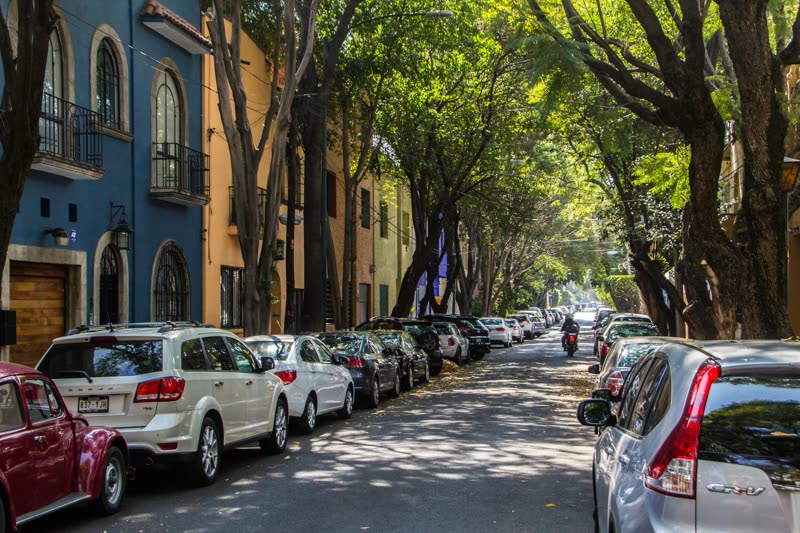
- Roma Norte — The most popular neighborhood for tourists and expats: tree-lined streets, independent cafés, mezcalerías, excellent restaurants. Perfect base for most travelers. $60–120/night.
- Condesa — Art deco architecture, Parque México, quieter and slightly more upscale than Roma. Great for long stays. $70–130/night.
- Polanco — Upscale, luxury hotels, Museo Jumex, Anthropology Museum nearby. Pricier but convenient for culture. $100–200/night.
- Centro Histórico — The Zócalo, Templo Mayor, Diego Rivera murals, historic architecture. Atmospheric but noisier and busier. $40–90/night.
- Coyoacán — Bohemian, Frida Kahlo's neighborhood, cobblestone plazas. Quieter and removed from the main tourist circuit — good for longer stays. $50–90/night.
"Stay in Roma Norte. It's walkable, beautiful, the food is incredible, and you'll understand why people fall in love with Mexico City within about 10 minutes of arriving." — r/MexicoCity
🚌 Day Trips
Day trips from New Orleans:
- Swamp Tours (30–60 min from downtown) — Airboat or pontoon tours through the bayou to see alligators, herons, and cypress trees. One of NOLA's most distinctive experiences. $25–45/person.
- Plantation Road (1 hour) — River Road along the Mississippi has several antebellum plantations with thoughtful exhibits on the history of slavery. Oak Alley and Whitney Plantation are the most visited. $25–35 entry.
- Baton Rouge (1.5 hours) — Louisiana's capital has the Old State Capitol, the USS Kidd destroyer, and excellent Cajun food. Half-day or full day.
- Mississippi Gulf Coast / Biloxi (1.5 hours) — Beaches, seafood, and casinos. Not spectacular but a change of scenery.
Day trips from Mexico City:
- Teotihuacán (1 hour by bus, $2) — The Pyramid of the Sun and Moon are among the most significant pre-Columbian sites in the Americas. Climb both pyramids, walk the Avenue of the Dead. Budget 5–6 hours. Entry: ~$5.
- Puebla (2 hours by bus, $8–12) — Colonial architecture, Talavera tile crafts, and mole poblano — the definitive version. Cholula's Pyramid-under-a-church is a surreal sight. Full day or overnight.
- Taxco (3 hours) — Mexico's silver city: white-painted buildings on steep hills, dozens of silver shops. Stunning colonial architecture. Day trip or overnight.
- Xochimilco (45 min by Metro + light rail) — Venice-style canals with trajineras (colorful flat-bottomed boats), mariachi bands floating alongside, and weekend crowds of locals. Book a boat for 2–4 hours ($15–25).
- Oaxaca (5 hours by bus or 45 min by flight) — arguably Mexico's best food city, excellent mezcal scene, Zapotec ruins at Monte Albán. Overnight or weekend trip.
🔀 The Decision Framework
After synthesizing dozens of Reddit threads and real traveler accounts, here's who each city is right for:
🎷 Choose New Orleans if...
- You've never been and want to experience the most distinctive regional culture in the United States
- Live jazz in a 200-year-old room (Preservation Hall) is on your bucket list
- You want to eat gumbo, beignets, and po-boys in their authentic homeland — not a pale imitation
- Mardi Gras or Jazz Fest is on your calendar — these are genuinely bucket-list events
- You prefer English-only destinations with zero language barrier
- You have 3–4 days and want a compact, walkable, intensely atmospheric city experience
- You're combining it with a broader US South itinerary (Nashville, Atlanta, Gulf Coast)
- Open-container street drinking on Frenchmen Street sounds like your idea of a perfect evening
🌮 Choose Mexico City if...
- Budget matters — CDMX gives you 3x more experience per dollar than NOLA
- You want world-class cultural attractions: Teotihuacán, the Anthropology Museum, Frida Kahlo's house
- You're an adventurous eater who wants the world's best tacos, moles, and mezcal
- You have 5+ days and want a city that rewards extended exploration
- Weather flexibility matters — CDMX's mild climate means any month works
- You want to dispel the safety myths and discover one of Latin America's most livable cities
- You're comfortable with basic foreign travel (Spanish phrases help but aren't required)
- Day trips to ancient pyramids and colonial cities appeal to you
❓ Frequently Asked Questions
Is New Orleans or Mexico City better for food?
Both cities are legitimate food pilgrimages, but for different reasons. New Orleans has one of the most distinctive regional cuisines in America — gumbo, jambalaya, beignets, po-boys, crawfish étouffée — built on Creole and Cajun traditions that are genuinely hard to find elsewhere. Mexico City is a contender for best food city in the Western Hemisphere: tacos al pastor, tlayudas, pozole, chilaquiles, plus some of the world's best high-end restaurants (Pujol, Quintonil). Reddit consensus: Mexico City wins on sheer volume and variety; New Orleans wins for uniqueness and regional soul.
Is Mexico City safe for tourists in 2026?
Mexico City is significantly safer than its reputation suggests. Tourists in Roma Norte, Condesa, Polanco, Juárez, and Centro Histórico routinely report feeling safer than in comparable US cities. The key rules: use Uber instead of street taxis, avoid unlit areas after midnight, don't flash expensive gear, and stay in well-traveled neighborhoods. Reddit travelers consistently say CDMX feels safer than parts of Chicago, Miami, or New Orleans. The US State Department's Level 2 advisory for CDMX is the same level as France.
How expensive is New Orleans compared to Mexico City?
Mexico City is dramatically cheaper. Budget travelers can do CDMX on $35–55/day USD (street food, metro, cheap accommodation). New Orleans runs $80–130/day for a similar travel style. Mid-range hotels in Mexico City's Roma/Condesa cost $60–100/night; comparable New Orleans hotels run $120–200/night. A taco lunch in CDMX costs 50–80 pesos ($3–5); a po-boy in NOLA runs $12–18. Mexico City offers genuinely world-class experiences at a fraction of the cost.
Which city is better for nightlife — New Orleans or Mexico City?
New Orleans wins for concentrated, walk-everywhere nightlife — Bourbon Street and Frenchmen Street are dense with bars, live jazz, and no open-container laws (you can drink on the street). Mexico City's nightlife is spread across multiple neighborhoods (Roma Norte, Condesa, Juárez, Centro) and runs much later — clubs don't fill until 1–2am and stay open until dawn. NOLA is the easier nightlife city; CDMX is the more sophisticated one.
What's the best time to visit New Orleans vs Mexico City?
New Orleans is best October–April, with Mardi Gras (February/March) as the signature event. Avoid June–September: hurricane season plus brutal heat and humidity (90°F+). Mexico City is good year-round — it sits at 7,350 feet elevation, so temperatures stay mild (65–75°F/18–24°C) even in summer. The dry season (November–April) offers the most comfortable weather. Mexico City's Día de los Muertos (late October/early November) and Semana Santa (Easter week) are the most spectacular times to visit.
How do you get from New Orleans to Mexico City?
Direct flights from New Orleans (MSY) to Mexico City (MEX) run 2.5–3 hours and typically cost $150–300 on Aeromexico, American, or United. Flying is the only practical option — the drive is about 20+ hours through Texas. The two cities pair well as a combined trip: fly into one, out of the other for a 10–14 day itinerary covering both.
Which city has better cultural attractions?
Mexico City wins on cultural attractions by a significant margin. The Museo Nacional de Antropología is one of the world's great museums. Teotihuacán (35 miles from the city) is a jaw-dropping ancient pyramid complex. The city also has Frida Kahlo's Casa Azul, Chapultepec Park and Castle, Diego Rivera murals in the National Palace, and dozens of world-class galleries. New Orleans offers excellent Jazz Age and African American cultural history — the National WWII Museum, Preservation Hall, the St. Louis Cemetery — but it's a different league for sheer depth.
Is New Orleans or Mexico City better for a first-time solo traveler?
New Orleans is easier for a first solo trip — English-only, familiar currency, walkable French Quarter, no culture shock. Mexico City is more rewarding but requires a bit more navigation: basic Spanish helps (though most tourist-area staff speak English), and you need to use Uber rather than street taxis and stick to bottled water. Experienced solo travelers almost universally prefer Mexico City for its depth, cost, and the genuine satisfaction of navigating a major foreign capital.
Ready to plan your trip to New Orleans or Mexico City?
Get a free custom itinerary for either city — built from real traveler insights, not generic templates.
🎟️ Book Tours & Experiences
Hand-picked tours and activities for both destinations — book with free cancellation
Experiences via Viator — free cancellation on most tours