📋 Our Methodology
This comparison is built from real sources, not AI guesswork:
- 15+ Reddit threads from r/travel, r/solotravel, r/capetown, r/Morocco, r/digitalnomad synthesized
- Cost data from Numbeo (March 2026), cross-checked with recent Reddit trip reports
- Weather from Open-Meteo historical averages
- Safety data from South African Police Service reports and Morocco Ministry of Tourism
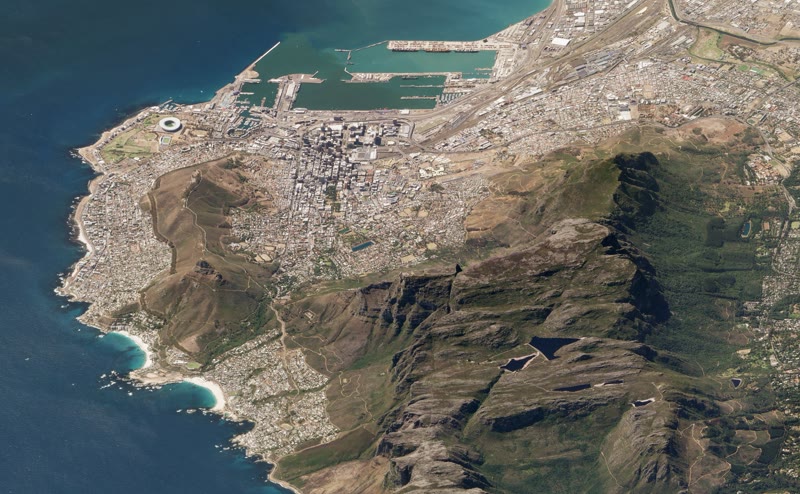
Cape Town — Table Mountain & the City Bowl
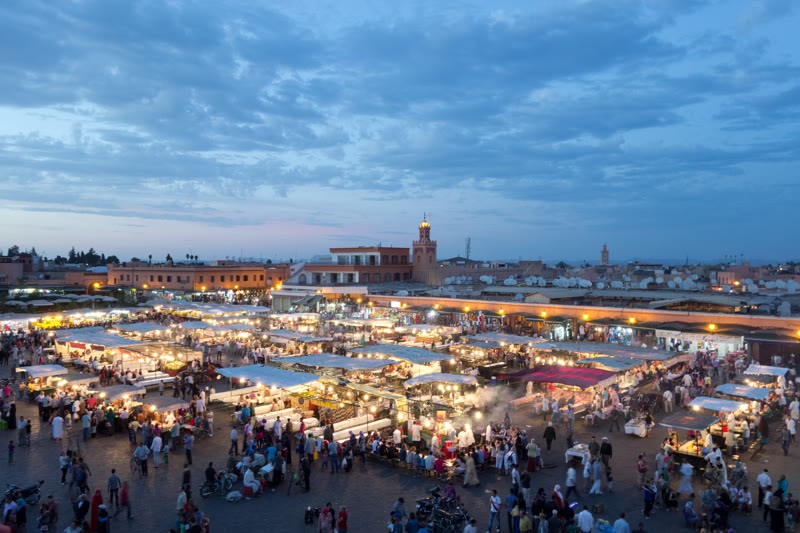
Marrakech — Jemaa el-Fna at dusk
⚡ The TL;DR Verdict
Cape Town wins for scenery, nature, and the "most beautiful city on Earth" experience. Marrakech wins for cultural immersion, value for money, and the most sensory-overload medina on the continent. Budget: Cape Town $70–120/day, Marrakech $40–70/day.
- Go to Cape Town if you want Table Mountain, Camps Bay beach, whale-watching, the Winelands, and one of the world's most spectacular urban settings — all in English, with Uber.
- Go to Marrakech if you want the souks, riads, Sahara day trips, hammams, tagines for $7, and a city that feels genuinely unlike anywhere else on Earth — at a fraction of Cape Town's cost.
- These cities complement each other perfectly but are logistically hard to combine — most travelers visit them on separate trips.
- Reddit is consistent: Cape Town is safer and more familiar; Marrakech is more challenging and more uniquely rewarding for seasoned travelers.
🏔️ Choose Cape Town if...
You want world-class scenery, English infrastructure, beaches, wine, and nature in a city that feels cosmopolitan.
🕌 Choose Marrakech if...
You want to disappear into the medina, eat incredibly well for $10, sleep in a riad, and experience North Africa at its most vivid.
Quick Comparison
| Category | 🏔️ Cape Town | 🕌 Marrakech | Winner |
|---|---|---|---|
| Daily Budget (mid-range) | $70–120 / R1,300–2,200 per person | $40–70 / 400–700 MAD per person | Marrakech |
| Scenery & Setting | Table Mountain + Atlantic — one of Earth's best | Red medina walls + Atlas Mountains backdrop | Cape Town |
| Cultural Immersion | Multicultural — Cape Malay, Afrikaner, African | Deep Islamic/Berber culture, living medina | Marrakech |
| Food Scene | World-class fine dining + braai + Cape Malay | Traditional Moroccan — tagine, couscous, pastilla | Tie |
| Beaches | Camps Bay, Clifton — stunning but cold Atlantic | None (Essaouira 2h away) | Cape Town |
| Nature & Outdoors | Table Mountain, Cape Peninsula, penguins, whales | Atlas Mountains day trips, Sahara excursions | Cape Town |
| Safety | Real crime risk — stay aware of zones | Safe from violence, but touts & scams common | Tie |
| Getting There | Expensive long-haul (12–16h from Europe/US) | Easy from Europe (3–4h from London/Paris) | Marrakech |
| Language | English everywhere | Darija Arabic & French; limited English | Cape Town |
| Best Season | Sep–Apr (Southern summer) | Oct–Apr (avoid summer heat 38–44°C) | Tie |
| Ideal Stay Length | 5–7 days | 3–5 days | Cape Town |
🌍 City Character & Vibe
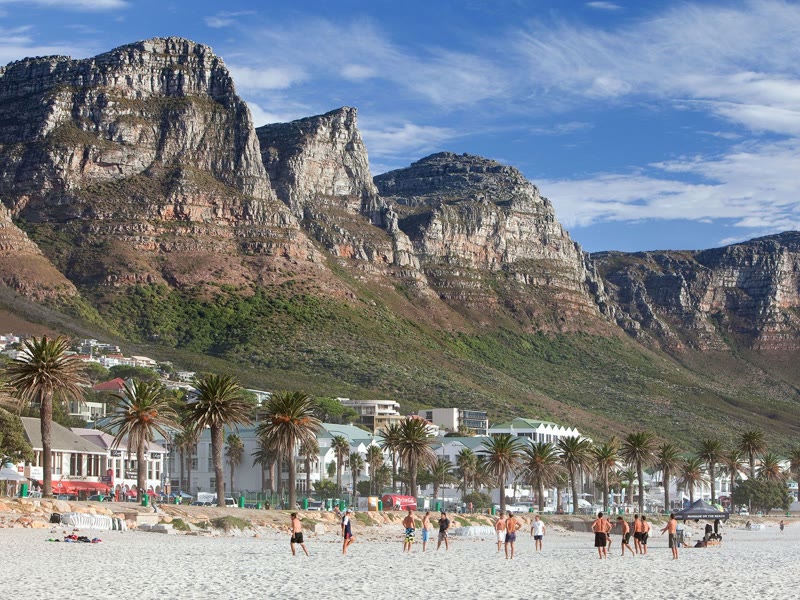
Cape Town is consistently ranked among the most beautiful cities on Earth, and the hyperbole is justified. The city is sandwiched between Table Mountain — a 1,086m flat-topped massif that dominates the skyline — and two oceans (the Atlantic and the Indian Ocean meet at the Cape of Good Hope, 70km south). The neighborhoods cascade down the mountain slopes to coves and beaches: the V&A Waterfront's gleaming harbour, the pastel-colored Bo-Kaap district with its cobblestone streets, Camps Bay's palm-lined beach with the Twelve Apostles mountains as backdrop. It's a place where the geography feels almost theatrical.
Marrakech is the opposite of Cape Town's open spaces. It's a city that folds inward — the medina, built in the 11th century, is a labyrinthine maze of narrow alleys (derbs) where the GPS is useless, every turn reveals a different world, and the chaos is the point. The ancient walls (ramparts) are a UNESCO World Heritage site. Step inside and you're in a city where snake charmers coexist with WiFi, where mopeds navigate alleys barely wider than a doorframe, and where the call to prayer echoes from 150 minarets. The new city (Gueliz) is decidedly modern, but most visitors come for the medina — and leave a little overwhelmed in the best possible way.
"Cape Town is definitely worth it, a unique city and one of the most scenic I've seen anywhere. You do need to mind yourself there though, as property crime is common." — r/digitalnomad
"Morocco (Sahara and Marrakech) and Cape Town, South Africa are my favorites [in Africa]. Marrakech if you want culture, Cape Town if you want scenery." — r/solotravel
🕌 Cultural Attractions
Cape Town's cultural depth is often underestimated by first-timers fixated on the scenery. Robben Island — where Nelson Mandela was imprisoned for 18 of his 27 years — is one of Africa's most important historical sites (R600/$33, book weeks ahead). The District Six Museum documents the forced removals of 60,000 people from a mixed-race neighborhood during apartheid — devastating and essential. The Bo-Kaap neighborhood is a living monument to Cape Malay culture: brightly painted houses, the oldest mosque in South Africa, and a community that maintained its identity through apartheid. The Zeitz Museum of Contemporary Art Africa (MOCAA) in the Waterfront is the most significant contemporary African art institution on the continent, housed in a spectacularly converted grain silo.
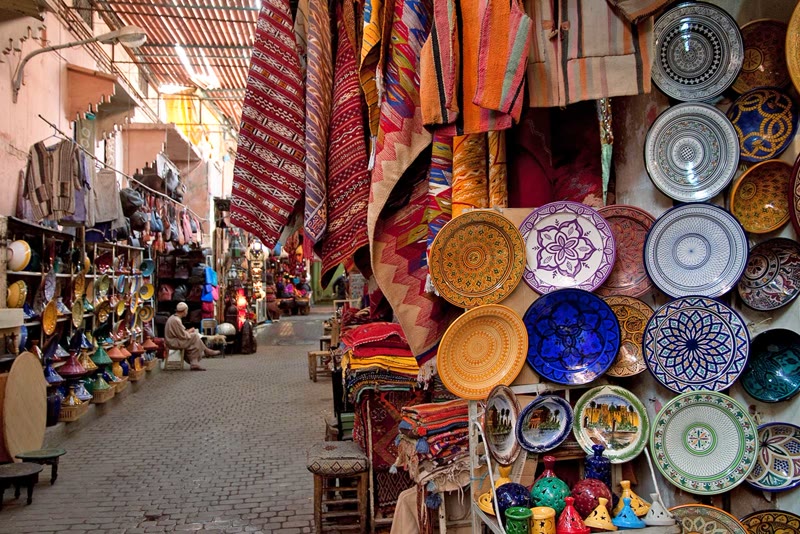
Marrakech's cultural program is less institutional and more experiential. The Bahia Palace (70 MAD/$7) is a 19th-century royal residence with gorgeous Moroccan tilework and carved cedar ceilings. The Saadian Tombs (70 MAD) date to the 16th century and were walled up by a successor sultan and rediscovered in 1917. The Majorelle Garden (150 MAD/$15) — designed by French painter Jacques Majorelle and later owned by Yves Saint Laurent — is a botanical garden of surreal cobalt blue buildings surrounded by cacti and palms. But the real cultural experience in Marrakech is the medina itself: the souks organized by trade (leather, spices, textiles, lanterns), the Medersa Ben Youssef (14th-century Islamic school), and the atmosphere of Jemaa el-Fna at sunset when the food stalls ignite and the square fills with storytellers, musicians, and acrobats.
"Marrakech is the 'must do' of all the [Morocco] towns. The old town is incredible — yes there are touts, but walking through the souks and medina is unlike anything I've experienced in Europe." — r/travel
🍢 Food & Dining
Cape Town has quietly become one of the world's top food cities. The Test Kitchen (Luke Dale Roberts) consistently ranks in the World's 50 Best Restaurants — a tasting menu experience that rivals Copenhagen or Tokyo. But you don't need to spend R2,500 to eat brilliantly: the Cape braai culture (South African BBQ), Cape Malay cuisine (bobotie, Cape Malay curry, koeksisters), and the city's extraordinary local restaurant scene in Woodstock, Sea Point, and the City Bowl deliver world-class meals for R200–400 ($11–22). The Woodstock craft beer scene has exploded, and the Old Biscuit Mill Saturday market is one of the continent's best food markets. Pair any meal with a Stellenbosch Chenin Blanc and you're eating as well as anywhere on Earth.
Marrakech's food culture is anchored in centuries of tradition. A proper lamb tagine with preserved lemon and olives (70–150 MAD/$7–15 at a good restaurant, less from a market stall) will ruin you for lesser stews forever. Pastilla — flaky pastry filled with pigeon (or chicken) meat, almonds, and cinnamon — is one of Morocco's greatest dishes, and Marrakech is the best place to eat it. Harira (tomato-lentil-chickpea soup, 15–25 MAD) at a medina stall, fresh-squeezed orange juice from Jemaa el-Fna vendors (4 MAD a glass), and couscous on Fridays at a local restaurant are non-negotiable. The Marrakech cooking class scene is excellent: a morning market tour + 4-course cook + lunch for 400–600 MAD ($40–60).
"The food in Marrakech was incredible. A tagine from a proper restaurant was $8 and better than anything I've had in the UK. Don't eat at the tourist spots on the square — walk two streets back and prices halve." — r/TravelHacks
"Cape Town's food scene is genuinely world-class. The Biscuit Mill market on a Saturday morning is one of the best things I've done in Africa." — r/capetown
💰 Cost Comparison
| Expense | 🏔️ Cape Town | 🕌 Marrakech |
|---|---|---|
| Hostel dorm (per night) | R350–600 ($19–33) | 150–300 MAD ($15–30) |
| Budget riad / guesthouse | R800–1,400 ($44–77) | 400–800 MAD ($40–80) |
| Mid-range hotel | R1,400–2,800 ($77–154) | 600–1,200 MAD ($60–120) |
| Street food meal | R60–120 ($3–7) | 30–80 MAD ($3–8) |
| Sit-down restaurant meal | R180–380 ($10–21) | 80–200 MAD ($8–20) |
| Beer at a bar | R40–75 ($2–4) | 50–90 MAD ($5–9) — limited venues |
| Major attraction entry | R80–600 ($4–33) | 50–150 MAD ($5–15) |
| Uber / taxi (short trip) | R80–180 ($4–10) | 30–80 MAD ($3–8) |
| Mid-range daily total | R1,300–2,200 ($70–120) | 600–1,000 MAD ($60–100) |
On paper, the prices look similar — but the key difference is getting there. Flights to Marrakech from Europe cost €50–200 (Ryanair, easyJet, Royal Air Maroc fly from London, Paris, Amsterdam, Madrid in 3–4 hours). Flights to Cape Town from Europe cost €400–900 and take 11–12 hours. From the US, Cape Town is 14–18 hours and $700–1,400+. Budget travelers who factor in flights find Marrakech massively cheaper for a short trip. For a 2-week Africa itinerary where you're already "in the area," Cape Town's daily costs are competitive.
"Cape Town is the kinda city you can spend R1,000 in a day, you can spend R10,000 in a day. It depends entirely on your choices. The food market, hiking Table Mountain, and Boulders Beach cost next to nothing. Camps Bay restaurants and wine tasting add up fast." — r/capetown
🚗 Getting Around
Cape Town is a car city — and a good one to drive in. The road infrastructure is excellent, signage is clear, and the dramatic coastal drives (Chapman's Peak Drive, the Cape Peninsula route, the Winelands R310) are destinations in themselves. Uber works reliably throughout the city and is inexpensive by Western standards (R80–200 for most in-city trips). The downside: Cape Town has very limited public transport. The MyCiTi bus connects the airport to the city center and serves some coastal routes, but you cannot meaningfully explore the city without Uber or a rental car. Budget car hire starts around R400–600/day ($22–33) through local agencies — highly recommended for the Cape Peninsula day trip.
Marrakech is primarily a walking city within the medina, out of necessity as much as choice: vehicles cannot navigate most of the ancient alleys. Petits taxis (small orange taxis) serve short trips for 15–40 MAD, but meters are often "broken" — negotiate a price before getting in or use the Careem app (Uber equivalent in Morocco). The journey from the medina to Gueliz (new city) by taxi is 15–20 MAD and 10 minutes. The medina itself requires comfortable walking shoes and patience: getting lost is not a bug, it's a feature. The main square, Jemaa el-Fna, is the landmark you navigate back to. The airport is 6km from the medina — taxi runs 70–100 MAD.
"In Marrakech you just walk everywhere in the medina — Google Maps is useless in the souks but you always find your way back to Jemaa el-Fna eventually. Don't stress about being lost. That's half the experience." — r/Morocco
🌦️ Best Time to Visit
The best overlap between Cape Town and Marrakech seasons is March–April and October–November. In March/April, Cape Town is still warm from summer (22–25°C), Marrakech is at its peak (18–25°C, pleasant for medina wandering), and accommodation prices are reasonable in both cities. October is arguably the best month for both — Cape Town's spring arrives, Marrakech's brutal summer heat is over, and tourist crowds are thinner than peak periods.
Avoid: Marrakech in July/August is genuinely punishing — the medina stone walls radiate heat at 40°C+, and even seasoned travelers struggle by midday. Cape Town in June/July is cold, wet, and very windy — particularly on the Cape Peninsula. The south-easter (a fierce summer wind, locals call it the "Cape Doctor") rages December–February in Cape Town and can shut down outdoor activities for days at a stretch.
🏘️ Where to Stay
Cape Town
Sea Point / Green Point — the best area for first-timers: safe, walkable beachfront promenade, excellent restaurants, close to the Waterfront. Mid-range hotels R1,200–2,500/night ($66–137). City Bowl / De Waterkant — central, historic, closest to Table Mountain cable car, Bo-Kaap, and trendy Bree Street restaurants. Camps Bay — the glamorous beachfront strip with the Twelve Apostles mountains backdrop; pricier and more scene-y, but the setting is extraordinary. Woodstock — gentrifying creatively: street art, the Old Biscuit Mill, craft breweries; most budget-friendly of the "safe" options. Avoid staying in the CBD after dark — it empties out and street safety drops sharply.
Marrakech
Medina (riads) — the obvious choice for first-timers: staying inside a traditional Moroccan riad (courtyard guesthouse) is a Marrakech experience in itself, and the best ones are spectacular — plunge pool, rooftop terrace, breakfast included for 400–900 MAD ($40–90). Book directly for better rates. Central Medina near Jemaa el-Fna — most convenient, walk everywhere; noisier. Northern Medina (near Bab Doukkala) — quieter, more local, still easily walkable. Gueliz (Ville Nouvelle) — the modern French-influenced new city: larger rooms, international hotels, easier logistics; less atmospheric but fine for a longer stay or business trip. The best Marrakech riads are consistently highlighted on Reddit as one of the city's top experiences.
"Stay in a riad inside the medina — it's more expensive than a hotel in Gueliz but worth every dirham. Nothing else gives you the 'real Marrakech' feeling. Some of them are jaw-dropping inside." — r/Morocco
🏔️ Day Trips
Cape Town's day trip options are among the best of any city on Earth. The Cape Peninsula drive (self-drive, 1 day) is a must: Chapman's Peak Drive → Cape of Good Hope → Boulders Beach penguins → Simon's Town → back via False Bay coast. Total distance ~150km. The Cape Winelands (Stellenbosch and Franschhoek, 45–60 min east) offer world-class wine estates, some of the Cape's best restaurants, and beautiful mountain scenery — a full day easily. Hermanus (1.5h east) offers the world's best land-based whale watching May–December (Southern Right Whales calving in Walker Bay). Shark cage diving from Gansbaai (2h) is an unforgettable marine encounter. These trips are accessible by rental car, organized day tours (R600–1,500/$33–82), or Uber on the longer routes.
Marrakech's day trip circuit is legendary. The Atlas Mountains (30–60 min by shared taxi/grand taxi) offer hiking, Berber village visits, and waterfalls at Ourika Valley and Setti Fatma. A guided day trip costs 400–700 MAD ($40–70) and takes you to dramatically different terrain. The Sahara Desert (Merzouga/Erg Chebbi) is a full 8–10 hour drive each way — best as a 2-night excursion, but genuinely life-altering: riding camels into the dunes at sunset is Morocco at its most cinematic. Essaouira (2.5h by CTM bus, 90 MAD/$9) is a blue-and-white Atlantic coastal city with ramparts, windsurfing, and excellent fish restaurants — a perfect contrast to Marrakech's intensity. Ouarzazate (Atlas Film Studios, Kasbahs) is 3.5h and works as a long day or overnight.
🛡️ Safety
Safety is the most important difference between these two cities, and the nuance matters. Cape Town has real crime — South Africa has one of the world's highest rates of violent crime by country, and Cape Town's inequality (extreme wealth adjacent to extreme poverty) creates specific risks. The good news: tourist-focused areas are genuinely well-protected and feel safe by day. Camps Bay, Sea Point, the Waterfront, and the City Bowl restaurant strip are largely fine. The risks are real in the CBD after dark, around transport hubs, on deserted parking lots, and anywhere near Cape Flats townships without a guided tour. The rule: don't walk alone after dark outside well-lit commercial zones, never leave valuables visible in rental cars, always use Uber rather than street taxis. Many visitors come and go without incident by following basic precautions.
Marrakech is very safe from violent crime — Morocco has low rates of violent assault and the medina is heavily policed. The risks are different: aggressive touts (young men who offer to "guide" you and then demand money), carpet shop hustles, fake guides, and pricing scams aimed at tourists. Solo women report more street harassment than men — persistent unwanted attention is common, particularly in the medina. The harassment level has reportedly improved with stricter enforcement in recent years, but it remains an issue. Practical tips: walk with purpose (looking lost invites attention), know your route before leaving the riad, don't engage with unsolicited "helpers," and agree on taxi prices before entering the vehicle.
"The best English is in South Africa and Cape Town is comfortable for the most part. Kind of unsafe though — stick to the tourist areas and you'll be fine." — r/solotravel
"Cape Town is gorgeous and feels less claustrophobic [than other Africa cities]. I felt safe in the tourist areas but Uber is a must — don't walk far from the Waterfront at night." — r/TravelProperly
🔀 The Decision Framework
After synthesizing dozens of Reddit threads and real traveler accounts, here's who each city is built for:
🏔️ Choose Cape Town if…
- World-class scenery is your primary travel motivator
- You want beaches, mountains, wine, and wildlife in one destination
- Hiking Table Mountain is on your bucket list
- You want a city where English is spoken everywhere
- You're self-driving and want epic coastal road trips
- You plan to combine with a Kruger safari for a full South Africa trip
- You're visiting May–December and want whale watching
- You want fine dining and a cosmopolitan food scene
- You need Uber and reliable infrastructure
🕌 Choose Marrakech if…
- Cultural immersion in an ancient Islamic city is what you seek
- Budget is a significant factor — Marrakech costs half of Cape Town total
- You're based in Europe and want a short-haul African adventure (3–5 days)
- Sleeping in a riad with a rooftop pool and tile mosaic has always appealed to you
- You want Atlas Mountains trekking or Sahara dune experiences
- You're combining with Fes, Chefchaouen, and a full Morocco circuit
- Traditional Moroccan food (tagines, couscous, pastilla) excites you
- You want to combine with Morocco vs Jordan for a broader Middle East/North Africa trip
- You've "done" Europe and want something genuinely different within a short flight
❓ Frequently Asked Questions
Is Cape Town or Marrakech better for first-time Africa visitors?
Both are excellent first Africa destinations, but for very different reasons. Cape Town is easier — English is universally spoken, infrastructure is world-class, and you can self-drive or use Uber everywhere. Marrakech is more of a cultural shock in the best sense: the medina, the souks, and Jemaa el-Fna are unlike anything in the Western world. Reddit consensus: Cape Town for those who want comfort + scenery, Marrakech for those who want immersive culture at a fraction of the cost. If this is your very first non-Western travel experience and you're anxious about logistics, Cape Town is the gentler entry point.
Which is cheaper, Cape Town or Marrakech?
Marrakech is significantly cheaper — one of the best value-for-money cities in Africa. A mid-range budget in Marrakech runs $40–70/day (600–1,000 MAD), including a beautiful riad, restaurant meals, and hammam visits. Budget travelers can manage on $25–35/day. Cape Town runs $70–120/day mid-range. However, Cape Town's biggest cost is the flight: from Europe, Marrakech is a €50–200 budget flight (3–4 hours); Cape Town is €400–900 and 11–12 hours. Factor in flights and Marrakech is dramatically cheaper for a short trip.
Is Cape Town or Marrakech safe for solo travelers?
Both require awareness, but the risks are different. Cape Town has real crime — smash-and-grabs, muggings in certain areas, and you should use Uber rather than walk alone after dark in the CBD. Stick to Sea Point, the Waterfront, and Camps Bay and you'll feel very safe. Marrakech is very safe from violent crime but famous for scams, aggressive touts, and navigating confusion in the medina. Solo women report more street harassment in Marrakech than Cape Town. The Reddit consensus: Cape Town has higher stakes when things go wrong; Marrakech's risks are mostly low-level nuisance.
What is the best time to visit Cape Town vs Marrakech?
Cape Town: September–April is the window (Southern Hemisphere summer). December–February is peak: 26–28°C, ideal for Camps Bay beach. October and March/April are sweet spots for fewer crowds and lower prices. Cape Town's winter (June–August) is cold, windy, and rainy. Marrakech: October–April is essential. March/April are ideal: 18–25°C. June–August is brutal (38–44°C) — avoid unless you specifically thrive in extreme heat. October–November is Marrakech's best season: mild, post-summer crowd, beautiful light for photography. Both cities peak simultaneously in spring (March–April) and autumn (October–November).
How many days do you need in Cape Town vs Marrakech?
Cape Town: 5–7 days minimum. Day 1: Table Mountain + City Bowl. Day 2: Cape Peninsula drive (Cape Point + Boulders Beach). Day 3: Cape Winelands (Stellenbosch/Franschhoek). Day 4: Camps Bay + V&A Waterfront. Day 5: Robben Island + Bo-Kaap. That's 5 full days and you've barely started. Marrakech: 3–5 days is the sweet spot. Day 1: Jemaa el-Fna + medina orientation. Day 2: Souks, Bahia Palace, Majorelle Garden. Day 3: Atlas Mountains day trip. Day 4–5: Hammam, cooking class, deeper medina exploration. Reddit users find 2 days in Marrakech rushed; 5+ days can feel repetitive without day trips.
Which has better food, Cape Town or Marrakech?
Both cities offer world-class food in very different registers. Cape Town is a genuinely great food city globally — the Test Kitchen has ranked in the World's 50 Best, and the mid-range restaurant scene in Woodstock and Sea Point is excellent ($10–25 per meal). Cape Malay cuisine, braai culture, and the Winelands food scene add further dimensions. Marrakech's traditional Moroccan food — tagines, pastilla, couscous, harira — is deeply satisfying and incredible value ($7–15 for a proper meal). Jemaa el-Fna's food stalls are a unique experience. For fine dining innovation, Cape Town wins. For cultural authenticity and value, Marrakech wins.
Can you combine Cape Town and Marrakech in one trip?
You can, but there are no direct flights. You route through Europe (London, Amsterdam, Paris) or via Cairo — adding 12–18 hours of travel and $400–800 in inter-Africa flights. Most travelers visit them on separate trips. A better approach: combine Marrakech with a full Morocco circuit (Fes, Chefchaouen, Sahara) and Cape Town with South Africa (Winelands, Garden Route, Kruger) on separate trips. If you have 3+ weeks and significant budget, an Africa grand tour can work — check our South Africa vs Kenya comparison for ideas on extending the South Africa leg.
Which is better for nature and outdoors, Cape Town or Marrakech?
Cape Town wins easily. Table Mountain National Park is inside the city limits: 33km of coastline, 2,200 plant species, and extraordinary biodiversity. The Cape Peninsula drive is one of Earth's great road trips. African penguins at Boulders Beach are 45 minutes from the city. Whale watching (Southern Rights) is world-class May–December off Hermanus (1.5h). Great White shark cage diving from Gansbaai (2h). Marrakech has the Atlas Mountains as a spectacular backdrop — day trips to Ourika Valley and the Toubkal massif are worthwhile, and a 2-night Sahara excursion is memorable. But for committed nature lovers, Cape Town's combination of mountain, sea, and wildlife is unmatched.
Ready to Plan Your Africa Adventure?
Get a personalized itinerary for Cape Town or Marrakech — built around your budget, travel style, and what you want to experience.
Plan My Africa Trip →Also explore: Cape Town braai spots · Best Marrakech riads · Marrakech hammams · Cape Town day hikes · South Africa vs Kenya · Morocco vs Jordan
🎟️ Book Tours & Experiences
Hand-picked tours and activities for both destinations — book with free cancellation
Experiences via Viator — free cancellation on most tours