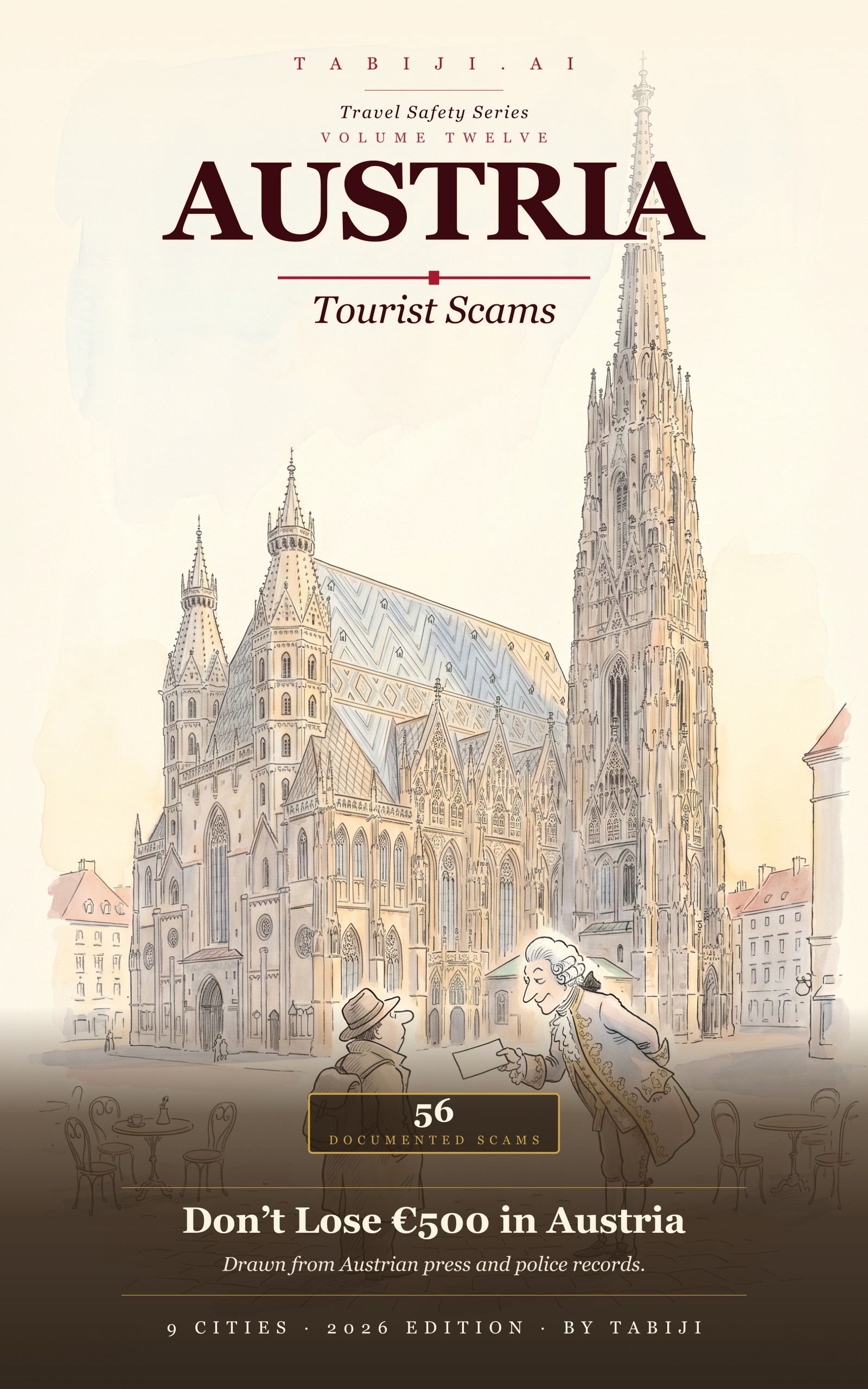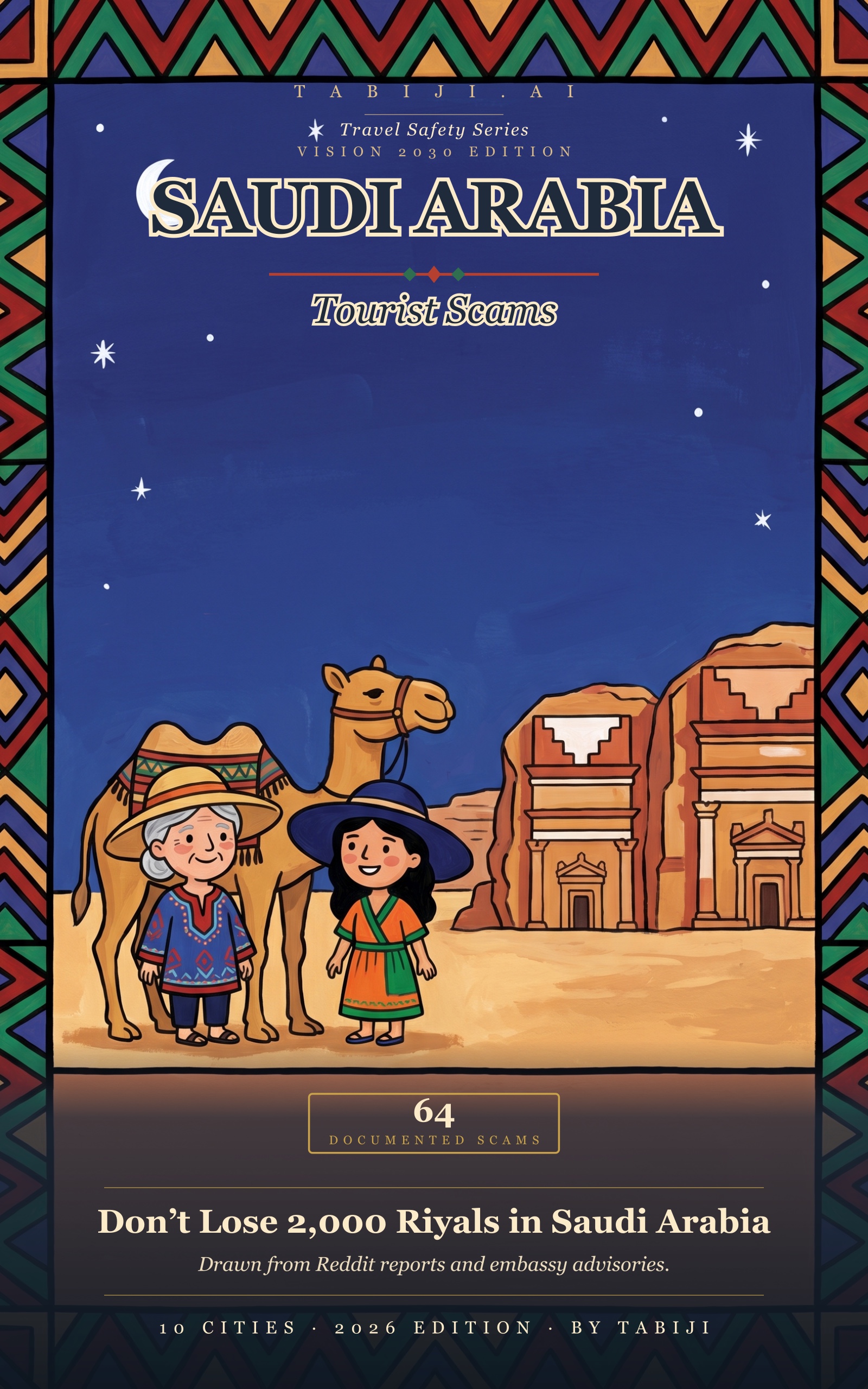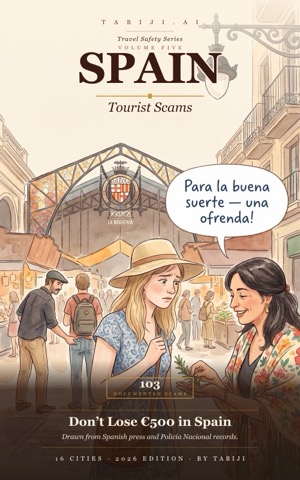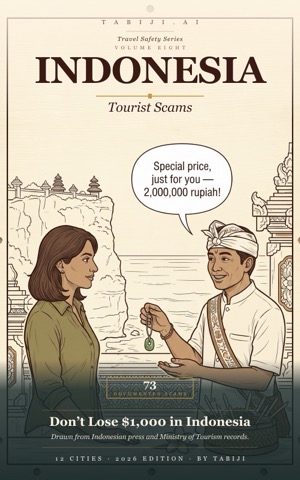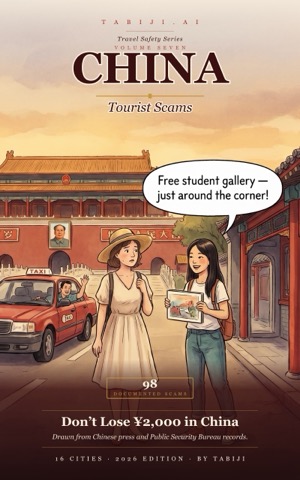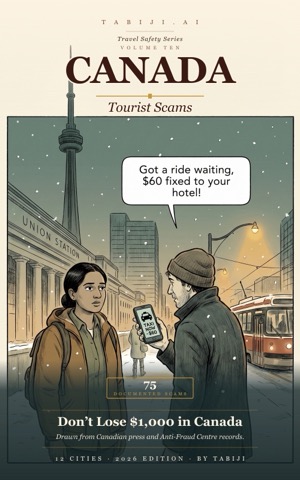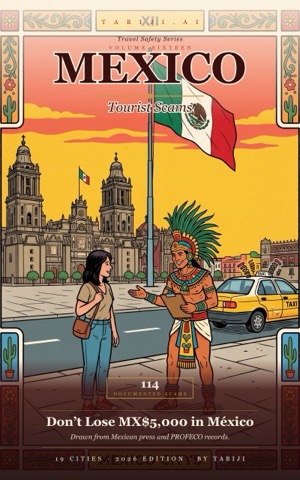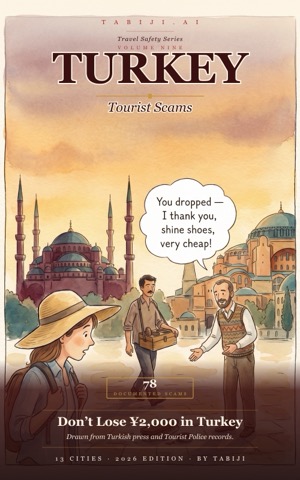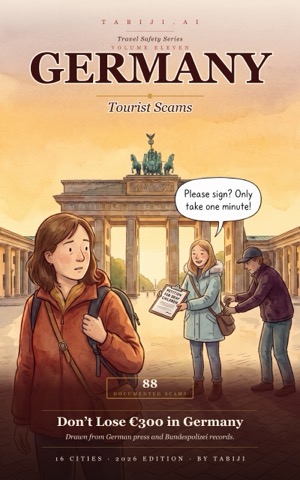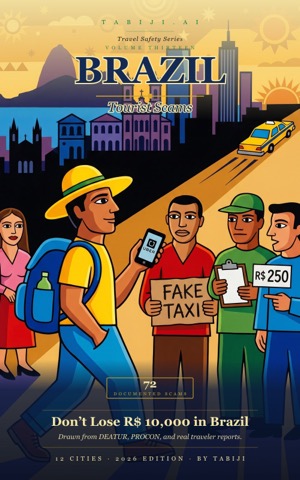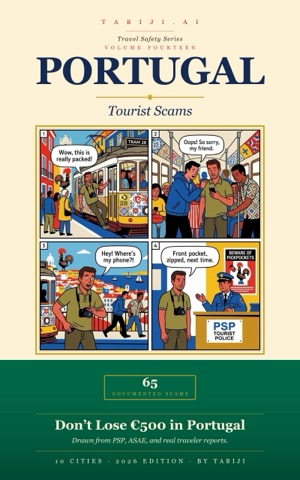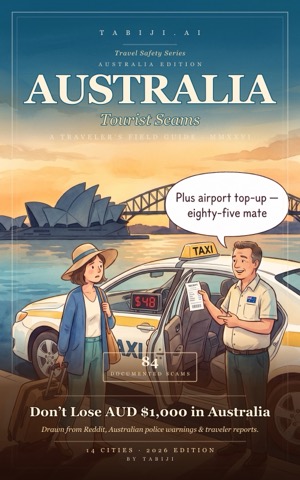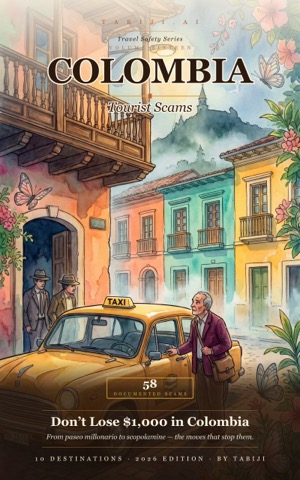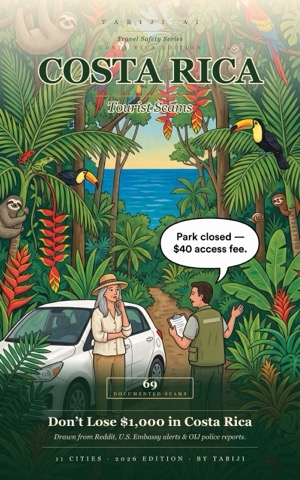






Travel safely, anywhere.

Research-backed tourist-scam atlases, country by country — sourced from police records, local press, and a year of field work. Know what to expect before you land.

★ 4.9Avg. across 42 reviews $50,000+Saved by Readers 1,959Scams Documented
Cited from.
BBC News Le Parisien Reuters CTV News NHK
What's inside every atlas

"The Gold Ring Trick"

Paris, France · from the France atlas
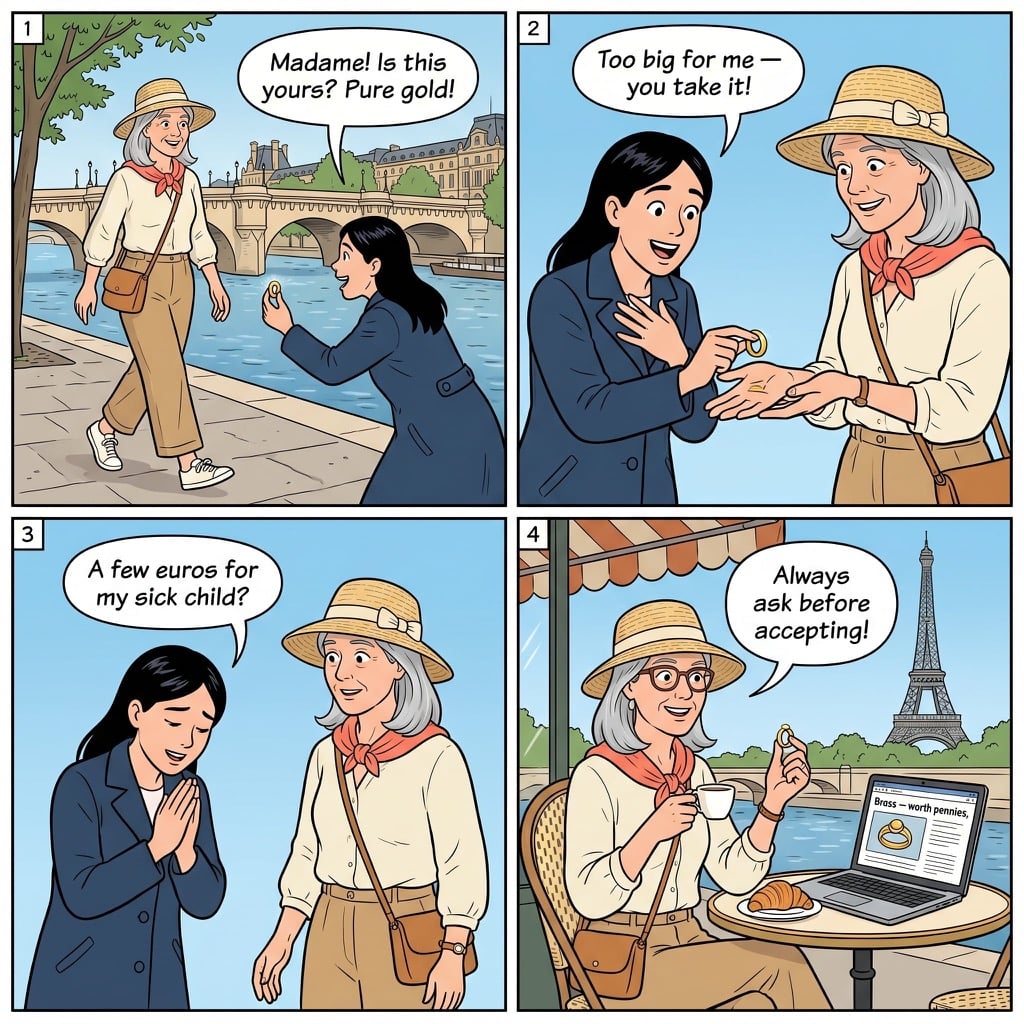
The Gold Ring Trick — four-panel comic illustration showing the pick-up, the hand-off, the sob story, and the walk-away
What happens.

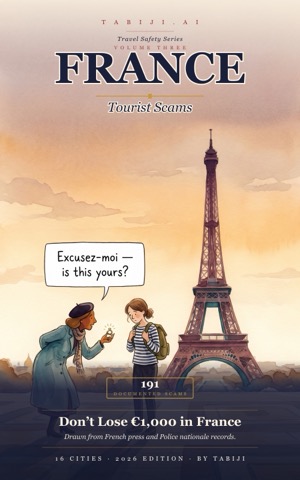
You're strolling along the Seine near Pont des Arts when a woman ahead of you bends down and holds up a shiny gold ring. "Excusez-moi, is this yours? I just found it — pure gold, look!" She presses it into your hand, examines it theatrically, declares it's too big for her, then pivots to a hard-luck story about her sick child and asks for a few euros. The ring is brass stamped to look like 18K gold, worth pennies. Le Parisien has covered the scam running continuously on Pont des Arts for over two decades, with operators rotating between the bridge, Champ de Mars, the Tuileries, and the Louvre Quai during peak hours.

What shuts it down.

Say "Non, merci" firmly and keep walking — don't slow down. Never touch or accept the ring; the moment you hold it, you're "obligated" in their script. Ignore anyone who bends down dramatically in front of you near the Seine bridges, Louvre, or Eiffel Tower. If they follow you, walk toward a group of people, a police officer, or a nearby shop. Legitimate lost-and-found in France goes to the commissariat de police, not to strangers on the street.

Every scam in every book reads like this — script, red flag, the exact phrase that shuts it down. More samples

Read the France atlas · $4.99
Our research

Every scam starts with a person. Here's how it ends up in the book.

No anonymous "a traveler says" — every entry in every atlas carries its receipts. The research stack is boring on purpose: we read what real people wrote, cross-check with local reporters, and confirm with the police who arrest the people running it.

Traveler reports.

Every scam starts on r/JapanTravel, r/travel, country-specific subreddits, and consular forums. A scam enters our queue only when multiple travelers independently describe the same mechanics — the same opening line, the same neighborhood, the same amount lost.

Local press.

Cross-referenced with on-the-ground reporters — Le Parisien, Repubblica, Nice-Matin, Connexion France, Japan Times, Bangkok Post, Japan Today. If a scam is running, the local paper usually covered it first.

Police records.

Arrest statistics and official advisories from Shinjuku Police, Carabinieri, Gendarmerie, Policía Nacional, PSP Turismo, and equivalents confirm which scams are actively running this year — not "a common scam in the 2000s."

Traveler reports

Multiple independent reports describing identical mechanics

Press cross-check

Confirmed by named local newspaper coverage

Police record

Verified against arrest data or tourism-authority advisory

Re-verified annually

Retired scams marked, new ones documented every cycle

On Instagram

Ten million viewers, warned.

Our scam breakdowns have reached over 10 million viewers on Instagram. A few of the ones that went wide:

Readers

★ 4.9 across 42 verified reviews.

A few of the ones we've earned so far.

★★★★★

"As a two-year solo backpacker, I can tell you encountering scams is part of traveling. This book is an absolute must read before heading to Japan."

MichaelVerified Purchase
on Japan: Tourist Scams 2026
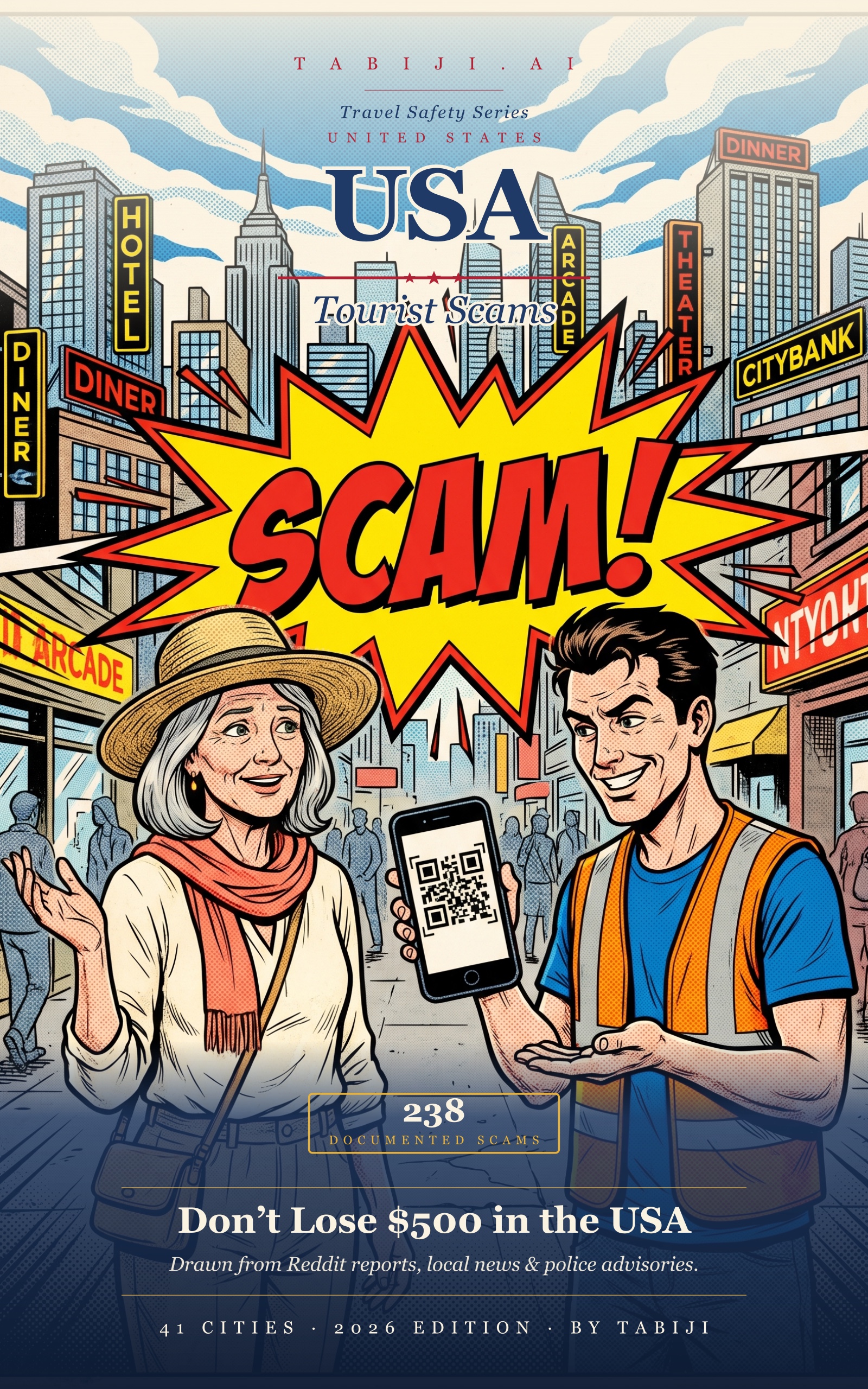
★★★★★

"I've been to Spain a few times and always considered myself pretty street-smart. Then I read this book and realized how many scams I probably walked right past without even noticing."

Murshed
on Spain: Tourist Scams 2026
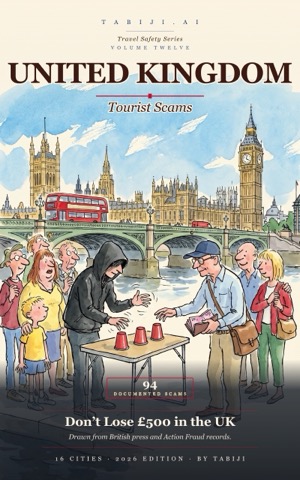
★★★★★

"What sets this book apart is its authenticity — these aren't vague warnings but real scams backed by news reports and Polizei records."

Jeffery Curtis
on Germany: Tourist Scams 2026
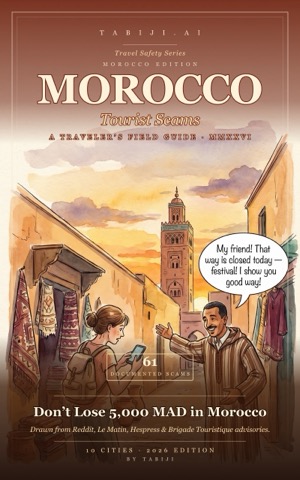
The atlas

Twenty-four countries. More coming.

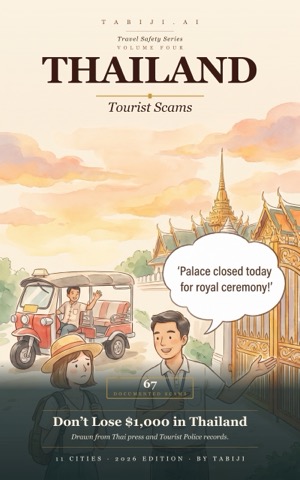
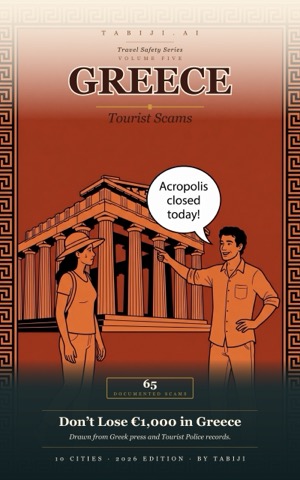
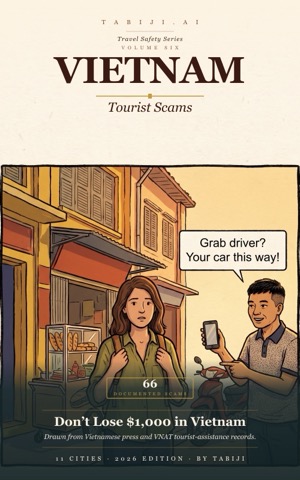
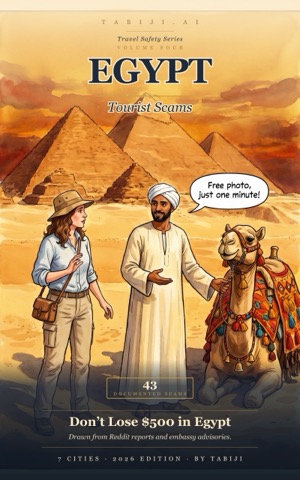
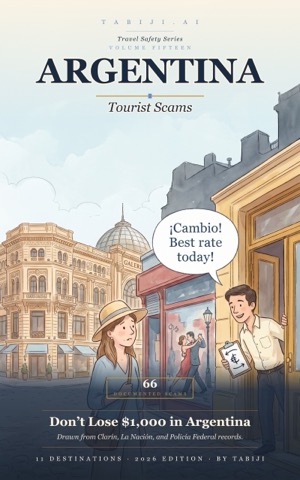
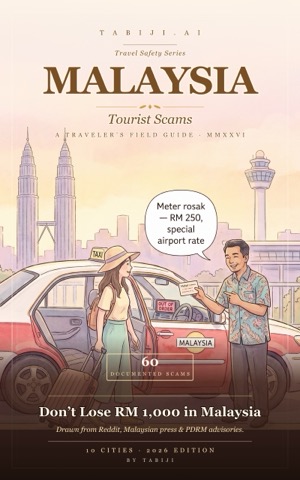
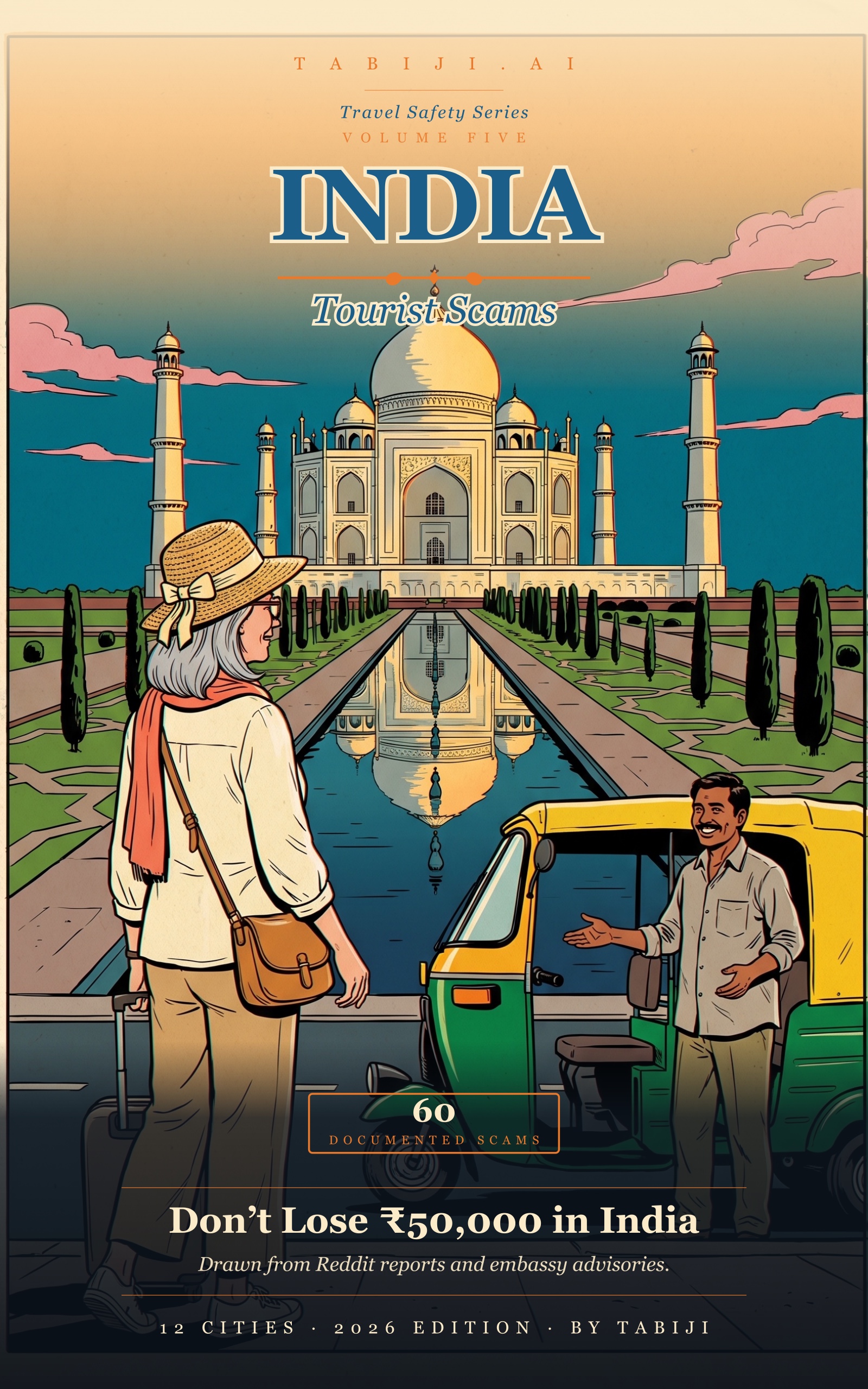
Each with its own book. $4.99 on Amazon Kindle. Lifetime re-downloads of future editions.

Questions

A few things, answered.

Who's behind tabiji?

A small independent travel-safety publisher. Editor Bernard Huang runs the research pipeline; Rebecca Leung sets editorial standards; verified contributors in each country file reports. Full team at /about.

How do you decide which scams to include?

Every entry requires at least three independent confirmations — a traveler report, a press citation, and a police or tourism-authority record. Scams that can't clear the bar don't make the book. Entries are re-verified every year; retired scams are marked, new ones documented.

Why Kindle books when travel advice is free online?

Because online advice is scattered, outdated, and often sponsored. We read everything, verify it, keep it current, and put it in one place you can download and read offline on the plane. Every book is $4.99; Kindle re-downloads of future editions are free. The underlying archive is also free to read online — the book is the curated, portable version.

Is this just a travel blog?

No — it's a reference series. Every entry has the scam script, the red flag, the exact phrase that shuts it down, and named police or press sources. Built to be read cover-to-cover the night before you fly.

What does "tabiji" mean?

旅路 — Japanese for "journey" or "travel road." We started there and expanded from there.

Not ready to buy? Browse every scam free.

1,959 tourist scams across 24 countries — searchable by city, category, and severity. Free to read on tabiji.ai.

Open the scam archive