How we built this comparison
This page combines traveler discussion patterns, published price ranges, transit details, and seasonal data to make the Chiang Mai vs Chiang Rai decision easier to resolve.
- Reviewed Reddit discussions from r/ThailandTourism, r/chiangmai, r/Thailand, r/solotravel, and r/femaletravels.
- Checked numeric claims including accommodation ranges, food costs, transit routes, and seasonal weather patterns.
- Each major section ends with a clear winner, reason, and traveler-use note.
Best read as a decision guide, not a universal truth: the right pick depends on your travel style, pace, and what kind of trip you actually want.
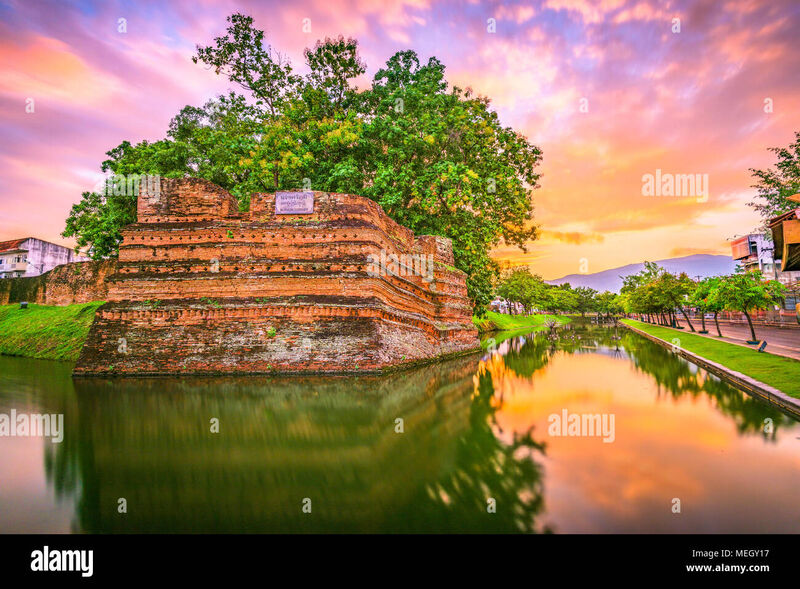
Chiang Mai — ancient walls and moat surround the old city
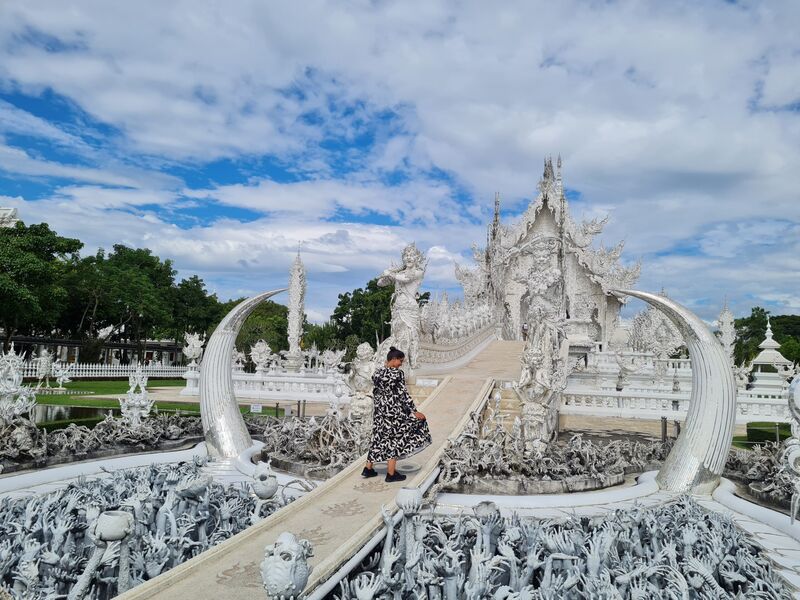
Chiang Rai — Wat Rong Khun (White Temple), unlike any temple on earth
⚡ The TL;DR Verdict
Chiang Mai for variety and depth. Chiang Rai for temples and slow travel. If you only have 4–5 days in northern Thailand, Chiang Mai is the clear winner — it's one of Southeast Asia's most complete cities, with 300+ temples, legendary street food, elephant sanctuaries, cooking schools, and day trips in every direction. Chiang Rai is smaller and quieter but packs the most jaw-dropping temple architecture in Thailand (possibly all of Asia) into a tiny area. The ideal trip does both: 4 nights Chiang Mai, 2 nights Chiang Rai.
- 🏆 Overall winner: Chiang Mai — more to do, better infrastructure, stronger food scene
- ⛩️ Best temples: Chiang Rai — the White Temple alone is worth the trip
- 🍜 Best food: Chiang Mai — birthplace of khao soi, incredible night markets
- 💰 Better budget value: Chiang Rai (marginally cheaper)
- 🌿 Better trekking base: Chiang Rai — closer to hill tribe villages and Myanmar border
- 🔀 Best combo: 4 nights CM + 2 nights CR — covers both perfectly
Choose Chiang Mai if…
You want variety — food, temples, nightlife, markets, cooking classes, elephants. Best for first-timers and anyone spending 4+ days in the north.
Choose Chiang Rai if…
You want the White Temple, authentic rural Thailand, hill tribe trekking, and a city that feels like Chiang Mai did 40 years ago. Best as a 2-night add-on.
Quick Comparison: Chiang Mai vs Chiang Rai
| Category | Chiang Mai | Chiang Rai | Edge |
|---|---|---|---|
| City Size | ~1.2M metro, major tourist hub | ~200K, provincial capital | Chiang Mai |
| Temple Quality | 300+ wats, Doi Suthep, Wat Chedi Luang | White Temple, Blue Temple, Black House — unique globally | Chiang Rai |
| Food Scene | World-class — khao soi birthplace, huge night markets | Decent — good night market, fewer options | Chiang Mai |
| Budget/day | ~$30–45 (budget traveler) | ~$25–38 (budget traveler) | Chiang Rai |
| Trekking & Hill Tribes | Good — tours available, but more commercialized | Excellent — closer to Myanmar border, authentic villages | Chiang Rai |
| Getting Around | Songthaews, Grab, bicycle, scooter — easy | Smaller, walkable center; scooter needed for temples | Chiang Mai |
| Nightlife | Strong — Nimman Road, Night Bazaar, live music | Minimal — night market, a few bars | Chiang Mai |
| Air Quality | Bad Feb–Apr (burning season) | Bad Feb–Apr, sometimes worse near border | Tie |
| Digital Nomad Vibe | Excellent — co-working spaces, fast WiFi, cafe culture | Very limited co-working infrastructure | Chiang Mai |
| Day Trip Options | Doi Inthanon, Pai, elephant sanctuaries, Chiang Rai | Golden Triangle, Mae Salong, Doi Tung, Chiang Saen | Chiang Mai |
| English Spoken | Widely — tourist infrastructure excellent | Limited — more immersive but less convenient | Chiang Mai |
| Authenticity Feel | Tourist-polished but still real | More local, less commercialized | Chiang Rai |
⛩️ Temples & Cultural Attractions
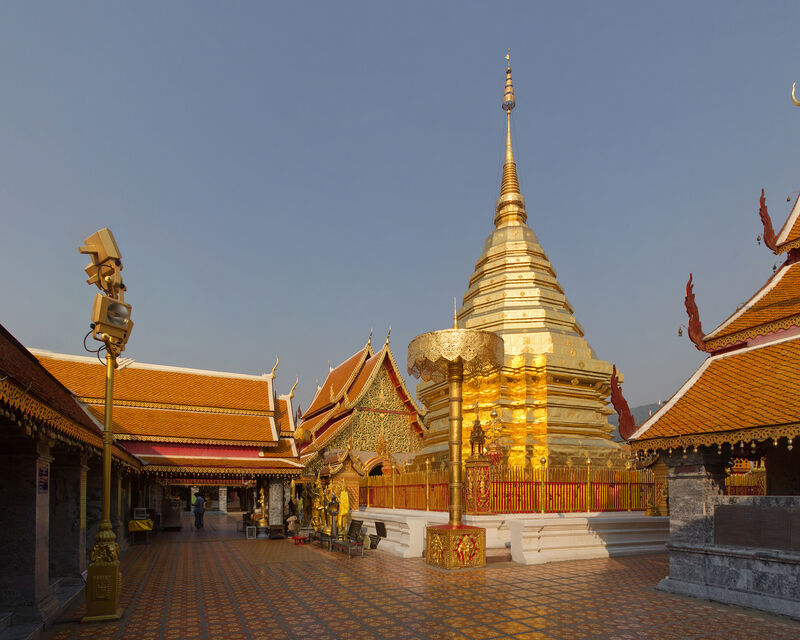
Chiang Mai: 300+ temples, a living city of worship
Chiang Mai's old city is a 1km² square moat containing over 30 active temples — and the wider city has more than 300 wats in total. Doi Suthep (Wat Phra That Doi Suthep), perched 1,000m above the city, is the signature pilgrimage temple with sweeping views over the valley. Wat Chedi Luang houses a 600-year-old ruined chedi and hosts daily monk chats for visitors. Wat Phra Singh holds the revered Phra Singh Buddha image. These are working temples, not museum pieces — you'll hear monks chanting at 5am and see worshippers leaving offerings throughout the day.
Chiang Rai: Three temples that don't exist anywhere else
Chiang Rai plays a different game entirely. Its temples aren't ancient — they're contemporary art installations disguised as sacred spaces, and they're unlike anything else in the Buddhist world. Wat Rong Khun (the White Temple) is architect Chalermchai Kositpipat's ongoing masterpiece: all-white with mirror glass details, a bridge over a sea of hands representing suffering, and interior murals mixing Buddhist iconography with Neo, the Predator, and Spiderman (genuinely). Wat Rong Suea Ten (the Blue Temple) is vivid cerulean with gilded naga serpents and surreal mural work. Baan Dam (the Black House) is a dark-arts compound by National Artist Thawan Duchanee — animal skulls, carved teak, alligator skins. Disturbing, beautiful, unlike anything you've seen.
"The White Temple is genuinely one of the most surreal experiences I've had anywhere in Southeast Asia. Photos don't do it justice — the scale and detail are overwhelming up close."— r/ThailandTourism
"Chiang Mai is better as a base as it has more landmarks and is closer to most notable locations (such as Pai and Doi Inthanon) than Chiang Rai. Chiang Rai would make a good day trip from Chiang Mai — trips to Chiang Rai usually feature the Golden Triangle as well."— r/ThailandTourism
🍜 Food & Dining
Chiang Mai: The birthplace of khao soi
Chiang Mai has one of the most distinctive regional cuisines in Thailand. Northern Thai food ("Lanna cuisine") is tangier, more herb-forward, and less sweet than central Thai — heavily influenced by Myanmar and Yunnan Chinese trade routes. Khao soi — a coconut curry noodle soup topped with crispy fried noodles — is the signature dish, and the city has been locked in a decades-long debate about who makes it best. The best khao soi spots include Khao Soi Khun Yai and Khao Soi Mae Sai. Beyond khao soi: sai oua (northern Thai sausage), nam prik noom (green chili dip), and kaeng hang le (Burmese-style pork curry). The Night Bazaar and Sunday Walking Street are legitimately excellent food markets — not tourist traps.
Chiang Rai: Smaller but genuinely good
Chiang Rai's food scene is modest but authentic. The night market near the Clock Tower has excellent grilled meats, noodle soups, and fresh fruit for 40–80 THB ($1–2.50). Locally, traveler-reviewed spots like Phu-Lae Restaurant and Lung Eed Local Food are legitimate highlights. The Chiang Rai night market is specifically praised by Reddit travelers as less commercialized than Chiang Mai's. Thai tea culture is also strong here — the surrounding hills grow excellent oolong and green teas.
"We loved Chiang Rai — a more local Thai vibe than Chiang Mai. And the night market was great. You do want to see the white, black, and blue temples."— r/ThailandTourism
💰 Cost Comparison
| Expense | Chiang Mai | Chiang Rai |
|---|---|---|
| Budget Guesthouse | 300–600 THB/night ($8–17) | 250–500 THB/night ($7–14) |
| Mid-range Hotel | 800–1,800 THB/night ($22–50) | 600–1,400 THB/night ($17–39) |
| Street Food Meal | 40–80 THB ($1–2.30) | 40–70 THB ($1–2) |
| Restaurant Dinner | 150–350 THB ($4–10) | 120–250 THB ($3.50–7) |
| Songthaew (shared taxi) | 30–60 THB ($0.85–1.70) | 30–50 THB ($0.85–1.40) |
| Scooter Rental | 150–250 THB/day ($4–7) | 150–200 THB/day ($4–5.60) |
| Temple Entry | Doi Suthep: 50 THB ($1.40); most free | White Temple: 100 THB ($2.80); Blue Temple free |
| Cooking Class | 800–1,200 THB ($22–34) | Fewer options, 700–1,000 THB |
| Budget Daily Total | ~$25–40/day | ~$20–35/day |
"You can find some serviced monthly rental for 5–10k baht for a month in Chiang Mai. Or just go with a hostel for like $20 a night, maybe less."— r/chiangmai
"I stayed in a guesthouse in Chiang Rai for 550 baht per night as of last year. It was great."— r/ThailandTourism
🚐 Getting Around
Chiang Mai: Great city transport
Chiang Mai has one of the best public transport setups of any Thai city outside Bangkok. Songthaews (red pickup truck taxis) cruise all routes for 30–60 THB — you flag them down, tell them where you're going, and they negotiate a price. Grab is fully operational and often cheaper for longer rides. Bicycles are excellent in the old city (flat, moat-enclosed, easy to navigate). Scooters rent for 150–250 THB/day and open up Doi Suthep, elephant sanctuaries, and the surrounding mountains. The Nimman and old city areas are highly walkable. No car needed for the city itself.
Chiang Rai: Walkable center, scooter essential for temples
Chiang Rai's city center is compact and walkable — the Clock Tower area, night market, and most restaurants and guesthouses are within 15 minutes on foot. But the major temples are outside the city: Wat Rong Khun is 13 km south (~25 min by scooter), the Blue Temple is 3 km east, and Baan Dam is 13 km north. To see all three in a day, you need a scooter (~150–200 THB/day), a hired tuk-tuk (~500–700 THB for a half-day temple circuit), or a tour. Grab is available but limited. The Golden Triangle is 60 km north — requires a day tour or rental car.
🌸 Best Time to Visit
Cool Season (November–February): Best for both
This is northern Thailand's golden window. Temperatures in both cities hover between 15–28°C (59–82°F). Clear blue skies, dry roads, and cool mountain mornings. Chiang Mai's famous Yi Peng lantern festival (November) and Loi Krathong are spectacular. Chiang Rai's Singha Park flower festival runs in late January. Book accommodation early for December–January peak.
Hot Season (March–May): Burning season — approach with caution
Both Chiang Mai and Chiang Rai suffer heavily during burning season, when farmers burn agricultural fields and forest fires are common. AQI routinely exceeds 200+ (hazardous) from late February through April. Reddit travelers are unanimous: do not visit northern Thailand during burning season unless you have specific reasons. Check IQAir before traveling.
"The worst thing is burning season can be seriously bad. The air quality during the cool season throughout summer, when the air is still and it doesn't rain, can be absolutely horrible."— r/Thailand
Rainy Season (June–October): Lush but wet
Afternoon rain showers are common but rarely all-day. The mountains are green, waterfalls are full, and crowds are lower. September–October can bring flooding in low areas. This is actually a lovely time to visit if you don't mind packing a light rain jacket — prices drop and you'll have temples mostly to yourself.
🏨 Where to Stay
Chiang Mai neighborhoods
Old City (inside the moat): The classic base — walking distance to most temples, night markets, and restaurants. Guesthouses 300–600 THB, boutique hotels 800–1,500 THB. Can feel crowded in peak season. Nimman Road area: The hip neighborhood — trendy cafés, co-working spaces, Maya Mall for shopping, One Nimman food hall. Slightly pricier but more modern. Night Bazaar area: Central, convenient for nightlife and riverside. Great mid-range hotel value. Santitham: Where longer-term expats and nomads live — quieter, local, excellent food at non-tourist prices.
Chiang Rai neighborhoods
Chiang Rai is small enough that neighborhood choice matters less. The Clock Tower/Night Market area (central) is the obvious base — walk to restaurants, night market, and most transport options. The Doisaket Road area has newer boutique guesthouses away from noise. Travelers specifically recommend Le Meridian (luxury), Narisara (boutique mid-range), and the Busket Hostel (budget/social near night market) on Reddit.
"I stayed at Busket hostel right near the night market and it was great. If I ever come back to Thailand, Chiang Rai is definitely somewhere I'd come back to."— r/Thailand
🌿 Trekking & Hill Tribes
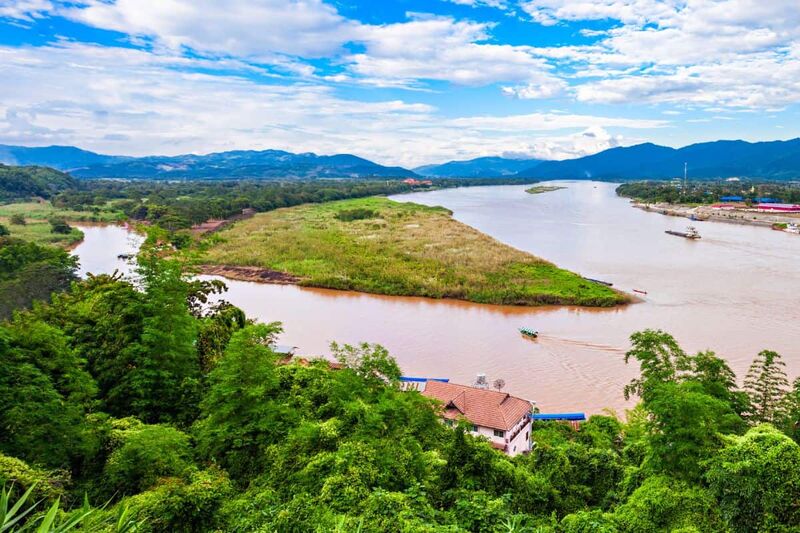
Chiang Rai: The better trekking base
Chiang Rai province borders both Myanmar and Laos, and the mountain villages in the surrounding hills are among the most culturally intact in Thailand. Akha, Karen, Yao, Lisu, and Mien communities are accessible on multi-day treks organized from the city. The hill tribe museum in town (small but very informative) provides crucial context before visiting. Mae Salong (Ban Santikiri) is a Yunnan Chinese tea village at 1,300m elevation — former KMT Nationalist Army soldiers settled here in the 1950s, and their descendants still grow exceptional oolong tea. The Golden Triangle (Sop Ruak), where Thailand, Laos, and Myanmar meet at the Mekong River, is 60 km north — a historically fascinating area.
Chiang Mai: Commercial but accessible
Chiang Mai has a large trekking industry — ethical elephant sanctuaries, hill tribe day tours, and multi-day treks are well-organized and easy to book. Doi Inthanon National Park (Thailand's highest peak at 2,565m) is a 2-hour drive south — excellent hiking, waterfalls, and royal gardens. The Mae Kamphaeng hot springs and bamboo rafting circuits are solid half-day options. The downside: more commercialized than Chiang Rai's trekking scene, and some "hill tribe villages" near Chiang Mai are effectively tourist exhibits.
"Chiang Rai has some of the most beautiful mountain riding I've done anywhere — the Golden Triangle area north of the city is stunning. Could easily spend a week exploring."— r/ThailandTourism
🎒 Day Trips
From Chiang Mai
Chiang Mai is surrounded by excellent day trip options. Doi Inthanon National Park (2 hrs south) — Thailand's highest peak, twin royal chedis, spectacular waterfalls, and birding. Pai (3 hrs northwest) — quirky mountain town with hot springs, canyon, and a famously laid-back scene (though very touristy). Elephant sanctuaries (1–2 hrs) — Elephant Nature Park and Friends of the Asian Elephant are legitimate ethical sanctuaries. Chiang Rai itself is a popular day trip, though overnight is strongly recommended. Thai cooking classes and Thai massage courses are unique half-day options that make Chiang Mai a destination in itself.
From Chiang Rai
Chiang Rai's day trip radius is more compact but still rewarding. Golden Triangle / Sop Ruak (1 hr north) — the famous three-country confluence plus the excellent Hall of Opium museum ($6 entry, surprisingly fascinating). Doi Tung Royal Villa (1.5 hrs north) — former princess mother's mountain residence with beautiful gardens at 1,200m. Chiang Saen (40 min north) — ancient Lanna kingdom ruins on the Mekong, low-key and atmospheric. Mae Salong (1.5 hrs northwest) — Chinese tea village with exceptional oolong and mountain views.
🎉 Nightlife & Social Scene
Chiang Mai: Genuine nightlife
Chiang Mai has real nightlife — not Bangkok-level, but legitimate. Nimman Road has dozens of bars, rooftop venues, and live music spots concentrated in a walkable strip. The Night Bazaar area has Zoe in Yellow (the backpacker party hub) and surrounding bars. Riverside Bar and Restaurant is an institution with nightly live Thai pop. A large expat and digital nomad community keeps the cafe and bar scene active year-round. The Chiang Mai social scene is genuinely pleasant — friendly, not seedy, with a good mix of travelers, expats, and locals.
Chiang Rai: Quiet nights are the norm
Chiang Rai's nightlife is minimal. The Clock Tower area has a handful of bars and beer gardens. The night market is the main evening activity — food, souvenirs, and local atmosphere — and it wraps up by 10pm. This is not a weakness if you're there for temples and trekking; it's actually pleasant to decompress in a quiet Thai town. But if late nights, bar-hopping, or meeting other travelers socially is important to your trip, Chiang Mai delivers; Chiang Rai doesn't.
🔀 Why Not Both?
Chiang Mai and Chiang Rai are 200 km apart — a 3.5-hour bus ride or 45-minute flight. Most northern Thailand itineraries include both, and they complement each other well: Chiang Mai as the energetic urban base with day trips in every direction, Chiang Rai as the quieter, temple-focused finale. The most popular combo is 4 nights in Chiang Mai, then 2 nights in Chiang Rai — covering the core highlights of both without rushing either.
Transport between the cities is easy: Green Bus runs direct service for ~130–170 THB ($3.50–$5), departing Chiang Mai's Arcade Bus Terminal every hour or two. The journey is comfortable, airconditioned, and scenic through mountain curves. You can also fly (Air Asia, Nok Air — about $30–60 one-way) if you want to save the 3.5 hours. Road trippers who rent a car or motorbike can stop at scenic viewpoints, hot springs, and waterfalls along the way — a genuinely excellent drive.
🎯 The Decision Framework
Choose Chiang Mai if…
- You only have 3–5 days in northern Thailand
- Food and markets are a priority
- You want a vibrant social scene and nightlife
- You're a digital nomad needing co-working infrastructure
- You want elephant sanctuary access
- You want cooking classes and Thai massage courses
- You prefer walkable urban exploration
- It's your first time in Thailand
- You want the widest variety of day trips
Choose Chiang Rai if…
- The White Temple is a bucket-list item
- You want authentic, less-touristy Thailand
- Multi-day hill tribe trekking is a goal
- You want slower travel and quiet evenings
- You're combining with a Golden Triangle visit
- You've already done Chiang Mai before
- You want the tea culture of Mae Salong
- You prefer a smaller-city vibe
❓ Frequently Asked Questions
Is Chiang Mai or Chiang Rai better for first-time Thailand travelers?
Chiang Mai wins for first-timers — it has more variety, better transport, strong English-speaking infrastructure, and a forgiving tourist ecosystem. You can fill 4–5 days easily with temples, cooking classes, markets, and day trips. Chiang Rai is superb but smaller — most travelers visit it as a 1–2 day side trip from Chiang Mai rather than a standalone base.
How far is Chiang Rai from Chiang Mai?
About 200 km (125 miles) by road — roughly 3 to 3.5 hours by bus or car. Green Bus runs direct services for about 130–170 THB ($3.50–$5 USD). There are also shared minivans (~200 THB) and private taxis (~1,500–2,000 THB). A day trip from Chiang Mai to Chiang Rai is entirely doable but tiring; most travelers prefer staying overnight to visit the key temples at a relaxed pace.
Which is cheaper, Chiang Mai or Chiang Rai?
They're similar, with Chiang Rai marginally cheaper for accommodation. Budget travelers in Chiang Mai spend $25–40/day (street food, guesthouses, songthaew transport). Chiang Rai runs $20–35/day — fewer tourists means less price inflation. Both cities are exceptional value compared to Bangkok or the southern islands.
Can you do Chiang Rai as a day trip from Chiang Mai?
Technically yes, but it's a long day. Chiang Rai is 3–3.5 hours each way by bus, making it a 7-hour round trip before you've seen anything. Most organized day tours leave Chiang Mai at 7am and return by 8pm — enough time for the White Temple, Blue Temple, and Black House. Staying overnight in Chiang Rai is significantly more relaxing and lets you add the Golden Triangle and hill tribe villages.
What is Chiang Rai famous for?
Chiang Rai is famous for three extraordinary temples: Wat Rong Khun (the White Temple — an all-white Buddhist masterpiece covered in mirror glass), Wat Rong Suea Ten (the Blue Temple — vivid cerulean with ornate murals), and Baan Dam (the Black House — a dark-art complex by National Artist Thawan Duchanee). Add the Golden Triangle, Mae Salong tea country, and excellent night markets.
Does Chiang Rai have the same air quality problems as Chiang Mai?
Yes — both cities suffer during burning season, typically February through April. Chiang Rai can be slightly worse given its proximity to the Myanmar border. Check AQI readings before traveling. Both cities are beautiful outside burning season, with cool season (November–January) being the best time to visit.
How many days do you need in Chiang Rai?
Two full days covers the highlights comfortably: Day 1 for White Temple, Blue Temple, and Black House; Day 2 for Golden Triangle, Chiang Saen ruins, and Doi Tung. Three days gives you time to explore the night market, visit Mae Salong (hill tribe tea village), and slow down. Most travelers pair 4–5 days in Chiang Mai with 2 nights in Chiang Rai for a complete northern Thailand trip.
Is Chiang Rai good for trekking and hill tribes?
Yes — Chiang Rai is arguably better than Chiang Mai for authentic hill tribe trekking. The province borders Myanmar and Laos, with Akha, Karen, Lisu, and Yao communities in the surrounding mountains. Responsible multi-day treks into these villages are a highlight of northern Thailand. Mae Salong, a Yunnan Chinese tea village at 1,300m, is a unique cultural detour found nowhere else in Thailand.
Ready to Plan Your Northern Thailand Trip?
Get a free personalized itinerary for Chiang Mai, Chiang Rai, or a combination of both — built around your travel style, pace, and budget.
🎟️ Book Tours & Experiences
Hand-picked tours and activities for both destinations — book with free cancellation
Experiences via Viator — free cancellation on most tours