⚡ The TL;DR Verdict
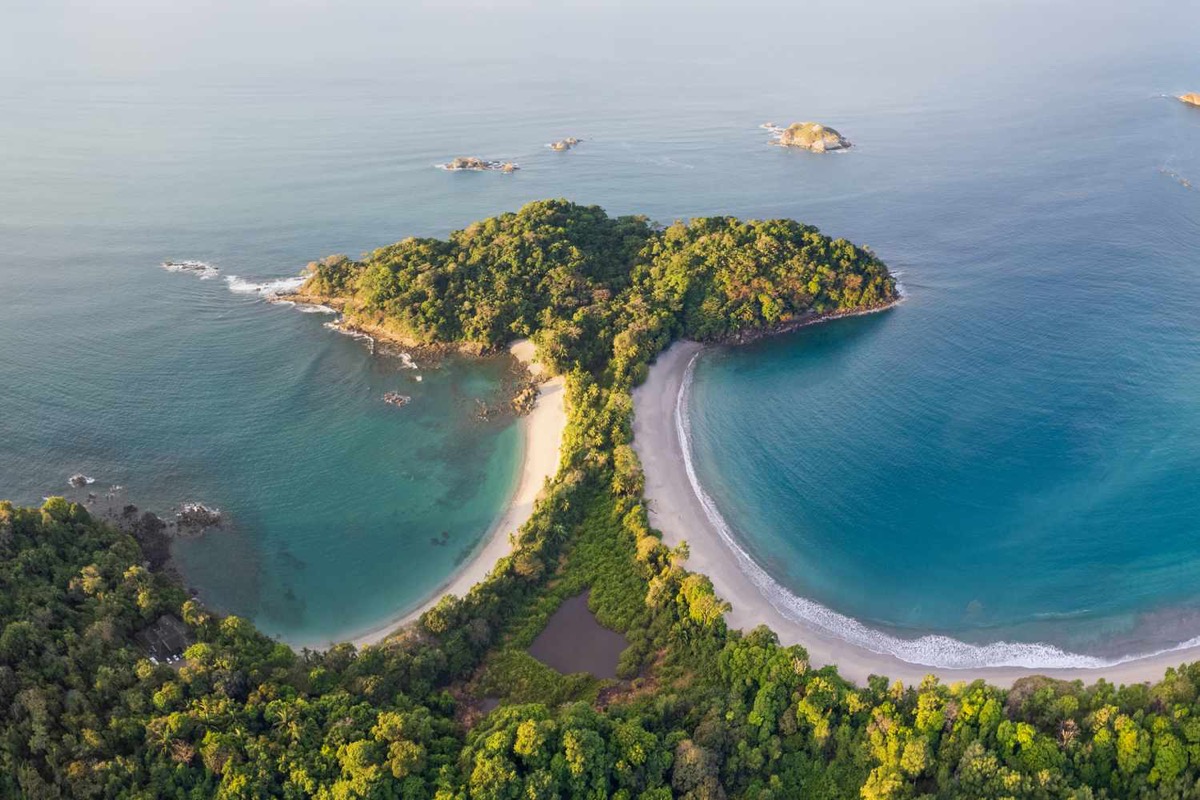
Visit Costa Rica if you want a genuine adventure — rainforest hikes, volcanic hot springs, wildlife encounters with sloths and toucans, and a foreign culture experience at roughly half the cost of Hawaii.
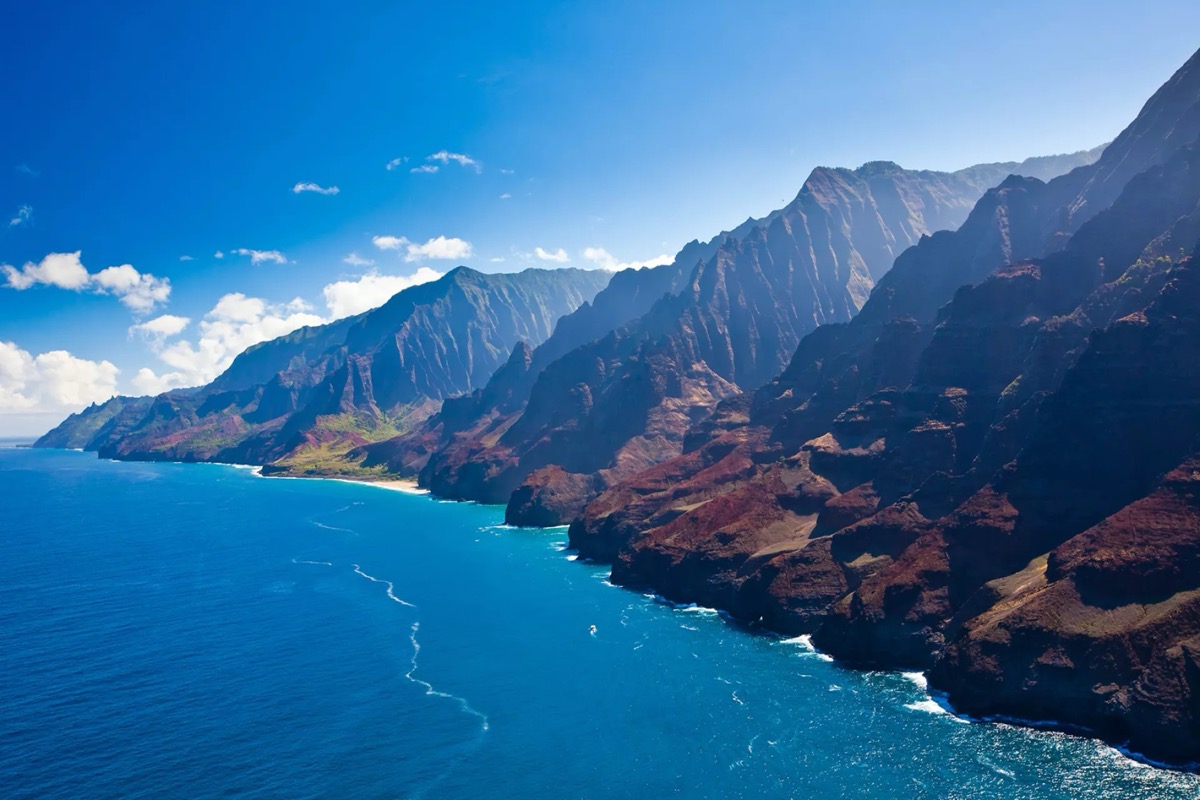
Visit Hawaii if you want world-class beaches, reliable infrastructure, no passport hassles, and a perfect blend of tropical beauty with American convenience.
Reddit consensus: Costa Rica wins on adventure, value, and the "wow" factor of a foreign country. Hawaii wins on ease, beaches, and polish. Both are incredible. If money is a major factor, Costa Rica is dramatically cheaper. If you want zero friction and the best beaches on Earth, Hawaii every time.
Quick Comparison
| Category | 🌿 Costa Rica | 🌺 Hawaii | Edge |
|---|---|---|---|
| Daily Budget (mid-range) | $100–150/person | $250–400/person | Costa Rica |
| Beaches | Wild, rustic, two coasts (Pacific + Caribbean) | Pristine, world-class, excellent swimming | Hawaii |
| Wildlife | Sloths, monkeys, toucans, sea turtles, crocs | Sea turtles, whales (seasonal), reef fish | Costa Rica |
| Adventure Activities | Zip-lining, white water rafting, volcano hikes | Snorkeling, surfing, helicopter tours | Costa Rica |
| Food Scene | Casados, fresh ceviche, local sodas — cheap and hearty | Poke, plate lunch, fusion cuisine — pricey but diverse | Tie |
| Ease of Travel | Passport required, Spanish helps, rough roads | No passport (US), English, good roads | Hawaii |
| Culture | Pura vida lifestyle, foreign country experience | Polynesian + American blend, aloha spirit | Costa Rica |
| Nature & Scenery | Rainforests, cloud forests, volcanoes, mangroves | Volcanic landscapes, dramatic coastlines, waterfalls | Tie |
| Accommodation | $80–180/night mid-range | $200–400/night mid-range | Costa Rica |
| Best For | Adventure seekers, budget travelers, families wanting culture | Beach lovers, honeymooners, those wanting easy luxury | — |
🍽️ Food & Dining
Costa Rica's food scene revolves around casados — the classic set meal of rice, beans, plantains, salad, and your choice of protein (chicken, fish, or beef) — available at local sodas (family-run restaurants) for $5–8. Fresh ceviche is exceptional along both coasts, tropical fruit is absurdly cheap, and the coffee is world-class. Don't miss a pinto breakfast (rice and beans with eggs). The food is hearty and honest rather than refined.
Hawaii's food scene is more diverse and more expensive. Poke bowls ($12–18), plate lunches ($12–20), shave ice ($5–8), and incredible fusion cuisine blending Japanese, Filipino, Polynesian, and American influences. Maui and Oahu have serious restaurant scenes with everything from roadside shrimp trucks (North Shore's famous Giovanni's at $15/plate) to high-end dining. But expect to pay mainland-city prices — or higher — for everything.
Price comparison
The gap is stark. A casado lunch at a soda in La Fortuna or Manuel Antonio runs $6–10. A comparable plate lunch at a Hawaiian spot costs $15–22. Dinner at a mid-range restaurant: $12–25 in Costa Rica, $35–65 in Hawaii. A beer at a bar: $2.50–4 (Imperial, the local brew) vs $7–10. The one area where Hawaii competes: grocery stores and food trucks offer reasonable value if you're self-catering.
🌴 Culture & Activities
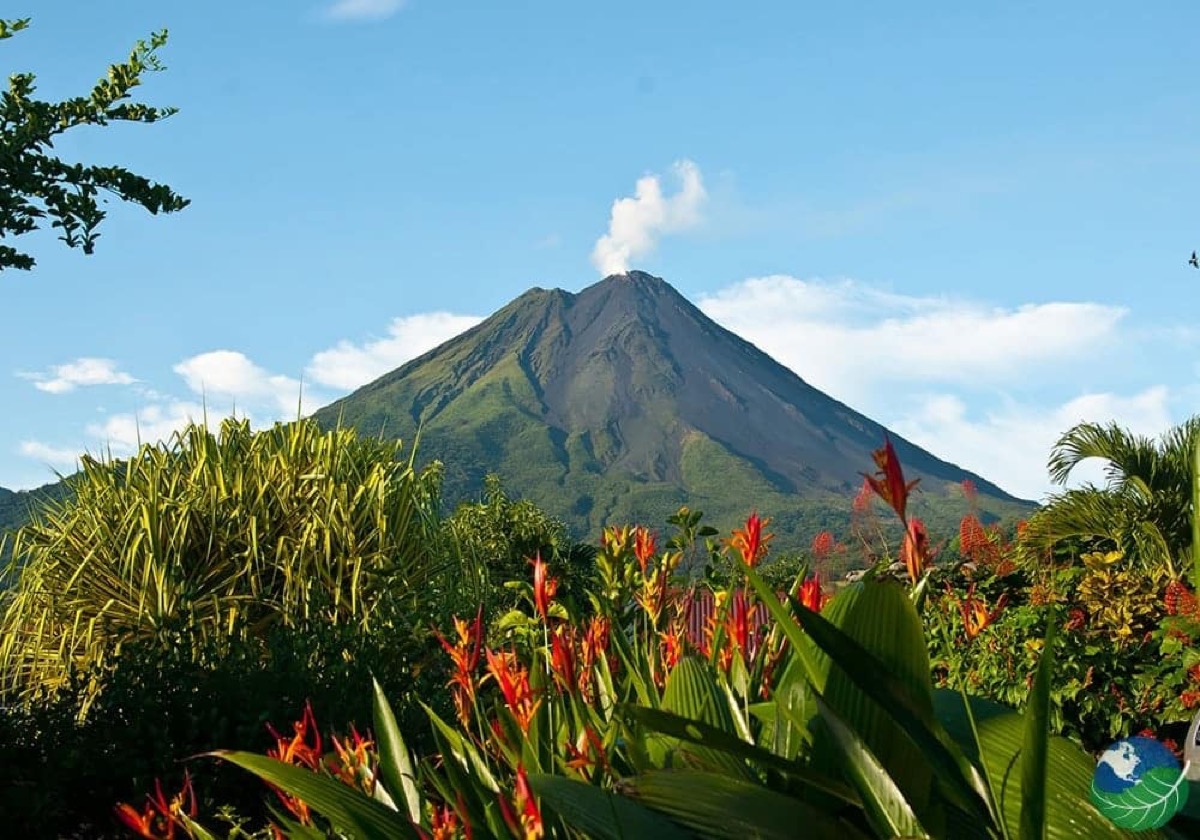
Costa Rica is an adventure playground. Zip-lining over cloud forest canopy in Monteverde (200m above the jungle floor — $50–80), soaking in volcanic hot springs at Tabacón near Arenal ($60–100), white-water rafting the Pacuare River ($90–120), watching sloths at Manuel Antonio National Park ($18 entry), and exploring jungle trails where you'll spot monkeys, toucans, and poison dart frogs. The biodiversity is staggering — Costa Rica holds nearly 6% of the world's species in a country smaller than West Virginia.
Hawaii's activities lean toward water and scenic experiences. World-class snorkeling at Molokini Crater or Hanauma Bay ($7.50 entry), surfing on the North Shore, helicopter tours over Kauai's Na Pali Coast ($250–350), the sunrise at Haleakala ($1 reservation + $30 park entry), driving the legendary Road to Hana, and hiking the Kalalau Trail. The landscapes are otherworldly — active volcanoes, emerald cliffs, and some of the clearest water on Earth.
The cultural difference is huge. Costa Rica is a foreign country — you'll navigate in Spanish (though English is widely spoken in tourist areas), use colones, and experience the genuine pura vida lifestyle that locals live and breathe. Kids especially get a lot out of the "we're in a different country" factor. Hawaii, while culturally distinct, is still the US — same currency, same language, same chain stores alongside the local culture.
💰 Cost Comparison
This is where Costa Rica pulls far ahead. Hawaii is one of the most expensive destinations in the US — everything from food to gas to accommodation costs 30–60% more than the mainland. Costa Rica, while not dirt cheap (prices have risen significantly post-COVID), still offers dramatically better value. Here's a realistic 2026 daily budget breakdown:
| Expense | 🌿 Costa Rica | 🌺 Hawaii |
|---|---|---|
| Mid-range hotel | $90–180/night | $200–400/night |
| Budget hostel/Airbnb | $25–60/night | $80–150/night |
| Budget lunch | $6–10 (casado at a soda) | $15–22 (plate lunch) |
| Dinner (mid-range) | $12–25 | $35–65 |
| Beer at a bar | $2.50–4 | $7–10 |
| Car rental (per day) | $80–130 (with insurance) | $50–80 |
| Gas (per gallon) | $5.50–6.50 | $4.50–5.50 |
| Guided tour/activity | $50–120 | $100–350 |
| Daily total (mid-range, per person) | $100–150 | $250–400 |
The car rental trap in Costa Rica: While almost everything is cheaper, car rentals are a notable exception. Costa Rica requires full coverage insurance (you can't use your US insurance or credit card coverage), which pushes daily rental costs to $80–130. Many travelers use Vamos Rent-A-Car, which has a strong reputation on travel forums. In Hawaii, your regular insurance works, and rates are typically $50–80/day.
Flights: From most US cities, flights to Costa Rica (SJO or LIR) run $300–600 round trip. Hawaii flights are $400–800 from the West Coast, $600–1,000+ from the East Coast. Costa Rica flights are often cheaper, especially from cities with direct routes (Houston, Miami, Dallas, LAX).
🚗 Getting Around
Hawaii is straightforward. Rent a car (your US insurance works), drive on well-maintained roads, and use Google Maps. Traffic can be brutal on Oahu — especially around Honolulu and the H-1 freeway — but otherwise navigation is simple. Each island is compact enough to explore in a day of driving. Public transit exists on Oahu (TheBus, $3/ride) but is limited on other islands.
Costa Rica is... an adventure in itself. Roads range from excellent highways to unpaved mountain tracks that require 4WD. Google Maps sometimes routes you down roads that barely exist. Driving times are deceptive — 100 km can take 3 hours on winding mountain roads. That said, having a car gives you incredible freedom. Budget an SUV with 4WD if you're heading to remote beaches or Monteverde (the road to Monteverde is legendarily rough).
Alternatives in Costa Rica: Private shuttle services like Interbus ($50–65 between major towns) are reliable and air-conditioned. Shared shuttles run $25–45. Local buses are cheap ($2–8 for long routes) but slow. Many tours include hotel pickup. You can do Costa Rica without a car — it just limits your flexibility.
☀️ Best Time to Visit
Both destinations are tropical year-round, but their weather patterns differ significantly. Costa Rica has two distinct seasons: dry (December–April) and green/rainy (May–November). Hawaii is pleasant all year with relatively modest temperature swings.
Data: Open-Meteo archive & historical averages. Costa Rica temps for Guanacaste/Pacific coast. Hawaii temps for Maui south shore. Both in Celsius.
Costa Rica seasons
Dry season (Dec–Apr) is peak tourist season. Sunny skies, minimal rain, everything accessible. Prices are highest and popular spots get crowded. Book well ahead.
Green season (May–Nov) is underrated. Mornings are typically sunny with afternoon thunderstorms that clear by evening. Everything is lush and green, prices drop 20–40%, and crowds thin dramatically. September and October are the wettest months — some roads may be impassable. The "mini verano" (little summer) in July brings a brief dry spell on the Pacific coast.
Hawaii seasons
Hawaii barely has seasons — temperatures stay in the 75–85°F (24–31°C) range year-round. Winter (Nov–Mar) brings slightly more rain (mainly on windward/north shores), bigger surf, and whale watching season (humpbacks arrive December through March). Summer (Jun–Sep) has the calmest waters, best snorkeling conditions, and slightly warmer temps. Shoulder seasons (Apr–May, Sep–Nov) offer the best value.
🏨 Where to Stay
Costa Rica regions
La Fortuna / Arenal — The adventure hub. Arenal Volcano backdrop, hot springs, zip-lining, hanging bridges, waterfalls. Hotels range from budget ($40–80) to luxury hot-spring resorts like Tabacón ($350+) and The Springs ($400+). Hotel Los Lagos ($120–180) is a great mid-range pick with volcano views, hot springs, and slides. Stay 3–4 nights.
Monteverde / Santa Elena — Cloud forest magic. Cooler temps, incredible biodiversity, zip-lining, coffee tours. More budget-friendly than Arenal. Expect $60–150/night for solid lodges. The roads here are notoriously rough (part of the charm, some say). Stay 2–3 nights.
Manuel Antonio — Beach + rainforest combo. The national park is stunning — monkeys, sloths, and gorgeous beaches in one place. Quepos is the nearby town for restaurants and nightlife. Hotels range from $80–250/night. Stay 3–4 nights.
Guanacaste / Tamarindo — The beach resort coast. Closest to a "Hawaii vibe" in Costa Rica. Beautiful beaches (Playa Flamingo, Tamarindo, Conchal), great surfing, more developed infrastructure. Fly into Liberia (LIR) airport for easy access. Hotels $100–300/night.
Hawaii islands
Maui — The all-rounder. Best beaches (Ka'anapali, Wailea), the Road to Hana, Haleakala sunrise, excellent food scene. Most first-timers love it. Stay in Kihei for value or Ka'anapali/Wailea for resort life. Hotels $200–500/night.
Oahu — The most accessible. Waikiki, Pearl Harbor, North Shore surfing, Diamond Head, incredible food diversity. More urban/populated than other islands. Stay in Waikiki for energy or North Shore for chill. Hotels $180–400/night.
Kauai — The Garden Isle. Na Pali Coast, Waimea Canyon, lush and dramatic. Most relaxed, least developed. Stay in Princeville (north) or Poipu (south). Hotels $200–450/night.
Big Island (Hawaii Island) — Volcanoes and diversity. Hawaii Volcanoes National Park, black sand beaches, Kona coffee country, Mauna Kea stargazing. Most geographically diverse. Stay in Kona (west) or Hilo (east, rainier). Hotels $150–350/night.
🎒 Day Trips & Excursions
Both destinations reward exploration beyond your base. Here are the top excursions from each.
From Costa Rica bases
Rio Celeste (from La Fortuna, 2.5h) — An impossibly blue river in Tenorio Volcano National Park. The turquoise color comes from volcanic minerals. One of the most photographed spots in Costa Rica. $12 entry.
Pacuare River rafting (from La Fortuna or San José, full day) — Class III-IV rapids through pristine rainforest gorge. Often ranked among the world's top 5 rafting rivers. $90–120 including lunch and transport.
Corcovado National Park (from Manuel Antonio or Drake Bay, full day) — Called "the most biologically intense place on Earth" by National Geographic. Tapirs, scarlet macaws, all four species of Costa Rican monkeys. Requires a guide. $80–120.
Tortuguero (from San José, 2-day) — The "Amazon of Costa Rica." Canals teeming with wildlife, sea turtle nesting (Jul–Oct). Accessible only by boat or small plane.
From Hawaii bases
Road to Hana (from Maui west side, full day) — 64 miles of stunning coastal highway with 620 curves, 59 bridges, and countless waterfalls. Stop at Twin Falls, Wai'anapanapa black sand beach, and 'Ohe'o Gulch. Leave early, go slow, bring snacks.
Haleakala sunrise (from Maui, half day) — Watch the sun rise at 10,023 feet above the clouds. Otherworldly volcanic crater landscape. Reservations required ($1 + $30 park entry). Leave at 3am.
Na Pali Coast boat tour (from Kauai, half day) — See the dramatic 4,000-foot cliffs from the water. Snorkeling, dolphin spotting, waterfall views. $150–250 per person.
Hawaii Volcanoes National Park (from Big Island, full day) — Active lava flows (when erupting), Thurston Lava Tube, steam vents, Devastation Trail. $30 park entry. Check eruption status at nps.gov.
🔀 Why Not Both?
Unlike Tokyo and Kyoto (which are 2 hours apart), Costa Rica and Hawaii are on completely different sides of the Pacific. You can't casually combine them in one trip. But here's the thing: they scratch completely different itches, which makes them perfect as separate trips in the same year or consecutive years.
Suggested approach
Costa Rica first, Hawaii second. Most travelers who've done both say Costa Rica makes a bigger impression as a first trip — the adventure, wildlife, and foreign-country factor create stronger memories. Then Hawaii becomes the perfect follow-up: more relaxing, polished, and beach-focused. Starting with Hawaii and then going to Costa Rica can make CR feel rougher by comparison.
If you only pick one this year
Tight budget? Costa Rica. You'll get 12+ days for what 7 days in Hawaii costs.
Short on time (5–7 days)? Hawaii. One island, zero jet lag from the West Coast, easy logistics.
Kids under 10? Depends on your family's adventure tolerance. Hawaii is easier; Costa Rica is more memorable.
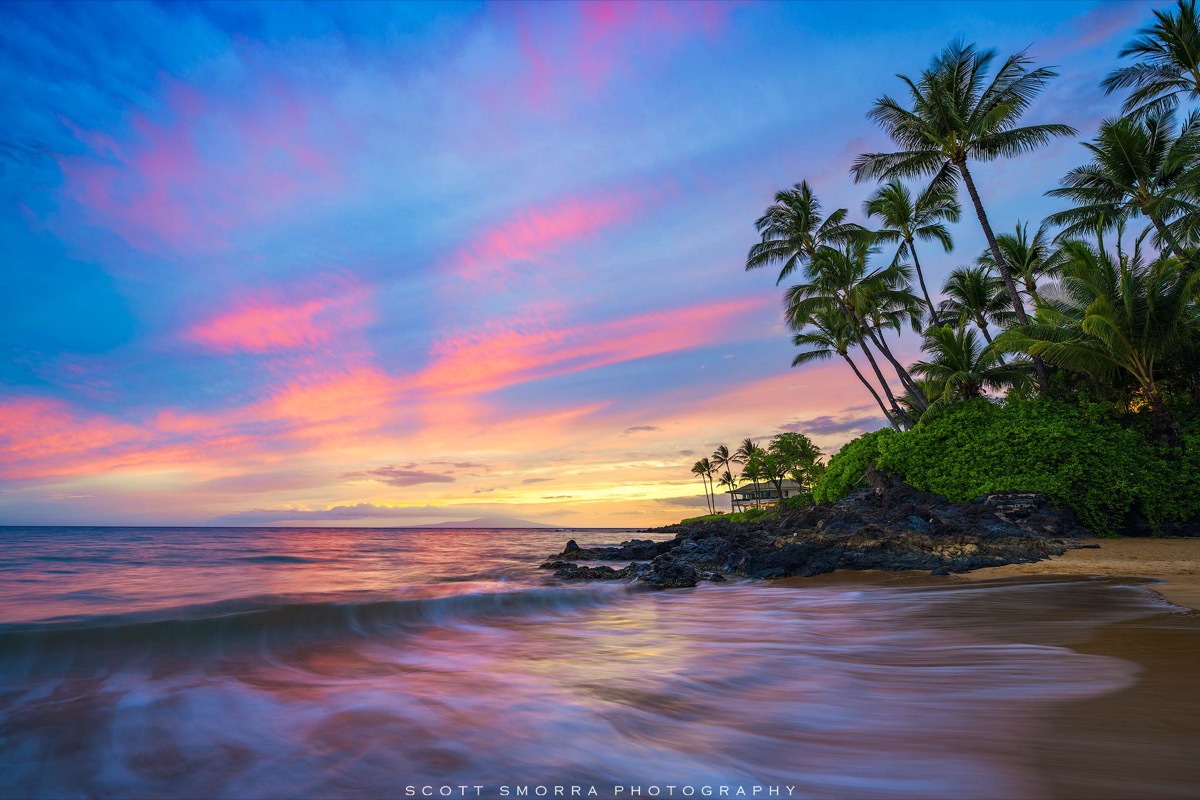
Honeymoon or anniversary? Hawaii. Better luxury options, world-class beaches, romantic sunsets without mosquitoes.
Adventurous couple? Costa Rica. Every day is a different thrill.
🎯 The Decision Framework
Choose Costa Rica If…
- Budget is a major factor for you
- You want a genuine foreign-country experience
- Wildlife and rainforest excite you
- Adventure activities are your thing
- You want 10–14 days of diverse experiences
- Your kids need to see sloths in the wild
- You speak (or want to practice) Spanish
- You prefer off-the-beaten-path over polished
- You value cultural immersion over convenience
Choose Hawaii If…
- World-class beaches are your top priority
- You want zero travel friction (no passport, English)
- Luxury resorts and fine dining matter to you
- You have 5–7 days (perfect for one island)
- It's a honeymoon or romantic getaway
- You want reliable weather year-round
- Water sports (surfing, snorkeling) are key
- You prefer polished infrastructure
- You're traveling with older family members
❓ Frequently Asked Questions
Is Costa Rica or Hawaii cheaper for a vacation?
Costa Rica is significantly cheaper — roughly 40–60% less day-to-day. Mid-range accommodation runs $90–180/night versus $200–400 in Hawaii. A local lunch costs $6–10 versus $15–22. The biggest exception is car rentals: Costa Rica's mandatory insurance pushes daily rates to $80–130, versus $50–80 in Hawaii. Overall, a 10-day Costa Rica trip often costs what a 7-day Hawaii trip does.
Is Costa Rica or Hawaii better for families?
Both are fantastic for families, just different experiences. Hawaii is easier logistically — no passport needed for US citizens, English everywhere, familiar food options, reliable infrastructure. Costa Rica offers kids a genuine foreign-country adventure with incredible wildlife encounters (sloths, monkeys, toucans in the wild) that kids absolutely love. Reddit parents overwhelmingly say: Hawaii for relaxation and beach time, Costa Rica for adventure and educational travel.
Do I need a passport to visit Costa Rica or Hawaii?
US citizens need a valid passport for Costa Rica but not for Hawaii (it's a US state). Costa Rica allows Americans to stay up to 90 days without a visa. You'll also need proof of a return or onward ticket to enter Costa Rica. For Hawaii, a standard US driver's license or REAL ID is sufficient for domestic flights.
When is the best time to visit Costa Rica vs Hawaii?
Costa Rica's dry season (December–April) offers the best weather — sunny skies, low humidity, minimal rain on the Pacific coast. Green season (May–November) brings afternoon showers but lower prices and fewer crowds. Hawaii is pleasant year-round with temps between 75–85°F. Best deals are in spring (April–May) and fall (September–November). Winter brings whale watching season but also slightly higher prices and more rain on windward shores.
Which has better beaches — Costa Rica or Hawaii?
Hawaii, hands down. Powdery white sand (Lanikai, Ka'anapali), dramatic black sand (Punalu'u), calm turquoise water ideal for swimming and snorkeling. Costa Rica's beaches are wilder and more rustic — Manuel Antonio and Tamarindo are gorgeous, but many beaches have stronger currents and less infrastructure. Costa Rica wins for variety though: Pacific surfing and Caribbean snorkeling in the same country.
Is Costa Rica safe for tourists?
Very safe overall — Costa Rica is considered the safest country in Central America and one of the safest in Latin America. Petty theft (especially from rental cars and hotel rooms) is the main concern. San José has higher crime rates, but tourist areas like La Fortuna, Manuel Antonio, Monteverde, and Tamarindo are comparable to any popular vacation destination. Use common sense: don't leave valuables visible in your car, use hotel safes, and you'll be fine.
How long should I spend in Costa Rica vs Hawaii?
Costa Rica deserves 10–14 days to do it justice. The country's regions are spread out with 3–5 hour drives between them. A classic first-timer itinerary: 4 nights La Fortuna (Arenal), 3 nights Monteverde, 4 nights Manuel Antonio. For Hawaii, 7–10 days is ideal for one or two islands. Most first-timers do 5 days on Maui plus 3–4 days on Oahu, or spend a full week deeply exploring a single island.
Ready to plan your tropical getaway?
Get a free custom itinerary for Costa Rica, Hawaii, or anywhere else — built from real traveler insights, not generic templates.