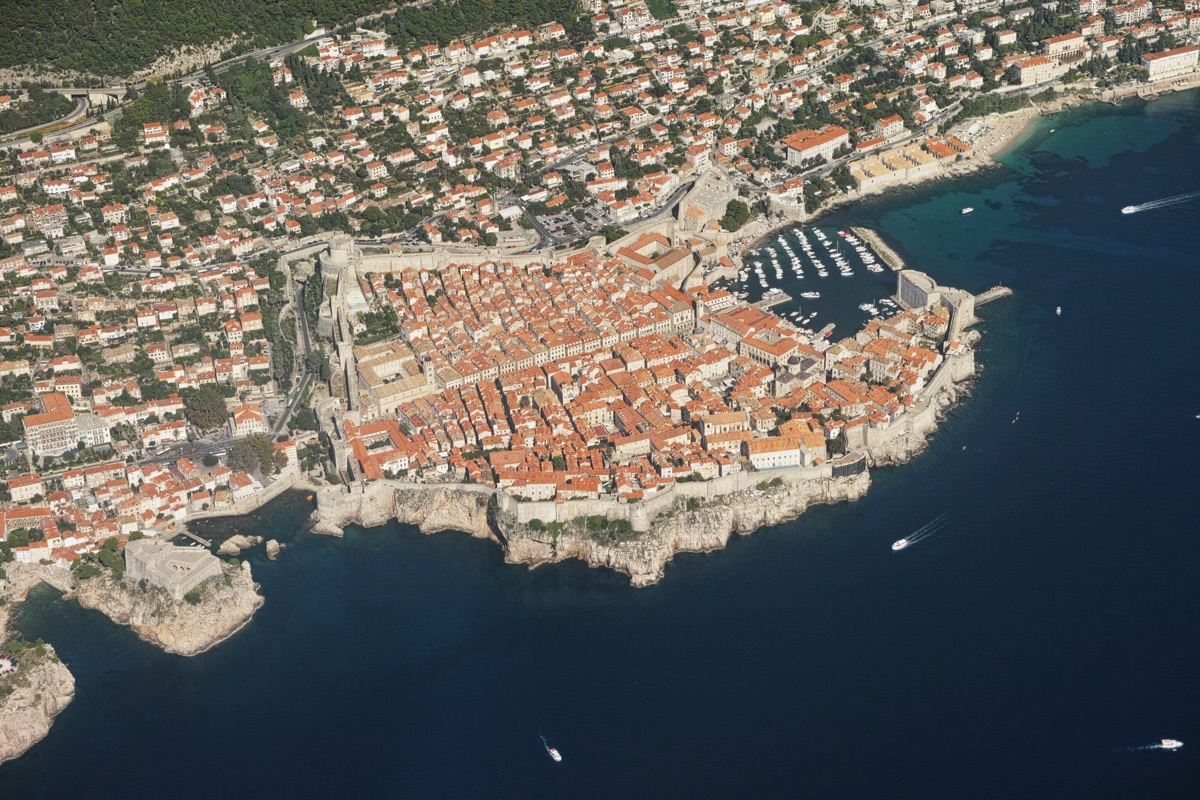
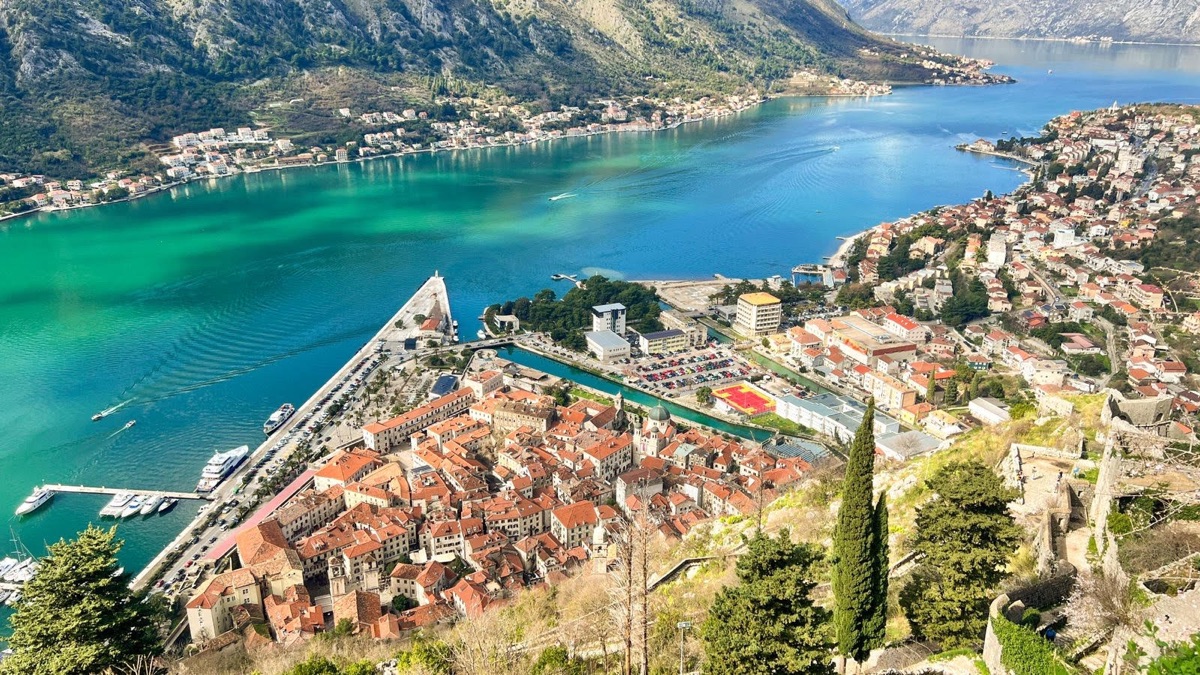
⚡ The TL;DR Verdict
Visit Croatia if you want polished Mediterranean tourism, incredible islands, world-class nightlife, Game of Thrones filming locations, and don't mind paying Western European prices for the privilege.
Visit Montenegro if you want equally stunning Adriatic scenery at 30–40% less cost, dramatic mountain-meets-sea landscapes, fewer crowds, and a more authentic, less "resort-ified" Balkans experience.
Best move: do both. They share a border. Dubrovnik to Kotor is a 2-hour drive along one of Europe's most beautiful coastal roads. With 10+ days, there's no reason to choose — and Reddit overwhelmingly agrees.
Quick Comparison
| Category | 🇭🇷 Croatia | 🇲🇪 Montenegro | Edge |
|---|---|---|---|
| Daily Budget (mid-range) | €80–135/day | €55–90/day | Montenegro |
| Food Scene | Polished seafood, truffle dishes, island wines | Generous portions, grilled meats, €8 full meals | Croatia |
| Beaches | 1,700+ km coast, 1,000+ islands, mostly pebble | Shorter coast but more sand (Ulcinj, Bečići) | Croatia |
| History & Culture | Dubrovnik walls, Diocletian's Palace, Plitvice | Kotor Old Town, Ostrog Monastery, Durmitor | Tie |
| Nightlife | Hvar, Zrće Beach, Split — world-class party scene | Budva's Riviera, Porto Montenegro — growing | Croatia |
| Crowds | Packed Jul–Aug, cruise ship overload in Dubrovnik | Less crowded overall, Kotor busy with day-trippers | Montenegro |
| Getting Around | Good buses, ferries to islands, EU infrastructure | Car essential, limited public transit, mountain roads | Croatia |
| Nature | Plitvice Lakes, Krka, island-hopping | Durmitor NP, Tara Canyon, Bay of Kotor, Lovćen | Montenegro |
| Islands | Hvar, Korčula, Vis, Brač — unbeatable variety | Sveti Stefan (private), Our Lady of the Rocks | Croatia |
| Best For | Beach lovers, island hoppers, party-goers, foodies | Budget travelers, nature lovers, off-the-path seekers | — |
🍽️ Food & Dining
Croatian cuisine is refined Mediterranean — think black risotto with cuttlefish ink, fresh Adriatic seafood, Istrian truffles, peka (slow-cooked meat under a bell lid), and local wines from Pelješac peninsula. Dining in Dubrovnik and Hvar can feel eye-wateringly expensive (a pizza runs €17–24, a fish dish can hit €52), but the quality is generally high. Split offers better value, and konobas (traditional taverns) anywhere are your friend for honest, affordable food.
Montenegro's food scene is heartier and considerably cheaper. Ćevapi (grilled minced meat), njeguški steak (stuffed with prosciutto and cheese), fresh trout from Lake Skadar, and massive mixed-grill platters are the backbone. A full meal at a local restaurant runs €8–15 even in touristy Kotor — and portions are famously generous. The seafood along the Bay of Kotor rivals Croatia's at half the price. Coffee is €1.50–2, a draft beer €2.50.
Price comparison
According to Numbeo 2026 data: an inexpensive restaurant meal averages €12 in Croatia vs €10 in Montenegro. A mid-range dinner for two runs €60 vs €45. Draft beer: €3.50 vs €2.50. Bottled water: €2.22 vs €1.37. The gap is real and consistent — Montenegro is 20–30% cheaper for dining across the board.
🏛️ History & Culture
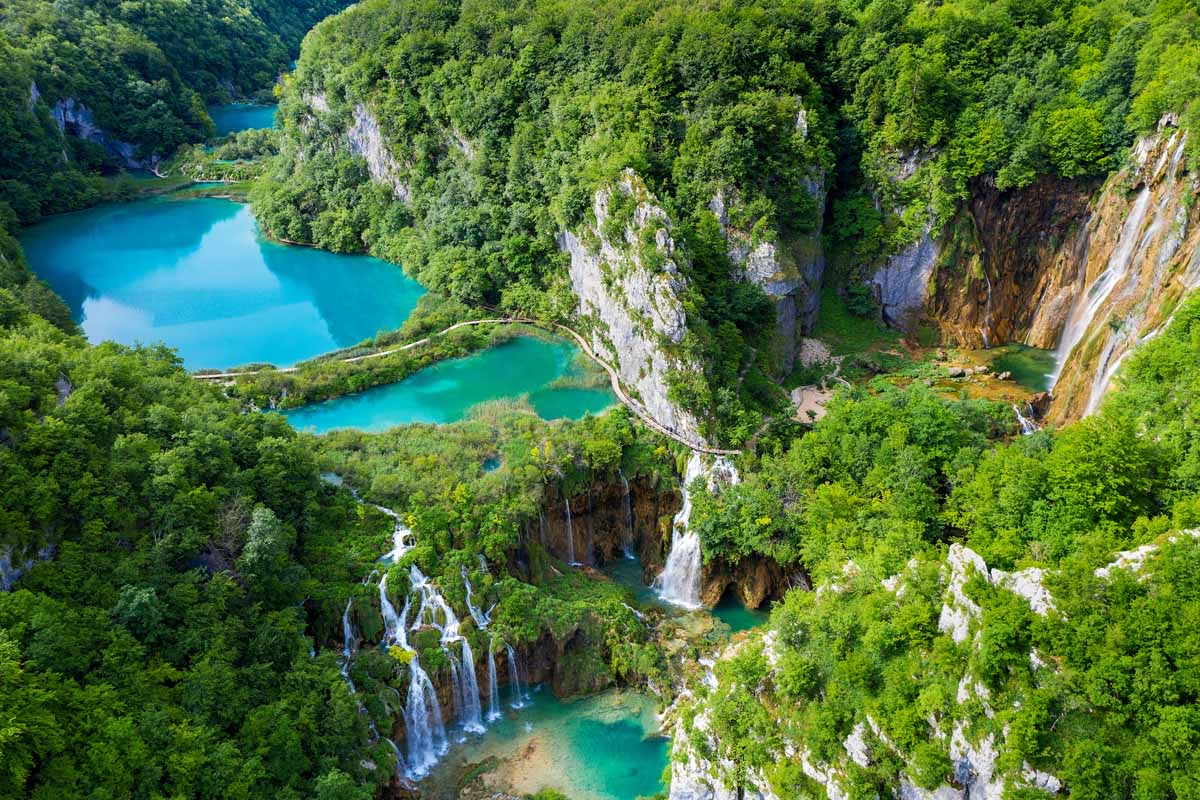
Croatia's cultural highlights are world-famous. Dubrovnik's medieval city walls — the "Pearl of the Adriatic" and King's Landing from Game of Thrones — are a UNESCO site and one of Europe's most visited attractions. Split's Diocletian's Palace (a living Roman ruin with bars inside it), Plitvice Lakes' cascading turquoise waterfalls, and the Venetian-influenced old towns of Zadar, Trogir, and Rovinj give Croatia a deep bench of cultural must-sees.
Montenegro packs a surprising amount of history into Europe's 5th smallest country. Kotor's Old Town is a UNESCO World Heritage Site — a medieval walled city at the foot of a dramatic fjord-like bay that genuinely takes your breath away. The fortress walls climb 1,200 steps up to San Giovanni castle, offering one of the most rewarding hikes in the Balkans. Beyond Kotor: Ostrog Monastery (carved into a sheer cliff face), the tiny island church of Our Lady of the Rocks in Perast, the Njegoš Mausoleum atop Mount Lovćen, and the ancient town of Cetinje (former royal capital).
Key difference: Croatia's appeal is more coastal and spread across a longer coastline and many islands. Montenegro's geography is uniquely compressed — you can go from the beach to 2,500m mountains in under 2 hours. This mountain-meets-sea drama is Montenegro's trump card.
💰 Cost Comparison
This is where the decision gets interesting. Croatia has been steadily pricing itself toward Western European levels since joining the EU and adopting the euro in 2023. Montenegro uses the euro too, but hasn't (yet) experienced the same price inflation. The difference is stark, especially in accommodation and dining.
| Expense | 🇭🇷 Croatia | 🇲🇪 Montenegro |
|---|---|---|
| Hostel dorm | €20–35/night | €12–22/night |
| Mid-range hotel | €80–160/night | €50–100/night |
| Budget meal | €10–15 | €6–10 |
| Restaurant dinner (per person) | €20–35 | €12–20 |
| Draft beer | €3.50 | €2.50 |
| Cappuccino | €2.30 | €2.20 |
| Public transit ride | €2–4 | €1–2 |
| Rental car/day | €35–60 | €25–45 |
| Daily total (mid-range) | €80–135 | €55–90 |
Important nuance: Croatia's prices vary wildly by location. Zagreb and inland Croatia are significantly cheaper than Dubrovnik or Hvar. Similarly, Montenegro's Bay of Kotor has become pricier thanks to cruise ship tourism, while Ulcinj, Bar, and Podgorica remain genuinely affordable. The headline is: tourist-zone Croatia is 30–40% more expensive than tourist-zone Montenegro, and the gap widens further if you go off the beaten path in Montenegro.
🚗 Getting Around
Croatia has well-developed tourism infrastructure — regular intercity buses (FlixBus and Croatia Bus connect all major cities), an extensive ferry network for island-hopping (Jadrolinija is the main operator), a functional domestic rail network, and good roads. Public transit within cities like Split and Zagreb works well. Single rides cost €2–4, and a 24-hour pass in Zagreb is about €5. English signage is ubiquitous.
Montenegro is a car country. Public transit between towns exists (buses run between Kotor, Budva, Podgorica, and other cities), but service is limited, schedules can be unreliable, and many of the best scenery — the serpentine road above Kotor, Durmitor National Park, Tara River Canyon — requires your own wheels. Rental cars are affordable (€25–45/day), and the roads are generally in decent condition, though mountain passes are narrow, winding, and not for nervous drivers.
The border crossing: Crossing between Croatia and Montenegro is straightforward but can take 30–60 minutes in peak summer (July–August). Note that Croatia is in Schengen, Montenegro is not — so bring your passport. In shoulder season, the crossing is usually 10–15 minutes.
☀️ Best Time to Visit
Both countries share a Mediterranean climate along the coast — hot, dry summers and mild, wet winters. Temperatures and seasons are nearly identical since they're neighbors on the same stretch of Adriatic. Here's coastal weather data (Dubrovnik vs Kotor):
Data: Open-Meteo climate normals. Temperatures are daily highs/lows. Rainfall is monthly averages. Kotor gets more rain due to its sheltered bay geography.
Best seasons
May–June (sweet spot): Warm enough to swim (sea temp 20–23°C), restaurants and ferries all running, crowds manageable, prices 30–40% lower than peak. This is when the Mediterranean is at its best.
September–early October: The sea is at its warmest (24°C+), summer crowds have thinned, and the light is golden. Many experienced travelers call September the absolute best month for the Adriatic.
July–August (peak): Hot (30–35°C), packed, expensive. Dubrovnik and Kotor get swarmed by cruise ship passengers. Hvar becomes a party island. If you must go in summer, book everything months ahead and prepare for heat and humanity.
November–April: Most coastal tourist infrastructure shuts down. Many island ferries reduce service, restaurants close, and hotel options thin out. However, Dubrovnik, Split, and Kotor's old towns are atmospheric and nearly empty — perfect for history buffs who don't need beaches.
🏨 Where to Stay
Croatia — key bases
Dubrovnik — The crown jewel. Stay inside or just outside the Old Town walls for atmosphere, or in Lapad/Babin Kuk for better value and beach access. Expect to pay premium prices (€100–200+/night for mid-range). Essential but expensive.
Split — Better value than Dubrovnik, more of a real city vibe. Diocletian's Palace neighborhood puts you inside a living Roman ruin. Bacvice beach is walkable. Great restaurant scene. The sweet spot for value-conscious travelers.
Hvar Town — The party island. Luxury hotels, beach clubs, yacht scene. June–August only (dead in off-season). Beautiful but pricey — comparable to Dubrovnik.
Rovinj (Istria) — Often overlooked. Venetian-influenced fishing town with Italy practically visible across the water. Truffle hunting, wine tasting, and significantly fewer tourists than Dalmatia. Great for couples.
Montenegro — key bases
Kotor — The obvious base. Stay inside the Old Town for medieval charm (small apartments from €50–80/night), or in Dobrota/Muo along the bay for better value and waterfront views. Walkable, atmospheric, but gets packed with cruise ship passengers 10am–4pm.
Budva — The Riviera hub. More resort-oriented, better beaches than Kotor, livelier nightlife. Budva Old Town is charming. Stay in the old town or along Slovenska Beach. Good base for day trips to Sveti Stefan and Lovćen.
Perast — Tiny, exclusive, stunning. A one-street Baroque village on the Bay of Kotor with views of Our Lady of the Rocks. Limited options but incredibly romantic. Boutique hotels €80–150/night.
Herceg Novi — At the entrance to the Bay of Kotor, near the Croatian border. Less touristy, great local restaurants, lovely promenade. Budget-friendly and an easy base for exploring both countries.
🎒 Day Trips
From Croatia's coast
Plitvice Lakes National Park (2.5h from Split) — 16 interconnected lakes with turquoise waterfalls. One of Europe's most extraordinary natural sites. Requires a full day. Book tickets online in advance for summer.
Hvar & Vis Islands (1–2h ferry from Split) — Hvar for nightlife and lavender fields, Vis for the Blue Cave and authentic island life (it was a military base until 1989).
Krka National Park (1.5h from Split) — Similar to Plitvice but you can swim at the base of the waterfalls. Less crowded and easier as a half-day trip.
Mostar, Bosnia (2.5h from Dubrovnik) — The iconic Stari Most bridge. A completely different cultural experience — Ottoman architecture, Turkish coffee, and the moving war history. Doable as a long day trip.
From Montenegro's coast
Perast & Our Lady of the Rocks (20min from Kotor) — A tiny Baroque town and an island church built on an artificial reef. Take a boat out for €5. Magical in morning light.
Lovćen National Park & Njegoš Mausoleum (1h from Kotor) — 461 steps to the mausoleum of Montenegro's poet-king, with panoramic views of the entire coast. The serpentine road up from Kotor (25 hairpin turns) is legendary.
Durmitor National Park (3h from coast) — Dramatic mountain scenery, the Tara River Canyon (deepest in Europe after the Verdon Gorge), Black Lake, and world-class rafting. Worth an overnight.
Lake Skadar (45min from Budva) — The Balkans' largest lake, straddling the Albanian border. Boat tours through water lily fields, pelicans, medieval monasteries on tiny islands. Vastly underrated.
🔀 Why Not Both?
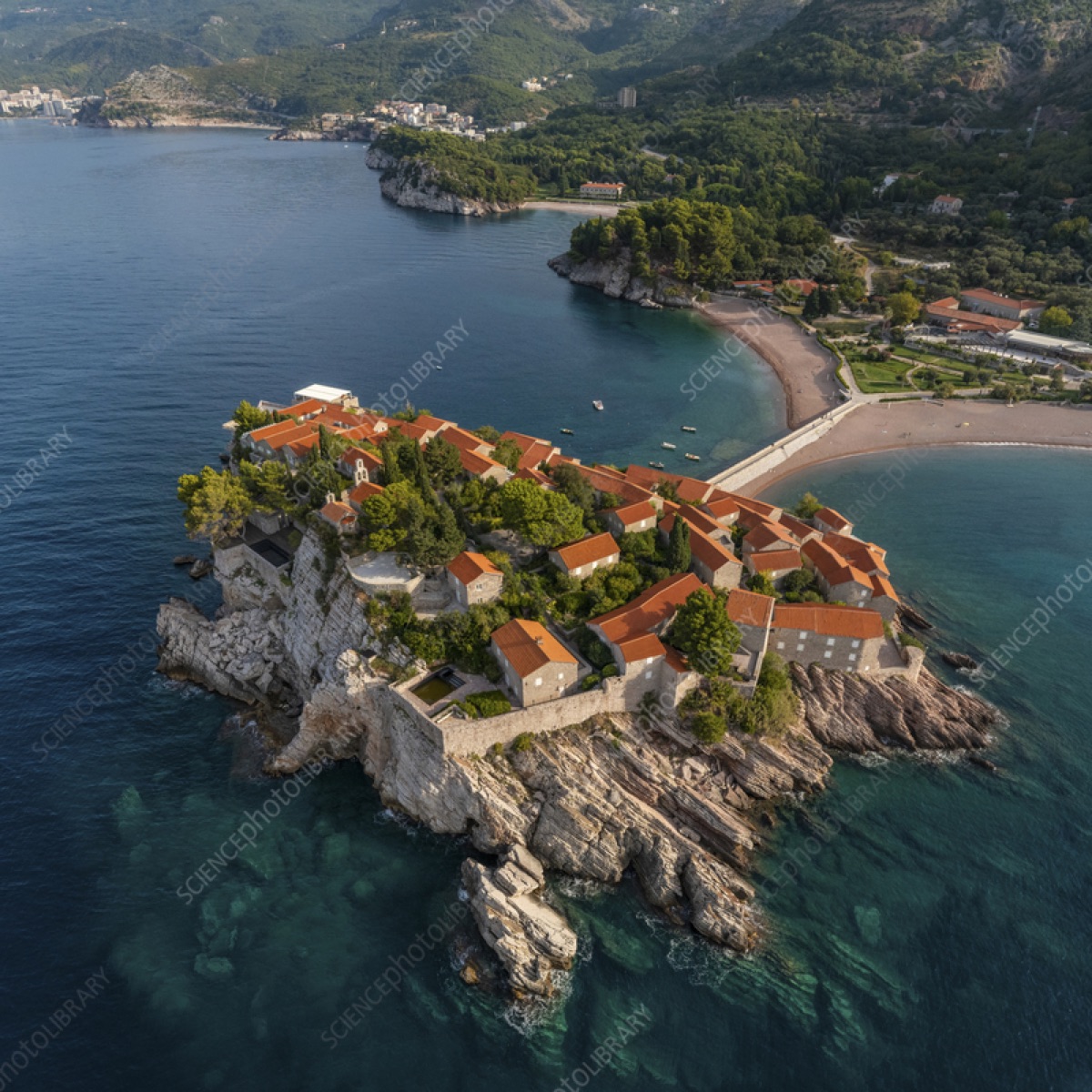
The Croatia-vs-Montenegro debate is largely a false choice. These countries share a border, and the drive from Dubrovnik to Kotor — along the coastal road through the Bay of Kotor — is one of the most spectacular drives in Europe. At just 95 km, it's a 2-hour journey that feels like a road trip through a postcard.
Suggested combined itineraries
10 days: Split (2) → island day trip (1) → Dubrovnik (2) → drive to Kotor (1) → Kotor & Perast (2) → Budva & Sveti Stefan (1) → fly out from Tivat
14 days: Zagreb (1) → Plitvice (1) → Split (3, with Hvar day trip) → Dubrovnik (2) → Kotor (2) → Lovćen/Durmitor (2) → Budva (1) → fly from Tivat/Podgorica
7 days (highlights): Dubrovnik (3) → drive to Kotor (1) → Kotor & Bay (2) → Budva (1) → fly from Tivat
Pro tip: Fly into one country, out of the other. Split → Tivat or Zagreb → Podgorica routes avoid backtracking. Low-cost carriers like Ryanair and Wizz Air serve both countries. Also, if crossing the border at Debeli Brijeg (Croatia-Montenegro), go early morning or after 6pm to avoid the summer queue.
🎯 The Decision Framework
Choose Croatia If…
- Island-hopping is a priority for you
- You want polished, EU-standard tourism
- Nightlife and party scene matter
- You're a Game of Thrones fan
- You prefer public transit over driving
- Wine and fine dining excite you
- You want more variety of beaches
- You're doing a broader EU trip (Schengen)
- You love charming coastal old towns
Choose Montenegro If…
- Budget is a significant factor
- You want dramatic mountain scenery
- Fewer crowds and more authenticity matter
- You enjoy adventurous driving roads
- Canyon rafting and hiking are your thing
- You want sandy beaches (Ulcinj, Bečići)
- You prefer generous portions and cheap eats
- You're seeking an off-the-beaten-path feel
- You love the idea of fjord-like coastal bays
❓ Frequently Asked Questions
Is Croatia or Montenegro better for a first-time Balkans trip?
Croatia is the easier first-timer pick. It's in the EU and Schengen zone, uses the euro, has well-developed tourism infrastructure, and English is widely spoken everywhere. Montenegro is equally safe and welcoming but slightly more "off the beaten path" — which is exactly what some travelers want. If you want polished Mediterranean tourism, start with Croatia. If you want raw beauty at lower prices, Montenegro punches above its weight.
How far apart are Croatia and Montenegro?
They share a border. Dubrovnik to Kotor is only about 95 km (60 miles) by road, taking roughly 2 hours including the border crossing. You can easily combine both countries in one trip. Many travelers base in Dubrovnik and do Kotor as a day trip, or vice versa.
Is Montenegro much cheaper than Croatia?
Yes, noticeably. According to Numbeo data, Montenegro is roughly 20–30% cheaper than Croatia across most categories. A mid-range restaurant meal for two costs around €45 in Montenegro vs €60 in Croatia. Beer is €2.50 vs €3.50. Accommodation is where the biggest savings are — a quality hotel or apartment in Kotor or Budva runs 30–40% less than comparable options in Dubrovnik or Split. Coastal Montenegro tourist zones are catching up in price, but inland areas remain very affordable.
Can you do both Croatia and Montenegro in one trip?
Absolutely — and most experienced travelers recommend it. With 10–14 days, a classic route is: Split (2–3 days) → Hvar or other islands (2 days) → Dubrovnik (2–3 days) → Kotor (2 days) → Budva/Sveti Stefan (1–2 days). The Dubrovnik-to-Kotor drive is one of Europe's most scenic coastal roads. Just note the border crossing can take 30–60 minutes in peak summer.
Which has better beaches, Croatia or Montenegro?
It depends what you want. Croatia has more coastline (over 1,700 km plus 1,000+ islands), so the sheer variety is unmatched — from party beaches on Hvar to secluded coves on Vis. However, most Croatian beaches are pebble or rocky. Montenegro has fewer beaches but more sandy options, particularly around Ulcinj (longest sand beach in the Adriatic) and Bečići near Budva. Both countries have crystal-clear Adriatic water.
Do I need a visa for Croatia and Montenegro?
Croatia joined the EU and Schengen zone in 2023, so it follows Schengen visa rules — US, UK, Canadian, and Australian citizens can visit visa-free for up to 90 days. Montenegro is not in the EU but allows visa-free entry for the same nationalities for up to 90 days. Both countries use the euro as currency, making cross-border spending seamless.
What is the best time to visit Croatia and Montenegro?
May–June and September–October are the sweet spots — warm enough to swim (sea temps 20–24°C), fewer crowds than July–August, and prices 30–40% lower. July and August bring peak heat (35°C+), maximum crowds (especially cruise ships in Dubrovnik and Kotor), and the highest prices. Shoulder season in late April or early November offers mild weather, empty streets, and rock-bottom prices, though some island ferry routes and seasonal restaurants shut down.
Ready to plan your Adriatic trip?
Get a free custom itinerary for Croatia, Montenegro, or both — built from real traveler insights, not generic templates.