🧪 How We Compared These Destinations
This comparison is built on real traveler data, not press releases. Here’s what we analyzed:
- Reddit research: 50+ threads from r/VietNam, r/solotravel, r/digitalnomad, and r/backpacking about Da Lat and Da Nang
- Cost data: Numbeo, recent Reddit budget reports, and accommodation pricing from Booking.com (March 2026)
- Climate data: Open-Meteo monthly temperature and rainfall averages
- Activity research: Local tour operator pricing, Reddit trip reports from 2024–2026
⚡ The TL;DR Verdict
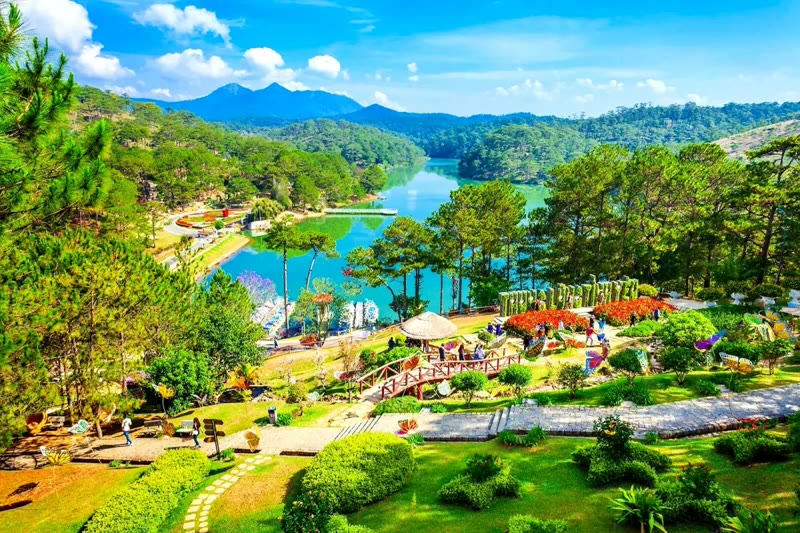
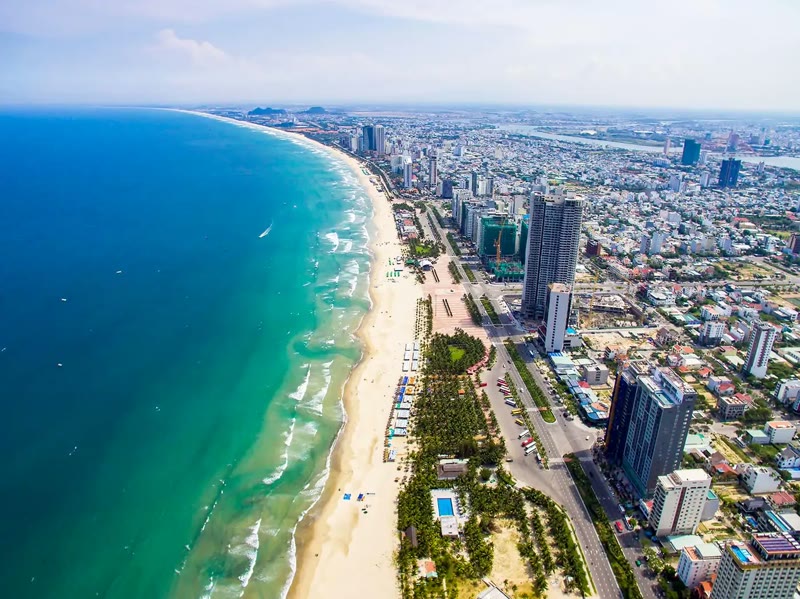
Da Lat for cool-weather escapism and mountain adventures. Da Nang for beaches, city energy, and Central Vietnam’s coastal hub. These two cities are the yang to each other’s yin — one sits in a mist-wrapped valley at 1,500m elevation, the other bakes on the South China Sea. Pick by vibe, not by “which is better.”
- Choose Da Lat if you want cool weather, waterfalls, pine forests, the Crazy House, canyoning, and Vietnam’s best coffee culture outside Hanoi
- Choose Da Nang if you want world-class beaches, a modern city base, the Dragon Bridge fire show, and easy access to Hoi An and Hue
- Do both if you have 2+ weeks — they’re completely different experiences and neither substitutes for the other
🏔️ Da Lat wins at:
Cool climate escape, adventure activities, coffee culture, unique architecture, romantic mountain atmosphere, budget backpacker vibe
🏖️ Da Nang wins at:
Beaches, modern infrastructure, nightlife, airport access, day trips to Hoi An and Hue, digital nomad amenities, seafood
Quick Comparison
| Category | ⛰️ Da Lat | 🏖️ Da Nang | Winner |
|---|---|---|---|
| Daily Budget (mid-range) | ₫500k–1M ($20–40) | ₫600k–1.2M ($24–48) | Da Lat |
| Budget Guesthouse | ₫200k–400k/night ($8–16) | ₫120k–300k/night ($5–12) | Da Nang |
| Street Food Meal | ₫25k–50k ($1–2) | ₫25k–50k ($1–2) | Tie |
| Climate | Cool, 15–25°C year-round | Hot tropical, 25–36°C | Da Lat (if you like cool) |
| Beaches | None | My Khe — world-class | Da Nang |
| Adventure Activities | Canyoning, trekking, mountain biking | Surfing, kiteboarding, Ba Na Hills | Da Lat |
| Coffee Culture | Exceptional — Vietnam’s best highland coffeehouses | Good, but generic chains dominate | Da Lat |
| Nightlife | Quiet, ends by midnight | Active bars, clubs, fire show | Da Nang |
| Airport Access | Small domestic airport (DLI) | International airport (DAD) | Da Nang |
| Digital Nomad Amenities | Growing scene, slower Wi-Fi | Established scene, fast broadband | Da Nang |
| Day Trips | Waterfalls, Elephant Falls, Langbiang Peak | Hoi An, Hue, Marble Mountains, My Son | Da Nang |
| Romantic Atmosphere | Mist, pine forests, flower farms — very high | Beachfront sunsets — high | Da Lat |
🏔️ Vibe & Atmosphere
Da Lat is Vietnam’s most unusual city — a French colonial hill station sitting at 1,500m elevation in the Central Highlands, where the air is cool and thin, pine forests stretch to the horizon, and the architecture is a surreal mix of French villas, Buddhist temples, and the famous Crazy House (Hàng Nga Villa). The city’s official nickname is “La Petite Paris” — an overstatement, but not without merit given the flower markets, lake promenades, and European-styled gardens. Vietnamese honeymoon couples and domestic tourists adore it. Fog rolls in by afternoon almost every day.
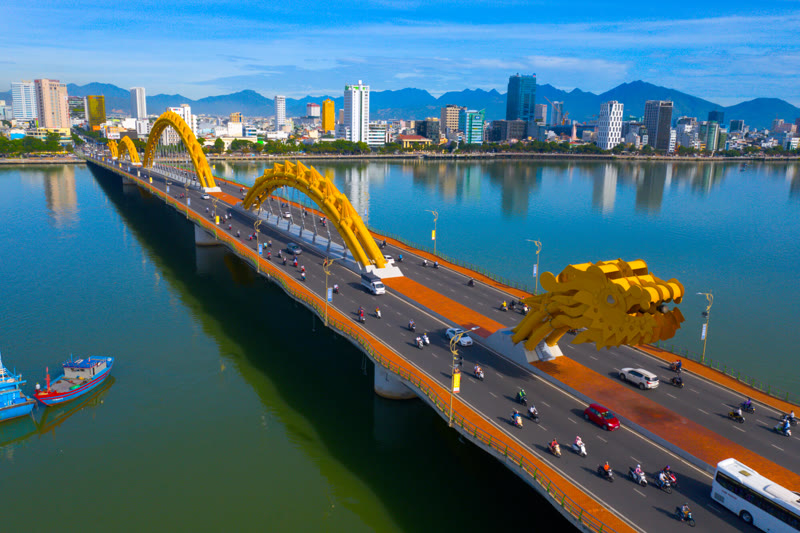
Da Nang operates at a completely different frequency. It’s Vietnam’s third or fourth largest city depending on who’s counting — a modern, fast-growing coastal metropolis with a wide riverfront, iconic bridges, a packed beach strip, and a proper skyline. The Dragon Bridge (Cầu Rồng) breathes fire on weekends. The Han River splits the city. It’s less quirky than Da Lat and more convenient — the kind of city where getting things done is easy.
“Moving to Da Lat from Da Nang — best decision while in Vietnam.”— u/VietnamNomad, r/VietNam (68 upvotes)
“Da Lat: forest, mountains, Cloud 9 glamping above clouds, nice sunsets etc, lots of domestic tourists, rather touristy with lot of built attractions.”— r/VietNam, Vietnam itinerary planning thread
🍜 Food & Dining
Da Lat has a surprisingly excellent food scene anchored by its highland produce. The city grows most of Vietnam’s strawberries, avocados, artichokes, and a dozen types of vegetables at altitude. Banh mi xiu mai (pork meatball banh mi, ₫15,000–25,000/$0.60–1) is Da Lat’s signature street food. Bún bò Huế Da Lạt-style uses highland herbs and local beef for a fresher flavor. The Da Lat night market (Cho Đêm) is worth exploring for brút (crepes) and grilled corn. For coffee obsessives, this is the place: Da Lat’s highland cafes — some perched over misty pine forest valleys — serve single-origin arabica from farms 15 minutes away.
Da Nang’s food identity is built around the sea. Bún chả cá (fishcake noodle soup, ₫30,000–50,000/$1.20–2) is the city’s breakfast staple. Fresh grilled seafood — whole fish (cá nướng), squid, shrimp — dominates the beach restaurants at Miên Tây food street and Han Market. Mi Quảng (turmeric noodles with pork and shrimp) is widely available and excellent. Upscale dining in Da Nang has improved dramatically since 2020; there are now good Italian, Korean, and Japanese options for travelers needing a break from pho.
“Da Lat because places like Anna’s Coffee and Iro Cafe are just awesome, I’d love to spend my time there.”— r/VietNam, 10-day Vietnam itinerary thread
🎨 Things To Do
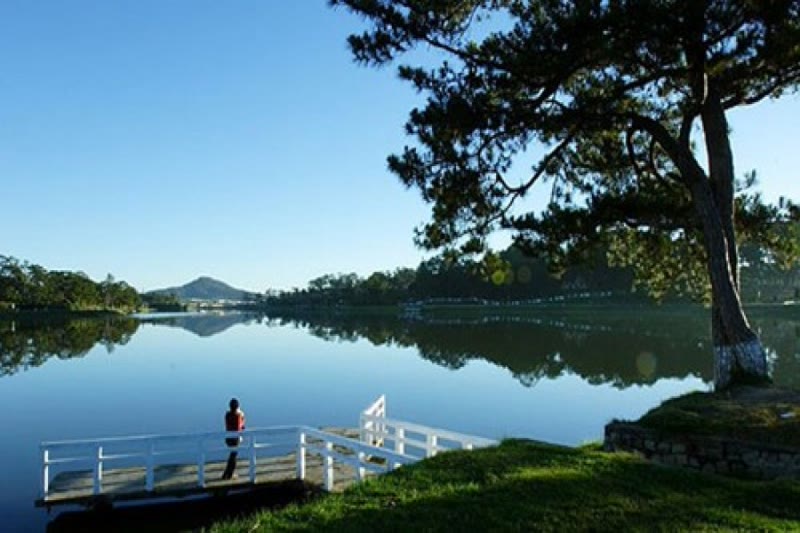
Da Lat’s activity menu is built around its altitude and nature:
- Crazy House (Hàng Nga Villa) — the most architecturally bizarre building in Vietnam, Salvador Dalí meets Gaudí in the jungle. Entry ₫60,000 ($2.40). Don’t miss it.
- Canyoning at Datanla Falls — rappelling and swimming in a jungle canyon, ₫500,000–900,000 ($20–36). Popular with backpackers and rated as one of Vietnam’s best adventure activities.
- Xuan Huong Lake — the city’s centrepiece lake, walkable, with swan-pedal boats and hilltop views of the French-era valley below.
- Elephant Falls (Thác Voi) — 30km outside the city, impressive cascade through jungle boulders, ₫20,000 ($0.80) entry.
- Lang Biang Peak — 2,167m summit with panoramic views of the Central Highlands. Jeep tours or hiking from ₫150,000 ($6).
- Flower farms and gardens — Da Lat produces 70% of Vietnam’s cut flowers. Several farms offer tours in spring.
Da Nang’s highlight reel:
- My Khe Beach — 30km of white sand beach, 5 minutes from the city center. Free.
- Dragon Bridge fire show — Saturday and Sunday nights at 9 PM, the bridge breathes fire and water. Free.
- Ba Na Hills and Golden Bridge — cable car to a French hill station with the famous giant-hand golden bridge, ₫750,000–900,000 ($30–36).
- Marble Mountains (Ngũ Hành Sơn) — five limestone peaks with Buddhist caves and temples, 9km from the city, ₫40,000 ($1.60).
- Museum of Cham Sculpture — the world’s largest collection of Cham artifacts, free to enter.
“Da lat is pretty cold because it’s in the mountains. Da Nang on the other hand is pretty hot and has a really cool beach + Hoi An is pretty cool nearby.”— r/VietNam, Da Lat or Da Nang/Hoi An thread
💰 Cost Comparison
Both cities are cheap by global standards. The differences are subtle but meaningful:
Accommodation:
- Budget guesthouse (private): Da Lat ₫200k–400k/night ($8–16) vs Da Nang ₫150k–300k ($6–12)
- Mid-range hotel: Da Lat ₫400k–800k ($16–32) vs Da Nang ₫400k–1M ($16–40)
- Luxury/resort: Da Nang has far more beach resort options at ₫2M–8M+ ($80–320+)
- Da Lat is slightly pricier at the budget end due to lower hostel density; Da Nang has more dorm beds — from ₫120k ($4.80)
Food costs are nearly identical:
- Street food meal: ₫25k–50k ($1–2) in both
- Sit-down local restaurant: ₫60k–150k ($2.40–6) in both
- Beer (local Tiger/Saigon/Bia Hoi): ₫10k–25k ($0.40–1) in both
- Specialty Da Lat coffee: ₫35k–60k ($1.40–2.40) at hilltop cafes
Activities: Da Lat’s canyoning and jeep tours (₫500k–900k, $20–36) are the main budget busters. Da Nang’s Ba Na Hills (₫750k–900k, $30–36) is similarly priced. Day-to-day, Da Lat is slightly cheaper because many activities (hiking, walking, the lake) are free.
“For Da Lat, rent starts from $100 for a room in a hotel to $500–$1000 for a single home. $200 for eating.”— r/VietNam, Cost of retiring in Dalat thread
“Rent and utilities were under $350/mo. I cooked all my food and ate like a king for $300/mo.”— r/DaNang, Moving to Da Nang cost breakdown
🌤️ Weather & Climate
This is the most important difference between these two cities, and it genuinely affects which one you should visit at any given time of year.
Da Lat: Cool year-round, Central Highland climate
- Average temperature: 15–25°C (59–77°F) year-round — never gets tropical-hot
- Dry season: November–April — clear skies, cold nights (can drop to 10°C/50°F in Dec–Jan)
- Wet season: May–October — afternoon showers, lush green landscapes, misty mornings
- Best months: February–April and November — clear, mild, and dry
Da Nang: Hot tropical beach city
- Average temperature: 25–36°C (77–97°F) in summer; 20–28°C in winter
- Best months: February–May — dry season with calm seas and comfortable heat
- Hot season: June–August — very hot, popular with domestic beach-goers
- Typhoon season: September–November — risk of heavy rain and rough seas
- Cool season: December–January — overcast, 20–24°C, some rain
For heat-averse travelers, Da Lat is the Vietnam answer. Reddit threads consistently note that Da Lat’s cool climate is a major reason people choose — and stay — there. The mist and pine forests aren’t just scenic; they’re a relief from tropical Vietnam’s relentless heat.
“Da Lat is pretty cold because it’s in the mountains — bring a jacket or two.”— r/VietNam, Da Lat or Da Nang/Hoi An?
🏨 Where to Stay
Da Lat neighborhoods:
- City center / Xuan Huong Lake area — Best area for first-timers. Walking distance to the night market, the lake promenade, and the main attractions. Most guesthouses and mid-range hotels cluster here.
- Hòa Bình Square / Phan Dinh Phung Street — Backpacker row with budget cafes, hostels, and cheap eats.
- Da Lat train station area — Quieter, residential. Good for longer stays. Less convenience for tourists.
- Outskirts (K7, Thuy Ta) — Boutique villas and glamping options for romantic getaways. Requires motorbike or Grab to get around.
Da Nang neighborhoods:
- My Khe Beach / An Thuong — Best area. Backpacker bars, cafes, beachfront hotels. Most active international scene.
- My An — Quieter, residential-feel. Popular with longer-term nomads and expats.
- Han River / City Center — Good for Dragon Bridge views, Han Market access, and transit. Less beach access.
Budget accommodation comparison:
- Da Lat dorm bed: ₫150k–250k/night ($6–10) — fewer options than Da Nang
- Da Nang dorm bed: ₫100k–180k/night ($4–7.20) — competitive hostel scene near the beach
- Mid-range hotel (Da Lat): ₫400k–800k ($16–32) — often includes stunning valley or lake views
- Mid-range hotel (Da Nang): ₫400k–1M ($16–40) — beachfront adds a significant premium
🚌 Getting Around
Getting to Da Lat:
- Lien Khuong Airport (DLI) — 30km south of the city. Domestic flights from Hanoi (1h 20m), Ho Chi Minh City (55m), and occasionally Da Nang. Fares from ₫400k–1.5M ($16–60) depending on season.
- Sleeper bus from HCMC: 7–8 hours, ₫200k–350k ($8–14). The most common backpacker route into Da Lat.
- Sleeper bus from Da Nang: 8–10 hours direct or change in Nha Trang (5h Da Nang to Nha Trang, then 3–4h Nha Trang to Da Lat). Not a pleasant overnight but doable.
Getting to Da Nang:
- Da Nang International Airport (DAD) — Central location, 10 minutes from the beach. Direct international flights from Seoul, Bangkok, Singapore, Kuala Lumpur, Tokyo. Domestic from Hanoi (1h 20m) and HCMC (1h 20m).
- Train: Da Nang sits on Vietnam’s north-south Reunification Express. Scenic coastal route, especially the Hai Van Pass section. Hanoi to Da Nang: 14–17 hours by train.
Getting around: Both cities are Grab-dependent. Da Lat is hillier — motorbike rental (₫100k–150k/day, $4–6) is the most fun and practical way to explore the outskirts. Da Nang’s flat layout makes cycling and motorbikes easy; the beach strip is bikeable.
“I will be aiming to go from Da Nang to Da Lat in February. Read that it is a very scenic route by train but cannot find any info — the Da Nang to Dalat bus is actually what you want.”— r/VietNam, Da Nang to Dalat transit thread
💻 Digital Nomads & Long Stays
Both cities have grown as digital nomad destinations, but they serve different work-and-lifestyle preferences.
Da Nang has a more developed nomad infrastructure. The An Thuong area has dozens of coffee shops with fast Wi-Fi, co-working spaces (Work Saigon, Toong Da Nang from ₫150k–250k/day), and an international expat community. Monthly rent for a furnished studio apartment: ₫5M–10M ($200–400). Broadband is fast (100Mbps+ in most apartments). The beach is 5 minutes away for afternoon resets. Grocery options include Korean and Japanese supermarkets.
Da Lat is growing but less established. Its cafe scene is exceptional — working from a hillside coffee shop overlooking pine valleys is genuinely the stuff of nomad fantasy. However, Wi-Fi reliability is spottier than Da Nang, accommodation for longer stays is more limited, and the city’s hilly terrain means getting around requires a motorbike. Monthly costs are slightly lower: apartments from ₫4M–8M ($160–320) for long-term rentals. The nomad community is smaller but passionate — Reddit users who’ve lived in both frequently prefer Da Lat for quality of life.
“Da Nang is much cheaper than its reputation suggests — rent under $350/mo with utilities, ate like a king on $300/mo cooking at home. Fast Wi-Fi everywhere.”— r/DaNang, Moving to Da Nang guide
🧳 Day Trips
From Da Lat:
- Elephant Falls (Thác Voi) — 30km southwest, jungle cascade through boulders, ₫20,000 entry. Easy motorbike day trip.
- Lang Biang Peak — 12km north, 2,167m summit hike or Jeep tour (₫100k–200k, $4–8), panoramic Central Highlands views.
- Datanla Falls and canyoning — 5km from center, the most visited canyoning site in Vietnam.
- Mui Ne / Phan Thiet (sand dunes) — 200km, 3–4h. A popular add-on for those doing Da Lat → coast.
- Bidoup Nui Ba National Park — 50km northeast, cloud forest trekking, bird-watching, relatively undisturbed.
From Da Nang:
- Hoi An (30km, 35 min) — UNESCO Ancient Town, lantern streets, best banh mi in the world. The obvious day trip from Da Nang. See our Da Nang vs Hoi An comparison for the full breakdown.
- Marble Mountains (9km, 20 min) — Buddhist caves and temples inside limestone peaks, ₫40,000.
- Ba Na Hills and Golden Bridge (45km) — cable car to French hill station, ₫750k–900k ticket.
- Hue (100km, 2h by car or 2.5h by train) — Imperial Citadel, royal tombs, Vietnam’s old imperial capital.
- My Son Sanctuary (70km, 1.5h) — Cham ruins UNESCO site.
Da Nang is a dramatically better day-trip base than Da Lat — three UNESCO-related sites (Hoi An, Hue, My Son) within 130km is an extraordinary concentration. Da Lat’s day trips are nature-focused and slower-paced.
🎯 The Decision Framework
Still not sure? Here’s the clearest breakdown of who should go where:
⛰️ Choose Da Lat if...
- You hate heat and want cool, misty weather
- Adventure activities (canyoning, trekking, mountain biking) are a priority
- You want Vietnam’s best coffee culture experience
- A romantic, unusual, quirky destination appeals to you
- You’re traveling from HCMC and want a cool-weather escape
- You want to see pine forests, flower farms, and French villas
- You’re a photographer looking for moody, distinctive shots
- You prefer a slower-paced, domestic-tourist flavored experience
🏖️ Choose Da Nang if...
- Beaches are your main priority
- You want to day-trip to Hoi An and Hue
- You need an international airport (flying in/out of Vietnam)
- You’re a digital nomad who needs fast, reliable internet
- Nightlife, bars, and late evenings matter to you
- You want the biggest range of accommodation options
- You’re staying 1 week or more in one city
- You’re traveling as a family with kids (beaches, easier logistics)
❓ Frequently Asked Questions
Is Da Lat or Da Nang better for first-time Vietnam visitors?
Reddit consensus is: visit both if you can, but choose based on what you want. Da Lat is for travelers who want cool weather, misty mountains, waterfalls, and a quirky romantic town. Da Nang is for beach lovers, city convenience, and a base for Central Vietnam’s coastal highlights. Most travelers on r/VietNam recommend doing 3 days Da Lat + 3 days Da Nang on a 2-week Vietnam trip.
How far is Da Lat from Da Nang?
Da Lat and Da Nang are roughly 500km apart by road. Flying takes about 1 hour (VietJet and Bamboo Airways operate the route, fares from ~$30–60). The overnight sleeper bus takes 8–10 hours and costs around ₫200,000–350,000 VND ($8–14). There is no direct train. Most travelers fly or take the bus via Nha Trang.
What is the best time to visit Da Lat?
December to April is the best time for Da Lat — dry season, cool temperatures (15–22°C/59–72°F), and clear skies for hiking and waterfall visits. The rainy season (May–November) brings mist and light rain but also lush green landscapes that many travelers love. Avoid November–December for the coldest nights (can drop to 10°C/50°F).
What is the best time to visit Da Nang?
February to May is peak season for Da Nang — dry, warm (24–32°C), calm seas, and clear skies. June to August is hot (up to 36°C) but popular with domestic tourists. Avoid October–November when typhoon season brings heavy rain and rough seas. Unlike Da Lat, Da Nang is a year-round beach destination except during typhoon season.
Which is cheaper — Da Lat or Da Nang?
Both are budget-friendly. Da Lat is slightly cheaper for accommodation (₫300,000–600,000/$12–24 for a decent guesthouse) but activity costs add up with canyoning and waterfall day tours (₫500,000–900,000/$20–36). Da Nang has a wider range of accommodation from ₫120,000 dorm beds to luxury resorts. Daily budgets are similar: around ₫600,000–1,200,000 ($24–48) for mid-range travelers in both cities.
Is Da Lat worth visiting?
Strongly yes. Da Lat is one of Vietnam’s most unique destinations — a cool, misty hill town built by the French as a resort retreat, at 1,500m elevation. Reddit’s r/VietNam consistently recommends it, with one user titling their post “Moving to Da Lat from Da Nang — best decision while in Vietnam.” It’s especially worth it for travelers who need a break from Vietnam’s relentless heat.
Can you do both Da Lat and Da Nang on the same trip?
Yes, and most experienced Vietnam travelers recommend doing so. A classic routing: fly into Ho Chi Minh City → Da Lat (3 days) → Nha Trang (2 days) → Da Nang/Hoi An (3 days) → Hue → Hanoi. Since Da Lat and Da Nang are not directly adjacent, you typically pass through Nha Trang between them by sleeper bus or connect via a short domestic flight.
Ready to Plan Your Vietnam Trip?
Explore our curated Vietnam itineraries and popular picks to plan your perfect trip — whether you choose Da Lat, Da Nang, or both.
🎟️ Book Tours & Experiences
Hand-picked tours and activities for both destinations — book with free cancellation
Experiences via Viator — free cancellation on most tours