⚡ The TL;DR Verdict
Visit Greece if you want world-class beaches and islands, ancient ruins without the crowds, lighter Mediterranean food, and better value for money. Greece is the clear winner for sun-and-sea holidays and island-hopping adventures.
Visit Italy if you want the greatest concentration of art, architecture, history, and food on Earth. From Rome's Colosseum to Florence's Uffizi to Naples' pizza, Italy is a cultural education packed into a two-week trip. Italy also wins on ease of travel — its train network is superb.
First-timers choosing between the two: Reddit consensus says Italy edges it for a single first-time European trip due to sheer density of bucket-list experiences. But if sun, beaches, and value matter most, Greece wins without question. With 10–14 days, doing both is completely achievable.
Quick Comparison
| Category | 🏛️ Greece | 🍕 Italy | Edge |
|---|---|---|---|
| Daily Budget (mid-range) | €70–100/day (mainland); €100–180 (Santorini) | €90–130/day (major cities) | Greece |
| Food Scene | Fresh, simple, consistent — grilled fish, mezze, olive oil | Unmatched regional diversity — pasta, pizza, gelato, wine, cheese | Italy |
| Ancient History | Acropolis, Delphi, Olympia, Mycenae — cradle of Western civilization | Colosseum, Forum, Pompeii, Pantheon — world's greatest empire | Tie |
| Beaches & Islands | 6,000 islands, crystal-clear Aegean, volcanic black sand and hidden coves | Amalfi Coast, Sicily, Sardinia — beautiful but pricier and harder to reach | Greece |
| Art & Museums | National Archaeological Museum, Acropolis Museum | Uffizi, Vatican Museums, Borghese, Accademia — unrivaled globally | Italy |
| Getting Around | Ferries + buses (slow, weather-dependent) | Frecciarossa high-speed trains, excellent network | Italy |
| Nightlife | Mykonos, Athens (Gazi, Psiri), Ios — legendary party scenes | Rome, Milan (Navigli), Florence — vibrant bar culture | Tie |
| Weather (peak) | Sunny May–Oct; brutal July–Aug heat on islands | April–June and Sept–Oct ideal; July–Aug hot and crowded | Tie |
| Day Trips | Cape Sounion, Delphi, Corinth, Hydra island | Pompeii, Cinque Terre, Tuscany hill towns, Tivoli | Italy |
| Vibe | Relaxed, sun-drenched, slower pace, island time | Busy, passionate, fashion-forward, espresso culture | — |
🍕 Food & Dining
This is one of the most debated categories and arguably comes down to what you love. Italian food has few equals globally for depth and regional variety. Each region — Emilia-Romagna (tagliatelle al ragù, parmigiano, mortadella), Naples (the world's best pizza), Rome (cacio e pepe, carbonara, supplì), Venice (cicchetti, seafood risotto), Sicily (arancini, granita, swordfish) — has its own distinct culinary identity. A genuinely good pizza in Naples costs €4–7. A bowl of pasta that changes your life costs €10. Italy over-delivers at every price point.
Greek food is outstanding but less complex. The philosophy is simplicity and freshness: exceptional olive oil on everything, grilled fish by the sea, mezze platters of tzatziki, taramosalata, dolmades, and spanakopita, souvlaki for €3–4, and extraordinary honey and cheeses. Greek salads with real barrel-aged feta bear no resemblance to tourist versions elsewhere. The biggest complaint on Reddit: Greek menus can feel repetitive after a week, especially on islands catering heavily to tourists.
Price comparison
Greece undercuts Italy on food prices, especially on the mainland. A sit-down lunch in Athens runs €12–18; the same in Rome runs €15–25. Street food wins in both countries: a souvlaki pita in Athens costs €3–4, a slice of pizza al taglio in Rome €2–4. On the Greek islands, prices jump significantly — a fish dinner in Santorini can easily hit €40–60/person. Sicily and southern Italy are surprisingly affordable, rivaling mainland Greece in value.
🏛️ History, Culture & Ancient Sites
Both countries are among humanity's greatest repositories of ancient history, and choosing between them for "history" depends entirely on which civilization grabs you more: the Greeks who invented democracy, philosophy, theatre, and the Olympic Games — or the Romans who built an empire stretching from Scotland to Mesopotamia and gave us modern law, architecture, language, and urban planning.
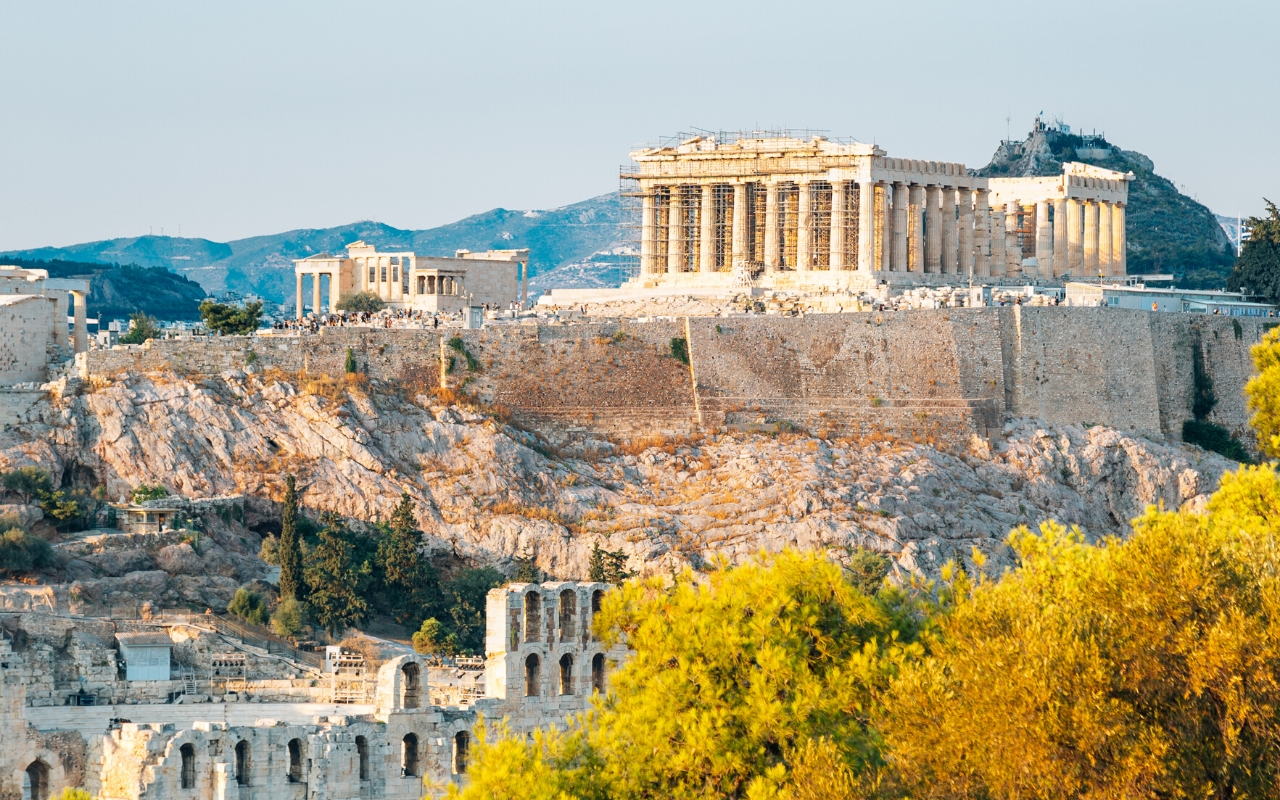
Greece's anchor attraction is the Acropolis in Athens — the Parthenon at sunset is genuinely one of the most moving sights on Earth, and the Acropolis Museum ranks among Europe's finest. Beyond Athens: Delphi (the oracle and sacred site of ancient Greece), Olympia (birthplace of the Olympics), Mycenae (Bronze Age citadel of Agamemnon), and Epidaurus (a 2,300-year-old theatre with perfect acoustics). Greece has fewer tourists at its major sites compared to Italy's iconic landmarks.
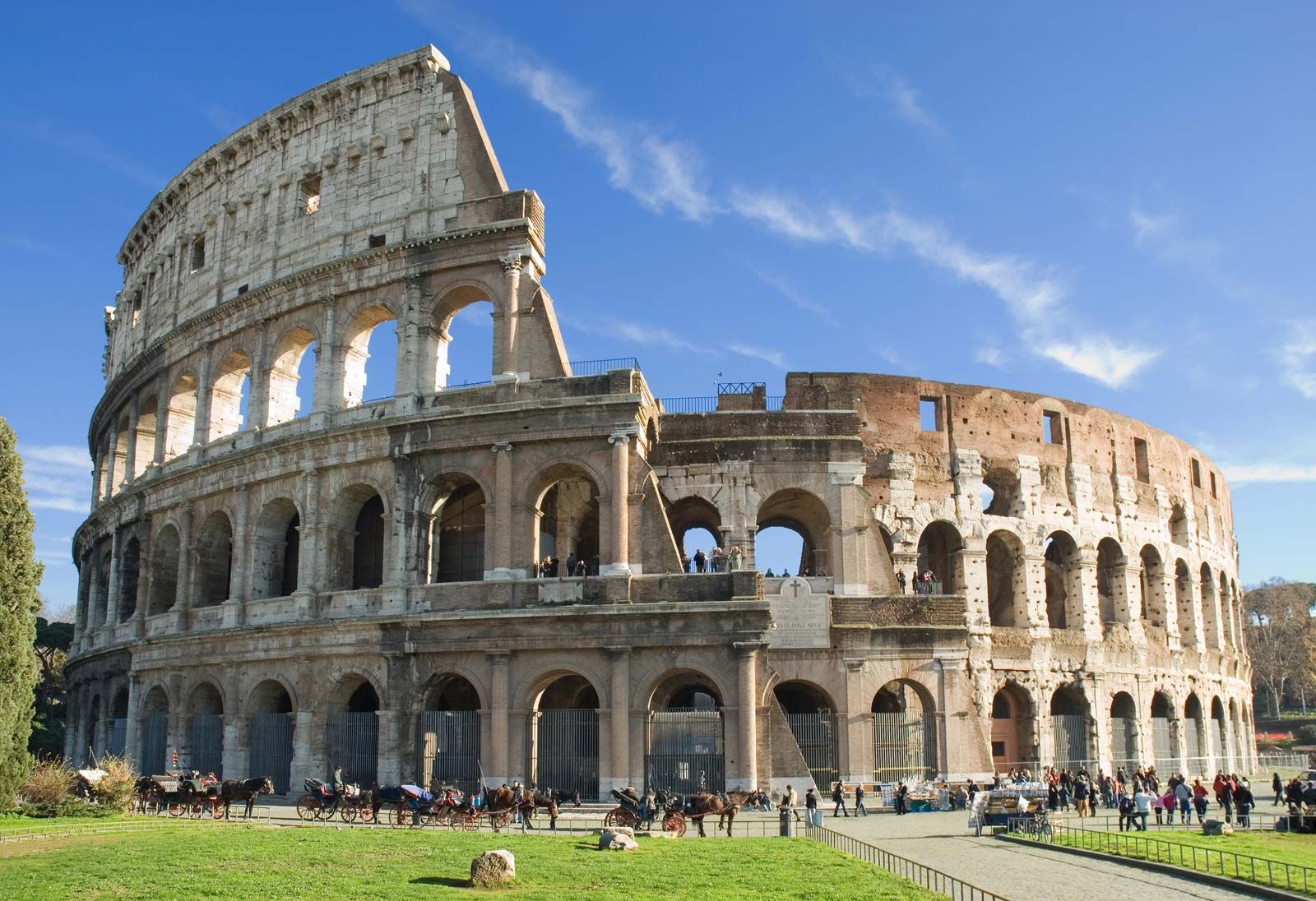
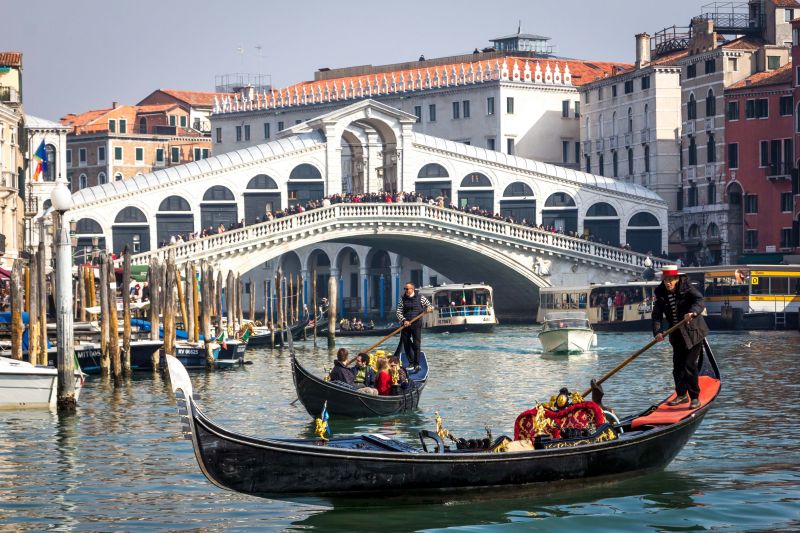
Italy hits harder on sheer volume and spectacle. The Colosseum and Roman Forum in Rome — Rome — can fill a full week of exploration on their own. The Vatican Museums hold the Sistine Chapel. Florence's Uffizi houses Botticelli's Birth of Venus and hundreds of Renaissance masterpieces. Pompeii is one of the world's most extraordinary archaeological sites — preserved under Vesuvius's ash since 79 AD. Venice is an architectural miracle built on water. Italy has more UNESCO World Heritage Sites (58) than any other country on Earth.
💰 Cost Comparison
Greece is generally 15–25% cheaper than Italy for mainland travel, but the gap shrinks dramatically on popular Greek islands. Here's a realistic 2026 daily budget breakdown:
| Expense | 🏛️ Greece (mainland/Crete) | 🏛️ Greece (Santorini/Mykonos) | 🍕 Italy (major cities) |
|---|---|---|---|
| Hostel dorm | €18–28/night | €35–60/night | €25–40/night |
| Mid-range hotel | €70–120/night | €150–400/night | €100–180/night |
| Budget meal | €5–10 (souvlaki, gyros) | €10–18 | €6–12 (pizza, pasta) |
| Sit-down dinner | €15–25/person | €35–60/person | €20–35/person |
| Transit (city) | €1.20–1.80/ride (Athens metro) | ATV/scooter €20–35/day | €1.50–2.00/ride; trains €15–60 |
| Ferry (inter-island) | €30–80/leg (Athens→Santorini) | €15–45 between islands | N/A (trains instead) |
| Major attraction entry | €20 (Acropolis + museum combo) | €15–25 (wine tastings, boat tours) | €16–26 (Colosseum, Vatican, Uffizi) |
| Daily total (mid-range) | €70–100/day | €130–200/day | €90–130/day |
The Santorini/Mykonos trap: These are two of the most expensive destinations in all of Europe. A hotel with a caldera view in Santorini can cost €300–800/night in July. Many Reddit travelers strongly recommend skipping both in favor of lesser-known islands (Naxos, Paros, Folegandros, Sifnos, Milos) that offer equivalent or better beauty at a third of the price.
🚂 Getting Around
This is Italy's clearest advantage. The Frecciarossa and Italo high-speed trains connect Rome, Florence, Venice, Milan, Naples, and Bologna in 1–3 hours each, at prices from €19–60 booked in advance. The network is intuitive, reliable, and well-signed in English. A 10-day Italy rail trip is genuinely easy to plan and execute. Even regional trains to smaller towns run frequently and cheaply. Driving is optional but rewarding for the Tuscany hill towns and Amalfi Coast (though parking is a nightmare).
Getting around Greece is more complex and time-consuming. Athens has a decent metro (€1.20/ride, 3 lines), but once you leave the capital, options narrow. Intercity buses (KTEL) are cheap (Athens–Thessaloniki ~€30) but slow and infrequent. Greece has almost no meaningful rail network outside the Athens–Thessaloniki route. Island-hopping means ferries: Blue Star, SeaJets, and Hellenic Seaways run routes across the Aegean, but journeys take 3–12+ hours and can be cancelled due to meltemi winds. High-speed catamarans (€50–80) cut times significantly but cost more.
The ferry experience itself
That said, many travelers consider the Greek ferry experience one of the trip highlights — standing on deck at sunset as islands appear on the horizon, spotting dolphins, arriving in a whitewashed port. The inconvenience is real, but so is the romance. Budget 1–1.5 extra days per ferry leg in your planning.
☀️ Best Time to Visit
Both countries share a Mediterranean climate with hot, dry summers and mild winters, but with important differences in the shoulder seasons and regional variation. Here's real climate data from major cities:
Data: Open-Meteo climate averages. Temperatures are daily highs/lows in Celsius. Rainfall is monthly totals. ✨ = Best travel months.
Best seasons breakdown
May–June: The sweet spot for both countries. Warm enough to swim in Greece (sea reaches 22–24°C), wildflowers still blooming, pre-peak crowds. Italy's Amalfi Coast and Cinque Terre are gorgeous. Book accommodation 2–3 months ahead.
September–October: Arguably the best time overall. Still warm (sea in Greece is 24–26°C in September), crowds thin after mid-September, prices drop 20–30%. October in Italy is magnificent — Tuscany's harvest season, perfect temperatures in Rome and Sicily.
July–August: Peak summer brings 38–40°C heat in Athens and interior Greece, 32–35°C in Rome. Prices spike 50–100%, every iconic site is mobbed. The meltemi wind on Greek islands can actually make the heat bearable — but it also cancels ferries. Coastal Italy and the Greek islands are packed solid.
Winter (Nov–Mar): Athens stays mild (13–17°C) and makes a great city trip. Rome can be cold and rainy but has fewer tourists and charming Christmas markets. Greek islands mostly shut down entirely (ferries reduced, restaurants closed). Sicily is a hidden winter gem.
🏨 Where to Stay
Greece: best bases
Athens — Monastiraki / Plaka: The historic heart of the city, walking distance from the Acropolis. Atmospheric lanes, tavernas, and excellent value. Stay here for 2–3 nights before hitting the islands.
Athens — Koukaki: Quieter, more local neighborhood just south of the Acropolis. Great restaurant scene, slightly cheaper than Monastiraki, excellent transit access.
Athens — Kolonaki: Upscale district with boutiques, rooftop bars, and the Benaki Museum. Better for the luxury crowd; less backpacker-friendly.
Crete — Chania: The most beautiful town in Crete. Venetian harbor, incredible food scene, gateway to Samaria Gorge and the Balos lagoon. More authentic and less developed than Heraklion.
Naxos Town / Paros: The best island bases for budget travelers — beautiful beaches, authentic local life, reasonable prices, frequent ferry connections.
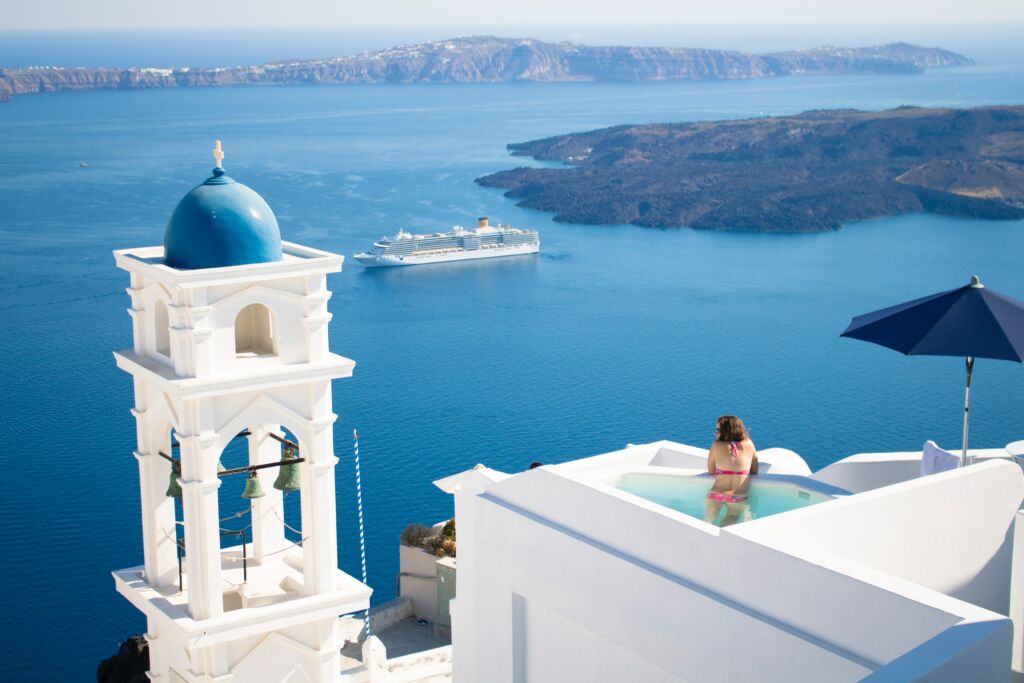
Santorini — Oia vs Fira: Oia has the iconic sunset views but is tourist-trap territory. Fira is more central and lively. Consider staying in Firostefani or Imerovigli for views at lower prices.
Italy: best bases
Rome — Trastevere: The most charming neighborhood in Rome. Cobblestone lanes, ivy-covered buildings, excellent trattorie, lively evenings. Close to Vatican and Campo de' Fiori.
Rome — Testaccio: Rome's old slaughterhouse district, now a foodie paradise. Authentic, working-class, no tourist traps. Best value in the city for dining.
Florence — Oltrarno: South of the Arno, this is the artisan's Florence — leather workshops, wine bars, and restaurants that haven't been replaced by tourist menus. 10-minute walk to the Uffizi.
Venice — Dorsoduro / Cannaregio: Escape the tourist hordes around Piazza San Marco. Dorsoduro has the Peggy Guggenheim and the best aperitivo spots. Cannaregio is the most authentically Venetian sestiere.
Naples — Spaccanapoli / Centro Storico: Chaotic, loud, and unforgettable. This is where you eat the world's best pizza at L'Antica Pizzeria da Michele (€5 a pie) and Da Attilio. Best value accommodation in Italy's major cities.
🏖️ Beaches & Islands
Greece's beach superiority is its single biggest advantage over Italy for sun-seekers. With over 6,000 islands and thousands of km of coastline, the Aegean and Ionian seas offer extraordinary variety: volcanic black sand beaches in Santorini, turquoise coves in Zakynthos, windswept white beaches on Mykonos, pink-sand beaches in Elafonisi (Crete), and near-empty hidden coves on a dozen lesser-known islands. The water is crystal-clear, warm from June through October, and visibility for snorkeling is excellent.
Italy's coastline is beautiful but plays in a different league. The Amalfi Coast (Positano, Ravello, Amalfi) is dramatic and photogenic but the beaches are small and pebbly, and infrastructure for beach loungers is expensive (€20–35/day for two sun loungers). Cinque Terre's beaches are postcard-gorgeous but tiny and crowded. Sicily and Sardinia (especially Costa Smeralda) offer genuinely world-class beaches, but Sardinia in particular rivals Santorini on price.
Island-hopping routes
Classic Cyclades (7–10 days): Athens → Naxos (3 nights) → Paros (2 nights) → Santorini (2 nights) → Athens. Budget around €200–250 in ferry costs plus accommodation.
Budget Cyclades (7 days): Athens → Milos (3 nights) → Folegandros (2 nights) → Paros (2 nights). Avoids the Santorini/Mykonos price trap entirely.
Ionian Islands (7 days): Corfu (2 nights) → Lefkada (2 nights) → Kefalonia (3 nights). Greener, less dusty, incredibly beautiful. Easier to reach by plane (budget airlines fly direct).
🎒 Day Trips
Both countries offer world-class day trips from their major bases, with Italy's rail network making it slightly easier to execute multi-destination days.
From Athens, Greece
Cape Sounion (1.5h by bus) — Temple of Poseidon perched on a cliff above the Aegean. Byron carved his name here. Sunset views are spectacular. €30 guided tour or €10 bus + €10 entry.
Delphi (2.5h by bus) — The most atmospheric ancient site in Greece. Oracle of Apollo, Sacred Way, theater, and museum. Worth an overnight if you can. €15 entry.
Mycenae & Epidaurus (1.5–2h by bus) — The Bronze Age citadel of Agamemnon and the world's most perfect ancient theatre. Usually combined in one day trip. €8–12 entry each.
Hydra island (1.5h by hydrofoil) — No cars, just donkeys and pedestrians. Gorgeous harbor town, crystal water, great restaurants. €30 round-trip hydrofoil from Piraeus.
From Rome, Italy
Pompeii & Naples (1–1.5h by Frecciarossa or Circumvesuviana) — The world's most extraordinary archaeological site and Italy's most underrated city in one day. Pizza at da Michele + Pompeii ruins = perfect day trip. €16 entry for Pompeii.
Tivoli (1h by train) — Hadrian's Villa (a vast imperial complex) and Villa d'Este (1,000-fountain Renaissance gardens). Easy half-day. €10–15 entry each.
Civita di Bagnoregio (1.5h) — The "dying city" perched on eroding tufa cliffs. One of Italy's most surreal and beautiful towns. €5 entry to the bridge.
Orvieto / Assisi (1–1.5h by train) — Umbrian hill towns with remarkable medieval cathedrals. Orvieto's duomo interior is one of Italy's artistic wonders.
From Florence, Italy
Siena (1.5h by bus) — Medieval rival of Florence. The Campo piazza, the Duomo with its extraordinary floor, and no tourist hordes (relatively). €2 bus each way.
Cinque Terre (2h by train) — Five pastel fishing villages above the Ligurian Sea. Walk the trails between them for 4–6 hours. Train pass €18.
Tuscany Hill Towns (rent a car) — San Gimignano, Montepulciano, Pienza, Montalcino. Best explored by car over a day or two. Brunello wine, pecorino, and cypress-lined roads.
🔀 Why Not Both?
Here's the thing most experienced Mediterranean travelers will tell you: the Greece vs Italy debate is a false choice. With 10–14 days, doing both is completely realistic. Direct ferries run between Ancona and Brindisi (Italy) to Patras and Igoumenitsa (Greece) — a 9–18 hour overnight crossing that's itself part of the adventure. Budget airlines fly Rome–Athens for €30–80 one way. The two countries are neighbors, and combining them creates a perfectly logical Grand Tour itinerary.
Suggested combined itineraries
10 days (city-focused): 3 nights Rome → Frecciarossa → 2 nights Naples → budget flight → 3 nights Athens → ferry → 2 nights Santorini or Naxos
14 days (classic Grand Tour): 3 nights Rome → 2 nights Florence → 2 nights Venice → overnight ferry Ancona→Patras → 2 nights Athens → 3 nights Naxos/Paros → 2 nights Santorini
7 days (tight but doable): 3 nights Rome → budget flight to Athens → 2 nights Athens → 2 nights Hydra island (hydrofoil day trips). Proof that you can taste both countries in a week.
Logistics tip: Fly into one country and out of the other (e.g., arrive Rome, depart Athens) to avoid backtracking. Open-jaw tickets often cost the same as return flights and save you a €80 ferry or flight.
🎯 The Decision Framework
Choose Greece If…
- Beaches and swimming are your top priority
- You want better value for money
- Island-hopping sounds like a dream
- You love fresh, simple Mediterranean food
- You want to escape the big-city pace
- Ancient ruins without the massive crowds appeal to you
- You're traveling in summer and want coastal weather
- You love mythology, philosophy, and the cradle of democracy
- You'd rather see Delphi and the Acropolis than the Vatican
Choose Italy If…
- Art, architecture, and museums are your top priority
- You want the world's best food diversity
- Easy, reliable train travel matters to you
- You want a UNESCO World Heritage site on every corner
- Fashion, design, and cities excite you
- The Colosseum, Sistine Chapel, and Uffizi are bucket-list items
- You'd rather eat carbonara in Rome than souvlaki in Athens
- You're traveling in winter or spring (Italy works year-round)
- This is your first European trip ever
❓ Frequently Asked Questions
Is Greece or Italy better for first-time visitors to Europe?
Italy is often recommended for first-timers due to its concentration of iconic landmarks — Rome, Florence, Venice, and the Amalfi Coast — all reachable by excellent trains. Greece wins on beaches, value, and relaxation. Reddit consensus: Italy for history and art lovers; Greece for beach and budget travelers. With 10+ days, do both.
Is Greece cheaper than Italy?
Yes, mainland Greece is 15–25% cheaper. Expect €70–100/day mid-range vs Italy's €90–130. But Santorini and Mykonos destroy this advantage — they're among Europe's priciest destinations. For budget travel, Athens + Crete or lesser-known Cyclades islands (Naxos, Paros, Milos) beat Italy on cost. Southern Italy (Naples, Sicily) rivals mainland Greece on value.
Which has better food, Greece or Italy?
Italy wins on diversity and regional depth — every city has its own pasta, pizza, and wine culture. Greek food is fresh, honest, and delicious but less complex and can feel repetitive after a week. Both are world-class; it comes down to whether you prefer the simplicity of great grilled fish and mezze (Greece) or the endlessly varied pasta and pizza tradition (Italy).
Which is easier to get around, Greece or Italy?
Italy by a significant margin. Its Frecciarossa and Italo high-speed trains connect major cities in 1–3 hours at reasonable prices. Greece has almost no rail network and relies on ferries for island travel (3–12 hours per leg, weather-dependent) and slow KTEL buses on the mainland. Great if you love the adventure; stressful if you're on a tight schedule.
When is the best time to visit Greece vs Italy?
For both countries: May–June and September–October are the sweet spots — warm, sunny, and far less crowded than July–August. Greece's islands are best May–October for swimming; July–August is brutal hot and packed. Italy works better as a winter city break (Rome, Florence) than Greece, where islands mostly shut down in winter. Avoid both countries in peak summer if you hate crowds and heat.
Should I visit Santorini or the Amalfi Coast?
Both are spectacular and both are expensive. Santorini's caldera views, volcanic black-sand beaches, and sunsets from Oia are iconic. The Amalfi Coast offers dramatic clifftop villages, exceptional seafood pasta, lemon groves, and boat trips to sea caves. Santorini is more of an island escape; Amalfi is more active and culinary. Both are worth visiting at least once — ideally in May or September, never in August.
Can you visit both Greece and Italy in one trip?
Absolutely — it's a classic Mediterranean itinerary. A 2-week trip could cover Rome (3 nights) → Naples (2 nights) → budget flight to Athens → Athens (2 nights) → Greek island (3–4 nights) → fly home. Ferries run overnight from Ancona and Brindisi (Italy) to Patras (Greece). Open-jaw flights (in one country, out the other) save backtracking. 10 days minimum; 14 is better.
Ready to plan your Mediterranean trip?
Get a free custom itinerary for Greece, Italy, or both — built from real traveler insights, not generic templates.