⚡ The TL;DR Verdict
Visit Iceland if you want a short, intense, otherworldly experience — volcanic landscapes, Northern Lights, geothermal hot springs, and the feeling of being on another planet. Best for 7–10 day trips.
Visit New Zealand if you want adventure sports, lush green landscapes, diverse scenery from beaches to glaciers, and a longer, more relaxed road trip. Best for 2–3 week trips.
The honest answer: these aren't interchangeable destinations. Iceland is raw, stark, and extreme. New Zealand is green, varied, and welcoming. As one Reddit user put it: "Iceland feels like another planet. New Zealand feels like the most beautiful version of Earth."
Quick Comparison
| Category | 🧊 Iceland | 🥝 New Zealand | Edge |
|---|---|---|---|
| Daily Budget (mid-range) | $200–300 USD/person | $120–200 USD/person | NZ |
| Trip Length | 7–10 days (Ring Road) | 14–21 days (both islands) | Iceland |
| Nature | Glaciers, volcanoes, lava fields, hot springs, black sand | Fjords, rainforests, beaches, mountains, geothermal | Tie |
| Adventure Sports | Glacier hiking, ice caves, snorkeling Silfra | Bungee, skydiving, jet boats, rafting, skiing | NZ |
| Road Trip Quality | Ring Road — simple, dramatic, one loop | Varied routes across two islands, more towns | Tie |
| Weather | Harsh, unpredictable, cold even in summer | Temperate, mild, variable but manageable | NZ |
| Northern/Southern Lights | World-class Northern Lights (Sep–Mar) | Southern Lights possible but rare | Iceland |
| Food Scene | Lamb soup, seafood, limited variety, expensive | Diverse cuisine, great coffee, meat pies, wine | NZ |
| Family-Friendly | Challenging — harsh weather, rough terrain | Excellent — mild climate, diverse activities | NZ |
| Best For | Photographers, aurora chasers, geology nerds | Adventurers, road trippers, Lord of the Rings fans | — |
🍽️ Food & Dining
Let's be honest up front: neither Iceland nor New Zealand is a world-class food destination in the way Tokyo or Paris is. But the dining experiences are surprisingly different, and one is dramatically more affordable.
Iceland's food scene is simple, hearty, and expensive. The star dish is Kjötsúpa (traditional lamb soup) — warming, comforting, and available everywhere for around $15–20 USD. Seafood is excellent: fresh cod, langoustine (Icelandic "lobster"), and Arctic char. Beyond that, options thin out quickly. Most restaurants serve variations of fish, lamb, or burgers. A sit-down dinner for two at a mid-range restaurant runs $70–105 USD. Many travelers resort to cooking in hostels or loading up at Bónus (Iceland's discount grocery chain) to keep costs down.
New Zealand's food scene has far more variety. The café culture is genuinely world-class — flat whites were practically invented here, and brunch culture rivals Melbourne's. Lamb and beef are exceptional (and much cheaper than Iceland). The Marlborough wine region produces some of the world's best Sauvignon Blanc. Rotorua has Maori hangi (food cooked in geothermal-heated earth). Street food, Asian cuisine (especially in Auckland), and those addictive meat pies round things out. A decent dinner for two runs $40–70 USD.
🌋 Nature & Activities
This is the real reason people visit both countries, and they deliver completely different flavors of spectacular.
Iceland: raw, volcanic, alien
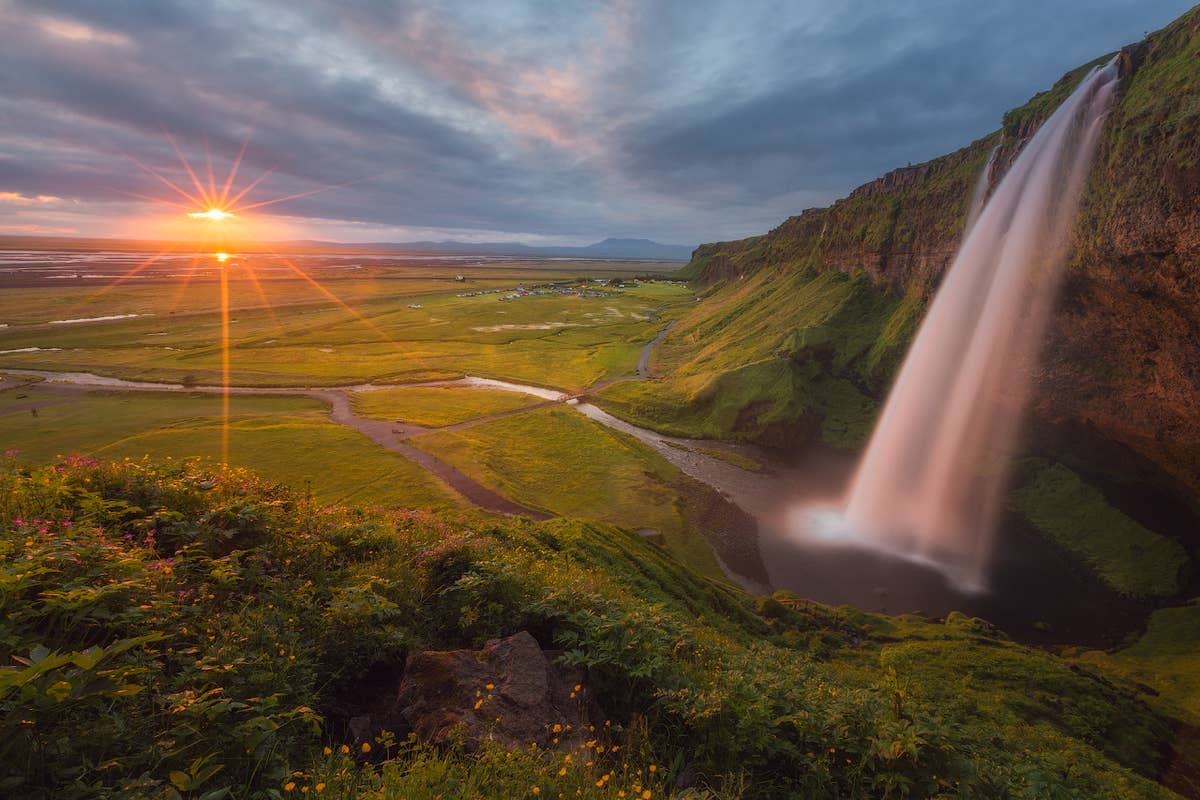
Iceland is a geological showcase. In a single day you can drive past glaciers, walk through lava fields, stand behind a waterfall, swim in a natural hot spring, and watch geysers erupt. The landscapes are stark and often barren — black sand deserts, steaming fissures, and ice caps that feel like they belong on another planet entirely. Key experiences include:
• Golden Circle — Þingvellir (tectonic plates), Geysir (original geyser), Gullfoss (massive waterfall)
• South Coast — Seljalandsfoss, Skógafoss, Reynisfjara black sand beach, Jökulsárlón glacier lagoon
• Snæfellsnes Peninsula — "Iceland in miniature" with Kirkjufell mountain
• Highland Interior — Landmannalaugar's colorful rhyolite mountains (4x4 only, summer only)
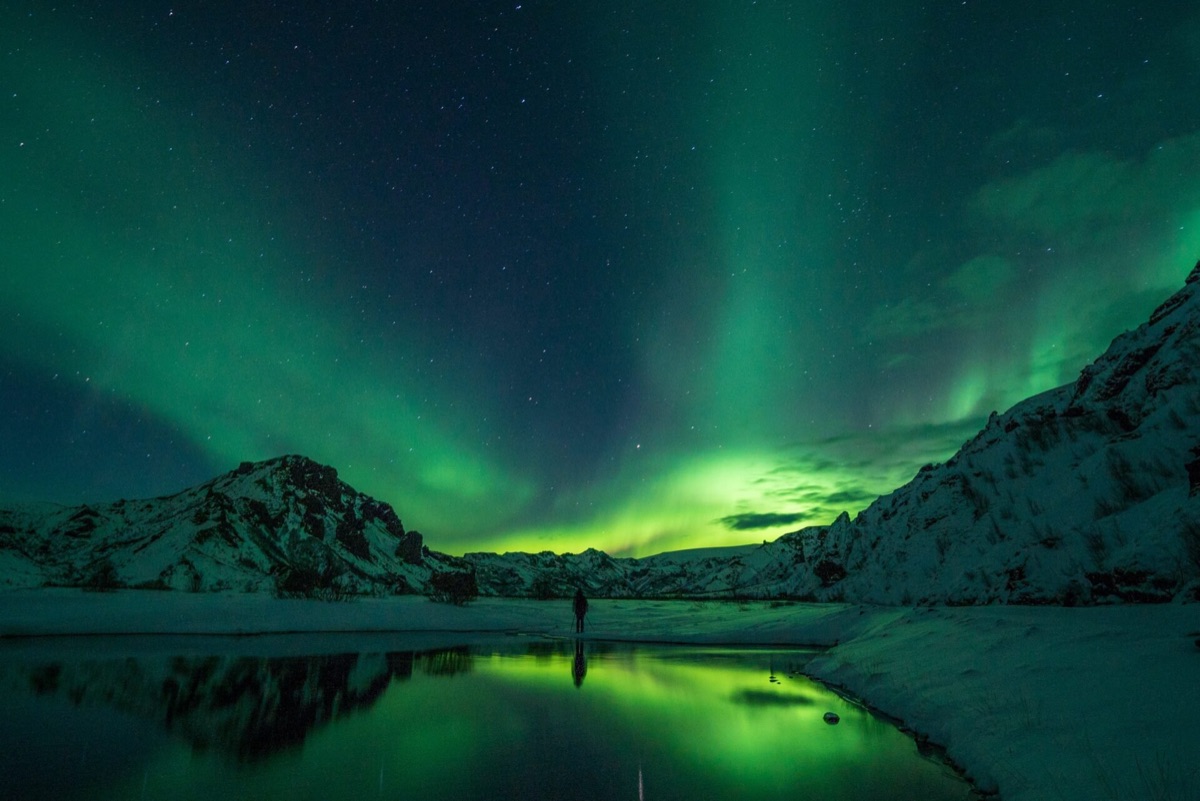
• Northern Lights — September through March, best outside Reykjavik
• Glacier hiking — Walk on Europe's largest glacier, Vatnajökull
• Silfra Fissure — Snorkel between tectonic plates in crystal-clear water
New Zealand: lush, diverse, cinematic
New Zealand's nature is famously varied — the country packs beaches, rainforests, glaciers, volcanoes, fjords, and rolling farmland into an area smaller than Colorado. The landscapes feel more alive and green than Iceland's monochrome drama. Highlights include:
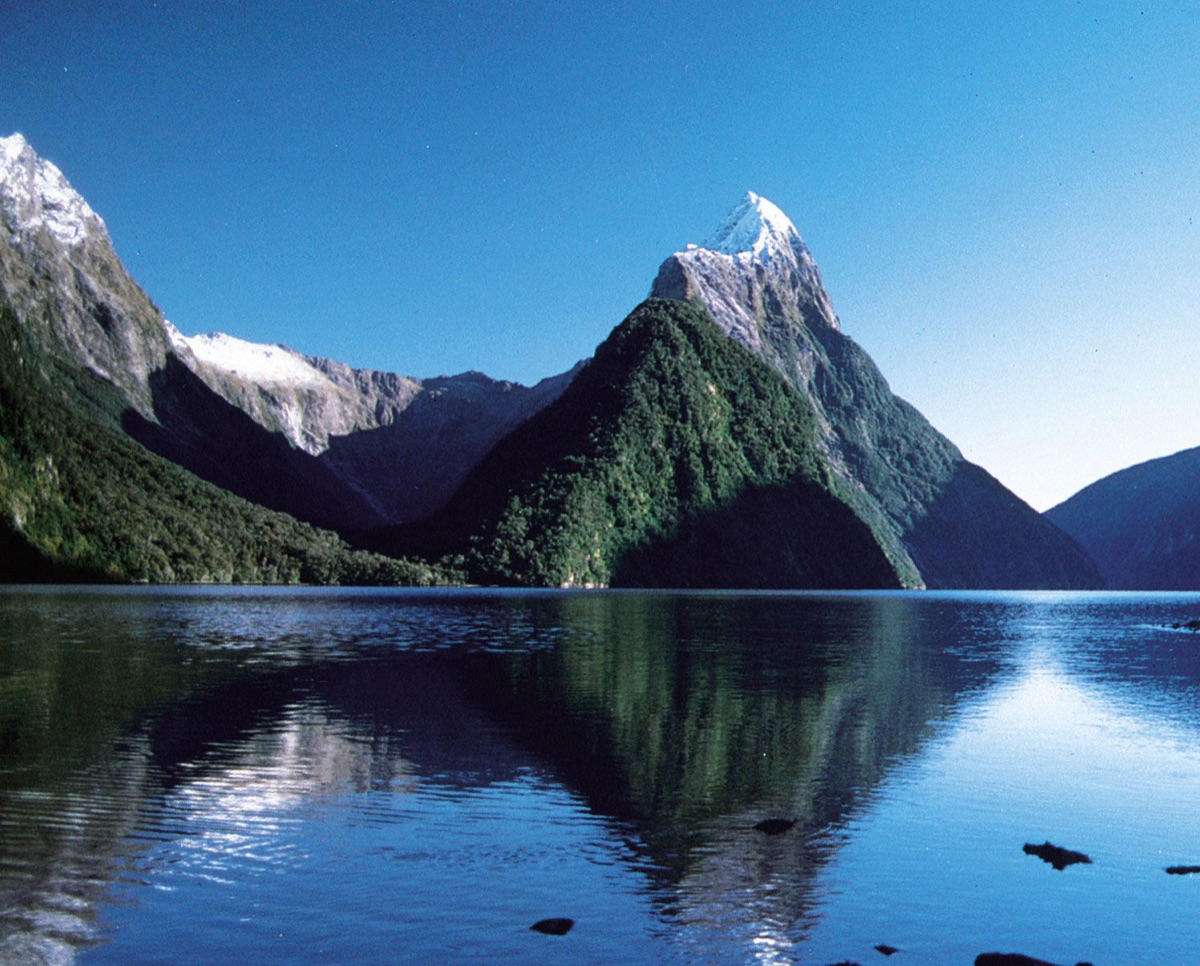
• Milford Sound — Fiordland's crown jewel, sheer peaks rising from deep water
• Tongariro Alpine Crossing — One of the world's great day hikes, volcanic terrain (Mt. Doom from LOTR)
• Abel Tasman National Park — Golden beaches, coastal kayaking, crystal water
• Franz Josef & Fox Glaciers — Hike onto glaciers surrounded by rainforest
• Rotorua — Geothermal wonderland with mud pools and geysers (similar to Iceland, but warmer)
• Queenstown — Adventure capital: bungee jumping, skydiving, jet boats, skiing
• Waitomo Glowworm Caves — Underground boat ride through bioluminescent caves
• Hobbiton — The actual Shire movie set in Matamata
💰 Cost Comparison
This is where the biggest difference hits. Iceland is one of the most expensive countries in the world for tourists — consistently ranking alongside Switzerland and Norway. New Zealand is pricier than Southeast Asia but dramatically cheaper than Iceland for day-to-day costs.
| Expense | 🧊 Iceland (USD) | 🥝 New Zealand (USD) |
|---|---|---|
| Hostel dorm | $50–70/night | $20–35/night |
| Mid-range hotel | $140–250/night | $80–150/night |
| Budget meal | $15–25 | $10–18 |
| Restaurant dinner (2 people) | $70–105 | $40–70 |
| Car rental (per day) | $80–130 | $30–60 |
| Gas/petrol (per liter) | $2.10–2.40 | $1.60–1.90 |
| Beer (pint, restaurant) | $10–14 | $6–9 |
| Major activity | $80–200 (glacier hike, ice cave) | $50–150 (bungee, jet boat) |
| Flight from US (round trip) | $300–600 | $800–1,500 |
| Daily total (mid-range) | $200–300/person | $120–200/person |
The Iceland cost trap: Many budget travelers arrive in Iceland expecting to keep costs low and get sticker shock immediately. A basic burger and fries runs $20+. A bowl of lamb soup is $15–18. Even the Blue Lagoon entrance fee is $75–115 depending on the package. Reddit is full of travelers who blew through their budget in 3 days.
The flight paradox: Iceland is actually cheaper to fly to from North America — Icelandair and PLAY offer round trips for $300–600. New Zealand flights are $800–1,500+. But once you land, NZ's lower daily costs mean a 2-week NZ trip can cost about the same as an 8-day Iceland trip.
🚗 Getting Around
Both countries are quintessential road trip destinations — driving is really the only way to see them properly. But the experiences differ significantly.
Iceland: Route 1 (The Ring Road)
Iceland's Ring Road is a 1,322 km loop around the entire island. It's beautifully simple — one main road, clockwise or counterclockwise, hitting every major region. Most of the road is paved and two lanes, though sections in the east and north can be rough. The drive itself is stunning, with waterfalls, glaciers, and volcanic scenery appearing around every bend.
Key warnings: Iceland's weather can make driving dangerous. Sudden winds can literally blow your car door off (this happens regularly). Rain, fog, and snow can appear with zero notice. F-roads (highland roads) require a 4x4 and are only open in summer. Don't trust Google Maps blindly — it optimizes for time, not safety or road conditions. Check road.is daily.
New Zealand: two islands, more freedom
NZ offers more route variety. The South Island has the classic circuit: Christchurch → Kaikōura → West Coast glaciers → Queenstown → Milford Sound → Dunedin. The North Island covers Auckland → Coromandel → Rotorua → Tongariro → Wellington. You'll need an Interislander or Bluebridge ferry between islands (3.5 hours, ~$50–70 per person + car).
Roads are generally good but often winding — especially on the West Coast and through mountain passes (Arthur's Pass, Haast Pass). They drive on the left, which takes adjustment for North Americans. Traffic is minimal outside Auckland and Wellington.
☀️ Best Time to Visit
Their seasons are opposite — Iceland's summer (June–August) coincides with New Zealand's winter, and vice versa. This actually makes them great back-to-back destinations in theory, though the logistics are impractical for a single trip.
Data: Climate averages from WeatherSpark and NIWA. Iceland temps are for Reykjavik; NZ temps are for Queenstown (South Island). North Island NZ is 5-8°C warmer.
Iceland peak seasons
June–August (summer): The "safe" window. Temps 10–15°C, nearly 24 hours of daylight, all roads open, puffins nesting. Peak crowds and prices. Book accommodation months ahead.
September–March (winter): Northern Lights season. Colder, darker, and some roads close. But the Northern Lights, ice caves, and snowy landscapes are worth it for the adventurous. Budget tip: winter flights and accommodation are 30–40% cheaper.
New Zealand peak seasons
December–February (summer): Warm, long days, peak hiking season. Great Walks sell out months ahead. Christmas/New Year is most expensive. Queenstown is bustling.
March–April (autumn): Gorgeous fall colors, fewer crowds, still warm enough for most activities. Arguably the sweet spot.
June–August (winter): Ski season in Queenstown and Wanaka. Cheaper, fewer tourists, but some South Island passes can close.
🏨 Where to Stay
Iceland bases
Reykjavik — The only real city (population ~140,000). Most travelers base here for 1–2 nights at the start and end. Laugavegur street has bars, restaurants, and shops. Great for Golden Circle and Blue Lagoon day trips. Hotels: $140–250/night mid-range, $50–70 hostels.
Vik — Tiny south coast village (pop. ~300) near Reynisfjara black sand beach. A good stopping point when driving the Ring Road. Limited accommodation — book early in summer.
Akureyri — "Capital of the North" (pop. ~19,000). Gateway to Húsavík (whale watching), Mývatn (geothermal area), and Godafoss waterfall. More affordable than Reykjavik.
Campervans/campsites — Hugely popular in Iceland. Campsite fees run $10–20/night per person. Campervans from $80–150/day. Wild camping is technically restricted — use designated sites.
New Zealand bases
Auckland — Largest city, most international flights land here. Vibrant food scene, Polynesian culture, and gateway to Coromandel and Northland. Hotels: $80–150/night. Stay 1–2 nights max.
Rotorua — Geothermal heartland on the North Island. Maori culture, mud pools, Whakarewarewa Village, mountain biking in Redwood Forest. Good value accommodation ($60–120/night).
Queenstown — Adventure capital of the South Island. Bungee jumping, jet boats, skiing, and stunning Lake Wakatipu. Pricier than average ($100–200/night) but worth the splurge.
Wanaka — Queenstown's quieter, equally beautiful neighbor. Great hiking (Roy's Peak), lakeside vibes, and That Wanaka Tree. More affordable and less crowded.
Te Anau — Gateway town for Milford Sound and Fiordland. Small, peaceful, and practical as a base for the fiords.
🎒 Day Trips & Must-Dos
Iceland must-dos
Golden Circle (full day from Reykjavik) — Þingvellir, Geysir, Gullfoss. The essential Iceland day trip. Easy to self-drive or join a tour ($60–80).
South Coast (full day or overnight) — Seljalandsfoss → Skógafoss → Reynisfjara → Vík. Add Jökulsárlón glacier lagoon if overnighting.
Blue Lagoon or Sky Lagoon — The iconic geothermal spa. Blue Lagoon: $75–115. Sky Lagoon (closer to Reykjavik, less touristy): $50–85.
Snæfellsnes Peninsula (full day) — Kirkjufell mountain, Djúpalónssandur beach, Vatnshellir lava cave. "Iceland in miniature."
Whale watching from Húsavík — Best in June–August. Humpbacks and blue whales. Tours $80–100.
Glacier hike on Sólheimajökull — 3-hour guided hike on an outlet glacier. $80–120. Crampons provided. Unforgettable.
New Zealand must-dos
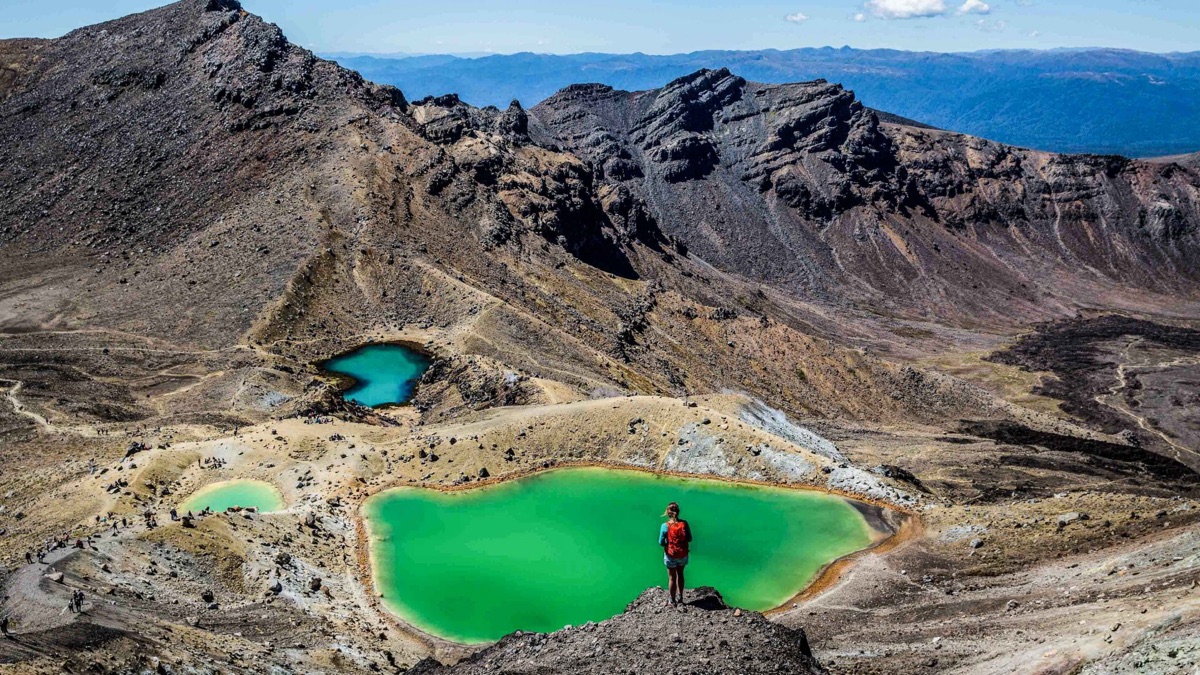
Tongariro Alpine Crossing (full day) — 19.4 km one-way hike across volcanic terrain. Emerald Lakes, Red Crater, and Mt. Doom views. One of the world's best day hikes. Free (shuttle $35–45).
Milford Sound cruise (full day from Te Anau or Queenstown) — Cruise through Fiordland's most dramatic fjord. Waterfalls, dolphins, sheer cliffs. Tours $50–80 from Te Anau, $150+ from Queenstown.
Hobbiton (half day from Rotorua/Matamata) — The actual movie set. Even non-LOTR fans love it. $89 NZD adults. Book ahead.
Queenstown adventure — Bungee at Kawarau Bridge ($205 NZD), Shotover Jet ($159 NZD), Skyline luge ($59 NZD), or skydiving ($299+ NZD).
Waitomo Glowworm Caves (half day) — Underground boat ride through caves lit by thousands of glowworms. $55 NZD. Magical.
Abel Tasman kayaking (full day) — Paddle along golden beaches and turquoise water. $120–180 NZD for a guided day trip.
🔀 Why Not Both?
Unlike Tokyo and Kyoto (which are 2 hours apart), Iceland and New Zealand are literally on opposite sides of the planet. Reykjavik to Auckland is about 17,000 km — you're looking at 24+ hours of travel with multiple connections. Combining them in a single trip is technically possible but logistically painful and expensive.
The better approach: do one per year, each as a dedicated trip.
If you only have 1 week
Choose Iceland. Its compact size means you can see the highlights (Golden Circle, South Coast, Snæfellsnes) in 7 days via the Ring Road or a partial loop. One week in New Zealand would feel rushed — you'd barely scratch one island.
If you have 2–3 weeks
Choose New Zealand. This is the ideal amount of time to properly see both islands — drive the South Island circuit, ferry over, explore the North Island's volcanoes and coastline, and have time to actually relax.
Suggested itineraries
Iceland 8 days: Reykjavik (1 night) → Golden Circle → South Coast → Vik (1 night) → Jökulsárlón → East Fjords → Akureyri (1 night) → Mývatn → Snæfellsnes → Reykjavik (1 night)
NZ 14 days: Auckland (1 night) → Rotorua (2 nights) → Tongariro (1 night) → Wellington (1 night) → Ferry → Kaikōura (1 night) → Christchurch (1 night) → West Coast glaciers (1 night) → Wanaka (1 night) → Queenstown (2 nights) → Te Anau + Milford Sound (1 night) → Fly out Queenstown
NZ 21 days: Add Coromandel, Waitomo, Abel Tasman, Dunedin, and Stewart Island to the 14-day route.
🎯 The Decision Framework
Choose Iceland If…
- You only have 7–10 days
- You want to see the Northern Lights
- Otherworldly, volcanic landscapes excite you
- You want a simple road trip (one loop road)
- Geothermal hot springs are on your bucket list
- You're a photographer chasing dramatic light
- You don't mind cold, harsh weather
- You fly from North America or Europe (shorter flights)
- Budget is less of a concern
Choose New Zealand If…
- You have 2+ weeks for the trip
- Adventure sports matter (bungee, skydiving, rafting)
- You want diverse landscapes (beaches to glaciers)
- You're traveling with kids or older family
- Great food and wine are important to you
- You want a more relaxed, warm-weather trip
- You're a Lord of the Rings fan (obviously)
- You prefer budget-friendly destinations
- You want to combine hiking with beach time
❓ Frequently Asked Questions
Is Iceland or New Zealand better for a first-time nature trip?
It depends on what kind of nature excites you. Iceland is raw, volcanic, and otherworldly — glaciers, black sand beaches, lava fields, and geothermal hot springs that feel like another planet. New Zealand is lush, diverse, and softer — rainforests, fjords, rolling green hills, and turquoise lakes. Reddit consensus: Iceland for a short, intense experience; NZ for more variety and a longer, more relaxed road trip.
Which is cheaper, Iceland or New Zealand?
New Zealand is significantly cheaper day-to-day — roughly 30–50% less for accommodation, food, and car rental. Iceland is one of the world's most expensive tourist destinations. A mid-range daily budget runs $200–300 USD in Iceland vs $120–200 in NZ. The catch: flights to Iceland from North America are much cheaper ($300–600 round trip vs $800–1,500 to NZ). Total trip cost often comes out similar for an 8-day Iceland trip vs a 14-day NZ trip.
How many days do you need in Iceland vs New Zealand?
Iceland: 7–10 days covers the Ring Road and major highlights comfortably. Even 5 days can hit the Golden Circle and South Coast. New Zealand: 14 days minimum for both islands (7 each), though 3 weeks is ideal. If you only have one week, stick to NZ's South Island — it has the most dramatic scenery per kilometer.
Which country is better for road trips?
Both are phenomenal. Iceland's Ring Road is simpler — one 1,322 km loop, no ferry crossings, all major sights along one route. New Zealand has more variety across two islands but requires more planning, a ferry crossing, and more driving time overall. Iceland's roads can be dangerous in bad weather (wind, fog, gravel). NZ drives on the left. Both have minimal traffic outside cities.
When is the best time to visit Iceland vs New Zealand?
Iceland: June–August for summer road trips (mild weather, 20+ hours daylight, all roads open). September–March for Northern Lights (cold, dark, but magical). New Zealand: December–February for summer (warm, long days, peak hiking). March–April for autumn shoulder season (fewer crowds, great weather, lower prices). Their seasons are opposite hemispheres.
Can you see the Northern Lights in New Zealand?
Not the Northern Lights, but NZ has the Southern Lights (Aurora Australis). They're occasionally visible from the South Island's southern coast and Stewart Island during winter (June–August). However, they're much less reliable and vivid than Iceland's Northern Lights. If aurora viewing is your primary goal, Iceland is the clear choice — it's one of the best places on Earth for it.
Is it worth visiting both Iceland and New Zealand?
Absolutely — they complement each other perfectly. Iceland gives you volcanic, Arctic landscapes unlike anything else on Earth. New Zealand gives you lush rainforests, adventure sports, Maori culture, and incredible variety. They're on opposite sides of the world, so do them as separate trips: Iceland as a 7–10 day adventure, NZ as a 2–3 week road trip. Both are once-in-a-lifetime destinations that deliver on the hype.
Ready to plan your nature adventure?
Get a free custom itinerary for Iceland, New Zealand, or anywhere else — built from real traveler insights, not generic templates.