How we built this comparison
This page combines traveler discussion patterns, published price ranges, permit requirements, altitude data, and seasonal information to make the Manali vs Leh decision clearer for real travelers.
- Reviewed Reddit discussions from r/india_tourism, r/ladakh, r/SoloTravel_India, r/solotravel, r/backpacking, and r/HimachalPradesh.
- Checked numeric claims including accommodation ranges, food costs, permit fees, transit routes, and altitude profiles.
- Each major section ends with a clear winner, reason, and traveler-use note.
Best read as a decision guide, not a universal truth: the right pick depends on your timeline, fitness level, altitude tolerance, and what kind of trip you actually want.
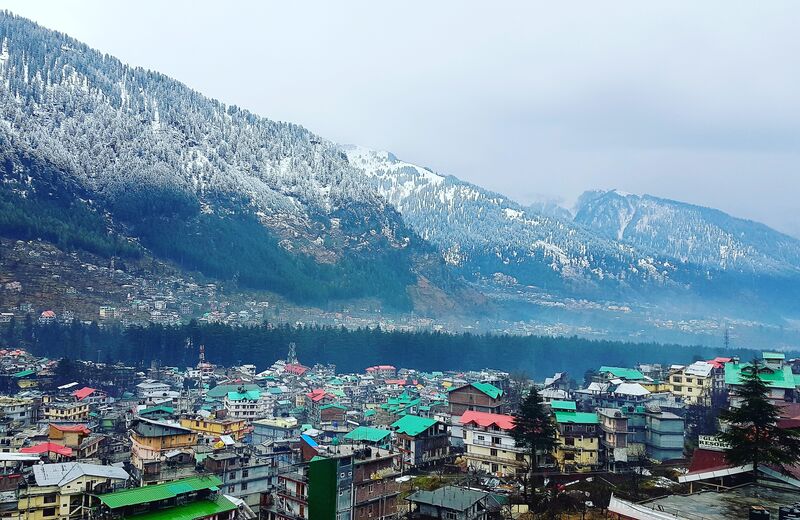
Manali — lush green valleys and snow peaks of Himachal Pradesh
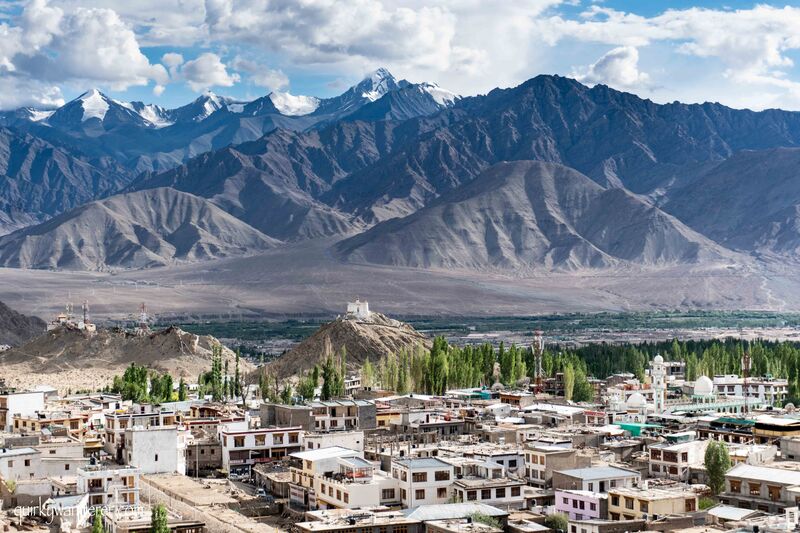
Leh — high-altitude desert capital of Ladakh at 3,524m
⚡ The TL;DR Verdict
Manali for adventure and accessibility. Leh for once-in-a-lifetime drama. Manali is India's best adventure base — paragliding, skiing, river rafting, trekking, and a backpacker scene that works year-round without altitude concerns. Leh is a different category entirely: a high-altitude desert plateau ringed by 6,000m peaks, ancient Buddhist monasteries, and arguably the most dramatic landscape in Asia. The catch? Leh demands serious respect — 2–3 days of acclimatization, significant cost, and a narrow travel window (May–October). If you're choosing between the two for a first Himalayan trip: Manali is easier and more forgiving. If you're ready for the full commitment, Leh wins on raw spectacle.
- 🏆 Overall spectacle: Leh — Pangong Lake, Nubra Valley, and monasteries on cliffs
- 🏔️ Best for adventure sports: Manali — paragliding, skiing, rafting in one place
- 💰 Better budget value: Manali — significantly cheaper, no permits needed
- 🌸 Better seasonality: Manali — accessible year-round; Leh only May–October
- 🛕 Best monasteries: Leh — Thiksey, Hemis, Diskit are world-class
- 🔀 Best combo: Fly Delhi→Leh, acclimatize + explore, drive Leh→Manali (2 days) — the classic route
Choose Manali if…
You want adventure sports, a lively backpacker scene, green valleys, and year-round access without altitude sickness risks. Perfect for shorter trips (4–5 days) or as a base for Spiti Valley.
Choose Leh if…
You want the most dramatic landscape in India, Buddhist monasteries, Pangong Lake, and the fabled Manali-Leh Highway. Requires 7+ days and serious altitude planning — but earns its reputation.
Quick Comparison: Manali vs Leh
| Category | Manali | Leh | Edge |
|---|---|---|---|
| Altitude | ~2,050m — low altitude, minimal AMS risk | ~3,524m — high altitude, mandatory acclimatization | Manali |
| Scenery | Green valleys, pine forests, Beas River, snow peaks | Stark desert plateaus, 6,000m peaks, sapphire lakes | Leh |
| Adventure Sports | Paragliding, skiing, rafting, trekking — all accessible | Motorbike trips, trekking, high-altitude cycling | Manali |
| Buddhist Culture | Hadimba Temple, Naggar Castle — limited | Thiksey, Hemis, Diskit, Alchi — world-class monasteries | Leh |
| Budget/day | ~₹1,000–2,000 ($12–24) — budget backpacker | ~₹2,500–4,500 ($30–54) — everything costs more | Manali |
| Permits Required | None for main areas | Inner Line Permit for Pangong, Nubra, Hanle | Manali |
| Travel Season | Year-round (skiing Dec–Feb, best May–Oct) | May–October only (road closed Nov–Apr) | Manali |
| Accessibility | Bus from Delhi ~12h, road always open | Fly Delhi→Leh (1h15m) or road only Jun–Oct | Manali |
| Crowd Level | Very busy in peak season (Jul–Aug) | Busy but more spread out; permits limit access | Leh |
| Photography | Lush valleys, river, snowcapped peaks | Pangong Lake, monasteries on cliffs, sand dunes + mountains | Leh |
| Food Scene | Israeli cafes, dhabas, bakeries, international | Ladakhi cuisine (thukpa, momos), limited variety | Manali |
| Backpacker Vibe | Strong — Old Manali is a classic circuit stop | Moderate — more upscale, fewer budget party options | Manali |
🏔️ Altitude & Health: The Most Important Factor
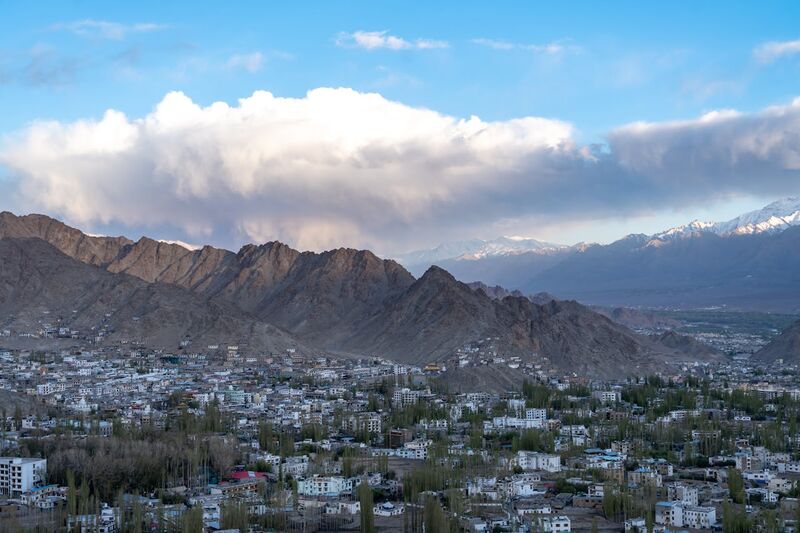
Manali: Mountain town, not mountain problem
Manali sits at approximately 2,050m above sea level — comparable to many Alpine ski resorts. For the vast majority of healthy travelers, this altitude causes no issues beyond perhaps a slightly slower pace on day one. You can arrive by bus from Delhi, dump your bag, and head straight out to explore. The lush Kullu Valley, Beas River, and surrounding green hills are immediately accessible. Rohtang Pass (3,978m), the popular day trip from Manali, may cause brief shortness of breath but is not considered a serious altitude risk for most people.
Leh: 3,524m demands respect — and two full rest days
Leh is a completely different altitude game. At 3,524m, it's higher than the Mont Blanc summit parking lot. Acute Mountain Sickness (AMS) is real and common — symptoms include severe headaches, nausea, dizziness, and in serious cases, life-threatening fluid buildup in the lungs (HACE) or brain (HAPE). Reddit threads about Leh are filled with cautionary tales from travelers who pushed through the first day and paid for it with two days in bed.
The mandatory protocol recognized by every experienced traveler: arrive in Leh (by road or air), rest completely for 48 hours, drink 3–4 liters of water daily, eat light, avoid alcohol on night one, and do not ascend higher until fully acclimatized. Diamox (acetazolamide, 125mg twice daily) is widely recommended and available in Leh pharmacies (₹20–30/pill). Consulting your doctor before the trip is strongly advised.
"If you start from Srinagar, the increase in altitude is gradual which gives you more time to get acclimatized, meaning less chance of AMS. If you start from Manali, you immediately need to cross 3–4 high passes which increases the chance of getting AMS. A lot of people do go via Manali so it's not impossible but Srinagar seems like a better option to enter Ladakh."— r/ladakh
"Acclimatization: Spend a couple of days in Manali or Leh to acclimatize before starting the ride to avoid altitude sickness."— r/BanBanjara
🪂 Adventure Sports
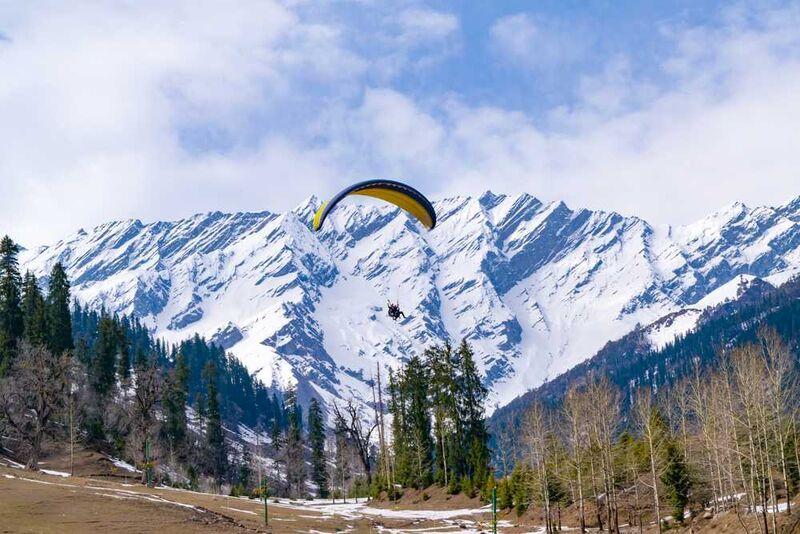
Manali: India's adventure sports capital
Manali is unambiguously the best adventure sports base in India. The combination of terrain, infrastructure, and year-round activity makes it impossible to beat:
- Paragliding (Solang Valley): ₹1,500–2,500 for a tandem flight over the valley. One of India's best spots for beginners. Go in the morning for calmer conditions.
- Skiing (Solang Valley / Rohtang): December through March. Equipment rental ₹500–800/day, lift passes ₹200–500. Not Swiss Alps level, but a genuine ski hill at 2,400m–2,900m.
- River Rafting (Beas River): Grade II–IV rapids depending on section and season. Half-day trips ₹600–1,200. Best May–July when snowmelt feeds the river.
- Trekking: Dozens of trails including Hampta Pass (4,270m), Friendship Peak (5,289m), and the Beas Kund glacier trek. All easily arranged from town.
- Snowmobiling and zorbing: Available at Solang Valley in winter months for families.
Leh: Motorbikes, high-altitude trekking, and cycling
Leh's adventure scene is dominated by motorbike expeditions and high-altitude trekking. Royal Enfields are rented throughout town (₹800–1,500/day) and the rides to Khardung La (5,359m), Pangong Lake, and Nubra Valley are bucket-list motorcycle routes. White-water rafting on the Zanskar River (Grade IV–V) runs July–September and is considered one of India's most intense rafting experiences. Cycling the Manali-Leh Highway is a rite of passage for endurance cyclists worldwide. The Markha Valley and Stok Kangri (6,153m) treks are among Ladakh's signature routes — technical, demanding, and spectacular.
"The journey from Manali to Leh takes around 3 days and it's pretty much just you and your motorbike in the Himalayas. Sometimes you see another rider but mostly it's just you and the road."— r/travel
🛕 Monasteries & Culture
Manali: Hindu temples and a hint of Buddhist influence
Manali's cultural highlights are primarily Hindu. The Hadimba Devi Temple (1553 AD) is a stunning pagoda-style shrine set in a cedar forest — one of the finest wooden temples in Himachal Pradesh. Manu Temple in Old Manali is the only temple in India dedicated to the sage Manu. The Tibetan Buddhist monasteries (Gadhan Thekchhokling Gompa and Himalayan Nyingmapa Gompa) are worth visiting for their vibrant murals, but they're relatively small — cultural appetizers rather than full experiences.
Leh: A world-class Buddhist monastery circuit
Leh's Buddhist heritage is extraordinary. The monasteries here are active religious communities — not tourist showpieces — inhabited by hundreds of monks and home to centuries of accumulated art, texts, and ritual. Key highlights:
- Thiksey Monastery: 12-storey complex resembling the Potala Palace in Lhasa, perched on a hill above the valley. The morning puja (4:30am) is unforgettable.
- Hemis Monastery: Ladakh's largest and wealthiest monastery, home to the famous Hemis Festival (June/July) with traditional Cham masked dances.
- Diskit Monastery: Nubra Valley's oldest monastery with a 32-meter Maitreya (future Buddha) statue surveying the sand dunes.
- Alchi Monastery: 11th-century complex with rare early Buddhist murals — considered more artistically significant than better-known sites.
- Shanti Stupa: Japanese-built white stupa above Leh with panoramic valley views — best at sunset.
"You can visit Zanskar from either the Manali or Leh side. I prefer the Leh side because from Manali you have to cross the Shinkula Pass which is only passable 2–3 months per year."— r/SoloTravel_India
💰 Cost Comparison
| Expense | Manali | Leh |
|---|---|---|
| Budget dorm/hostel | ₹300–600/night (~$3.60–7.20) | ₹600–1,200/night (~$7–14) |
| Budget guesthouse | ₹600–1,500/night (~$7–18) | ₹1,200–2,500/night (~$14–30) |
| Mid-range hotel | ₹1,500–4,000/night (~$18–48) | ₹3,000–7,000/night (~$36–84) |
| Budget meal (dal/rice) | ₹80–150 (~$1–1.80) | ₹150–250 (~$1.80–3) |
| Restaurant meal | ₹200–500 (~$2.40–6) | ₹300–700 (~$3.60–8.40) |
| Local bus/share taxi | ₹50–200 (~$0.60–2.40) | ₹100–400 (~$1.20–4.80) |
| Inner Line Permit | Not required | ₹400–600 per area per person |
| Daily budget (backpacker) | ₹1,000–2,000 (~$12–24) | ₹2,500–4,500 (~$30–54) |
Why is Leh more expensive?
Everything in Leh is transported over mountain passes or flown in — vegetables, fuel, building materials, everything. Until the Zoji La tunnel opened (improving access), Leh was essentially cut off for 6–7 months per year. That supply chain cost gets passed on. Additionally, the short tourist season (May–October) means operators need to recoup annual costs in five months. Budget travelers report that Leh costs roughly 60–80% more than Manali for comparable accommodation and meals.
"In Leh, accommodation would cost approx ₹1,500–2k per day. If you do hostels, it would be way less, something within ₹1,000 per day. Food is not too costly."— r/ladakh
"Budget 15k INR for two people [Manali to Leh trip over 9 days]. We're taking our own camping gear and planning to camp most of the way to save on costs."— r/SoloTravel_India
📋 Permits & Logistics
Manali: No permits, no hassle
Manali requires no special permits. Indian nationals can drive or bus from Delhi (12–14 hours, ₹500–800 by HRTC bus) or take a short flight to Kullu-Manali Airport (Bhuntar). Foreigners can visit freely. The road from Chandigarh via Mandi is the main artery — it's occasionally blocked by landslides in heavy monsoon (July–August) but is generally reliable year-round. No photography restrictions, no area limitations.
Leh: Multiple permit layers for key attractions
To visit Leh's most famous spots, permits are required:
- Inner Line Permit (ILP) — required for Indian nationals visiting Pangong Tso, Nubra Valley, Tso Moriri, and Hanle. Apply online at
lahdcpermit.inor through tour operators. Cost: ₹400–600 per restricted area per person. - Protected Area Permit (PAP) — required for foreign nationals visiting the same restricted zones. Process through registered tour operators or District Commissioner's office. Minimum group of 2 required for PAP.
- Photography restrictions: Some sensitive border areas near Pangong and Hanle prohibit drones and have photography restrictions near military installations.
The permit process sounds daunting but in practice is straightforward — most guesthouses in Leh can arrange permits in a few hours, and the online system works well. Budget a half-day for permit paperwork on arrival.
"From Manali to Leh I got a shared bus (tempo traveller) which cost ₹3,000 rupees. Took about 2 days with an overnight stop at Jispa."— r/solotravel
🌸 Best Time to Visit
Manali: Year-round destination with distinct seasons
Summer (May–June): Lush green valleys, wildflowers, pleasant 15–25°C. Best for trekking and river rafting. Rohtang Pass opens in late May. Gets crowded by late June.
Peak Season (July–August): Warm (20–28°C), very crowded, higher prices. Monsoon brings occasional landslides but also dramatic cloud-wreathed peaks. River rafting at peak flow.
Autumn (September–October): Excellent. Crowds thin, skies clear, Rohtang closes in October. Temperatures 10–20°C. Best overall window for quality travel.
Winter (November–March): Cold (−5 to 5°C), heavy snow, but Solang Valley skiing runs December–February. Rohtang and most high passes closed. The town is quiet and magical under snow.
Leh: May–October only — and September is gold
Leh's tourist season is strictly bounded. The Manali-Leh Highway typically opens in late May or early June. By late October, temperatures drop sharply and the highway closes. Flying extends access slightly on either end. Within the season:
Late May–June: Excellent. Snowmelt feeds lakes and rivers. Fewer crowds. Some passes still negotiating snow — confirm road status before driving.
July–August: Peak season. Pangong Lake at its most photogenic blue. Hemis Festival (June/July) draws crowds. Monsoon barely touches Ladakh (it's in the rain shadow of the Himalayas) — this is one of the few Himalayan destinations that doesn't get monsoon rain.
September: The consensus best month. Post-monsoon clarity delivers crystal skies and sharp visibility. Temperature 20–28°C days, cool nights. Fewer tourists than August. Pangong still beautiful.
October: Getting cold (5–10°C days, below freezing nights). Snow at higher passes. Great photography, minimal crowds. The road begins to close.
🏨 Where to Stay
Manali neighborhoods
Old Manali: The backpacker hub, 2km north of the main bazaar across the Manalsu Nala. Budget guesthouses (₹400–1,200/night), Israeli cafes, yoga, and laid-back atmosphere. Best for solo travelers and backpackers. Can be difficult to reach with heavy luggage.
Mall Road / Main Bazaar: Tourist central — hotels, restaurants, shops, and easy connectivity. Mid-range options ₹1,500–4,000/night. Noisy but convenient.
Aleo and Prini (outskirts): Quieter village settings with mountain views, 3–5km from center. Better for couples and those with vehicles. Mid-range to upscale ₹3,000–10,000/night.
Vashisht: Village 3km north of Manali with natural hot springs, a Shiva temple, and a slower pace. Good mix of budget and mid-range guesthouses (₹600–2,500).
Leh neighborhoods
Leh Old Town: Around the Leh Palace and Jokhang market. Atmospheric, walkable, great local restaurants nearby. Guesthouses ₹1,200–3,000/night.
Fort Road / Main Market: Commercial center with tourist infrastructure, travel agencies, restaurants. Best mid-range options ₹2,500–5,000/night.
Changspa Lane: Budget traveler favorite — quiet lane west of center with guesthouses, cafes, and easy access to Shanti Stupa. Prices ₹800–2,000/night for basic rooms.
Leh eco-guesthouses / farmhouses: Homestays in surrounding villages (Stok, Nimmu, Alchi) offer authentic Ladakhi hospitality at ₹1,500–4,000/night including meals. Highly recommended for longer stays.
🚐 Getting Around
Manali: Easy, well-connected
Within Manali, auto-rickshaws (₹50–150) and shared jeeps serve most routes. Renting a scooter (₹400–700/day) or Royal Enfield (₹800–1,500/day) gives you full freedom for day trips to Solang Valley, Vashisht, and Rohtang Pass. Local taxis are plentiful with fixed-rate charts posted at the stand. The HRTC bus network covers Kullu, Bhuntar, Kasol, and further destinations. Grab operates in the region for convenient urban transport.
Leh: You need a vehicle for everything
Leh's main attractions are spread across a large area — the city itself is compact and walkable, but Pangong Lake is 150km away (5 hours), Nubra Valley is 120km (4 hours via Khardung La), and Tso Moriri is 220km. You have several options:
- Shared taxis: The budget way. Fixed government rates from the taxi stand. Pangong shared taxi ₹600–800/seat, Nubra Valley ₹700–900/seat. You'll be squeezed in with other travelers, which is actually a great way to meet people.
- Private taxis: ₹3,000–6,000 per vehicle per excursion. Worth it for a small group. Most guesthouses can arrange.
- Motorbike rental: ₹800–1,500/day. The most popular option among independent travelers. Some routes (Khardung La, Chang La) are accessible on smaller bikes but easier on a 350cc+ Enfield.
- Organized tours: ₹4,000–8,000/day per vehicle including driver and guide. Easiest if you don't want to navigate permits and roads independently.
🎒 Day Trips & Excursions
From Manali
Rohtang Pass (3,978m): The classic day trip — 50km north to a dramatic pass with views of Lahaul Valley and often snow year-round (even in summer). ₹200–250 for a permit (₹100 for Himachalis). Crowded on weekends but the scenery justifies it. Note: private vehicles need a permit; the pass is closed for visitors on Tuesdays.
Solang Valley: 14km from Manali, famous for skiing (winter) and paragliding (year-round). Cable car, zorbing, horse riding — touristy but genuinely fun. Half-day excursion.
Kasol and Parvati Valley: 70km south — the hippie trail, Israeli cafes, cannabis culture (openly tolerated). Base for Kheerganga trek (hot spring at 3,050m).
Spiti Valley: Longer excursion (or standalone trip) — 4–5 hours to Kaza, the dusty capital of a high-altitude desert valley often compared to Tibet. Pin Valley, Key Monastery, Hikkim (world's highest post office). Best as a 3–5 day add-on from Manali.
From Leh
Pangong Tso Lake: The non-negotiable day trip (or overnight). 150km, 4–5 hours. Famous as the "3 Idiots" lake — electric blue against ochre mountains. Inner Line Permit required (₹200/person for Indians). Camping on the lake shore is spectacular.
Nubra Valley: 120km via Khardung La (5,359m). Sand dunes at Hunder with Bactrian camel rides, Diskit Monastery, and a surreal landscape where a desert meets a glacier river. Overnight recommended.
Tso Moriri: 220km south — a high-altitude lake (4,522m) in a remote valley, less visited than Pangong and arguably more beautiful. Inner Line Permit required. Best with 2 nights.
Alchi and Lamayuru: Heading west toward Srinagar, these historic monasteries are among the oldest in Ladakh (11th–12th century). Day trip from Leh is possible (115km round trip).
🔀 Why Not Both?
Manali and Leh are connected by one of the world's most iconic road trips — the 479km Manali-Leh Highway crossing five mountain passes above 4,000m. This route is the single most compelling reason to combine both destinations into one trip.
The classic loop (12–16 days)
- Delhi → Manali (overnight bus or fly to Bhuntar): 2 days
- Manali exploration: 2–3 days (Solang Valley, Rohtang, Old Manali)
- Manali → Leh via highway: 2 days (overnight at Jispa/Sarchu; the drive itself is the attraction)
- Leh acclimatization: 2 full rest days — mandatory
- Leh exploration + Pangong + Nubra: 5–6 days
- Fly Leh → Delhi or continue to Srinagar (2 days via NH1)
This route is best done Manali→Leh rather than the reverse: arriving in Manali from Delhi (low altitude) and gradually ascending via the highway to Leh gives your body time to adjust. Flying directly to Leh then facing the high-pass sections of the Manali-Leh highway on the return is more comfortable altitude-wise.
"Just came back from Manali to Leh via Zanskar for 2 nights cab (Innova) — ₹26k in total, so about ₹6,500 per person for 4 people. No comparison really. It's like asking if you like water more or air more."— r/SoloTravel_India
"19,000 km solo drive across the Himalayas — 29th Manali → 02.10 Padum → 04.10 Leh → 06.10 Hanle → 08.10 Umling La. The route through Manali-Leh corridor is once in a lifetime."— r/india_tourism
🎯 The Decision Framework
Choose Manali if…
- You have 4–5 days and want maximum activity per day
- Adventure sports are your priority (paragliding, skiing, rafting)
- You're traveling on a tight budget (₹1,000–2,000/day doable)
- You're visiting in winter (November–March) for skiing
- You want to avoid altitude sickness risk entirely
- You're using it as a base for Spiti Valley
- You want a lively backpacker social scene
- You have a first-time India traveler with you
Choose Leh if…
- You have 8+ days and can dedicate 2 for acclimatization
- Bucket-list landscapes are more important than convenience
- Buddhist monasteries and Tibetan culture are on your list
- You want to ride the Manali-Leh Highway (one of Earth's great drives)
- Photography of dramatic desert + mountain + lake landscapes is the goal
- You're visiting May–October and can handle the seasonal constraint
- Budget is secondary to experience quality
- You've already been to Manali and want the next level up
❓ Frequently Asked Questions
Is Manali or Leh better for a first Himalayan trip?
Manali is the easier first choice — it's accessible year-round, sits at a manageable 2,050m elevation, and has a well-developed tourist infrastructure. Leh is spectacular but demands a 2–3 day acclimatization period due to its 3,524m altitude; skipping this causes serious altitude sickness for many visitors. If you have only 4–5 days, Manali. If you have 7+ days and want the trip of a lifetime, go Leh.
How do you get from Manali to Leh?
The Manali-Leh Highway (479 km) is one of the world's great road trips, crossing passes above 5,000m. Most travelers do it in 2 days with an overnight stop at Jispa or Sarchu. Shared tempo travellers cost around ₹2,500–3,500 per person (~$30–42). Private cabs run ₹10,000–15,000 per vehicle. The road is open roughly June to October — it's snowbound the rest of the year. Flying Delhi→Leh takes 1 hour 15 minutes and costs ₹4,000–12,000 depending on booking window.
Which is more expensive, Manali or Leh?
Leh is significantly more expensive. Everything must be transported over high-altitude passes or flown in, driving up food and accommodation costs. Budget travelers in Leh spend ₹2,000–3,500/day including accommodation, meals, and local transport. Manali is much cheaper: ₹1,000–2,000/day is doable on a backpacker budget. Inner Line Permits for Pangong Lake and Nubra Valley add another ₹400–600 per restricted area in Leh.
Do you need permits to visit Leh?
Yes, for the main attractions around Leh. Indian nationals need an Inner Line Permit (ILP) to visit Pangong Tso, Nubra Valley, Tso Moriri, and Hanle. Foreign nationals need a Protected Area Permit (PAP) for these zones plus additional fees (~₹400 per restricted area per day). Permits are straightforward to obtain online or through tour operators in Leh — they're not a barrier, just an administrative step. Manali requires no special permits.
When is the best time to visit Manali vs Leh?
Manali is accessible year-round, but the sweet spot is May–June and September–October for clear skies and moderate temps (10–25°C). December–February brings heavy snow — great for skiing at Solang Valley. Leh's season is strictly May to October. July–August sees occasional monsoon rain, but temperatures are pleasant (25–30°C days). September is the best month for both — post-monsoon clarity, cooler air, fewer crowds. The Manali-Leh Highway typically opens in late May or early June.
Is altitude sickness a serious concern for Leh?
Very much so. Leh sits at 3,524m — higher than most European mountain resorts. Reddit is full of cautionary tales from travelers who flew directly to Leh and spent their first two days incapacitated. Standard advice: arrive by road if possible (gradual altitude gain), rest completely for 48 hours after arrival, drink lots of water, avoid alcohol the first night, and have Diamox (acetazolamide) on hand. Manali at 2,050m rarely causes altitude sickness for healthy travelers.
Can you do Manali and Leh in one trip?
Absolutely — this is one of India's classic routes. The most popular version: fly Delhi→Leh (acclimatize 2 days), explore Leh and surroundings for 5–6 days, then drive Leh→Manali over 2 days (or take a shared vehicle), spend 2–3 days in Manali, and fly home from Chandigarh or Kullu. Reverse is also possible. Allow at least 12–14 days for a comfortable version. The Manali→Leh→Srinagar loop is another popular option.
Is Manali or Leh better for motorbike trips?
Both are legendary biker destinations, but for different reasons. The Manali-Leh Highway is arguably the world's most iconic mountain motorbike route — 479 km across 5 high passes above 4,000m. Leh is the end goal and also offers world-class rides: Khardung La, Nubra Valley, Pangong. Manali is the starting point for most bike trips north, with Royal Enfield rentals readily available (₹800–1,500/day). For pure riding adventure, the full Manali→Leh route beats any individual destination.
Ready to Plan Your Himalayan Adventure?
Get a free personalized itinerary for Manali, Leh, or the legendary Manali-Leh route — built around your travel style, pace, and budget.
🎟️ Book Tours & Experiences
Hand-picked tours and activities for both destinations — book with free cancellation
Experiences via Viator — free cancellation on most tours