⚡ The TL;DR Verdict
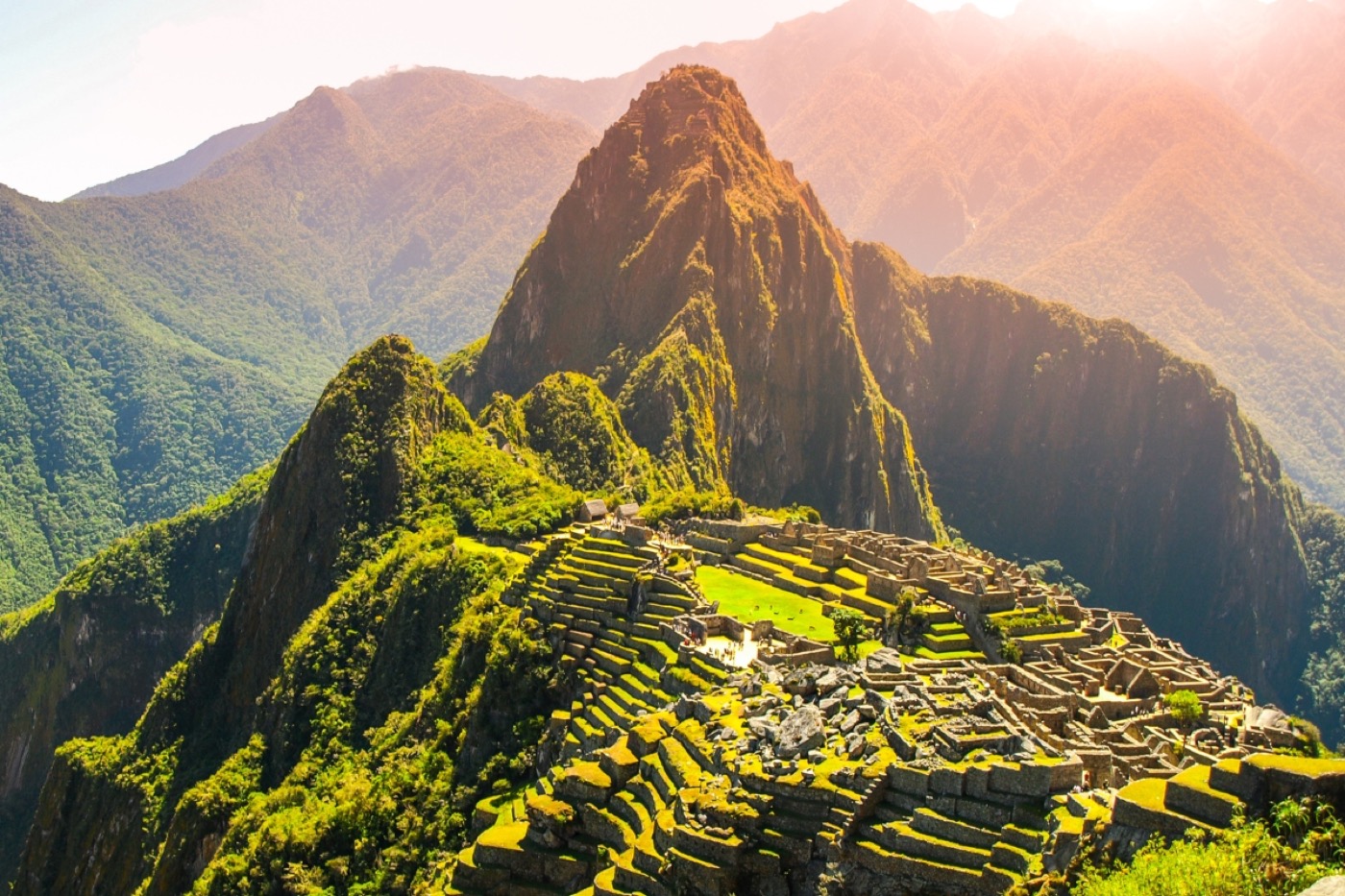
Visit Peru if you want bucket-list archaeological wonders (Machu Picchu, Sacred Valley, Nazca Lines), world-class food (Lima is a top-5 food city globally), and jaw-dropping Andean hiking.
Visit Colombia if you want Caribbean beaches, legendary nightlife, the world's best coffee straight from the source, modern infrastructure, and a vibrant social backpacker scene.
The honest answer: Peru is more of a "sightseeing destination" and Colombia is more of an "experience destination." As one Reddit user put it: "Peru is much more archaeological tourism. Colombia is more ecotourism and nightlife." Both are incredible — your choice depends on what kind of trip you want.
Quick Comparison
| Category | 🏔️ Peru | 💃 Colombia | Edge |
|---|---|---|---|
| Daily Budget (mid-range) | $50–80/day | $55–90/day | Peru |
| Food Scene | World-class (Lima = top 5 food city), ceviche, kaiseki-level dining | Great comfort food — arepas, bandeja paisa, fresh fruits | Peru |
| Tourist Attractions | Machu Picchu, Sacred Valley, Rainbow Mountain, Nazca Lines, Lake Titicaca | Cartagena Old City, Lost City trek, Tayrona, Salt Cathedral | Peru |
| Nightlife | Lima's Barranco district, Cusco bars (quieter overall) | Medellín, Bogotá, Cartagena — world-class clubs and bar scene | Colombia |
| Infrastructure | Buses are main transport, roads improving | Metro in Medellín, cheap domestic flights, better roads | Colombia |
| Beaches | Máncora (Pacific, limited options) | Caribbean coast, San Andrés, Pacific — excellent variety | Colombia |
| Hiking & Nature | Andes trekking, Amazon, Colca Canyon, Huaraz | Lost City, Cocora Valley, Caño Cristales, Amazon | Peru |
| Climate Variety | Desert coast, Andes, Amazon — more extreme | Caribbean, Andes, Amazon, Pacific — microclimates galore | Colombia |
| Backpacker Scene | Established, tour-heavy, lots of agencies | Vibrant, social, party hostels, digital nomad hubs | Colombia |
| Best For | History buffs, foodies, trekkers, bucket-listers | Party travelers, beach lovers, digital nomads, city explorers | — |
🍽️ Food & Dining
This is Peru's knockout category. Lima has been named the best culinary destination in South America for over a decade, and it's not even close. Central (currently #2 on the World's 50 Best Restaurants list) and Maido represent the pinnacle of Peruvian cuisine, but the real magic is in the everyday food: ceviche made with lime-cured sea bass at a beachside cevichería in Miraflores, lomo saltado (stir-fried beef with fries — yes, it's Peruvian-Chinese fusion and it works brilliantly), anticuchos (beef heart skewers) from street vendors in Barranco, and aji de gallina (creamy chicken in a walnut-chili sauce) at a family-run huarique in the backstreets.
Colombia's food scene is hearty and satisfying but less internationally acclaimed. Medellín's bandeja paisa (a mountain of beans, rice, ground beef, chicharrón, fried egg, plantain, avocado, and arepa) is a gut-busting classic. Cartagena's seafood — coconut rice with fried fish, ceviche in the street stalls of Bazurto Market — is excellent. And the fresh fruit game is unmatched: lulo, guanábana, maracuyá, and dozens of tropical fruits you've never heard of, sold on every corner for pennies. But as one well-traveled Reddit user put it:
Price comparison
Both countries are absurdly cheap for eating out. In Peru, a menú del día (set lunch with soup, main, and drink) runs S/8–15 ($2–4) at local spots. Ceviche at a mid-range restaurant in Lima costs S/35–60 ($9–16). Street food: S/3–10 ($1–3). In Colombia, a almuerzo ejecutivo (similar set lunch) costs COP 12,000–18,000 ($3–4.50). Arepas: COP 3,000–8,000 ($0.75–2). A craft beer in El Poblado: COP 12,000–18,000 ($3–4.50). Peru wins on fine dining value; Colombia wins on cheap drinks.
🏛️ Culture & History
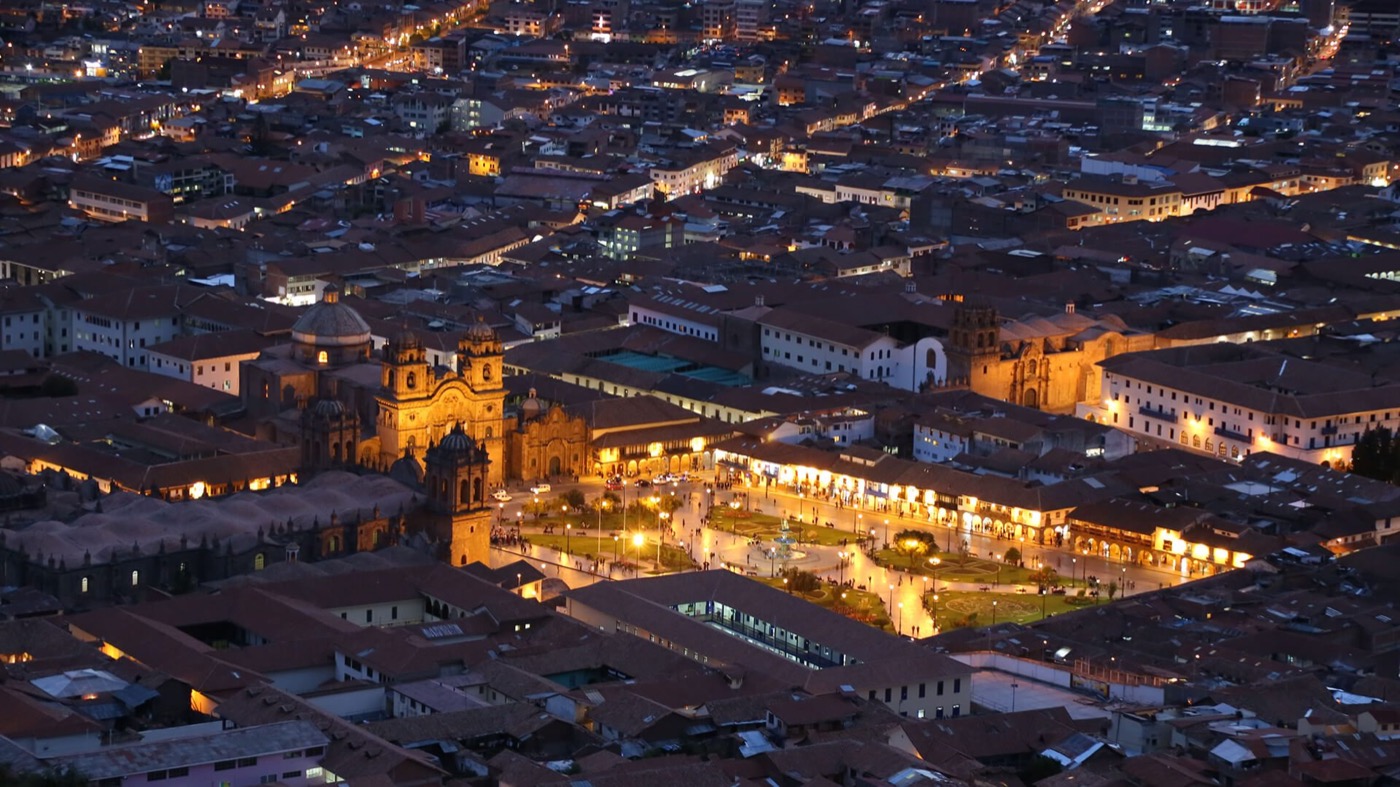
Peru is an archaeological wonderland. The Inca Empire's legacy is everywhere: Machu Picchu is the obvious headliner, but the Sacred Valley (Ollantaytambo, Pisac, Moray) is arguably more impressive in aggregate. Cusco itself is built literally on top of Inca walls — you can see the seamless stonework beneath colonial churches. Beyond the Incas, there's Nazca Lines (mysterious geoglyphs visible only from the air), Chan Chan (the world's largest adobe city), and the Lord of Sipán tombs near Chiclayo. Peru's history runs deep — we're talking 5,000 years of continuous civilization.
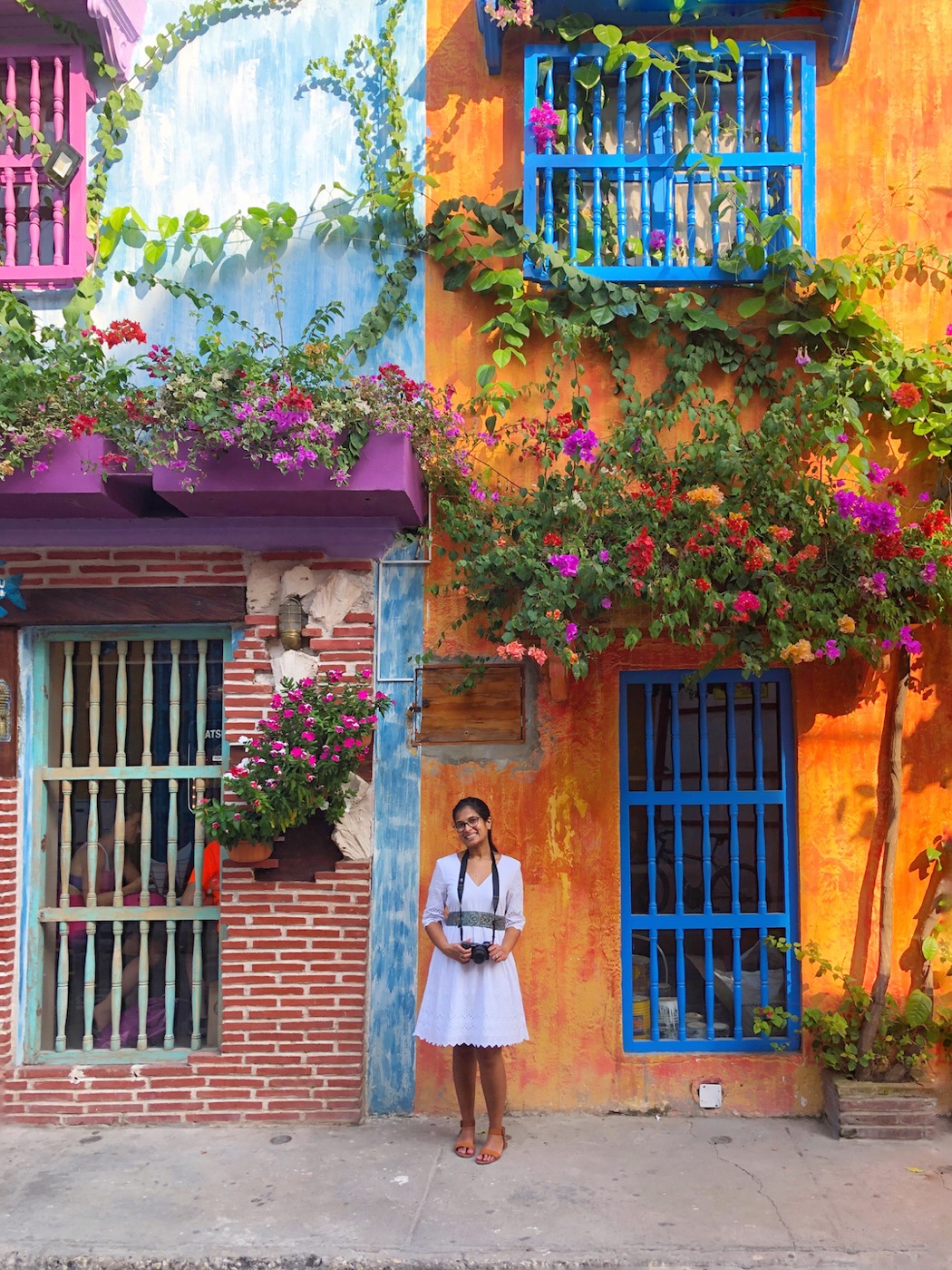
Colombia's cultural attractions are different but compelling. Cartagena's walled Old City is a UNESCO World Heritage Site and one of the most photogenic colonial cities in the Americas — think candy-colored buildings, flower-draped balconies, and horse-drawn carriages through cobblestone streets. Bogotá's Gold Museum houses over 55,000 pre-Columbian gold artifacts. The Lost City (Ciudad Perdida) trek is a 4-day jungle hike to ruins older than Machu Picchu, without the crowds. And Colombia's living culture — salsa dancing in Cali, coffee culture in the Zona Cafetera, street art in Medellín's Comuna 13 — is incredibly vibrant.
💰 Cost Comparison
Both countries are ridiculously affordable compared to Europe, the US, or even other popular destinations like Thailand or Mexico. Peru is slightly cheaper day-to-day, but Colombia's better infrastructure can save you money in unexpected ways (cheap flights vs expensive buses). Here's a realistic daily breakdown for 2026:
| Expense | 🏔️ Peru | 💃 Colombia |
|---|---|---|
| Hostel dorm | $6–12/night | $8–15/night |
| Mid-range hotel | $25–60/night | $35–80/night |
| Budget meal (menú) | $2–4 | $3–5 |
| Restaurant dinner | $8–20 | $10–25 |
| Local beer | $1.50–3 | $1–2.50 |
| Local transport | $0.30–1 (bus/combi) | $0.60–1 (metro/bus) |
| Internal flight | $40–100 (Lima–Cusco) | $30–60 (Medellín–Cartagena) |
| Major attraction | $50–70 (Machu Picchu permit) | $15–25 (Gold Museum, Lost City permit) |
| Daily total (mid-range) | $50–80 | $55–90 |
The hidden costs in Peru: Machu Picchu alone costs $50+ for the entry permit (book months ahead — they sell out), plus the train from Cusco to Aguas Calientes runs $60–150 round trip on PeruRail/Inca Rail. Multi-day treks (Inca Trail, Salkantay, Huayhuash) range from $200–700. The Boleto Turístico in Cusco ($40) covers 16 archaeological sites. These "big ticket" items can spike a Peru trip significantly.
Colombia's value play: Domestic flights are absurdly cheap (VivaColombia/Wingo/JetSMART — sometimes under $30 one-way). Medellín's metro costs about $0.70 per ride. The biggest expense is Cartagena, which is noticeably pricier than other Colombian cities for accommodation and dining.
🚌 Getting Around
Colombia wins infrastructure decisively. Medellín has the only metro system in Colombia (and one of the few in all of South America), plus an integrated cable car system (MetroCable) that's both practical and scenic. Domestic flights are cheap, frequent, and connect all major cities in 1–2 hours. Bogotá's TransMilenio bus rapid transit covers the sprawling capital. Roads between cities are generally good, and modern bus companies like Bolivariano offer comfortable intercity service.
Peru's infrastructure is… getting there. Buses are the main mode of intercity transport, and while luxury bus companies like Cruz del Sur are comfortable (fully reclining seats, meals), the journeys are long. Lima to Cusco by bus is 20+ hours through winding mountain roads. Most travelers fly this route (1.5 hours, $40–100). Within cities, you'll use combis (crowded minibuses), colectivos (shared taxis), and regular taxis. Lima has a single metro line and a limited BRT system. Getting around Cusco's Sacred Valley requires taxis, colectivos, or tour vans.
Safety note for Colombia: Carry a copy of your passport (or the original) at all times. Police stops are routine and legal — they'll ask for identification, and not having it can create hassles. Several Reddit users flagged this as a surprise.
☀️ Best Time to Visit
These countries have very different climate patterns because of their geography. Peru's coast is arid desert, the highlands have distinct dry/wet seasons, and the Amazon is hot and humid year-round. Colombia sits near the equator with stable temperatures, but rainfall varies by region and season.
Note: Lima's coast is 15–28°C year-round but often overcast May–Nov (garúa fog). Cartagena/Caribbean coast is 28–33°C year-round with humidity. Colombia's varied geography means Bogotá (2,640m) is 12–19°C while Medellín (1,495m) is a perfect 22–28°C year-round — hence "City of Eternal Spring."
Best seasons
Peru — June to September is peak dry season in the highlands, perfect for Machu Picchu and trekking. September–October offers the best balance of good weather and fewer crowds. Avoid January–March for highland travel (heavy rain, mudslides, Inca Trail closure in February).
Colombia — December to March and June to August are the driest periods for most of the country. Medellín is great year-round thanks to its spring-like climate. Cartagena gets brutally hot and humid in summer but is beautiful December–March. The Coffee Region is best in dry months (Jan–Feb, Jul–Aug).
🏨 Where to Stay
Peru — Key neighborhoods
Lima: Miraflores — The default tourist base. Safe, walkable, oceanfront parks, excellent restaurants, and easy access to everything. Stays range from $15 hostels to $150 boutique hotels. Most travelers land here first.
Lima: Barranco — The bohemian, artsy neighborhood. Street art, live music, craft cocktail bars, and Lima's best nightlife. Slightly cheaper than Miraflores, with more character. Think Brooklyn to Miraflores' Manhattan.
Cusco: Plaza de Armas area — Walking distance to major sites, restaurants, and Inca ruins. Can be touristy and noisy. Great for a first night but consider nearby San Blas for more charm.
Cusco: San Blas — The artisan quarter. Steep cobblestone streets, artist workshops, cafés with rooftop views. Quieter than the plaza, with character in spades. Hostels from $8, boutique stays from $30.
Colombia — Key neighborhoods
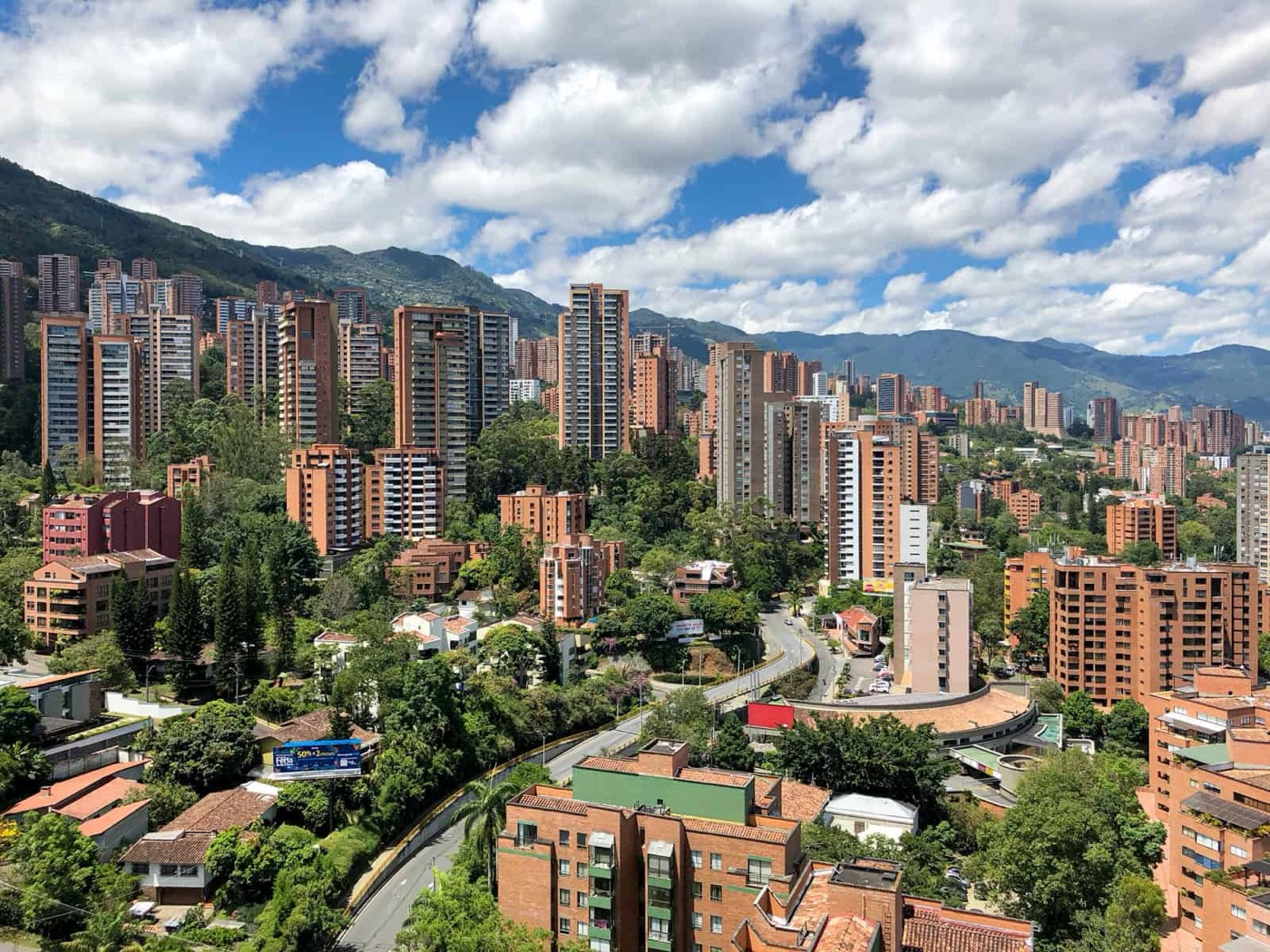
Medellín: El Poblado — "Gringo central." Modern high-rises, rooftop bars, restaurants, and the Parque Lleras nightlife epicenter. Safe, walkable, well-connected by metro. Can feel like a bubble. Stays from $12 hostels to $100 boutique hotels.
Medellín: Laureles — The local favorite. More authentic, residential vibe with excellent restaurants, craft breweries, and lower prices than El Poblado. Growing in popularity with digital nomads who want to live like a Paisa.
Cartagena: Old City (Centro Histórico) — The walled city is magical — colonial architecture, rooftop bars, boutique hotels in converted mansions. Pricey for Colombia (hotels $50–200+), but walking around at night is an experience in itself.
Cartagena: Getsemaní — Just outside the walls, this is Cartagena's coolest neighborhood. Street art, local vibes, cheaper than Centro Histórico, amazing street food, and the backpacker base of choice.
🎒 Day Trips
Both countries have incredible day trip options from their main hubs, but Peru's are more "once-in-a-lifetime" while Colombia's are more "let's go explore."
From Lima (Peru)
Paracas & Ballestas Islands (3.5h south) — Peru's "poor man's Galápagos." Boat tour past sea lion colonies, Humboldt penguins, and millions of seabirds on dramatic rock formations. Combine with Huacachina oasis for sandboarding.
Huacachina (4h south) — A literal desert oasis. Dune buggies, sandboarding down massive sand dunes, sunset views. Surreal.
Pachacamac (1h south) — Ancient pre-Inca ruins overlooking the Pacific. Undervisited and impressive.
From Cusco (Peru)
Sacred Valley (full day) — Ollantaytambo's fortress ruins, Pisac market and terraces, Moray's circular agricultural terraces, Maras salt mines. This is a must-do full day.
Rainbow Mountain (full day, 3h each way) — The famously colorful Vinicunca peak at 5,200m. Stunning but exhausting — altitude sickness is real. Go on a clear morning.
Humantay Lake (full day) — Turquoise glacial lake at 4,200m. Arguably more accessible and equally beautiful as Rainbow Mountain.
From Medellín (Colombia)
Guatapé & El Peñol (2h) — Climb 740 steps up a massive rock monolith for 360° views of emerald lakes and islands. The colorful town of Guatapé is Instagram gold. Colombia's #1 day trip.
Jardín (3h south) — Charming coffee town with waterfalls, trout fishing, and Cueva del Esplendor (a waterfall inside a cave). Less touristy than Guatapé.
Santa Fe de Antioquia (1.5h) — Colonial town with warm climate, a historic suspension bridge, and tamarind candy everywhere.
From Cartagena (Colombia)
Rosario Islands (1h by boat) — White sand beaches, snorkeling, fresh seafood, crystal Caribbean water. The classic Cartagena beach day.
Playa Blanca (1h south) — The famous white-sand beach on Isla Barú. Touristy but beautiful. Go early or stay overnight to avoid the day-trip crowds.
Volcán del Totumo (1h) — Climb into a small mud volcano and float in warm therapeutic mud. Totally bizarre, totally fun.
🔀 Why Not Both?
Unlike Tokyo vs Kyoto (2 hours by bullet train), Peru and Colombia are in different countries separated by Ecuador. But direct flights from Lima to Bogotá take just 3.5 hours and regularly cost $100–200 one-way on LATAM, Avianca, or budget carriers like JetSMART. Many travelers do both in a single 3–4 week trip.
Suggested combined itineraries
3 weeks (the classic): Lima (2 days) → Cusco + Sacred Valley + Machu Picchu (5 days) → Fly to Bogotá (2 days) → Medellín (4 days with Guatapé day trip) → Cartagena (3 days with island hopping)
4 weeks (the deep dive): Lima (3 days) → Huacachina/Paracas (2 days) → Cusco + Sacred Valley + Machu Picchu (6 days) → Fly to Bogotá (3 days) → Coffee Region/Salento (3 days) → Medellín (4 days) → Cartagena (3 days)
6+ weeks (the backpacker route): Add Huaraz (Peru), Lake Titicaca, overland to Ecuador, then continue to Colombia. Or fly Lima → Medellín and explore at leisure.
Pro tip: Consider a multi-city flight — fly into Lima, out of Cartagena (or vice versa). This avoids backtracking and saves a full travel day. Many international airlines offer open-jaw tickets at little to no extra cost.
🎯 The Decision Framework
Choose Peru If…
- Machu Picchu is on your bucket list
- Food is your #1 travel priority
- You want world-class trekking (Inca Trail, Huayhuash, Salkantay)
- Ancient history and ruins fascinate you
- You want dramatic, otherworldly landscapes
- You're a photographer chasing iconic shots
- You prefer structured tours and established trails
- You want the most "bucket-list" items per trip
- You care more about sights than nightlife
Choose Colombia If…
- You want Caribbean beaches
- Nightlife and dancing are important to you
- You're a digital nomad wanting great infrastructure
- You prefer a social backpacker scene
- Coffee culture excites you
- You want diverse microclimates in one country
- Modern cities with metro + cheap flights appeal to you
- You're into street art, salsa, and living culture
- You want an easier first South America trip
❓ Frequently Asked Questions
Is Peru or Colombia better for first-time visitors to South America?
Colombia is generally easier for first-timers. Medellín has excellent infrastructure (metro system, modern malls, reliable Wi-Fi), a thriving social scene with plenty of hostels and bar crawls, and internal flights are dirt cheap ($30–60 one-way). Peru has more iconic bucket-list attractions (Machu Picchu alone is reason enough) but requires more planning — altitude acclimatization, permit booking months in advance, and long bus rides. Reddit consensus: Colombia for ease and vibes, Peru for once-in-a-lifetime sights.
Which is cheaper, Peru or Colombia?
Both are very affordable, but Peru edges out as slightly cheaper for day-to-day costs. Budget travelers can get by on $30–50/day in Peru vs $40–60/day in Colombia. Accommodation is cheaper in Peru (hostels from $6–10/night vs $8–15), and menú del día lunches run $2–3 vs $3–4.50 in Colombia. However, Peru's major tourist attractions (Machu Picchu permits at $50+, trains to Aguas Calientes at $60–150, multi-day treks at $200–700) add significant upfront costs that Colombia doesn't have.
How long should I spend in Peru vs Colombia?
For Peru: minimum 10 days to cover Lima (2 days), Cusco (2 days), Sacred Valley (1 day), and Machu Picchu (2 days including travel). Ideally 2–3 weeks to add Huaraz, Arequipa, Lake Titicaca, or the Amazon. For Colombia: 10–14 days covers Medellín (4 days), Cartagena (3 days), and either Bogotá (3 days) or the Coffee Region (2–3 days). Both countries reward longer stays — backpackers commonly spend 3–6 weeks in each.
Is it safe to travel in Peru and Colombia?
Both countries are safe for tourists exercising common sense. In Colombia, stick to well-traveled areas: El Poblado and Laureles in Medellín, the Old City and Bocagrande in Cartagena, Zona Rosa and Chapinero in Bogotá. In Peru, Miraflores and Barranco (Lima) are very safe, and Cusco's tourist center is well-patrolled. Petty theft is the main risk in both — use a money belt, avoid flashing valuables, and don't walk alone at night in unfamiliar areas. In Colombia, carry identification at all times — police stops are routine.
Can you visit both Peru and Colombia in one trip?
Absolutely. Direct flights between Lima and Bogotá take about 3.5 hours and cost $100–200 one-way on LATAM, Avianca, or JetSMART. A popular 3-week route: Lima (2 days) → Cusco/Machu Picchu (5 days) → fly to Bogotá (2 days) → Medellín (4 days) → Cartagena (3 days). Pro tip: fly into Lima and out of Cartagena (or vice versa) to avoid backtracking.
Which has better food, Peru or Colombia?
Peru, decisively. Lima is consistently ranked among the world's top food cities — Central and Maido regularly appear in the World's 50 Best Restaurants list. Peruvian cuisine (ceviche, lomo saltado, causa, anticuchos, aji de gallina) is incredibly diverse, blending indigenous, Spanish, African, Chinese, and Japanese influences. Colombia has excellent comfort food — bandeja paisa, arepas, empanadas, fresh tropical fruits — but it's more hearty than haute. For culinary exploration, Peru is the clear winner.
Do I need to speak Spanish to travel in Peru or Colombia?
Basic Spanish helps enormously in both countries. English is spoken in tourist areas of Lima (Miraflores), Cusco, Cartagena, and parts of Medellín (El Poblado), but outside these zones, expect very little English. Colombia is slightly easier for non-Spanish speakers because Medellín and Cartagena have large expat communities. Peru's tourist infrastructure in Cusco is well-equipped for English speakers. Google Translate's camera feature is a game-changer for menus and signs in both countries.
Ready to plan your South America trip?
Get a free custom itinerary for Peru, Colombia, or both — built from real traveler insights, not generic templates.