How we built this comparison
This page combines traveler discussion patterns, published price ranges, wildlife census data, and seasonal information to make the Pokhara vs Chitwan decision clearer for real travelers.
- Reviewed Reddit discussions from r/Nepal, r/NepalTravel, r/solotravel, r/backpacking, r/SoloTravel_India, and r/travel.
- Checked numeric claims against Nepal Tourism Board data, Chitwan National Park wildlife census reports, and recent traveler posts.
- All costs are in NPR and USD (approximate at 134 NPR/$1 as of March 2026).
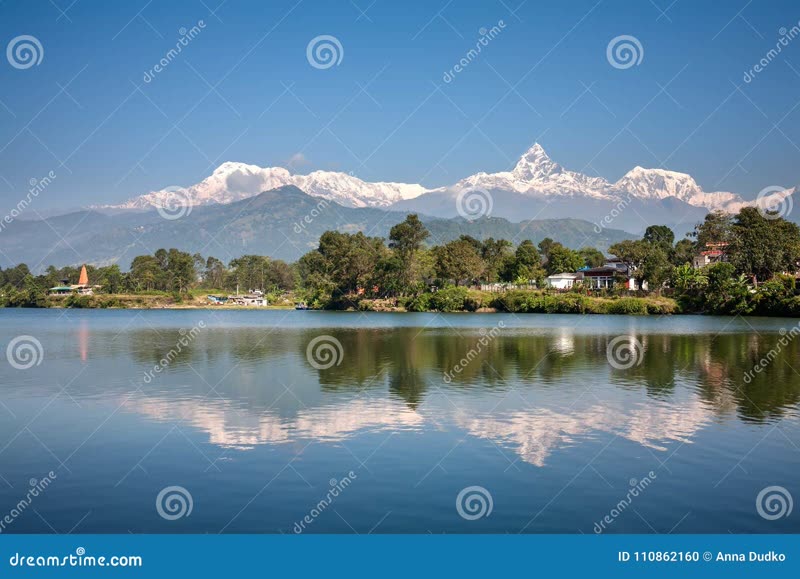
Pokhara — Phewa Lake with the Annapurna massif at dawn
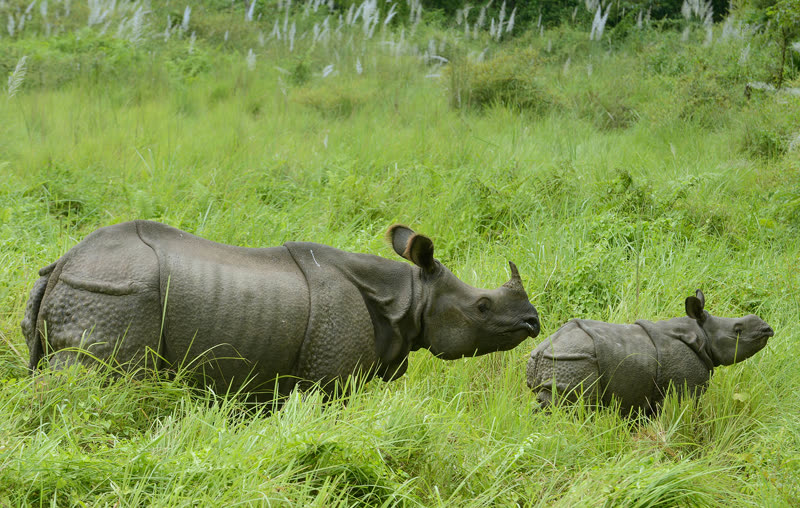
Chitwan — one-horned rhinos in Nepal's UNESCO World Heritage jungle
⚡ The TL;DR Verdict
Pokhara for the scene; Chitwan for the wild. Pokhara is Nepal's most beloved destination — paragliding over Phewa Lake, trekking into the Annapurna range, lakeside cafes, and mountain views that stop you mid-sentence. Chitwan delivers something completely different: near-guaranteed rhino sightings, Bengal tigers in the brush, jungle walks with armed guides, and a Terai lowland atmosphere that feels nothing like the Himalayan Nepal most travelers imagine.
Choose Pokhara if…
You want spectacular mountain scenery, adventure sports (paragliding, white-water rafting, trekking), a lively lakeside cafe culture, and Nepal's best base for Himalayan trekking. Budget: NPR 2,500-4,500/day (~$19-34) all-in.
Choose Chitwan if…
You want to encounter one-horned rhinos, possible tiger sightings, jungle walking safaris, canoe rides on the Rapti River, and immersion in Tharu indigenous culture. Budget: 2-night package from $50-150 all-inclusive.
🔀 Both is the real answer — they're 4 hours apart by bus and complement each other perfectly. A classic Nepal trip: Kathmandu → Pokhara (4-5 days) → Chitwan (2-3 days) → Kathmandu fly-out. See Why Not Both? for the logistics.
Quick Comparison: Pokhara vs Chitwan
| Category | Pokhara | Chitwan | Edge |
|---|---|---|---|
| Main Draw | Phewa Lake, Annapurna views, lakeside vibe | One-horned rhinos, Bengal tigers, jungle safari | Different |
| Wildlife | Birds, minimal mammals | 752+ rhinos, 93 tigers, elephants, crocodiles | Chitwan |
| Mountain Views | Fishtail (Machhapuchhre), Annapurna range directly visible | Terai flatlands — no mountain views | Pokhara |
| Trekking Base | Gateway to Annapurna Circuit, ABC, Poon Hill | No serious trekking | Pokhara |
| Adventure Sports | Paragliding, rafting, zip-lining, kayaking | Canoe safaris, elephant bathing, jungle walks | Pokhara |
| Budget/Night | NPR 800-1,500 hostel; NPR 2,500-6,000 mid-range | $50-80 budget 2-night package (all-inclusive) | Tie |
| Duration Needed | 3-5 days ideal | 2-3 nights ideal | Pokhara |
| Nightlife | Lakeside bars, live music, tourist cafe scene | Quiet evenings — cultural shows, early nights | Pokhara |
| Cultural Experience | Gurung/Tibetan culture, Buddhist shrines | Tharu indigenous culture, UNESCO heritage jungle | Chitwan |
| Ease of Access | 6h tourist bus from Kathmandu (NPR 600-1,000); domestic flights available | 5-6h bus from Kathmandu or 4h from Pokhara | Pokhara |
| Best Season | Oct-Nov, Mar-Apr | Oct-Mar (dry season) | Overlap Oct-Nov |
🦏 Wildlife & Safari: Chitwan's Decisive Advantage
Chitwan: Nepal's crown jewel for wildlife
Chitwan National Park is one of Asia's great wildlife conservation success stories. In the 1960s, Nepal's one-horned rhinoceros population had crashed to fewer than 100 animals due to poaching and habitat loss. Today, Chitwan shelters over 752 rhinos — and you will almost certainly see them. Rhino sightings are close to guaranteed on any half-day jeep or walking safari; they're frequently seen wandering the edge of Sauraha village too.
The park's wildlife roster reads like a highlight reel:
- One-horned rhinoceros: 752+ animals, sightings virtually guaranteed. They wander to river edges in the morning and evening.
- Bengal tiger: 93+ tigers in the park. Sighting probability 10-20% on a standard 2-day visit — better odds than most Indian parks at comparable prices.
- Asian elephant: Wild herds plus working elephants used by park rangers. Elephant bathing programs available — check current ethical guidelines before booking.
- Gharial crocodile: The world's most endangered crocodilian species lives in the Rapti and Narayani rivers. Canoe trips offer excellent sighting opportunities.
- Sloth bear, leopard, Gaur: Less common but present — sloth bear encounters are memorable and occasionally alarming (they're fast).
- Birds: 544 species recorded. Chitwan is a serious birdwatching destination.
Safari options and costs
- Jeep safari (most popular): NPR 1,500-2,500/person ($11-19) for a half-day. Groups of 4-6 share a jeep. Best for covering ground and getting close to rhinos.
- Walking safari (most immersive): NPR 800-1,200/person ($6-9) with an armed guide and park ranger. The tension of walking within 30 meters of a rhino is genuinely thrilling.
- Canoe safari: NPR 400-600/person ($3-4.50) for a 1-2 hour float. Excellent for birds, crocodiles, and riverside rhinos at dawn or dusk.
"Between the broad flatlands of India and the mighty extremes of the Himalayas, there lies a stretch of a hot and humid jungle. Rhinos, elephants, tigers, bears and crocodiles are just a few of the creatures lurking in these parts. A hardy group of people live in this Terai region of Nepal as well, using the environment to their advantage and guiding travelers through the jungle."— r/backpacking
"I was there in 2019 and did this sort of tour. Saw the tiger scratching and a couple of basking rhinos. Back at my hotel I was in my room when the owner came and banged on the door for me to come outside. Got dressed and came out just in time to see a rhino walking right through the hotel courtyard, about two metres from my door."— r/backpacking
Pokhara: Wildlife is not the point
Pokhara is not a wildlife destination. The Phewa Lake holds freshwater fish, the surrounding hills have interesting birdlife, and there's a Natural History Museum worth 30 minutes — but this is not why you come here. If encountering large mammals is a priority, Pokhara does not compete.
🏔️ Scenery & Natural Beauty: Pokhara's Ace Card
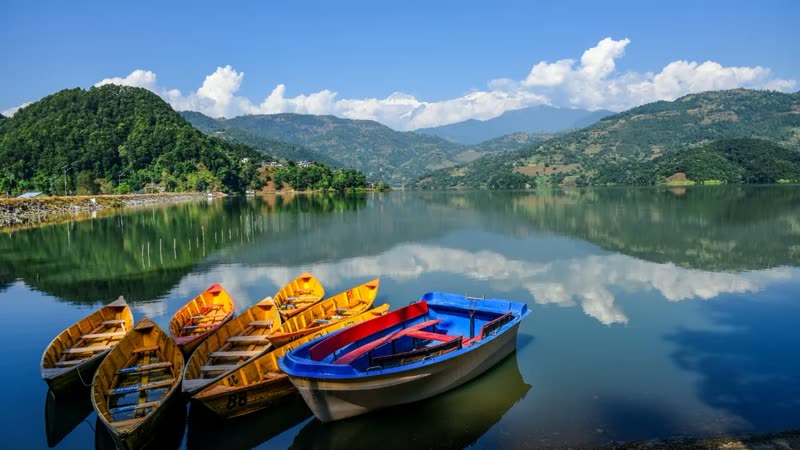
Pokhara: One of the world's great viewpoints
Pokhara's landscape is almost implausibly beautiful. The city sits at 827m in a valley cradled by 8,000m peaks — the Annapurna massif (including Annapurna I, 8,091m) and the iconic fishtail peak of Machhapuchhre (6,993m) rise so close and so abruptly that first-time visitors frequently stop mid-sentence to stare. Phewa Lake (4.4km long, 4.43 km²) reflects the mountains on calm mornings in a double-world that looks engineered for photographs.
Key viewpoints:
- Sarangkot (1,592m): 10km from Lakeside — the classic sunrise viewpoint. Annapurna range turns pink-gold at dawn. Paragliders launch from here. Taxi NPR 800-1,200 up; walk down in 2 hours through terraced fields.
- World Peace Pagoda: White Buddhist stupa on a ridge south of the lake. Best at sunset. Short boat ride (NPR 200-300 return) + 30-min walk, or motorcycle taxi.
- Phewa Lake: Rowboat hire NPR 400-600/hour. The Barahi Temple island is reachable by boat. Kayaks and paddleboards also available.
- Davis Falls: Unusual waterfall that disappears underground through a natural rock hole. NPR 30 entry. Worth 30 minutes.
Chitwan: Green jungle beauty, but different
Chitwan's Terai landscape is beautiful in a quieter, more intimate way — lush subtropical grasslands, Sal forests, and the wide Rapti River. The lowland setting means mountains are invisible. The beauty here is in the details: morning mist over the river, a rhino grazing in tall grass, the sound of hornbills in the dense forest canopy.
"Go to Chitwan — it's a whole other biosphere with unique fauna and flora safaris. Pokhara is a picturesque lake town but essentially just has more beautiful and closer mountains than Kathmandu."— r/Nepal
🪂 Adventure Sports: Pokhara's Dominance
Pokhara: Nepal's adventure capital
Pokhara punches above its weight as an adventure destination. The geography enables an extraordinary range of activities:
- Paragliding (top activity): Launch from Sarangkot (1,600m) and soar over Phewa Lake with an Annapurna panorama. Tandem flights NPR 5,000-7,000 ($37-52). Multiple operators on Lakeside road. Morning slots are calmer. Pokhara hosts the Paragliding World Cup — the thermal conditions here are considered world-class.
- White-water rafting: The Seti and Trishuli rivers offer Grade II-IV rafting near Pokhara. Half-day trips NPR 2,500-4,000 ($19-30).
- Zip-lining: The Pokhara Zipline (HighGround Adventures) — 1.8km line, 1,825m altitude, 120 km/h. NPR 10,000-12,000 ($75-90). One of Asia's longest and steepest.
- Ultralight flight: 30-minute sightseeing flight over the lake and peaks NPR 7,000-9,000 ($52-67).
- Kayaking and SUP: On Phewa Lake. Kayak rental NPR 300-500/hour. Calm lake, minimal current, stunning backdrop.
Chitwan: Different kind of adventure
Chitwan's adventure is quieter but arguably more primal — walking through tall grass as an armed guide scans for tigers, following rhino tracks at dawn, or watching a 4-tonne bull elephant browse 20 meters from your jeep. The canoe safaris gliding past gharial crocodiles count as adventure by most definitions. But if you're looking for adrenaline sports specifically, Chitwan doesn't offer them.
"If you are more into aesthetics, mountains, lakes, and like to party and nightlife — go for Pokhara. If you are into wildlife, cultural things, flora and fauna — go for Chitwan."— r/Nepal
💰 Cost Comparison
| Expense | Pokhara | Chitwan |
|---|---|---|
| Budget dorm/hostel | NPR 800-1,500/night (~$6-11) | Usually included in packages; standalone NPR 1,000-2,000 ($7.50-15) |
| Mid-range guesthouse | NPR 2,500-5,000/night (~$19-37) | NPR 2,500-5,000 ($19-37) without activities |
| Budget 2-night package | N/A (a la carte) | $50-80 all-inclusive (room, meals, safari, cultural show) |
| Budget meal (dal bhat) | NPR 200-350 (~$1.50-2.60) | NPR 250-400 (~$1.90-3) |
| Restaurant meal | NPR 400-900 (~$3-6.70) | NPR 350-700 (~$2.60-5.20) |
| Main activity | Paragliding NPR 5,000-7,000 ($37-52) | Jeep safari NPR 1,500-2,500 ($11-19) |
| Park entry fee | None | NPR 1,500 ($11) per day for foreigners |
| Daily budget (backpacker) | NPR 2,500-4,500 (~$19-34) | $25-50/day (incl. package activities) |
How the costs really compare
Pokhara and Chitwan are roughly comparable in cost at the base level — dal bhat, local transport, and budget accommodation are similarly priced across Nepal. The key difference is activity costs: Pokhara's adventure sports can add significant daily spend (a paragliding + rafting day runs $50-80), while Chitwan's all-inclusive packages offer excellent value for seeing a lot in a short time.
Chitwan's package model means most tourists pay $50-150 total for 2 nights that include accommodation, all meals, park entry, jeep or walking safari, canoe ride, and cultural show. This is genuinely excellent value. Pokhara's a la carte model rewards selective spending — eat dal bhat at local spots, choose 1-2 big activities, and your daily budget stays manageable.
"Did my first solo to Nepal for 8 days. Bangalore → Kathmandu → Pokhara → Ghandruk → Pokhara → Chitwan → Gorakhpur → Bangalore. Total cost: 47,979 INR including flights [~$575]. Stayed in hostels in KTM and Pokhara. Homestay for Ghandruk and Chitwan."— r/SoloTravel_India
🏨 Where to Stay
Pokhara neighborhoods
Lakeside (Baidam): The tourist hub on the eastern shore of Phewa Lake. Budget to mid-range guesthouses (NPR 800-3,000/night), hundreds of restaurants and cafes, tour operators, gear shops. Walking distance to the lake, the paragliding booking offices, and most activity operators. Best overall choice for first-time visitors.
Pame / Damside: Quieter than Lakeside, still near the water. Better for couples. Good mid-range guesthouses NPR 2,000-5,000.
Sarangkot village: 10km from Lakeside, 1,592m altitude. Wake up for sunrise without the mountain commute. Guesthouses NPR 1,000-3,000/night. Few evening options but great for early-rising trekkers.
Chitwan — Sauraha village
Almost all tourists stay in Sauraha, the gateway village on the park's northern boundary. Small, low-key, purpose-built for wildlife tourism.
Budget guesthouses (NPR 1,000-2,500, $7.50-19/night): Basic rooms near the park entrance. Staff arrange all safaris. Often family-run with good local food.
Mid-range resorts (NPR 3,000-8,000, $22-60/night): Cottage-style rooms, gardens, better bathrooms. Many offer package deals.
Eco-lodges inside or adjacent to the buffer zone: The premium option — staying closer to the wildlife corridor means animals wander through the grounds. Prices $80-200/night. Worth it for tiger-sighting probability and atmosphere.
🌸 Best Time to Visit
Pokhara: Shoulder seasons win
October–November (peak/best): Post-monsoon clarity means unobstructed Annapurna views, dried-out trekking trails, and 15-25°C temperatures. The lake is highest after monsoon. Extremely popular — book accommodation early.
March–April (second best): Rhododendron blooms throughout the Annapurna foothills. Pre-monsoon haze can reduce mountain visibility, but mornings are often clear. Perfect trekking temperatures.
December–February (winter): Cold (5-15°C days), fewer tourists, lower prices. Mountain views often excellent in winter. Snow makes high-altitude trekking difficult but Sarangkot sunrise remains accessible.
June–August (monsoon): Frequent heavy rain, reduced mountain visibility, leeches on trails. Not recommended for mountain views or trekking.
Chitwan: Dry season is the only season
October–March (prime): The ideal window. Dry weather thins the vegetation and concentrates wildlife near water sources, making animal sightings easier. Comfortable 15-28°C. February–March is the best for tiger spotting.
April–May (late dry season): Hot (30-38°C), uncomfortable but still good wildlife visibility. Fewer tourists.
June–September (monsoon — avoid): Chitwan's internal roads flood, many lodges close, and the park becomes difficult or impossible to safari. Avoid.
🎭 Culture & Local Life
Pokhara: Gateway to Gurung and Tibetan culture
Pokhara sits in the ancestral homeland of the Gurung and Magar peoples — the same communities that have supplied Nepal's legendary Gurkha soldiers for over 200 years. The Gurkha Museum (NPR 200 entry) tells this story with remarkable candor. The Tibetan refugee settlements of Tashi Palkhel and Paljorling — established after 1959 — are home to 1,000+ Tibetan refugees maintaining traditional handicraft industries; buying here supports the community directly.
The Annapurna Conservation Area borders Pokhara, and hill villages accessible by day hike (Dhampus, Ghandruk) offer genuine Gurung village homestay experiences at NPR 1,500-3,000/night including meals.
Pokhara also has a stronger nightlife and cafe scene than anywhere else in Nepal outside Kathmandu. Busy Bee Cafe has hosted live music nightly for decades; rooftop bars overlooking the lake fill up each evening.
Chitwan: Tharu culture — Nepal's most distinctive indigenous community
The Tharu people have inhabited the Terai plains for millennia, developing unique cultural practices, art, and traditions that differ sharply from the Himalayan cultures dominating Nepal's tourist image. A Tharu cultural program (usually included in safari packages, or NPR 300-500 separately) features stick dance, peacock dance, and traditional music performed outdoors at dusk.
The Tharu Community Homestay program in villages like Kumroj Community Forest offers overnight stays in traditional Tharu homes with family meals — one of Nepal's most authentic and underrated cultural experiences.
"Most Nepalis would say Pokhara, but I'd definitely suggest you come to Chitwan — it's the perfect time to visit also, you can explore the Tharu culture along with the national park."— r/Nepal
✈️ Getting There & Around
Getting to Pokhara
By bus from Kathmandu: Daily tourist buses depart Thamel at 7am, arriving ~1pm (NPR 600-1,000, $4.50-7.50). The Prithvi Highway is scenic but windy — bring motion sickness tablets. Journey time ~6 hours.
By domestic flight: ~25 minutes from Kathmandu ($70-100 one way). Yeti Airlines, Shree Airlines, and Nepal Airlines fly the route. Flights occasionally cancel due to weather — always have a backup plan.
Getting around Pokhara: Lakeside tourist area is walkable. Taxis available (NPR 150-300 for most short trips). Renting a bicycle (NPR 200-400/day) or scooter (NPR 600-1,000/day) is best for exploring independently. Pathao rideshare operates in Pokhara.
Getting to Chitwan
From Kathmandu: Tourist bus 5-6 hours (NPR 600-900). Private car 4-4.5 hours via BP Highway. Domestic flight to Bharatpur Airport (20 min, $70-90) then 30-minute taxi to Sauraha.
From Pokhara (most common routing): Tourist bus 4-5 hours (NPR 600-1,000). This is the standard Nepal circuit — Pokhara then Chitwan en route to Kathmandu, avoiding backtracking.
Getting around Chitwan: Sauraha village is walkable. Safaris run by jeep or on foot within the park. Bicycle hire (NPR 200-300/day) good for exploring the buffer zone and Tharu villages.
🔀 Why Not Both?
Pokhara and Chitwan are four hours apart by tourist bus and occupy completely different ecological zones — the high mountain lake town and the lowland jungle. Combining them is not just possible; it's the standard Nepal itinerary because they complement rather than overlap.
The classic Nepal circuit (8-12 days)
- Fly into Kathmandu: 2 days (Boudhanath, Swayambhunath, Thamel, Bhaktapur day trip)
- Kathmandu → Pokhara (tourist bus or fly): Day 3
- Pokhara: 3-4 days (Sarangkot sunrise, Phewa Lake, paragliding, day trek to Dhampus or Ghandruk)
- Pokhara → Chitwan (tourist bus, morning departure): Day 7
- Chitwan: 2-3 nights (jeep safari, walking safari, canoe ride, Tharu cultural show)
- Chitwan → Kathmandu (tourist bus ~5 hours): Day 10
- Fly home or onward from Kathmandu
This loop covers Nepal's greatest hits without backtracking. For extended trips, adding the Poon Hill trek (3-4 days from Pokhara, no special permits, world-famous sunrise views) gives you a 2-week Nepal trip that covers mountains, jungle, culture, wildlife, and adventure without feeling rushed. See our India vs Nepal comparison for broader South Asia context.
"Personally I like Pokhara, but the vibe in Chitwan is just amazing. Specially sitting in the river side and drinking beer from the morning. Why not both? In Pokhara you can stay 3-4 days and it'll be more than enough. Remaining days, travel to Chitwan and explore the beauty and park."— r/Nepal
🎯 The Decision Framework
Choose Pokhara if…
- You want spectacular mountain scenery and Himalayan views
- Adventure sports are on your list (paragliding is world-class here)
- You're using Nepal as a trekking base (Annapurna Circuit, Poon Hill, ABC)
- You have 5+ days and want variety within one place
- You enjoy a lively cafe, bar, and social scene
- It's your only Nepal destination and needs to cover everything
- You're visiting in monsoon when wildlife viewing is difficult anyway
- You have mobility limitations that make walking safaris difficult
Choose Chitwan if…
- Seeing a one-horned rhinoceros in the wild is on your bucket list
- You want a chance at seeing a Bengal tiger in Nepal
- Jungle immersion and lowland wildlife are priorities
- You want to experience Tharu indigenous culture
- You're visiting October-March when wildlife viewing is optimal
- You want the contrast between Himalayan and Terai Nepal
- You're visiting as part of the classic Kathmandu-Pokhara-Chitwan circuit
- You want the most distinctive, un-Himalayan Nepal experience
❓ Frequently Asked Questions
Is Pokhara or Chitwan better for a first-time Nepal visitor?
Pokhara is the easier first choice — it has the iconic Phewa Lake, Annapurna mountain views, and a well-developed tourist scene with plenty of activities. Chitwan is essential for wildlife and jungle experiences but requires more planning (2-night minimum recommended). If you only have 4-5 days, prioritize Pokhara. With 7+ days, do both.
How far is Pokhara from Chitwan?
Pokhara to Chitwan (Sauraha/Bharatpur) is approximately 150km, taking about 4-5 hours by tourist bus (NPR 600-1,000, ~$4.50-7.50) or 5 hours by local bus. Taxis and private vehicles take about 3.5-4 hours. A daily tourist bus service connects both cities, making it easy to include both on a Nepal itinerary.
What wildlife can you see in Chitwan National Park?
Chitwan is home to one-horned rhinoceroses (population ~752), Bengal tigers, Asian elephants, gharial crocodiles, and sloth bears. Greater one-horned rhino sightings are almost guaranteed on a jeep or walking safari. Tiger sightings are possible (the park has ~93 tigers) but less common — usually 10-20% chance on a 2-day visit. 544 bird species have been recorded.
How much does a Chitwan jungle safari cost?
Chitwan National Park entry for foreigners costs NPR 1,500 (~$11) per day. Jeep safari: NPR 1,500-2,500 ($11-19) per person for a half-day. Walking safari: NPR 800-1,200 ($6-9) with a guide. Most visitors book a 2-night package from Sauraha that includes accommodation, meals, park entry, jeep safari, and cultural program — budget packages run $50-80, mid-range $80-150.
What trekking is available from Pokhara?
Pokhara is Nepal's top trekking base. The Annapurna Circuit (10-21 days, ~$60-90 ACAP permit), Annapurna Base Camp trek (7-12 days), Poon Hill trek (3-4 days — the classic short option for stunning Himalayan views), and the Mardi Himal Trek are all accessible from here. For day hikes, Dhampus and Sarangkot offer dramatic mountain views with no special permits required.
What is the best time to visit Pokhara?
October-November is peak season — clear post-monsoon skies, excellent Annapurna visibility, and ideal trekking weather (15-25°C). March-April is the second-best window with rhododendron blooms. December-February is cold but clear and good for mountain views. Avoid June-August monsoon for mountain views, though the lake and valleys remain lush.
What is the best time to visit Chitwan?
October-March is the best window for Chitwan. The dry season brings elephants and rhinos to the water, vegetation thins for better wildlife visibility, and temperatures are manageable (15-30°C). February-April is ideal for tiger spotting as animals congregate near water sources. The park is partially closed June-August due to monsoon flooding — check before visiting.
Can I do a day trip to Chitwan from Pokhara?
A day trip is technically possible but not recommended — the 4-5 hour bus ride means you'd arrive for only a few hours of safari time before returning. Chitwan rewards at least 2 nights: one evening for the sunset river walk or cultural program, full day for jeep/walking safari, and morning for a canoe ride. Budget travelers often book Chitwan as a stop-over between Pokhara and Kathmandu.
Ready to Plan Your Nepal Adventure?
Get a free personalized itinerary for Pokhara, Chitwan, or the classic Nepal circuit — built around your travel style, pace, and budget.
🎟️ Book Tours & Experiences
Hand-picked tours and activities for both destinations — book with free cancellation
Experiences via Viator — free cancellation on most tours