⚡ The TL;DR Verdict
Visit Japan if you want unmatched food diversity, ancient temples, world-class transit, nature from Hokkaido to Okinawa, and the most polished tourist infrastructure in Asia.
Visit South Korea if you want incredible nightlife, K-pop and K-drama culture, bold flavors (Korean BBQ, fried chicken, street food), lower costs, and a more social, energetic travel vibe.
Reddit consensus: Japan wins for overall tourism depth — particularly for first-timers. But South Korea is a different experience, not a lesser one. Korea excels at nightlife, value, and making solo travelers feel welcomed into the social fabric. If budget and nightlife matter most, Korea punches above its weight.
Quick Comparison
| Category | 🇰🇷 South Korea | 🇯🇵 Japan | Edge |
|---|---|---|---|
| Daily Budget (mid-range) | ₩80,000–130,000 ($55–90) | ¥12,000–18,000 ($80–120) | Korea |
| Food Scene | Korean BBQ, fried chicken, street food, bold spicy flavors | World's most Michelin stars, sushi, ramen, kaiseki, every cuisine | Japan |
| Culture & History | Gyeongbokgung, DMZ, hanbok, K-pop | 2,000+ temples, geisha districts, samurai castles, UNESCO sites | Japan |
| Nightlife | Hongdae, Gangnam, Itaewon — world-class, social, until sunrise | Golden Gai, Shibuya, Roppongi — great but more compartmentalized | Korea |
| Public Transit | Seoul metro is excellent and cheap (₩1,250/ride) | Best transit system on Earth (¥170–320/ride) | Tie |
| Navigation | Google Maps limited — need Naver/KakaoMap | Google Maps works perfectly, great English signage | Japan |
| Safety | Very safe, occasional drunken incidents late-night | Exceptionally safe, among the safest countries on Earth | Japan |
| Nature | Jeju Island, Seoraksan, Bukhansan near Seoul | Mt. Fuji, Hokkaido, tropical Okinawa, Alps, bamboo groves | Japan |
| Shopping | Myeongdong, Dongdaemun, K-beauty, affordable fashion | Akihabara, Harajuku, vintage stores, electronics | Tie |
| Trip Length Needed | 5–7 days covers highlights | 10–14 days for classic route | Korea |
| Best For | Nightlife lovers, K-culture fans, budget travelers, foodies who love spice | First-timers to Asia, history buffs, nature lovers, foodies, anime fans | — |
🍜 Food & Dining
This is probably the most hotly debated category between the two countries, and it comes down to what you value: variety and refinement (Japan) or bold flavors and social dining (Korea).
Japan holds the world record for the most Michelin-starred restaurants. Tokyo alone has over 200. The range is staggering — from ¥400 ($2.75) gyudon bowls at Yoshinoya to ¥50,000 ($345) omakase counters. Sushi, ramen, tempura, kaiseki, yakitori, okonomiyaki — every region has its own legendary dish, and every dish has a restaurant that's spent decades perfecting it. The culture around food in Japan borders on religious devotion.
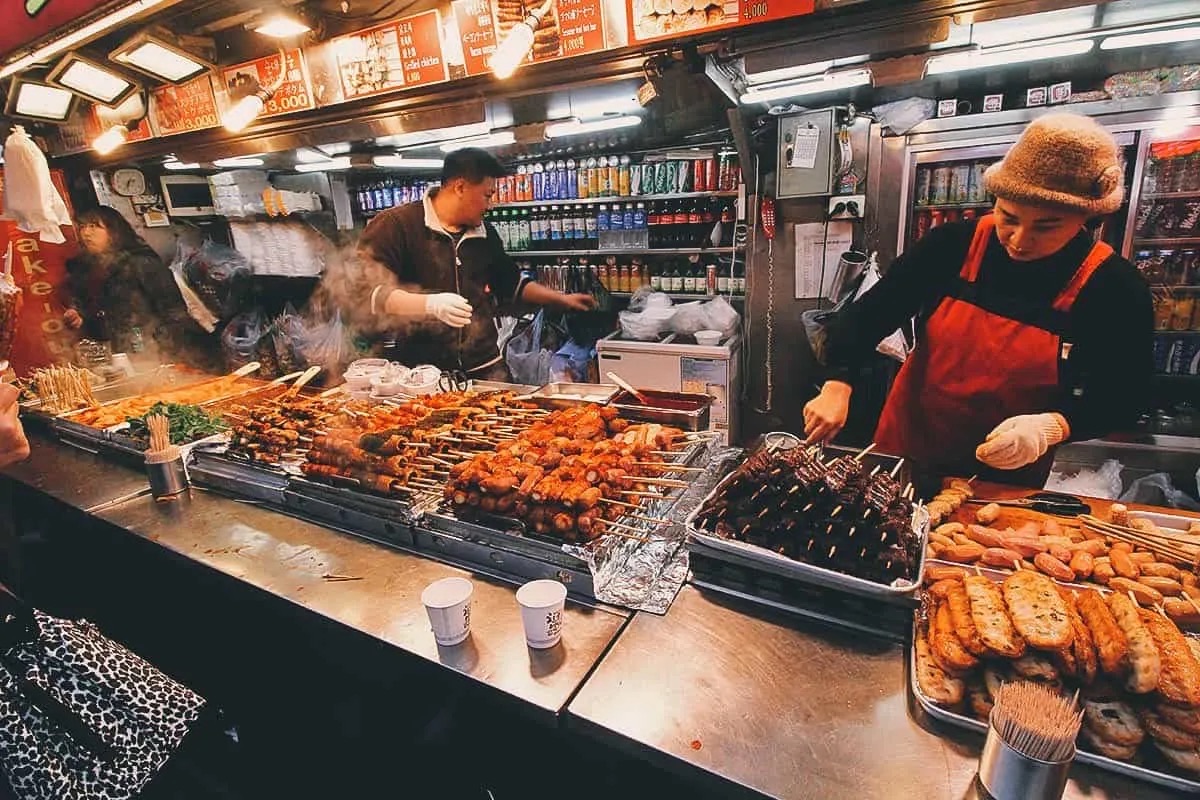
South Korea's food scene is different but equally passionate. Korean BBQ (삼겹살, galbi) is a communal, social experience — you grill meat at your table with unlimited banchan (side dishes). Fried chicken and beer (치맥, chimaek) is practically a national sport. Street food in places like Myeongdong, Gwangjang Market, and Namdaemun is incredible: tteokbokki (spicy rice cakes), hotteok (sweet pancakes), mandu (dumplings), and tornado potatoes. Everything comes with kimchi, and most of it will set your mouth on fire — in the best way.
Price comparison
Korean food is substantially cheaper. A full Korean BBQ dinner runs ₩15,000–25,000 ($10–18) per person with unlimited sides. Kimbap (Korean rice rolls) cost ₩3,000–4,000 ($2–3). Convenience store meals at CU or GS25 are ₩3,000–5,000 ($2–3.50). In Japan, equivalent meals cost 1.5–2x more: ramen averages ¥900–1,200 ($6–8), a sit-down izakaya dinner runs ¥2,000–4,000 ($14–28). Japan's weak yen has narrowed the gap in 2025-2026, but Korea still wins on food value.
🏛️ Culture & Sightseeing
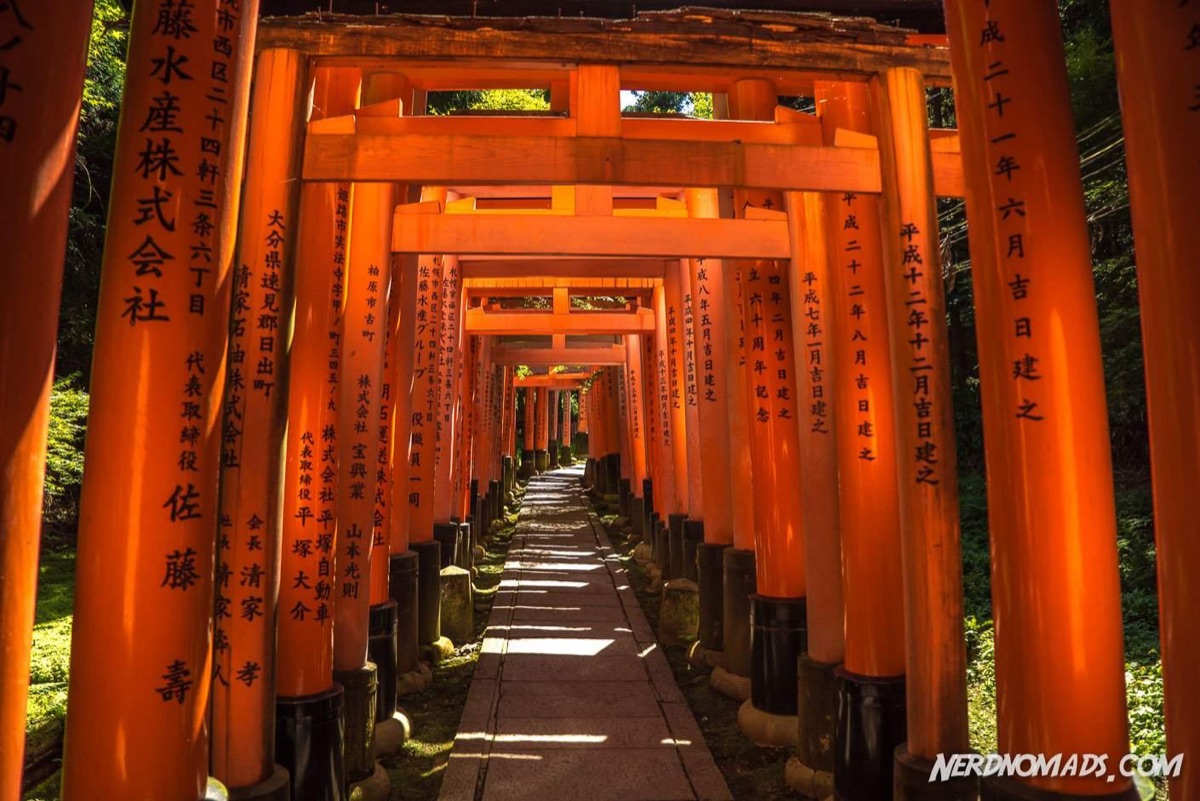
Japan's cultural depth is virtually unmatched in East Asia. Kyoto alone has 2,000+ Buddhist temples and 17 UNESCO World Heritage Sites. From the torii gates of Fushimi Inari to the zen rock garden at Ryoan-ji, from samurai castles in Himeji to the Atomic Bomb Dome in Hiroshima — Japan's historical and cultural sites are breathtaking and incredibly well-preserved. The traditional arts (tea ceremony, ikebana, calligraphy) are living traditions you can experience firsthand.
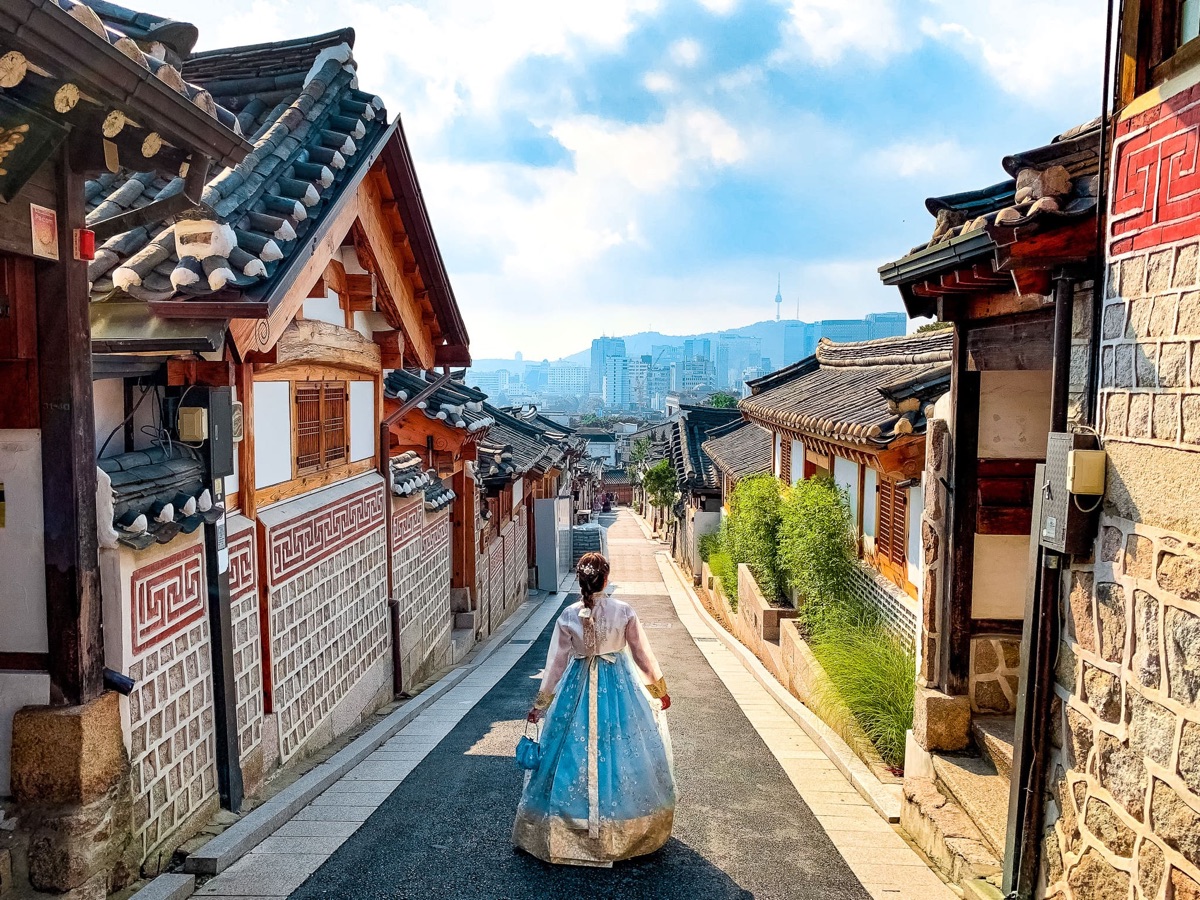
South Korea's cultural offerings are real but less extensive for tourists. Seoul's "Big Five" palaces (Gyeongbokgung, Changdeokgung, etc.) are impressive, and wearing hanbok (traditional dress) to explore them is a popular experience. The DMZ (Demilitarized Zone) is a genuinely unique and sobering attraction you can't get anywhere else in the world. Bukchon Hanok Village offers a window into traditional Korean architecture. But outside Seoul and Gyeongju (the former Silla dynasty capital), Korea's historical sites thin out compared to Japan's seemingly endless supply.
Where Korea dominates is contemporary culture. K-pop, K-drama, and Korean beauty are global phenomena. Seoul's Gangnam, Hongdae, and Myeongdong districts pulse with this energy. You can visit entertainment company buildings, K-pop themed cafes, and even attend music show recordings. If pop culture is your thing, Seoul delivers an experience Tokyo can't replicate.
💰 Cost Comparison
South Korea is cheaper than Japan across almost every category. The weak yen has narrowed the gap in 2025-2026, but Korea still wins — especially for food, alcohol, and accommodation. Here's a realistic daily budget breakdown:
| Expense | 🇰🇷 South Korea (Seoul) | 🇯🇵 Japan (Tokyo) |
|---|---|---|
| Hostel dorm | ₩20,000–35,000/night ($14–24) | ¥3,000–5,000/night ($20–35) |
| Mid-range hotel | ₩60,000–130,000/night ($42–90) | ¥10,000–20,000/night ($70–140) |
| Budget meal | ₩5,000–9,000 ($3.50–6) | ¥500–1,200 ($3.50–8) |
| Sit-down dinner | ₩15,000–30,000 ($10–21) | ¥1,500–3,000 ($10–21) |
| Beer (convenience store) | ₩2,500–4,000 ($1.75–2.75) | ¥200–350 ($1.40–2.40) |
| Soju / Sake (bottle) | ₩5,000–8,000 ($3.50–5.50) | ¥800–1,500 ($5.50–10) |
| Metro single ride | ₩1,250–1,650 ($0.85–1.15) | ¥170–320 ($1.20–2.20) |
| Attraction entry | ₩3,000–10,000 ($2–7) | ¥300–2,000 ($2–14) |
| Daily total (mid-range) | ₩80,000–130,000 ($55–90) | ¥12,000–18,000 ($80–120) |
The alcohol factor: If nightlife is part of your trip, Korea's advantage grows. Soju costs ₩5,000 ($3.50) for a bottle at a restaurant and ₩1,500 ($1) at a convenience store. A night out in Hongdae (drinks, food, noraebang) can cost ₩30,000–50,000 ($21–35). In Tokyo, a similar night in Shibuya or Shinjuku runs ¥5,000–10,000 ($35–70). Korea's drinking culture is also more generous — locals often buy rounds for strangers.
🚇 Getting Around
Both countries have world-class public transit, but with very different strengths and pain points.
Seoul's metro is genuinely excellent — extensive, clean, cheap (₩1,250 base fare, ~$0.85), and well-signed in English and Korean. The system covers almost all of Seoul and extends deep into the suburbs. T-money card (reloadable transit card) works on metro, buses, and even taxis. Buses are great too and run frequently.
Japan's transit system is widely considered the best in the world. Tokyo's metro/JR network is astonishingly dense and punctual. The Shinkansen (bullet train) connects major cities at 285 km/h. The Japan Rail Pass offers incredible value for multi-city trips. Google Maps routes transit perfectly in Japan, which is a huge advantage.
The Google Maps problem: This is Korea's biggest pain point for foreign travelers. Google Maps has severely limited functionality in South Korea due to government data restrictions. Walking directions are unreliable, transit routing is incomplete, and many businesses don't show up. You must download Naver Map or KakaoMap, which are primarily in Korean (though they have basic English support). This is consistently cited as the most frustrating part of traveling in Korea.
Intercity travel
Japan: The Shinkansen connects Tokyo to Kyoto in 2h15m, Osaka in 2h30m, and Hiroshima in 4h. A 7-day Japan Rail Pass costs ¥50,000 ($345) and pays for itself quickly. The whole country is accessible by rail.
Korea: The KTX (Korea Train eXpress) connects Seoul to Busan in 2h30m for ₩59,800 ($42). Not as extensive as Japan's network but perfectly adequate for the Seoul-Busan corridor. Domestic flights to Jeju Island take ~1 hour and cost ₩50,000–100,000 ($35–70).
🌸 Best Time to Visit
Both countries have four distinct seasons with similar climate patterns, but Seoul is notably colder in winter and hotter in summer than Tokyo due to its more continental climate.
Data: Open-Meteo archive, 2024 daily averages. Temperatures are daily highs/lows in Celsius. Rainfall is monthly totals.
Best seasons
Cherry blossom season (late March–mid April) is spectacular in both countries. Korea's blossoms typically peak a few days to a week after Japan's (Jinhae, near Busan, hosts the country's biggest cherry blossom festival). Both countries get extremely crowded during this period — book 6+ months ahead.
Fall foliage (October–November) is stunning in both countries. Korea's Nami Island and Seoraksan National Park are famous for autumn colors. Japan's Kyoto temples with maple leaves are legendary. Korea's fall season starts slightly earlier due to the cooler climate.
Winter: Seoul drops to -7°C and below in January — significantly colder than Tokyo. If you hate cold, Japan's winter is far more bearable (and the onsen/hot spring culture makes it magical). Korea's winter does offer skiing at resorts like Pyeongchang and Yongpyong.
Summer (July–August): Both countries are hot and humid, but Seoul's monsoon season (장마, jangma) brings intense rain in July. Not ideal for either country.
🏨 Where to Stay
Seoul neighborhoods
Myeongdong — Tourist central. Shopping, street food, skincare stores everywhere. Central location, easy metro access. Can feel touristy but incredibly convenient.
Hongdae (홍대) — The nightlife and arts district. Young, vibrant, club-heavy. Great street performances, indie cafes, vintage shops. Best area for nightlife.
Gangnam — Upscale Seoul. K-pop entertainment companies, luxury shopping, COEX Mall. Modern and sleek but less "authentic" Seoul.
Insadong / Jongno — Traditional Seoul. Near Gyeongbokgung Palace, Bukchon Hanok Village, and Insadong's art alley. Best for culture and history.
Itaewon — The international district. Best for English speakers, diverse food, LGBTQ+ friendly nightlife. Post-Itaewon tragedy (2022) it's rebuilding but still vibrant.
Japan — key cities
Tokyo (Shinjuku) — Most popular base. Massive transit hub, Golden Gai bars, Kabukicho nightlife. Budget to luxury options.
Kyoto (Gion / Higashiyama) — The temple city. Traditional ryokans, geisha district, walking distance to major shrines.
Osaka (Namba / Dotonbori) — Japan's kitchen. Street food capital, vibrant nightlife, friendly locals (the "anti-Tokyo" vibe).
🎒 Day Trips
Japan has a decisive edge here simply because the country is larger and more geographically diverse. But Korea's day trips from Seoul pack a punch.
From Seoul
DMZ / JSA (1h) — The world's most heavily fortified border. Genuinely one-of-a-kind. Book a tour in advance — you can't go independently.
Nami Island (1.5h) — Famous from the K-drama "Winter Sonata." Beautiful tree-lined paths, especially in autumn. Touristy but worth it.
Suwon (30min) — Hwaseong Fortress (UNESCO), traditional market, less touristy feel.
Incheon / Ganghwa Island (1h) — Chinatown, seaside temples, craft villages.
From Tokyo / Japan
Hakone (1.5h) — Mt. Fuji views, hot springs, art museums. The classic Japan day trip.
Kamakura (1h) — Great Buddha, coastal temples, beach town vibes.
Nikko (2h) — Ornate Toshogu Shrine, waterfalls, mountain scenery.
Nara (45min from Kyoto) — Friendly bowing deer, Todai-ji temple.
Osaka (15min from Kyoto) — Street food capital, Dotonbori, castle.
Multi-day destinations
Korea: Busan (2.5h by KTX from Seoul) — Beach city with incredible seafood (Jagalchi Market), colorful Gamcheon Culture Village, Haeundae Beach, and temple-on-the-sea Haedong Yonggungsa. Deserves 2–3 days.
Korea: Jeju Island (1h flight) — Volcanic island with stunning nature, waterfalls, lava tubes, and some of the best pork in Korea. A must for nature lovers. 3–4 days ideal.
Japan: Hiroshima (1.5h by Shinkansen from Kyoto) — Peace Memorial, Miyajima Island's floating torii gate.
✈️ Why Not Both?
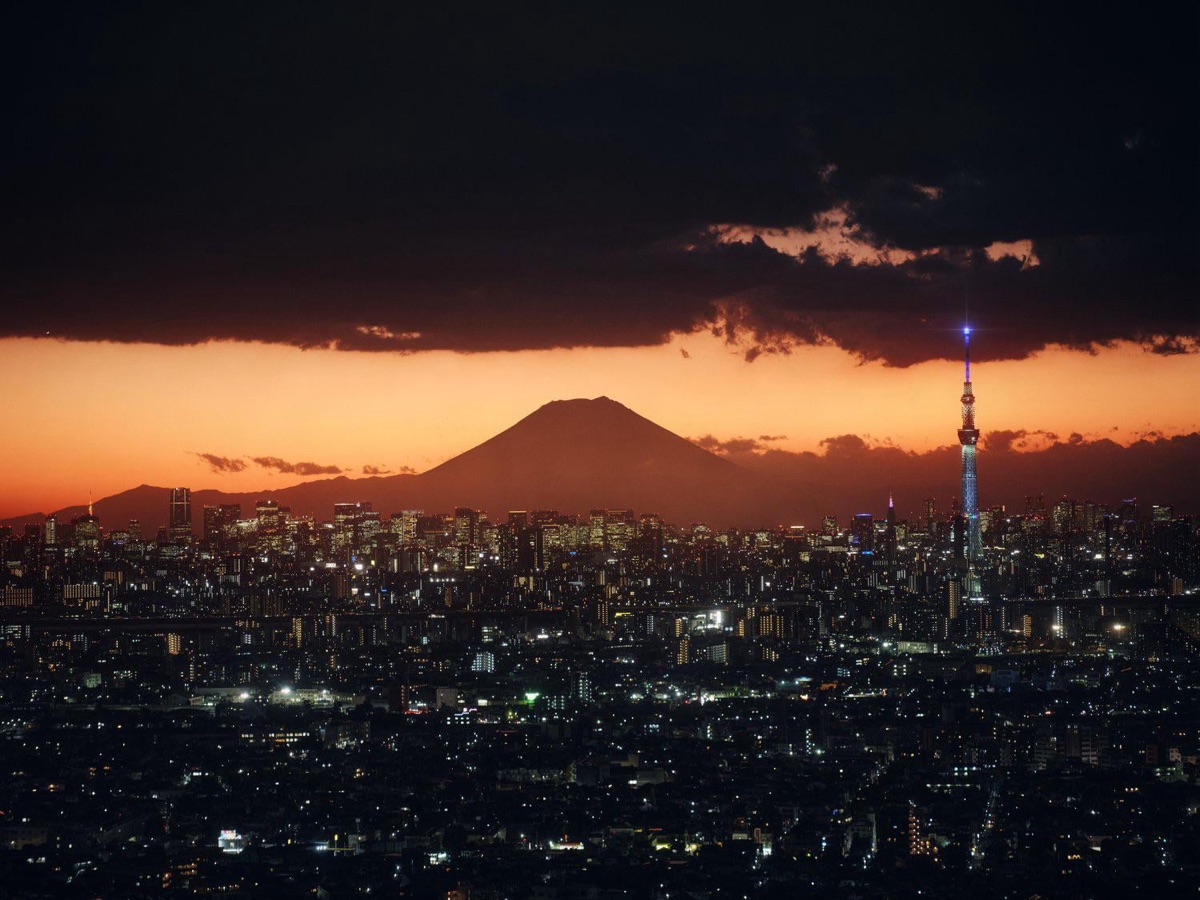
Seoul and Tokyo are only 2.5 hours apart by plane, and budget carriers (Peach Aviation, Jeju Air, T'way, Jin Air) frequently offer fares as low as $80–150 one way. Many travelers combine both countries in a single 2–3 week trip, and the contrast between the two makes each feel more distinct.
Suggested combined itineraries
2 weeks: 9 days Japan (4 Tokyo → 2 Kyoto → 2 Osaka → 1 Nara day trip) → fly to Seoul → 5 days Korea (3 Seoul + DMZ day trip + 1 day trip)
3 weeks: 12 days Japan (5 Tokyo + day trips → 3 Kyoto → 2 Osaka → 2 Hiroshima/Miyajima) → fly to Seoul → 9 days Korea (4 Seoul → 3 Busan → 2 Jeju)
10 days (tight): 6 days Japan (3 Tokyo → 3 Kyoto/Osaka) → fly to Seoul → 4 days Korea (Seoul + DMZ)
Pro tip: Fly into one country and out of the other. For example, fly into Tokyo Narita, out of Seoul Incheon (or vice versa). This avoids backtracking and uses both countries' excellent airport-to-city transit. Seoul's Incheon Airport is consistently rated one of the best in the world.
Visa note: Most Western passport holders get visa-free entry to both countries — 90 days for Japan, 90 days (K-ETA required) for South Korea. The K-ETA (Korea Electronic Travel Authorization) costs ₩10,000 (~$7) and should be applied for at least 72 hours before departure.
🎯 The Decision Framework
Choose South Korea If…
- Nightlife and social drinking are priorities
- You're a K-pop, K-drama, or K-beauty fan
- You're on a tighter budget
- You love spicy food and communal dining
- You want a shorter trip (5–7 days is enough)
- You want to visit the DMZ
- Cafe culture matters to you (Seoul's is incredible)
- You want a more social, outgoing travel vibe
- You prefer raw, gritty energy over polished perfection
Choose Japan If…
- This is your first trip to Asia
- Temples, shrines, and ancient history excite you
- Food variety and refinement matter most
- You want nature diversity (mountains, beaches, forests)
- You're into anime, gaming, or otaku culture
- You want the world's best public transit
- Safety and cleanliness are top priorities
- You have 10+ days to travel
- You want to see Mt. Fuji, ride the Shinkansen, soak in an onsen
❓ Frequently Asked Questions
Is South Korea or Japan better for first-time visitors to Asia?
Japan is generally the top recommendation for first-time visitors. It offers deeper variety — temples, nature, food diversity, pop culture, and the world's best transit system. Japan's tourist infrastructure is more polished, with excellent English signage and Google Maps compatibility. However, if you're specifically drawn to K-pop, Korean food, or vibrant nightlife, South Korea is a fantastic first pick. Both countries are very safe.
Is South Korea cheaper than Japan?
Yes, by roughly 20–35%. The biggest savings are in accommodation and food. A mid-range hotel in Seoul costs $42–90/night vs $70–140 in Tokyo. Korean BBQ with unlimited sides runs $10–18 per person. Alcohol is significantly cheaper in Korea. Japan's weak yen has narrowed the gap recently, but Korea still wins on overall value — especially for nightlife-heavy trips.
How long do I need in South Korea vs Japan?
South Korea's highlights (Seoul + Busan or a day trip) can be covered in 5–7 days. Japan needs 10–14 days for the classic Tokyo-Kyoto-Osaka route with day trips. Seoul alone can be done in 3–5 days. If combining both, budget 2–3 weeks total, with roughly a 60/40 split favoring Japan.
Can I visit both South Korea and Japan in one trip?
Absolutely. Flights between Seoul and Tokyo take 2.5 hours and cost as low as $80–150 on budget carriers (Peach, Jeju Air, T'way). Fly into one country, out of the other. A popular split is 9–10 days Japan + 4–5 days Korea. Both countries offer visa-free entry for most Western passport holders (90 days each).
Is the food better in South Korea or Japan?
Genuinely a matter of taste. Japan wins on variety and refinement (most Michelin stars globally, every cuisine represented). Korea wins on bold flavors, communal dining, street food, and value. Japanese food tends toward subtle, precise, and individual. Korean food tends toward spicy, generous, and social. Most travelers love both but for different reasons.
Which country has better nightlife?
South Korea, by a wide margin. Seoul's Hongdae, Gangnam, and Itaewon districts are legendary for clubs, bars, and noraebang (karaoke rooms) open until sunrise. Drinking culture is deeply social — locals regularly invite strangers to join. Korea's nightlife is also much cheaper. Japan has great nightlife (Golden Gai, Shibuya) but it's more compartmentalized and less social for tourists.
Do I need to learn Korean or Japanese before visiting?
Neither is necessary. Japan has better English signage and Google Maps works perfectly, making it easier to navigate. In South Korea, Google Maps barely works — you'll need Naver Map or KakaoMap (primarily in Korean). English is slightly more common among young people in Seoul. Learning basic phrases ("thank you," "excuse me") is appreciated in both countries. Download a translation app either way.
Ready to plan your trip?
Get a free custom itinerary for South Korea, Japan, or both — built from real traveler insights, not generic templates.