⚡ The TL;DR Verdict
Visit Spain if you want relaxed energy, extraordinary food culture (tapas, pintxos, jamón), cutting-edge architecture, incredible beaches, and one of Europe's most fun cities in Barcelona — at prices that won't break the bank.
Visit Italy if you want the world's densest concentration of art, history, and architecture — Rome's ancient ruins, Florence's Renaissance masters, Venice's impossible canals, and the Amalfi Coast's jaw-dropping scenery.
First-timers to Europe: both are bucket-list, but they're very different experiences. Reddit's consensus: Italy for history and art lovers, Spain for lifestyle, food culture, and value. If you have 3 weeks, do both — budget airlines connect them for €30–80.
Quick Comparison
| Category | 🇪🇸 Spain | 🇮🇹 Italy | Edge |
|---|---|---|---|
| Daily Budget (mid-range) | €80–130/day | €100–160/day | Spain |
| Food Scene | Tapas culture, pintxos, jamón, seafood, Basque cuisine | Pasta, pizza, gelato, risotto — regional depth unmatched | Tie |
| History & Art | Moorish palaces, Gaudí, Prado, great museums | Roman ruins, Vatican, Uffizi, Renaissance masterpieces | Italy |
| Architecture | Gaudí, Moorish (Alhambra), Gothic Quarter | Ancient Rome, Baroque, Gothic, Renaissance | Tie |
| Beaches | Costa Brava, Costa del Sol, Canary Islands — world-class | Amalfi, Sicily, Sardinia — stunning but crowded | Spain |
| Nightlife | Europe's best — Madrid stays up until dawn, Barcelona's clubs are legendary | Lively but tamer — more aperitivo culture than all-night clubs | Spain |
| Transit | Good AVE high-speed rail, affordable buses, metro in major cities | Trenitalia/Italo high-speed rail, more complex intercity options | Tie |
| Crowds | Barcelona and Seville get busy; rural Spain uncrowded | Venice and Amalfi are overwhelmed; Rome/Florence manageable off-peak | Spain |
| Day Trips | Toledo, Segovia, Montserrat, Girona, Granada from coast | Pompeii, Cinque Terre, Tuscany hill towns, Tivoli | Tie |
| Best For | Foodies, beach lovers, nightlife, budget travelers, architecture fans | History buffs, art lovers, romantic couples, honeymooners | — |
🍝 Food & Dining
This is the category that starts actual arguments. Italy's culinary reputation is one of the most powerful brands in the world — pasta in Bologna, pizza in Naples, bistecca in Florence, gelato everywhere, and a regional diversity that means what you eat in Sicily tastes nothing like what you eat in Venice. The craftsmanship is meticulous. The ingredients are exceptional. Italy invented slow food for a reason.
But Spain has a secret weapon: the eating experience itself. The tapas culture — hopping between bars, grazing on small plates of jamón, patatas bravas, gambas al ajillo, croquetas — is one of Europe's great social rituals. And then there's the Basque Country, which has more Michelin stars per capita than anywhere in the world. San Sebastián's pintxos bars in the Parte Vieja are, many chefs argue, the greatest food street on Earth.
What to eat where
Spain must-eats: Jamón ibérico de bellota (Madrid's Mercado de San Miguel), pintxos in San Sebastián's Parte Vieja (try Bar Txepetxa for anchovy pintxos, La Mejillonera for mussels), paella in Valencia (the real deal, not the tourist trap version), pan con tomate in Barcelona, seafood in Galicia, churros con chocolate in Madrid.
Italy must-eats: Cacio e pepe or carbonara in Rome (Roscioli, Da Enzo al 29), ribollita in Florence, risotto al nero di seppia in Venice, pizza margherita in Naples (Sorbillo, L'Antica Pizzeria da Michele), fresh pasta in Bologna, arancini in Sicily, gelato from a proper gelateria (look for natural colours and covered trays — avoid neon-bright piled-up tourist traps).
Budget eating comparison
Spain's tapas culture makes budget eating delightful: €2–4 per tapa, a glass of wine for €2–3. A full evening of grazing at tapas bars costs €15–25 and feels like a feast. In Granada and parts of Andalusia, tapas are still free with your drink — a dying but glorious tradition. Italy's budget options are excellent too: pizza al taglio (by the slice, €2–4) and trattoria lunches (€10–15 for pasta + wine) are highlights. But budget eating in tourist-heavy areas of Italy (Venice especially) can be rough — €8 for a mediocre panino is common.
🏛️ Art, History & Culture
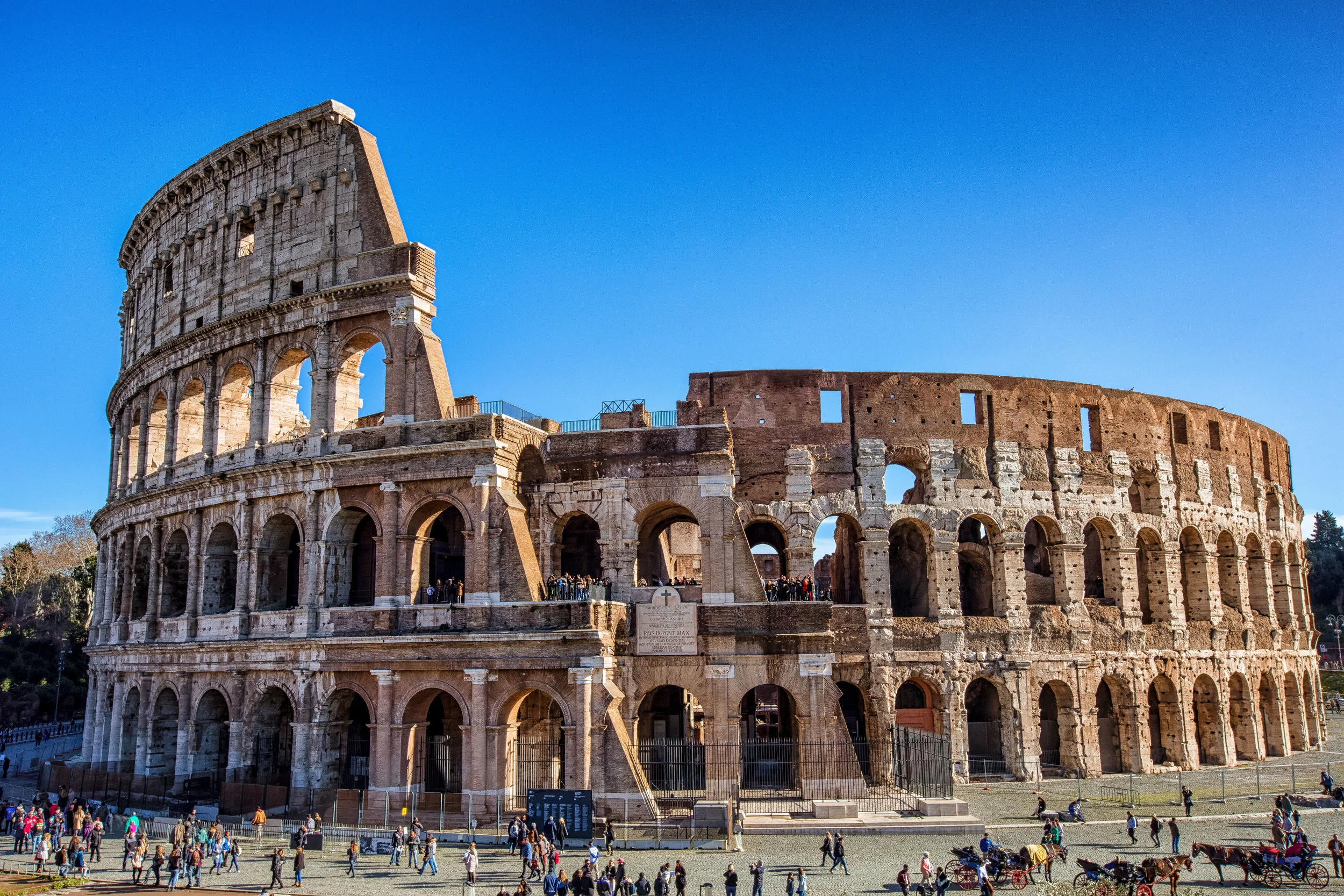
Italy is one of the most historically significant places on Earth, full stop. Rome alone — the Colosseum, the Forum, the Pantheon, the Vatican Museums, the Sistine Chapel — could occupy a serious traveler for a week. Florence's Uffizi contains the world's greatest collection of Renaissance art: Botticelli's Birth of Venus, Leonardo, Michelangelo, Raphael. Venice is a city that physically shouldn't exist and yet does, impossibly beautiful. This density of world-class history and art is Italy's trump card.
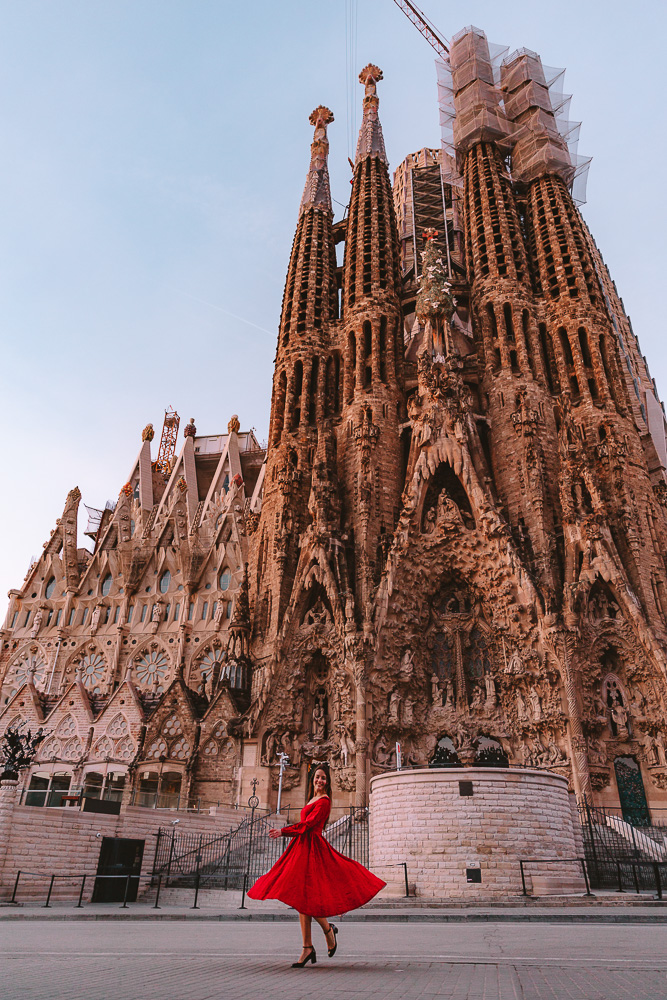
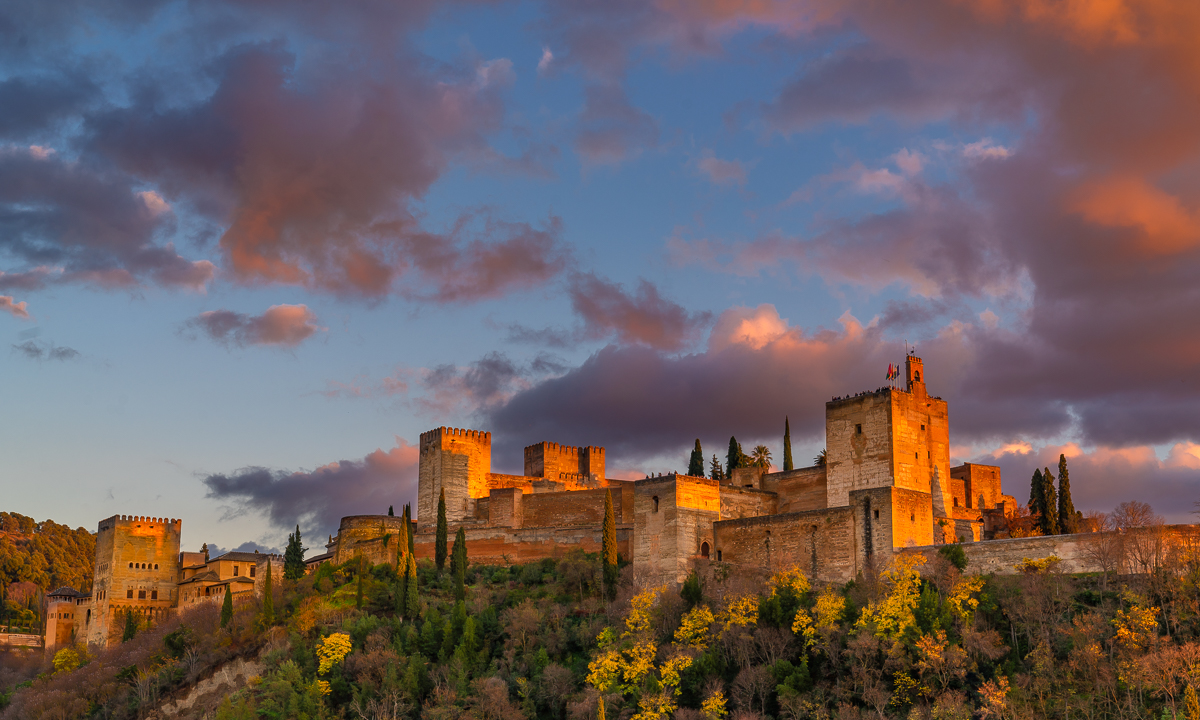
Spain's cultural heritage is extraordinary but often underrated. The Alhambra in Granada is one of the most breathtaking pieces of architecture on the planet — a Moorish palace complex of such delicate beauty that Washington Irving famously wrote a book about it while living in its chambers. Barcelona's Gaudí legacy (Sagrada Família, Park Güell, Casa Batlló, Casa Milà) is utterly unique in world architecture — playful, surreal, and awe-inspiring. Madrid's Golden Triangle of museums — the Prado (Velázquez, Goya, El Greco), the Reina Sofía (Picasso's Guernica), and the Thyssen-Bornemisza — is a world-class art circuit.
Key cultural highlights
Spain: Alhambra (Granada) — book 3+ months ahead, entry is strictly timed and sells out. Sagrada Família (Barcelona) — still under construction after 140 years, expected completion 2026. Prado Museum (Madrid) — Velázquez's Las Meninas alone is worth the trip. Flamenco in Seville's Triana neighbourhood. The Camino de Santiago pilgrimage. Real Madrid vs Barcelona (El Clásico) if timing works out.
Italy: Vatican Museums + Sistine Chapel (book early — queues are infamous). Colosseum + Forum + Palatine Hill combo ticket. Uffizi Gallery (Florence — Botticelli, Raphael). Pompeii day trip from Naples. Venice's Grand Canal by vaporetto at dawn before the crowds. The Last Supper (Leonardo) in Milan — advance booking essential, months ahead. Cinque Terre hiking trail between villages.
💰 Cost Comparison
Spain is consistently cheaper than Italy, but the gap is smaller than many travelers expect — and highly location-dependent. Venice and the Amalfi Coast are genuinely expensive; southern Spain (Seville, Granada, Málaga) is remarkably affordable. Here's a real 2026 cost breakdown based on Numbeo data and traveler reports:
| Expense | 🇪🇸 Spain | 🇮🇹 Italy |
|---|---|---|
| Hostel dorm | €20–35/night | €25–45/night |
| Mid-range hotel | €70–130/night | €90–160/night |
| Budget meal | €8–14 (menú del día includes 3 courses + wine) | €10–18 (pizza al taglio or trattoria lunch) |
| Sit-down dinner | €20–40/person with wine | €25–50/person with wine |
| Glass of wine | €2–4 at a bar | €3–6 at a bar |
| Coffee (espresso) | €1–1.50 | €1–1.50 (same — coffee is sacred in both) |
| City transit (per ride) | €1.50–2.20 (metro) | €1.50–2.00 (metro) |
| High-speed train (2h) | €25–60 (AVE Madrid–Barcelona) | €25–70 (Rome–Florence) |
| Major attraction entry | €10–20 (Alhambra €14, Sagrada Família €26) | €16–25 (Colosseum €18, Vatican €20+) |
| Daily total (mid-range) | €80–130/day | €100–160/day |
Where the price gap widens
Venice: Hotel prices in Venice can be 2–3x more than comparable Italian cities. A mid-range hotel that would cost €100/night in Bologna runs €200+ in Venice peak season. The vaporetto pass alone costs €20/day. Budget travelers should stay in Mestre (mainland) and commute in.
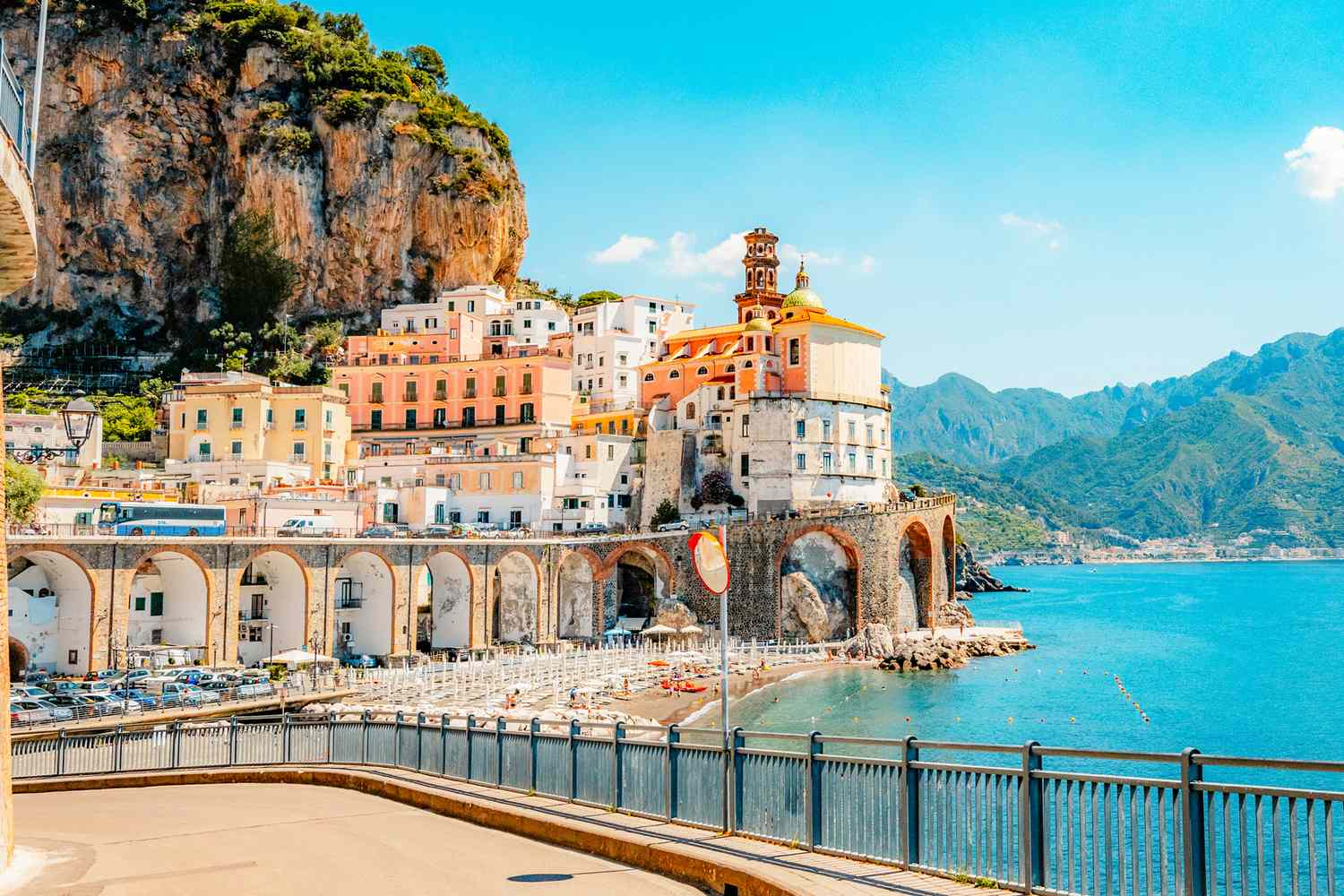
Amalfi Coast: One of the most expensive areas in southern Europe in summer. Budget €200–350+/night for even modest accommodation in Positano. Sorrento (served by regular trains from Naples) offers similar coastline access at a fraction of the price.
Spain's hidden value — the menú del día: One of Spain's best-kept secrets is the lunch menu (menú del día), available at most restaurants on weekdays. For €12–16, you get a starter, main, dessert, bread, and a drink (wine or beer included). It's how locals eat lunch and it's extraordinary value. Italy has similar deals (menù fisso) but they're less common and typically €15–20.
🚆 Getting Around
Both countries have solid high-speed rail networks, but the experience differs significantly.
Spain: AVE high-speed rail
Spain's AVE (Alta Velocidad Española) is one of Europe's best high-speed networks. Madrid to Barcelona takes 2h30m for €30–70 booked in advance. Madrid to Seville takes 2h27m. Málaga to Madrid is 2h30m. The trains are comfortable, reliable, and the seats are spacious. Renfe is the main operator — book early for the cheapest fares. Within cities, Madrid and Barcelona have excellent metro systems (€1.50–2/ride, 10-trip cards are good value).
One gap: Spain's high-speed network is hub-and-spoke around Madrid. Traveling from Barcelona to Seville directly requires going through Madrid, adding time. Budget airlines (Vueling, Ryanair) fill this gap cheaply for cross-country hops.
Italy: Trenitalia and Italo
Italy has two competing high-speed operators: Trenitalia (Frecciarossa) and Italo. Competition keeps prices reasonable — Rome to Florence is 1h30m for €25–50, Rome to Naples is 1h10m. The north-south spine from Milan to Naples is excellent. The complication: slower regional trains (not high-speed) cover scenic areas like the Amalfi Coast and Cinque Terre, and they're often crowded and require reservations during peak season. Renting a car is worth considering for Tuscany's hill towns, but driving in Italian cities is inadvisable.
Venice has no cars. You move by foot and vaporetto (water bus). Charming — until you're dragging luggage across bridges at 8am.
☀️ Best Time to Visit
Both countries share Mediterranean climates with hot, dry summers and mild winters — but Spain's interior (Madrid, Granada) and Italy's cities (Rome, Florence) get brutally hot in July–August. Here's what the weather actually looks like, based on Open-Meteo data:
Data: Open-Meteo historical averages. Temperatures are daily highs/lows in Celsius. Rainfall is monthly totals in mm.
When to go (and when to avoid)
Best months: May, June, September, October. Perfect weather, manageable crowds (except June in Italy), and prices significantly lower than peak summer. May is arguably the best month for both countries — wildflowers in Tuscany, comfortable temperatures, and every attraction open.
April: Easter in Spain and Italy is a big deal — beautiful Semana Santa (Holy Week) processions in Seville are world-famous but mean very crowded cities and higher prices that week. Outside Easter week, April is lovely.
July–August: avoid if possible, especially inland. Madrid and Seville routinely hit 38–42°C. Rome and Florence are hot, crowded, and expensive. The coast is beautiful but packed. That said, if you're beach-focused and don't mind the heat, the Med in August is undeniably gorgeous.
November–March: Off-season magic. Far fewer tourists, dramatically cheaper flights and accommodation, and the cities are actually enjoyable to walk around. Rome in February is mild and almost deserted at major sites. Barcelona in March is pleasant and walkable. The downside: some coastal towns and resorts close up, and the Amalfi Coast and Cinque Terre are best experienced in warmer months.
🏨 Where to Stay
Spain: key neighborhoods by city
Barcelona — El Born / Gothic Quarter: The heart of old Barcelona. Cobblestone lanes, Picasso Museum, tapas bars on every corner. Walking distance to the beach and La Barceloneta. Slightly touristy but unbeatable for atmosphere. Budget: stay in Gràcia for a more local vibe, excellent independent restaurants, quieter streets.
Madrid — Malasaña / Chueca: The hippest neighborhoods in the city. Vintage shops, great bars, diverse food scene. Malasaña has a grunge-cool edge; Chueca is Madrid's LGBTQ+ hub with excellent restaurants. La Latina is great for tapas (especially weekend cañas on Plaza de la Paja). Avoid Puerta del Sol area hotels — overpriced and surrounded by tourist traps.
Seville — Santa Cruz / Triana: Santa Cruz (the old Jewish quarter, barrio next to the Alcázar) is gorgeous but touristy. Triana across the river feels more authentically Sevillano — flamenco tablaos, local bars, the city's best churrerías. Great base for Flamenco and Andalusian culture.
Granada — Albaicín: The ancient Moorish quarter across from the Alhambra. Narrow white-washed streets, stunning views of the palace, cave houses converted to boutique hotels. The most atmospheric neighborhood in southern Spain. Book ahead — the best riad-style guesthouses fill fast.
Italy: key neighborhoods by city
Rome — Trastevere / Prati: Trastevere is Rome's most charming neighborhood — ivy-covered buildings, excellent trattorias, lively nightlife. Prati (across the Tiber, near Vatican) is more residential, slightly cheaper, and very safe. Avoid hotels directly next to the Colosseum — loud, overpriced, and not great restaurant access.
Florence — Santa Croce / Oltrarno: Santa Croce is central, walkable to everything, with great local cafés. Oltrarno (south of the Arno) feels less touristy and more Florentine — excellent wine bars and the Pitti Palace neighborhood. Avoid the area directly around the Duomo for accommodation — maximum noise, minimum value.
Venice — Dorsoduro / Cannaregio: If you're staying in Venice (expensive but worth it once), Dorsoduro has art (Peggy Guggenheim), great campo squares for an Aperol spritz, and fewer tourists than San Marco. Cannaregio is the most residential area — actual Venetians live here, great bacaro bars serving cicchetti (Venetian tapas).
🎒 Day Trips
Both countries are day-trip goldmines. The density of extraordinary places within easy reach of major cities is one of Europe's great advantages.
From Madrid, Spain
Toledo (30min by AVE) — Medieval city on a hill, El Greco's home, incredible mix of Christian, Muslim, and Jewish heritage. The best day trip from Madrid.
Segovia (30min by AVE) — Roman aqueduct (remarkably intact, 2,000 years old), fairy-tale Alcázar castle, roast suckling pig lunch. Half-day or full day.
Ávila (1h30m) — Perfectly preserved medieval walls you can walk along. Smaller and less visited than Toledo or Segovia — great for a quiet day.
El Escorial + Valle de los Caídos (1h) — Massive royal monastery-palace. Heavy with history. Best for history enthusiasts.
From Barcelona, Spain
Montserrat (1h by rack railway) — Bizarre saw-toothed mountain, Benedictine monastery, incredible hiking trails and views. A genuinely otherworldly landscape.
Girona (38min by AVE) — Game of Thrones filming location, remarkably intact medieval Jewish quarter, excellent food scene (El Celler de Can Roca, the world's best restaurant, is here).
Sitges (40min) — Beautiful beach town, gay-friendly, great seafood, charming old town. The best beach day trip from Barcelona.
Tarragona (1h) — Roman amphitheater right on the sea, excellent ruins, far fewer tourists than anywhere in Rome.
From Rome, Italy
Pompeii (1h10m by Frecciarossa to Naples + local train) — Frozen in 79 AD by Vesuvius. One of the most astonishing archaeological sites in the world. Combine with Herculaneum for a smaller, better-preserved version.
Tivoli (1h by bus) — Hadrian's Villa (UNESCO) and Villa d'Este's Renaissance gardens with hundreds of fountains. Outstanding combo day trip.
Ostia Antica (30min by train) — Ancient Rome's harbor city, rivaling Pompeii but far less visited. Free entry included with the Colosseum ticket (check current terms).
Orvieto (1h20m) — Hilltop Umbrian city, stunning Gothic cathedral with Luca Signorelli's Last Judgment frescoes. Excellent Orvieto Classico wine.
From Florence, Italy
Siena (1h15m) — Perfectly preserved medieval city, the Piazza del Campo is one of Italy's most beautiful squares, Palio horse race (July and August).
Cinque Terre (2h) — Five pastel-colored fishing villages on a dramatic Ligurian coastline, connected by hiking trails. Crowded but iconic. Go early in the morning.
San Gimignano (1h30m by bus) — Medieval Manhattan — a village with 14 surviving towers. Incredible gelato (Sergio Dondoli, world gelato champion, has a shop here).
Pisa (1h by train) — More than just the leaning tower — the Piazza dei Miracoli complex (baptistery, cathedral) is genuinely beautiful, especially early morning before the selfie crowds arrive.
🔀 Why Not Both?
Here's the thing most experienced European travelers will tell you: the Spain vs Italy debate is often a false choice. Budget airlines (Vueling, Ryanair, EasyJet) connect the two countries for €30–80 one way, and with 3 weeks you can do both countries real justice. This is one of Europe's most natural trip combinations.
Suggested combined itineraries
10 days (highlights only): Fly into Barcelona (3 days: Gaudí, Gothic Quarter, food) → AVE or flight to Madrid (2 days: Prado, Malasaña, day trip to Toledo) → fly to Rome (3 days: Colosseum, Vatican, Trastevere evenings) → fly home from Rome.
14 days (comfortable pace): Barcelona (3 days) → Seville (2 days: Alcázar, flamenco) → Granada (2 days: Alhambra, Albaicín) → fly Rome (3 days) → Florence (2 days) → Cinque Terre (1 day) → fly home from Milan or Pisa.
21 days (the dream): Madrid (3 days + Toledo/Segovia day trips) → San Sebastián (2 days, pintxos and beaches) → Barcelona (3 days) → fly Naples (Pompeii day trip, Amalfi Coast 2 days) → Rome (3 days) → Florence (3 days, Siena/Cinque Terre day trips) → fly home.
Budget note: A return budget flight between Spain and Italy can be €60–160. Alternatively, some travelers take overnight ferries (Barcelona to Genoa/Civitavecchia), which saves a night's accommodation while crossing — though they take 18–20 hours.
🎯 The Decision Framework
Choose Spain If…
- Budget matters and you want maximum value
- The social tapas bar experience excites you
- You love beaches and warm weather
- Nightlife is important (Madrid, Barcelona)
- You're a Michelin-level foodie (Basque Country)
- You want Moorish architecture and history
- Crowds stress you out (avoid Barcelona peak season)
- You want Gaudí's surreal architecture
- Flamenco and Andalusian culture draw you
- You want sun and warmth most of the year
Choose Italy If…
- Roman history and ancient ruins are your priority
- Renaissance art (Uffizi, Vatican) excites you
- You're a pasta and pizza obsessive
- Venice is on your bucket list (go, despite the crowds)
- You want the Amalfi Coast's coastal drama
- A romantic honeymoon or anniversary trip
- Wine tourism (Tuscany, Piedmont, Barolo)
- You want to hike Cinque Terre
- The Vatican and Sistine Chapel are musts
- You want the most iconic Europe experience
❓ Frequently Asked Questions
Is Spain or Italy better for first-time visitors to Europe?
Both are excellent first-time Europe destinations with very different personalities. Italy wins on sheer historical weight — Rome, Florence, Venice, and the Amalfi Coast are bucket-list icons. Spain wins on lifestyle: the tapas culture is highly social, Barcelona's architecture is unlike anything else in Europe, and the overall vibe is more relaxed. Reddit consensus: if history and art museums are your priority, Italy. If you want beach, nightlife, and amazing food without the pressure of 'seeing everything,' Spain. The good news: they're easy to combine.
Is Spain cheaper than Italy to visit?
Yes, Spain is generally 10–20% cheaper for mid-range travelers. A good meal with wine typically costs €15–25/person in Spain vs €18–30 in Italy. Accommodation in Spanish cities runs €70–130/night for mid-range vs €90–160 in Italy. The exceptions: Venice and the Amalfi Coast can be eye-wateringly expensive, while southern Spain (Seville, Granada) is very affordable. Spain's menú del día lunch (3 courses + wine for €12–16 on weekdays) is one of the best-value meals in European travel.
Which has better food — Spain or Italy?
Genuinely subjective. Italy has pasta, pizza, gelato, and one of the world's most refined regional culinary traditions. Spain has tapas, pintxos (the Basque Country has more Michelin stars per capita than anywhere on Earth), jamón ibérico, and a bar-hopping food culture that makes eating a social event. Reddit's food communities tend to give Italy the edge for sit-down dining, but Spain for the overall eating experience. San Sebastián is frequently cited as the greatest food city in Europe by professional chefs.
What is the best time to visit Spain vs Italy?
For both countries, May–June and September–October are the sweet spots: warm weather, manageable crowds, and lower prices than peak summer. July and August are brutally hot in both (Rome and Seville regularly hit 38–42°C), with peak tourist crowds and inflated prices. Spain's south (Andalusia) is best in spring or fall. Winter is surprisingly pleasant in both for city sightseeing — fewer tourists, mild weather, and much cheaper flights and hotels.
How many days do you need in Spain vs Italy?
For a proper first visit to either country, plan 10–14 days minimum. Spain is geographically large and diverse — Madrid, Barcelona, Seville, Granada, and San Sebastián are all dramatically different. Italy is equally varied: Rome alone needs 3–4 days, Florence 2–3, Venice 1–2, and the Amalfi Coast deserves 2–3 days. For a two-week trip, a focused Spain itinerary (Madrid + Barcelona + Andalusia) or Italy's 'greatest hits' (Rome + Florence + Venice or Amalfi) are both doable without feeling rushed.
Can you visit both Spain and Italy on one trip?
Yes, and it's a natural combination. Budget airlines (Vueling, Ryanair, EasyJet) connect Spanish and Italian cities for €30–80 one way. A popular route: fly into Barcelona, do Spain, fly to Rome, do Italy, fly home. With 3 weeks, you can do both countries justice. Budget at least 10 days per country if possible, or pick one and save the other for a return trip. Trying to do both in under 2 weeks usually results in exhausting city-hopping that doesn't do either justice.
Is Spain or Italy safer for tourists?
Both are safe for tourists by global standards. The main concern in both countries is petty theft (pickpocketing) in tourist-heavy areas: Barcelona's La Rambla, Rome's Colosseum area, Naples, and Venice. Barcelona has a well-documented pickpocket problem — keep valuables close, use anti-theft bags, and don't leave bags on chair backs at cafés. Naples has a reputation that's somewhat exaggerated but warrants extra vigilance. Southern Spain (Seville, Granada) and northern Italy (Florence, Bologna) tend to have fewer issues.
Ready to plan your Spain or Italy trip?
Get a free custom itinerary for Spain, Italy, or both — built from real traveler insights, not generic templates.