⚡ The TL;DR Verdict
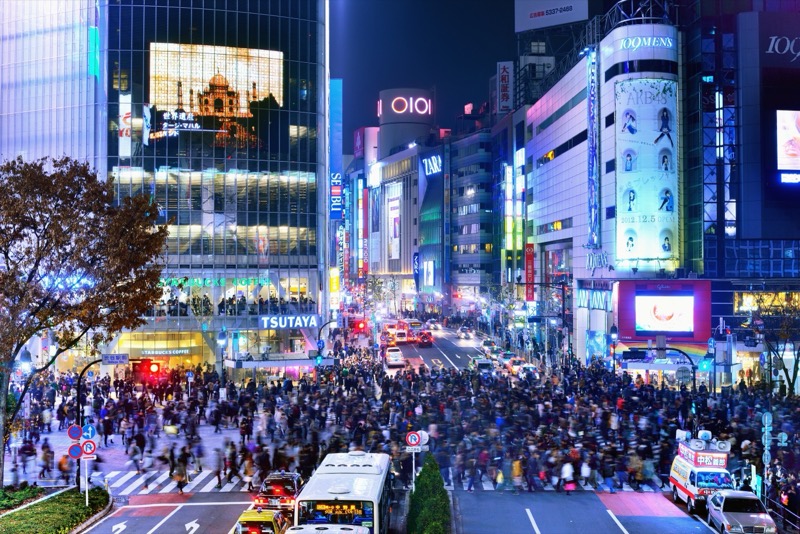
Visit Tokyo if you want non-stop energy, world-class food diversity, cutting-edge pop culture, and the best public transit system on Earth.
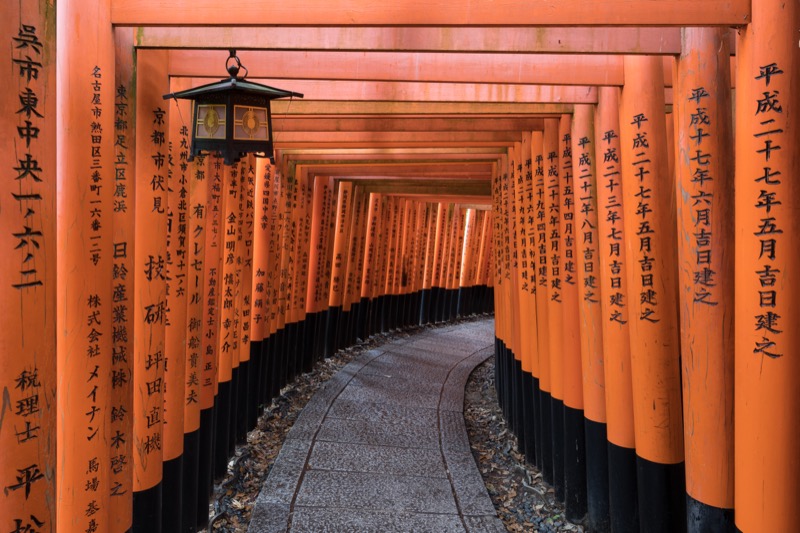
Visit Kyoto if you want 2,000+ temples, traditional Japanese culture, bamboo groves, and a slower, more contemplative pace.
First-timers to Japan: do both — they're just 2 hours 15 minutes apart by Shinkansen (¥13,320 / ~$89). If you can only pick one city for 5 days, Reddit overwhelmingly says Kyoto for culture lovers, Tokyo for city lovers.
Quick Comparison
| Category | 🏙️ Tokyo | ⛩️ Kyoto | Edge |
|---|---|---|---|
| Daily Budget (mid-range) | ¥12,000–18,000 ($80–120) | ¥10,000–15,000 ($65–100) | Kyoto |
| Food Scene | World's most Michelin stars, every cuisine imaginable | Kaiseki, tofu, matcha, traditional Japanese | Tokyo |
| Temples & Shrines | Sensoji, Meiji Jingu | 2,000+ temples (Fushimi Inari, Kinkaku-ji, etc.) | Kyoto |
| Nightlife | Shinjuku, Shibuya, Roppongi, Golden Gai | Gion, Pontocho (quieter, more refined) | Tokyo |
| Public Transit | Best metro system on Earth | Buses + limited subway, less intuitive | Tokyo |
| Crowds | Spread across a huge city | Concentrated at hotspots (Fushimi Inari, Arashiyama) | Tie |
| Day Trips | Hakone, Kamakura, Nikko | Nara, Osaka, Uji, Hiroshima | Kyoto |
| Shopping | Akihabara, Harajuku, vintage stores | Antiques, ceramics, traditional crafts | Tokyo |
| Nature | City parks (Shinjuku Gyoen, etc.) | Bamboo groves, mountain temples, Philosopher's Path | Kyoto |
| Best For | First-timers, foodies, pop culture fans | Culture seekers, photographers, slow travelers | — |
🍜 Food & Dining
Tokyo holds the world record for the most Michelin-starred restaurants — over 200 at last count — and that's just the tip of the iceberg. From ¥400 gyudon bowls at Yoshinoya to ¥50,000 omakase counters, the city's food scene is staggeringly deep. Every regional Japanese cuisine is represented, plus world-class Italian, French, Chinese, Indian, and more. Areas like Shinjuku and Shibuya alone have thousands of restaurants competing for your stomach.
Kyoto's food scene is more focused but equally remarkable. This is the home of kaiseki (multi-course seasonal cuisine), the best tofu in Japan, world-class matcha desserts, and an intimate izakaya culture you won't find in Tokyo's sprawl. Check our guides to Kyoto's ramen scene, kaiseki restaurants, matcha desserts, and sake bars. Nishiki Market alone is worth a half-day of grazing.
Price comparison
Budget meals cost roughly the same in both cities: ramen runs ¥800–1,200, gyudon ¥400–700, convenience store bento ¥400–600. Where Kyoto pulls ahead is lunch sets — many traditional restaurants offer kaiseki-style lunch sets for ¥1,500–2,500 that would cost triple at dinner. Street food at Nishiki Market runs ¥300–800 per item. Tokyo wins on late-night food options (Kyoto largely shuts down by 10pm) and sheer variety.
⛩️ Temples, Shrines & Culture
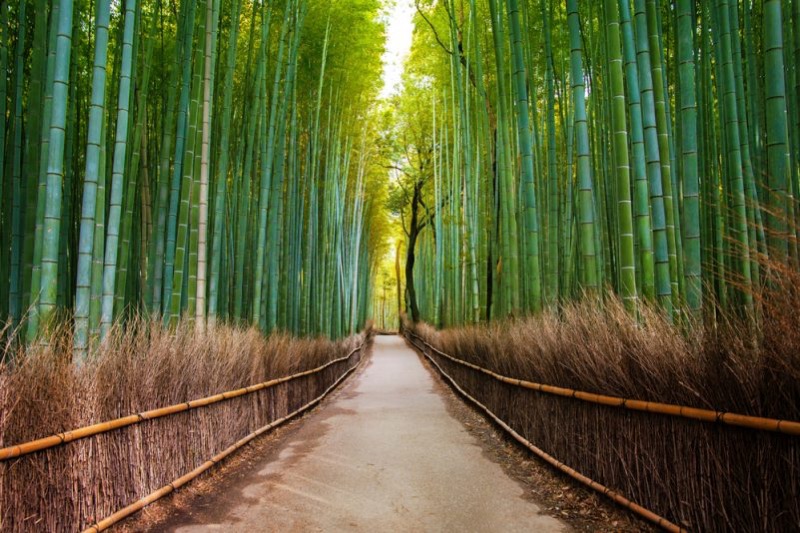
This is Kyoto's knockout category. As the imperial capital for over a thousand years (794–1868), Kyoto is home to 2,000+ Buddhist temples and Shinto shrines, 17 UNESCO World Heritage Sites, and some of the most iconic cultural landmarks in all of Asia: Fushimi Inari's 10,000 torii gates, Kinkaku-ji (Golden Pavilion), Arashiyama's bamboo grove, Kiyomizu-dera's wooden terrace, and the Zen rock garden at Ryoan-ji.
Tokyo has culture too — just a different kind. Sensoji in Asakusa is Tokyo's oldest temple and a must-visit. Meiji Jingu is a serene forest shrine in the heart of Shibuya. But Tokyo's real cultural pull is contemporary: Akihabara for anime and electronics, Harajuku for fashion, TeamLab for digital art, and the endless creativity of its neighborhoods. If "culture" means ancient Japan, Kyoto wins by a mile. If it means understanding modern Japan, Tokyo is essential.
A word of warning: Kyoto's most famous spots (Fushimi Inari, Arashiyama, Kiyomizu-dera) are extremely crowded, especially during cherry blossom season and Golden Week. Several Reddit users noted that Kyoto felt more claustrophobic than Tokyo because the crowds are concentrated at specific landmarks, while Tokyo's visitors spread across its massive footprint.
💰 Cost Comparison
Both cities are surprisingly affordable for developed-world destinations, but Kyoto edges out as the cheaper option — especially for accommodation. Here's a detailed daily budget breakdown based on 2025/2026 real prices:
| Expense | 🏙️ Tokyo | ⛩️ Kyoto |
|---|---|---|
| Hostel dorm | ¥3,000–5,000/night | ¥2,500–4,000/night |
| Mid-range hotel | ¥10,000–20,000/night | ¥8,000–15,000/night |
| Budget meal | ¥500–1,200 | ¥500–1,000 |
| Sit-down dinner | ¥1,500–3,000 | ¥1,200–2,500 |
| Day pass (transit) | ¥600 (metro) | ¥700 (bus) |
| Single ride | ¥170–320 | ¥230 (bus flat rate) |
| Temple entry | ¥300–500 (most free) | ¥400–800 per temple |
| Daily total (mid-range) | ¥12,000–18,000 ($80–120) | ¥10,000–15,000 ($65–100) |
The hidden cost in Kyoto: temple admission fees add up fast. At ¥400–800 per temple, visiting 3–4 temples a day costs ¥1,200–3,200. In Tokyo, most major attractions (Meiji Jingu, Sensoji, Shibuya Crossing, Tsukiji Outer Market) are free. But Kyoto's cheaper accommodation and food more than offset this.
🚃 Getting Around
Tokyo's metro system is, frankly, one of the best things humans have ever built. Thirteen subway lines plus JR lines, private railways, and the monorail cover virtually every corner of the city. Trains run every 2–5 minutes, are clean, punctual to the second, and well-signed in English. A Suica/Pasmo IC card is all you need. Day pass: ¥600 (Tokyo Metro) or ¥900 (including Toei lines). Google Maps handles routing perfectly.
Kyoto's transit is… fine. The city has two subway lines (Karasuma and Tozai), but most tourists rely on the bus system, which covers the spread-out temple districts. Buses cost a flat ¥230 per ride, with a ¥700 day pass. The problem: buses get packed during peak season, routes can be confusing, and traffic slows everything down. You'll spend noticeably more time waiting and traveling in Kyoto. Many experienced travelers recommend renting a bicycle in Kyoto — the city is flat and cycling is genuinely the fastest way between many attractions.
🌸 Best Time to Visit
Both cities share similar weather patterns, but Kyoto's inland basin location makes its summers hotter and more humid, and its winters slightly colder. Here's real 2024 weather data from Open-Meteo:
Data: Open-Meteo archive, 2024 daily averages. Temperatures are daily highs/lows in Celsius. Rainfall is monthly totals.
Best seasons
Cherry blossom season (late March–mid April) is magical in both cities, but Kyoto's temple gardens with sakura are arguably Japan's most photogenic scenes. Expect massive crowds and hotel prices 2–3x higher. Book 6+ months ahead.
Fall foliage (mid November–early December) is Kyoto's other peak season. The maple leaves against ancient temple grounds are spectacular — Tofuku-ji and Eikan-do are famous for it. Tokyo's fall colors are beautiful too (Meiji Jingu Gaien's ginkgo avenue), but less dramatic.
Summer (July–August) is brutal in both cities — 33°C+ with crushing humidity. Kyoto is notoriously worse due to its basin geography. Avoid if possible.
🏨 Where to Stay
Tokyo neighborhoods
Shinjuku — The most popular base for tourists. Massive station hub, Golden Gai, Kabukicho, department stores, parks. Great metro access everywhere. Budget to luxury options.
Shibuya — Younger, trendier vibe. The Crossing, Harajuku nearby, great dining and nightlife. Excellent transit connections.
Asakusa — Traditional Tokyo feel. Sensoji temple, Nakamise shopping street, Sumida River. More affordable, slightly less central but well-connected via Ginza line.
Kyoto neighborhoods
Kyoto Station area — Most convenient for transit. JR, subway, and bus hub. Modern hotels, good value. Not the most atmospheric, but practical.
Gion / Higashiyama — The heart of traditional Kyoto. Geisha district, narrow lanes, machiya townhouses. Walking distance to many top temples. More expensive, but you're paying for the atmosphere.
Central Kyoto (Karasuma/Shijo) — Good balance of accessibility and local vibe. Shopping arcades, restaurants, close to Nishiki Market. Reasonable prices.
🎒 Day Trips
Both cities are excellent bases for day trips, but Kyoto arguably unlocks more of Japan's bucket-list destinations within easy reach.
From Tokyo
Hakone (1.5h) — Hot springs, Mt. Fuji views, open-air museum. A classic overnight or day trip.
Kamakura (1h) — Great Buddha, coastal temples, a mini-Kyoto vibe without the crowds.
Nikko (2h) — Ornate Toshogu Shrine, stunning mountain scenery, waterfalls.
Yokohama (30min) — Chinatown, ramen museum, waterfront. Easy half-day.
From Kyoto
Nara (45min) — Friendly deer, Todai-ji (world's largest wooden building), ancient capital vibes.
Osaka (15min by Shinkansen, 30min by local) — Street food capital of Japan. Dotonbori, Osaka Castle, incredible nightlife.
Uji (20min) — Best matcha in Japan, Byodo-in Temple (the one on the ¥10 coin).
Hiroshima (1.5h by Shinkansen) — Peace Memorial, Miyajima Island's floating torii gate.
🔀 Why Not Both?
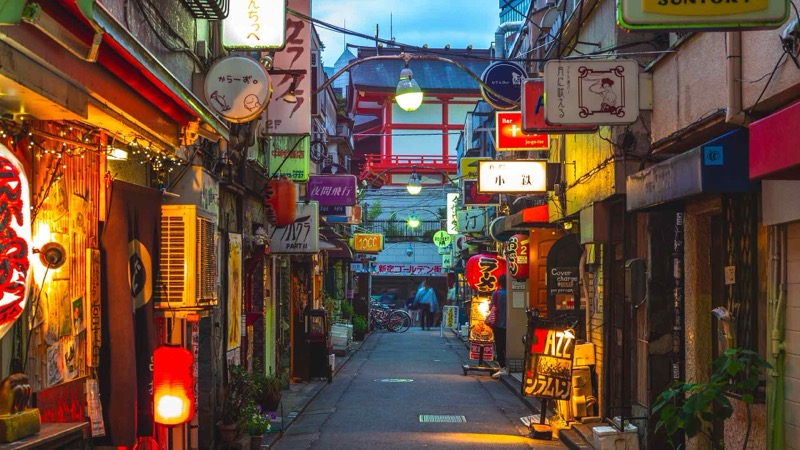
Here's the thing most experienced Japan travelers will tell you: the Tokyo vs Kyoto debate is a false choice. The Nozomi Shinkansen connects them in 2 hours 15 minutes, and the bullet train ride itself is a quintessential Japan experience — watching the landscape blur by at 285 km/h with a view of Mt. Fuji on a clear day.
Suggested split itineraries
7 days: 4 days Tokyo → Shinkansen → 3 days Kyoto (with Nara day trip)
10 days: 4 days Tokyo → 1 day Hakone → Shinkansen → 3 days Kyoto → 1 day Osaka → 1 day Hiroshima/Miyajima
14 days: 5 days Tokyo (with Kamakura/Nikko day trips) → 5 days Kyoto (with Nara/Osaka/Uji) → 2 days Osaka → 2 days Hiroshima/Miyajima
Pro tip: Fly into one city and out of the other (e.g., arrive Narita/Haneda, depart Kansai) to avoid backtracking. This saves 2+ hours and ¥13,320 on the return Shinkansen.
🎯 The Decision Framework
Choose Tokyo If…
- You want non-stop energy and nightlife
- Food variety matters most to you
- You're into anime, gaming, or pop culture
- You want the world's best public transit
- You prefer big-city experiences
- Late-night eating is important to you
- You want to see Mt. Fuji (Hakone day trip)
- It's your first time in any Asian megacity
- You love shopping (fashion, electronics, vintage)
Choose Kyoto If…
- You want temples, shrines, and traditional Japan
- History and culture are your top priorities
- You prefer a slower, calmer pace
- Photography is important to your trip
- You want easy access to Nara and Osaka
- Traditional cuisine (kaiseki, matcha) excites you
- You dream of bamboo groves and zen gardens
- You're on a tighter budget
- You want to see a geisha in Gion
❓ Frequently Asked Questions
Is Tokyo or Kyoto better for first-time visitors to Japan?
It depends on your interests. Reddit consensus says: if you can only pick one and want the full "Japan experience," Tokyo offers more variety — food, pop culture, nightlife, and efficient transit. But if temples and traditional culture are your priority, Kyoto is unbeatable. Most experienced travelers recommend doing both since they're only 2h15m apart by Shinkansen.
How far apart are Tokyo and Kyoto?
About 476 km. The Shinkansen bullet train takes 2 hours 15 minutes (Nozomi) or 2 hours 40 minutes (Hikari). A reserved Nozomi seat costs ¥13,320 (~$89) one way. The Japan Rail Pass covers the Hikari but not the Nozomi.
Is it worth visiting both Tokyo and Kyoto?
Absolutely. With 7+ days in Japan, most travelers split time between both cities. A common split is 4 days Tokyo + 3 days Kyoto. As one Reddit user put it: "One is quintessential new Japan, the other is quintessential old Japan."
Which is cheaper, Tokyo or Kyoto?
Kyoto is slightly cheaper — roughly 15–20% less for accommodation and dining. Mid-range hotels in Kyoto run ¥8,000–15,000/night vs ¥10,000–20,000 in Tokyo. Budget meals cost about the same in both cities. The catch: Kyoto's temple entry fees (¥400–800 each) add up if you're visiting several per day.
How many days do you need in Tokyo vs Kyoto?
Minimum 3 full days in each for a first visit, ideally 4–5. Tokyo has virtually unlimited things to do. Kyoto's main highlights take 3–4 days, but history buffs could easily spend a week. Both serve as great bases for day trips.
Can you do a day trip from Tokyo to Kyoto?
Technically yes, but most travelers advise against it. The 2h15m each way eats nearly 5 hours. You'd see maybe 2–3 spots before heading back. Even one overnight in Kyoto is much better. For a temple fix without the long commute, try Kamakura (1h from Tokyo).
Should I visit Tokyo or Kyoto first?
Most itineraries start in Tokyo (closer to Narita/Haneda airports) and end in Kyoto/Osaka. This lets you acclimate in Tokyo's accessible city then wind down in calmer Kyoto. Pro tip: fly into one city, out of the other (e.g., arrive Narita, depart Kansai) to avoid backtracking.
Ready to plan your Japan trip?
Get a free custom itinerary for Tokyo, Kyoto, or both — built from real traveler insights, not generic templates.