⚡ The TL;DR Verdict
Visit Tokyo if you want non-stop energy, world-class food diversity, cutting-edge pop culture, anime and electronics, and the best public transit system on Earth.
Visit Osaka if you want Japan's best street food, friendlier locals, a more walkable city, legendary nightlife in Dotonbori, and a relaxed vibe that lets you actually slow down.
First-timers to Japan: do both — they're just 2 hours 22 minutes apart by Shinkansen (¥13,870 / ~$93). If you can only pick one, Reddit leans Tokyo for first-time mega-city seekers, Osaka for foodies and those who want a warmer, more human-scale experience.
Quick Comparison
| Category | 🏙️ Tokyo | 🏯 Osaka | Edge |
|---|---|---|---|
| Daily Budget (mid-range) | ¥12,000–18,000 ($80–120) | ¥9,000–14,000 ($60–93) | Osaka |
| Food Scene | World’s most Michelin stars, global cuisine | “Japan’s Kitchen” — street food capital | Tie |
| Street Food | Good but restaurant-focused | Takoyaki, okonomiyaki, kushikatsu — unbeatable | Osaka |
| Nightlife | Shinjuku, Shibuya, Golden Gai, Roppongi | Dotonbori, Namba, Shinsekai — rowdier, friendlier | Tie |
| Public Transit | Best metro system on Earth | Good metro + JR, more compact and walkable | Tokyo |
| Local Vibe | Polite, efficient, reserved | Warm, loud, humorous — “friendliest in Japan” | Osaka |
| Day Trips | Hakone, Kamakura, Nikko | Kyoto, Nara, Kobe, Hiroshima | Osaka |
| Shopping | Akihabara, Harajuku, Ginza, vintage stores | Shinsaibashi, Den Den Town, Amerikamura | Tokyo |
| Pop Culture | Akihabara, TeamLab, Ghibli Museum | Universal Studios Japan, Den Den Town | Tokyo |
| Best For | First-timers, tech/anime fans, variety seekers | Foodies, budget travelers, social butterflies | — |
🍜 Food & Dining
This is the category where the Tokyo vs Osaka debate gets fiercest. Tokyo holds the world record for Michelin stars — over 200 at last count — with every regional Japanese cuisine represented plus world-class Italian, French, Chinese, Indian, and more. From ¥400 gyudon bowls at Yoshinoya to ¥50,000 omakase counters in Ginza, the depth is staggering. Shinjuku and Shibuya alone have thousands of restaurants competing for your stomach.
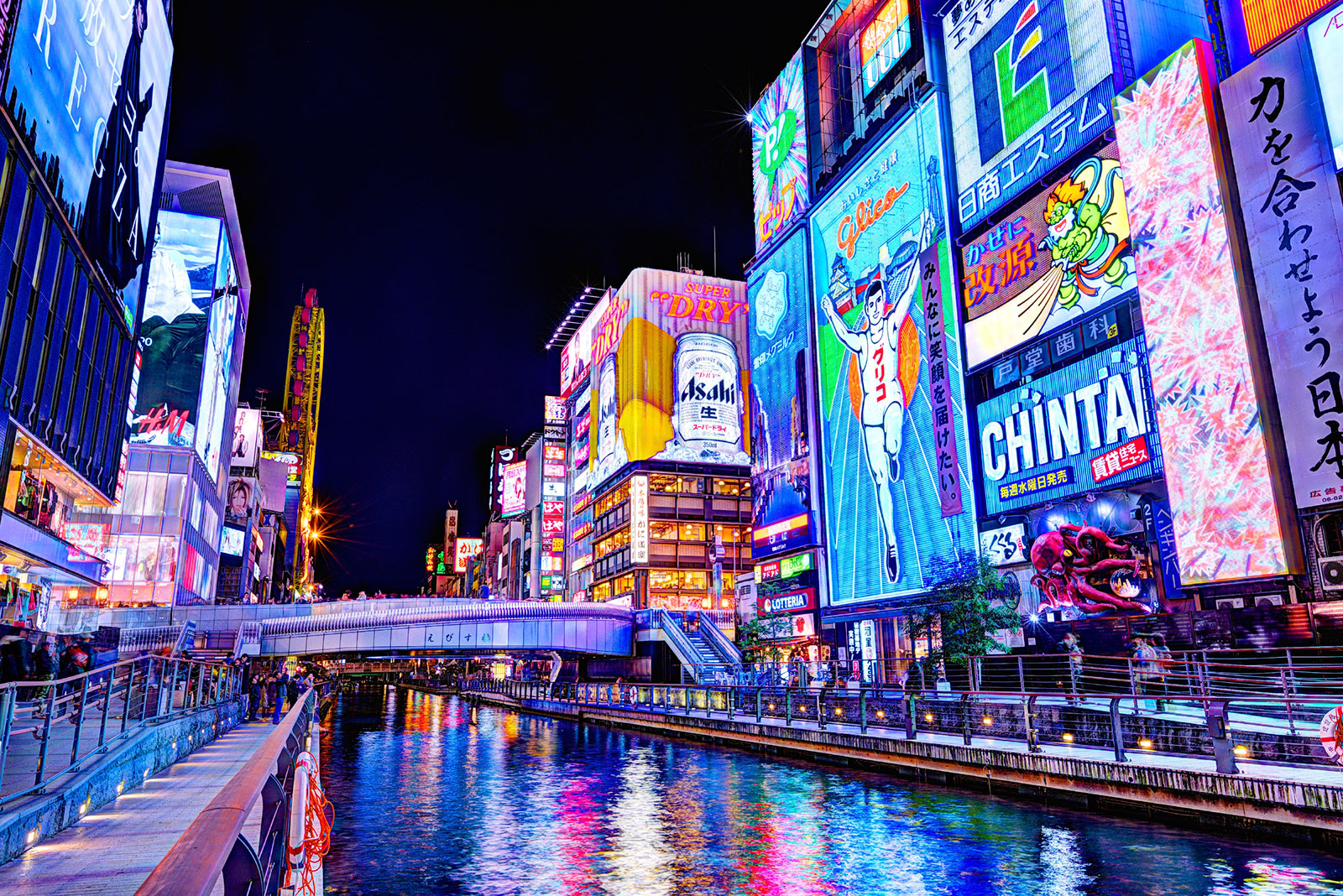
But Osaka didn’t earn the nickname kuidaore (“eat until you drop”) for nothing. This is Japan’s undisputed street food capital. Dotonbori alone is a sensory overload of takoyaki (octopus balls, ¥500–1,000), okonomiyaki (savory pancakes, ¥700–1,200), kushikatsu (deep-fried skewers, ¥100–200 each), and yakitori. The food culture here is louder, messier, and more communal than Tokyo’s refined dining. You eat standing up, sitting on plastic stools, or walking down the street — and it’s glorious.
Price comparison
Budget meals cost roughly the same in both cities: ramen runs ¥800–1,200, gyudon ¥400–700, convenience store bento ¥400–600. Where Osaka pulls ahead is in street food — you can eat spectacularly well for ¥1,500–2,000 per meal in Dotonbori or Shinsekai. Tokyo’s sit-down restaurants tend to run 15–25% more expensive for comparable quality. Tokyo wins on late-night dining options and global variety; Osaka wins on value and the sheer joy of eating outdoors.
⛩️ Culture & Atmosphere
Tokyo and Osaka are often described as Japan’s New York and Chicago — one is the polished, global-facing capital; the other is the brash, food-obsessed city with a chip on its shoulder and a lot more personality. The comparison isn’t perfect, but the energy is real.
Tokyo is sleek, precise, and relentlessly modern. The trains run to the second. People queue in perfect lines. The city sprawls across dozens of distinct neighborhoods, each with its own identity: neon-drenched Shinjuku, fashion-forward Harajuku, otaku paradise Akihabara, serene Meiji Jingu shrine hidden in a forest. The cultural offerings are world-class — TeamLab Borderless, the Ghibli Museum, the Nezu Museum, and hundreds of galleries and performance venues.
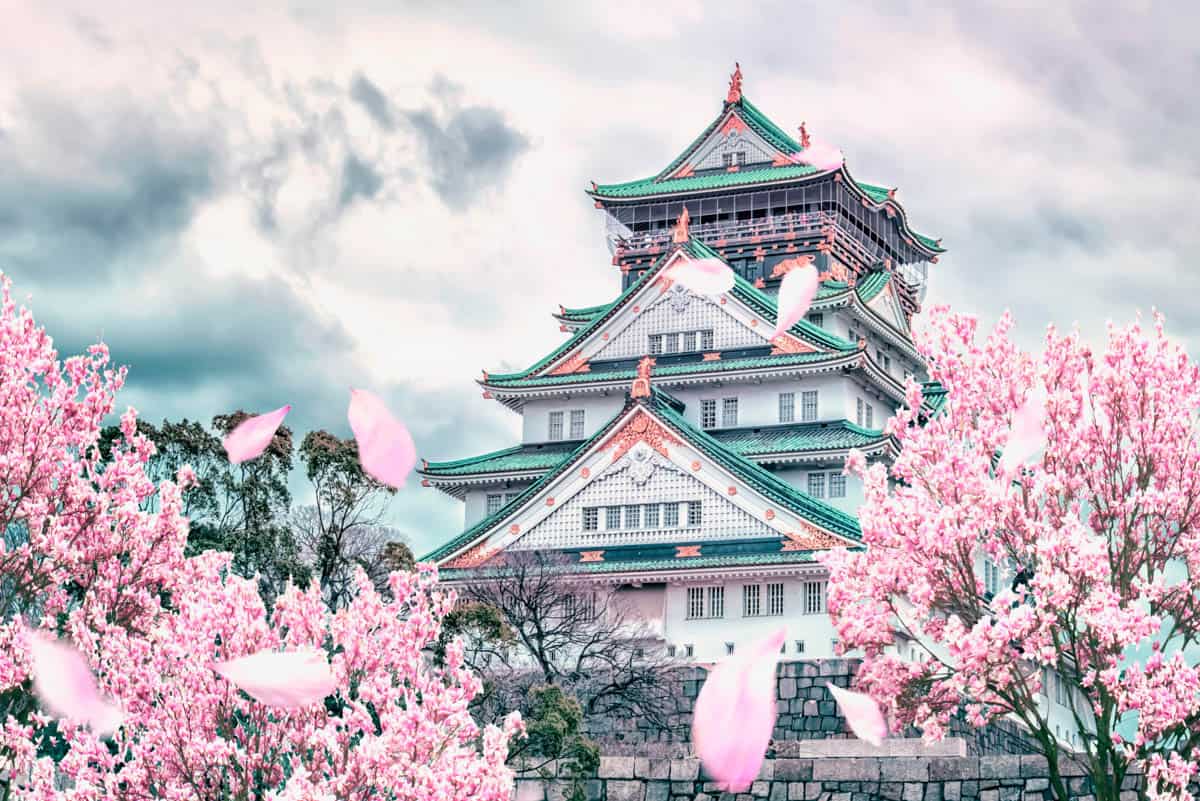
Osaka is louder, warmer, and more chaotic in the best way. Osakans are famously direct and humorous — they’ll strike up conversations with strangers, crack jokes at izakayas, and make you feel welcome in a way that reserved Tokyoites generally don’t. The Kansai dialect (Osaka-ben) is funnier and more expressive than standard Japanese. Osaka Castle is a genuine historical landmark, Shinsekai is a retro wonderland, and the entire Dotonbori strip is theater unto itself.
The people factor: This comes up in nearly every Reddit thread comparing the two cities. Osakans are genuinely friendlier and more approachable. If you’re a solo traveler or someone who values human connection, you’ll find Osaka noticeably warmer. Tokyo’s courtesy is impeccable but can feel formal. Osaka’s hospitality feels personal.
💰 Cost Comparison
Both cities are surprisingly affordable for developed-world destinations, but Osaka is noticeably cheaper — especially for accommodation and food. Here’s a detailed daily budget breakdown based on 2025/2026 real prices:
| Expense | 🏙️ Tokyo | 🏯 Osaka |
|---|---|---|
| Hostel dorm | ¥3,000–5,000/night | ¥2,500–4,000/night |
| Mid-range hotel | ¥10,000–20,000/night | ¥7,000–14,000/night |
| Budget meal | ¥500–1,200 | ¥400–1,000 |
| Street food meal | ¥800–1,500 | ¥500–1,200 |
| Sit-down dinner | ¥1,500–3,500 | ¥1,200–2,500 |
| Day pass (transit) | ¥600 (metro) / ¥900 (all lines) | ¥820 (Enjoy Eco Card) |
| Single ride | ¥170–320 | ¥190–280 |
| Major attraction | ¥500–2,500 (many free) | ¥600–2,000 (castle ¥600) |
| Daily total (mid-range) | ¥12,000–18,000 ($80–120) | ¥9,000–14,000 ($60–93) |
The Osaka advantage: accommodation is where you save the most. Mid-range hotels in Osaka cost 20–30% less than equivalent quality in Tokyo. Add cheaper street food and a more compact city (less transit spending), and Osaka can easily save you $20–40/day vs Tokyo. Over a week, that’s $150–280 — enough for a Shinkansen ticket or a night in a ryokan.
🚃 Getting Around
Tokyo’s metro system is a marvel of human engineering. Thirteen subway lines plus JR lines, private railways, and the monorail cover virtually every corner of the city. Trains run every 2–5 minutes, are spotlessly clean, punctual to the second, and well-signed in English. A Suica/Pasmo IC card is all you need. Day pass: ¥600 (Tokyo Metro) or ¥900 (including Toei lines). Google Maps handles routing perfectly.
Osaka’s transit is also excellent — just smaller. The city has nine Osaka Metro lines plus JR and private railways (Hankyu, Hanshin, Kintetsu, Nankai). The metro covers most tourist areas efficiently. But here’s Osaka’s secret weapon: the city is far more walkable than Tokyo. Dotonbori, Shinsaibashi, Namba, Amerikamura, and Shinsekai are all within walking distance of each other. You can easily spend full days exploring major areas on foot, which you simply can’t do in Tokyo’s sprawl.
Pro tip: For getting between Osaka and its day-trip destinations, the private railways are often cheaper and more convenient than JR. Hankyu to Kyoto (¥410, 40 min), Kintetsu to Nara (¥680, 35 min), and Hanshin to Kobe (¥330, 30 min) are all excellent value.
🌸 Best Time to Visit
Both cities share similar weather patterns, though Osaka’s summers can feel slightly more oppressive due to its proximity to the Inland Sea. Here’s real 2024 weather data from Open-Meteo:
Data: Open-Meteo archive, 2024 daily averages. Temperatures are daily highs/lows in Celsius. Rainfall is monthly totals.
Best seasons
Cherry blossom season (late March–mid April) is magical in both cities. Osaka Castle Park with 3,000+ cherry trees is one of Japan’s most iconic hanami spots. In Tokyo, Ueno Park, Shinjuku Gyoen, and the Meguro River are legendary. Expect massive crowds and hotel prices 2–3x higher. Book 6+ months ahead.
Fall foliage (mid November–early December) is gorgeous in both cities, though Kyoto (an easy day trip from Osaka) steals the show. Osaka’s Minoo Park waterfall trail is a lesser-known gem for autumn colors.
Summer (July–August) is brutal in both — 33°C+ with crushing humidity. Osaka’s festivals (Tenjin Matsuri in July) are worth the sweat if you can handle it.
🏨 Where to Stay
Tokyo neighborhoods
Shinjuku — The most popular base for tourists. Massive station hub, Golden Gai’s 200+ tiny bars, Kabukicho entertainment district, department stores, Shinjuku Gyoen park. Budget to luxury options. Unbeatable metro access.
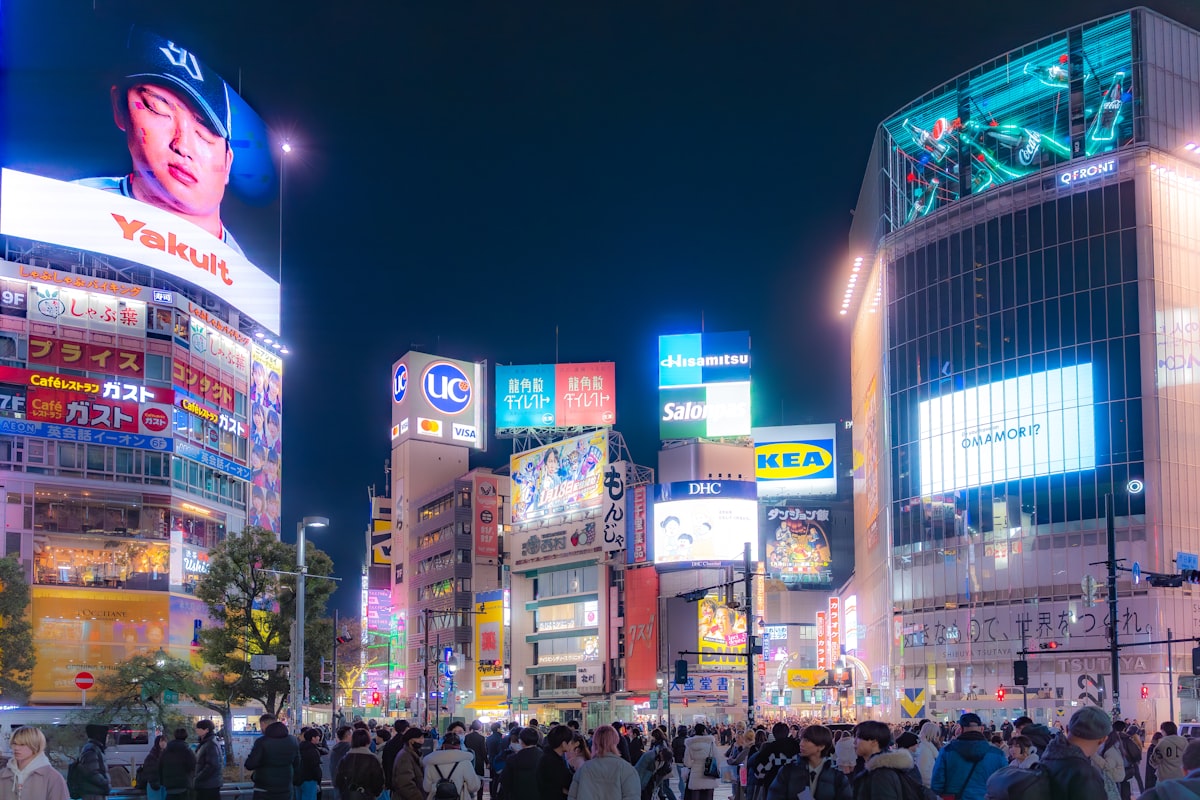
Shibuya — Younger, trendier vibe. The famous Crossing, Harajuku nearby, great dining and nightlife. Excellent transit connections. Good for fashion and youth culture.
Asakusa — Traditional Tokyo feel. Sensoji temple, Nakamise shopping street, Sumida River views, Tokyo Skytree nearby. More affordable, slightly less central but well-connected via Ginza/Asakusa lines.
Akihabara — Anime, manga, and electronics paradise. Central location between Ueno and the Imperial Palace. Good value for mid-range hotels.
Osaka neighborhoods
Namba / Dotonbori — Ground zero for Osaka nightlife and street food. Walking distance to Shinsaibashi shopping, Amerikamura vintage stores, and Kuromon Market. The most touristy area but endlessly entertaining. Excellent metro and railway connections.
Shinsaibashi — Prime shopping district with the covered shotengai (shopping arcade). Walking distance to both Namba and Amerikamura. Good balance of accessibility and options.
Umeda / Osaka Station — The business/upscale district. Modern skyscrapers, department stores, the stunning Sky Building observation deck. Best transit hub. More polished, less “local” feeling, but excellent hotel value.
Shinsekai — Retro, nostalgic Osaka. Tsutenkaku Tower, kushikatsu restaurants everywhere, a grittier vibe that feels authentically old-school. Budget-friendly. Walkable to Namba.
🎒 Day Trips
This is where Osaka arguably has Tokyo beat. The Kansai region packs an insane density of bucket-list destinations within easy reach of Osaka.
From Tokyo
Hakone (1.5h) — Hot springs, Mt. Fuji views, open-air museum. A classic overnight or day trip.
Kamakura (1h) — Great Buddha, coastal temples, a mini-Kyoto vibe without the crowds.
Nikko (2h) — Ornate Toshogu Shrine, stunning mountain scenery, waterfalls.
Yokohama (30min) — Chinatown, Cup Noodles Museum, waterfront. Easy half-day.
From Osaka
Kyoto (30min by Hankyu, ¥410) — 2,000+ temples, Fushimi Inari, Arashiyama bamboo grove. The #1 cultural destination in Japan, right next door.
Nara (35min by Kintetsu, ¥680) — Friendly deer, Todai-ji (world’s largest wooden building), ancient capital vibes.
Kobe (20min by Hanshin, ¥330) — Kobe beef, harbor views, sake breweries in Nada, Chinatown.
Himeji (1h by Shinkansen) — Japan’s most beautiful original castle, UNESCO World Heritage Site.
Hiroshima + Miyajima (1.5h by Shinkansen) — Peace Memorial, floating torii gate on Miyajima Island.
🔀 Why Not Both?
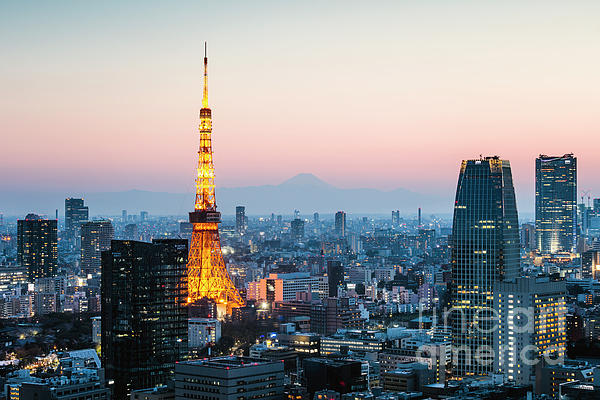
Here’s what most experienced Japan travelers will tell you: the Tokyo vs Osaka debate is a false choice. The Nozomi Shinkansen connects them in 2 hours 22 minutes, and the bullet train ride itself is a quintessential Japan experience — watching the landscape blur by at 285 km/h with a potential view of Mt. Fuji on a clear day.
Suggested split itineraries
7 days: 4 days Tokyo → Shinkansen → 3 days Osaka (with Kyoto + Nara day trips)
10 days: 4 days Tokyo (with Kamakura day trip) → Shinkansen → 3 days Osaka + 2 days Kyoto + 1 day Nara/Kobe
14 days: 5 days Tokyo (with Hakone/Nikko) → 3 days Kyoto → 3 days Osaka → 1 day Nara → 1 day Kobe → 1 day Hiroshima/Miyajima
Pro tip: Fly into one city and out of the other (e.g., arrive Narita/Haneda, depart Kansai International) to avoid backtracking. This saves 2+ hours and ¥13,870 on the return Shinkansen. Many budget airlines (Peach, Jetstar) fly out of Kansai.
🎯 The Decision Framework
Choose Tokyo If…
- You want non-stop energy and variety
- Anime, gaming, or pop culture excite you
- You want the world’s best public transit
- Fine dining and Michelin restaurants matter
- You love shopping (fashion, electronics, vintage)
- Late-night eating and drinking is important
- You want to see Mt. Fuji (Hakone day trip)
- It’s your first time in any Asian megacity
- You prefer polished, modern experiences
Choose Osaka If…
- Street food is your top priority
- You want friendlier, more outgoing locals
- You’re on a tighter budget
- You prefer a walkable, human-scale city
- Kyoto and Nara day trips excite you
- You want rowdier, more social nightlife
- Universal Studios Japan is on your list
- You value warmth over polish
- You’re a repeat visitor to Japan
❓ Frequently Asked Questions
Is Tokyo or Osaka better for first-time visitors to Japan?
Both are excellent for first-timers, but they offer different experiences. Tokyo is the quintessential mega-city — skyscrapers, world-class museums, the best metro on Earth, and every cuisine imaginable. Osaka is smaller, friendlier, more food-focused, and easier to navigate on foot. Reddit consensus: if you want variety and scale, Tokyo. If you want street food culture, warmth, and a more relaxed vibe, Osaka. Most travelers recommend visiting both since they’re only 2.5 hours apart by Shinkansen.
How far apart are Tokyo and Osaka?
About 500 km. The Shinkansen bullet train takes 2 hours 22 minutes (Nozomi) or about 3 hours (Hikari). A reserved Nozomi seat costs ¥13,870 (~$93) one way. The Japan Rail Pass covers the Hikari but not the Nozomi. Budget alternatives include overnight buses (¥3,000–6,000, 8–9 hours) and Peach/Jetstar flights (from ¥4,000, about 1.5 hours including airport time).
Is it worth visiting both Tokyo and Osaka?
Absolutely. With 7+ days in Japan, most travelers split time between both cities. A common split is 4 days Tokyo + 3 days Osaka (with day trips to Kyoto and Nara). The cities complement each other — Tokyo for its scale and modernity, Osaka for its street food and warmth. Fly into one and out of the other to avoid backtracking.
Which is cheaper, Tokyo or Osaka?
Osaka is noticeably cheaper — roughly 20–30% less for accommodation and 15–20% less for dining. Mid-range hotels in Osaka run ¥7,000–14,000/night vs ¥10,000–20,000 in Tokyo. Street food in Osaka is legendary and cheap (takoyaki ¥500, okonomiyaki ¥800). Budget meals cost about the same in both cities. Osaka’s compact layout also means you spend less on transit.
Is Osaka friendlier than Tokyo?
Yes — this is one of the most consistent observations from travelers. Osakans are famously outgoing, humorous, and approachable compared to the more reserved Tokyoites. The Kansai culture values directness and warmth. Don’t be surprised if a stranger strikes up a conversation at a takoyaki stand or if a bar owner insists on treating you to a drink. Tokyo is polite and efficient; Osaka is warm and boisterous.
How many days do you need in Tokyo vs Osaka?
Minimum 3 full days in Tokyo (ideally 4–5) and 2–3 days in Osaka. Tokyo has virtually unlimited things to do. Osaka’s core highlights (Dotonbori, Osaka Castle, Shinsekai, Kuromon Market) can be covered in 2–3 days. But add Kyoto, Nara, and Kobe day trips and you’ll want 4–5 days using Osaka as a Kansai base.
Should I visit Tokyo or Osaka first?
Whichever airport you fly out of should be your last city. Most international flights use Narita/Haneda (Tokyo) or Kansai International (Osaka). Fly into one, out of the other to avoid backtracking. If both airports work, many travelers prefer ending in Osaka because Kansai Airport tends to have shorter security lines and the city has a more relaxed wind-down vibe before heading home.
Ready to plan your Japan trip?
Get a free custom itinerary for Tokyo, Osaka, or both — built from real traveler insights, not generic templates.