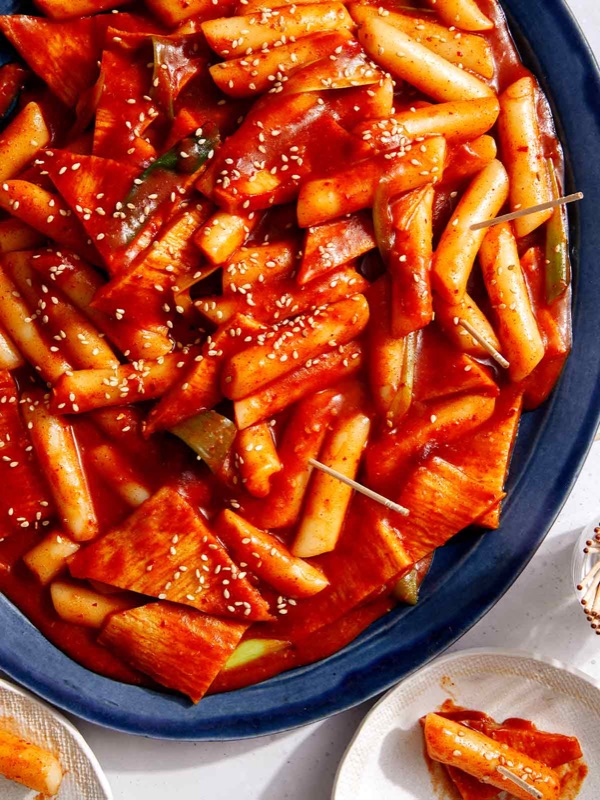
Chuncheon is the undisputed birthplace of dakgalbi — spicy, gochujang-marinated chicken stir-fried with cabbage, sweet potato, rice cakes, and perilla leaves on a searing hot plate. The city takes its signature dish so seriously that there's an entire street — Dakgalbi Street (닭갈비골목) — lined with dozens of competing restaurants, each claiming to be the best.
We dug through Reddit posts from r/korea, r/koreatravel, r/KoreanFood, and expat communities to find the spots that long-term residents, repeat visitors, and Korean food obsessives actually recommend. From charcoal-grilled originals to cheesy rice crowd-pleasers — these are the dakgalbi joints worth the trip from Seoul.
📊 How we built this list
We analyzed 50+ Reddit posts and 200+ comments across r/korea, r/koreatravel, r/KoreanFood, and r/living_in_korea_now — spanning 2018 to 2025. Restaurants were ranked by how frequently they were recommended by independent users, with extra weight given to long-term Chuncheon residents and repeat visitors. Every spot on this list was mentioned by multiple people across different threads.
💰 ₩10,000–₩15,000/person
📍 Dakgalbi Street, Chuncheon Myeongdong
📌 Google Maps →
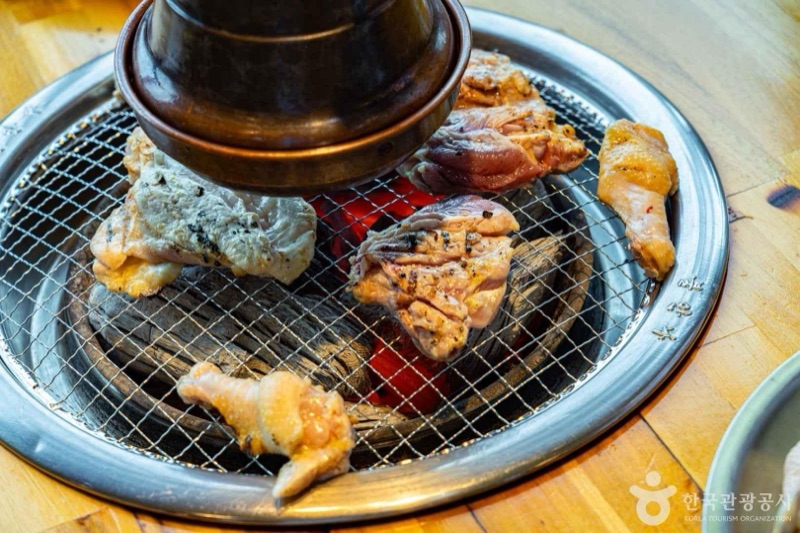
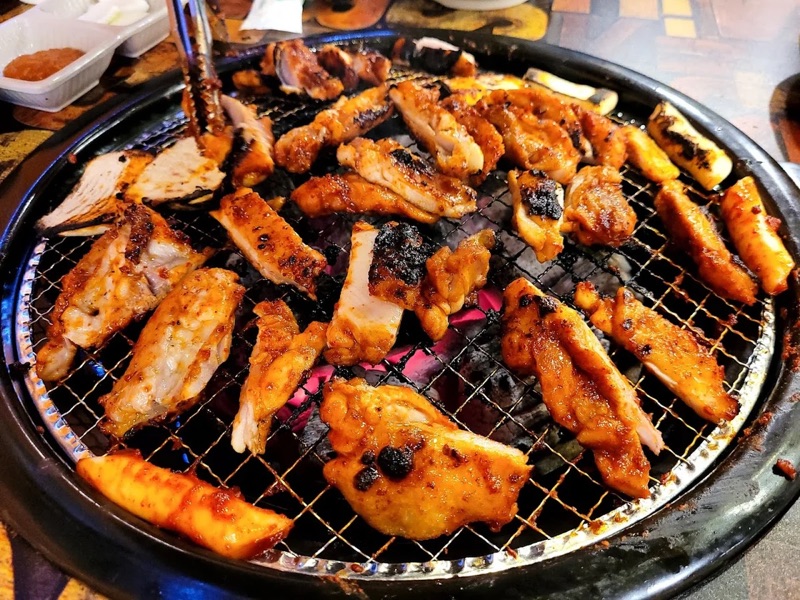
What to order: The sutbul (charcoal) dakgalbi — chicken grilled directly over hot coals for a smoky, juicy char you can't get from pan-style. Add makguksu (cold buckwheat noodles) and a bottle of corn makgeolli. Skip the sweet potatoes and tteok — focus on the chicken.
"I had it for the first time when I came on vacation here 9 years ago and ate it when I was in Myeongdong last week. It's a classic! Their kimchi is my favorite."
— r/korea · Reply in same thread
tabiji verdict: The crown jewel. When a long-term Korea expat names this as their single favorite restaurant on the entire peninsula — out of every restaurant in Korea — that says everything. The charcoal method gives the chicken a smoky depth that pan-style simply can't match. Pair it with makguksu and corn makgeolli for the full Chuncheon experience. This is why you make the trip.
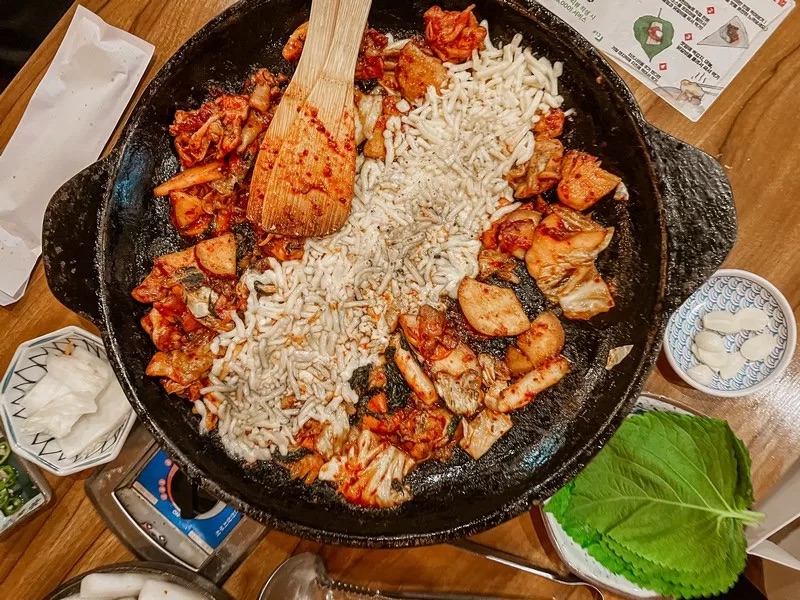
What to order: The dakgalbi with cheesy bokkeumbap (fried rice) at the end — this is 119's signature move. The cheese melts into the leftover spicy sauce and rice to create something dangerously addictive. Save room for it.
"I lived in Chuncheon for years. Loved it there! I'd recommend Dakgalbi street for sure. 119 Dakgalbi with cheesy rice was my favorite local food."
— r/living_in_korea_now · Chuncheon recommendations, Nov 2024
tabiji verdict: When someone who lived in Chuncheon for years calls this their favorite local food, you listen. The cheesy fried rice at the end is legendary — that moment when melted cheese meets spicy dakgalbi sauce and crispy rice is pure bliss. A Dakgalbi Street institution that earns its reputation honestly.
💰 ₩10,000–₩13,000/person
📍 Nam-Chuncheon Station area, Toegye-dong
📌 Google Maps →
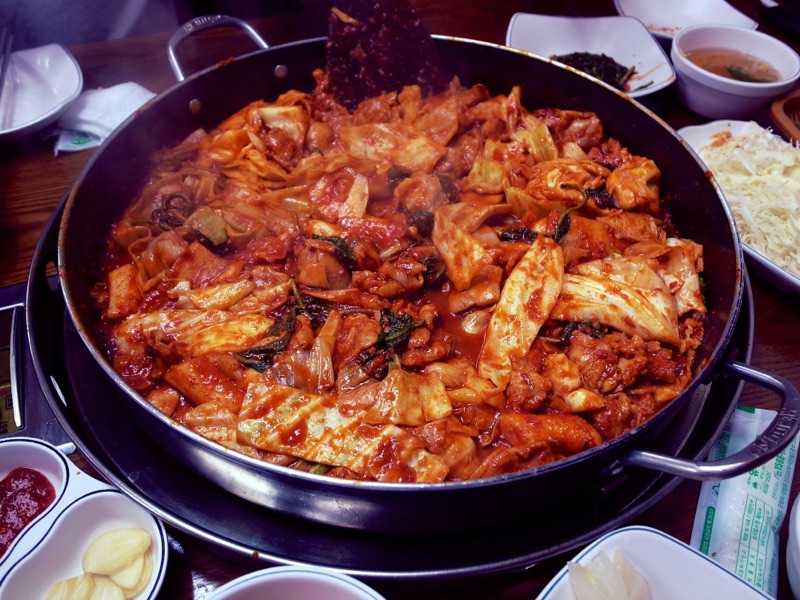
What to order: The standard dakgalbi — the marinade is just right and the portions are generous. Don't skip the makguksu (cold spicy noodles with ground sesame seeds). Finish with bokkeumbap using a rice-and-noodle combo in the leftover sauce.
"My favorite restaurant is not on the tourist circuit. Tucked behind an alleyway next to Nam-Chuncheon subway station, Nam-Chuncheon Dakgalbi's customers are taxi drivers, college students and other restaurant owners. The marinade is just right, the chicken is tender, the portions are generous."
— Fulbright Korea · City Guide Restaurant Review
tabiji verdict: The anti-tourist pick. When your regulars are taxi drivers and other restaurant owners eating here on their days off, the food speaks for itself. Off the beaten path near Nam-Chuncheon station, this is dakgalbi without the Dakgalbi Street markup or crowds. The makguksu here — with ground sesame seeds and nuts — is particularly special.
💰 ₩11,000–₩15,000/person
📍 Dakgalbi Street, Chuncheon Myeongdong
📌 Google Maps →
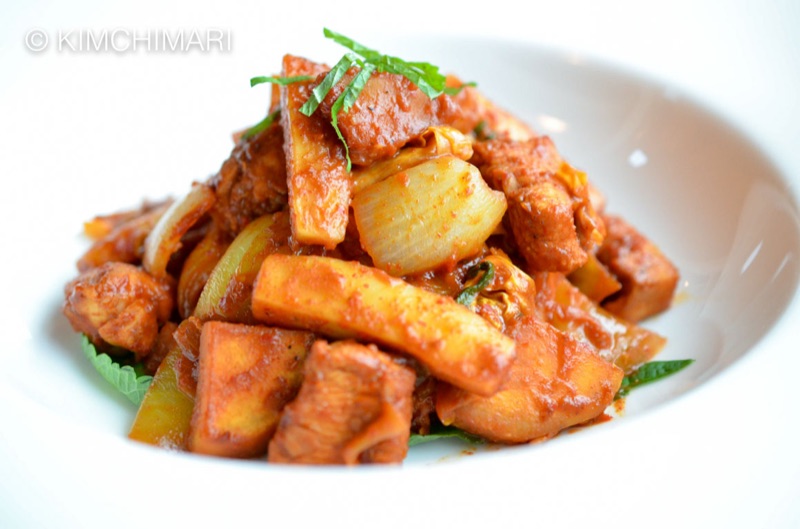
What to order: The standard dakgalbi with fried rice at the end. The seasoning has a perfect spicy kick and the fried rice finale is excellent. Also has a beloved Hongdae branch in Seoul for those who can't make the Chuncheon trip.
"Second this, the fried rice at the end was so good. Had a few other dakgalbis (including one with a Nami island tour) which were much worse."
— r/koreatravel · Reply in same thread
tabiji verdict: A Dakgalbi Street legend with a Hongdae branch that's become a Seoul destination in its own right. The seasoning is on point and the fried rice ending is consistently praised. If you can't make the Chuncheon trip, the Seoul branch delivers the same quality — but the original is always worth the journey.
What to order: The standard pan-style dakgalbi — generous portions of chicken with cabbage, sweet potato, tteok, and perilla leaves. Add cheese for a melty upgrade. Don't forget to order bokkeumbap (fried rice) for the end.
"Chuncheon has their own dakgalbi street (the city where Dakgalbi originated). There are several restaurants — pick the one that's busiest with locals."
— r/koreatravel · Dakgalbi discussion, Nov 2024
"Chuncheon somehow gets the spices just right, especially that place right off of Myeongdong st. where you run into the dakgalbi street."
— r/korea · Must eat before leaving Korea thread
tabiji verdict: One of the top-rated restaurants on Dakgalbi Street and a reliable choice if you just want to walk in without overthinking it. The classic pan-style dakgalbi here is exactly what Chuncheon is famous for — the competition on this street keeps everyone at the top of their game. A safe, crowd-pleasing pick.
Frequently Asked Questions
What is Chuncheon dakgalbi?
Dakgalbi (닭갈비) is a spicy stir-fried chicken dish that originated in Chuncheon in the 1960s. Marinated chicken pieces are cooked with cabbage, sweet potato, rice cakes (tteok), and a gochujang-based sauce on a large flat pan or over charcoal. Chuncheon is considered the birthplace and mecca of dakgalbi — the fierce competition between dozens of restaurants here keeps the quality exceptionally high.
What's the difference between pan-style and charcoal dakgalbi?
Pan-style (철판, cheolpan) dakgalbi is stir-fried on a large flat iron plate at your table — this is the most common and popular style. Charcoal-style (숯불, sutbul) dakgalbi grills the marinated chicken directly over hot coals, giving it a smoky char similar to BBQ. Both are authentic Chuncheon styles. Charcoal is rarer and considered more traditional, while pan-style is the quintessential communal dining experience.
Should I order the fried rice at the end?
Absolutely. Bokkeumbap (볶음밥) cooked in the leftover dakgalbi sauce is considered the best part by many regulars — some say they eat dakgalbi mainly for the fried rice at the end. Many restaurants offer a cheese upgrade that makes it even better. Always save room for it and don't fill up entirely on the chicken.
How do I get to Chuncheon from Seoul?
The easiest way is the ITX-Cheongchun train from Yongsan or Cheongnyangni station in Seoul — it takes about 1 hour 10 minutes and costs around ₩6,900. You can also take Seoul Metro's Gyeongchun Line from Sangbong station (about 1.5–2 hours, cheaper). Many visitors combine a Chuncheon dakgalbi trip with a visit to Nami Island (Gapyeong), which is on the same train line.
Is Dakgalbi Street worth visiting?
Yes — Chuncheon Dakgalbi Street (닭갈비골목) in the Myeongdong area of downtown Chuncheon is an entire alley lined with dozens of competing dakgalbi restaurants. The fierce competition keeps quality consistently high. Most restaurants are comparable, so pick the one that's busiest with Korean customers. Go during lunch or early dinner for the best experience and shorter waits.
What should I pair with dakgalbi?
The classic Chuncheon pairing is makguksu (막국수) — cold buckwheat noodles in a spicy, tangy broth. It's the perfect refreshing contrast to the hot, spicy dakgalbi. Wash it all down with corn makgeolli (옥수수 막걸리), a sweet, milky rice wine that's a Chuncheon specialty. Together, these three make up the holy trinity of Chuncheon cuisine.