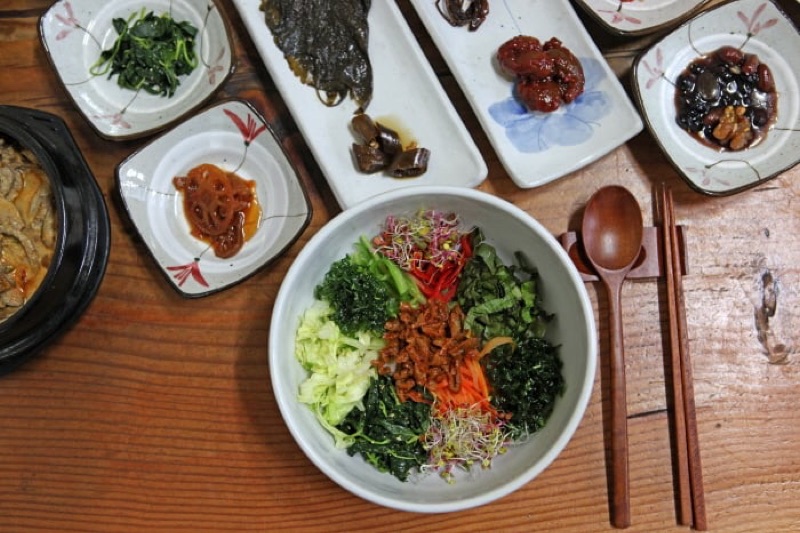
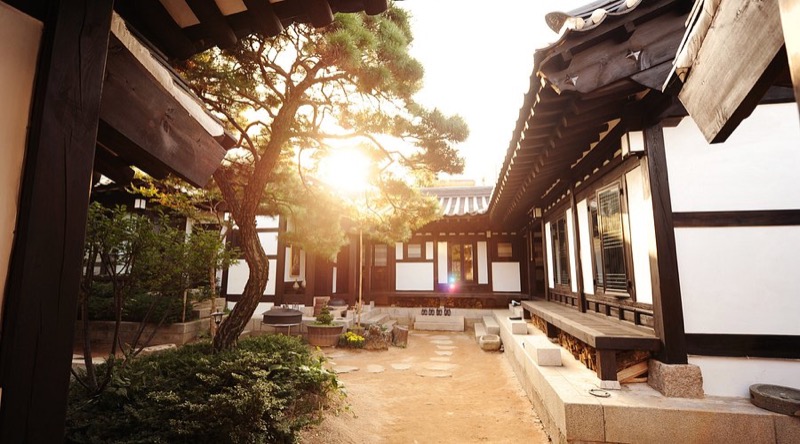
Korea's Templestay program is one of the most unique cultural experiences in East Asia — spend a night (or a week) living alongside Buddhist monks in centuries-old mountain temples. Wake at 3:30 AM for morning prayers, eat simple vegetarian meals in silence, meditate in mist-covered courtyards, and hike through some of Korea's most beautiful national parks.
We analyzed dozens of Reddit threads from r/korea, r/koreatravel, r/solotravel, and r/Living_in_Korea to find the temple stays that actual visitors and Korea residents recommend. These aren't the mass-tourism day trips — they're the ones people call life-changing.
📊 How we built this list
We analyzed 50+ Reddit posts and 300+ comments across r/korea, r/koreatravel, r/solotravel, and r/Living_in_Korea — spanning 2019 to 2026. Temples were ranked by how frequently they were recommended by independent users with firsthand experience. We prioritized long-term Korea residents' picks over first-time tourist impressions.
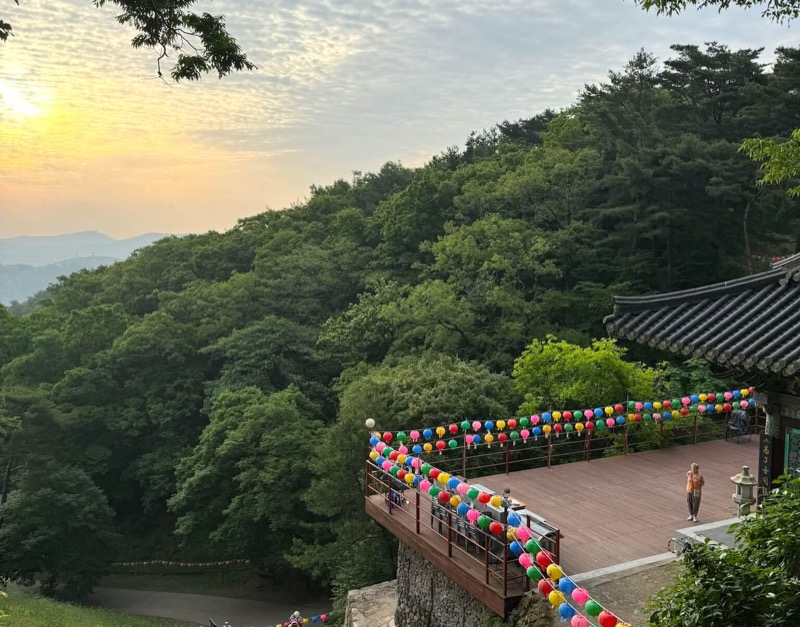
What to expect: Sunmudo (선무도) — a Korean Buddhist martial art combining meditation with physical training. Morning sunmudo sessions, cave temple exploration, meditation, and traditional barugongyang meals. One of the most active and engaging temple stays in Korea.
"Absolutely love Golgulsa — I've gone several times and love the sunmudo training! The programming there is such high quality that I can overlook the tourism."
— r/Living_in_Korea · posted 2023
"I did a 2 day 1 night temple stay at Golgulsa temple. It was a beautiful experience. I would recommend it to everyone!"
— r/koreatravel · posted 2023
tabiji verdict: The most-recommended temple stay on Reddit by a wide margin. Golgulsa stands out for its sunmudo martial arts — you're not just sitting and meditating, you're physically training alongside monks. It's become more popular with foreigners recently (featured on Korean TV), so expect some fellow travelers. About 3 hours from Seoul by KTX to Gyeongju. Worth the trip.
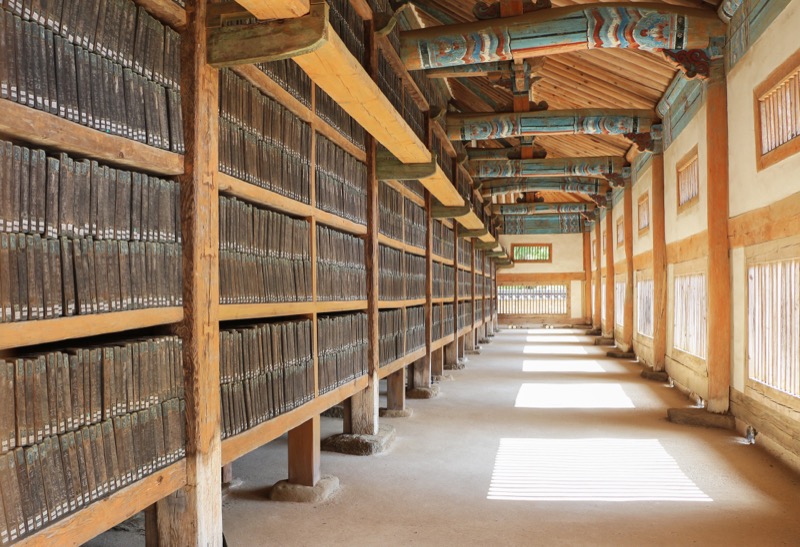
What to expect: Home to the Tripitaka Koreana — 80,000+ wooden printing blocks from the 13th century, a UNESCO World Heritage treasure. One of Korea's "Three Jewel Temples." Programs include meditation, 108 bows, tea ceremony with monks, and tours of the ancient woodblock halls.
"I did the templestay in Haeinsa temple. Haeinsa is probably the most important temple in Korea as it holds the Tripitaka Koreana and is one of the three jewel temples. It was 100% in English and a monk who joined us also spoke English. Haeinsa is considered the marines of monk work — really dedicated folks there."
— r/korea · posted 2019
"The food at temples is pretty on point if you enjoy Korean food. The namul was really good."
— r/korea · reply
tabiji verdict: If you want historical significance alongside your spiritual experience, Haeinsa is unmatched. The Tripitaka Koreana alone justifies the visit — these woodblocks have survived 800 years of wars, fires, and invasions. The monks here are known for being especially devout. English programs run regularly with groups of ~50 foreigners, so it's less intimate but very well-organized. About 3.5 hours from Seoul by bus.
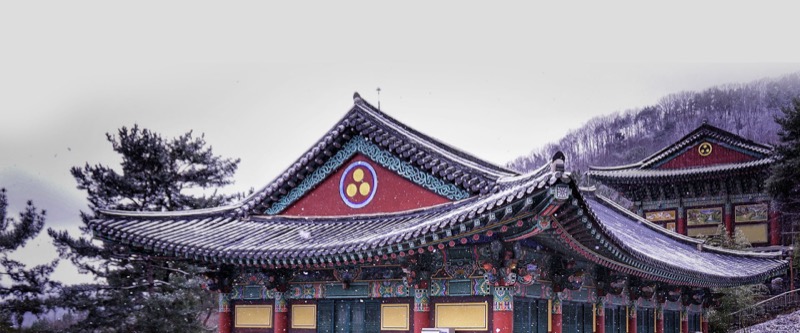
What to expect: A true Zen practice center in the Kwan Um School of Zen, hosting practitioners from around the world. Full English instruction. Morning/evening practice schedules, bowing practice in the Zen room, and access to a gorgeous Dharma hall up the hill. Extended stays welcome — this isn't a weekend tourist activity, it's real practice.
"The International Zen Center (known as Mu Sang Sa) is a wonderful practice place in the mountains that hosts practitioners from around the world and offers teachings in English. If there's no retreat in progress you should be able to join for a few days, participate in the morning and evening schedules, and do your own bowing practice."
— r/solotravel · posted 2023
tabiji verdict: The best option if you're serious about meditation practice rather than cultural tourism. Musangsa is a functioning international Zen center — English is the norm, not the exception. Located in Gyeryongsan National Park (about 2 hours from Seoul by KTX + bus), it's surrounded by stunning mountain scenery. Extended stays of a week or more are welcome and encouraged. The closest thing Korea has to a proper meditation retreat.
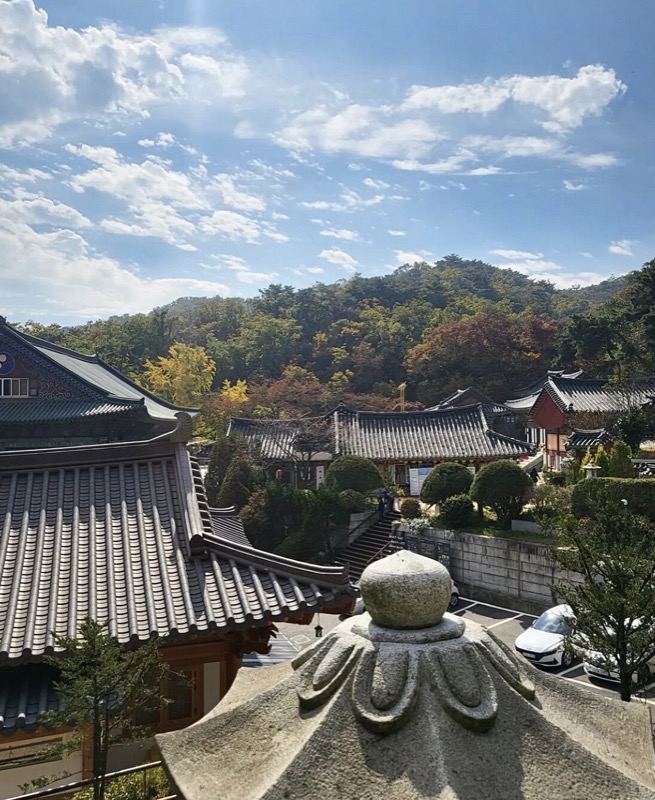
What to expect: A Seoul International Zen Center with great practice and teaching, nestled at the foot of Bukhansan National Park. Accessible by subway (Suyu Station). Programs include meditation, tea ceremony, lotus lantern making, and hiking into the national park. The most convenient temple stay if you're short on time.
"Hwa Gye Sa in Seoul also has great practice and teaching, but also more traffic from members and visitors."
— r/solotravel · posted 2023
"Most temple stays are organized around the premise of a weekend retreat for folks. Each temple does different ones so you can look for what you want."
— r/solotravel · reply
tabiji verdict: The pragmatic choice. Hwagyesa is the only temple on this list you can reach by subway — it's right in Seoul at the base of Bukhansan mountain. You don't get the "remote mountain monastery" atmosphere, but you do get a legitimate Zen center with international programs. Perfect if you only have one night to spare or want to combine a temple stay with Seoul sightseeing. The nearby Bukhansan hiking trails are a bonus.
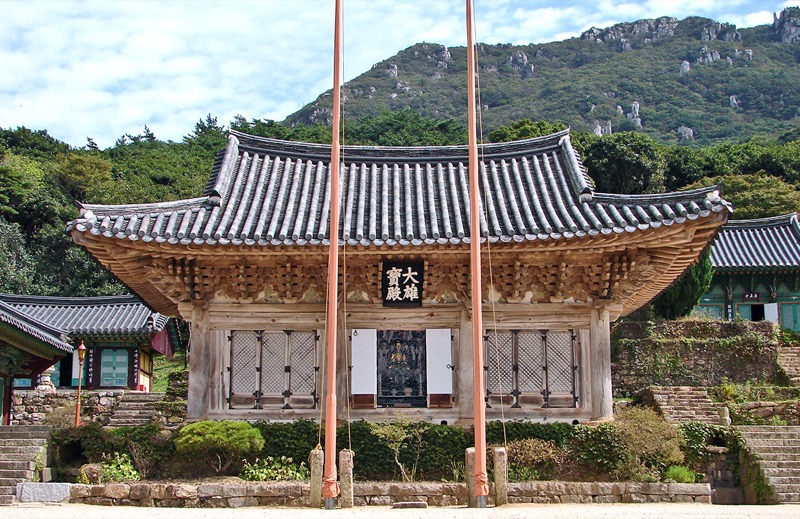
What to expect: The most authentic, least touristy temple stay on this list. Located in a remote rural area near Korea's southernmost tip. Minimal structured programming — a monk shows you around and leads a meditation session on day one, then you're left to follow the monks' daily schedule on your own. Just show up to meals on time.
"The temple that felt the most authentic, off-the-beaten-path was Mihwangsa. It's in a very rural area and no one there really spoke English. The first day one of the monks showed us around, did a guided meditation, and had tea with us, but after that we were pretty much left to our own devices. No programming, just showing up to meals on time."
— r/Living_in_Korea · posted 2023
tabiji verdict: The dark horse pick for travelers who want total immersion. Mihwangsa won't hold your hand — there's no English, no structured foreigner program, no gift shop. Just monks, mountains, and silence. It's the farthest from Seoul (5+ hours by bus/car), but that distance is precisely what makes it special. If you speak some Korean or are comfortable with silence and following cues, this is the temple stay Reddit veterans quietly recommend above all others.
Frequently Asked Questions
How much does a Korean temple stay cost?
Most temple stays cost ₩50,000–₩80,000 ($35–55 USD) per night, including accommodation, vegetarian meals, and all activities. Some temples like Musangsa operate on a donation basis. Book through the official Templestay.com website for the best rates.
Do I need to speak Korean?
Not at popular temples. Golgulsa, Haeinsa, and Musangsa all run English-language programs. Since you maintain "noble silence" for much of the stay, language barriers are less of an issue than you'd think — just follow what everyone else does. Smaller rural temples like Mihwangsa are Korean-only.
What's a typical temple stay schedule?
3:30–4:00 AM: morning prayers and chanting. 6:00 AM: breakfast (barugongyang — silent communal eating). Morning: meditation, 108 bows, or activities like sunmudo. Noon: lunch. Afternoon: free time for hiking, personal meditation. 6:00 PM: dinner. 7:00 PM: evening meditation. 9:00 PM: lights out. Yes, it's early. That's the point.
Is this appropriate for non-Buddhists?
Absolutely. Most participants aren't Buddhist — they come for the meditation, digital detox, and cultural experience. Temples expect respectful participation in rituals (bowing, chanting) as cultural activities, not religious conversion. It's one of Korea's most unique experiences regardless of your beliefs.
When is the best time to visit?
Spring (April–May) and autumn (September–November) are ideal for comfortable weather and stunning mountain scenery. Summer is hot and humid. Winter is cold but deeply peaceful with fewer visitors. Avoid Korean holiday weekends (Chuseok, Lunar New Year).
How do I book?
Use the official Templestay.com website (English version available). There's also a Templestay information center in central Seoul across from Jogyesa Temple where staff can help you book in person. For Musangsa, book directly through musangsa.org.