Quick answer
Tokyo's depachika (department store basement food halls) are a must-visit for any food lover. Isetan Shinjuku is the top all-around pick for its curated selection and eat-in options, while Ikebukuro Tobu is the biggest with 200+ stalls. For shinkansen travelers, Daimaru Tokyo at Tokyo Station offers 1,000+ bento varieties.
- Best overall
- Isetan Shinjuku — 4.1★ (24,489 reviews)
- Biggest
- Ikebukuro Tobu — 200+ stalls across 2 floors
- Best for bento
- Daimaru Tokyo — 1,000+ varieties at Tokyo Station
- Last verified
- 2026-03
Top verdicts
- Isetan Shinjuku: The most recommended depachika on Reddit — posh, well-organized, with a live Kitchen Stage.
- Ikebukuro Tobu: Tokyo's largest depachika with 200+ food stalls — overwhelming in the best possible way.
- Daimaru Tokyo: The shinkansen stop — 1,000+ bento types with onsite kitchens for maximum freshness.
Tokyo's depachika, or department store food halls, offer a culinary adventure ranging from ¥400 to ¥5,000, with Isetan Shinjuku standing out as a premium choice. This Reddit-backed guide explores the best basement food halls in Tokyo, offering a diverse range of gourmet experiences.
Depachika (デパ地下) — literally "department store basement" — are one of Japan's greatest contributions to food culture. These sprawling underground food halls beneath Tokyo's department stores are temples of gastronomy: immaculately packaged wagashi, picture-perfect bento, free samples galore, sake tastings, and some of the freshest seafood and produce you'll find anywhere.
We analyzed hundreds of posts across r/JapanTravelTips, r/TokyoTravel, r/JapanTravel, r/Tokyo, and food blogs to find the depachika that locals and seasoned travelers actually recommend. From heritage flagships in Nihombashi to modern food halls in Shibuya, these are Tokyo's 12 best basement food wonderlands.
Depachika Map
How we built this list
We analyzed 200+ Reddit posts and 1,000+ comments across r/JapanTravelTips, r/TokyoTravel, r/JapanTravel, r/Tokyo, and food blogs like Food Sake Tokyo and Time Out Tokyo — spanning 2018 to 2026. Depachika were ranked by recommendation frequency, local endorsements, and unique offerings. Every entry was mentioned in at least 3 separate sources by different people.
1Isetan Shinjuku
Premium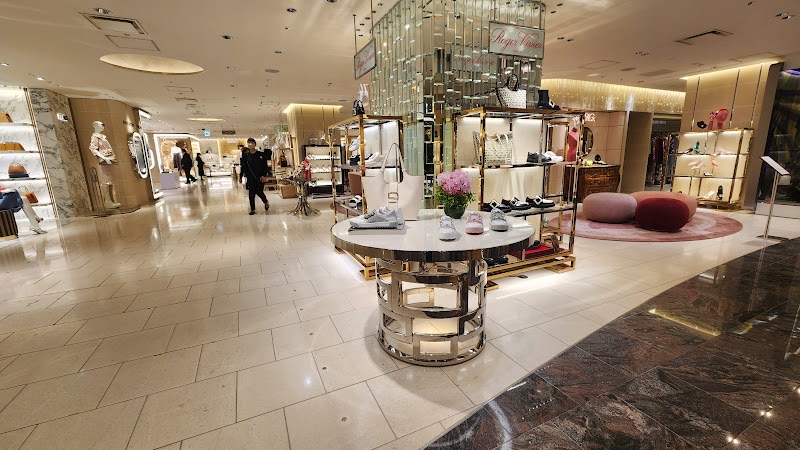
Quick comparison
- vs Nihombashi Mitsukoshi
- More modern, better organized, stronger international food section — Mitsukoshi is more traditional and classic.
- 💡 Insider tip
- Head to the Kitchen Stage on B1 for rotating guest chefs from top Tokyo restaurants. The caviar and champagne bar (Café Prunier Paris) is an unexpected luxury pit-stop.
- 🍱 What to get
- Kitchen Stage chef specials, seasonal wagashi from the sweets floor, fresh fruit section
🕐 Closed now · Typical hours
2Nihombashi Mitsukoshi Main Store
Heritage
Quick comparison
- vs Ginza Mitsukoshi
- Nihombashi is the original flagship with more heritage charm; Ginza is flashier with a better cheese counter.
- 💡 Insider tip
- Look for the refrigerated coin lockers near the entrance — store your perishables while you explore the upper floors. The atrium upstairs is architecturally stunning.
- 🍱 What to get
- Artisan bakery items, seasonal Japanese confectionery, premium bento boxes
🕐 Closed now · Typical hours
3Daimaru Tokyo
Bento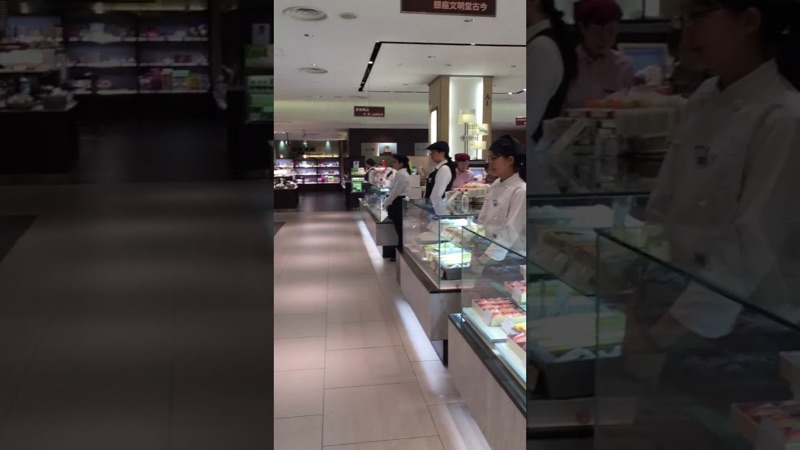
Quick comparison
- vs GranSta (Tokyo Station)
- Daimaru is proper depachika (wider selection, onsite kitchens); GranSta is the station mall (more grab-and-go).
- 💡 Insider tip
- Daimaru is the first depachika with a ground floor level. Head there for NYC Sand cookies and Noix nut treats — both are Daimaru exclusives you can't find elsewhere.
- 🍱 What to get
- Ekiben (station bento), NYC Sand cookies, Noix walnut treats, fresh-made onigiri
🕐 Closed now · Typical hours
4Ginza Mitsukoshi
Luxury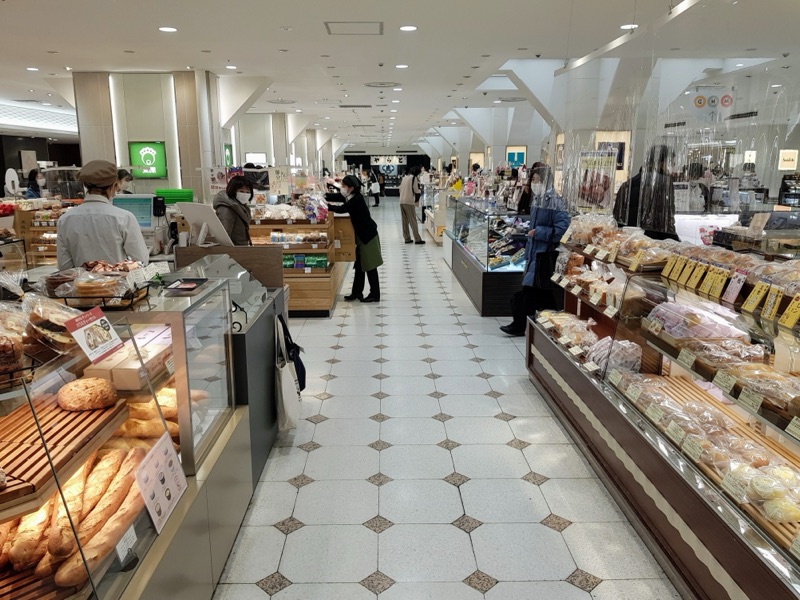
Quick comparison
- vs Ginza Six
- Mitsukoshi is classic department store depachika (massive, traditional); Ginza Six is modern and boutique-focused.
- 💡 Insider tip
- B3 has one of Tokyo's most impressive cheese counters and flawless seasonal fruit at eye-watering prices. The refrigerated coin lockers let you shop the whole store without worrying about spoilage.
- 🍱 What to get
- Jean-Paul Hévin chocolates (in a temperature-controlled glass cube), seasonal Japanese fruit, artisan cheese
🕐 Closed now · Typical hours
5Shibuya Tokyu Foodshow
Station-Connected
Quick comparison
- vs Shibuya Hikarie ShinQs
- Tokyu Foodshow is larger with more eat-in options; ShinQs is smaller but more curated.
- 💡 Insider tip
- Unlike most depachika, Tokyu Foodshow has a designated eat-in area (Shibuya Stand) with standing counters and bag shelves. Connected directly to Shibuya Station's east exit.
- 🍱 What to get
- Bricolage Bread & Co. croissants and pain au chocolat, ready-made bento, seasonal desserts
🕐 Closed now · Typical hours
6Ikebukuro Tobu
Mega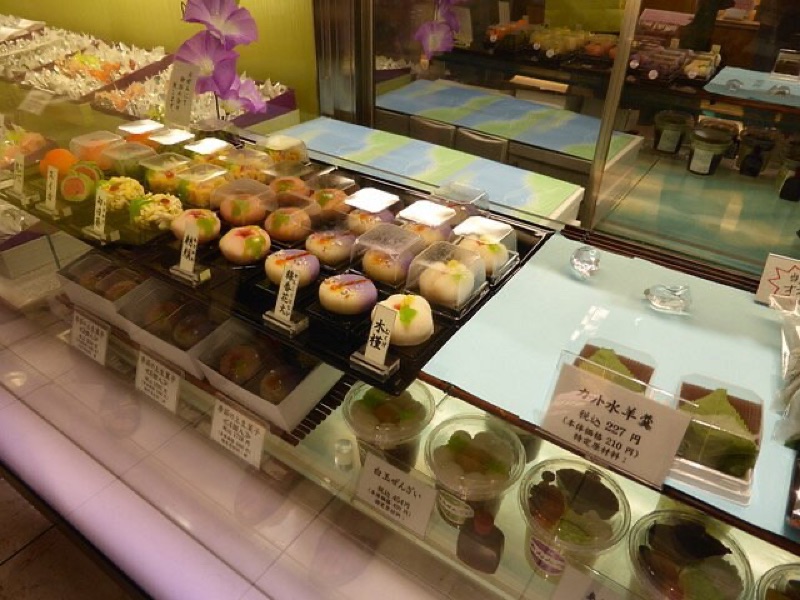
Quick comparison
- vs Seibu Ikebukuro
- Tobu is bigger and more food-focused; Seibu (across the street) has a good depachika too but is more fashion-oriented.
- 💡 Insider tip
- The curry pan (deep-fried curry bread) stall does a legendary buta no kakuni version with simmered pork belly. The upper restaurant floors have excellent tempura, tonkatsu, sushi, and unagi.
- 🍱 What to get
- Kakuni curry pan, premium bento, seasonal wagashi, Italian goods from Peck
🕐 Closed now · Typical hours
7GINZA SIX
Modern
Quick comparison
- vs Ginza Mitsukoshi
- Ginza Six is sleek and modern (great for gifts); Mitsukoshi is vast and traditional (great for eating).
- 💡 Insider tip
- The B2 level is more boutique than traditional depachika — think luxury gifting and premium sweets rather than everyday groceries. Great for omiyage (souvenir gifts).
- 🍱 What to get
- Designer wagashi, luxury chocolate, artisan baked goods, premium tea
🕐 Closed now · Typical hours
8Nihonbashi Takashimaya
Classic
Quick comparison
- vs Nihombashi Mitsukoshi
- Takashimaya has more eat-in counters and the fugu bar; Mitsukoshi has the better bakery and heritage factor.
- 💡 Insider tip
- They still have uniformed attendants working antique elevators. The annex connects to Takashimaya SC next door with more hip eateries. Fresh produce section has ~20 types of tomatoes.
- 🍱 What to get
- Fugu at Shunpanro counter, Fauchon baked goods, seasonal tomatoes, fresh seafood
🕐 Closed now · Typical hours
9Takashimaya Times Square
All-Rounder
Quick comparison
- vs Isetan Shinjuku
- Isetan is posher and more curated; Takashimaya is bigger, less crowded, and better for a casual depachika run.
- 💡 Insider tip
- Right across from Shinjuku Gyoen National Garden — buy your depachika haul and have a picnic. The Italian bakery Peck (from Milan, est. 1883) has cheeses, cured meats, and olive oils.
- 🍱 What to get
- Peck Italian deli items, picnic bento sets, seasonal desserts
🕐 Closed now · Typical hours
10SEIBU Ikebukuro
Hidden Gem
Quick comparison
- vs Tobu Ikebukuro
- Tobu is bigger and more famous; Seibu is quieter with a stronger sweets section.
- 💡 Insider tip
- Most tourists flock to Tobu, so Seibu is noticeably quieter. The Japanese confectionery section is arguably better than Tobu's. Good for a less hectic depachika experience.
- 🍱 What to get
- Japanese confectionery, premium matcha sweets, seasonal wagashi
🕐 Closed now · Typical hours
11Odakyu Shinjuku
Nostalgic
Quick comparison
- vs Isetan Shinjuku
- Odakyu is casual and local; Isetan is premium and tourist-popular.
- 💡 Insider tip
- Neither the biggest nor the best, but many Tokyo locals cite Odakyu as their favorite because it was their first depachika. Has a more neighborhood feel than the Shinjuku giants.
- 🍱 What to get
- Ready-made bento, Japanese pickles, seasonal fruit, everyday groceries
🕐 Closed now · Typical hours
12Matsuya Ginza
Sweets
Quick comparison
- vs Ginza Mitsukoshi
- Matsuya is smaller but excels at sweets and pop-ups; Mitsukoshi is the full-scale luxury depachika.
- 💡 Insider tip
- Watch for limited-time pop-ups — the TKG (tamago kake gohan) egg lab and Chikalicious NYC dough'ssant are the kind of surprises that make Matsuya special. The inari zushi from Tsukiji Tenko is outstanding.
- 🍱 What to get
- Seasonal wagashi, limited-edition pop-up items, inari zushi from Tsukiji Tenko, premium eggs
🕐 Closed now · Typical hours
Frequently Asked Questions
What is a depachika?
Depachika (デパ地下) is a portmanteau of 'depato' (department store) and 'chika' (underground/basement). These are the basement food halls of Japanese department stores, featuring everything from gourmet bento boxes and wagashi (Japanese sweets) to fresh produce, sake, and international delicacies. They're a cornerstone of Japanese food culture and a must-visit for any food lover in Tokyo.
Can you eat inside a depachika?
Most depachika are designed for takeaway — you buy food to eat at home or elsewhere. However, some have evolved to include eat-in options: Shibuya Tokyu Foodshow has standing counters (Shibuya Stand), Isetan Shinjuku has Kitchen Stage with guest chefs, and Nihonbashi Takashimaya has the Shunpanro fugu counter. A popular strategy is to buy food at the depachika and eat it in a nearby park or rooftop garden.
What time do depachika close?
Most Tokyo depachika follow their parent department store hours: typically 10:00 AM to 8:00 PM (20:00). Some close at 7:30 PM. A major insider tip: visit in the evening (after 6 PM) when many stalls discount prepared foods with special sale stickers — you can get premium bento at 20-50% off.
Which depachika is best for first-timers?
For first-timers, Isetan Shinjuku or Daimaru Tokyo are the best starting points. Isetan is well-organized and easy to navigate with clear sections. Daimaru is conveniently located at Tokyo Station with 1,000+ bento varieties — perfect if you're catching a shinkansen. For the most overwhelming (in a good way) experience, try Ikebukuro Tobu — Tokyo's largest depachika with 200+ stalls.
How much should I budget for depachika food?
A basic bento runs ¥600–¥1,200 ($4–8 USD). Premium bento and specialty items range ¥1,500–¥3,000. Wagashi and sweets start around ¥300–¥500 per piece. Luxury fruit can be eye-wateringly expensive (¥5,000+ for a single melon). For a satisfying depachika meal with a few treats, budget ¥1,500–¥3,000 ($10–20 USD). Evening discounts can cut that significantly.
Are depachika good for souvenirs (omiyage)?
Depachika are arguably the BEST place in Tokyo for omiyage (food souvenirs/gifts). Japanese gift-giving culture demands beautiful packaging, and depachika excel at this. Popular omiyage include Tokyo Banana, beautifully boxed wagashi, regional cookies and cakes, and premium tea. Daimaru Tokyo and Ginza Six are particularly strong for gift shopping. Most items come perfectly packaged and ready to give.
What's the difference between depachika in Ginza vs Shinjuku vs Ikebukuro?
Each area has its own personality: Ginza depachika (Mitsukoshi, Matsuya, Ginza Six) are the most luxurious — designer sweets, premium everything, higher prices. Shinjuku (Isetan, Takashimaya, Odakyu) offer the best range from premium to everyday. Ikebukuro (Tobu, Seibu) are the biggest and most value-oriented — great for serious food shopping without the Ginza markup.