Tea house culture is the beating heart of Yangon. Introduced during the colonial era, laphet yay sain (tea shops) became the city's living rooms — where business deals are struck, politics debated, romances kindled, and friendships cemented over tiny cups of dangerously sweet milk tea. As one Redditor put it: "It wouldn't be Myanmar if whoever you try to find at an office is not relaxing at a tea shop."
We combed through Reddit threads on r/myanmar, r/travel, and r/solotravel, cross-referenced travel blogs and local guides, to find the tea houses that locals and experienced travelers actually recommend — from 5 AM street-side institutions to the refined modern flagship that put Burmese tea culture on the global map.
🍵 How Yangon tea houses work
Sit down, and plates of snacks appear — samosas, pastries, steamed buns. You only pay for what you eat. A pot of Chinese green tea is always free. Order your laphet yay (Burmese milk tea) by sweetness: kyo (very sweet), paw (normal), or see daw (less sweet). Tea boys — young workers from rural villages — serve with remarkable speed. Tap your cup on the saucer to get a refill.
🍵 K3,000–K15,000/item
📍 Golden Valley, Bahan Township
⏰ 7 AM – 10 PM
📌 Google Maps →
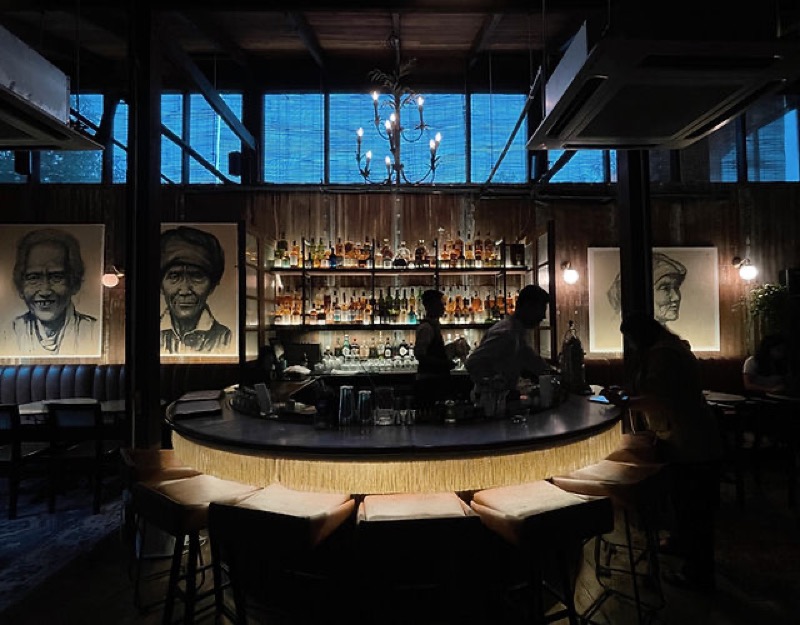
The undisputed flagship of modern Burmese tea culture. Founded by Htet Myet Oo, who grew up abroad and wanted to elevate the humble tea shop into a world-class dining experience, RTH occupies a stunning 20,000 sq ft building constructed entirely from recycled teak and reclaimed bricks. The longest bar in Yangon was salvaged from a German members' club from the 1900s. Classic Burmese films flicker on the wall while jazz plays live on Tuesdays and Fridays.
What to order: The Four Fish Mohinga is their signature — a refined version of Myanmar's national breakfast dish. The laphet thoke (tea leaf salad) is outstanding. Try the dim sum for a nod to Yangon's Chinese heritage. Their Burmese Biryani is a best-seller. End with a traditional milk tea.
"Rangoon Tea House for Burmese traditional — one of the trip highlights."
— r/myanmar · Thread
"Great place to treat yourself after weeks of backpacking. This place is quite hipster, the food was delicious and the staff super friendly. Three-course dinner with beer and tea only £25 for two. Bargain!"
— Traveler review via GoMyanmarTours
tabiji verdict: The single most recommended tea house in Yangon across every source. It's pricier than a street-side shop, but this is where Burmese tea culture meets world-class dining. The Golden Valley flagship is the one to visit — the Junction Square branch is good too but lacks the architectural magic. Named CNN's pick for World's Best Tea experiences.
🍵 K500–K3,000/item
📍 49th Street, Downtown (+ multiple branches)
⏰ 5 AM – 4 PM
📌 Google Maps →
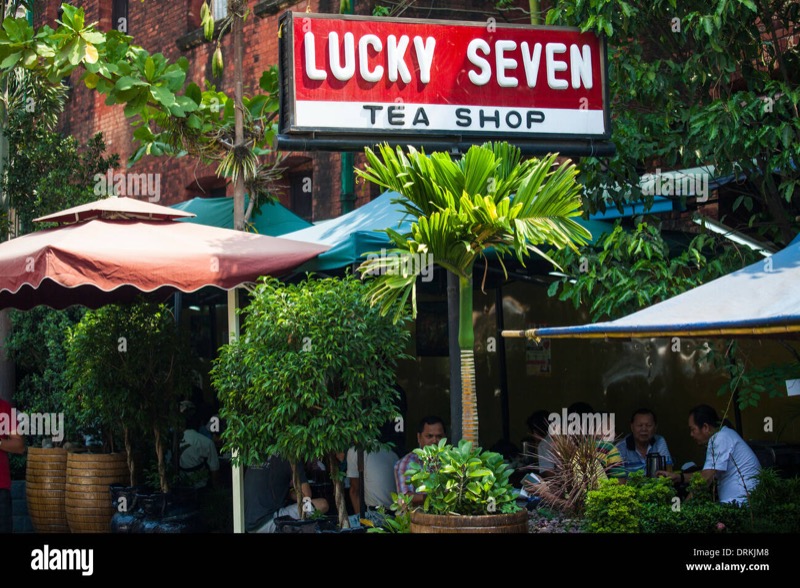
The most popular tea shop chain in Yangon, and for good reason. Lucky Seven bridges the gap between traditional street-side tea culture and tourist accessibility — they have English menus with photos, neatly dressed waiters, and consistently excellent tea and food. The 49th Street downtown branch is the most iconic, but the 8 Mile location has its devotees too. This is where Redditors who know Yangon send first-timers.
What to order: Their milk tea is legendarily strong and sweet — the benchmark for Burmese laphet yay. The mohinga is excellent, as are the flaky savory buns and samosas. Come for breakfast when the shop is at its most vibrant. The e kya kway (fried dough sticks) dipped in tea is a classic move.
"Come here for the tea, stay for the samosas! This tea shop caters to both locals and tourists, and they're well-known for their exceptionally strong and sweet traditional tea."
— Unexpected Occurrence travel blog
"Teahouse: I'm going to Lucky 7 but appreciate any other recs"
— r/myanmar · Thread
tabiji verdict: The safest recommendation for first-time visitors. Everything a traditional tea shop should be — strong tea, excellent pastries, buzzing atmosphere — but with the English menus and clean facilities that make it stress-free. The 49th Street branch downtown is the original and best. Arrive before 7 AM for the full experience.
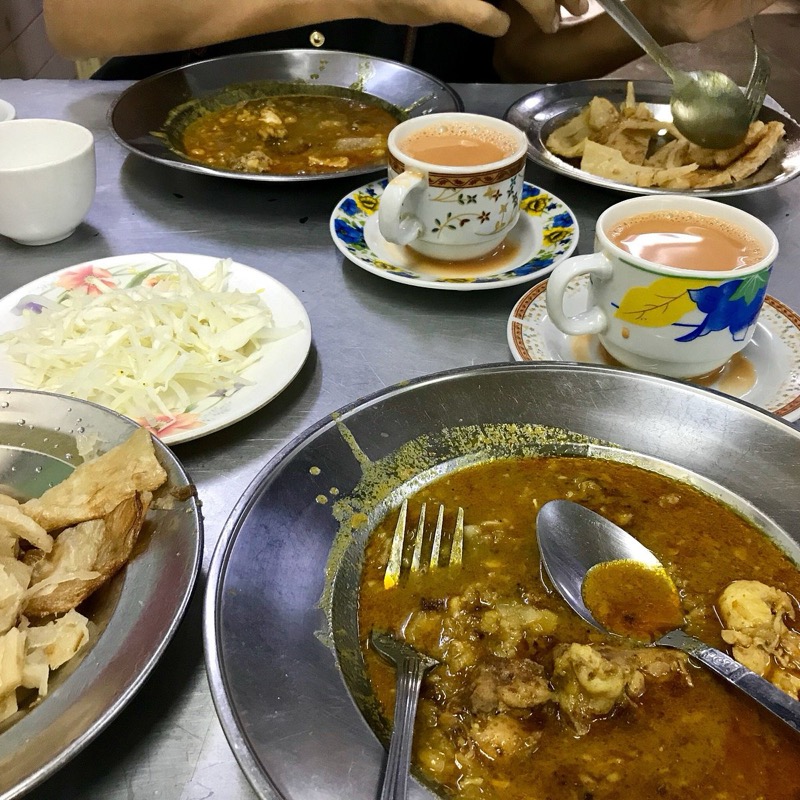
A beloved Muslim-run tea shop that represents another facet of Yangon's tea culture — the Indian-influenced tradition. Yangon's significant Muslim community brought their own tea shop traditions, and Yatha is one of the best surviving examples. The moment you sit down, plates of samosas, mutton pastries, and coconut pastries appear. The tea is strong, milky, and piping hot — closer to an Indian chai than the standard Burmese brew.
What to order: The samosas are legendary — crispy, perfectly spiced, and served fresh. Try the mutton pastries and parata (flatbread) with dhal. The coconut pastries are a sweet surprise. Wash it all down with their signature strong milk tea. Only pay for what you eat from the plates they bring.
"Muslims have quite colorful and delicious cuisine and the Yatha Teashop is definitely a great place to get good Muslim experience as well as get classic tea with refreshingly fresh plates of samosas and parata."
— GoMyanmarTours
tabiji verdict: The best tea house in Yangon for Indian-influenced snacks. If you love samosas, this is your temple. It's also a window into Yangon's multicultural soul — a reminder that this city has always been a melting pot. Very local, very cheap, very delicious. Don't expect English menus — just point and smile.
🍵 K5,000–K20,000/item
📍 Sayar San Road, Bahan Township
⏰ 8 AM – 9 PM
📌 Google Maps →
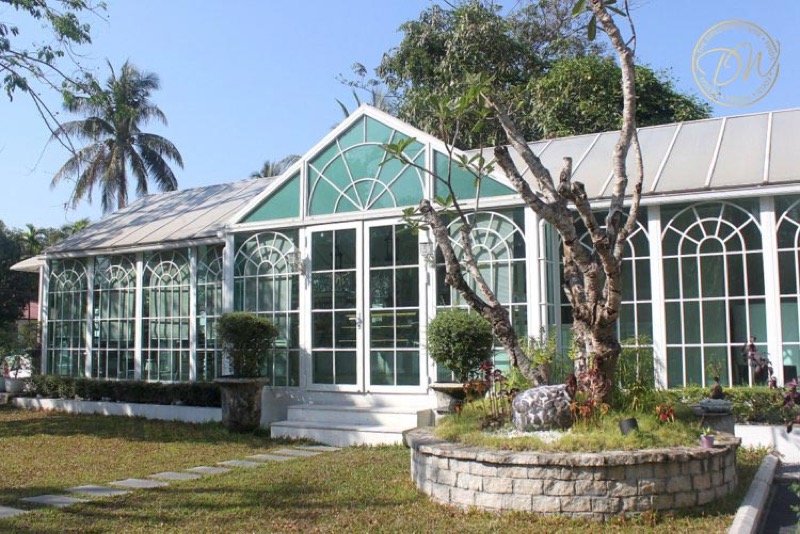
The colonial grande dame of Yangon's tea scene. Housed in a beautifully restored two-story heritage mansion, Acacia feels like stepping into a time machine — wicker furniture, ceiling fans, birds singing in the garden. It's the kind of place where Yangon's well-heeled families come for Sunday brunch. The menu spans both local and Western cuisine, with a patisserie section that turns out excellent cakes and pastries. More expensive than a traditional tea shop, but the ambiance is unmatched.
What to order: The sweet black tea with condensed milk is their classic — served elegantly but staying true to tradition. The American cheesecake is surprisingly excellent. For a meal, their lunch sets are well-regarded. Morning visits are best for the full garden atmosphere with birdsong.
"The best coffee shop I've ever been to in Yangon. A bit pricey but the service is superb! English speaking waiters, fast response and always very helpful. The design is very homey because it's a big 2-story house turned into a café."
— Google review via GoMyanmarTours
"Very romantic place! Take out your girl and she will be falling in love with the place — the ambience is just perfect for a date."
— Google review via Wanderlog
tabiji verdict: The most beautiful tea house setting in Yangon — a colonial mansion that feels like a private garden party. Perfect for a date, a special occasion, or when you want tea culture with air conditioning and English-speaking staff. Check current status before visiting, as some reports suggest it may have reduced hours. Worth the splurge for the atmosphere alone.
🍵 K500–K2,500/item
📍 Near South Gate, Shwedagon Pagoda
⏰ 5 AM – 6 PM
📌 Google Maps →
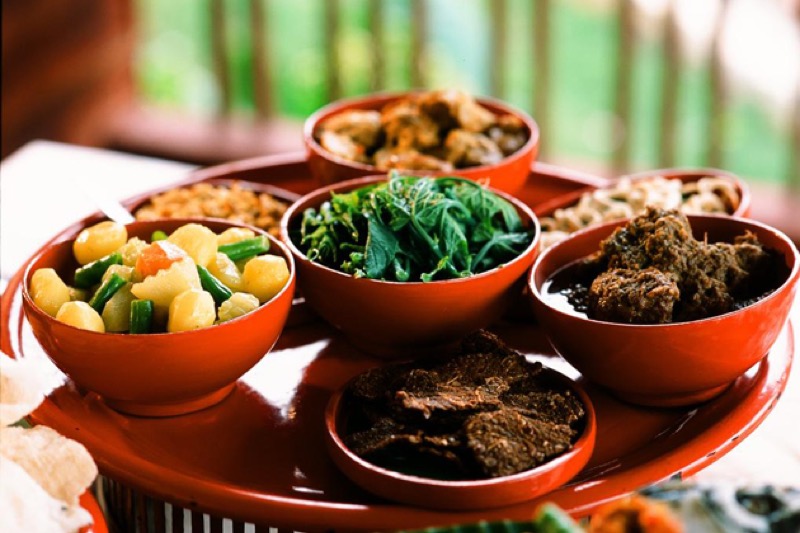
Location doesn't get much better than this — a Chinese-style tea shop sitting in the shadow of the magnificent Shwedagon Pagoda. Despite being called a Myanmar tea shop, Shwe Khaung Laung leans into Yangon's Chinese heritage with its menu and style. This is the perfect pit stop before or after visiting the golden pagoda, and locals know it. The Chinese influence shows in the steamed buns and baked cakes that dominate the menu.
What to order: The steamed buns are the star — fluffy, fresh, available in sweet and savory varieties. Pair them with strong Burmese milk tea. The baked cakes and noodles are solid. Come for breakfast or an afternoon tea break after exploring Shwedagon. Having snacks with tea here is pure Yangon tradition.
"It lies near the South gate of Shwedagon Pagoda, which is an ideal destination to take a rest. Though known as a Myanmar tea shop, it follows Chinese style — steamed buns, baked cakes, and pastries with tea."
— GoMyanmarTours
tabiji verdict: The strategic pick. You're going to visit Shwedagon Pagoda — it would be a crime not to stop here for tea and steamed buns before or after. It's cheap, it's authentic, and the Chinese-Burmese fusion style adds another dimension to your tea house education. Come in the late afternoon when the golden light hits the pagoda.
🍵 K300–K2,000/item
📍 303 Anawrahta Road, Downtown
⏰ 5 AM – 3 PM
📌 Google Maps →
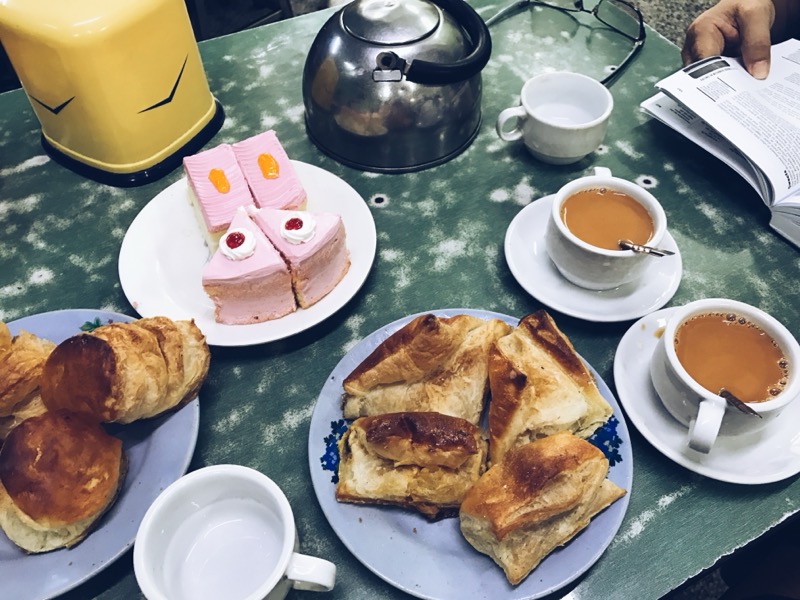
King Tea Shop is where you come for the buns. While it functions as a full tea house with the standard array of tea and snacks, locals and travelers alike rave about their steamed buns — available in both sweet (red bean) and savory (meat, vegetable) varieties. Located on the bustling Anawrahta Road in the heart of downtown, it's surrounded by colonial architecture and the organized chaos of Yangon street life. A proper local experience.
What to order: The steamed buns are the must-order — try both the sweet red bean and the savory meat-filled versions. Pair them with a strong cup of Burmese milk tea. If you're hungry, they do solid noodle dishes too. It's cheap enough to order generously without thinking twice.
"While this place IS a tea shop, they're really popular for their buns! You can get sweet buns filled with red bean, or savory buns filled with veggies or meat. Of course, while here, you've gotta try the tea, too!"
— Unexpected Occurrence travel blog
tabiji verdict: A hidden-in-plain-sight gem on one of Yangon's main drags. Come for the steamed buns, which are genuinely some of the best in the city. It's cheap, it's central, and it's the kind of place where you realize that the most memorable food experiences don't come with tablecloths. Great combined with a walking tour of downtown colonial architecture.
🍵 K300–K2,000/item
📍 Yangon (multiple locations)
⏰ 5 AM – 4 PM
📌 Google Maps →
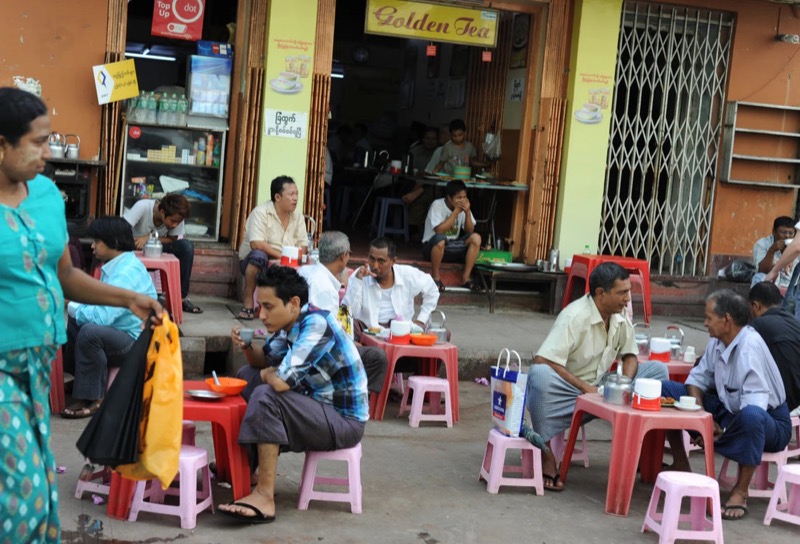
Shwe Palin represents the true, unvarnished Yangon tea shop experience — the kind of place that hasn't changed much in decades and doesn't need to. No English menu, no Instagram-worthy interior, no pretensions. Just excellent tea, honest snacks, and a front-row seat to Yangon neighborhood life. This is where office workers duck out for their 10 AM tea break and where taxi drivers gather before dawn. If you want to understand why tea houses matter in Myanmar, this is where you learn.
What to order: Order a laphet yay (milk tea) and let the snack plates come to you. The samosas and e kya kway are reliable. The Chinese green tea from the pot is always free and helps cut the sweetness. Just point at what looks good on the plates — you'll only be charged for what you eat.
"If you want good coffee and insane vibes just go to a corner tea shop in a neighborhood. Some of them served better coffee and tea than most cafes and their prices are unbeatable."
— r/myanmar · Thread
tabiji verdict: This is the "real Myanmar" pick. Not every tea house needs to be Instagrammable — sometimes the best cup of tea in the city costs $0.10 and comes from a place with plastic chairs and a corrugated roof. Shwe Palin is traditional tea culture preserved, and visiting one is a rite of passage for any Yangon traveler. Don't be intimidated — a smile transcends the language barrier.
🍵 $25–$40 USD/person
📍 92 Strand Road, Downtown
⏰ 2 PM – 5 PM (afternoon tea)
📌 Google Maps →
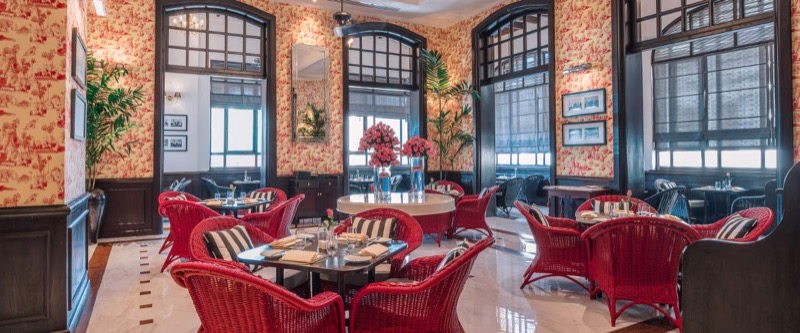
The other end of Yangon's tea spectrum. The Strand opened in 1901 as the jewel of British colonial hospitality, and its afternoon tea is a living museum of that era. Think tiered cake stands, white tablecloths, and colonial architecture so pristine it's almost surreal. It's expensive by Yangon standards — you could drink tea for a month at Lucky Seven for the same price — but the experience is genuinely unique. This is tea as ceremony, as history, as quiet luxury in one of Southeast Asia's last grand colonial hotels.
What to order: The full afternoon tea set is the way to go — finger sandwiches, scones with clotted cream, local and European pastries, and a selection of premium teas. Ask for a Burmese tea alongside the English breakfast blend for the full colonial-meets-local experience.
"Visiting the hotel for its famous afternoon tea is totally worth it. The Strand is one of those places where you feel the weight of history in every room."
— TheTravelBlog.at
tabiji verdict: The splurge pick. Visit The Strand after spending a morning at neighborhood tea shops — the contrast is staggering and tells the full story of Yangon's tea culture, from street to suite. Even if you're on a budget, the lobby bar is worth a quick drink just to soak in the architecture. This is arguably the most beautiful hotel in Myanmar.
Frequently Asked Questions
What is a traditional Myanmar tea house like?
A traditional Myanmar tea house (laphet yay sain) is a bustling social hub — Myanmar's version of a café, pub, and community center rolled into one. You'll find low stools, small tables, and a constant stream of tea boys ferrying tiny cups of strong, sweet milk tea. Plates of samosas, steamed buns, and pastries are placed on your table when you sit down — you only pay for what you eat. The atmosphere is lively: locals gossip, debate politics, read newspapers, and do business deals over cups of tea.
What should I order at a Yangon tea house?
Start with laphet yay (traditional Burmese milk tea) — a strong black tea with condensed milk that's heavily sweetened. The Chinese green tea from the pot is always free. For food, samosas and e kya kway (fried dough sticks) are classic staples. Many shops also serve mohinga (fish noodle soup), Shan noodles, and parata (flatbread). At modern tea houses like Rangoon Tea House, try the tea leaf salad (laphet thoke) — it's a must.
How much does tea cost in Yangon?
Traditional street-side tea shops are incredibly cheap — a cup of milk tea costs around 300–500 kyat ($0.10–0.15 USD), and a full breakfast with tea, samosas, and pastries can come to under 2,000 kyat ($0.60). Modern or upscale tea houses like Rangoon Tea House are pricier at 3,000–15,000 kyat ($1–5 USD) per item, but still very affordable by international standards. The Strand's afternoon tea is the most expensive at around $25–40 USD per person.
What time do Yangon tea houses open?
Traditional tea shops open very early — as early as 4:30 or 5:00 AM — and many close by mid-afternoon (2–4 PM). The morning rush between 6–9 AM is the most vibrant time. Modern tea houses like Rangoon Tea House keep longer hours, typically 7 AM to 10 PM. Evening tea (4–6 PM) is another popular time, especially at Chinese-style shops like Shwe Khaung Laung.
Is it safe to visit tea houses in Yangon as a tourist?
Yes — tea houses are generally safe and welcoming to tourists. Staff at popular tourist-friendly shops like Lucky Seven and Rangoon Tea House speak some English and have picture menus. At smaller neighborhood shops, you may need to point and gesture, but locals are typically friendly and helpful. As one Reddit traveler noted, "Yangon felt safe — like being in Thailand or Vietnam but without the chaotic motorbikes." Check current travel advisories for Myanmar before your trip.