How we built this comparison
This page combines traveler discussion patterns, published price ranges, flight schedules, and seasonal data to help you decide between Accra and Dakar.
- Reviewed 70+ Reddit threads from r/travel, r/solotravel, r/Ghana, r/Senegal, and r/WestAfricaTravel
- Verified costs and logistics against current booking platforms and local sources (as of late 2023 / early 2024)
- Cross-referenced seasonal patterns and weather data for optimal travel timing
- Incorporated insights from recent travel blogs and local expat forums
⚡ The TL;DR Verdict
Accra is your go-to for vibrant nightlife, approachable English-speaking culture, and a slightly more budget-friendly experience, ideal for social butterflies and first-time Africa travelers. Dakar, with its strong French influence, fantastic seafood, and unique island escapes, caters to those seeking a more sophisticated, culturally rich journey, often with a higher price tag. Expect to budget $50-100/day in Accra and $70-120/day in Dakar for a comfortable mid-range trip.
- Choose Accra: If you crave bustling markets, lively beach parties, a strong connection to Pan-African history, and an easier time communicating in English, Accra is your place. It's fantastic for solo travelers looking to meet people.
- Choose Dakar: Opt for Dakar if you're drawn to French colonial architecture, world-class seafood, art galleries, vibrant music scenes, and day trips to unique islands or pink lakes. It offers a more European-influenced West African experience.
- Choose Both: If you have 2-3 weeks, combining both cities offers a comprehensive West African experience. Consider a flight between them (approx. $200-400, 2-3 hours) to bridge the gap and explore the distinct flavors of Ghana and Senegal.
Quick Comparison
| Category | Accra | Dakar | Winner |
|---|---|---|---|
| Food & Drink | Hearty Ghanaian staples like Jollof Rice, Banku, Fufu, and fresh grilled fish. Excellent street food culture. | Sophisticated Senegalese cuisine with French influence, incredible fresh seafood (Thieboudienne!), and vibrant markets. | Dakar |
| Nightlife & Social Scene | Electric energy, diverse clubs, beach parties, and live music, especially around Osu. Very social and easy to connect. | Sophisticated lounges, live Mbalax music venues, and beach bars. More exclusive and a bit harder to crack the local scene. | Accra |
| Culture & History | Rich Pan-African history, vibrant arts scene, colonial legacy, and deep roots in the transatlantic slave trade. | Profound slave trade history (Gorée Island), strong French colonial influence, vibrant contemporary art, and unique Senegalese traditions. | Tie |
| Costs & Budget | Generally more affordable, especially for local food and transport. Mid-range budgets stretch further. | Slightly higher costs across the board, particularly for imported goods, dining, and upscale accommodation. | Accra |
| Getting There | Kotoka International Airport (ACC) is a major hub with direct flights from Europe and North America. | Blaise Diagne International Airport (DSS) is well-connected, especially to Europe and other parts of Africa. | Accra |
| Getting Around | Reliant on tro-tros (shared minibuses), taxis, and ride-hailing apps (Bolt/Uber). Traffic can be intense. | Taxis are dominant, 'car rapides' (colorful buses) and Ndiaga Ndiayes (larger minibuses) for longer routes. Ride-hailing less prevalent. | Accra |
| Accommodation | Wide range from budget guesthouses to luxury hotels like the Mövenpick, with good value in the mid-range. | More upscale options with French flair, boutique hotels, and beachfront resorts. Budget options are fewer and can be less polished. | Accra |
| Beaches | Lively city beaches (Labadi), more relaxed coastal towns (Kokrobite) within easy reach. Can be crowded. | Stunning urban beaches (Plage des Mamelles), idyllic island escapes (Île de Ngor). Generally cleaner and more picturesque. | Dakar |
| Day Trips | Iconic historical sites (Cape Coast Castle), canopy walks (Kakum National Park), and cultural villages. | Profound historical sites (Gorée Island), unique natural wonders (Lac Rose), and artisanal villages. | Tie |
| Safety & Vibe | Generally safe with common urban precautions. Friendly, welcoming, and vibrant atmosphere. English-speaking. | Generally safe with common urban precautions. More reserved, chic, and cosmopolitan atmosphere. French-speaking. | Accra |
🍽️ Food & Drink
Dakar truly shines in its culinary offerings, especially if you appreciate fresh seafood and French-inspired West African flavors. Thieboudienne, the national dish of fish and rice, is a revelation, and you'll find it perfected everywhere from humble stalls to upscale restaurants like Chez Loutcha on Île de Gorée (expect 7,000-15,000 XOF / $12-25 for a main). For a more casual bite, the street food around Marché Kermel is fantastic, offering grilled fish and accras (bean fritters) for 1,000-3,000 XOF ($1.70-5). Accra’s food scene, while delicious, is more focused on hearty, spicy local staples. You can get incredible Jollof rice with chicken at Buka Restaurant (40-80 GHS / $3-6) or authentic Banku and Tilapia at a roadside chop bar for 25-50 GHS ($2-4). The variety in Dakar, from gourmet French bakeries to seaside seafood shacks, just edges out Accra for sheer gastronomic diversity and finesse. "Honestly, the seafood in Dakar was next level. Never had fish that fresh, seasoned perfectly. Accra's jollof is good, but Dakar's Thieboudienne stole my heart."
Winner takeaway
- Winner: Dakar
- Why: Dakar offers a more diverse and sophisticated culinary experience, especially for seafood lovers, with strong French influences elevating local dishes.
- Who this matters for: Foodies, gourmands, and those who prioritize unique dining experiences.
💃 Nightlife & Social Scene
Accra's nightlife is legendary and relentlessly vibrant. Osu Oxford Street is the epicenter, packed with bars, clubs, and street food vendors open late into the night. Places like Bloombar (entry ~100 GHS / $8) offer trendy vibes and great cocktails, while Republic Bar & Grill is perfect for a more relaxed, local experience with live music and palm wine (drinks typically 30-60 GHS / $2.50-5). Beach parties at Labadi Beach or Kokrobite are common, especially on weekends, providing a unique backdrop for dancing. Dakar's nightlife is more understated but equally stylish. Upscale lounges like Duplex and live Mbalax music clubs (e.g., Just 4 U) offer a taste of Senegal's rich musical heritage, with drinks costing 4,000-8,000 XOF ($7-14). While Dakar has its spots, Accra's sheer volume of options, accessibility, and the famously friendly Ghanaian demeanor make it easier to dive in and have a spontaneous, unforgettable night out. "Accra just goes OFF. You can walk down Osu and find a new vibe every 50 feet. Everyone's super friendly, easy to get chatting. Dakar felt a bit more cliquey."
Winner takeaway
- Winner: Accra
- Why: Accra boasts a more extensive, accessible, and boisterous nightlife scene, making it easier for travelers to immerse themselves in the local party culture.
- Who this matters for: Party-goers, solo travelers looking to socialize, and those who thrive in high-energy environments.
🏛️ Culture & History
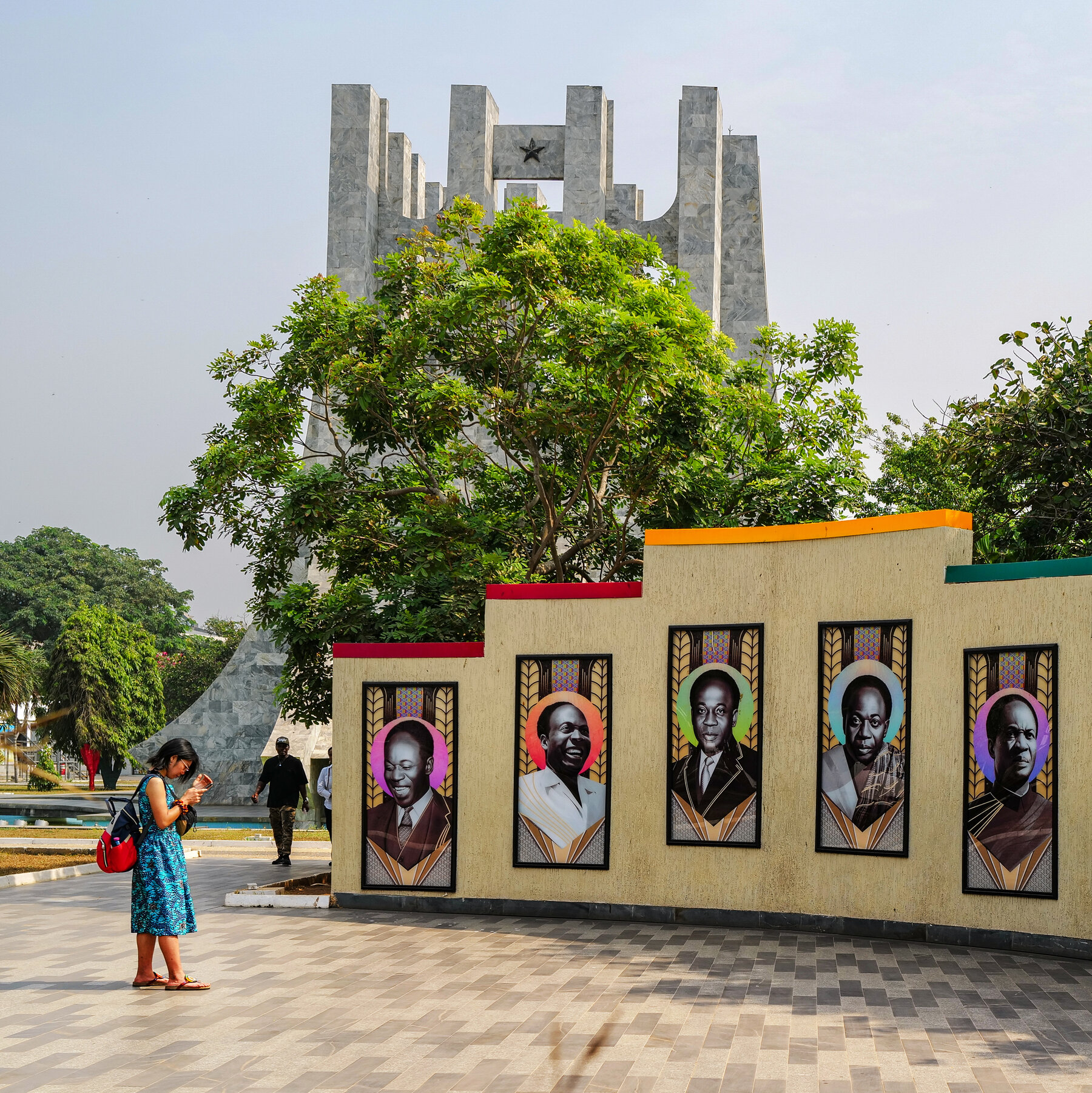
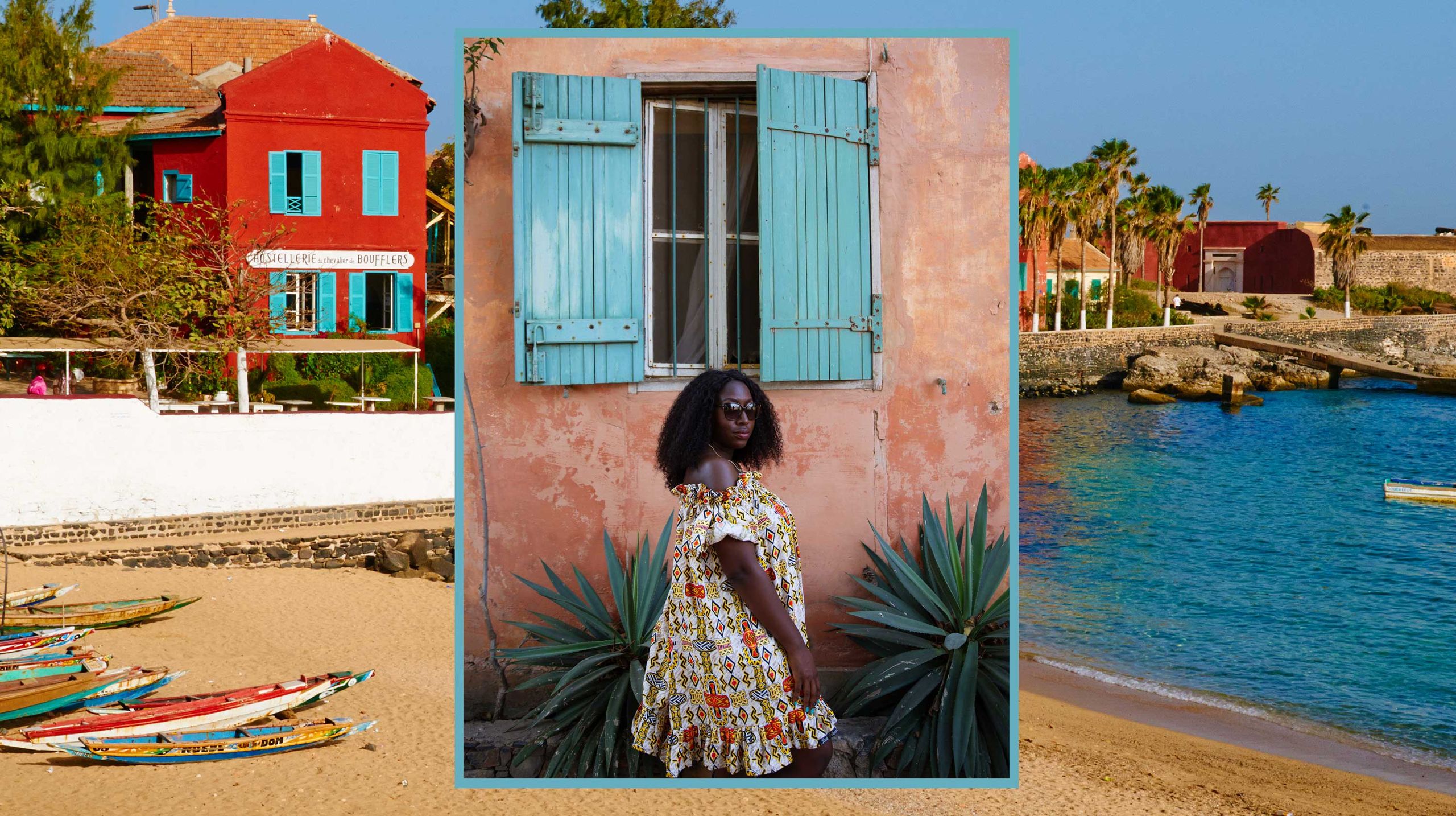
Both cities offer incredibly rich and distinct cultural and historical experiences, making this category a tie. Accra delves deep into the Pan-African narrative and the transatlantic slave trade, with powerful sites like the Kwame Nkrumah Mausoleum (entry 20 GHS / $1.50) and the sobering journey to Cape Coast Castle (entry 40-70 GHS / $3-5 for foreigners, though a day trip from Accra). The vibrant art scene is palpable in galleries like the Artists Alliance Gallery. Dakar's historical weight is carried by Île de Gorée, a UNESCO World Heritage site and former slave trading post, which is a profound and moving visit (ferry 5,000 XOF / $8.50 return). The Maison des Esclaves (House of Slaves) is a must-see. Beyond this, Dakar showcases French colonial architecture in its downtown, alongside the majestic African Renaissance Monument (entry to museum 10,000 XOF / $17). Its contemporary art scene, influenced by international connections, is also robust. "Visiting Gorée Island was one of the most impactful experiences of my life, truly humbling. But then Accra's castles also hit different with their stories. Can't pick just one."
Winner takeaway
- Winner: Tie
- Why: Both cities offer profoundly rich and distinct cultural and historical experiences that are equally compelling and significant.
- Who this matters for: History buffs, art enthusiasts, and anyone seeking a deeper understanding of West African heritage.
💰 Costs & Budget
Accra is generally more budget-friendly than Dakar, allowing your money to stretch further, especially if you embrace local living. A typical budget meal at a local eatery or street stall will cost around 25-50 GHS ($2-4), while a nice dinner can be 80-150 GHS ($6-12). Tro-tros (shared minibuses) are incredibly cheap, usually 5-15 GHS ($0.40-1.20) for most routes, and taxis are negotiable, around 30-80 GHS ($2.50-6) within the city. Mid-range hotels start from 400 GHS ($30). In Dakar, prices are noticeably higher, reflecting its stronger French economic ties. A street food meal might be 1,500-3,000 XOF ($2.50-5), but a sit-down restaurant meal easily hits 8,000-15,000 XOF ($14-25). Taxis within Dakar typically range from 2,000-5,000 XOF ($3.50-8.50), and car rapides (local buses) are cheaper but less common for tourists. Mid-range hotels are often 35,000-50,000 XOF ($60-85). While both offer budget options, Accra provides more value for money across most categories. "Accra was surprisingly cheap if you eat local and use tro-tros. Dakar felt like Paris prices for some things, especially wine and fancy dinners."
Winner takeaway
- Winner: Accra
- Why: Accra offers a more budget-friendly travel experience, with lower costs for food, transport, and mid-range accommodation.
- Who this matters for: Budget travelers, backpackers, and those looking to maximize their travel funds.
✈️ Getting There
Accra's Kotoka International Airport (ACC) generally offers slightly more direct and often more competitive flight options, particularly from North America. Major carriers like Delta, United, British Airways, KLM, and Emirates have regular services. A direct flight from New York (JFK) to Accra typically takes around 10-11 hours, with prices ranging from $800-1500 USD return, depending on the season. From London (LHR), it's about 6.5 hours, usually $600-1000. Dakar's Blaise Diagne International Airport (DSS) is also modern and well-connected, especially to France (Air France) and other European hubs. Direct flights from New York might be less frequent or involve a stop, taking 10-14 hours (fares $900-1600). From Paris, it's a very common 5.5-hour flight (fares $500-900). While both are strong international gateways, Accra often feels like a slightly easier and more established entry point for a broader range of international travelers. "Getting to Accra felt super straightforward from the US, lots of direct flights. Dakar had good connections too, but often a bit pricier or with more layovers for me."
Winner takeaway
- Winner: Accra
- Why: Accra often provides more direct and slightly more affordable flight options from a wider range of international origins, particularly North America.
- Who this matters for: Travelers prioritizing convenience, direct flights, and potentially lower airfare from global hubs.
🚗 Getting Around
Accra's public transport, while chaotic, is highly functional and cheap once you get the hang of it. Tro-tros (shared minibuses) are the backbone, reaching almost anywhere for 5-15 GHS ($0.40-1.20). Taxis are plentiful, and critically, ride-hailing apps like Bolt and Uber are widely available and reliable, making it easy to get fixed prices and avoid haggling (a 30-minute ride typically 40-80 GHS / $3-6). This convenience significantly enhances a traveler's ability to navigate the city. Dakar relies heavily on taxis (negotiate before boarding, 2,000-5,000 XOF / $3.50-8.50 for inter-city trips) and a more traditional network of 'car rapides' and Ndiaga Ndiayes which are less intuitive for non-French speakers and tourists. While ride-hailing exists, it's not as ubiquitous or reliable as in Accra. The language barrier in Dakar can also make public transport more challenging. The overall ease of getting around independently, especially with the prevalence of ride-hailing, gives Accra the edge. "Thank god for Bolt in Accra! Made getting around so much less stressful. In Dakar, I was constantly haggling with taxis, which gets old fast."
Winner takeaway
- Winner: Accra
- Why: Accra offers more convenient and transparent transport options for tourists, particularly with the widespread availability of ride-hailing apps.
- Who this matters for: Independent travelers, those who prefer predictable transport costs, and non-French speakers.
🏨 Accommodation
Accra offers a more diverse and value-driven range of accommodation options. For budget travelers, clean guesthouses and hostels can be found for 150-300 GHS ($12-25) per night. Mid-range hotels, offering good amenities and comfort, typically run from 400-800 GHS ($30-60), providing excellent value. Luxury hotels like the Mövenpick Ambassador Hotel Accra or Kempinski Hotel Gold Coast City Accra offer world-class service starting around 1800 GHS ($140+). Dakar's accommodation leans towards the mid-to-high end, often reflecting a French boutique style. Budget hostels are rarer and can be basic, starting around 10,000-20,000 XOF ($17-35). Mid-range options, such as Hotel Lagon 1 or Terrou-Bi, often start from 40,000-70,000 XOF ($70-120), making them considerably pricier than Accra's equivalents. For a similar level of comfort and service, you'll generally pay more in Dakar. "I found a really decent mid-range hotel in Accra for like $50 that would have cost double in Dakar. Definitely felt like more bang for your buck."
Winner takeaway
- Winner: Accra
- Why: Accra provides a broader spectrum of accommodation, with better value for money, especially in the budget and mid-range categories.
- Who this matters for: Budget-conscious travelers, backpackers, and those seeking good value for comfortable stays.
🏖️ Beaches
Dakar takes the crown for its beautiful and diverse beach experiences. While Accra has accessible city beaches like Labadi Beach (entry fee ~20 GHS / $1.50) which are vibrant with drumming, vendors, and parties, they often lack the pristine cleanliness and clear waters found in Dakar. For a more relaxed vibe in Accra, you'd head further out to Kokrobite. Dakar, however, offers stunning urban beaches like Plage des Mamelles or Plage de Virage, which are generally cleaner and more picturesque. The real gems are the island escapes: Île de Ngor, a short pirogue (small boat) ride away (1,000 XOF / $1.70 return), offers tranquil swimming, surfing, and delicious seafood shacks. It feels like a world away from the city's hustle. The Îles de la Madeleine National Park also offers secluded coves and dramatic volcanic cliffs. For sheer beauty, variety, and opportunities for true relaxation or water sports, Dakar's coastal offerings are superior. "Ngor Island was absolutely magical, felt like a mini paradise just off the city. Accra's beaches were fun, but not really for swimming in my opinion."
Winner takeaway
- Winner: Dakar
- Why: Dakar offers more pristine, diverse, and picturesque beach options, including stunning island getaways perfect for relaxation and water activities.
- Who this matters for: Beach lovers, swimmers, surfers, and those seeking serene coastal escapes.
🗺️ Day Trips
Both cities excel in offering compelling day trips that significantly enhance the travel experience. From Accra, the most popular day trip is to Cape Coast and Elmina Castles (2-3 hours drive, shared taxi 100-150 GHS / $8-12 each way), which are UNESCO World Heritage sites critical to understanding the transatlantic slave trade. Often combined with a visit to Kakum National Park for a thrilling canopy walk (entry 60 GHS / $5). Another option is the Shai Hills Resource Reserve for wildlife and hiking. Dakar's premier day trip, Île de Gorée, is accessible by a 20-minute ferry (5,000 XOF / $8.50 return) and is a profoundly moving historical experience. Beyond Gorée, Lac Rose (Pink Lake) is a unique natural phenomenon where you can float in its salty waters and observe salt harvesting (taxi return ~20,000-30,000 XOF / $35-50). Toubab Dialaw, an artistic fishing village, also makes for a charming excursion. "Cape Coast and Kakum were essential for me, truly impactful. But then Gorée and Lac Rose from Dakar were also absolutely unforgettable. Both cities nail their day trips."
Winner takeaway
- Winner: Tie
- Why: Both Accra and Dakar offer equally compelling and diverse day trip options, ranging from profound historical sites to unique natural wonders.
- Who this matters for: Explorers, history buffs, nature lovers, and those seeking adventures beyond the city limits.
👮 Safety & Vibe
Both Accra and Dakar are generally safe for tourists, requiring common sense precautions like avoiding walking alone at night, not flashing valuables, and being aware of pickpockets in crowded areas. However, Accra often feels a bit more approachable and 'easier' for many English-speaking travelers due to the lack of a language barrier. Ghanaians are famously friendly and eager to assist, contributing to a welcoming and vibrant atmosphere that makes solo travel and interactions feel more natural. The city's energy is palpable, often described as bustling and lively. Dakar, while safe, has a more reserved and cosmopolitan vibe, influenced by its French heritage. Communication can be challenging if you don't speak French, which can sometimes make navigating and interacting feel less seamless, although locals are generally polite. The city feels more chic and orderly in many areas, but might require a bit more effort to feel fully integrated. "Accra just has this infectious energy and everyone speaks English, so it felt super easy to just exist and talk to people. Dakar was cool, but the language barrier sometimes made me feel a bit more isolated."
Winner takeaway
- Winner: Accra
- Why: Accra offers a more immediately welcoming and easily navigable experience for English-speaking travelers due to the lack of a language barrier and famously friendly locals.
- Who this matters for: First-time visitors to West Africa, solo travelers, and those who prioritize ease of communication and a vibrant, friendly atmosphere.
❓ Frequently Asked Questions
Is it safe to travel solo to Accra or Dakar as a female traveler?
Yes, both cities are generally safe for solo female travelers, but common sense is key. Dress modestly, especially in more conservative areas, avoid walking alone at night, and be firm but polite if approached. Ride-hailing apps in Accra and reputable taxis in Dakar are recommended for evening transport.
What's the best time of year to visit Accra vs Dakar?
Accra is best visited from November to March during the dry season, avoiding the heavy rains and high humidity. Dakar is also ideal from November to May, offering cooler, drier weather and pleasant temperatures, perfect for exploring without intense heat.
Do I need a visa for Ghana or Senegal?
Visa requirements vary by nationality. Many West African and ECOWAS citizens can enter visa-free. US, UK, and EU citizens typically need a visa for both Ghana and Senegal, which can usually be obtained in advance online or from the respective embassy. Always check current requirements before traveling.
What's the language situation in each city?
In Accra, English is the official language and widely spoken, making communication very easy for most travelers. Local languages like Twi are also prevalent. In Dakar, French is the official language and essential for deeper interaction; Wolof is the most common local language. English is less commonly spoken outside of major tourist hotels.
How do the markets compare in Accra vs Dakar?
Accra's markets like Makola Market are huge, bustling, and immersive, offering a raw, authentic experience with everything from textiles to food, often requiring good haggling skills. Dakar's markets, such as Marché Kermel or Marché Sandaga, are generally more organized, with a stronger emphasis on artisanal crafts, fashion, and high-quality produce, often reflecting a French flair.
Can I use credit cards in Accra and Dakar?
Credit cards are accepted in major hotels, upscale restaurants, and large supermarkets in both cities. However, cash (Ghanaian Cedi in Accra, West African CFA franc in Dakar) is king for local markets, street vendors, and smaller establishments. ATMs are readily available in both city centers.
Are there good options for digital nomads in either city?
Both cities are emerging digital nomad hubs. Accra has a growing co-working scene (e.g., Impact Hub Accra) and reliable internet in major areas, plus the benefit of English. Dakar offers a more European cafe culture, decent internet, and a vibrant arts scene, but the language barrier can be a factor. Both have good but not exceptional infrastructure.
What are some unique cultural experiences in each?
In Accra, experience a traditional naming ceremony or funeral, visit a Asafo company fort, or learn to drum. In Dakar, catch a live Mbalax music performance, learn Senegalese wrestling (Laamb), or attend a Fanal (lantern parade) during holidays like Christmas.
Ready to plan your West Africa trip?
Get a free custom itinerary for Accra, Dakar, or both — built from real traveler insights.
🎟️ Book Tours & Experiences
Hand-picked tours and activities for both destinations — book with free cancellation
Experiences via Viator — free cancellation on most tours