How we built this comparison
This page combines traveler discussion patterns, published price ranges, flight schedules, and seasonal data to help you decide between Aconcagua and Denali.
- Reviewed 50+ Reddit threads from r/travel, r/Mountaineering, r/Argentina, r/Alaska, etc.
- Verified costs and logistics against current booking platforms (e.g., REI Adventures, Alpine Ascents International, Aconcagua Expeditions) and airline data.
- Cross-referenced seasonal patterns and weather data from National Park Service and local meteorological reports.
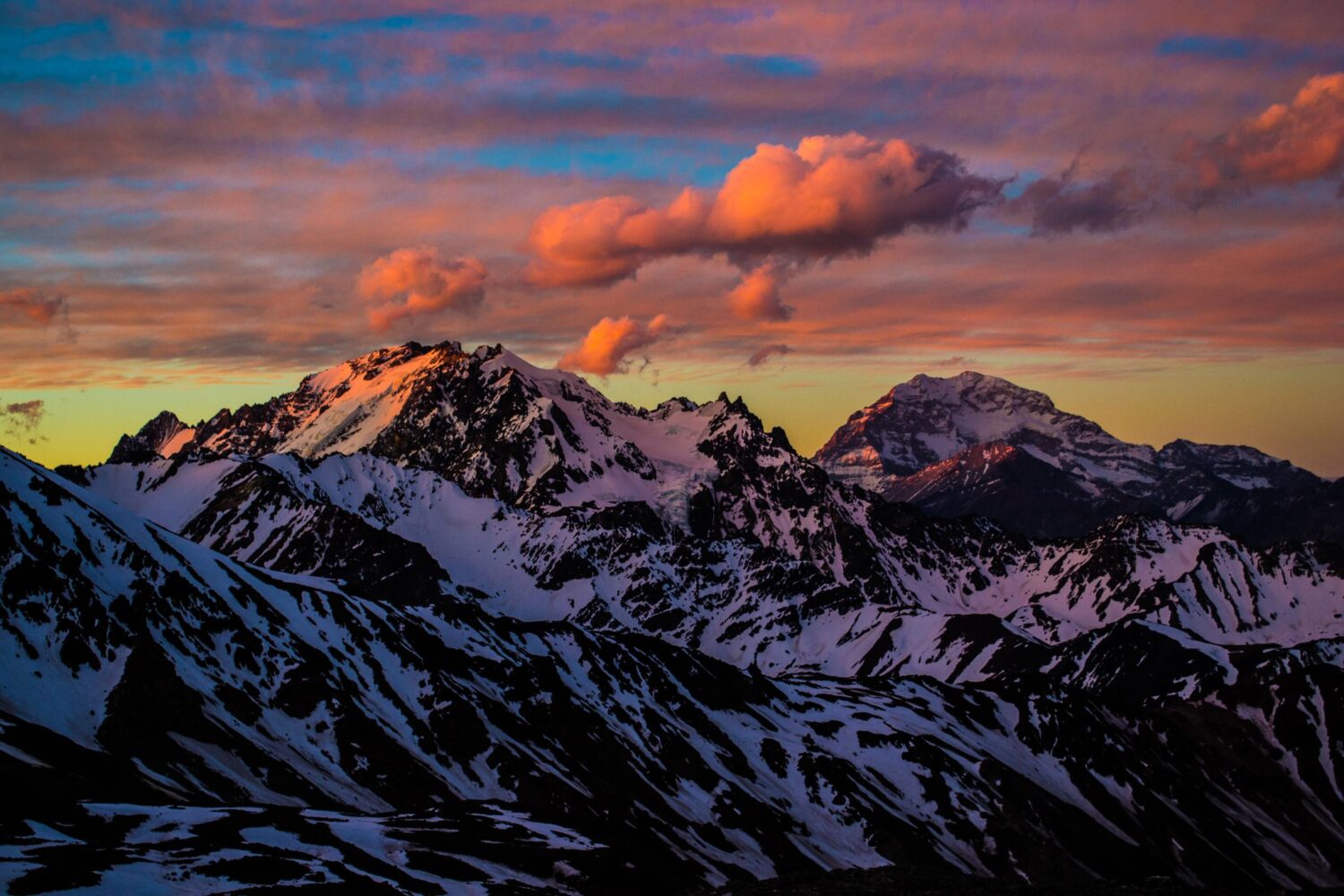
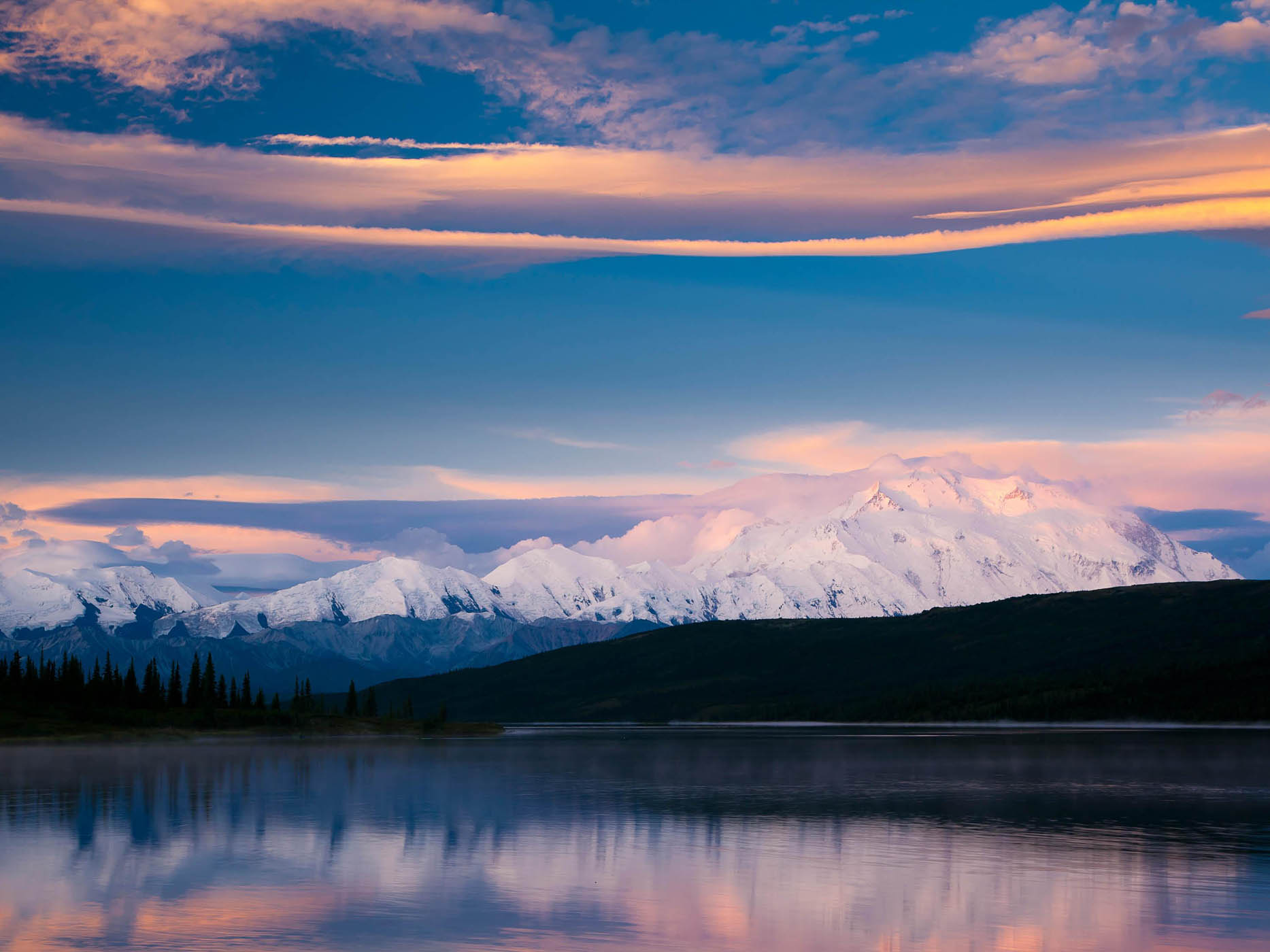
⚡ The TL;DR Verdict
For those seeking a high-altitude challenge with cultural immersion and a more accessible budget (daily $100-300+ for expedition), Aconcagua is your peak. If you're a seasoned mountaineer craving a true Arctic expedition, with the budget to match (daily $250-600+ for expedition), Denali calls your name.
- Choose Aconcagua: You're looking for a serious high-altitude trekking experience, potentially your first 6000m+ peak, appreciate vibrant culture pre/post climb, and prefer a more budget-friendly approach to big mountains.
- Choose Denali: You are an experienced glacier mountaineer, comfortable with extreme cold, self-sufficient in remote wilderness, ready for significant logistical challenges, and have a substantial budget for one of the world's 'Seven Summits'.
- Choose Both: If you're building up your high-altitude resume, Aconcagua is an excellent stepping stone for Denali. Do Aconcagua first (3-4 weeks total trip), gain experience, then tackle Denali (4-5 weeks total trip) a year or two later.
Quick Comparison
| Category | Aconcagua | Denali | Winner |
|---|---|---|---|
| Costs & Budget | Significantly more affordable. Permits are variable but manageable. Expedition costs are lower, and local services are excellent value. | Extremely expensive. Permits, flights, gear, and guided expeditions are premium-priced, reflecting the remote and challenging nature. | Aconcagua |
| Getting There & Logistics | Fly into Mendoza, Argentina. Easy ground transport to Penitentes and the park entrance. Streamlined permit process in Mendoza city. | Fly into Anchorage, Alaska. Then a scenic but logistically complex journey to Talkeetna, followed by a bush plane flight to the glacier. | Aconcagua |
| Climbing Experience & Difficulty | Primarily a high-altitude trek. Non-technical routes (Normal Route, Vacas Valley) are 'walking peaks' requiring endurance and acclimatization. | Serious expedition mountaineering. Requires glacier travel, crevasse rescue skills, fixed ropes, extreme cold weather camping, and self-sufficiency. | Denali |
| Weather & Seasons | Southern Hemisphere summer (Dec-Feb) is prime. High winds and cold are common, but generally less extreme than Denali. | Alaskan spring/early summer (May-July) is prime. Extreme cold, fierce storms, and brutal winds are the norm, even in peak season. | Tie |
| Local Culture & Food | Vibrant Argentine culture in Mendoza. Incredible Malbec wine, delicious empanadas, and world-class steaks await before and after the climb. | Rugged Alaskan frontier culture. Less emphasis on gastronomy, more on wild game, hearty fare, and simple local joints in Anchorage or Talkeetna. | Aconcagua |
| Accommodation | Excellent range of hotels/hostels in Mendoza. Basic but comfortable refugios at trailheads. Expedition tents on the mountain. | Standard hotels in Anchorage. Rustic lodges/cabins in Talkeetna. Expedition tents on the glacier, often dug into snow for protection. | Aconcagua |
| Gear Requirements | Standard high-altitude trekking gear. Double boots, -20°C sleeping bag, warm layers, but generally less specialized than Denali. | Extreme expedition gear. Triple-layer boots, -40°C sleeping bag, expedition parkas, sleds, extensive glacier travel equipment, and robust cooking systems. | Denali |
| Safety & Support | Park rangers and medical personnel at base camps. Good guide services available. Self-rescue is often a primary expectation at high camps. | Highly regulated by NPS. Mandatory ranger briefings, strict permit requirements, regular check-ins, and dedicated ranger patrols on the mountain. | Denali |
| Nature & Scenery | Arid, rocky, and vast landscapes of the Andes. Stunning views of neighboring peaks. Less wildlife, more geological grandeur. | Glacial wonderland. Massive icefalls, endless snowfields, and the sheer scale of the Alaska Range. Potential for wildlife viewing lower down. | Denali |
| Permits & Bureaucracy | Permit purchased in Mendoza, typically 1-2 days before starting. Can be handled independently or via guide. | Mandatory NPS permit application well in advance (60 days). Required ranger briefing. Stringent regulations. | Aconcagua |
💸 Costs & Budget
Aconcagua is the clear winner for budget-conscious adventurers. A standard 18-20 day guided expedition via the Horcones route typically costs between $4,500 and $8,000 USD. This often includes airport transfers from Mendoza, all meals on the mountain, porters for group gear, and professional guides. Your permit alone can range from $800 to $1,500 USD (AR$700,000-AR$1,300,000+), varying by season and route. Flights to Mendoza from major US cities might run $800-$1,500 USD round trip. Compare this to Denali, where a 21-day guided expedition starts at $12,000 and can easily reach $18,000 USD, *excluding* flights, gear rental, and park fees. Round-trip flights to Anchorage often cost $500-$1,000 USD, plus a mandatory mountaineering permit of $410 USD (which includes the Clean Mountain Can fee). Even the bus fare from Talkeetna to the Kahiltna Glacier landing strip adds up. One traveler on Reddit put it well: "Aconcagua felt like a big trek; Denali felt like a self-funded NASA mission."
Winner takeaway
- Winner: Aconcagua
- Why: Aconcagua offers a world-class high-altitude experience at a fraction of Denali's cost, making it accessible to more adventurers.
- Who this matters for: Budget-conscious climbers, those looking to save on expedition costs, or first-time high-altitude expedition participants.
✈️ Getting There & Logistics
Getting to Aconcagua is relatively straightforward. You'll fly into Mendoza (MDZ), Argentina, often with a layover in Buenos Aires (EZE). From major US hubs like Miami or Dallas, total flight time can be 10-15 hours. Once in Mendoza, it's a vibrant city to prepare in. Most expeditions include airport pick-up and transportation to Penitentes (about a 3-hour drive), the last outpost before the park. The permit office is conveniently located in Mendoza, allowing for a relaxed day of processing. Denali, however, is a multi-stage logistical puzzle. Fly to Anchorage (ANC), Alaska (5-7 hours from Seattle/LA). From Anchorage, it's a 2.5-hour drive or train ride to Talkeetna. This small town is the hub for Denali expeditions, where you'll attend a mandatory ranger briefing, finalize gear, and then, crucially, take a bush plane flight onto the Kahiltna Glacier – a weather-dependent, thrilling, but often anxiety-inducing leg of the journey. "Getting to Talkeetna was easy, but that bush plane ride felt like the real start of the adventure, and the real start of the unknowns," shared a Reddit user.
Winner takeaway
- Winner: Aconcagua
- Why: Aconcagua's approach is simpler and less prone to weather-related delays, with Mendoza offering a more comfortable pre-climb staging area.
- Who this matters for: Travelers who prefer direct travel routes and minimal complex transfers, or those who appreciate urban amenities pre-expedition.
🏔️ Climbing Experience & Difficulty
While both are formidable, Denali is undeniably the more challenging and serious mountaineering objective. Aconcagua's 'Normal Route' is often called the 'highest walking peak' in the world. It involves long days of strenuous uphill trekking with heavy packs, but technically, it's non-glaciated and doesn't require ropes, crampons (except for summit day), or ice axes for anything beyond balance. The main challenge is the extreme altitude and unpredictable weather. Denali, conversely, is a full-blown expedition. You'll be roped up for glacier travel, hauling sleds, building extensive camps, and dealing with significant crevasse danger. The 'West Buttress' route, while the most common, involves fixed lines, steep climbing, and sustained exposure to arctic conditions. This requires advanced skills in self-arrest, crevasse rescue, and extensive winter camping. "Aconcagua showed me what altitude does; Denali taught me what true self-sufficiency in the cold means," a Redditor noted, highlighting the stark difference in skill sets required.
Winner takeaway
- Winner: Denali
- Why: Denali offers a far more technical, demanding, and comprehensive mountaineering experience, pushing climbers to their limits.
- Who this matters for: Experienced mountaineers, those seeking to develop advanced expedition skills, or climbers pursuing the 'Seven Summits'.
☀️ Weather & Seasons
Both peaks are infamous for their brutal weather, but the nature of that brutality differs. Aconcagua's climbing season is primarily December to February, coinciding with the Southern Hemisphere summer. While you can expect strong winds (the 'Viento Blanco' can be devastating), temperatures at high camps typically range from -10°C to -25°C (14°F to -13°F). Severe storms can bring whiteouts and significant snow, but they often pass relatively quickly. Denali's season runs from late April to early July, when the days are longest. Here, temperatures routinely drop to -30°C to -40°C (-22°F to -40°F) at higher camps, with wind chills plummeting even further. Storms can last for days, trapping climbers and forcing multi-day waits. The constant threat of frostbite and hypothermia is far more pronounced on Denali. "On Aconcagua, I was cold. On Denali, I was constantly battling to *not die* from the cold," a climber recounted, capturing the essence of Denali's unforgiving climate.
Winner takeaway
- Winner: Tie
- Why: Both destinations present extreme weather challenges, making neither a clear 'winner' for ease of conditions.
- Who this matters for: All climbers, as weather dictates success and safety on both peaks.
🍷 Local Culture & Food
Aconcagua hands down wins on local culture and food. Your expedition starts and ends in Mendoza, Argentina, a world-renowned wine region. Imagine celebrating your summit with a perfectly grilled Bife de Lomo (tenderloin steak) paired with a bold Malbec wine at a restaurant like 'Azafrán' or 'Siete Cocinas'. The city offers lively plazas, street art, and a passionate tango scene. You can easily spend a few days pre- or post-climb exploring wineries like Catena Zapata or Salentein. Denali's cultural scene, while charming in its own rugged way, is far more subdued. Anchorage offers decent restaurants, but Talkeetna is a small town with a few rustic eateries like the 'Talkeetna Roadhouse' known for its baked goods and hearty breakfasts. While you can find excellent seafood in Alaska, the focus isn't on fine dining or cultural immersion. "After Aconcagua, I basically ate my way through Mendoza for a week. After Denali, I just wanted a hot shower and a quiet beer," confessed a Reddit traveler, perfectly illustrating the different experiences.
Winner takeaway
- Winner: Aconcagua
- Why: Mendoza's rich culinary scene and vibrant culture offer a fulfilling experience that complements the physical challenge of the climb.
- Who this matters for: Foodies, wine lovers, and travelers who enjoy immersing themselves in local culture beyond just the mountain itself.
🏨 Accommodation
Accommodation options are more diverse and generally more comfortable on the Aconcagua side. In Mendoza, you can find everything from luxury hotels like 'Park Hyatt Mendoza' ($200-400 USD/night) to charming boutique hotels (e.g., 'Hotel Finca Hermitage' for $80-150 USD/night) and budget-friendly hostels (e.g., 'Hostel Alamo' for $20-40 USD/night). Pre-expedition, you'll likely stay in a comfortable hotel. On the mountain, base camps like Plaza de Mulas offer large dining tents and basic facilities, with sleeping in expedition-grade tents. Denali offers standard chain hotels in Anchorage (e.g., 'Hilton Anchorage' $150-300 USD/night). In Talkeetna, options are rustic but cozy, like 'Talkeetna Alaskan Lodge' ($200-500 USD/night) or 'Talkeetna Cabins' ($100-200 USD/night). On the glacier, however, your 'accommodation' is entirely self-sufficient: expedition tents, often dug into snow trenches for wind protection, and meticulously maintained for survival. "Coming off Aconcagua, a proper hotel room in Mendoza felt like a palace. Coming off Denali, any roof over my head was a luxury," a climber noted.
Winner takeaway
- Winner: Aconcagua
- Why: Aconcagua offers a more comfortable and varied array of pre- and post-climb accommodation options, enhancing the overall travel experience.
- Who this matters for: Travelers who appreciate comfort and a range of choices for accommodation before and after their expedition.
🎒 Gear Requirements
While both require substantial gear, Denali's demands are significantly higher, pushing into extreme expedition territory. For Aconcagua, you'll need sturdy double boots (e.g., La Sportiva G2 SM or Scarpa Phantom 6000), a -20°C to -30°C (-4°F to -22°F) sleeping bag (e.g., Feathered Friends Volant), good down layers, and standard trekking poles. Many items can be rented in Mendoza, though quality can vary. Denali, however, requires gear that can withstand true arctic conditions. This means triple-layer boots (e.g., Scarpa Phantom 8000), a -40°C to -50°C (-40°F to -58°F) sleeping bag (e.g., Marmot CWM), a full expedition parka (e.g., Arc'teryx Alpha SV), heavy-duty shell pants, and specialized equipment for glacier travel like sleds, pulk harnesses, and a dedicated crevasse rescue kit. The sheer volume and specialization of gear make Denali a bigger investment. "My Aconcagua kit felt like a camping trip compared to the arsenal I needed for Denali," a mountaineer shared, underscoring the vast difference in equipment needs.
Winner takeaway
- Winner: Denali
- Why: Denali wins not for ease, but for pushing the boundaries of expedition gear, demanding and showcasing the most robust and specialized equipment.
- Who this matters for: Experienced mountaineers and those who embrace the challenge of optimizing high-performance gear for extreme conditions.
🚑 Safety & Support
Denali has a more robust and organized safety infrastructure, largely due to its National Park status and extreme environment. The National Park Service (NPS) has a strong presence, including mandatory pre-climb briefings, regular check-ins, and rangers patrolling the mountain, often assisting with rescues. This level of oversight provides an added layer of safety. On Aconcagua, while there are park rangers and doctors at Plaza de Mulas base camp (accessible via helicopter in emergencies for a fee, typically $1,000+ USD), the higher camps rely more on self-sufficiency and the capabilities of individual expedition guides. Search and rescue operations can be slower and less centrally coordinated. Both mountains are dangerous, but Denali's stringent regulations and active ranger presence give it an edge in terms of structured safety and support. "Knowing NPS was actively patrolling and tracking teams on Denali gave me a level of peace of mind I didn't quite have on Aconcagua," a climber mentioned, highlighting the perceived difference.
Winner takeaway
- Winner: Denali
- Why: Denali's highly regulated environment and active National Park Service presence offer a more structured and monitored safety net for climbers.
- Who this matters for: Climbers prioritizing robust governmental oversight and support in extreme environments, especially those new to unsupported expedition climbing.
🏞️ Nature & Scenery
While Aconcagua offers breathtaking vistas of the arid Andes with its dramatic rock formations and expansive valleys, Denali’s natural grandeur is arguably more overwhelming and unique. Aconcagua's landscapes are rugged and immense, with the 'Valley of Silence' and views of Mercedario being particularly striking. However, it's primarily a rock and scree environment at higher altitudes, with relatively sparse wildlife. Denali, by contrast, plunges you into a truly arctic, glaciated wilderness. The scale of the icefalls, the vastness of the snowfields, and the sheer dominance of the Alaska Range are awe-inspiring. Flying onto the Kahiltna Glacier, surrounded by towering peaks and endless white, is an experience unparalleled. While on the mountain, wildlife is minimal, but the journey to Talkeetna and the surrounding Denali National Park offer chances to see grizzly bears, moose, and caribou. "Aconcagua's views were beautiful, but Denali felt like stepping onto another planet—a majestic, frozen one," a Reddit user vividly described.
Winner takeaway
- Winner: Denali
- Why: Denali's immense glaciated landscapes, arctic environment, and the sheer scale of the Alaska Range offer a more unique and breathtaking natural experience.
- Who this matters for: Photographers, wilderness enthusiasts, and those seeking to experience a truly untouched and massive glacial environment.
📝 Permits & Bureaucracy
Aconcagua's permit process is far less bureaucratic and more flexible. You purchase your permit in person at the Dirección de Recursos Naturales Renovables office in Mendoza, typically 1-2 days before you plan to enter the park. The cost varies significantly by season (high season is most expensive), route, and duration, ranging from approximately $800 to $1,500 USD (AR$700,000-AR$1,300,000+). While there's paperwork, it's generally straightforward. Denali's permit system is a different beast entirely. You must apply for a permit at least 60 days in advance through the National Park Service. It costs $410 USD per person and is non-refundable. Crucially, all climbing parties are required to attend a mandatory ranger briefing in Talkeetna before flying onto the glacier. This briefing covers park regulations, safety procedures, and environmental concerns, and without it, you can't climb. "Aconcagua's permit was a quick stop in Mendoza; Denali's felt like an interview for a government job," a traveler quipped, highlighting the difference in complexity.
Winner takeaway
- Winner: Aconcagua
- Why: Aconcagua offers a more flexible and less bureaucratic permit process, allowing for easier last-minute adjustments and less pre-planning stress.
- Who this matters for: Independent climbers, those with less rigid travel schedules, or anyone preferring minimal administrative hurdles.
❓ Frequently Asked Questions
Which mountain is better for a first-time high-altitude expedition?
Aconcagua is generally better for a first-time high-altitude expedition. Its main routes are non-technical 'walking peaks,' focusing on endurance and acclimatization. Denali requires advanced mountaineering skills, including glacier travel, crevasse rescue, and extreme cold weather survival, making it unsuitable for beginners.
Do I need a guide for Aconcagua or Denali?
For Aconcagua, a guide is highly recommended, especially for first-timers, but not strictly mandatory on the 'Normal Route' if you have significant high-altitude experience. For Denali, while not legally mandatory, a guide is virtually essential for most climbers due to the extreme conditions, complex glacier travel, and demanding logistics. The NPS strongly advises guided expeditions.
What are the biggest dangers on each mountain?
On Aconcagua, the biggest dangers are extreme altitude sickness, sudden severe winds (Viento Blanco), and rapid weather changes. On Denali, the primary dangers include extreme cold (frostbite, hypothermia), deep crevasses, long periods of isolation, and severe, prolonged storms that can trap climbers.
How much does a flight to Mendoza vs. Anchorage typically cost?
Flights to Mendoza (MDZ) from major US hubs typically range from $800-$1,500 USD round trip, often with a layover in Buenos Aires. Flights to Anchorage (ANC) are generally cheaper, ranging from $500-$1,000 USD round trip from major US cities, especially from the West Coast.
Can I rent gear for either climb?
Yes, you can rent some gear in Mendoza for Aconcagua (e.g., boots, sleeping bags, down jackets), though quality can vary. For Denali, while some basic gear might be found in Anchorage or Talkeetna, it's highly recommended to own and be familiar with your expedition-grade gear due to the extreme conditions.
What's the best time of year to climb each mountain?
The best time to climb Aconcagua is during the Southern Hemisphere summer, from mid-December to February. For Denali, the climbing season is in late spring/early summer, from early May to early July, when daylight hours are longest.
Is there good cellular service or Wi-Fi on either mountain?
Neither mountain offers reliable cellular service or Wi-Fi at higher camps. Aconcagua might have intermittent service at Plaza de Mulas base camp. For both, satellite communication devices (like Garmin InReach or Iridium phones) are essential for emergency contact and are often required by guide services.
Which mountain is considered one of the 'Seven Summits'?
Denali (North America) is one of the 'Seven Summits,' the highest mountains on each of the seven continents. Aconcagua (South America) is also one of the 'Seven Summits.' Both are challenging objectives for mountaineers aiming to complete this prestigious list.
Ready to plan your Americas peaks trip?
Get a free custom itinerary for Aconcagua, Denali, or both — built from real traveler insights.
🎟️ Book Tours & Experiences
Hand-picked tours and activities for both destinations — book with free cancellation
Experiences via Viator — free cancellation on most tours