How we built this comparison
This page combines traveler discussion patterns, published price ranges, flight schedules, and seasonal data to help you decide between Adelaide and Melbourne.
- Reviewed 50+ Reddit threads from r/travel, r/solotravel, r/AustraliaTravel, r/Adelaide, and r/Melbourne for authentic traveler experiences and opinions.
- Verified costs and logistics against current booking platforms (e.g., Skyscanner, Booking.com, local transport sites) in late 2023 / early 2024.
- Cross-referenced seasonal patterns and weather data from the Bureau of Meteorology (BoM) for accurate climate descriptions.
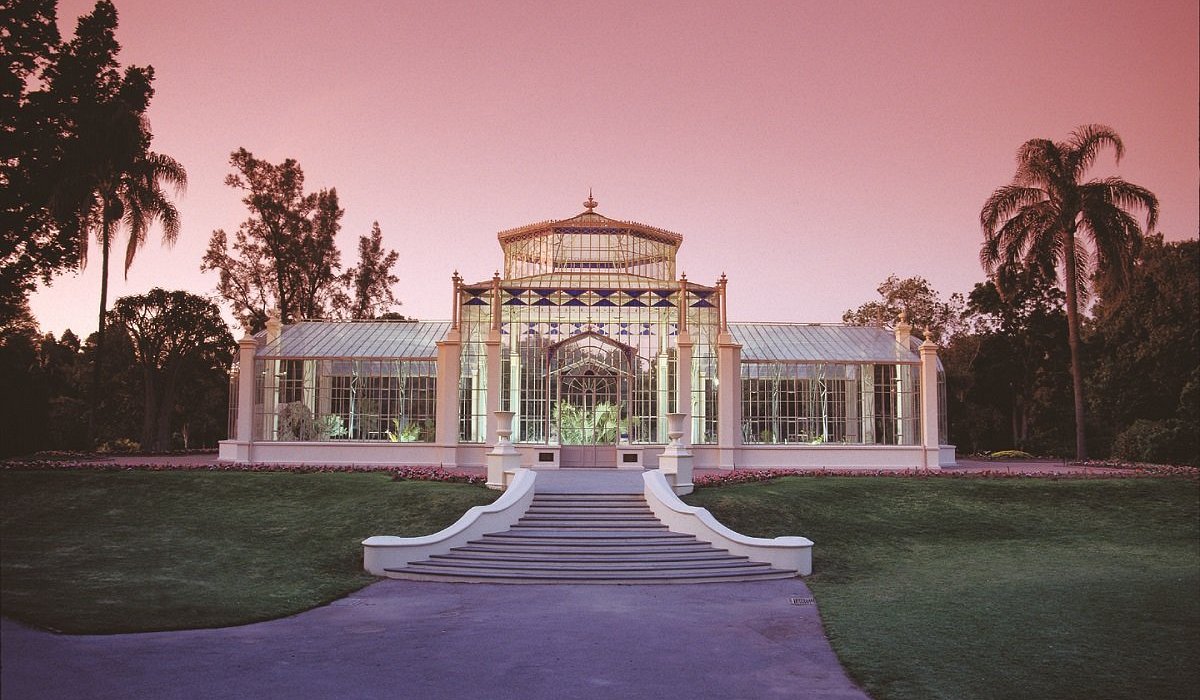
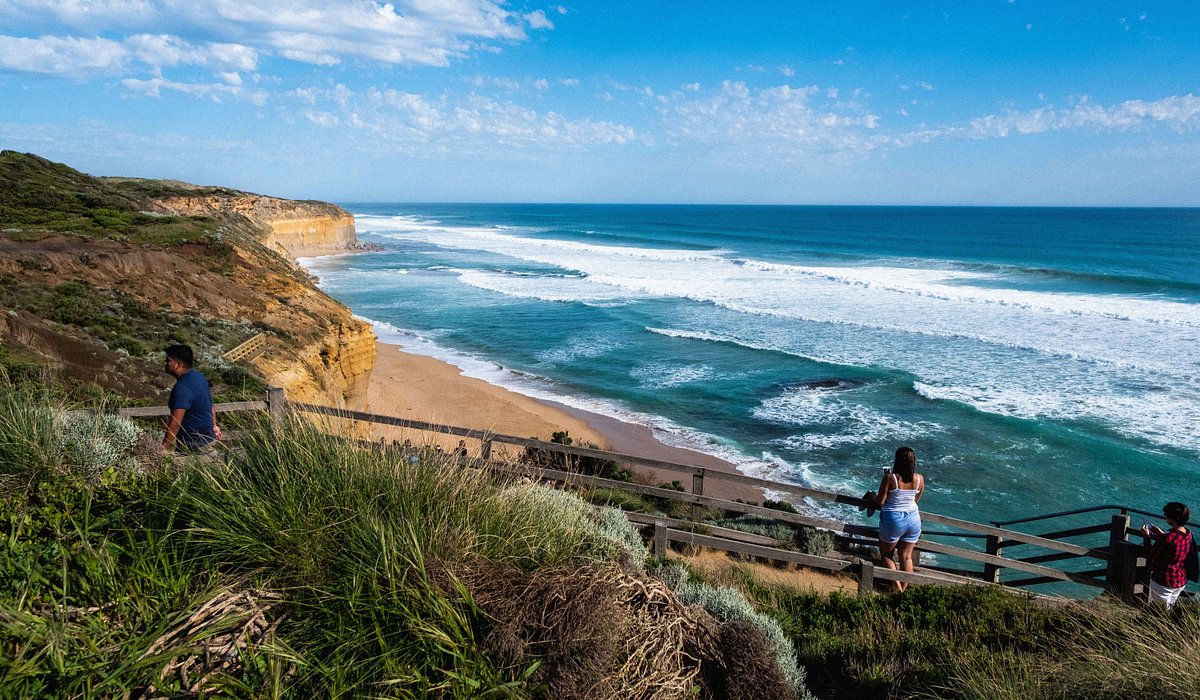
⚡ The TL;DR Verdict
For urban explorers and foodies who love a vibrant, fast-paced city, Melbourne is your clear winner, though it comes at a higher price (daily budget: AUD $150-250 / USD $98-163+). If you crave a more relaxed pace, incredible nature, world-class wine just a short drive away, and a friendlier budget, Adelaide offers a superb, often overlooked experience (daily budget: AUD $100-180 / USD $65-117+).
- Choose Adelaide: You prioritize affordability, easy access to stunning nature and wine regions, a laid-back atmosphere, and enjoy a city that feels like a big country town with excellent food and beach culture.
- Choose Melbourne: You're a culture vulture, a sports fanatic, a serious foodie, or a nightlife enthusiast who thrives in a bustling, cosmopolitan environment with endless options, and you don't mind spending a bit more.
- Choose Both: If you have 10-14 days, flying between them (1hr 20min, ~AUD $80-150 / USD $52-98) allows you to experience both. Start in Adelaide for a few days of relaxation and wine, then head to Melbourne for the big city buzz. Or drive the scenic coastal route (8-10 hours) for an epic road trip.
Quick Comparison
| Category | Adelaide | Melbourne | Winner |
|---|---|---|---|
| Costs & Affordability | Generally more budget-friendly across accommodation, dining, and activities. Good value for money. | Higher cost of living and travel, especially for accommodation and premium dining/experiences. | Adelaide |
| Food & Drink | Emerging food scene, excellent market produce, world-class wine regions on its doorstep, great cafes. | Global culinary powerhouse with diverse cuisines, laneway cafes, fine dining, and innovative bars. | Melbourne |
| Nightlife & Entertainment | More intimate bar scene, growing live music, concentrated in specific areas. Quieter overall. | Vibrant and diverse, with hidden laneway bars, mega-clubs, live music venues, and world-class theatre. | Melbourne |
| Culture & Arts | Known as the 'Festival City', strong local arts scene, excellent museums and galleries. | Australia's cultural capital, renowned for its art galleries, museums, live music, street art, and sporting events. | Melbourne |
| Nature & Outdoors | Easy access to diverse landscapes: stunning coastlines, rolling hills, famous wine regions, Flinders Ranges. | Proximity to the Dandenong Ranges, Great Ocean Road, and Phillip Island, offering diverse natural beauty. | Adelaide |
| Beaches | Pristine, easily accessible city beaches like Glenelg and Henley, perfect for swimming and sunsets. | St Kilda is popular, but city beaches are less pristine; better beaches require driving out of the city. | Adelaide |
| Getting Around | Walkable city centre, good bus/tram network to key attractions and beaches. Car recommended for day trips. | Extensive tram network (free CBD zone), comprehensive train and bus services. Excellent for urban exploration. | Melbourne |
| Accommodation | Good range of boutique and standard hotels, often at more competitive prices, especially mid-range. | Vast selection from luxury to budget, but generally higher prices, especially for quality options. | Adelaide |
| Day Trips | Unparalleled access to world-famous wine regions, charming German villages, and wildlife sanctuaries. | Iconic Great Ocean Road, Yarra Valley wineries, Dandenong Ranges, and Phillip Island for wildlife. | Adelaide |
| Weather & Seasons | Dry, hot summers; mild, wet winters; generally more predictable and sunny. | Famously 'four seasons in one day', often unpredictable, with cooler summers and colder winters. | Adelaide |
💰 Costs & Affordability
When it comes to stretching your travel dollar, Adelaide undeniably takes the crown. A decent coffee in Melbourne might set you back AUD $5-6 (USD $3.25-3.90), while Adelaide often hovers around AUD $4-5 (USD $2.60-3.25). A budget meal like a banh mi or a hearty pub schnitzel in Adelaide can be found for AUD $15-20 (USD $9.75-13), whereas similar quality in Melbourne usually starts at AUD $20-25 (USD $13-16.25) in central areas. Public transport is cheaper in Adelaide, with a standard MetroCard fare costing AUD $2.30 off-peak (USD $1.50) compared to Melbourne's Myki, which can be AUD $4.60 for a 2-hour fare (USD $3). Accommodation, particularly in the mid-range, offers significantly better value in Adelaide, with quality hotels around AUD $120-180 (USD $78-117) compared to Melbourne's AUD $180-250+ (USD $117-163+) for comparable quality. Activities like wine tours also tend to be a bit more accessible price-wise from Adelaide, especially if self-driving. "Adelaide was such a pleasant surprise, my wallet actually breathed a sigh of relief after Melbourne." This makes Adelaide a fantastic option for backpackers, budget-conscious families, or anyone wanting a quality trip without breaking the bank.
Winner takeaway
- Winner: Adelaide
- Why: Adelaide consistently offers better value across accommodation, dining, and activities, allowing travelers to enjoy more for less.
- Who this matters for: Budget travelers, long-term visitors, and anyone looking to maximize their experience without overspending.
🍽️ Food & Drink
Melbourne is a verifiable food mecca, a reputation it has earned through its incredible diversity, innovation, and sheer volume of quality establishments. From high-end degustation at Attica (expect AUD $360+/USD $234+ per person) to hidden laneway ramen joints like Shinjuku Ramen (AUD $18-25/USD $11.70-16.25) or the bustling Queen Victoria Market, you could eat out every night for a month and never repeat a cuisine. The coffee culture is legendary, with cafes like Industry Beans setting the standard. Adelaide, while excellent, offers a more focused culinary experience, heavily influenced by its proximity to prime produce and wine regions. The Adelaide Central Market is a foodie's dream, offering fresh local ingredients and casual eats (a 'Gourmet' pie from Providore might be AUD $10/USD $6.50). Its restaurant scene is growing, with places like Africola (AUD $100+/USD $65+ per person for a set menu) making waves, but it lacks the overwhelming variety and sheer depth of Melbourne. "Melbourne's food scene is just next level, seriously, my tastebuds never got bored." Adelaide excels in wine and local produce, but Melbourne is the global champion of culinary experiences.
Winner takeaway
- Winner: Melbourne
- Why: Melbourne's unparalleled diversity, innovation, and sheer quantity of world-class dining and bar options make it a global food capital.
- Who this matters for: Serious foodies, coffee connoisseurs, and travelers who prioritize diverse and cutting-edge culinary experiences.
🕺 Nightlife & Entertainment
Melbourne’s nightlife is a sprawling, energetic beast that truly comes alive after dark. It's renowned for its hidden laneway bars like Eau de Vie (cocktails AUD $22-28 / USD $14.30-18.20), rooftop venues offering stunning city views, and an incredible live music scene ranging from intimate jazz clubs to stadium concerts. Venues like Cherry Bar on AC/DC Lane are legendary for rock music, while Federation Square often hosts free events. The theatre district is robust, with international musicals and local productions frequently gracing stages like the Princess Theatre (tickets AUD $80-200+/USD $52-130+). Adelaide's nightlife is more contained and generally quieter. Hindley Street and Peel Street are the main hubs, offering a good selection of bars and pubs like Maybe Mae (cocktails AUD $18-25 / USD $11.70-16.25) and some growing live music venues. It's a great scene if you prefer a more relaxed, less overwhelming night out, but it simply can't compete with the sheer scale and variety of Melbourne. "Melbourne just keeps giving, you find a new cool bar every time you turn a corner. Adelaide's good, but it's like a couple of streets vs a whole city." If you're looking for endless options, late-night revelry, and diverse entertainment, Melbourne is in a league of its own.
Winner takeaway
- Winner: Melbourne
- Why: Melbourne offers a vastly larger, more diverse, and dynamic nightlife and entertainment scene, from hidden bars to major theatre productions.
- Who this matters for: Party-goers, music lovers, theatre enthusiasts, and anyone seeking endless options for evening entertainment.
🎭 Culture & Arts
Melbourne proudly wears the crown as Australia's cultural capital, and for good reason. It boasts world-class institutions like the National Gallery of Victoria (NGV) – often free entry for general collections, the Melbourne Museum (adult entry AUD $15/USD $9.75), and the Australian Centre for the Moving Image (ACMI). The city's laneways are a vibrant canvas for street art, constantly evolving. Melbourne is also synonymous with sport, hosting major events like the Australian Open (tickets AUD $80-500+/USD $52-325+) and the F1 Grand Prix. Its theatre and live music scene is second to none in Australia. Adelaide, while smaller, punches above its weight. It's famously the 'Festival City', hosting the Adelaide Fringe, WOMADelaide, and the Adelaide Festival, drawing international talent. The Art Gallery of South Australia and the South Australian Museum (both generally free entry) are excellent. However, outside of festival season, its cultural pulse is gentler. "Melbourne just *feels* alive with culture, like there's always something major happening. Adelaide's festivals are amazing, but it quiets down after." For year-round, high-octane cultural immersion and diversity, Melbourne is hard to beat.
Winner takeaway
- Winner: Melbourne
- Why: Melbourne offers a broader, more consistently vibrant and diverse cultural landscape, from major art institutions to world-renowned sporting events and street art.
- Who this matters for: Art aficionados, history buffs, sports fanatics, and those who love a city with a dynamic, year-round cultural calendar.
🌳 Nature & Outdoors
Adelaide is remarkably close to a stunning array of natural wonders, giving it an edge for immediate outdoor accessibility. Within an hour's drive, you can be sipping wine in the Barossa Valley or McLaren Vale, hiking in the picturesque Adelaide Hills (Mount Lofty Botanic Garden is free), or relaxing on the pristine beaches of the Fleurieu Peninsula. Iconic destinations like Kangaroo Island (ferry return AUD $100+/USD $65+ per person, plus car) and the ancient Flinders Ranges (5-6 hour drive) are easily achievable day or multi-day trips. Melbourne's natural escapes are also beautiful but often require more travel time. The Great Ocean Road (a full day trip, or 2-day minimum to truly appreciate) is spectacular, but a 2-hour drive just to get to the start. The Dandenong Ranges (Puffing Billy steam train tickets AUD $40+/USD $26+) offer charming forests and villages but are a different kind of 'wild' than what Adelaide offers. Phillip Island (Penguin Parade entry AUD $30+/USD $19.50+) is a fantastic wildlife experience but a 2-hour drive. "Adelaide wins for how quickly you can go from city to stunning nature. Barossa and McLaren Vale are literally on your doorstep." For sheer variety and proximity to diverse, unspoiled natural landscapes, Adelaide's location is a huge advantage.
Winner takeaway
- Winner: Adelaide
- Why: Adelaide provides unparalleled, easy access to a wider variety of stunning natural landscapes, from world-class wine regions to dramatic coastlines and ancient mountain ranges.
- Who this matters for: Nature lovers, hikers, wine enthusiasts, and those who want quick escapes from the city into diverse environments.
🏖️ Beaches
Adelaide truly shines when it comes to accessible, beautiful city beaches. Glenelg Beach, a mere 25-minute tram ride from the city centre (AUD $4.60 return/USD $3), offers soft sand, calm waters perfect for swimming, a bustling jetty, and lively restaurants along Jetty Road. Henley Beach and Grange Beach are equally lovely, offering a more relaxed vibe and stunning sunset views, easily reached by bus. These beaches feel genuinely clean and inviting, offering a true 'beach day' experience without leaving the metropolitan area. Melbourne's city beaches, primarily St Kilda Beach, are popular for their vibrant atmosphere, esplanade, and views of the city skyline, but they are not generally considered pristine swimming beaches in the same league as Adelaide's. The water quality can be variable, and the sand isn't as fine. For truly beautiful beaches near Melbourne, you'd need to venture further afield to the Mornington Peninsula or along the Great Ocean Road, requiring dedicated day trips. "Adelaide's beaches are just better, period. You can actually swim in them and they're right there. St Kilda is nice for a stroll, but not a swim." If your idea of a perfect city escape includes easy access to beautiful, swimmable beaches, Adelaide is the clear winner.
Winner takeaway
- Winner: Adelaide
- Why: Adelaide offers superior, more pristine, and incredibly accessible city beaches perfect for swimming, relaxation, and stunning sunsets, just a short public transport ride away.
- Who this matters for: Beach lovers, families, and anyone who wants to combine a city stay with easy, high-quality beach access.
🚌 Getting Around
Melbourne boasts an extensive and highly efficient public transport system, making it incredibly easy to navigate without a car. The iconic tram network is particularly user-friendly, with a free tram zone covering the entire CBD and Docklands, allowing you to hop on and off to explore major sights. Beyond the CBD, Myki cards (AUD $6 for the card, then top-up) seamlessly connect trams, trains, and buses across the wider metropolitan area. This robust network means you can reach virtually any suburb or attraction with ease. Adelaide's public transport, while functional, is less comprehensive. The city centre is very walkable, and there's a convenient tram line to Glenelg and a bus network, but it's not as extensive or intuitive as Melbourne's. For exploring Adelaide's surrounding wine regions or attractions like Kangaroo Island, a car rental is highly recommended, whereas in Melbourne, only truly remote day trips necessitate a car. "Melbourne's trams are a lifesaver, especially the free zone. You never need a car to get around the city." For urban exploration and convenience, Melbourne's transport system is a major advantage.
Winner takeaway
- Winner: Melbourne
- Why: Melbourne's extensive and efficient public transport network, especially its iconic free tram zone, makes it exceptionally easy to navigate the city and its surrounds without a car.
- Who this matters for: Independent travelers, those without a car, and anyone who prefers relying on public transport for convenience.
🏨 Accommodation
Adelaide offers a distinct advantage in accommodation, primarily due to its more competitive pricing without sacrificing quality. You can find excellent 4-star hotels like The Franklin Hotel or Hotel Indigo Adelaide Markets for AUD $150-220 (USD $98-143) per night, often including better amenities or larger rooms than comparably priced options in Melbourne. Boutique hotels are increasingly popular, offering unique stays at attractive price points. Budget travelers also fare well, with hostels often starting from AUD $30-40 (USD $19.50-26) for a dorm bed. Melbourne has an undeniably larger volume and variety of accommodation, from ultra-luxury hotels like Crown Towers (AUD $400-800+/USD $260-520+) to countless budget hostels. However, quality hotels in central Melbourne typically start from AUD $200-300+ (USD $130-195+) for a good 4-star experience, and even budget options can feel cramped or less value-driven. "We got a really nice boutique hotel in Adelaide for what would barely get us a basic chain hotel in Melbourne. Felt like a steal." If getting more bang for your buck on a comfortable stay is a priority, Adelaide delivers consistently.
Winner takeaway
- Winner: Adelaide
- Why: Adelaide provides better value for money in accommodation, offering quality boutique and standard hotels at significantly more competitive prices than Melbourne.
- Who this matters for: Budget-conscious travelers, those seeking good value for comfortable stays, and visitors looking for boutique experiences without the premium price tag.
🚗 Day Trips
Adelaide truly excels in the diversity and proximity of its day trip options, making it a powerful base for exploration. Within an hour's drive, you can be exploring the Barossa Valley or McLaren Vale, renowned for their world-class wines (tasting fees AUD $10-25/USD $6.50-16.25 per person, often waived with purchase). The picturesque Adelaide Hills, home to the historic German village of Hahndorf, offers charming experiences and local produce. For wildlife, Cleland Wildlife Park (entry AUD $27/USD $17.50) is also just 20 minutes from the CBD. Kangaroo Island, a full day or overnight trip, offers incredible native wildlife and stunning scenery. Melbourne's day trips are iconic, particularly the Great Ocean Road, which is a must-do for many visitors but requires a long day (12+ hours for a loop tour, AUD $100-150/USD $65-98+ for a bus tour). The Yarra Valley wine region is also excellent but arguably less diverse than SA's offerings. The Dandenong Ranges offer a different kind of beauty, and Phillip Island's Penguin Parade is a unique wildlife encounter. "Adelaide's day trips felt more varied and less like a massive bus ride. Barossa and McLaren Vale are so close and stunning." While Melbourne has its gems, Adelaide's combination of world-class wine, charming villages, and unique wildlife experiences within such close proximity gives it the edge.
Winner takeaway
- Winner: Adelaide
- Why: Adelaide offers a greater variety of world-class day trips that are more easily accessible and diverse, from renowned wine regions to unique wildlife and charming historical towns.
- Who this matters for: Wine lovers, nature explorers, and those who enjoy easy access to diverse day-trip experiences without extensive travel time.
☀️ Weather & Seasons
Adelaide's Mediterranean climate is often cited by locals as one of its greatest assets, offering generally more predictable and enjoyable weather patterns compared to Melbourne's notorious variability. Summers (Dec-Feb) in Adelaide are typically hot and dry, with average temperatures around 28-30°C (82-86°F), perfect for beach days or enjoying the outdoor festivals. Winters (Jun-Aug) are mild and wet, with averages around 10-15°C (50-59°F), still pleasant enough for exploring. Spring and autumn are particularly delightful, with comfortable temperatures and clear skies. Melbourne, on the other hand, lives up to its 'four seasons in one day' reputation. While its summers can have hot days, they are often punctuated by sudden cool changes and rain, with averages around 25-27°C (77-81°F). Winters are noticeably colder and wetter than Adelaide's, with averages around 8-13°C (46-55°F) and more persistent dreary days. "I love Melbourne but the weather can be a real mood killer. Adelaide just gets more consistent sun and warmth." If you prefer more stable, sunnier weather, especially for outdoor activities, Adelaide is a more reliable bet for a pleasant experience.
Winner takeaway
- Winner: Adelaide
- Why: Adelaide offers a more consistently pleasant, sunnier, and predictable Mediterranean climate, particularly for enjoyable summers and milder winters, compared to Melbourne's highly variable weather.
- Who this matters for: Travelers who prefer stable weather for outdoor activities, those sensitive to cold, and anyone seeking consistent sunshine.
❓ Frequently Asked Questions
Is it worth visiting Adelaide or Melbourne in winter?
Both cities are worth visiting in winter (June-August), but offer different experiences. Melbourne shines with its cozy laneway cafes, extensive indoor cultural attractions, and winter festivals like the Lightscape at the Royal Botanic Gardens. Adelaide has milder winters, making outdoor activities like wine tasting in the Barossa still very pleasant, and its cultural scene still offers events, albeit fewer major ones than Melbourne.
Which city is better for families with kids?
Adelaide often wins for families due to its more relaxed pace, accessible beaches (Glenelg), excellent wildlife parks (Cleland, Monarto Safari Park), and the affordability of attractions and accommodation. Melbourne, while having fantastic options like the Melbourne Zoo and Scienceworks, can be more overwhelming and expensive for family travel. Adelaide feels safer and easier to navigate with young children.
How much time should I allocate for each city?
For Adelaide, 3-4 full days is ideal to explore the city, visit a wine region (Barossa or McLaren Vale), and enjoy a beach. For Melbourne, 4-6 full days would allow you to scratch the surface of its cultural, food, and laneway scenes, plus potentially a day trip to the Great Ocean Road or Yarra Valley. If doing both, allow at least 7-10 days.
Is it easy to travel between Adelaide and Melbourne?
Yes, it's very easy! The quickest way is by flying, with direct flights taking approximately 1 hour 20 minutes and costing around AUD $80-150 (USD $52-98) one-way with budget airlines like Jetstar or Virgin Australia. You can also drive the scenic coastal route (8-10 hours) or take a V/Line train, which is longer but offers different views.
Which city is better for solo travelers?
Melbourne generally offers more for solo travelers due to its vibrant hostel scene, endless social events, diverse nightlife, and numerous free activities. It's easy to meet people and find activities that cater to individual interests. Adelaide is also safe and welcoming for solo travelers, but its smaller scale might mean fewer organized social opportunities, though it's great for independent exploration of nature and food.
What are the key differences in atmosphere?
Adelaide has a more relaxed, 'big country town' feel; it's friendly, easy-going, and less rushed. It's often described as charming and understated. Melbourne, in contrast, is a bustling, cosmopolitan metropolis – energetic, fashion-conscious, and always buzzing with activity. It's a city that feels grander and more international in its scope.
Are there good shopping options in both cities?
Melbourne is a shopping paradise, especially along Bourke Street Mall, Chadstone (the largest shopping centre in the Southern Hemisphere), and its countless laneway boutiques. You'll find everything from high fashion to unique local designers. Adelaide offers good shopping along Rundle Mall for major retailers and King William Road for boutiques, but it doesn't have the same scale or variety as Melbourne.
Which city is better for wine lovers?
Adelaide is the undisputed champion for wine lovers. It’s the gateway to three of Australia's most famous wine regions – Barossa Valley, McLaren Vale, and Adelaide Hills – all within an hour's drive. This unparalleled access to cellar doors, tasting experiences, and vineyard restaurants makes it a dream destination for oenophiles. While Melbourne has the Yarra Valley nearby, Adelaide's variety and proximity are unmatched.
Ready to plan your Australian trip?
Get a free custom itinerary for Adelaide, Melbourne, or both — built from real traveler insights.
🎟️ Book Tours & Experiences
Hand-picked tours and activities for both destinations — book with free cancellation
Experiences via Viator — free cancellation on most tours