How we built this comparison
This page combines traveler discussion patterns, published price ranges, flight schedules, and seasonal data to help you decide between Adriatic and Aegean.
- Reviewed 500+ Reddit threads from r/travel, r/solotravel, r/Croatia, r/Greece, and r/EuropeTravel.
- Verified costs and logistics against current booking platforms (Booking.com, Skyscanner, Rome2Rio) and official tourism sites.
- Cross-referenced seasonal patterns, weather data, and local festival calendars for optimal timing recommendations.
⚡ The TL;DR Verdict
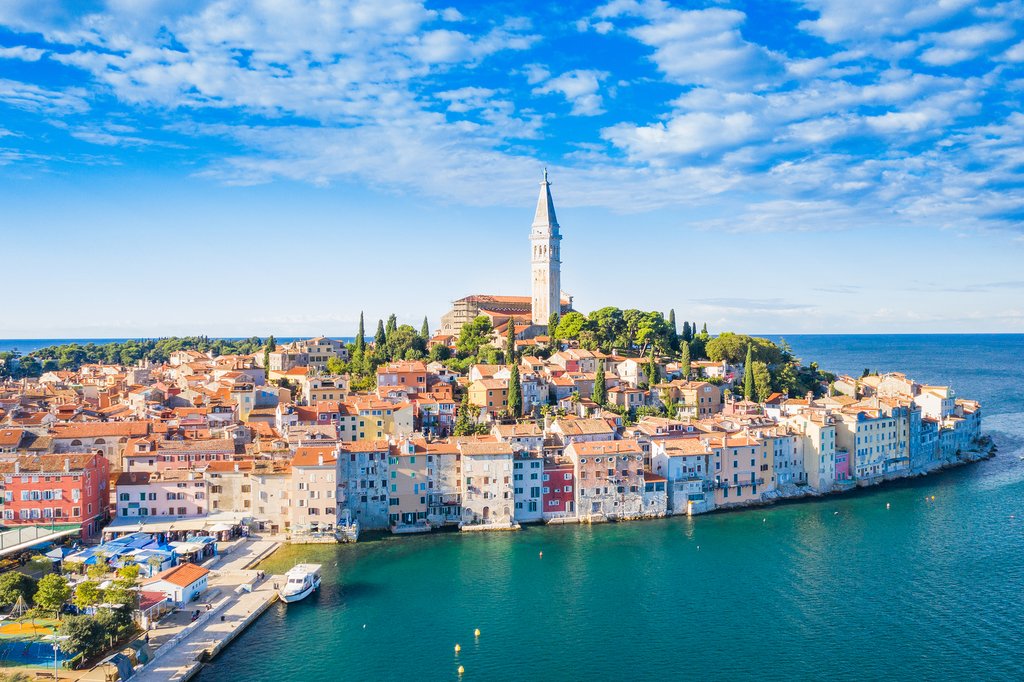
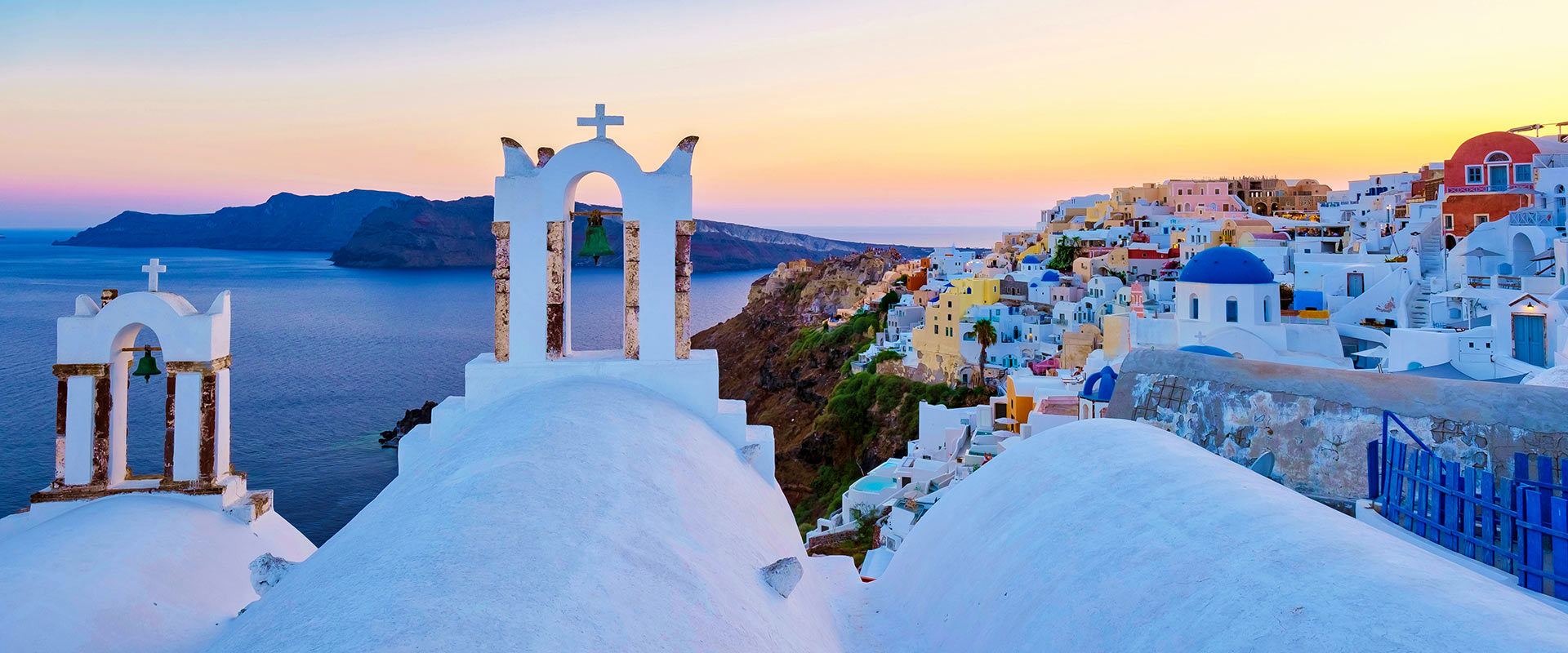
For those seeking iconic postcard views, lively island hopping, and a rich ancient history paired with fantastic cuisine, the Aegean (Greece, Western Turkey) is your winner with a daily budget typically ranging from $70-180 (€65-170). If you crave rugged natural beauty, medieval walled cities, pristine national parks, and a generally better value, the Adriatic (Croatia, Montenegro, Albania, Southern Italy) will captivate you, often for $50-150 (€45-140) per day outside peak tourist hubs.
- Choose Adriatic: Choose the Adriatic if you prioritize stunning natural landscapes (mountains, lakes, waterfalls), a blend of Roman and Venetian history, active outdoor adventures, and a slightly more budget-friendly experience, especially in Albania or outside Croatia's main hotspots. Perfect for road trippers and nature lovers.
- Choose Aegean: Opt for the Aegean if your dream vacation involves iconic whitewashed villages, world-class beaches, vibrant nightlife, ancient ruins that feel alive, and a food scene that's universally adored. Ideal for first-time Mediterranean travelers, couples, and those seeking that quintessential Greek island vibe.
- Choose Both: If you have at least 3-4 weeks and a flexible budget, combining both offers an incredible range of experiences. Start with the historical depth and island charm of Greece, then fly to Croatia (e.g., Athens to Split) for medieval cities and national parks. Aim for late spring (May-early June) or early autumn (September-early October) to enjoy pleasant weather and fewer crowds.
Quick Comparison
| Category | Adriatic | Aegean | Winner |
|---|---|---|---|
| Beaches & Swimming | Pristine, crystal-clear waters dominate, often with pebble or rocky shores. Dramatic cliffs and hidden coves are common. Excellent for secluded swims and nature. | Iconic, diverse beaches from white and black sands to dramatic red cliffs. Famous for their unique geology and classic 'blue water' aesthetic. More organized options. | Aegean |
| Food & Drink | Hearty, fresh, with Italian and Ottoman influences. Excellent seafood, grilled meats (ćevapi, pljeskavica), slow-cooked 'Peka', and local wines/liqueurs. | World-renowned Mediterranean cuisine: fresh seafood, mezes, souvlaki, moussaka, olive oil, and vibrant fresh produce. Strong cafe culture and local wines. | Aegean |
| Culture & History | Rich tapestry of Roman, Venetian, Ottoman, and Austro-Hungarian influences. Well-preserved medieval walled cities and unique historical towns. | Birthplace of Western civilization, with unparalleled ancient Greek and Roman ruins, Byzantine churches, and a living history that permeates daily life. | Aegean |
| Nightlife & Parties | Known for lively beach clubs in destinations like Hvar, Pag (Zrće Beach), and Budva. More relaxed bars and pubs elsewhere, with a focus on good music and atmosphere. | Home to world-renowned party islands like Mykonos and Ios, offering large-scale clubs, beach parties, and vibrant bar scenes that attract international DJs. | Aegean |
| Costs & Budget | Generally offers better value, especially outside Dubrovnik and Hvar. Albania is very budget-friendly. Accommodation and food can be more affordable. | Can range from very expensive (Santorini, Mykonos) to moderately affordable (Crete, Naxos, mainland). Major islands often command premium prices. | Adriatic |
| Getting There & Around | Good flight connections to major hubs (Split, Dubrovnik, Tirana). Extensive bus networks and easy car rentals for mainland exploration. Ferries connect islands. | Excellent flight connections to Athens, Thessaloniki, and major islands. Extensive ferry system is key for island hopping. Car rentals are common on larger islands. | Tie |
| Accommodation | Ranges from charming guesthouses in old towns to modern hotels and luxury villas. Often features historic stone buildings and waterfront properties. Good value outside hotspots. | Iconic options like cave hotels and cliffside villas on Santorini, boutique hotels, and resort complexes. Wide range, but famous spots are very pricey. | Aegean |
| Nature & Activities | Dramatic mountains, stunning national parks (Plitvice, Krka), pristine lakes, and vast coastline. Excellent for hiking, kayaking, cycling, and exploring waterfalls. | Volcanic landscapes, unique geological formations, excellent diving/snorkeling, and diverse marine life. More focused on sea-based activities and island exploration. | Adriatic |
| Families & Relaxation | Offers a balanced mix of activities and relaxation, with safe swimming spots, charming towns, and plenty of space for exploration. Many family-friendly apartments and villas. | Many resort islands cater well to families, with dedicated amenities. Iconic sights can be educational, but popular islands can get very crowded and expensive. | Adriatic |
| Solo Travel & Safety | Generally very safe and welcoming for solo travelers. Easy to navigate with good public transport. Hostels and guesthouses facilitate meeting others. | Also very safe for solo travelers, especially in popular tourist areas. Island hopping is a popular solo activity. Hostels are plentiful, making it easy to socialize. | Tie |
🏖️ Beaches & Swimming
When it comes to sheer variety and iconic beauty, the Aegean pulls ahead. You've got the volcanic black sands of Perissa in Santorini, the stunning white cliffs of Sarakiniko on Milos (often called 'moonscape beach'), or the vibrant party sands of Paradise Beach in Mykonos. Greece truly offers a beach for every mood, often with well-developed facilities and watersports. While the Adriatic boasts incredibly clear, clean waters – think the pebble beaches of Zlatni Rat on Brač or the hidden coves of Vis island like Stiniva, which require some effort to reach – they are primarily pebble or rock, and while beautiful, lack the dramatic geological diversity of the Aegean. Albania’s Riviera, especially around Ksamil, offers some stunning sandy stretches that give Greece a run for its money, but they are fewer and further between. "Seriously, nothing beats swimming in that Aegean blue. Every island has its own vibe, from party to totally remote, and the water is just unreal. Don't skip Milos if you want unique beaches!" - u/IslandHopper87. A typical beach chair rental in Greece might be €10-20 ($11-22) for the day, while in Croatia, it's often 70-150 HRK ($10-22).
Winner takeaway
- Winner: Aegean
- Why: The Aegean offers greater diversity in beach types (sand, pebble, volcanic) and iconic, world-renowned scenery that is truly unique.
- Who this matters for: First-time visitors to the Mediterranean, photographers, and those who prioritize classic 'paradise' beaches.
🍽️ Food & Drink
This is a tough one, but the Aegean's culinary scene is a global favorite for a reason. Greek food is fresh, vibrant, and incredibly diverse across its islands. From the simple perfection of a fresh Greek salad with local olive oil and feta (around €7-12 / $8-13), to perfectly grilled souvlaki (often €3-4 / $3.50-4.50), rich moussaka, and an array of incredible seafood, every meal is a delight. The meze culture encourages sharing and sampling, perfect for groups. The cafe culture is strong, and local wines are increasingly impressive. The Adriatic's food, particularly Croatian and Montenegrin, is delicious but perhaps less varied. You'll find fantastic fresh seafood, especially along the coast (a grilled fish platter for two in Split might be 250-400 HRK / $36-58), and hearty meat dishes like 'Peka' (slow-cooked under a bell) or 'ćevapi' (grilled minced meat sausages, often 60-90 HRK / $9-13). Italian influence is strong, especially in Istria with its truffles, and pasta dishes are common. Albanian cuisine offers fantastic value with dishes like 'fergesë' for around 500-800 LEK ($5-8). While the Adriatic is great, the Aegean's consistent quality, variety, and the sheer joy of Greek taverna dining give it the edge. "Honestly, you can't go wrong with Greek food, even in tourist traps it's usually solid. Get the fresh fish in a small taverna, totally worth the splurge." - u/FoodieExplorer.
Winner takeaway
- Winner: Aegean
- Why: The Aegean offers a universally beloved, incredibly diverse, and consistently high-quality cuisine with fresh ingredients and a strong culinary identity.
- Who this matters for: Foodies, families with diverse tastes, and anyone who loves fresh, healthy, and flavorful Mediterranean dishes.
🏛️ Culture & History
For sheer historical weight and significance, the Aegean is hard to beat. Greece is literally the cradle of Western civilization, boasting sites like the Acropolis in Athens (entry €20 / $22), the Oracle of Delphi, the Palace of Knossos in Crete, and countless ancient theaters and temples spread across its mainland and islands. The history is palpable and incredibly well-preserved, offering a deep dive into philosophy, democracy, and mythology. Turkish Aegean also brings in ancient wonders like Ephesus. The Adriatic, while incredibly rich, offers a different historical flavor. Croatia's Dubrovnik (city walls entry ~€35 / $38) and Split (Diocletian's Palace, free to explore, some parts paid), Montenegro's Kotor, and Albania's Butrint all showcase stunning Roman, Venetian, and Ottoman influences, often within incredibly well-preserved medieval city walls. You'll find charming old towns and fortresses at every turn, but it's more about medieval and early modern history. "Nothing compares to seeing the Parthenon in person. It just hits different, knowing how old it is and what it represents. You can feel the history." - u/AncientAdmirer. While both are historical goldmines, the Aegean's connection to the foundational stories of the Western world gives it a compelling edge for many.
Winner takeaway
- Winner: Aegean
- Why: The Aegean's unparalleled concentration of ancient Greek and Roman ruins offers a deeper, more foundational historical experience.
- Who this matters for: History buffs, classical scholars, and those seeking to connect with the origins of Western civilization.
🎉 Nightlife & Parties
If you're looking to dance until dawn, the Aegean is your undeniable winner. Mykonos, in particular, is a global party hotspot, drawing international DJs and revelers to its famous beach clubs like Cavo Paradiso, where entry can easily be €30-80 ($33-87) depending on the DJ. Ios is another legendary party island, especially popular with younger crowds, with bars lining the main town. Even islands like Santorini offer upscale lounge bars with incredible caldera views. The energy is vibrant, international, and non-stop during peak season. The Adriatic certainly has its party zones: Hvar in Croatia is famous for its chic beach clubs like Carpe Diem (cocktails around 120-150 HRK / $17-22), and Zrće Beach on Pag island is a huge festival destination. Budva in Montenegro also has a bustling nightlife scene. However, outside these specific hotspots, the nightlife is generally more relaxed, focusing on charming old town bars and waterfront lounges. "Mykonos was wild, totally worth the splurge for a few nights. The vibe is just insane, unlike anywhere else." - u/ClubbingQueen. While the Adriatic offers fantastic parties, the sheer scale, reputation, and variety of world-class venues in the Aegean make it the go-to for serious party-goers.
Winner takeaway
- Winner: Aegean
- Why: The Aegean boasts globally recognized party islands and a more extensive, vibrant, and diverse nightlife scene catering to all preferences.
- Who this matters for: Young travelers, party-goers, and those looking for high-energy international clubbing experiences.
💰 Costs & Budget
This is where the Adriatic truly shines for budget-conscious travelers, especially once you venture beyond the peak-season prices of Dubrovnik and Hvar. Albania, in particular, offers incredible value, where a delicious dinner with wine might cost €15-20 ($16-22), and a good hotel room can be found for €40-70 ($44-77). Even in Croatia, while Dubrovnik is notoriously pricey (a simple meal can be 150-250 HRK / $22-36), places like Split, Zadar, and the islands outside of Hvar offer more reasonable prices. Hostels generally range from €25-45 ($27-49) and mid-range hotels from €80-150 ($87-163). In the Aegean, while mainland Greece and larger islands like Crete or Naxos can be affordable (hostel bed €30-50 / $33-55, mid-range hotel €70-130 / $77-142), the popular islands like Santorini and Mykonos are significantly more expensive. A basic meal in Oia, Santorini, can easily be €20-35 ($22-38), and hotels with caldera views can start at €200-500 ($217-545) per night. "We saved so much money doing a road trip through Montenegro and Albania. Our daily budget was maybe €60-70 ($65-76) and we ate like kings! Croatia was a bit more, but still less than Greece overall." - u/BudgetBackpacker. For consistent value across the region, the Adriatic is the clear winner.
Winner takeaway
- Winner: Adriatic
- Why: Outside of a few hotspots, the Adriatic generally offers a more budget-friendly experience for accommodation, food, and activities, especially in Albania and Montenegro.
- Who this matters for: Budget travelers, backpackers, and those looking to maximize their travel funds without sacrificing quality.
✈️ Getting There & Around
Both regions offer well-developed transportation networks, making this a tie. For the Adriatic, major airports like Split (SPU), Dubrovnik (DBV), and Tirana (TIA) have excellent seasonal connections from Europe. From the US, you'll typically connect through a major European hub. Once there, intercity buses are efficient and affordable (e.g., Split to Zadar ~€15 / $16, 2-3 hrs). Car rental is highly recommended for exploring the stunning coastal roads of Croatia, Montenegro, and Albania, with prices around €30-60 ($33-65) per day. Ferries connect the Croatian islands (e.g., Split to Hvar ~€10-15 / $11-16). In the Aegean, Athens (ATH) is the primary international gateway, with direct flights from many global cities (e.g., NYC to Athens ~9-10 hrs). Major islands like Santorini (JTR) and Mykonos (JMK) also have international flights. Island hopping is a quintessential experience, relying on an extensive and reliable ferry system (e.g., Athens to Santorini ~€40-80 / $44-87, 5-8 hrs). Car or scooter rental is popular on larger islands to explore beyond the main towns. "Getting around the Greek islands is a breeze with the ferries, just book in advance in peak season. For Croatia, we rented a car and it was the best decision for seeing all the national parks." - u/Wanderlust_FTW. Both systems are robust, just catering to slightly different travel styles.
Winner takeaway
- Winner: Tie
- Why: Both regions offer excellent and efficient transportation networks, tailored to their respective geographies (buses/cars for mainland Adriatic, ferries for Aegean islands).
- Who this matters for: All travelers, as both regions provide convenient and reliable options for exploring.
🏨 Accommodation
While the Adriatic offers some truly charming stays, the Aegean wins for its unique and iconic accommodation experiences. Nowhere else can you find the quintessential white-washed cave hotels and cliffside villas of Santorini, with their breathtaking caldera views, often starting from €250-500 ($270-540) a night. Mykonos offers luxury boutique hotels and party villas, while other islands like Crete provide a vast array of resorts, family-run hotels, and traditional guesthouses. The variety and the 'dream vacation' aesthetic are unmatched. The Adriatic counters with its own appeal, particularly the historic stone guesthouses within the walls of Dubrovnik or Split (mid-range ~€100-200 / $109-217), charming apartments with sea views in smaller towns, and a growing number of stylish boutique hotels. Montenegro and Albania offer exceptional value in their hotels and beachfront resorts, often at half the price of comparable Greek options (e.g., a nice beachfront hotel in Sarandë, Albania, for €60-100 / $65-109). "Staying in a cave hotel in Oia was a bucket list thing, and it was absolutely worth every penny. The view from our private plunge pool was insane." - u/LuxuryLover. For that truly unique, Instagram-perfect stay, the Aegean has the edge.
Winner takeaway
- Winner: Aegean
- Why: The Aegean offers iconic and unique accommodation experiences, particularly the world-famous cliffside and cave hotels, providing unparalleled views and aesthetics.
- Who this matters for: Couples, honeymooners, and luxury travelers seeking unique, high-end, and visually stunning stays.
⛰️ Nature & Activities
If you're an active traveler who loves diverse natural landscapes beyond just beaches, the Adriatic is your playground. Croatia boasts two world-famous waterfall national parks: Plitvice Lakes (entry ~€30 / $33 in peak season) and Krka National Park, offering breathtaking walks and swimming opportunities. The Dinaric Alps stretch through Croatia and Montenegro, providing incredible hiking and canyoning (e.g., Tara Canyon in Montenegro, rafting for ~€50-80 / $55-87). Kayaking around Dubrovnik's city walls or exploring the untouched nature of Mljet island are highlights. Albania offers stunning mountain ranges (the Accursed Mountains) and unspoiled coastal areas. The Aegean, while beautiful, is more focused on its coastal and marine environment. Diving and snorkeling are excellent, especially around shipwrecks and ancient ruins. The volcanic landscapes of Santorini and Milos are unique, offering hot springs and boat tours (Santorini caldera cruise ~€30-60 / $33-65). However, for sheer diversity of land-based natural beauty, from towering mountains to cascading waterfalls and vast forests, the Adriatic wins. "Plitvice Lakes absolutely blew my mind, the colors of the water are something you have to see to believe. So much hiking and untouched beauty there." - u/NatureNerd.
Winner takeaway
- Winner: Adriatic
- Why: The Adriatic offers a greater diversity of natural landscapes, including dramatic mountains, forests, and renowned national parks with stunning waterfalls.
- Who this matters for: Hikers, nature photographers, adventure seekers, and those who love exploring beyond the beach.
👨👩👧👦 Families & Relaxation
For families seeking a blend of relaxation, safe activities, and cultural immersion without the overwhelming crowds and price tags of some Aegean hotspots, the Adriatic is an excellent choice. Croatia, with its calm, clear waters and charming coastal towns, offers plenty of safe swimming spots and kid-friendly activities. Exploring the walled cities of Dubrovnik or Split feels like stepping into a fairy tale. Renting a car allows for flexible exploration of national parks and smaller, less crowded towns. Many apartments and villas are geared towards families. Albania, with its incredibly low costs and beautiful beaches, is emerging as a fantastic family destination. The Aegean certainly caters to families, especially on larger islands like Crete and Rhodes which have numerous resorts with kid clubs and amenities. However, the most iconic islands like Santorini and Mykonos, while stunning, can be incredibly crowded, expensive, and sometimes less practical for young children (steep steps, limited strollers access). "We took our two kids to Croatia last summer, stayed in a rental in a small town near Split. It was perfect – safe beaches, good food, and plenty of space for them to run around without breaking the bank." - u/FamilyTraveler. The Adriatic generally provides a more relaxed pace and better value for a family vacation.
Winner takeaway
- Winner: Adriatic
- Why: The Adriatic offers a generally more relaxed pace, better value for family-sized accommodation, and ample opportunities for safe, active, and culturally rich family experiences.
- Who this matters for: Families with young children, those seeking a peaceful vacation, and travelers who prefer a less frantic pace.
🚶♀️ Solo Travel & Safety
Both regions are excellent choices for solo travelers, boasting high safety ratings and welcoming atmospheres, making this category a tie. In the Adriatic, countries like Croatia, Montenegro, and Slovenia are incredibly safe, even for solo female travelers. The well-established hostel networks in cities like Split, Zagreb, and Kotor make it easy to meet fellow travelers. Public transport (buses, ferries) is reliable and easy to use. Hiking and outdoor activities are perfect for solo adventurers, and locals are generally helpful. Albania is also very safe and offers incredible value for solo exploration. The Aegean is equally safe and popular among solo travelers. The ease of island hopping via ferry makes it a fantastic choice for independent exploration, and islands like Ios and Mykonos are geared towards socializing. Athens and Thessaloniki have vibrant hostel scenes. "As a solo female traveler, I felt super safe backpacking through Croatia. Everyone was so friendly and helpful, and getting around was a breeze." - u/SoloSojourner. Both regions provide ample opportunities for connection and solitude, depending on your preference, and petty crime is minimal. Just apply common sense precautions as you would anywhere.
Winner takeaway
- Winner: Tie
- Why: Both the Adriatic and Aegean regions are exceptionally safe, welcoming, and easy to navigate for solo travelers, offering robust infrastructure and opportunities for social interaction or solitude.
- Who this matters for: Solo adventurers, backpackers, and anyone prioritizing safety and ease of independent travel.
❓ Frequently Asked Questions
What's the best time to visit the Adriatic vs. Aegean?
Both regions are best visited in late spring (May-early June) or early autumn (September-early October). You'll enjoy pleasant weather, fewer crowds, and more reasonable prices than the peak summer months of July and August. Mid-summer can be extremely hot and crowded, especially in popular spots.
Is English widely spoken in both regions?
Yes, in both the Adriatic and Aegean regions, English is widely spoken in tourist areas, hotels, restaurants, and by younger generations. You'll have no trouble communicating. Learning a few basic phrases in Croatian, Montenegrin, Albanian, or Greek is always appreciated by locals, though.
Which region is better for a honeymoon?
The Aegean, particularly Santorini and Mykonos, is often considered more iconic for honeymoons due to its luxurious cave hotels, romantic caldera views, and high-end dining. However, the Adriatic (e.g., Hvar, Kotor, or the less crowded Croatian islands) offers a more adventurous, intimate, and often more affordable romantic getaway, perfect for couples who enjoy exploring and nature.
Do I need to rent a car?
In the Adriatic, especially if you plan to explore national parks and smaller towns in Croatia, Montenegro, or Albania, renting a car is highly recommended for flexibility. In the Aegean, if you're island hopping, ferries are key, but a car or scooter is useful on larger islands like Crete or Naxos to explore beyond the main towns.
Are vegetarian or vegan options readily available?
Yes, both regions offer decent options. Greek cuisine, rich in fresh vegetables, legumes, and olive oil, has many natural vegetarian and vegan dishes (e.g., salads, fava, gigantes, briam). In the Adriatic, you'll find plenty of fresh produce, grilled vegetables, and Italian-influenced dishes. Albania is also surprisingly vegetarian-friendly with its fresh produce and hearty stews.
How long should I spend in each region?
For a good introduction to either region, plan for at least 7-10 days to explore 2-3 main destinations or islands. If you want to experience both, allocate 2-3 weeks minimum, focusing on key highlights in each to avoid rushing. Less than 5 days per country or island can feel very rushed.
What currency is used?
In the Adriatic, Croatia uses the Euro (€) as of 2023. Montenegro and Albania use their own currencies: the Euro (€) in Montenegro (though not officially an EU member) and the Albanian Lek (ALL) in Albania. In the Aegean, Greece (an EU member) uses the Euro (€), and Turkey (non-EU) uses the Turkish Lira (TRY).
Which has better hiking opportunities?
The Adriatic generally offers more diverse and extensive hiking opportunities, particularly in its national parks. Croatia's Plitvice and Krka, and Montenegro's vast mountains like Durmitor National Park, provide stunning trails. While Greece has some beautiful hikes (e.g., Samaria Gorge in Crete), the Adriatic's rugged interior and extensive Dinaric Alps range give it an edge for serious hikers.
Ready to plan your Mediterranean adventure?
Get a free custom itinerary for Adriatic, Aegean, or both — built from real traveler insights.
🎟️ Book Tours & Experiences
Hand-picked tours and activities for both destinations — book with free cancellation
Experiences via Viator — free cancellation on most tours