How we built this comparison
This page combines traveler discussion patterns, published price ranges, flight schedules, and seasonal data to help you decide between Agra and Delhi.
- Reviewed 100+ Reddit threads from r/travel, r/solotravel, r/IndiaTravel, and r/Delhi for authentic traveler experiences and advice.
- Verified costs for accommodation, transport, and attractions against current booking platforms (e.g., MakeMyTrip, IRCTC, Booking.com) and official government websites.
- Cross-referenced seasonal patterns and weather data from meteorological sources to provide accurate best travel times.
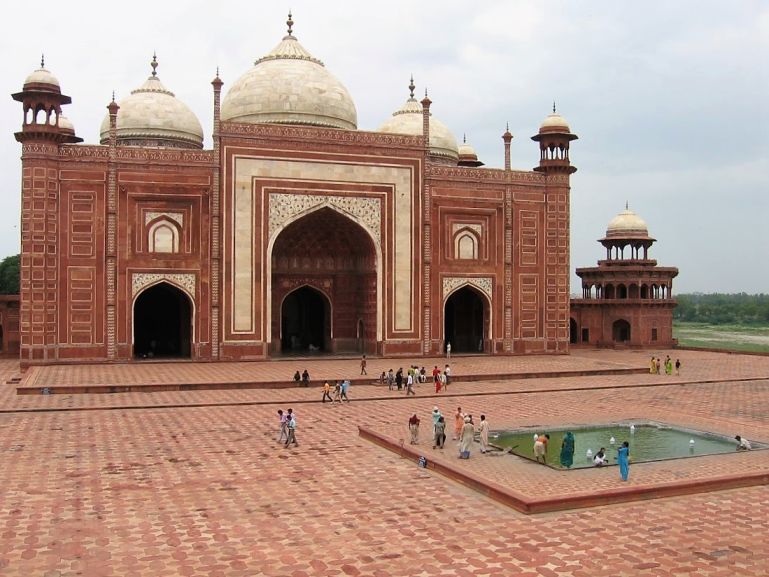
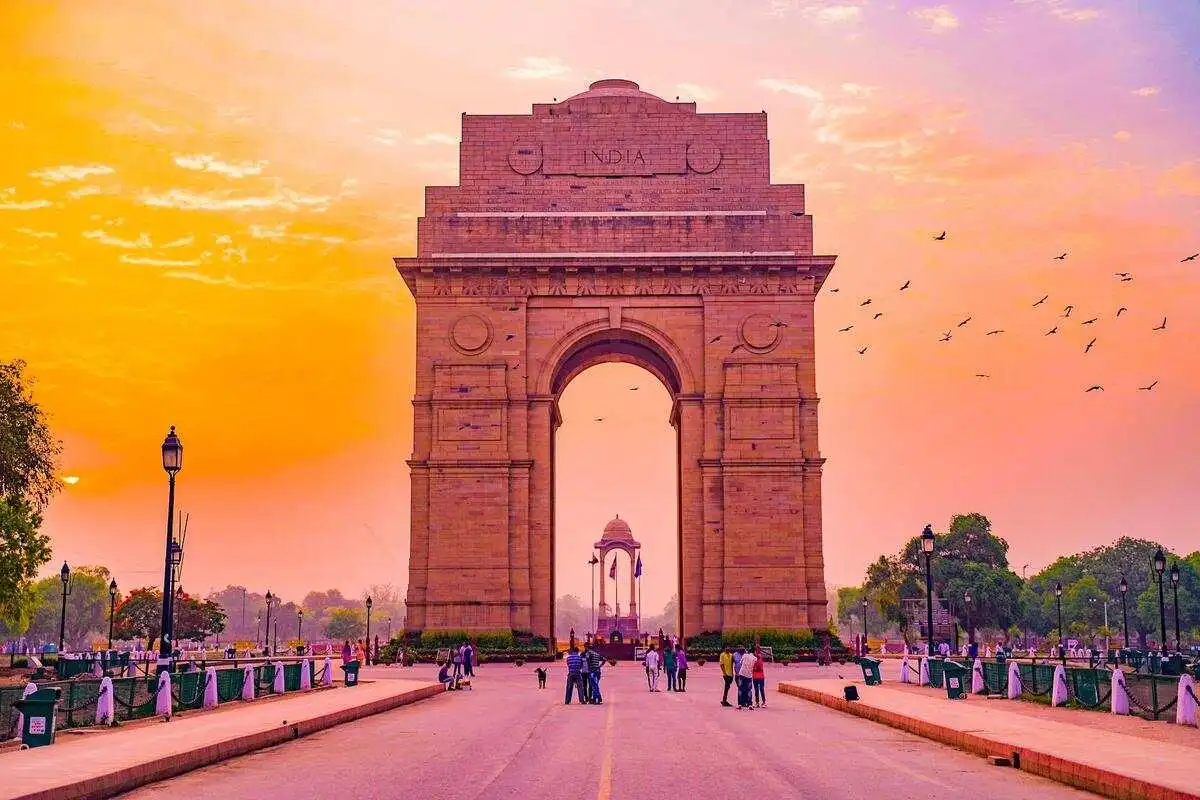
⚡ The TL;DR Verdict
If your primary goal is to witness the unparalleled beauty of the Taj Mahal and you prefer a more focused, slightly slower pace, Agra is your pick. Budget travelers can comfortably manage Agra on $30-50 USD/day. For those craving a dynamic mix of ancient history, buzzing street life, diverse cuisine, and a truly metropolitan experience, Delhi is the clear winner, with daily budgets ranging from $40-80 USD+ depending on your style.
- Choose Agra: Choose Agra if the Taj Mahal is your absolute priority and you prefer a compact, quieter experience, often as a quick stop on a larger itinerary. Ideal for history buffs focused on one masterpiece.
- Choose Delhi: Opt for Delhi if you want a comprehensive immersion into Indian culture, history, food, and modern life. Perfect for those who thrive in bustling cities and seek diverse experiences beyond a single monument.
- Choose Both: Do both! They're well-connected and complement each other perfectly. Allocate 2 days for Agra (including Fatehpur Sikri) and 3-5 days for Delhi to truly appreciate both cities without feeling rushed, typically as part of the Golden Triangle.
Quick Comparison
| Category | Agra | Delhi | Winner |
|---|---|---|---|
| Culture & History | Home to the Taj Mahal, Agra Fort, and nearby Fatehpur Sikri. Focused on Mughal architecture and history. | A historical layered city with ancient ruins, Mughal forts, colonial buildings, and vibrant temples. Rich and diverse. | Delhi |
| Food Scene | Known for Mughlai cuisine, 'Petha' sweets, and local street food. Good, but less diverse. | A culinary paradise with street food havens, fine dining, regional Indian specialties, and international cuisine. Unrivaled variety. | Delhi |
| Costs (Daily Budget) | Generally more budget-friendly for accommodation and local transport, though Taj Mahal entry is significant. | Offers a wide range from budget to luxury, but average costs for transport and mid-range dining can be higher. | Agra |
| Getting There & Around | Primarily accessed by train or car from Delhi. Local transport is mostly auto-rickshaws or walking. | Major international hub (DEL). Extensive, modern metro system, readily available ride-shares (Uber/Ola), and auto-rickshaws. | Delhi |
| Accommodation | Good range of budget guesthouses and mid-range hotels, with a few luxury options, often near the Taj. | Vast selection across all price points, from lively hostels to boutique hotels and ultra-luxury properties. More choice and quality. | Delhi |
| Nightlife & Entertainment | Extremely limited; evenings are quiet, focused on dinner or hotel amenities. | Vibrant and diverse, with numerous pubs, clubs, live music venues, and late-night eateries across various hubs. | Delhi |
| Shopping | Focused on marble handicrafts, leather goods, and traditional sweets like 'Petha.' | A shopper's paradise, from bustling traditional markets (Chandni Chowk) to modern malls and designer boutiques (Khan Market). | Delhi |
| Safety & Vibe | Generally calm, but can feel isolated or prone to touts around main attractions. Quieter vibe. | Bustling and chaotic, requiring situational awareness. Generally safe in tourist areas, but can be overwhelming. Dynamic vibe. | Tie |
| Day Trips | Mainly Fatehpur Sikri and Bharatpur Bird Sanctuary. Limited options beyond these. | Numerous options including Jaipur (part of Golden Triangle), Rishikesh, Haridwar, Neemrana Fort, and local sanctuaries. | Delhi |
| Overall Vibe & Experience | Focused, historical, and quieter, often feeling like a 'stopover' to the Taj. Can be intense with touts. | Dynamic, sprawling, chaotic, modern, and historical all at once. Offers a full immersion into Indian city life. | Delhi |
📜 Culture & History
Agra undeniably holds the crown jewel of Indian history: the Taj Mahal, a breathtaking monument to love. Beyond this, Agra Fort is impressive, and the abandoned city of Fatehpur Sikri offers a fascinating glimpse into Mughal grandeur. However, Agra's historical narrative is predominantly focused on the Mughal era. Delhi, on the other hand, is a living museum, having been rebuilt many times over centuries. From the ancient Qutub Minar complex, Humayun's Tomb (a precursor to the Taj), and the Red Fort, to the sprawling Lodhi Garden and the spiritual Jama Masjid, Delhi offers a far more diverse and layered historical experience. You can trace Hindu, Islamic, and colonial influences across various epochs. While the Taj is a single, iconic marvel, Delhi presents an entire anthology of India's past. "Honestly, Agra is like visiting a single, perfect art gallery. Delhi is the whole friggin' museum, and you need a week just to scratch the surface." Agra's historical appeal is intense but singular; Delhi's is broad and immersive, covering millennia.
Winner takeaway
- Winner: Delhi
- Why: Delhi offers a much broader and deeper historical narrative with diverse architectural styles spanning centuries, compared to Agra's more focused Mughal-era gems.
- Who this matters for: History buffs and those seeking a comprehensive understanding of India's past will find Delhi far more enriching.
🍽️ Food Scene
Agra's food scene is respectable, particularly for its Mughlai dishes like kebabs and rich curries, and the famous 'Petha' sweet. Good places like Pinch of Spice or Dasaprakash offer reliable meals, with a typical meal costing around INR 300-600 ($4-8 USD). But it pales in comparison to Delhi. Delhi is a gastronomic adventure. From the legendary Paranthe Wali Gali in Chandni Chowk where a plate of parathas costs INR 80-150 ($1-2 USD), to Karim's near Jama Masjid for authentic Mughlai biryani (INR 400-700 / $5-9 USD), the street food is incredible. Beyond that, Delhi boasts world-class fine dining, regional specialties from every corner of India, and trendy cafes in areas like Hauz Khas Village or Khan Market. The sheer variety and quality are unmatched. You can literally eat your way through different states without leaving the city. "Delhi's street food game is just insane. I swear I gained 5 pounds just from the chaat and momos in three days. Agra's good, but it's just not on the same level." For foodies, Delhi is a clear, undisputed champion offering everything from budget bites to lavish feasts.
Winner takeaway
- Winner: Delhi
- Why: Delhi's food scene is vastly more diverse, offering everything from legendary street food to fine dining and a huge range of regional and international cuisines.
- Who this matters for: Foodies, gourmands, and anyone who loves to explore a culture through its culinary offerings.
💰 Costs (Daily Budget)
Excluding the significant Taj Mahal entry fee for foreigners (currently INR 1100 + 200 for mausoleum access, roughly $16 USD), Agra can be slightly more budget-friendly on a day-to-day basis. A basic guesthouse can be found for INR 800-1500 ($10-18 USD), and local meals for INR 200-400 ($2.50-5 USD). Auto-rickshaws are negotiable and generally cheaper than in Delhi. In contrast, Delhi, while offering excellent budget options like hostels for INR 500-1000 ($6-12 USD) and cheap street food, its sheer size means transport costs (metro/Uber) can add up, and mid-range dining or shopping often carries a higher price tag. A decent hotel room in Delhi might start around INR 2000-3500 ($25-42 USD). "Agra feels like you can just walk everywhere and find cheap eats without trying too hard. Delhi is cheap if you *know* where to go, otherwise, you're shelling out more than you think." If you're mindful of your rupees, Agra's compactness makes it easier to keep daily expenses low, provided you factor in the Taj ticket as a one-off cost.
Winner takeaway
- Winner: Agra
- Why: Agra's smaller size and less intense commercial pressure outside the main attractions make everyday expenses, excluding the Taj Mahal ticket, generally lower.
- Who this matters for: Budget-conscious travelers looking to stretch their dollar on daily essentials like food and local transport.
✈️ Getting There & Around
Getting to Agra usually means a roughly 3-4 hour journey from Delhi, either by road (taxi, bus) or the excellent Gatimaan Express train (AC Chair Car tickets around INR 1000-1500 / $12-18 USD). Once in Agra, the main sights are relatively close, and auto-rickshaws are the primary mode of transport (expect to pay INR 100-300 / $1.20-3.60 for most rides), or you can walk. Delhi, however, is a global gateway with the Indira Gandhi International Airport (DEL) connecting to the world. Its true strength lies in its internal connectivity: the Delhi Metro is phenomenal, with a vast network, clean trains, and cheap fares (INR 20-60 / $0.25-0.75 USD per ride). Ride-sharing apps like Uber and Ola are abundant and affordable, and auto-rickshaws are everywhere. "Getting around Delhi with the Metro is a game-changer; it's so efficient and cheap, even during rush hour. Agra feels a bit more like you're at the mercy of rickshaw drivers." For sheer ease of access, both internationally and within the city, Delhi is far superior in infrastructure and options.
Winner takeaway
- Winner: Delhi
- Why: Delhi is a major international travel hub with a superior, extensive public transport network (metro) and readily available ride-sharing options.
- Who this matters for: International travelers, those prioritizing convenience and efficient travel within a large city, and those who dislike negotiating with local transport touts.
🏨 Accommodation
Agra offers decent accommodation, primarily catering to the Taj Mahal tourist traffic. You'll find many budget guesthouses and homestays near the East Gate for around INR 800-1500 ($10-18 USD), offering basic comforts. Mid-range hotels like Hotel Atul Palace or Clarks Shiraz are available for INR 2500-5000 ($30-60 USD). Luxury options are fewer but include properties like The Oberoi Amarvilas, known for its Taj views. Delhi's accommodation landscape is far more extensive and diverse. You can find excellent hostels like Zostel or Moustache Hostel for INR 500-1200 ($6-15 USD) in areas like Karol Bagh or Paharganj. Mid-range hotels are plentiful across various neighborhoods, from Connaught Place to South Delhi, for INR 2000-4500 ($25-55 USD). Delhi also excels in boutique hotels (e.g., The Manor, Haveli Dharampura) and opulent five-star properties (e.g., The Imperial, Leela Palace). "In Agra, you're mostly just looking for a clean bed near the Taj. In Delhi, I could pick a hotel based on the vibe of the neighborhood I wanted to explore, which was awesome." The sheer volume, variety, and quality of accommodation options in Delhi give it a significant edge for every type of traveler and budget.
Winner takeaway
- Winner: Delhi
- Why: Delhi provides a far greater selection of accommodation types, styles, and price points, from budget hostels to world-class luxury hotels.
- Who this matters for: Travelers seeking specific types of lodging, from social hostels to unique boutique stays or high-end luxury experiences.
🌃 Nightlife & Entertainment
Agra's nightlife is virtually non-existent. After sunset, the city largely winds down, with most activity confined to hotel restaurants or quiet guesthouses. You might find a few places offering live music or cultural shows aimed at tourists, but don't expect a bustling bar scene or clubs. "After you see the Taj, Agra just goes to sleep. I was in bed by 9 PM every night." Delhi, conversely, boasts a lively and growing nightlife. Popular hubs include Hauz Khas Village with its trendy bars and cafes, Connaught Place with its mix of pubs and restaurants, and Cyber Hub (in nearby Gurgaon, easily accessible) offering a plethora of breweries and clubs. You can find everything from sophisticated cocktail bars to energetic dance clubs and venues with live music. A drink at a mid-range bar might cost INR 300-600 ($4-8 USD). For those who enjoy unwinding with drinks, music, and socializing after dark, Delhi offers a comprehensive and vibrant scene that Agra simply cannot match.
Winner takeaway
- Winner: Delhi
- Why: Delhi offers a dynamic and diverse nightlife with numerous pubs, clubs, and entertainment venues, whereas Agra is very quiet after dark.
- Who this matters for: Younger travelers, social butterflies, and anyone who enjoys evening entertainment beyond a quiet dinner.
🛍️ Shopping
Agra's shopping scene is primarily tourist-driven, centered around replicas of marble inlay work (often overpriced, so haggle hard!), leather goods (shoes, bags), and of course, the famous 'Petha' sweet. Sadar Bazaar is a good place to browse, but options are limited. "Agra shopping felt like every other stall was selling the same tiny Taj Mahal, not super exciting." Delhi, however, is a retail wonderland. Chandni Chowk offers an incredible experience for traditional wear, jewelry, spices, and wholesale goods – be prepared to bargain! Karol Bagh is great for wedding shopping, while Sarojini Nagar and Lajpat Nagar offer trendy, affordable fashion. For more upscale and curated experiences, Khan Market boasts designer boutiques and lifestyle stores, while mega-malls like DLF Promenade or Ambience Mall cater to international brands. You can find everything from antique treasures to modern electronics. A good pashmina scarf in Delhi might be INR 1500-3000 ($18-36 USD), while a street-side souvenir might be INR 100 ($1.20 USD). The sheer diversity and scale of shopping opportunities in Delhi are unparalleled.
Winner takeaway
- Winner: Delhi
- Why: Delhi offers an incredibly diverse shopping experience, catering to all tastes and budgets, from bustling traditional markets to high-end boutiques and modern malls.
- Who this matters for: Shopaholics, souvenir hunters, and those looking for specific traditional crafts, fashion, or modern retail therapy.
☮️ Safety & Vibe
Agra generally has a calmer, more relaxed vibe, especially away from the immediate vicinity of the Taj Mahal. However, this also means less activity after dark, which can feel isolating for some solo travelers. The main safety concern in Agra is persistent touting, particularly by rickshaw drivers and guides around tourist sites, which can be annoying and aggressive. "Agra felt chill until you stepped out of your hotel and got swarmed by guys offering tours and rides. That got old fast." Delhi, being a massive metropolis, has a much more chaotic and energetic vibe. Safety here is more about situational awareness, especially in crowded markets or late at night. Petty crime can occur, and harassment towards solo female travelers is unfortunately reported more often than in smaller cities, though the Metro is considered very safe. Common sense, like avoiding isolated areas at night and dressing modestly, goes a long way. While Agra is quieter, Delhi's urban sprawl provides more anonymity and public spaces, making it feel safer in certain contexts. Both require alertness, but their challenges differ.
Winner takeaway
- Winner: Tie
- Why: Both cities present unique safety challenges and distinct vibes, making it a tie as neither is definitively 'safer' or 'better' in this regard without context.
- Who this matters for: Solo travelers, particularly women, and those sensitive to crowded environments or persistent touting should consider these nuances carefully.
🏞️ Day Trips
Agra's most prominent day trip is to Fatehpur Sikri, a stunning Mughal capital city built by Emperor Akbar, located about an hour's drive away. It's an absolute must-see and easily combinable with an Agra visit. Beyond that, the Bharatpur Bird Sanctuary (Keoladeo National Park) is a good option for nature lovers, about an hour's drive as well. "After Fatehpur Sikri, Agra really doesn't have much else for day trips. It's a two-trick pony." Delhi, conversely, serves as an excellent base for a much wider array of day and multi-day trips. You can easily reach Jaipur (the Pink City) as part of the popular Golden Triangle circuit, taking about 4-5 hours by road or train. For spiritual retreats, Rishikesh and Haridwar in the Himalayas are accessible in about 5-6 hours. Closer options include the historic Neemrana Fort Palace (2-3 hours drive) or the Sultanpur National Park for birdwatching. Delhi's superior transport links and central location in North India provide far more diverse and appealing options for exploring beyond the city limits.
Winner takeaway
- Winner: Delhi
- Why: Delhi's central location and excellent connectivity open up a much wider and more diverse range of appealing day trip options, including other major tourist destinations.
- Who this matters for: Travelers who enjoy exploring beyond the city limits and want a variety of cultural, historical, or natural excursions.
✨ Overall Vibe & Experience
Agra's overall vibe is largely defined by the Taj Mahal. It feels like a pilgrimage site for a single, magnificent wonder. The city itself, outside of the monument zones, is a fairly typical Indian city – dusty, bustling, but with a palpable sense of history. Many travelers treat it as a quick stop, rushing in and out. This can lead to a slightly transactional feel, with a constant stream of hawkers and guides. "Agra felt like a stage set for the Taj; the rest of the city was just... there. It was beautiful, but I wouldn't spend a week there." Delhi, on the other hand, offers a comprehensive, vibrant, and often overwhelming experience of India. It's a sprawling metropolis where ancient ruins rub shoulders with gleaming skyscrapers, where street hawkers shout next to designer boutiques, and where every neighborhood has its distinct character. It's chaotic, beautiful, frustrating, and endlessly fascinating. You get a real sense of modern India evolving while deeply rooted in its past. It demands more time and energy but rewards with a far richer and more diverse cultural immersion. For a truly 'Indian' urban experience, Delhi delivers in spades.
Winner takeaway
- Winner: Delhi
- Why: Delhi provides a much richer, more diverse, and dynamic overall experience, offering a blend of history, modernity, and vibrant city life that Agra cannot match.
- Who this matters for: Travelers seeking a deep, multifaceted immersion into Indian urban culture and a full spectrum of experiences beyond a single monument.
❓ Frequently Asked Questions
Is Agra safe for solo female travelers?
Agra is generally safe in tourist areas during the day. However, persistent touting can be annoying. It's advisable to avoid walking alone after dark and use reputable taxis/auto-rickshaws. Always be aware of your surroundings and trust your instincts.
How many days should I spend in Agra vs. Delhi?
For Agra, 1 full day is sufficient to see the Taj Mahal and Agra Fort; 2 days if you include Fatehpur Sikri. For Delhi, allow at least 3-5 days to explore its vast historical sites, diverse neighborhoods, and experience its vibrant culture without feeling rushed.
What's the best way to travel between Agra and Delhi?
The Gatimaan Express train is the fastest and most comfortable option, taking about 1.5-2 hours. Book tickets in advance, especially for AC Chair Car. Alternatively, a private car or bus takes around 3-4 hours, depending on traffic.
Can I visit Agra as a day trip from Delhi?
Yes, it's a popular (though long) day trip. Start very early (e.g., 6 AM train) to maximize your time at the Taj Mahal and Agra Fort. It's tiring but doable, especially with the Gatimaan Express.
What are the must-try foods in Agra and Delhi?
In Agra, try the local 'Petha' sweet and Mughlai dishes like kebabs and curries. In Delhi, you must sample street food like Chole Bhature, Momos, Parathas, and various Chaat from places like Chandni Chowk, alongside fine dining options.
When is the best time to visit Agra and Delhi?
The best time is from October to March when the weather is cool and pleasant (temperatures 15-25°C). Summers (April-June) are extremely hot, and monsoons (July-September) bring humidity and rain, which can disrupt plans.
Is bargaining common in both cities?
Yes, bargaining is expected and essential in local markets in both Agra and Delhi, especially for souvenirs, clothes, and auto-rickshaw fares. Always agree on a price before getting into a rickshaw or making a purchase outside of fixed-price stores.
What's the main difference in atmosphere?
Agra feels more like a historical pilgrimage site, centered around one world wonder, with a quieter, more focused atmosphere. Delhi is a sprawling, dynamic, and often overwhelming metropolis that blends ancient history with modern urban chaos, offering a much broader spectrum of experiences.
Ready to plan your North India trip?
Get a free custom itinerary for Agra, Delhi, or both — built from real traveler insights.
🎟️ Book Tours & Experiences
Hand-picked tours and activities for both destinations — book with free cancellation
Experiences via Viator — free cancellation on most tours