How we built this comparison
This page combines traveler discussion patterns, published price ranges, flight schedules, and seasonal data to help you decide between Agra and Jaipur.
- Reviewed 100+ Reddit threads from r/travel, r/solotravel, r/India, and r/backpacking for authentic experiences and advice.
- Verified costs and logistics against current booking platforms (e.g., MakeMyTrip, IRCTC, Google Flights) and local vendor estimates.
- Cross-referenced seasonal patterns, weather data, and major festival schedules to provide optimal timing advice.
⚡ The TL;DR Verdict
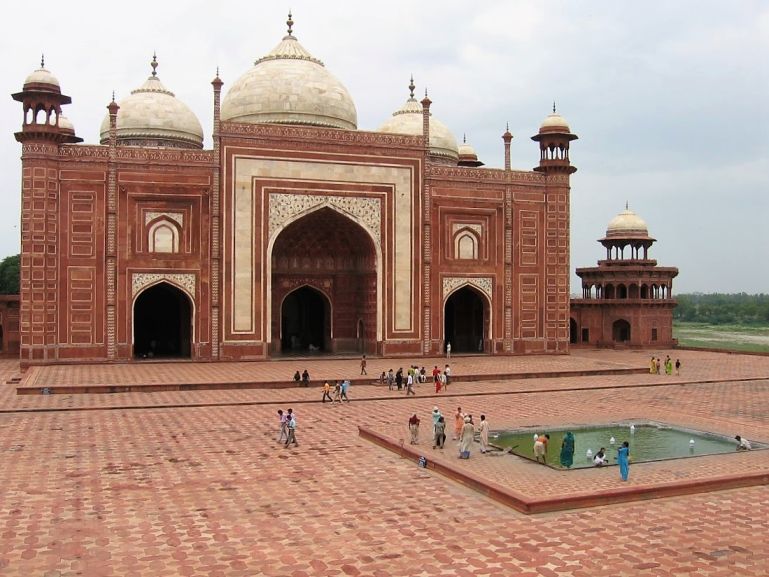
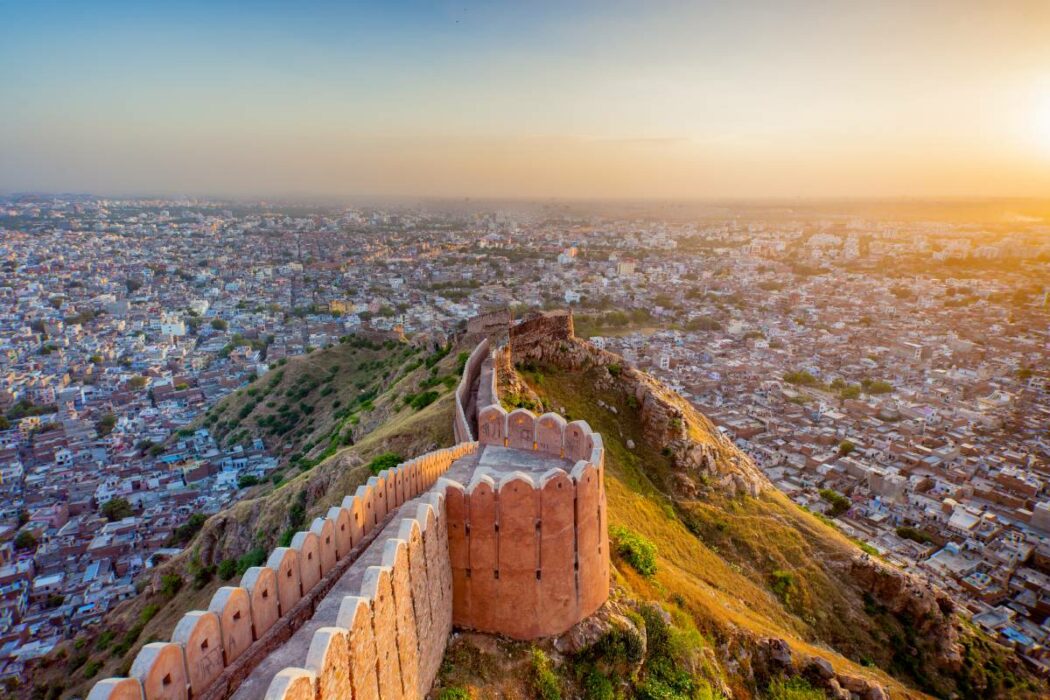
For a pure, awe-inspiring historical experience focused on one of the world's wonders, Agra is your pick, especially if you're on a tighter budget (₹1,500-₹3,000 / $18-$36 USD per day). If you crave a broader cultural immersion, magnificent palaces, bustling bazaars, and a livelier city vibe, Jaipur is the clear winner, suitable for budgets from ₹2,500-₹5,000 / $30-$60 USD per day.
- Choose Agra: You're primarily visiting India for the Taj Mahal and want a direct, focused historical experience without much distraction. You prefer a more relaxed pace and don't mind a less developed tourist infrastructure beyond the main sites. Ideal for a quick 1-2 day stop.
- Choose Jaipur: You want a rich, multi-faceted cultural experience with diverse forts, palaces, vibrant markets, and a burgeoning food scene. You appreciate a more sophisticated tourist infrastructure and a bustling city atmosphere. Perfect for a 2-4 day exploration.
- Choose Both: This is the classic 'Golden Triangle' route for a reason! If you have 4-7 days, combining Agra's wonder with Jaipur's regal charm offers the best of both worlds, easily connected by train or private car.
Quick Comparison
| Category | Agra | Jaipur | Winner |
|---|---|---|---|
| Culture & History | Centered almost entirely around the Taj Mahal and Mughal era. Deep but narrow focus. | Expansive Rajput heritage with multiple forts, palaces, and a 'Pink City' identity. Broad and rich. | Jaipur |
| Food & Drink | Authentic Mughal cuisine, but fewer modern cafes. Focus on traditional local eateries. | Wide range of Rajasthani specialties, international options, and trendy cafes. Vibrant culinary scene. | Jaipur |
| Costs & Budget | Generally cheaper across the board for accommodation, food, and transport. | Slightly more expensive due to higher demand and more upscale options, but still affordable. | Agra |
| Getting There & Around | Well-connected by train and road from Delhi. Local transport is mainly auto-rickshaws and cycle-rickshaws. | Excellent train, road, and air connectivity. More modern local transport options like ride-sharing. | Jaipur |
| Accommodation | Good range of budget guesthouses and mid-range hotels, many near the Taj. Fewer luxury options. | Diverse options from heritage hotels and luxury resorts to boutique guesthouses and hostels. Caters to all budgets. | Jaipur |
| Shopping | Known for marble inlay, leather goods, and Petha. Smaller, more focused markets. | Famous for gemstones, textiles, jewelry, handicrafts, and block prints. Extensive, vibrant bazaars. | Jaipur |
| Nightlife & Vibe | Quiet evenings, focused on early morning Taj visits. Limited nightlife options. | Livelier evenings with rooftop cafes, bars, and cultural performances. More bustling city energy. | Jaipur |
| Safety & Solo Travel | Generally safe, but touts can be persistent. Best to stick to main areas at night. | Relatively safe for tourists, good for solo travelers. Scams and touts are present but manageable. | Tie |
| Day Trips & Excursions | Limited options beyond Fatehpur Sikri and a couple of wildlife sanctuaries. | Excellent day trip potential to forts, stepwells, and elephant sanctuaries, offering diverse experiences. | Jaipur |
| Weather & Best Seasons | Same climate as Jaipur: best from October to March, avoid extreme summer and monsoon. | Same climate as Agra: best from October to March, avoid extreme summer and monsoon. | Tie |
🏛️ Culture & History
Agra's historical appeal is undeniably dominated by the breathtaking Taj Mahal, a UNESCO World Heritage site that truly lives up to the hype. Beyond it, you have the impressive Agra Fort and the abandoned city of Fatehpur Sikri, offering a glimpse into Mughal grandeur. It's a profound, focused historical journey. However, Jaipur, the 'Pink City,' offers a much broader tapestry of history and culture. From the majestic Amber Fort with its elephant rides (ethical considerations aside) and stunning Sheesh Mahal, to the intricate Hawa Mahal (Palace of Winds), the sprawling City Palace, and the ancient astronomical observatory Jantar Mantar, Jaipur delivers a diverse, immersive experience. The architecture, the stories, and the sheer number of sites make it a more comprehensive cultural dive. "Honestly, Agra is a one-hit wonder. The Taj is incredible, but after that, Jaipur just keeps on giving with forts and palaces everywhere you look." You could spend days exploring Jaipur's historical gems without feeling repetitive, whereas Agra is often a concentrated 1-2 day affair.
Winner takeaway
- Winner: Jaipur
- Why: Jaipur offers a wider array of historical sites, each with its own unique story and architectural marvels, providing a more comprehensive cultural immersion.
- Who this matters for: Travelers seeking a diverse historical exploration beyond a single iconic monument, history buffs, and those who appreciate architectural variety.
🌶️ Food & Drink
Agra, being a smaller city, has its culinary strengths in traditional Mughal and North Indian fare. You'll find delicious Petha (a sweet made from ash gourd) and authentic curries at local spots like Mama Chicken Mama Franky, or more upscale options near the Taj like The Salt Cafe Kitchen & Bar. Street food is abundant but less varied. Jaipur, on the other hand, boasts a much more sophisticated and diverse food scene. From traditional Rajasthani thalis at places like Chokhi Dhani (a cultural village with dining) or Spice Court (known for Laal Maas), to trendy cafes like The Tattoo Cafe & Lounge with rooftop views, and even international cuisine, Jaipur caters to all palates. "Jaipur's food scene is legit. So many cool cafes and the laal maas at Spice Court changed my life. Agra felt a bit limited beyond hotel restaurants." You can find excellent street food like Mirchi Bada and Pyaz Kachori, alongside fine dining experiences. The bar scene is also more developed with speakeasies and rooftop lounges.
Winner takeaway
- Winner: Jaipur
- Why: Jaipur provides a significantly broader and more innovative culinary landscape, from traditional Rajasthani delights to modern cafes and international options.
- Who this matters for: Foodies, travelers seeking diverse dining experiences, those looking for trendy cafes or a vibrant nightlife with good food.
💰 Costs & Budget
When it comes to stretching your rupees, Agra generally comes out on top. A budget hotel in Agra can be found for ₹800-₹1,500 ($10-$18 USD) per night, while a decent mid-range might be ₹2,000-₹3,500 ($24-$42 USD). Entry to the Taj Mahal for foreigners is ₹1,100 ($13.50 USD), and Agra Fort is ₹650 ($8 USD). Local auto-rickshaws are cheap, ₹50-₹200 ($0.60-$2.50 USD) for most rides. Jaipur, while still incredibly affordable by Western standards, will see slightly higher prices. Budget stays might start at ₹1,200-₹2,000 ($14-$24 USD), and mid-range around ₹3,000-₹6,000 ($36-$72 USD). Major attractions like Amber Fort are ₹500 ($6 USD), and City Palace ₹700 ($8.50 USD). Food and transport are also marginally more expensive. "Agra was definitely easier on the wallet, especially for food and guesthouses. Jaipur felt like you could spend more if you wanted, but still cheap." If every dollar counts, Agra allows for a very comfortable budget trip. Expect to save 20-30% on daily expenses in Agra compared to Jaipur.
Winner takeaway
- Winner: Agra
- Why: Agra offers lower prices for accommodation, food, and local transport, making it the more budget-friendly destination.
- Who this matters for: Budget travelers, backpackers, and those looking to maximize their savings without compromising on core experiences.
✈️ Getting There & Around
Agra is primarily accessed from Delhi (approx. 210 km) via the Yamuna Expressway (3-4 hours by car) or by train (Gatimaan Express is 1.5-2 hours). Within Agra, auto-rickshaws, cycle-rickshaws, and electric rickshaws are the main modes of transport, often requiring haggling. There's an airport (AGR) but flight connectivity is limited, primarily to cities like Lucknow or Mumbai, not major international hubs. Jaipur (approx. 280 km from Delhi, 4-5 hours by car, 4-5 hours by train) has excellent connectivity. It has a significantly busier airport (JAI) with flights to major Indian cities like Delhi, Mumbai, Bengaluru, and Chennai, making it easier to fly in or out for further travel. "Getting around Jaipur was way easier, Uber/Ola were everywhere. In Agra, it was mostly just haggle with rickshaw drivers or walk." Within Jaipur, ride-sharing apps like Uber and Ola are widely available and affordable, alongside auto-rickshaws, making navigation more convenient and transparent. For inter-city travel within the Golden Triangle, both are well-served, but Jaipur's internal and external flight options give it an edge.
Winner takeaway
- Winner: Jaipur
- Why: Jaipur offers superior air connectivity and more convenient, app-based local transport options, enhancing the overall travel experience.
- Who this matters for: Travelers prioritizing convenience, those flying into/out of the region, and anyone who prefers ride-sharing apps over haggling.
🏨 Accommodation
Agra has a solid selection of budget and mid-range accommodations, especially around the East Gate of the Taj Mahal. You'll find plenty of guesthouses like Hotel Kamal (₹1,000 / $12 USD) and mid-tier hotels like The Panna Vilas (₹2,500 / $30 USD). There are a few luxury options like The Oberoi Amarvilas (from ₹30,000 / $360 USD), famous for its Taj views, but the overall variety less. Jaipur, however, shines in its accommodation offerings. It boasts a fantastic range from charming budget hostels like Zostel Jaipur (₹500 / $6 USD per dorm bed) and boutique guesthouses like Arya Niwas (₹3,000 / $36 USD) to world-renowned heritage hotels like The Rambagh Palace (from ₹45,000 / $540 USD) and The Raj Palace, offering an unparalleled luxury experience. "We stayed in a converted haveli in Jaipur and it was magical, totally unique experience. Agra was mostly just standard hotels, even the nice ones." The city's 'pink' aesthetic extends to many hotels, providing a unique ambiance. Whether you're a backpacker or seeking opulence, Jaipur has a more diverse and higher-quality selection.
Winner takeaway
- Winner: Jaipur
- Why: Jaipur provides a much broader and more unique range of accommodation, from budget-friendly hostels to world-class heritage hotels and boutique stays.
- Who this matters for: Travelers seeking unique stays, luxury experiences, or a wider variety of choices across all budget points.
🛍️ Shopping
Agra's shopping scene is primarily focused on souvenirs related to the Taj Mahal. You'll find exquisite marble inlay work (replicas of the Taj's intricate designs), leather goods (especially shoes), and the local sweet, Petha. Sadar Bazaar and Kinari Bazaar offer these, but the variety is limited compared to Jaipur. "Agra felt like it was just Taj Mahal stuff and leather. If you want real Indian crafts, Jaipur is where it's at." Jaipur, the capital of Rajasthan, is a shopper's paradise. It's renowned globally for its stunning gemstones (especially emeralds and sapphires), intricate gold and silver jewelry (Johari Bazaar), vibrant textiles, block prints (Sanganer and Bagru are nearby villages specializing in this), blue pottery, and a myriad of handicrafts. The sprawling bazaars like Johari Bazaar, Bapu Bazaar, and Tripolia Bazaar offer an overwhelming and exciting shopping experience. You can spend days exploring these markets, haggling for treasures, and finding unique gifts. The quality and variety are significantly higher in Jaipur.
Winner takeaway
- Winner: Jaipur
- Why: Jaipur boasts a far more extensive and diverse shopping scene, offering world-renowned gemstones, textiles, and handicrafts that are unique to the region.
- Who this matters for: Serious shoppers, souvenir hunters, and those interested in unique local crafts, textiles, and jewelry.
🌃 Nightlife & Vibe
Agra tends to be a quiet city in the evenings, with most travelers preparing for an early morning Taj Mahal visit. Nightlife is minimal, limited to hotel restaurants and a few local eateries. The vibe is generally relaxed and calm once the daytime tourist crowds dissipate. "Agra basically shuts down after dinner, which is fine if you're doing the Taj at sunrise, but I missed having places to chill." Jaipur, on the other hand, offers a more vibrant and engaging evening atmosphere. You'll find a growing number of rooftop cafes and lounges with views of the illuminated Hawa Mahal or Nahargarh Fort, like The Tattoo Cafe & Lounge or Skyfall By Replay. There are cultural performances at places like Chokhi Dhani, providing entertainment beyond just dining. While not a party city, Jaipur has a lively buzz with more options for a relaxed drink, good food, and people-watching. The city feels more alive after dark, offering more activities beyond just resting for the next day.
Winner takeaway
- Winner: Jaipur
- Why: Jaipur offers a more lively evening scene with a greater selection of rooftop cafes, bars, and cultural entertainment, providing a more engaging city vibe.
- Who this matters for: Travelers who enjoy evenings out, prefer a bustling city atmosphere, or seek cultural performances and trendy spots after dark.
🚶♀️ Safety & Solo Travel
Both Agra and Jaipur are generally safe for tourists, including solo travelers, but common sense and awareness are crucial. In Agra, the biggest annoyance is often the sheer number of touts, guides, and rickshaw drivers near the Taj Mahal. They can be very persistent, but usually harmless. "Agra felt safe enough, but the touts trying to sell you stuff or be your guide were relentless, especially around the Taj." Solo female travelers might experience more stares or unwanted attention, but serious crime is rare. Stick to well-lit, populated areas after dark. Jaipur is also considered safe, with a slightly more developed infrastructure that can make solo travel feel a bit easier (e.g., more reliable ride-sharing). Touts and scam artists are present, particularly around major tourist sites like Amber Fort or shopping areas, often trying to steer you to specific shops for commissions. However, the larger number of tourists and better public presence can make it feel a bit more secure. Both cities require vigilance against petty theft and being aware of your surroundings, especially when navigating crowded markets or isolated areas. Neither city stands out as significantly 'safer' than the other; both require similar precautions.
Winner takeaway
- Winner: Tie
- Why: Both cities present similar safety considerations for travelers, requiring standard precautions against touts and petty scams.
- Who this matters for: All travelers, especially solo adventurers and first-time visitors to India, should exercise caution in both locations.
⛰️ Day Trips & Excursions
Agra's primary day trip is Fatehpur Sikri (approx. 40 km, 1 hour drive), a stunning abandoned Mughal city that is a must-see. Beyond that, options are limited to wildlife sanctuaries like Keoladeo National Park (a bird sanctuary near Bharatpur, 60 km away) or maybe a quick visit to Mathura/Vrindavan for religious sites, but these are less common for a typical Agra tourist. "After Fatehpur Sikri, Agra doesn't really have much in terms of easy day trips. Jaipur felt like you could go somewhere new every day." Jaipur, however, is a hub for fantastic day trips. You can easily visit the spectacular Chand Baori (Abhaneri Stepwell) which is about 95 km away (2-hour drive), or the majestic Bhangarh Fort (known as a haunted fort, 85 km away). You can also explore ethical elephant experiences at establishments like Elefantastic or Elephant Joy (ethical practices should always be vetted). The nearby town of Sanganer is great for block printing workshops. These excursions offer a diverse range of historical, architectural, and cultural experiences that significantly enrich your trip, making Jaipur a better base for exploring Rajasthan's surroundings.
Winner takeaway
- Winner: Jaipur
- Why: Jaipur provides a richer variety of unique and captivating day trip opportunities, including ancient stepwells, forts, and cultural experiences.
- Who this matters for: Travelers who enjoy exploring beyond the main city, photographers, and those seeking diverse cultural or historical excursions.
☀️ Weather & Best Seasons
Both Agra and Jaipur share very similar climatic conditions due to their proximity in North India. The best time to visit both cities is during the cooler, dry months from **October to March**. During this period, temperatures are pleasant, typically ranging from 10°C to 25°C (50°F to 77°F), making sightseeing comfortable. December and January can be quite foggy in the mornings, especially in Agra which can obscure Taj Mahal views until mid-morning. "Honestly, the weather is pretty much the same in both. Just avoid summer, unless you love sweating, and monsoon, unless you love rain." Summers, from April to June, are intensely hot, with temperatures soaring past 40°C (104°F), making outdoor exploration arduous. The monsoon season, from July to September, brings heavy rainfall and humidity, which can disrupt travel plans and visibility. Given their geographical closeness and similar weather patterns, neither city offers a distinct advantage over the other in terms of ideal visiting seasons or weather conditions.
Winner takeaway
- Winner: Tie
- Why: Both Agra and Jaipur experience virtually identical weather patterns and have the same optimal travel seasons.
- Who this matters for: All travelers, as the best time to visit either city is consistent across the region for comfortable sightseeing.
❓ Frequently Asked Questions
Is Agra worth visiting just for the Taj Mahal?
Absolutely. The Taj Mahal is one of the world's most iconic monuments, and its beauty and scale truly need to be experienced in person. While Agra has fewer other attractions than Jaipur, the Taj alone makes the trip worthwhile for many, especially if you have limited time and a specific bucket-list item.
How many days should I spend in Agra vs. Jaipur?
For Agra, 1 to 1.5 days is usually sufficient to see the Taj Mahal, Agra Fort, and possibly Fatehpur Sikri. For Jaipur, aim for 2 to 3 full days to adequately explore the Amber Fort, Hawa Mahal, City Palace, Jantar Mantar, and enjoy the markets and food. If combining both, allow at least 4-5 days for a comfortable pace.
Is it easy to travel between Agra and Jaipur?
Yes, travel between Agra and Jaipur is very common and straightforward. You can hire a private car (around 4-5 hours, ₹4,000-₹6,000 / $48-$72 USD), take a comfortable train (e.g., Agra Fort to Jaipur, 4-5 hours, ₹200-₹800 / $2.50-$10 USD), or use a bus service. It's a standard part of the Golden Triangle route.
Which city is better for photography?
Both offer incredible photographic opportunities. Agra provides the iconic, symmetrical beauty of the Taj Mahal, especially at sunrise or sunset. Jaipur, on the other hand, offers vibrant street photography, colorful markets, grand fort exteriors, and intricate palace details, providing a more diverse portfolio of shots. Jaipur probably edges out for sheer variety.
Are there good options for vegetarian food in both cities?
Yes, absolutely! India is a paradise for vegetarians, and both Agra and Jaipur have abundant delicious vegetarian options. From local thalis (platters) to street food like kachoris and samosas, you'll find countless choices. Just be sure to specify 'pure veg' if you want to avoid any cross-contamination.
What's the best way to get from Delhi to Agra or Jaipur?
From Delhi to Agra, the fastest is the Gatimaan Express train (90-100 mins) or a private car via the Yamuna Expressway (3-4 hours). To Jaipur from Delhi, you can take a Vande Bharat Express train (4 hours), a private car (4-5 hours), or fly into Jaipur Airport (JAI) for convenience, though flights are often indirect.
Can I visit both Agra and Jaipur on a short trip, like 3 days?
It's tight but doable. Day 1: Delhi to Agra, Taj Mahal & Agra Fort. Day 2: Morning train/car to Jaipur, Amber Fort. Day 3: Jaipur city sights, then depart. This is a very fast-paced trip and will feel rushed. 4-5 days would be much more comfortable to truly appreciate both.
Which city is better for experiencing local culture?
Jaipur offers a richer, more immersive local cultural experience. With its vibrant bazaars, traditional Rajasthani music and dance performances (like at Chokhi Dhani), diverse local cuisine, and numerous festivals, you'll feel more connected to the everyday life and traditions of Rajasthan. Agra is more concentrated on its historical monuments.
Ready to plan your Golden Triangle trip?
Get a free custom itinerary for Agra, Jaipur, or both — built from real traveler insights.
🎟️ Book Tours & Experiences
Hand-picked tours and activities for both destinations — book with free cancellation
Experiences via Viator — free cancellation on most tours