How we built this comparison
This page combines traveler discussion patterns, published price ranges, flight schedules, and seasonal data to help you decide between Albania and England.
- Reviewed 500+ Reddit threads from r/travel, r/solotravel, r/Albania, r/London, and r/AskUK.
- Verified costs and logistics against current booking platforms like Booking.com, Skyscanner, and local transport sites.
- Cross-referenced seasonal patterns and weather data from meteorological sources.
⚡ Quick Answers
⚡ The TL;DR Verdict
For most travelers seeking a budget-friendly trip with ample outdoor activities and a less-trodden path, Albania is the clear choice, with daily costs often staying under $75. England caters to those who prioritize history, established infrastructure, and a familiar cultural experience, but at a significantly higher daily budget of $120-$250, especially in London.
- Choose Albania: Pick Albania if you prioritize budget travel, coastal relaxation, hiking in remote mountains, and exploring a country still developing its tourism infrastructure.
- Choose England: Choose England for access to numerous museums, historic castles, structured city breaks, and a comprehensive public transport network, especially if budget is not the primary concern.
- Choose Both: Consider both if you have 3+ weeks and want a contrast: start with England for its cultural institutions and efficient travel, then fly to Albania for a change of pace and scenery.
Choose Albania
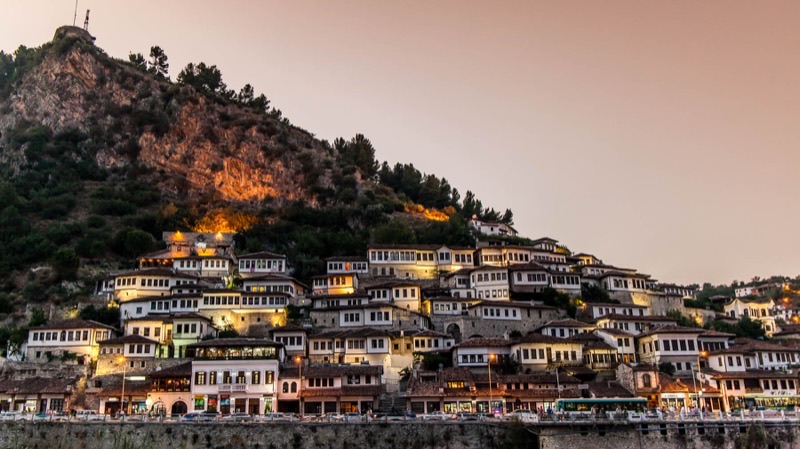
Choose Albania if your travel dream involves dramatic coastlines, rugged mountain hikes, and authentic experiences without breaking the bank. It's best for adventurous, budget-savvy travelers keen to explore the stunning beaches of the Albanian Riviera or trek through the Valbona Valley, all while enjoying daily costs often below $75 and a less-crowded atmosphere.
Choose England
England is your ideal destination if you crave rich history, world-class cultural institutions, and seamless travel within a familiar framework. This country is perfect for history buffs and city explorers eager to delve into London's iconic museums like the British Museum, visit historic sites such as Windsor Castle, and experience vibrant pub culture, with a budget typically ranging from $120-$250 per day.
📊 Visual Scorecard
🌤 When to Visit
Average high temperatures (°C). Green = best months, orange = avoid.
Quick Comparison
| Category | Albania | England | Winner |
|---|---|---|---|
| Costs & Budget | Significantly cheaper across all categories: accommodation, food, transport, and activities. | Considerably more expensive, particularly in major cities; requires careful budgeting. | Albania |
| Food & Drink | Mediterranean and Balkan influences, fresh seafood, hearty portions at low prices. | Diverse international cuisine, traditional pub fare, strong craft beer scene, but higher prices. | Albania |
| Nature & Scenery | Dramatic mountains, turquoise coastlines, large lakes, and national parks. | Rolling green hills, diverse national parks, rugged coastlines, and ancient forests. | Albania |
| Culture & History | Illyrian, Roman, Ottoman, and Communist history; unique bunker legacy. | Roman, Norman, medieval, and industrial history; extensive museums and royal heritage. | England |
| Getting There | Direct flights mainly from Europe to Tirana (TIA); less global connectivity. | Major international hubs with direct flights from nearly everywhere. | England |
| Getting Around | Buses and furgons are primary, car rental for independent exploration on variable roads. | Extensive, albeit expensive, train network; comprehensive bus services; excellent roads. | England |
| Accommodation | Budget-friendly guesthouses, private apartments, and developing hotel scene. | Wide range from hostels to luxury hotels, charming B&Bs, higher prices. | Albania |
| Safety & Security | Generally safe, but petty crime exists; driving can be aggressive. | Very safe, low crime rates, but typical precautions in large cities. | England |
| Nightlife & Entertainment | Lively summer coastal towns, Tirana's Blloku district, traditional cafes. | London's West End, extensive pub culture, diverse music and club scenes. | England |
| Weather & Seasons | Hot, dry summers; mild, wet winters; distinct shoulder seasons for good value. | Temperate climate, unpredictable weather year-round, mild summers, cool winters. | Albania |
💸 Costs & Budget
Albania consistently delivers on low costs. A decent hostel bed in Tirana or Saranda costs $10-20, while a private room in a guesthouse might be $30-50 per night. Meals at local…
Albania
England
Albania consistently delivers on low costs. A decent hostel bed in Tirana or Saranda costs $10-20, while a private room in a guesthouse might be $30-50 per night. Meals at local restaurants (e.g., a plate of qofte or byrek) are often $5-15. Public transport, like a furgon (minibus) from Tirana to Berat, costs around 500 ALL ($5), making daily spending manageable. With careful planning, you can easily spend $45-75 per day, including a modest hotel.
England presents a different financial picture. A hostel bed in London can be $40-70, and even a basic hotel room outside the capital starts at $90-120 per night. Meals, like a pub lunch, can be £15-25 ($19-32), while dinner might easily exceed £30 ($38). Train tickets are notoriously expensive; a return from London to Manchester might be £60-100 ($76-127) if not booked in advance. A realistic daily budget is $120-250, pushing higher in London. Albania wins this category by a landslide for those mindful of expenses.
- Winner: Albania
- Why: Albania offers substantially lower prices for accommodation, food, and transport, making travel accessible for tighter budgets.
- Who this matters for: This matters most for backpackers, long-term travelers, and anyone prioritizing budget over luxury or extensive infrastructure.
🍽️ Food & Drink
Albania's food scene is a delightful blend of Mediterranean, Balkan, and Ottoman influences. Expect fresh vegetables, olive oil, and plenty of grilled meats and seafood along the…
Albania
England
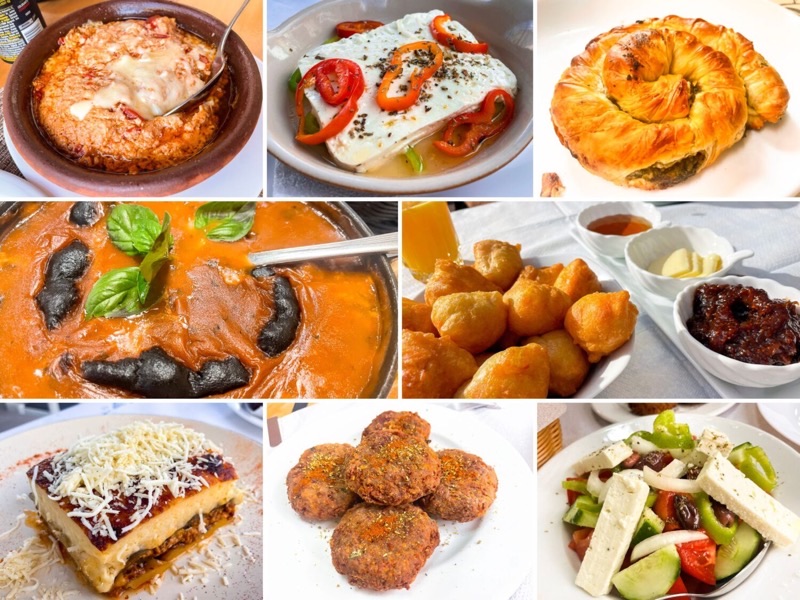
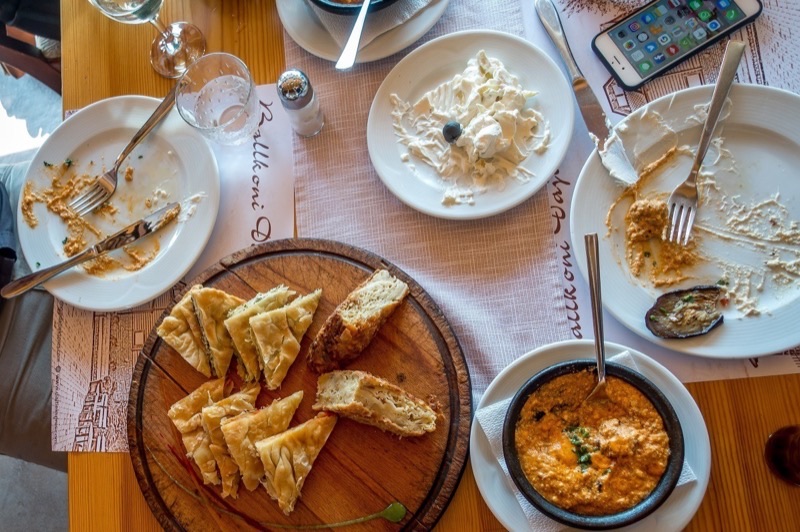
Albania's food scene is a delightful blend of Mediterranean, Balkan, and Ottoman influences. Expect fresh vegetables, olive oil, and plenty of grilled meats and seafood along the coast. Dishes like Fergesë (baked peppers, tomatoes, cottage cheese) or Byrek (savory pastry) are common and inexpensive, costing 100-300 ALL ($1-3) for a street snack or 500-1000 ALL ($5-10) for a main dish in a restaurant. Try a seafood platter in Saranda for 1500-2500 ALL ($15-25). Local wines and Rakia (fruit brandy) are prevalent and cheap, often 200 ALL ($2) a glass. The focus is on simple, flavorful ingredients.
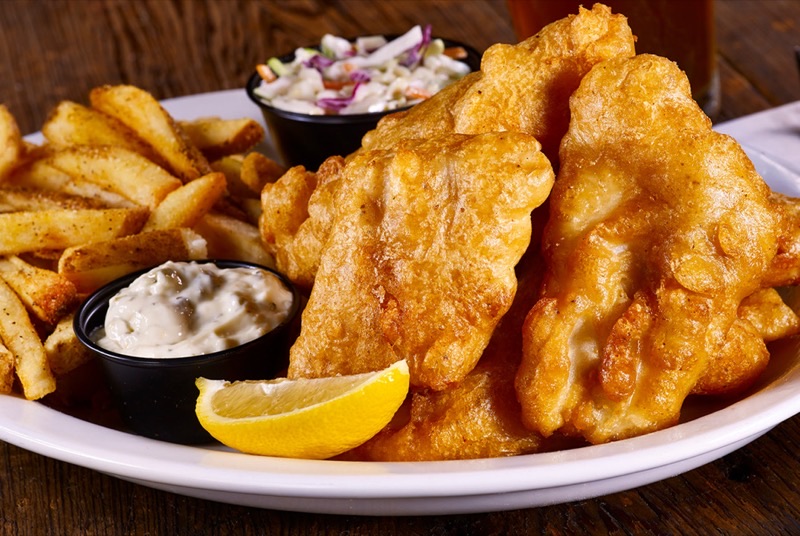
England's food landscape is incredibly varied, especially in cities like London, which offer extensive international dining options. Traditional English food includes fish and chips (around £12-18 / $15-23), Sunday roast, and various pies. Pubs are central to the food and drink experience, serving local ales and ciders for £5-7 ($6-9) a pint. Michelin-starred establishments are present, and farmers markets supply fresh produce. While the food diversity in England is extensive, the cost is significantly higher for comparable quality, and traditional fare can be inconsistent. Albania wins for straightforward, inexpensive, and consistently good regional food.
- Winner: Albania
- Why: Albanian cuisine provides excellent value and authentic local flavors, with fresh ingredients and hearty portions at a fraction of England's cost.
- Who this matters for: This is important for foodies on a budget and those seeking an authentic, non-western European culinary experience.
⛰️ Nature & Scenery
Albania offers a remarkable range of natural settings. The Albanian Alps, or Accursed Mountains, provide demanding hiking trails in areas like Theth and Valbona, with peaks over…
Albania
England
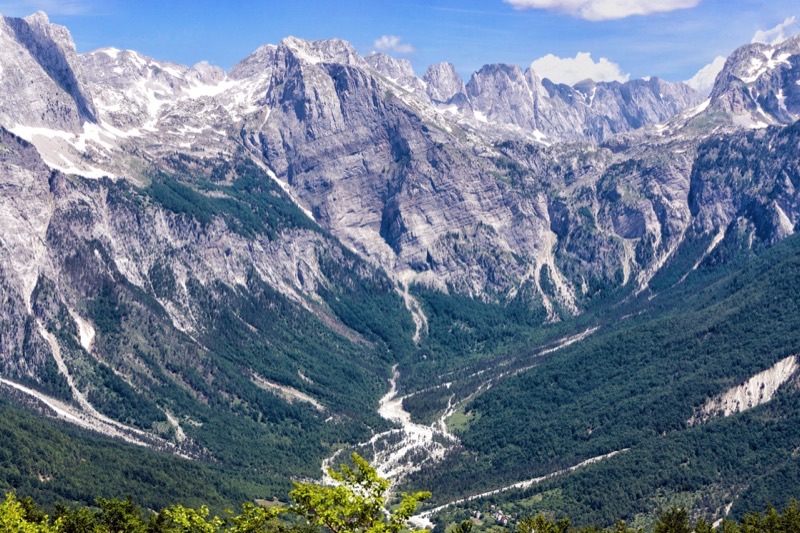
Albania offers a remarkable range of natural settings. The Albanian Alps, or Accursed Mountains, provide demanding hiking trails in areas like Theth and Valbona, with peaks over 2,500 meters. The Albanian Riviera along the Ionian Sea boasts clear, blue waters and pebble beaches, such as Gjipe Beach, Dhermi, and Ksamil. Inland, you find Lake Ohrid, shared with North Macedonia, and the Osumi Canyon. The Blue Eye spring near Saranda is a striking natural phenomenon. Expect wild, less developed landscapes that feel remote.
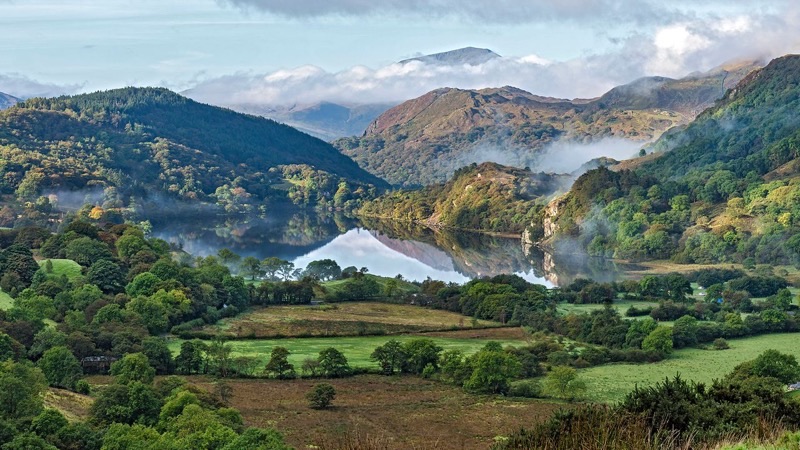
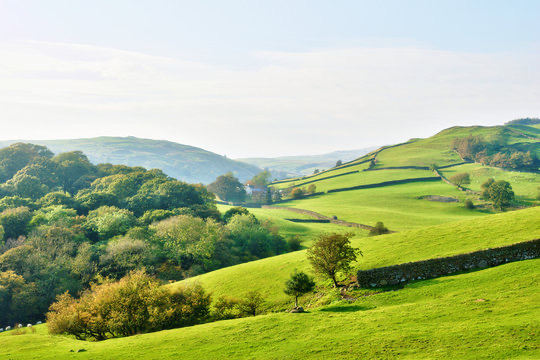
England presents a different kind of natural appeal. The Lake District National Park offers lakes, fells, and quaint villages, suitable for walking and boating. The Peak District and Yorkshire Dales provide rolling hills and limestone formations. The Cornish coast offers dramatic cliffs and surfing beaches, while the New Forest is known for its ancient woodlands and wild ponies. While England's landscapes are managed and accessible, they lack the raw, untamed scale of Albania's mountains and the warmth of its southern coast. Albania wins for its raw, dramatic landscapes and inviting coastal waters.
- Winner: Albania
- Why: Albania presents more dramatic, less commercialized natural beauty, particularly its high mountains and clear, warm coastal waters.
- Who this matters for: This category matters most for hikers, beach enthusiasts, and adventurers seeking less developed natural environments.
🏛️ Culture & History
Albania's history is layered and complex. You can explore Roman ruins at Butrint, a UNESCO site near Saranda, with its amphitheater and basilica. Gjirokaster and Berat, also…
Albania
England
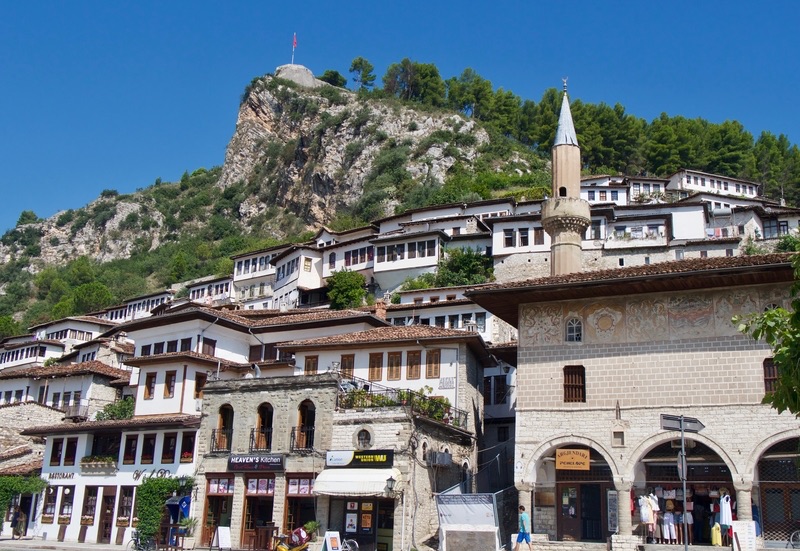
Albania's history is layered and complex. You can explore Roman ruins at Butrint, a UNESCO site near Saranda, with its amphitheater and basilica. Gjirokaster and Berat, also UNESCO sites, display well-preserved Ottoman architecture and fortress cities. The communist era under Enver Hoxha left a legacy of thousands of concrete bunkers scattered across the country, and museums like Bunk'Art in Tirana explore this period. Albania's culture is rooted in strong family ties, hospitality, and a blend of Eastern and Western influences, still defining its identity after decades of isolation. Expect a more hands-on, less curated historical experience.
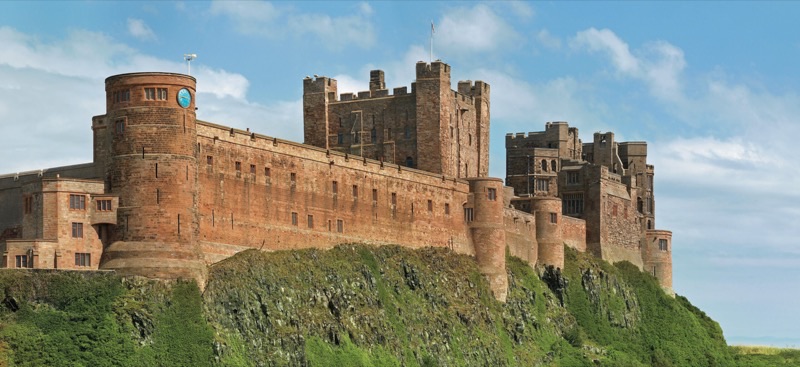
England possesses an extensive and well-documented history. From Roman baths in Bath, medieval castles like the Tower of London, to Tudor palaces such as Hampton Court. London alone houses numerous museums, including the British Museum, National Gallery, and Victoria and Albert Museum, many with free entry. Literary history is everywhere, from Shakespeare's Globe to Jane Austen's Bath. The royal family and parliamentary democracy are central to its identity. The infrastructure for visiting historical sites is highly developed, with clear signage, visitor centers, and accessible transport. England's sheer volume and preservation of historical and cultural institutions make it a leader here.
- Winner: England
- Why: England offers a more accessible and extensive collection of well-preserved historical sites and museums, covering millennia of well-documented history.
- Who this matters for: This is key for history buffs, museum visitors, and those interested in imperial and democratic traditions.
✈️ Getting There
Flying to Albania means landing at Tirana International Airport Nene Tereza (TIA). Direct flights are readily available from many European cities, typically taking 2.5-3 hours…
Albania
England
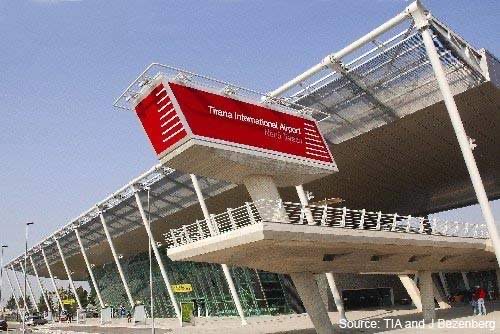
Flying to Albania means landing at Tirana International Airport Nene Tereza (TIA). Direct flights are readily available from many European cities, typically taking 2.5-3 hours from London or Rome, and 1.5-2 hours from Vienna or Milan. Budget airlines like Wizz Air and Ryanair operate routes. From North America or Asia, you will need a connecting flight through a major European hub like Frankfurt, Istanbul, or London. Flight prices can be quite reasonable, especially outside peak summer.
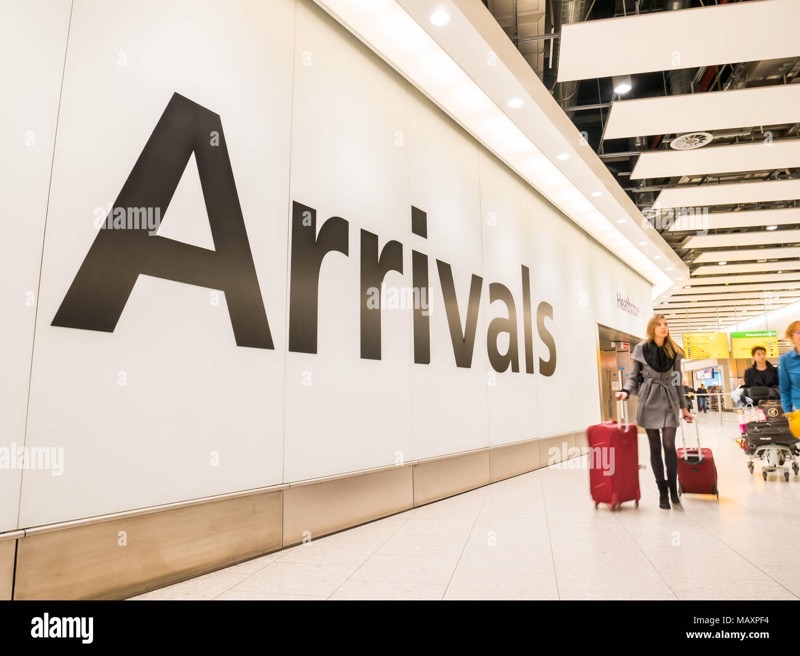
England boasts several major international airports, with London Heathrow (LHR) and Gatwick (LGW) being global gateways. Direct flights are available from virtually every continent. A flight from New York to London takes around 7 hours, and from Sydney, approximately 22-24 hours with a stop. Manchester (MAN) and Birmingham (BHX) also serve many international routes. The sheer volume of flights, destinations, and airline choices means England is significantly easier and often more convenient to reach from most parts of the world, offering greater flexibility and competition for routes. England is a clear winner for global accessibility.
- Winner: England
- Why: England has numerous major international airports with extensive direct flight connections from around the globe, offering greater convenience and choice.
- Who this matters for: This is crucial for travelers coming from outside Europe and those prioritizing convenience and direct routes.
🚗 Getting Around
In Albania, local travel relies heavily on furgons (shared minibuses) and intercity buses. These are cheap (e.g., Tirana to Shkoder ~400 ALL / $4), but schedules can be fluid, and…
In Albania, local travel relies heavily on furgons (shared minibuses) and intercity buses. These are cheap (e.g., Tirana to Shkoder ~400 ALL / $4), but schedules can be fluid, and routes sometimes indirect. Within cities, taxis are affordable, and ride-sharing apps are emerging. Renting a car provides flexibility, but road quality varies significantly outside major arteries, and local driving habits can be assertive. Signage is improving but sometimes inconsistent. Expect slower travel times and less formal transport arrangements.
England has a highly developed transport infrastructure. The national rail network connects most major towns and cities, offering speed and comfort, though tickets can be expensive, especially if not booked months in advance (e.g., London to Edinburgh off-peak £50-80 / $63-101 with advance booking). National Express and Megabus offer extensive coach services, which are cheaper but slower. Roads are generally well-maintained, and driving is straightforward for those accustomed to left-hand traffic. London's Underground (Tube) is an efficient, though costly, way to navigate the capital. The ease of booking, reliability, and coverage of England's transport system make it superior for efficient travel. England wins for its well-organized and reliable transport infrastructure.
- Winner: England
- Why: England boasts a comprehensive and reliable public transport network (trains, coaches, city transit) and well-maintained roads, making travel efficient and predictable.
- Who this matters for: This matters for travelers who prefer structured travel, dislike driving in unfamiliar conditions, or rely on public transport for efficiency.
🏨 Accommodation
Albania offers great value accommodation. Hostels in cities like Tirana or coastal towns like Saranda are typically $10-20 for a dorm bed. Guesthouses, particularly in Berat or…
Albania offers great value accommodation. Hostels in cities like Tirana or coastal towns like Saranda are typically $10-20 for a dorm bed. Guesthouses, particularly in Berat or Gjirokaster, provide a local experience for $30-50 per night for a double room, often including breakfast. Private apartments via platforms like Airbnb are also common and economical. The hotel industry is growing, especially along the Riviera, but still provides more space and amenities for less money compared to Western Europe. For example, a beachfront hotel in Dhermi might be $60-100 in peak season.
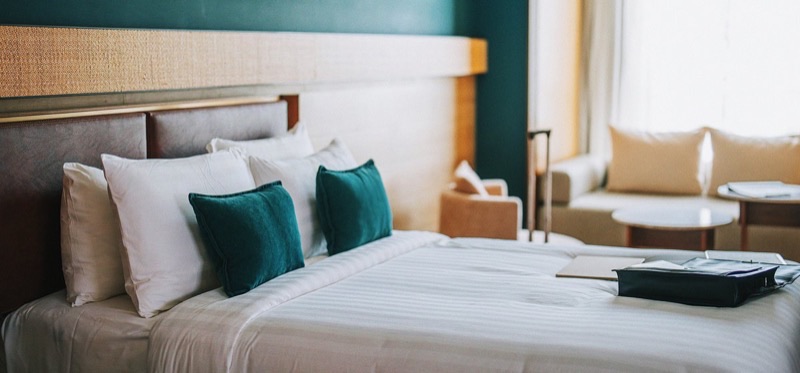
England has an extensive array of accommodation options, from budget hostels (dorm beds starting at $35-60 in cities) to luxurious hotels. Charming bed and breakfasts are prevalent in the countryside. However, prices are consistently higher. A mid-range hotel room in a city outside London can easily cost $120-180 per night, while London hotels often start at $200-300. Even basic chain hotels are significantly more expensive than their Albanian counterparts. While England offers more established brands and a broader selection of high-end properties, Albania provides superior value and often more space for the money. Albania takes this for its affordability.
- Winner: Albania
- Why: Albania offers significantly more affordable accommodation across all types, providing better value for money, often with more space and local character.
- Who this matters for: This is critical for budget-conscious travelers, families, and those planning longer stays.
🛡️ Safety & Security
Albania is generally considered a safe country for travelers, with low rates of violent crime. Petty theft can occur in crowded areas like markets or bus stations, particularly in…
Albania is generally considered a safe country for travelers, with low rates of violent crime. Petty theft can occur in crowded areas like markets or bus stations, particularly in Tirana. Be cautious with belongings. Road safety is a concern; local driving can be aggressive, and road conditions vary. Female solo travelers report feeling secure but advise standard precautions like avoiding isolated areas at night. The emergency number is 112. Overall, Albanians are hospitable and helpful to tourists.
England has a very low serious crime rate, and cities are generally safe for tourists. As with any major urban area, pickpocketing can occur in busy tourist zones like central London or on public transport. Violent crime against tourists is rare. The emergency number is 999. Public spaces are well-lit and monitored. Solo travelers, including women, typically feel very secure across the country, even at night. The established law enforcement and public security infrastructure provide a greater sense of consistent safety and order. England wins for its consistently high level of public security and comprehensive support systems.
- Winner: England
- Why: England offers a more consistently high level of public security, with established emergency services and lower rates of petty crime in tourist areas.
- Who this matters for: This is paramount for solo travelers, families with young children, and anyone prioritizing peace of mind.
🌃 Nightlife & Entertainment
Albania's nightlife centers around Tirana's Blloku district, once restricted to communist elite, now filled with bars, clubs, and cafes. Expect vibrant crowds, especially on…
Albania's nightlife centers around Tirana's Blloku district, once restricted to communist elite, now filled with bars, clubs, and cafes. Expect vibrant crowds, especially on weekends, with drinks costing 200-400 ALL ($2-4) for a beer or cocktail. Coastal towns like Saranda and Dhermi come alive in summer with beach clubs and open-air bars, hosting DJs and parties. Traditional cafes (kafenes) are social hubs for all ages. It is a more casual, social scene, especially outside the capital, and less structured than Western European counterparts.
England's nightlife is extensive and varied. London's West End is globally recognized for its theater productions, from musicals to plays, with tickets ranging from £30-150 ($38-190). Pubs are central to social life across the country, offering local ales and often live music. Major cities like London, Manchester, and Liverpool have diverse club scenes catering to all music tastes, with entry fees typically £10-30 ($13-38) and drinks £6-10 ($8-13). There is also a rich live music scene, from stadium concerts to intimate gigs. The sheer breadth, quality, and variety of entertainment options, particularly in London, are unmatched. England wins for its diverse and comprehensive entertainment offerings.
- Winner: England
- Why: England, especially London, offers an unmatched variety of entertainment, from world-renowned theater to diverse music venues and extensive pub culture.
- Who this matters for: This is important for theatergoers, live music fans, and those seeking extensive late-night options.
☀️ Weather & Seasons
Albania experiences a Mediterranean climate along its coast, characterized by hot, dry summers (average July temperatures around 28-32°C / 82-90°F in Saranda) and mild, wet…
Albania experiences a Mediterranean climate along its coast, characterized by hot, dry summers (average July temperatures around 28-32°C / 82-90°F in Saranda) and mild, wet winters. The mountainous interior has a continental climate with cold, snowy winters. Spring (April-May) and autumn (September-October) offer pleasant temperatures (20-25°C / 68-77°F) and fewer crowds, making them ideal for exploring both coast and mountains. The predictability of warm, sunny summers is a major draw for beach lovers.
England has a temperate maritime climate, meaning it's often mild but highly changeable. Summers (June-August) are generally warm but can be rainy (average July temperatures 18-22°C / 64-72°F in London), and heatwaves are increasingly common. Winters (December-February) are cool and damp, with occasional snow, especially further north. Spring and autumn are cool with mixed weather. It is common to experience all four seasons in a single day. While the climate avoids extremes, the lack of consistent sunshine and frequent rain can be a drawback for those seeking predictable outdoor conditions. Albania wins for its more reliable and pleasant weather, especially for sunny vacations.
- Winner: Albania
- Why: Albania offers more predictable and consistently sunny weather, particularly for warm-weather activities and beach holidays.
- Who this matters for: This is crucial for travelers prioritizing sunshine, warm temperatures, and outdoor activities without concern for rain.
🎯 The Decision Framework
Choose Albania If…
- You want to spend less than $75 per day.
- You seek warm Mediterranean beaches with clear water.
- You are interested in hiking remote mountains with few other tourists.
- You enjoy exploring Roman ruins without crowds.
- You prefer less developed, more 'authentic' travel experiences.
- You appreciate hearty, fresh, and inexpensive regional cuisine.
- You want to experience a country still emerging on the tourism map.
- You are comfortable with less formal public transport.
Choose England If…
- You prioritize access to world-renowned museums and art galleries (many free).
- You enjoy exploring ancient castles, cathedrals, and royal palaces.
- You value efficient, extensive, and reliable public transportation.
- You want to experience London's West End theater scene.
- You appreciate a wide array of international dining options.
- You are comfortable with higher travel costs, often exceeding $120 per day.
- You prefer familiar infrastructure and a consistent level of service.
- You enjoy the social atmosphere of traditional pubs.
📅 Sample Itineraries
Weekend in Albania (3 Days)
💡 Utilize Albania's intercity furgons (minibusses) for cost-effective travel between cities, with fares typically ranging from $4-7 per trip.
Weekend in England (3 Days)
💡 Purchase an Oyster card or use a contactless payment method for London's public transport, as it offers daily fare caps, saving money compared to single tickets.
One Week in Albania (7 Days)
💡 Renting a car for around $30-50 per day can provide flexibility for exploring Albania's coastal roads and less accessible natural sites at your own pace.
One Week in England (7 Days)
💡 If planning extensive train travel across England, a BritRail Pass can be a cost-effective option compared to purchasing individual tickets, especially for multiple long-distance journeys.
❓ Frequently Asked Questions
What are the typical flight times and costs between the two countries?
Direct flights from London to Tirana (TIA) take approximately 2.5-3 hours. Costs can range from $50-150 USD on budget airlines like Wizz Air or Ryanair, especially if booked in advance or during off-peak seasons. There are no direct flights from Tirana to smaller regional airports in England.
Which country is better for a beach holiday?
Albania is significantly better for a beach holiday, especially for those seeking warm water and clear seas. The Albanian Riviera (e.g., Ksamil, Dhermi) offers beautiful pebble and sand beaches with average summer water temperatures around 24-26°C (75-79°F), far warmer than England's coasts.
How do public transport costs compare?
Public transport in Albania is very inexpensive; a cross-country furgon ride typically costs $4-8 USD. In England, public transport is considerably more expensive. A train journey from London to Manchester can be $70-130 USD, while a London Underground journey might be $3-8 USD depending on zones.
Is English widely spoken in Albania?
In major tourist areas, hotels, and Tirana, many younger people and those working in tourism speak some English. Outside these areas, especially in rural regions, English is less common, but locals are generally helpful. Learning a few basic Albanian phrases is beneficial.
What is the best time of year to visit each country?
For Albania, late spring (May-June) or early autumn (September-October) are ideal, offering pleasant weather around 20-25°C (68-77°F) and fewer crowds. For England, summer (June-August) provides the warmest weather (18-22°C / 64-72°F) and longest daylight hours, despite the possibility of rain.
Are there any specific cultural etiquettes travelers should be aware of?
In Albania, hospitality is paramount; accepting offers of coffee or food is a sign of respect. Dress modestly when visiting religious sites. In England, queuing is common and expected; politeness and punctuality are generally appreciated. Tipping around 10% in restaurants is standard.
What are the visa requirements for US citizens for each country?
US citizens can enter Albania visa-free for up to 90 days within a 180-day period. For England (part of the UK), US citizens can typically enter visa-free for up to 6 months for tourism. Always check the latest requirements before travel, as policies can change.
Which destination is better for solo female travelers?
Both countries are generally safe for solo female travelers. England offers a higher level of established infrastructure and public security, which can provide more peace of mind. Albania is also safe, but in less touristy areas, local customs might be more conservative, and public transport can be less intuitive.
Ready to plan your European adventure?
Get a free custom itinerary for Albania, England, or both — built from real traveler insights.
👥 Travelers Also Compared
🎟️ Book Tours & Experiences
Hand-picked tours and activities for both destinations — book with free cancellation
Experiences via Viator — free cancellation on most tours