How we built this comparison
This page combines traveler discussion patterns, published price ranges, flight schedules, and seasonal data to help you decide between Albania and Georgia.
- Reviewed 50+ Reddit threads from r/travel, r/solotravel, r/Albania, r/GeorgiaTravel
- Verified costs and logistics against current booking platforms like Booking.com, Hostelworld, Wizz Air, Ryanair, Bolt
- Cross-referenced seasonal patterns and weather data from NOAA and local meteorological services
⚡ Quick Answers
⚡ The TL;DR Verdict
For most travelers seeking sun, clear waters, and coastal relaxation on a tight budget, Albania is the clearer choice. Those prioritizing ancient history, mountain trekking, and a robust wine culture will find Georgia more rewarding. If time permits, doing both provides a comprehensive East European and Caucasian experience, allocating at least 10-14 days for each.
- Choose Albania: Pick Albania for beach-focused trips, driving the coast, enjoying fresh seafood, and experiencing a less developed, raw Mediterranean vibe. It is excellent for budget travelers who want to relax by the sea.
- Choose Georgia: Choose Georgia for deep cultural immersion, mountain adventures in the Caucasus, exploring ancient monasteries, and indulging in unique cuisine and wine. It suits trekkers, history buffs, and foodies.
- Choose Both: Consider both if you have a month or more for travel and want to experience different facets of post-Soviet transitions and hospitality, combining Mediterranean beaches with dramatic mountain ranges and ancient Christian history.
Choose Albania
Choose Albania if your ideal trip involves sun-drenched beaches, incredibly clear waters, and exploring a rugged coastline without breaking the bank. It's perfect for budget-conscious travelers seeking a raw Mediterranean adventure, enjoying fresh seafood in places like Sarandë and driving the scenic Albanian Riviera. Best for beach enthusiasts and those craving authentic, affordable seaside relaxation.
Choose Georgia
Opt for Georgia if you crave a journey through dramatic mountain landscapes, ancient Christian history, and a vibrant wine culture. It's an unparalleled destination for adventurers keen on trekking in regions like Svaneti, exploring centuries-old monasteries, and indulging in unique Georgian cuisine and qvevri wine in Kakheti. Ideal for history buffs, trekkers, and culinary explorers.
📊 Visual Scorecard
🌤 When to Visit
Average high temperatures (°C). Green = best months, orange = avoid.
Quick Comparison
| Category | Albania | Georgia | Winner |
|---|---|---|---|
| Costs & Budget | Albania offers extremely low costs for accommodation, food, and transport, especially outside peak season. You can live well on $40-60 a day. | Georgia is also affordable but slightly pricier than Albania, particularly for popular tours and some city accommodation. Expect $50-75 a day for comfortable travel. | Albania |
| Nature & Outdoors | Albania has dramatic coastlines, the Albanian Alps (Prokletije), and numerous national parks like Valbona Valley for hiking. Landscapes are rugged and less developed. | Georgia boasts the high Caucasus Mountains, particularly Svaneti and Kazbegi, offering serious trekking, glaciers, and alpine villages. Landscapes are grand and wild. | Georgia |
| Beaches & Coastline | Albania's Riviera offers pristine Ionian beaches with clear turquoise water, less crowded than neighboring Greece or Croatia, with a mix of sandy and pebbly shores. | Georgia has a Black Sea coast focused around Batumi, characterized by pebbly beaches and a more developed, resort town feel. The water is generally less clear than the Ionian Sea. | Albania |
| Food & Drink | Albanian cuisine is Mediterranean-influenced, with fresh seafood, grilled meats, salads, and Turkish/Ottoman touches. Raki is a common spirit. | Georgian cuisine is distinct and rich, famous for Khachapuri, Khinkali, flavorful stews, and a millennia-old wine tradition. Food is a central part of the cultural experience. | Georgia |
| Culture & History | Albania's history is marked by Ottoman rule, communism, and recent independence. It has UNESCO sites like Butrint, Berat, and Gjirokaster, showcasing diverse architectural styles and ancient ruins. | Georgia boasts a deep Christian heritage, ancient cave cities, Orthodox monasteries, and a strong national identity shaped by various empires. UNESCO sites include Gelati Monastery and Uplistsikhe. | Georgia |
| Getting Around | Albania relies heavily on furgons (minibuses) for intercity travel, which are cheap but lack schedules. Car rental is highly recommended for coastal exploration. | Georgia uses marshrutkas (minibuses) extensively, which are efficient and cover most routes. Trains connect major cities, and taxis are affordable in cities. | Tie |
| Accommodation | Albania has a range from basic hostels (10-15 USD) to guesthouses and increasingly boutique hotels. Coastal areas have many apartments for rent. Value for money is high. | Georgia offers varied accommodation, from guesthouses (guesthouses are a specialty in mountain regions like Svaneti) and hostels (15-25 USD) to larger international hotels in Tbilisi. Prices are slightly higher than Albania. | Albania |
| Nightlife & Entertainment | Albania has a growing nightlife scene, particularly in Tirana and coastal cities like Saranda and Dhermi. It is relaxed, with many bars and cafes. | Georgia, especially Tbilisi, has a more developed and renowned nightlife, particularly for electronic music and club culture, alongside a vibrant bar scene. | Georgia |
| Safety | Albania is generally safe for tourists. Petty crime exists but is not widespread. Road safety can be a concern with aggressive drivers. | Georgia is also a safe country for tourists. Petty crime is low, and violent crime is rare. Road safety is similar to Albania, requiring caution. | Tie |
| Getting There & Flights | Tirana International Airport (TIA) is Albania's main hub. Direct flights from major European cities are common. Overland travel from neighboring Balkan countries is easy. | Tbilisi International Airport (TBS) is Georgia's primary gateway. Direct flights from Europe, the Middle East, and some Asian cities are available. Land borders with Turkey and Armenia are popular. | Tie |
💰 Costs & Budget
Albania is a budget traveler's paradise. A hostel bed in Saranda or Tirana costs around 1000-1500 ALL (9-14 USD). A full meal at a local restaurant can be had for 500-800 ALL (5-7…
Albania
Georgia
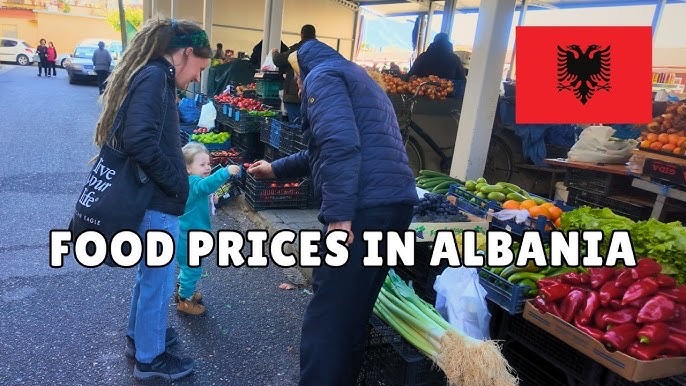
Albania is a budget traveler's paradise. A hostel bed in Saranda or Tirana costs around 1000-1500 ALL (9-14 USD). A full meal at a local restaurant can be had for 500-800 ALL (5-7 USD), often with drinks. Public transport, like a furgon (minibus) from Tirana to Gjirokaster, is about 800 ALL (7 USD). Car rentals start from 25-30 USD per day. Groceries are cheap, with local markets offering fresh produce at very low prices. A coffee is typically 100-150 ALL (1 USD).
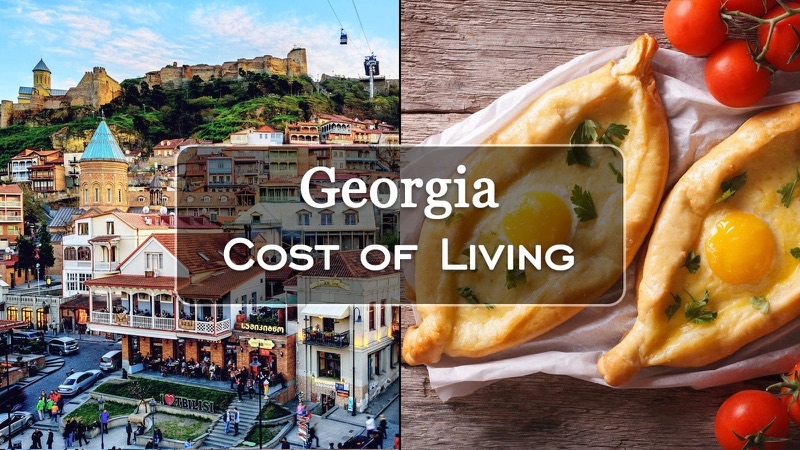
Georgia offers great value but is a touch more expensive than Albania. Hostel beds in Tbilisi range from 25-40 GEL (9-15 USD), while a guesthouse in the mountains like Mestia might be 50-70 GEL (19-26 USD) including breakfast. A traditional Khinkali or Khachapuri meal at a mid-range restaurant costs 20-35 GEL (7-13 USD). Marshrutka rides (minibuses) between cities are 10-20 GEL (4-7 USD). Taxis in Tbilisi are cheap, a short ride is 5-8 GEL (2-3 USD). Tours, especially to places like Kazbegi, can add up. The tabiji verdict: Albania gives your money more miles for basic expenses.
- Winner: Albania
- Why: Albania consistently offers lower prices across accommodation, food, and local transport, making it the top choice for strict budget travelers.
- Who this matters for: Travelers prioritizing the absolute lowest daily expenditure without sacrificing comfort.
⛰️ Nature & Outdoors
Albania presents a captivating natural landscape with the Ionian and Adriatic coasts, the Albanian Alps in the north, and various lakes and rivers. The hike from Valbona to Theth…
Albania
Georgia
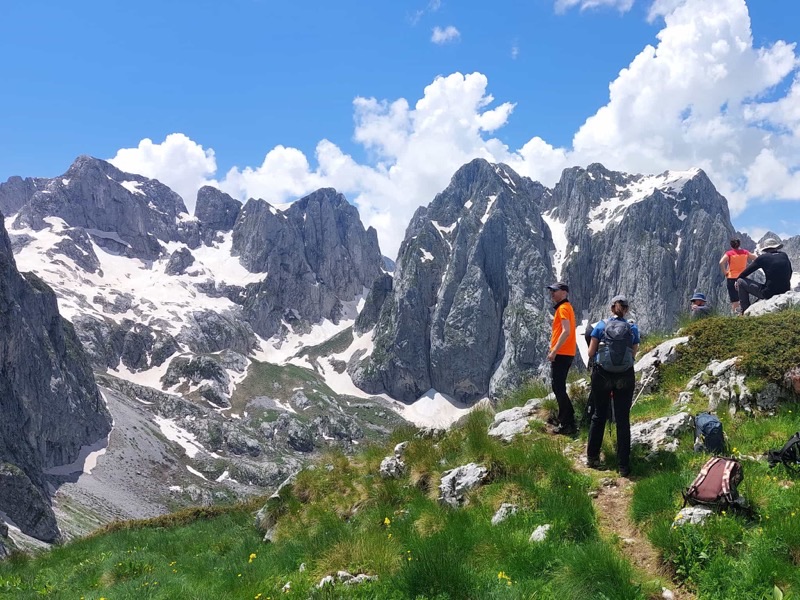
Albania presents a captivating natural landscape with the Ionian and Adriatic coasts, the Albanian Alps in the north, and various lakes and rivers. The hike from Valbona to Theth is a highlight, a challenging full-day trek across mountain passes. Llogara Pass near Vlora offers views of the Riviera. Osumi Canyons provide opportunities for rafting and exploring. Ksamil's small islands are accessible by swimming or short boat rides. Much of Albanas natural areas are still raw and facilities are minimal, which appeals to adventurers.
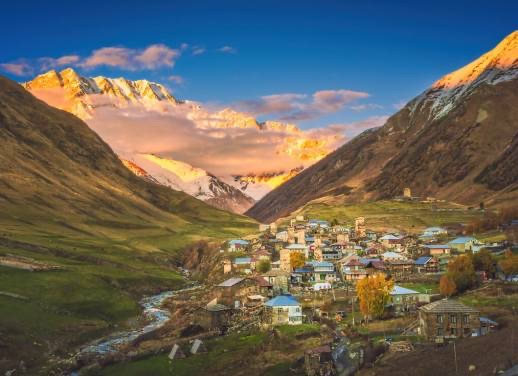
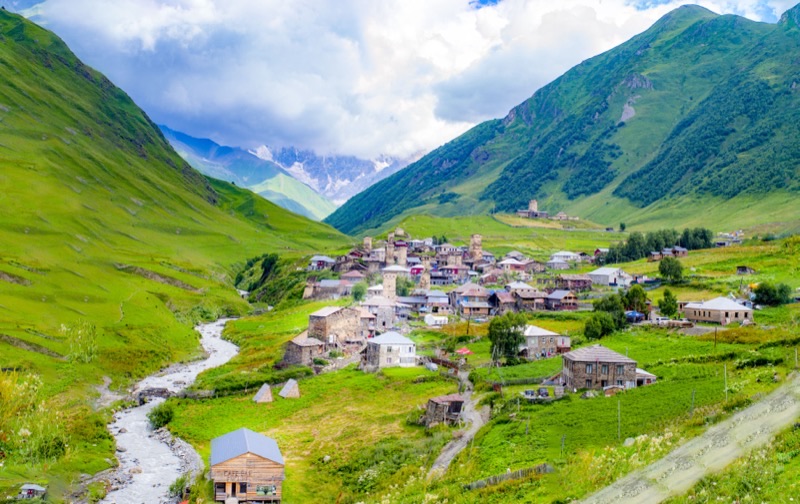
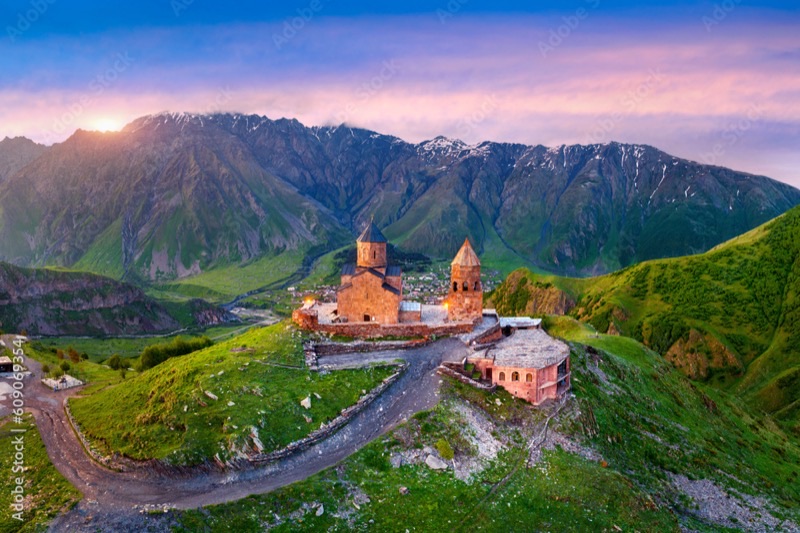
Georgia's primary natural draw is the Caucasus Mountains. Svaneti region, with its medieval towers and views of Mount Shkhara, is a trekkers dream, offering trails from Mestia to Ushguli. Kazbegi (Stepantsminda) provides views of Mount Kazbek and Gergeti Trinity Church. Borjomi Kharagauli National Park is one of Europe's largest national parks, offering multi-day hikes. The diverse landscape includes deserts in Vashlovani, caves in Prometheus, and Black Sea beaches in Batumi. The tabiji verdict: Georgia's towering Caucasus ranges offer a more epic and diverse high-mountain experience.
- Winner: Georgia
- Why: Georgia's high Caucasus Mountains offer more dramatic, accessible, and famous trekking and alpine landscapes.
- Who this matters for: Serious hikers, mountaineers, and those seeking awe-inspiring mountain vistas.
🏖️ Beaches & Coastline
Albania is the clear winner for beach lovers. The Albanian Riviera, stretching from Vlora to Ksamil, features beaches like Dhermi, Jale, Gjipe, and Ksamil itself. These are…
Albania

Georgia
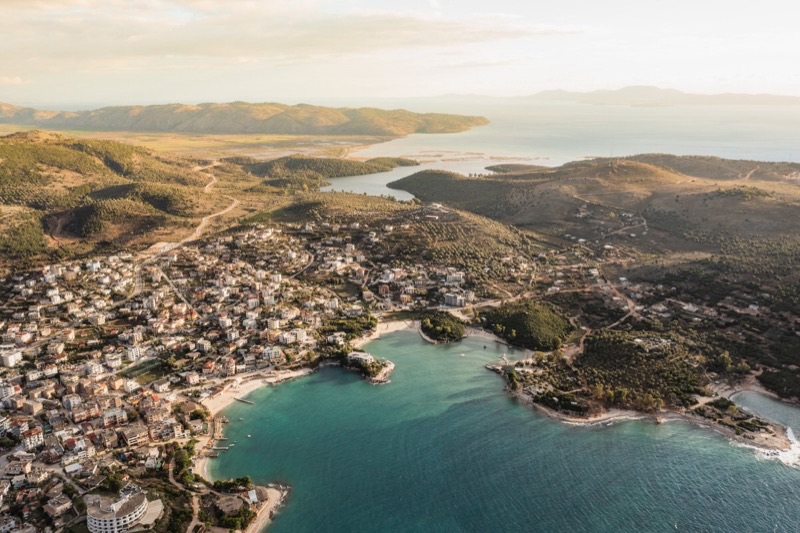
Albania is the clear winner for beach lovers. The Albanian Riviera, stretching from Vlora to Ksamil, features beaches like Dhermi, Jale, Gjipe, and Ksamil itself. These are characterized by crystal-clear, warm Ionian waters and a mix of white pebble and sandy stretches. Gjipe Beach, nestled at the end of a canyon, offers a secluded feel. Ksamil has small islands you can swim or kayak to. Beach chairs and umbrellas are affordable, often 500-1000 ALL (5-9 USD) for a day. Seafood is fresh and readily available along the coast for reasonable prices.
Georgia's Black Sea coast is centered around Batumi. The beaches here are predominantly pebbly, and the water quality, while acceptable, does not match the clarity of Albania's Ionian Sea. Batumi itself is a bustling resort city with high-rise buildings, casinos, and a lively promenade. Ureki and Kobuleti, further north, offer magnetic black sand beaches, which some find therapeutic. However, the overall beach experience is more urban and less about natural beauty or secluded coves. The tabiji verdict: For truly spectacular, clear water beaches, Albania is far superior.
- Winner: Albania
- Why: Albania's Ionian coastline offers significantly clearer water, more natural beauty, and a wider variety of serene beaches.
- Who this matters for: Travelers whose primary goal is beach relaxation, swimming in clear water, and enjoying coastal scenery.
🍝 Food & Drink
Albanian food is hearty and fresh, drawing on Mediterranean and Balkan traditions. Expect plenty of grilled lamb (qofte) and chicken, fresh salads with local vegetables, feta-like…
Albania
Georgia
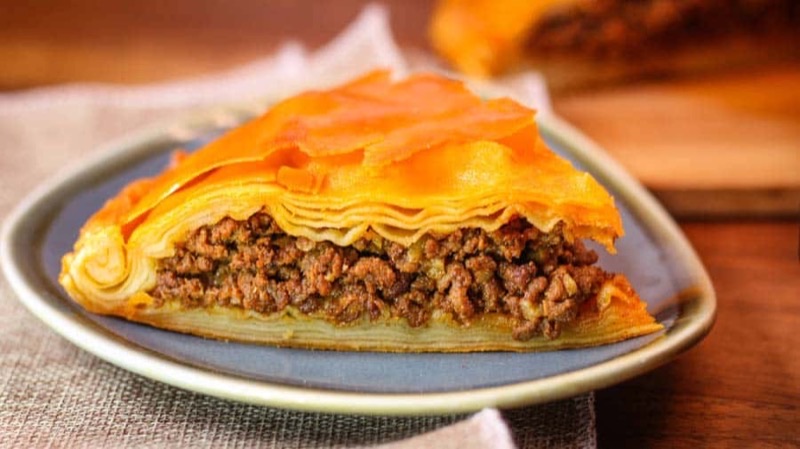
Albanian food is hearty and fresh, drawing on Mediterranean and Balkan traditions. Expect plenty of grilled lamb (qofte) and chicken, fresh salads with local vegetables, feta-like cheese (djath i bardhë), and excellent seafood along the coast. Try byrek (savory pastry), tavë kosi (baked lamb with yogurt), and fergesë (peppers, tomatoes, cottage cheese stew). Desserts include baklava and trilece (tres leches cake). A good meal with wine can cost 1000-1500 ALL (9-14 USD) in a nice restaurant. Coffee culture is strong, and raki is the local spirit.
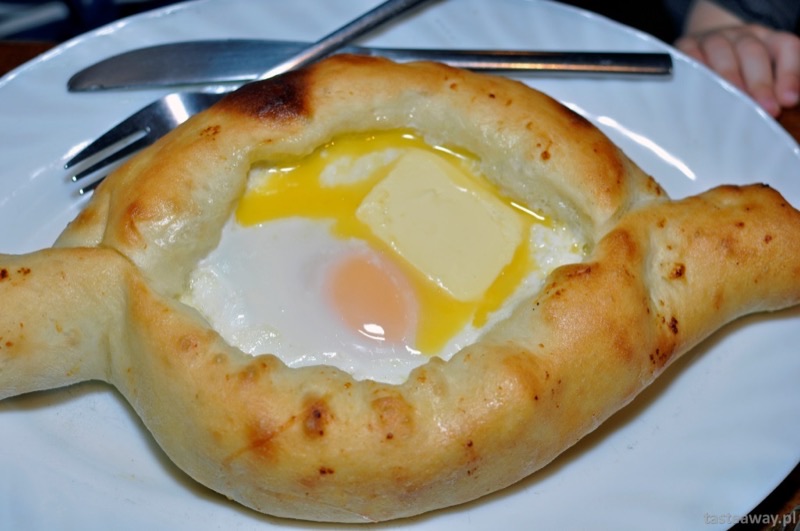
Georgian food is an experience in itself. Khachapuri (cheese bread, many varieties like Adjaruli with an egg and butter) and Khinkali (soup dumplings) are iconic. Other dishes include Lobio (bean stew), Mtsvadi (shish kebab), and various pkhali (vegetable pastes). Georgian wine, from regions like Kakheti, has an 8,000-year history and is produced using traditional qvevri (clay vessels). A Supra (traditional Georgian feast) is a must, offering a communal dining experience. A good meal with wine in Tbilisi might be 30-50 GEL (11-18 USD). The tabiji verdict: Georgia's unique, deep culinary heritage and world-renowned wine make its food scene more compelling.
- Winner: Georgia
- Why: Georgia offers a more unique, diverse, and historically significant culinary and wine culture, making food a core part of the travel experience.
- Who this matters for: Foodies, wine enthusiasts, and travelers who want their meals to be a cultural exploration.
🏛️ Culture & History
Albanian history is complex, with influences from Illyrians, Romans, Ottomans, and a strict communist regime. Butrint offers extensive Greco-Roman ruins near Saranda. Berat, the…
Albania
Georgia
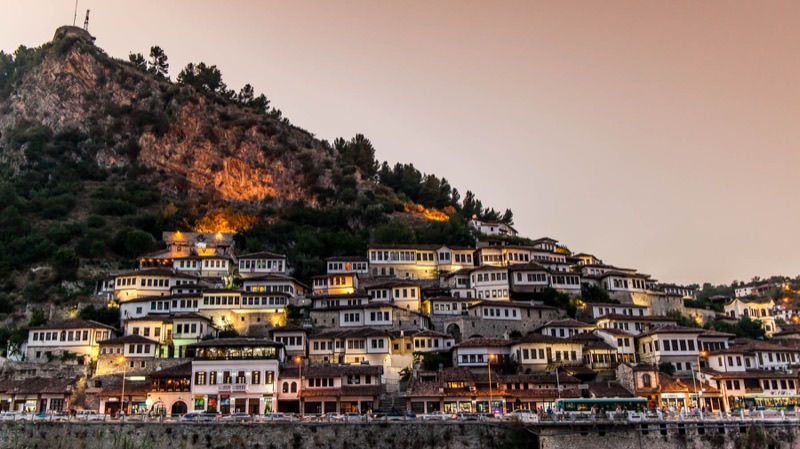
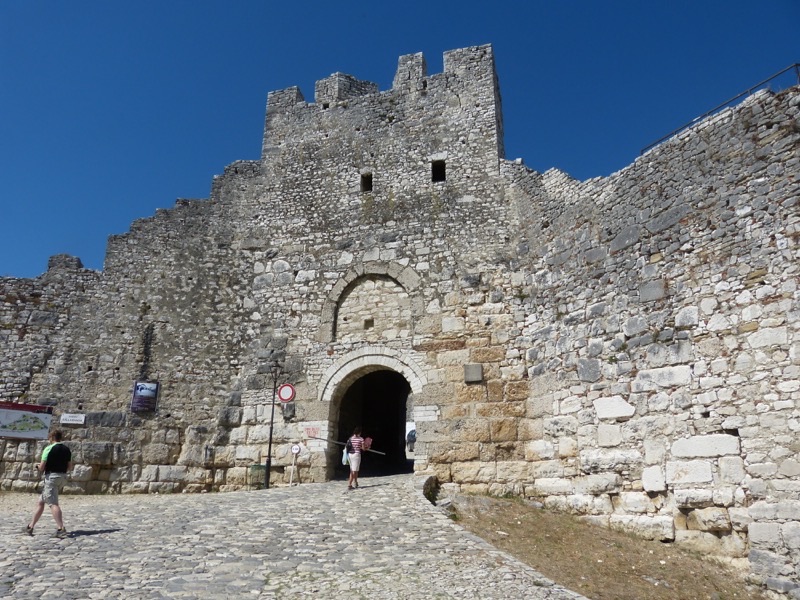
Albanian history is complex, with influences from Illyrians, Romans, Ottomans, and a strict communist regime. Butrint offers extensive Greco-Roman ruins near Saranda. Berat, the 'City of a Thousand Windows', and Gjirokaster, the 'Stone City', are UNESCO sites with Ottoman-era architecture and castles. Tirana displays communist-era bunkers (BunkArt 1 and 2 are museums) and more recent development. The national identity is fiercely independent. The culture feels less overtly religious than Georgia's, a legacy of state atheism during communism.
Georgian culture is deeply intertwined with its ancient Christian faith, dating back to the 4th century. Explore cave cities like Uplistsikhe and Vardzia, ancient monasteries like Gelati and Svetitskhoveli Cathedral in Mtskheta (Georgias ancient capital). Tbilisi's Old Town has diverse architecture, from Persian-influenced baths to Art Nouveau buildings. The Georgian script, polyphonic singing, and traditional dances are strong cultural markers. Hospitality (supra feasts) is a cornerstone. This history is more pervasive and evident across the country. The tabiji verdict: Georgia's profound and well-preserved Christian and ancient history offers a more intense cultural journey.
- Winner: Georgia
- Why: Georgia's ancient Christian history, extensive monastic complexes, and unique cultural traditions are more prominent and deeply integrated into the travel experience.
- Who this matters for: History buffs, those interested in ancient Christianity, and travelers seeking unique cultural immersion.
🚗 Getting Around
In Albania, furgons are the main mode of public transport between cities. They depart when full, so schedules are loose. They are very cheap, for example, Tirana to Shkoder is…
In Albania, furgons are the main mode of public transport between cities. They depart when full, so schedules are loose. They are very cheap, for example, Tirana to Shkoder is about 400 ALL (4 USD). For exploring the Albanian Riviera or the mountains, renting a car is almost a necessity for flexibility. Roads are improving but can be rough outside main arteries. Driving can be chaotic in cities. Taxis are available in cities but often require negotiation. Ridesharing apps are emerging but not widespread.
Georgia's marshrutka network is extensive and generally reliable, connecting most towns and attractions. They are faster than Albanian furgons, and often depart more frequently. A ride from Tbilisi to Kazbegi is around 15 GEL (5.5 USD). Georgian Railways operates comfortable trains between major cities like Tbilisi and Batumi. Taxis are very affordable in Tbilisi, and apps like Bolt work well. Car rental is also an option, particularly for mountain areas like Svaneti, but mountain roads require good driving skills. The tabiji verdict: Both countries offer functional but distinct transport options; Georgia's marshrutka system is slightly more developed, but Albania's car rental freedom balances it out.
- Winner: Tie
- Why: Both countries offer practical, albeit sometimes challenging, transport options that serve different travel styles effectively.
- Who this matters for: Travelers who are comfortable with local public transport or enjoy the freedom of self-driving.
🛌 Accommodation
Albania provides exceptional value for accommodation. Hostels like Tirana Backpacker Hostel or Berat Backpackers are well-regarded and cost around 1000-1500 ALL (9-14 USD) per…
Albania provides exceptional value for accommodation. Hostels like Tirana Backpacker Hostel or Berat Backpackers are well-regarded and cost around 1000-1500 ALL (9-14 USD) per night. Guesthouses are plentiful, especially in historic cities like Gjirokaster or Berat, offering rooms for 2500-4000 ALL (23-37 USD). Along the Riviera, many new apartments and mid-range hotels have emerged, often with sea views, for 4000-7000 ALL (37-65 USD). Even luxury options are relatively inexpensive. Bookings often include breakfast.
Georgia's accommodation scene is solid. Hostels in Tbilisi, such as Fabrika Hostel, are popular, costing 30-45 GEL (11-17 USD). Guesthouses are common outside Tbilisi, particularly in mountain regions like Mestia or Kazbegi, where a room might be 50-80 GEL (19-30 USD), often including homemade meals. Boutique hotels in Tbilisi's Old Town offer good options for 100-200 GEL (37-75 USD). While generally good quality, similar standards in Albania typically come at a lower price point. The tabiji verdict: Albania edges out Georgia for its consistently lower prices for comparable quality accommodation.
- Winner: Albania
- Why: Albania offers better value for money across all accommodation types, making comfortable stays more affordable.
- Who this matters for: Budget-conscious travelers and those seeking maximum comfort for their dollar.
🍻 Nightlife & Entertainment
Albania's nightlife is concentrated in Tirana and the coastal towns. Tirana offers a decent selection of bars and pubs in the Blloku area, once exclusive to communist elites, now…
Albania's nightlife is concentrated in Tirana and the coastal towns. Tirana offers a decent selection of bars and pubs in the Blloku area, once exclusive to communist elites, now full of cafes and cocktail bars. Establishments like Radio Bar Tirana are popular. Along the Riviera, especially in Dhermi and Saranda during summer, beach clubs host parties. It is a relaxed social scene, with many locals enjoying evening strolls and long coffee hours. Drinks are affordable, a beer costs around 200-300 ALL (2-3 USD).
Georgia's capital, Tbilisi, is known for its nightlife. It has a globally recognized electronic music scene, with clubs like Bassiani and Khidi drawing international DJs and crowds. Beyond techno, there are numerous bars and pubs in the Sololaki and Old Town districts, offering craft beer, cocktails, and local wine. Rustaveli Avenue has more mainstream options. Batumi also has casinos and clubs, making it another entertainment hub. Drinks in Tbilisi can be slightly more expensive than Albania, a craft beer might be 8-12 GEL (3-4.5 USD). The tabiji verdict: For a truly diverse and internationally recognized nightlife, Tbilisi stands out as a clear winner.
- Winner: Georgia
- Why: Georgia, specifically Tbilisi, offers a more developed, diverse, and internationally recognized nightlife, particularly in electronic music.
- Who this matters for: Party-goers, music enthusiasts, and those looking for a lively urban evening scene.
🛡️ Safety
Albania is a safe country for travelers, with low rates of violent crime. Petty theft can occur in crowded tourist areas, particularly pickpocketing, but it is not common. Locals…
Albania is a safe country for travelers, with low rates of violent crime. Petty theft can occur in crowded tourist areas, particularly pickpocketing, but it is not common. Locals are generally friendly and helpful. The main safety concern can be road conditions and driving habits; drivers can be aggressive, and road infrastructure is variable, especially in rural areas. Solo female travelers report feeling safe, though standard precautions apply. Political demonstrations are rare and generally peaceful.
Georgia is also considered very safe for tourists. Crime rates, including petty crime, are low. Tbilisi is safe to walk around at night. The biggest safety issues are similar to Albania: road traffic can be unpredictable, with some aggressive drivers and varying road quality, particularly in mountainous regions. Taxis are generally safe, but using apps like Bolt provides an extra layer of security. Solo travelers report feeling secure throughout the country. The tabiji verdict: Both countries are very safe for tourists, requiring standard travel awareness but no specific major concerns.
- Winner: Tie
- Why: Both countries maintain low crime rates and a welcoming attitude towards tourists, making them equally safe destinations.
- Who this matters for: All travelers who prioritize feeling secure and welcome in a foreign country.
✈️ Getting There & Flights
Accessing Albania typically involves flying into Tirana International Airport (TIA). Wizz Air and Ryanair offer numerous budget-friendly direct flights from cities across Europe…
Accessing Albania typically involves flying into Tirana International Airport (TIA). Wizz Air and Ryanair offer numerous budget-friendly direct flights from cities across Europe like London (3h flight, approx 50-150 EUR), Rome (1h flight, approx 30-100 EUR), and Berlin (2h flight, approx 60-180 EUR). Overland travel from Greece, Montenegro, Kosovo, and North Macedonia is straightforward by bus or private transfer. Ferries from Italy (Bari, Ancona) also connect to Durres or Vlora. The cost and duration depend heavily on your origin city and season.
Georgia's main entry point is Tbilisi International Airport (TBS). It has direct connections with many European cities (e.g., Munich, Vienna, Warsaw) and is a hub for flights from the Middle East (e.g., Dubai, Istanbul). A direct flight from London to Tbilisi can take around 4.5 hours and cost 150-300 EUR. From Istanbul, it is about a 2-hour flight for 50-100 EUR. Overland travel is common from Turkey and Armenia, and a popular train route connects Tbilisi to Yerevan. Batumi International Airport (BUS) also serves the Black Sea region. The tabiji verdict: Both countries offer comparable ease of access from Europe, catering to different regional connections.
- Winner: Tie
- Why: Both countries have well-connected international airports and accessible land borders, making them equally convenient to reach from their respective regions.
- Who this matters for: Travelers coming from Europe or neighboring regions, with direct flight options from many hubs.
🎯 The Decision Framework
Choose Albania If…
- You want to spend most of your time on beautiful, less crowded beaches.
- You crave extremely affordable travel, making your budget stretch further.
- You enjoy rugged, less developed coastal and mountain scenery.
- You are interested in ancient Illyrian and Roman ruins without the crowds.
- You appreciate Mediterranean-style cuisine with fresh seafood.
- You prefer driving yourself to explore remote areas and hidden coves.
- You are fine with a relaxed pace and a less 'polished' tourist infrastructure.
- You want to experience a country still emerging on the tourism map.
Choose Georgia If…
- You are a serious hiker looking for epic mountain treks in the Caucasus.
- You want to deep dive into ancient Christian history and visit monasteries.
- You are passionate about unique, flavorful food and ancient wine traditions.
- You enjoy vibrant city life and a globally recognized electronic music scene (Tbilisi).
- You appreciate a strong sense of national identity and distinct cultural practices.
- You plan to combine your trip with Armenia or Turkey via overland borders.
- You seek grand, dramatic landscapes beyond just beaches.
- You want to experience the renowned Georgian hospitality and supra feasts.
📅 Sample Itineraries
Weekend in Albania (3 Days)
💡 Utilize local Furgons for intercity travel; they are significantly cheaper than private taxis, with a trip from Tirana to Gjirokaster costing around $10-12.
Weekend in Georgia (3 Days)
💡 Buy a Metromoney card in Tbilisi for $1 to save on public transport (metro and buses), as individual tickets cost around $0.20-0.40 per ride.
One Week in Albania (7 Days)
💡 Pack small denominations of Albanian Lek for Furgon fares and small purchases, as many local vendors might not have change for larger bills.
One Week in Georgia (7 Days)
💡 When visiting monasteries and churches in Georgia, women should carry a headscarf and skirt (or wrap-around fabric) to cover their heads and knees, and men should wear long pants.
❓ Frequently Asked Questions
What is a realistic daily budget for Albania vs Georgia?
For Albania, a comfortable budget is around $40-60 per day, covering a hostel bed, two meals, and local transport. Georgia is slightly higher, expecting $50-75 per day for a similar travel style. Both can be done cheaper if camping or cooking all meals, or more expensive with private rooms and tours.
Which country is better for solo female travelers?
Both Albania and Georgia are very safe for solo female travelers. Locals in both countries are generally welcoming and helpful. Standard precautions apply, but overall, both are excellent choices. Georgia might feel slightly more 'structured' for public transport, while Albania offers more raw adventure.
How long should I plan for a trip to Albania or Georgia?
For a good introduction to either country, plan at least 7-10 days. To truly explore regions like the Albanian Riviera and Valbona Valley, or Georgia's Svaneti and Kakheti, 10-14 days per country is recommended. If combining both, allow a minimum of 3-4 weeks.
Are English speakers common in Albania and Georgia?
In Albania, younger generations, particularly in tourist areas and Tirana, often speak English. Older generations may speak Italian or German. In Georgia, English is common among younger people and those in the tourism sector in Tbilisi and popular areas. Russian is widely understood by older generations in both countries.
What are the best times of year to visit each country?
For Albania, late spring (May-June) or early autumn (September-October) are best for beaches and hiking, avoiding peak summer heat and crowds. For Georgia, summer (June-September) is ideal for mountain trekking, while spring and autumn are excellent for city exploration and wine regions. Winter brings snow for skiing in Georgia.
Is public transportation reliable in Albania and Georgia?
Public transport in both countries relies heavily on minibuses (furgons in Albania, marshrutkas in Georgia). Georgia's marshrutka network is somewhat more organized and frequent. Albania's furgons are cheap but depart when full. Renting a car offers more flexibility in both, especially for Albania's coast and Georgia's mountains.
Which country has better hiking trails?
Georgia generally offers more extensive and well-known hiking trails, particularly in the high Caucasus regions like Svaneti (Mestia to Ushguli) and Kazbegi. Albania has great trails in the Albanian Alps (Valbona to Theth) and along the Riviera, but they are often less marked and require more independent planning. For serious, multi-day mountain trekking, Georgia edges it.
What unique cultural experiences can I expect?
In Albania, experience the unique hospitality in traditional guesthouses in Berat, explore communist-era bunkers in Tirana, and witness the blend of Ottoman and Mediterranean influences. In Georgia, attend a Supra (traditional feast) with polyphonic singing, visit ancient cave cities like Uplistsikhe, and explore ancient Orthodox monasteries while tasting qvevri wine.
Ready to plan your Balkan or Caucasus trip?
Get a free custom itinerary for Albania, Georgia, or both — built from real traveler insights.
👥 Travelers Also Compared
🎟️ Book Tours & Experiences
Hand-picked tours and activities for both destinations — book with free cancellation
Experiences via Viator — free cancellation on most tours