How we built this comparison
This page combines traveler discussion patterns, published price ranges, flight schedules, and seasonal data to help you decide between Albania and Jordan.
- Reviewed 50+ Reddit threads from r/travel, r/solotravel, r/albania, and r/jordan for firsthand experiences.
- Verified costs and logistics against current booking platforms like Booking.com, Skyscanner, and local transport sites.
- Cross-referenced seasonal patterns and weather data from meteorological sources for optimal travel times.
⚡ Quick Answers
⚡ The TL;DR Verdict
For most travelers seeking affordability, accessible nature, and a growing tourism scene, Albania is the pick. Its costs are lower, and the coastal-mountain mix provides diverse activities. Jordan is for those prioritizing ancient wonders and a distinct desert experience, prepared for a higher budget and more structured tours.
- Choose Albania: You want an affordable European summer, enjoy road trips through mountains and coasts, and prefer a less-developed tourist infrastructure with authentic local interactions.
- Choose Jordan: You are drawn to ancient civilizations like Petra, desert landscapes, and a historically significant region, comfortable with a mid-range budget and organized tours.
- Choose Both: If you have 3+ weeks, you could explore both. Start with Albania for 7-10 days, then fly to Jordan for another 7-10 days to experience two distinct cultural and natural settings.
Choose Albania
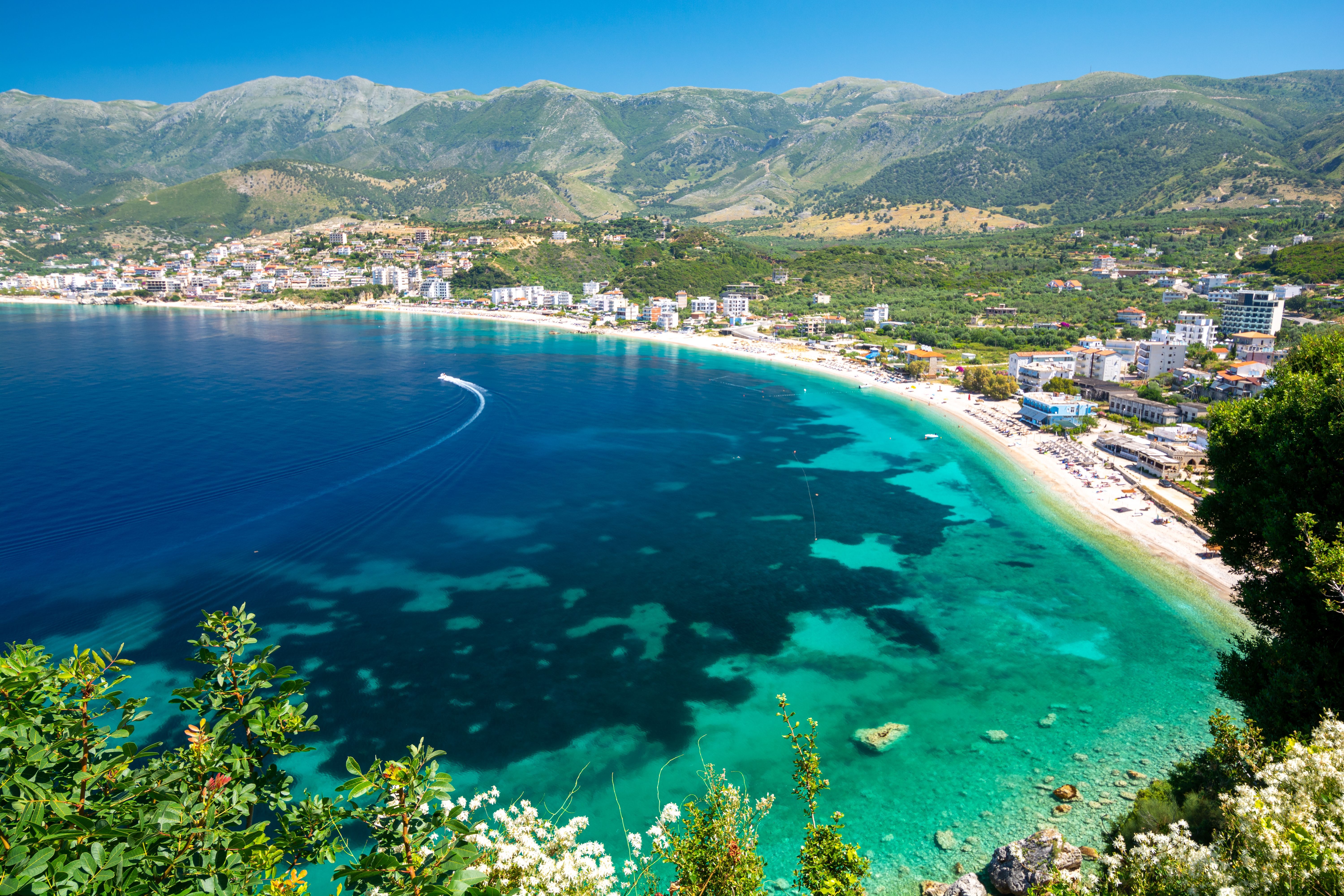
Choose Albania if you're a budget-conscious adventurer seeking an authentic European experience with stunning natural beauty. Explore the pristine beaches of the Albanian Riviera or hike through the dramatic Accursed Mountains, enjoying vibrant local life in towns like Berat. It's best for independent travelers who love road trips and interacting with locals, rather than structured resort holidays.
Choose Jordan
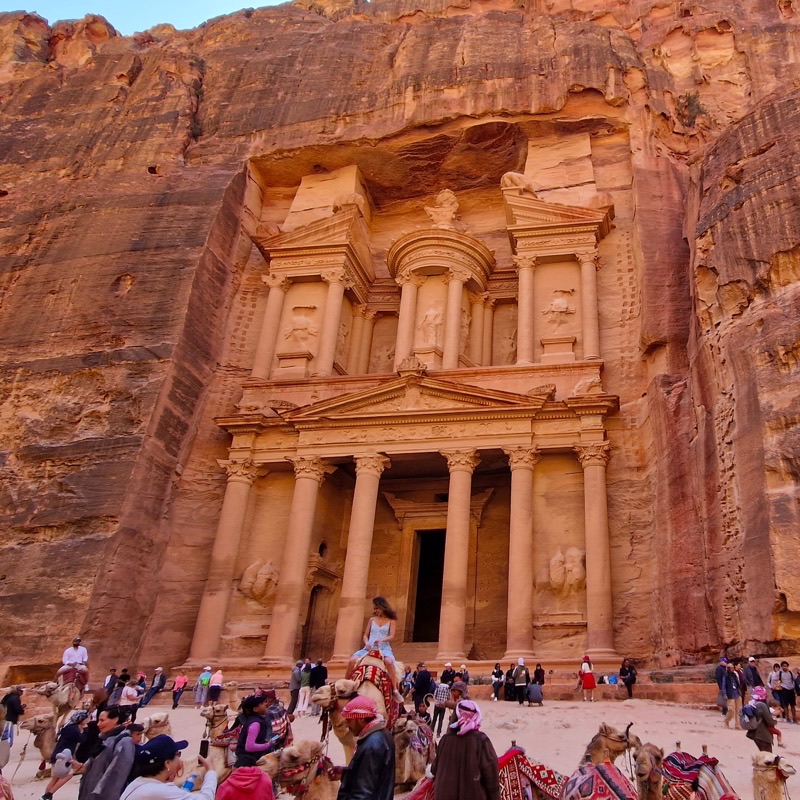
Choose Jordan if your dream trip involves ancient civilizations, breathtaking desert landscapes, and profound historical immersion. Wander through the rose-red city of Petra, float in the therapeutic Dead Sea, or experience a Bedouin camp under the stars in Wadi Rum. It's best for history enthusiasts and culture seekers who appreciate organized tours and are prepared for a mid-range budget.
📊 Visual Scorecard
🌤 When to Visit
Average high temperatures (°C). Green = best months, orange = avoid.
Quick Comparison
| Category | Albania | Jordan | Winner |
|---|---|---|---|
| Costs & Budget | Highly affordable for lodging, food, and transport. Daily budget $40-70. | Mid-range prices, higher for attractions and guides. Daily budget $80-120. | Albania |
| Nature & Scenery | Rugged mountains, clear Adriatic and Ionian coastlines, national parks. | Desert landscapes, Petra's rock formations, Wadi Rum, Dead Sea. | Tie |
| Culture & History | Illyrian, Roman, Ottoman, and Communist influences. Berat, Gjirokaster, Butrint. | Nabataean, Roman, Islamic, and Bedouin traditions. Petra, Jerash, Amman. | Jordan |
| Food & Drink | Mediterranean, Balkan, Turkish influences. Meat, fresh produce, seafood. | Middle Eastern staples. Mezze, grilled meats, Mansaf. Sweet tea. | Albania |
| Beaches | Adriatic and Ionian coasts with clear waters and pebble/sand beaches. | Limited Red Sea access in Aqaba for swimming and diving. | Albania |
| Safety & Security | Generally safe, low violent crime. Traffic can be unpredictable. | Very safe for tourists, stable, strong security presence. | Jordan |
| Getting Around | Car rental for independence, intercity buses for budget. Roads vary. | Private drivers/tours for convenience, shared taxis, limited public transport. | Albania |
| Accommodation | Wide range from hostels to guesthouses. Excellent value for money. | Hotels and guesthouses, some luxury options. Petra/Wadi Rum unique stays. | Albania |
| Solo Travel | Easy to meet people, safe, affordable, independent exploration possible. | Very safe, organized tours common, less spontaneous solo interaction. | Albania |
| Getting There | Tirana (TIA) is main airport. Good connections to Europe. Limited long-haul. | Amman (AMM) is main airport. Good connections to Europe, Middle East, some long-haul. | Jordan |
💰 Costs & Budget
Albania consistently delivers a low-cost travel experience. A budget hostel bed in Tirana or Saranda runs about 1000-1500 ALL ($10-15). A filling meal at a local restaurant is…
Albania
Jordan
Albania consistently delivers a low-cost travel experience. A budget hostel bed in Tirana or Saranda runs about 1000-1500 ALL ($10-15). A filling meal at a local restaurant is 500-1000 ALL ($5-10). Local buses cost 40-100 ALL ($0.40-$1) for city routes, intercity from Tirana to Saranda is around 1500-2000 ALL ($15-20). Car rentals are about 2500-4000 ALL ($25-40) per day. Activities like entry to Berat Castle are 300 ALL ($3). It is easy to spend $50-70 a day on food, accommodation, and local transport.
Jordan is a mid-range destination where costs accumulate, particularly for major attractions. Hostel beds in Amman start at 10-15 JOD ($14-21). A decent meal can be 7-12 JOD ($10-17). The Jordan Pass, a significant saving, costs 70-80 JOD ($99-113) for entry to Petra and other sites, plus visa fees. Without it, Petra entry alone is 50-60 JOD ($70-85) for a day. Taxis are common, but ride-sharing like Careem is more transparent. A multi-day tour to Wadi Rum can be 80-150 JOD ($113-210). A daily budget of $90-120 is more realistic for independent travel. Albania wins for budget travelers by a wide margin, allowing for longer trips or more activities.
- Winner: Albania
- Why: Albania offers significantly lower costs across all major travel categories, making it accessible for budget-conscious travelers.
- Who this matters for: Budget travelers, long-term travelers, those seeking value for money.
🏞️ Nature & Scenery
Albania presents a diverse natural environment, from the Albanian Alps in the north (Valbona Valley, Theth National Park) with hiking trails, to the southern Ionian coast with…
Albania
Jordan
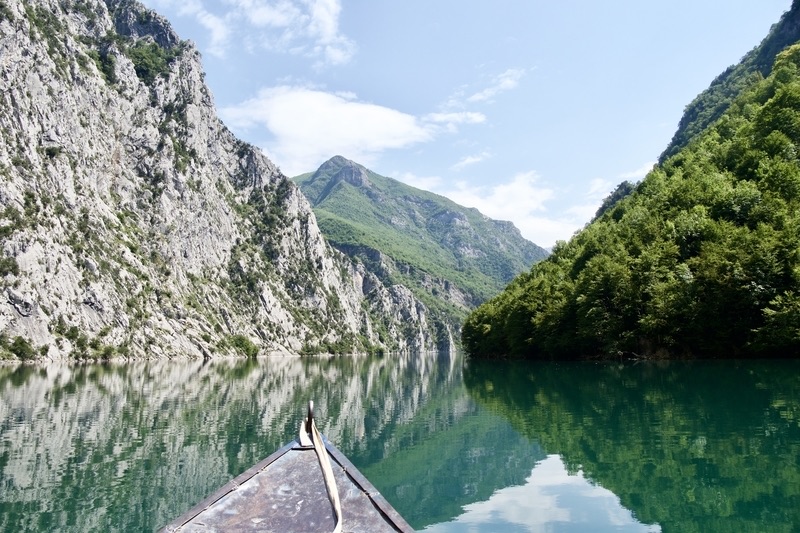
Albania presents a diverse natural environment, from the Albanian Alps in the north (Valbona Valley, Theth National Park) with hiking trails, to the southern Ionian coast with beaches like Dhermi, Himara, and Ksamil. The Blue Eye spring near Saranda is a natural water source with striking clarity. The Osumi Canyon provides opportunities for rafting and walking. Lake Koman ferry through the Albanian fjords is a popular scenic journey. The country offers a mix of high peaks, dense forests, and Mediterranean coastlines.
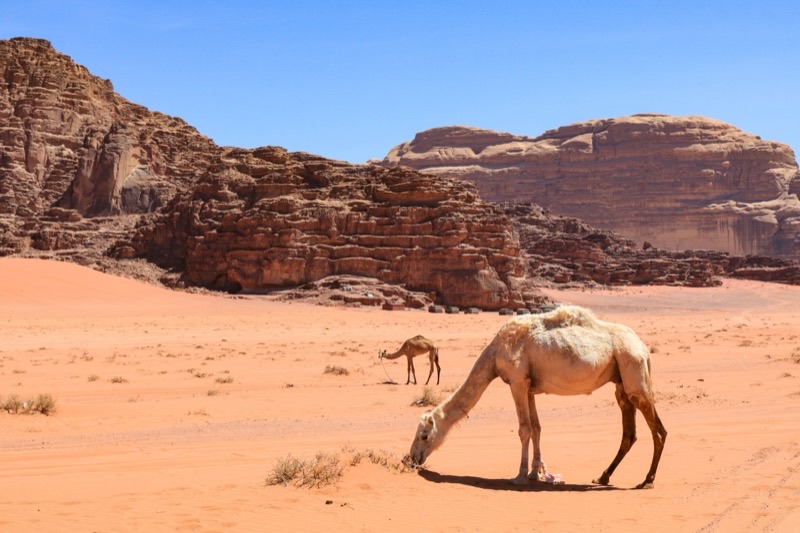
Jordan's natural appeal lies in its desert topography and unique geological features. Wadi Rum, the Valley of the Moon, offers wide desert views, sandstone mountains, and opportunities for camel rides, jeep tours, and overnight stays in Bedouin camps. The Dead Sea, the lowest point on Earth, offers a unique floating experience. Dana Biosphere Reserve provides hiking through canyons and mountains. The Red Sea in Aqaba presents coral reefs for diving and snorkeling. Both destinations offer distinct natural beauty, appealing to different preferences for landscapes. It is difficult to pick a winner as both excel in their unique natural settings.
- Winner: Tie
- Why: Both countries excel in offering distinct, impressive natural landscapes that cater to different preferences, from mountains and coasts to deserts and unique geological features.
- Who this matters for: Adventure seekers, photographers, hikers, those who appreciate diverse outdoor environments.
🏛️ Culture & History
Albania's history is a layered record of Illyrian tribes, Roman rule, Ottoman dominance, and a significant 20th-century communist era. Berat, the city of a thousand windows, and…
Albania
Jordan
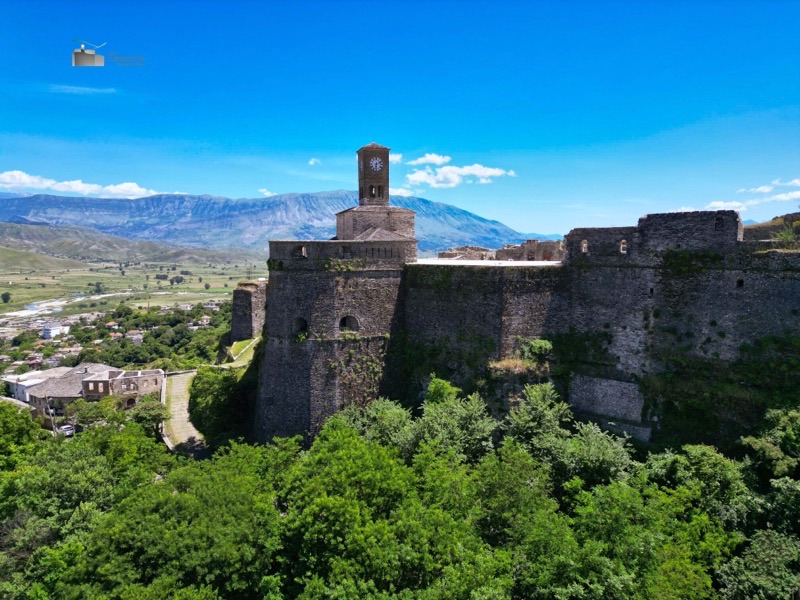
Albania's history is a layered record of Illyrian tribes, Roman rule, Ottoman dominance, and a significant 20th-century communist era. Berat, the city of a thousand windows, and Gjirokaster, the stone city, are UNESCO sites showcasing Ottoman architecture. Butrint National Park is an ancient city with Greek, Roman, and Venetian ruins. Tirana has museums documenting the communist past, like Bunk'Art 1 and 2, which are former bunkers converted into museums. Albanian culture is a blend of Balkan, Mediterranean, and post-communist influences, with a strong emphasis on family and hospitality.
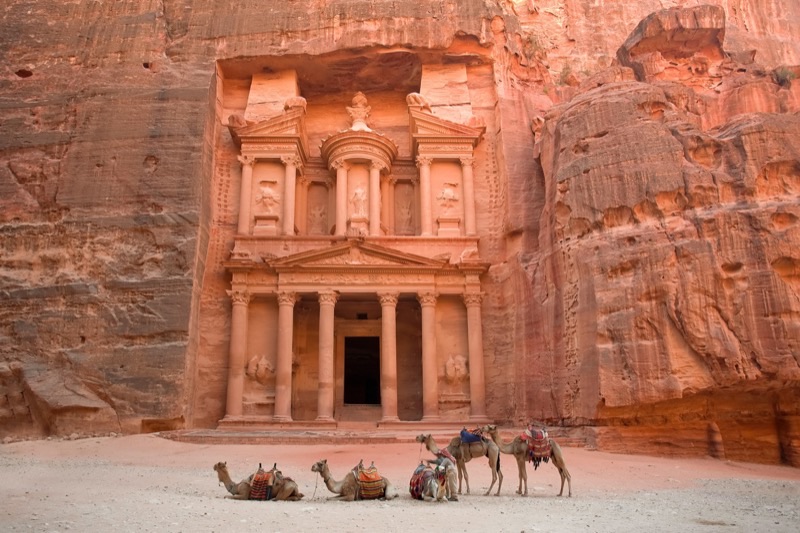
Jordan is a living museum of ancient civilizations. Petra, the ancient Nabataean city carved into rock, is a global icon. Jerash presents some of the best-preserved Roman ruins outside of Italy. Amman, the capital, blends modern city life with Roman and Ottoman history, including the Roman Theater and the Citadel. Wadi Rum is not just natural beauty but also a center of Bedouin culture and history. The desert castles showcase early Islamic art and architecture. The historical depth and preservation of major sites like Petra give Jordan the advantage. Jordan offers a more profound experience for those primarily seeking ancient wonders.
- Winner: Jordan
- Why: Jordan offers world-renowned ancient sites like Petra and Jerash that are unparalleled in their scale and preservation, drawing travelers specifically for historical exploration.
- Who this matters for: History buffs, archeology enthusiasts, those interested in ancient civilizations and iconic historical sites.
🍽️ Food & Drink
Albanian cuisine is hearty and uses fresh, seasonal ingredients. Influences come from Turkish, Greek, and Italian cooking. Expect grilled meats like qofte (meatballs) and suflaqe…
Albania
Jordan
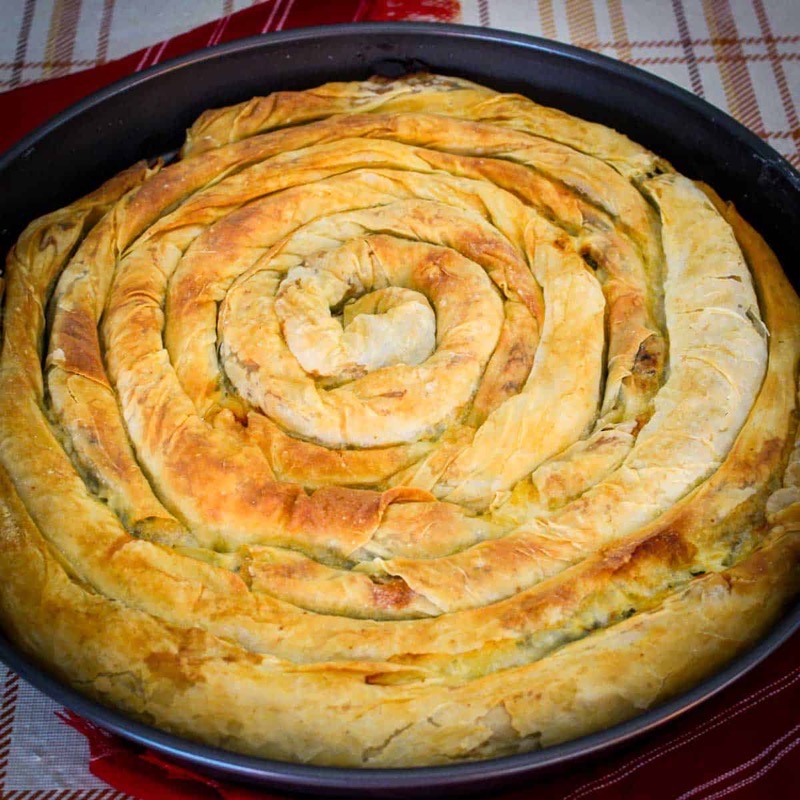
Albanian cuisine is hearty and uses fresh, seasonal ingredients. Influences come from Turkish, Greek, and Italian cooking. Expect grilled meats like qofte (meatballs) and suflaqe (skewers), fresh salads, and seafood on the coast. Fergese is a traditional dish with peppers, tomatoes, and cottage cheese. Byrek, a flaky pastry with various fillings, is a staple. Raki is a popular spirit. Coffee culture is strong, and a macchiato is typically 100-150 ALL ($1-1.50). Restaurants in Tirana like Mullixhiu offer a modern take on traditional food, while roadside places serve simple, delicious fare for cheap. Expect a main course to be 500-1000 ALL ($5-10).
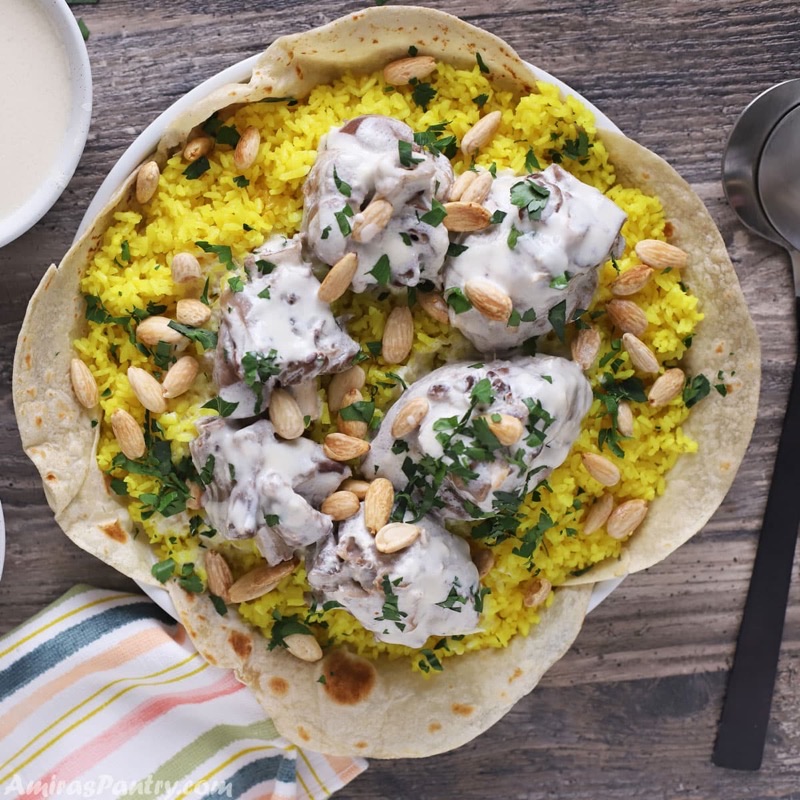
Jordanian food is typical Middle Eastern fare, with mezze platters (hummus, baba ghanoush, falafel), grilled meats like shish tawook, and mansaf, the national dish of lamb, rice, and jameed (fermented dried yogurt). Sweets like knafeh are popular. While good, the variety is less pronounced than in Albania. Alcohol is available but less common outside tourist areas and pricier. A meal at a local restaurant in Amman can be 7-12 JOD ($10-17). Street food like falafel sandwiches are around 1-2 JOD ($1.40-$2.80). For its combination of freshness, variety, and incredible value, Albania takes the lead. Albania delivers a better overall food experience for the traveler.
- Winner: Albania
- Why: Albanian food provides a more diverse and consistently delicious culinary experience at a lower price point, with strong Mediterranean and Balkan influences.
- Who this matters for: Foodies, budget travelers, those who appreciate fresh, varied cuisine.
🏖️ Beaches
Albania boasts an expansive coastline along both the Adriatic and Ionian Seas, with a range of beaches from wide sandy stretches to secluded pebble coves. The Albanian Riviera,…
Albania

Jordan
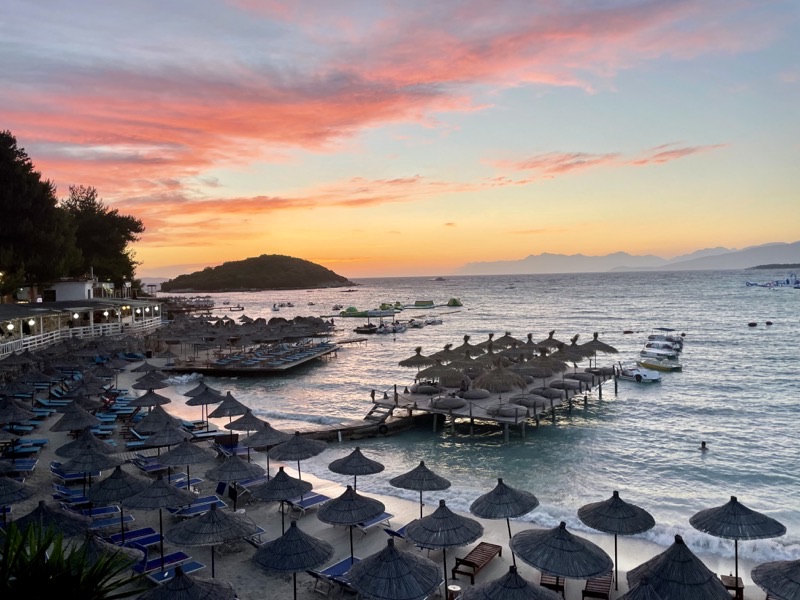
Albania boasts an expansive coastline along both the Adriatic and Ionian Seas, with a range of beaches from wide sandy stretches to secluded pebble coves. The Albanian Riviera, stretching from Vlora to Saranda, is particularly notable. Popular spots include Dhermi, known for its clear waters and beach clubs; Himara, offering a relaxed atmosphere; and Ksamil, near Saranda, often called the 'Albanian Maldives' for its small islands and calm, turquoise water. Beach chairs and umbrellas typically cost 500-1000 ALL ($5-10) for a day. The water is generally clean and suitable for swimming and snorkeling. There are many undeveloped or less-crowded options available, especially outside peak season.
Jordan's access to beaches is limited to its short Red Sea coastline in Aqaba. While Aqaba offers opportunities for swimming, snorkeling, and diving in the Red Sea with coral reefs, it is primarily a port city and a base for water activities rather than a destination for beach lounging. Public beaches in Aqaba are present but often crowded and less maintained. Private beach clubs or hotel beaches offer better facilities but come at a cost (e.g., Tala Bay Resort day pass). For a dedicated beach holiday with variety and accessibility, Albania is the clear winner. Albania offers a true beach vacation experience that Jordan does not match.
- Winner: Albania
- Why: Albania provides a long, diverse coastline with numerous quality beaches, clear waters, and a better overall beach holiday experience compared to Jordan's limited Red Sea access.
- Who this matters for: Beach lovers, sunbathers, swimmers, those seeking a coastal retreat.
🚨 Safety & Security
Albania is generally a safe country for travelers, with low rates of violent crime. Petty theft, like pickpocketing, can occur in crowded areas, similar to other European…
Albania is generally a safe country for travelers, with low rates of violent crime. Petty theft, like pickpocketing, can occur in crowded areas, similar to other European destinations. Road safety can be a concern, as driving habits are sometimes aggressive, and road conditions vary, especially outside major cities. Solo female travelers report feeling secure, though standard precautions apply. Local people are generally welcoming and helpful. Police presence is visible in cities, contributing to a sense of order. Overall, the risks are minimal for typical tourists.
Jordan is widely considered a very safe country for tourists. The government places a high priority on tourism security, and there is a visible, but unobtrusive, security presence at major sites and roads. Crime rates, including petty crime, are low. The biggest concerns are usually related to scams or overcharging by taxi drivers or vendors, which can be avoided with awareness and negotiation. Solo travelers, including women, report feeling very secure throughout the country, even in remote areas like Wadi Rum. Geopolitical tensions in the wider region do not typically affect tourist areas. Jordan's stability and strong focus on tourist security make it the safer pick. Jordan offers a higher sense of security and fewer common travel annoyances.
- Winner: Jordan
- Why: Jordan maintains an extremely high level of safety and security for tourists, with low crime rates and a strong focus on traveler well-being.
- Who this matters for: Solo travelers, families, first-time international travelers, those prioritizing a secure environment.
🚗 Getting Around
Getting around Albania is best done by rental car if you want flexibility, especially to explore the coast and mountains. Car rental prices are about 2500-4000 ALL ($25-40) per…
Getting around Albania is best done by rental car if you want flexibility, especially to explore the coast and mountains. Car rental prices are about 2500-4000 ALL ($25-40) per day. Roads connecting major cities are generally good, but smaller roads can be rough. Public transport is primarily by furgons (minibuses) and larger buses, which are cheap and connect most towns, though schedules can be informal. Rideshares like Bolt and Taxi.al operate in Tirana. Distances are manageable; for example, Tirana to Saranda is about 4-5 hours driving. The ability to easily self-drive and the extensive, affordable bus network makes local travel efficient.
In Jordan, public transport is less developed for tourists. Shared taxis (servees) operate on fixed routes, and local buses connect towns but are not always foreigner-friendly. For major sites like Petra, Wadi Rum, and the Dead Sea, most travelers opt for private drivers, organized tours, or renting a car. Car rentals are more expensive, typically 30-50 JOD ($42-70) per day. While roads are generally in excellent condition, navigation can be challenging in cities. Hiring a driver for a multi-day trip is common and can cost 70-100 JOD ($99-141) per day. For independent and budget-friendly exploration, Albania's infrastructure provides better options. Albania wins for ease and affordability of movement.
- Winner: Albania
- Why: Albania offers more diverse and affordable transportation options, including good car rental value and an extensive, budget-friendly bus network for independent travel.
- Who this matters for: Independent travelers, road trippers, budget-conscious explorers.
🏨 Accommodation
Albania offers accommodation at remarkable value. Hostel dorm beds are typically 1000-1500 ALL ($10-15) in cities like Tirana (e.g., Tirana Backpacker Hostel) or coastal towns.…
Albania offers accommodation at remarkable value. Hostel dorm beds are typically 1000-1500 ALL ($10-15) in cities like Tirana (e.g., Tirana Backpacker Hostel) or coastal towns. Mid-range guesthouses (bujtinas) and hotels are available for 3000-6000 ALL ($30-60) per night, often including breakfast and with high standards of cleanliness and hospitality. Boutique hotels in historic cities like Berat (e.g., Hotel Mangalemi) offer character. New apartments are available for short-term rentals, especially along the coast. It is possible to find comfortable, well-located private rooms for under $40, providing superior value.
Jordan's accommodation is generally pricier. Hostel dorms in Amman start at 10-15 JOD ($14-21). Mid-range hotels in Amman or Aqaba cost 40-70 JOD ($56-99). Near Petra, prices are higher, with basic hotels around Wadi Musa starting at 30-50 JOD ($42-70), and more upscale options significantly more. Unique stays in Wadi Rum, like bubble tents or traditional Bedouin camps, can range from 50-150 JOD ($70-210) per person, often including dinner and breakfast. While Jordan offers some unique experiences, Albania consistently provides better value and quality for the price point across all types of lodging. Albania wins for delivering more comfort for less money.
- Winner: Albania
- Why: Albania provides significantly better value for accommodation across all price points, with quality hostels, guesthouses, and hotels available at very affordable rates.
- Who this matters for: Budget travelers, those seeking comfort without high costs, long-term travelers.
🚶♀️ Solo Travel
Albania is an excellent destination for solo travelers. Its affordability means a solo budget goes further, allowing for more experiences or a longer trip. Hostels are numerous in…
Albania is an excellent destination for solo travelers. Its affordability means a solo budget goes further, allowing for more experiences or a longer trip. Hostels are numerous in major cities and coastal towns, making it easy to meet other travelers. The local population is generally welcoming and curious about foreigners. With a rental car or an extensive bus network, independent exploration is straightforward. Road trips through the mountains and along the coast are popular solo activities. Language can be a barrier outside tourist hubs, but younger generations often speak English. Safety is not a major concern, as discussed earlier. The ease of independent movement and social opportunities make it a good solo choice.
Jordan is also very safe for solo travelers, particularly women. The main difference is the style of travel. Many solo travelers opt for organized tours or private drivers to cover the main attractions efficiently, especially for Petra and Wadi Rum, which can reduce spontaneous interaction with locals or other travelers outside of the tour group. Hostels exist in Amman and Aqaba, but the backpacking scene is smaller than in parts of Europe. While perfectly safe, the overall travel experience leans more towards structured exploration rather than casual, independent wandering. For ease of independent movement, social connection, and overall value, Albania offers a more fulfilling solo experience. Albania offers a more liberating and connective solo travel experience.
- Winner: Albania
- Why: Albania's affordability, ease of independent travel, and active hostel scene make it simpler and more social for solo travelers to explore and connect.
- Who this matters for: Solo adventurers, backpackers, those seeking social interaction on the road.
✈️ Getting There
Accessing Albania typically involves flying into Tirana International Airport (TIA). From major European cities like London, Rome, or Vienna, direct flights are available and…
Accessing Albania typically involves flying into Tirana International Airport (TIA). From major European cities like London, Rome, or Vienna, direct flights are available and typically take 2-3 hours, with budget airlines like Wizz Air and Ryanair offering competitive prices (e.g., €50-150 return). From North America, flights usually require at least one stop in a major European hub, with total travel times ranging from 9-14 hours. While connections are improving, it is primarily a European destination in terms of direct air access. Ferry services from Italy also connect to coastal cities like Durres and Vlora.
Jordan's main international gateway is Queen Alia International Airport (AMM) near Amman. It serves as a more significant regional hub compared to Tirana. There are direct flights from many European cities (e.g., 4-5 hours from Frankfurt, ~€200-400 return) and also direct or easy one-stop connections from North America (e.g., 10-13 hours from New York, $700-1200 return) and across the Middle East. Royal Jordanian, the national carrier, offers a wider network. Aqaba (AQJ) also has an international airport, primarily for regional flights and some European charters. Jordan offers better global connectivity, making it slightly easier to reach from a wider range of origins. Jordan's airport connectivity is more robust. Jordan is generally more accessible from diverse global origins.
- Winner: Jordan
- Why: Jordan's Queen Alia International Airport (AMM) is a more established regional hub with better direct flight connectivity from a wider range of global origins, including North America.
- Who this matters for: Travelers from outside Europe, those prioritizing direct and convenient flight options.
🎯 The Decision Framework
Choose Albania If…
- You want a summer coastal trip without Western European prices.
- You enjoy road trips through mountains and small villages.
- You prefer less-trodden paths and emerging destinations.
- You want to experience a blend of Balkan and Mediterranean cultures.
- Your daily budget is under $70.
- You appreciate fresh, affordable seafood and local produce.
- You are comfortable with a more informal public transport system.
- You plan to spend a lot of time by the water.
Choose Jordan If…
- Petra is high on your travel list, and you want to see it.
- You are fascinated by ancient civilizations and Roman ruins.
- You seek desert landscapes and unique Bedouin experiences in Wadi Rum.
- You want to float in the Dead Sea.
- You prioritize a destination with a very high sense of security.
- You prefer organized tours or private drivers for sightseeing.
- You are interested in Middle Eastern culture and hospitality.
- You have a daily budget in the range of $90-180.
📅 Sample Itineraries
Weekend in Albania (3 Days)
💡 Utilize local Furgons for intercity travel; they are inexpensive and depart frequently, often saving you 50% compared to private transfers.
Weekend in Jordan (3 Days)
💡 Purchase the Jordan Pass before arrival for significant savings on visa fees and entry to over 40 attractions, including Petra, saving approximately $100.
One Week in Albania (7 Days)
💡 Consider renting a car for a portion of your trip, especially for exploring the Albanian Riviera, as it offers flexibility for about $25-35 per day.
One Week in Jordan (7 Days)
💡 Negotiate taxi fares before starting your journey, especially for longer distances. A typical shared taxi from Amman to Petra can cost around $20 per person.
❓ Frequently Asked Questions
What is a realistic daily budget for each country?
For Albania, a budget traveler can expect to spend $40-70 per day, covering a hostel bed, local meals, and bus transport. A mid-range budget is around $70-120. In Jordan, a budget traveler should plan for $80-120 per day, which often means hostels, street food, and shared transport or factoring in the Jordan Pass. Mid-range is $120-200, especially if hiring drivers or staying in nicer hotels.
Which country is better for a family trip?
Albania is better for families seeking an affordable beach vacation with natural parks and historical sites. The costs are lower, and there are more opportunities for relaxed family activities like swimming and hiking. Jordan is suitable for families interested in history and adventure, but the higher costs and focus on specific ancient sites might be better for families with older children who appreciate history and desert activities like jeep tours in Wadi Rum.
How do the flight times compare from major hubs?
From major European cities, flights to Tirana, Albania (TIA) typically take 2-3 hours. Flights to Amman, Jordan (AMM) usually take 4-5 hours. From the East Coast of the US, a one-stop flight to Tirana is about 9-12 hours, while a one-stop flight to Amman is generally 10-13 hours. Jordan has more direct long-haul options.
What are the visa requirements for US citizens?
US citizens do not require a visa for stays up to 90 days in Albania. For Jordan, US citizens can obtain a visa on arrival for 40 JOD (approximately $56), or purchase the Jordan Pass online beforehand, which includes the visa fee and entry to over 40 attractions, including Petra, starting from 70 JOD (~$99).
Which country has better internet access for digital nomads?
Albania generally offers strong and affordable internet access, especially in cities like Tirana and coastal areas. Wi-Fi is common in cafes and accommodations, and local SIM cards are cheap with generous data plans (e.g., 20-30GB for ~$10-15). Jordan also has good internet, particularly in Amman and tourist-focused areas, but costs for SIM cards and data plans can be slightly higher (e.g., 20GB for ~$20-25). Albania offers better overall value for consistent connectivity.
What is the best time of year to visit each destination?
For Albania, late spring (May-June) and early autumn (September-October) are ideal for mild weather, fewer crowds, and pleasant conditions for both coast and mountains. Summer (July-August) is busy and hot. For Jordan, spring (March-May) and autumn (September-November) offer comfortable temperatures for exploring sites like Petra and Wadi Rum. Summer is extremely hot, and winter can be chilly with some rain.
Are there good opportunities for adventure sports in either country?
Albania offers hiking and trekking in the Albanian Alps (Valbona, Theth), rafting in Osumi Canyon, and various water sports along its extensive coastline. Jordan is known for hiking and scrambling in Wadi Rum, canyoning in Wadi Mujib, and excellent diving and snorkeling in the Red Sea near Aqaba. Both provide good options for outdoor activities, but Albania has more diverse terrain for land-based adventures.
Which destination is more developed for tourism?
Jordan has a more established and developed tourism infrastructure, particularly around its major historical sites like Petra and Wadi Rum, with structured tours and well-defined routes. Albania's tourism industry is growing rapidly but is still less developed, offering a more raw and independent travel experience. This means fewer crowds in some areas but also potentially less standardized services.
Ready to plan your next adventure?
Get a free custom itinerary for Albania, Jordan, or both — built from real traveler insights.
👥 Travelers Also Compared
🎟️ Book Tours & Experiences
Hand-picked tours and activities for both destinations — book with free cancellation
Experiences via Viator — free cancellation on most tours