How we built this comparison
This page combines traveler discussion patterns, published price ranges, flight schedules, and seasonal data to help you decide between Albania and Montenegro.
- Reviewed 100+ Reddit threads from r/travel, r/solotravel, r/Albania, r/Montenegro, and r/EuropeTravel.
- Verified costs and logistics against current booking platforms (Booking.com, Skyscanner, Rome2Rio, local bus sites).
- Cross-referenced seasonal patterns and weather data from meteorological sources for accurate travel advice.
⚡ The TL;DR Verdict
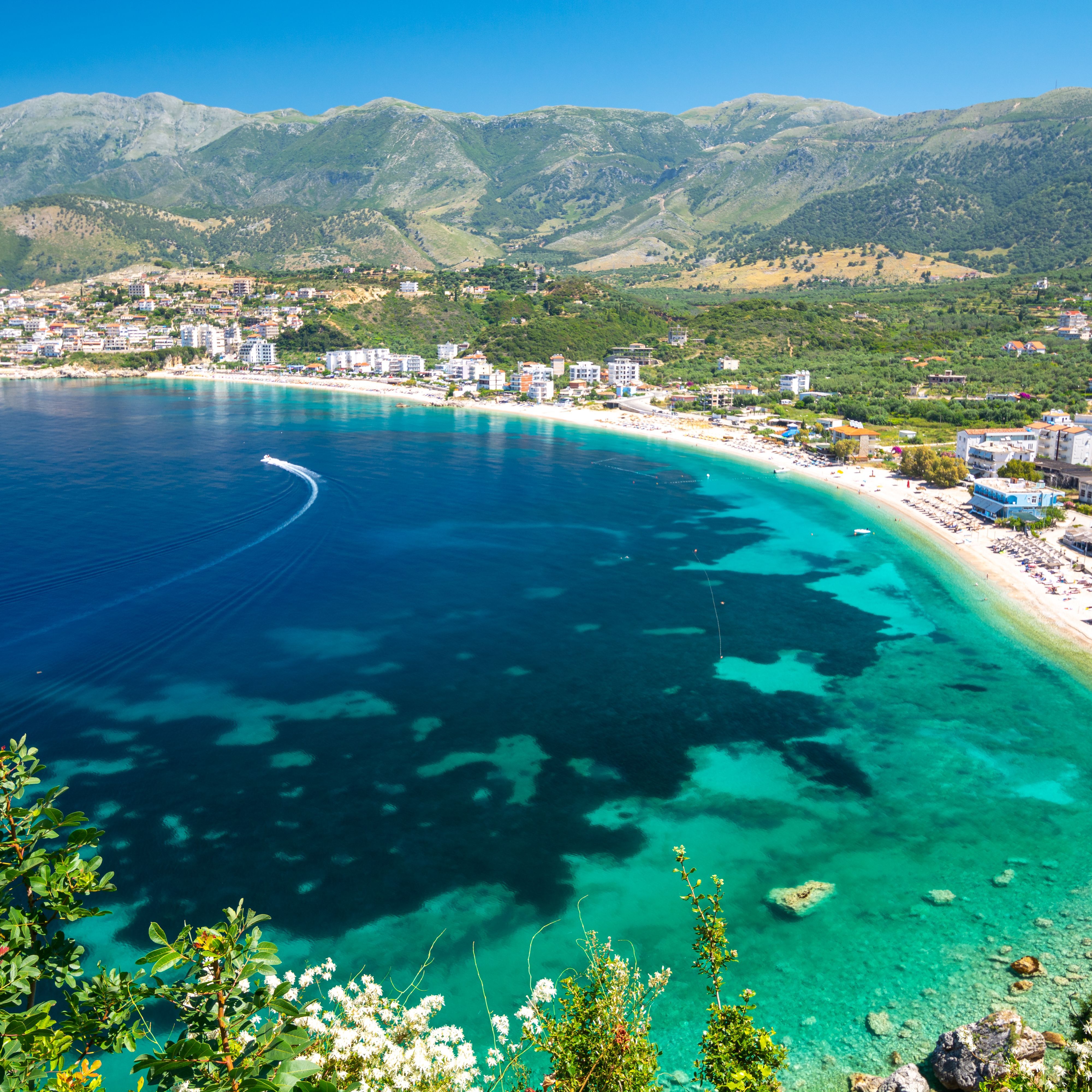
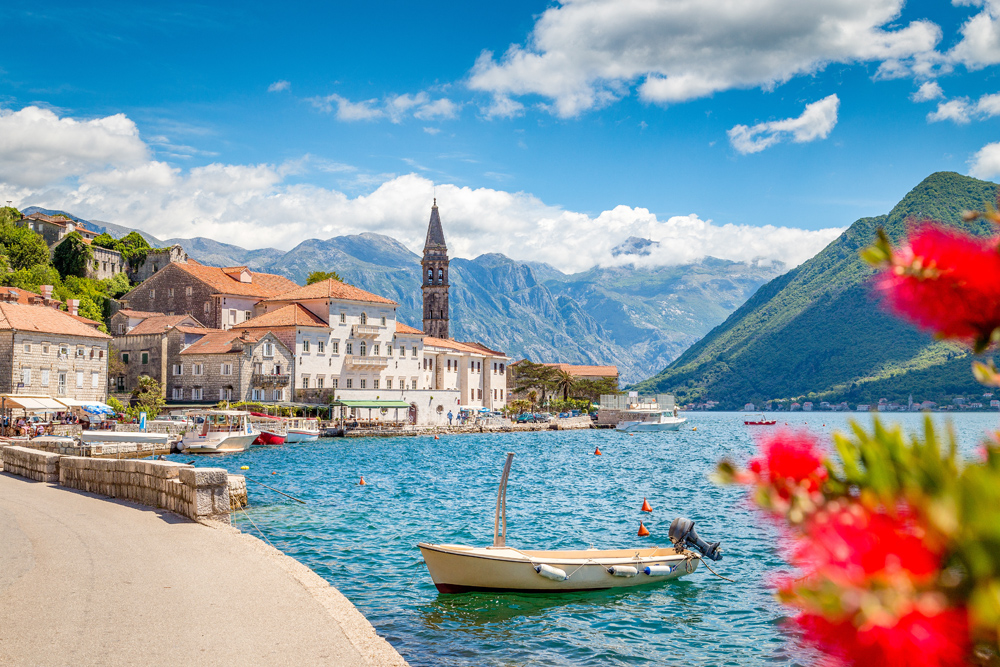
Albania is your pick for raw, authentic adventure on a budget, offering untouched nature and a rapidly evolving tourism scene, ideal for backpackers and culture seekers with a daily budget of €30-60. Montenegro caters to those seeking a more polished, postcard-perfect experience with Venetian charm and developed tourist infrastructure, better suited for mid-range travelers and families with a daily budget of €60-120.
- Choose Albania: Choose Albania if you crave budget-friendly authenticity, stunning undeveloped beaches, dramatic mountain treks, and a rich history away from mass tourism. It's for the adventurous spirit who doesn't mind a bit of grit for a truly rewarding experience.
- Choose Montenegro: Opt for Montenegro if you desire picturesque medieval towns, accessible national parks, a more 'European' feel, and don't mind slightly higher prices for convenience and well-established tourist services. Perfect for those who appreciate scenic beauty with a side of comfort.
- Choose Both: Combine both for a comprehensive Balkan road trip, ideally spending 5-7 days in each country. Start in Montenegro's Bay of Kotor, drive south along the coast to Albania's Riviera, then head inland for mountain exploration. This journey offers a spectacular blend of history, nature, and diverse cultures.
Quick Comparison
| Category | Albania | Montenegro | Winner |
|---|---|---|---|
| Costs & Budget | Significantly more affordable across the board; excellent value for accommodation, food, and transport. | Generally more expensive, especially in popular coastal areas like Budva and Kotor, but still reasonable compared to Western Europe. | Albania |
| Beaches & Coastline | Wilder, less developed, and incredibly diverse, from the famed Albanian Riviera (Ksamil, Dhërmi) to untouched coves. | Stunning and scenic, particularly around the Bay of Kotor, with a mix of pebbled beaches and picturesque towns (Budva, Ulcinj). | Albania |
| Nature & Outdoors | Dramatic Albanian Alps (Theth, Valbona), stunning Osum Canyon, and vibrant Lake Koman ferry journey. | Majestic Durmitor National Park, beautiful Skadar Lake, and the serene Biogradska Gora rainforest. | Tie |
| Food & Drink | Hearty, fresh, Mediterranean and Ottoman influences; excellent seafood, fresh produce, and unique local dishes. | Mix of Balkan, Italian, and Mediterranean flavors; renowned for fresh seafood, cured meats, and strong local wines. | Albania |
| Culture & History | Ancient Illyrian, Roman, Byzantine, and Ottoman influences, with striking Ottoman towns (Gjirokastër, Berat) and unique communist bunkers. | Dominant Venetian influence (Kotor, Perast), Orthodox monasteries, and a rich Slavic heritage. | Montenegro |
| Nightlife | Vibrant and growing, especially along the Albanian Riviera (Saranda, Himara) and in Tirana; generally more casual and budget-friendly. | Lively coastal party scene (Budva), sophisticated bars in Kotor, and more relaxed options in Podgorica. | Montenegro |
| Getting Around | Challenging public transport; best explored by rental car or furgons (minibuses) for flexibility. | Better bus network connecting major towns; rental car still recommended for exploring national parks and scenic routes. | Montenegro |
| Accommodation | Wide range from budget hostels to charming guesthouses and boutique hotels; excellent value for money. | More established hotel scene, from luxury resorts to quaint apartments; generally higher prices. | Albania |
| Safety & Security | Generally safe, welcoming locals; petty crime exists, but serious incidents are rare. | Very safe for tourists; low crime rates, though petty theft can occur in crowded areas. | Tie |
| Solo Travel Experience | Rewarding for adventurous solo travelers; easier to meet locals, less established backpacker trail. | More established solo travel infrastructure, particularly hostels and tours; easy to meet other travelers. | Montenegro |
💰 Costs & Budget
Albania is a clear winner for budget travelers. You can easily find a decent private room in a guesthouse for 2,500-4,000 LEK (€25-40), while a hearty traditional meal with a drink costs 800-1,500 LEK (€8-15). Public transport, like a furgon (minibus) from Tirana to Saranda, is around 1,500 LEK (€15). For example, a delicious seafood pasta at a beachfront restaurant in Himara might be €10-12. Montenegro, while not exorbitant, will see you paying more: guesthouses in Kotor start from €50-80, and a similar meal might be €15-25. A bus from Podgorica to Budva is around €6-8. Expect to pay €3-5 for a coffee in Montenegro versus €1-2 in Albania. "Honestly, my whole week in Albania felt like I was living like a king on a backpacker budget, especially compared to what I spent in Kotor the week before." While Montenegro offers value, Albania lets your money stretch much further, enabling longer stays or more luxurious experiences for less.
Winner takeaway
- Winner: Albania
- Why: Albania offers exceptional value, making it ideal for budget-conscious travelers to experience a rich culture without breaking the bank.
- Who this matters for: Budget travelers, long-term backpackers, and anyone looking for maximum value for their money.
🏖️ Beaches & Coastline
Albania’s coastline, especially the Albanian Riviera, is a hidden gem with a more rugged and authentic feel. Ksamil, often dubbed the 'Maldives of Europe,' boasts turquoise waters and small islands you can swim to, though it gets busy in peak season. Dhërmi and Jale offer vibrant beach club scenes, while places like Gjipe Beach, accessible only by a hike or boat, provide secluded paradises. A simple sunbed and umbrella rental in Ksamil might be 500-1000 LEK (€5-10). Montenegro's coastline, particularly the Budva Riviera, is gorgeous with its dramatic cliffs and charming old towns. Sveti Stefan is iconic, and Mogren Beach in Budva is popular. However, many Montenegrin beaches, especially those near popular towns, can feel more commercialized and crowded. While both offer beautiful waters, Albania's stretch feels more varied, with more untouched spots and a sense of discovery. "The drive down the Albanian Riviera, stopping at random coves, was just breathtaking. Felt like we had some places all to ourselves, unlike the packed beaches near Budva."
Winner takeaway
- Winner: Albania
- Why: Albania's beaches offer a more authentic, less commercialized, and diverse experience, with stunning natural beauty and hidden coves.
- Who this matters for: Beach lovers seeking untouched beauty, photographers, and those who prefer a less crowded coastal experience.
🏞️ Nature & Outdoors
Both countries are incredible for nature enthusiasts, making this a tough call. Albania boasts the 'Accursed Mountains' in the north, with the Valbona to Theth hike being a multi-day trek rivaling Europe's best, offering raw, untamed beauty. The Osum Canyon is perfect for rafting, and the ferry journey through Lake Koman is often called one of the world's most scenic boat trips, costing around 800-1,000 LEK (€8-10). Montenegro's Durmitor National Park offers breathtaking glacial lakes (Black Lake is a highlight), hiking, and the Tara River Canyon (Europe's deepest canyon) for white-water rafting (rafting trips around €50-100). Skadar Lake, straddling both countries, is a paradise for birdwatching and kayaking. Biogradska Gora protects one of Europe's last primeval forests. Each offers distinct natural wonders, catering to different adventure types. "If you love hiking, you HAVE to do the Valbona-Theth trek in Albania. But for sheer dramatic mountain driving and lake views, Durmitor in Montenegro is unreal. Can't pick just one." The choice here depends on your preference for rugged, untouched wilderness (Albania) versus more accessible, yet equally stunning, natural parks (Montenegro).
Winner takeaway
- Winner: Tie
- Why: Both countries offer equally stunning and diverse natural landscapes, from towering mountains to pristine lakes and canyons.
- Who this matters for: Hikers, adventure seekers, nature photographers, and outdoor enthusiasts of all levels.
🍽️ Food & Drink
Albanian cuisine is a delightful surprise: fresh, flavourful, and incredibly affordable. Expect delicious grilled meats (qofte), slow-cooked stews (tavë kosi – baked lamb with yogurt), amazing fresh salads, and fantastic seafood along the coast. Burek, a savory pastry, is a staple and costs only 100-200 LEK (€1-2). Restaurant Oda in Tirana offers a truly authentic Albanian dining experience with dishes like fergesë. Raki is the ubiquitous local spirit. Montenegro’s cuisine is also excellent, particularly for seafood along the coast (try a fresh catch in Perast or Budva), and hearty meat dishes like ćevapi and grilled trout inland. Njegusi prosciutto is a must-try. Prices are higher, with a good seafood platter easily running €25-40. While Montenegro has excellent food, Albania's combination of authentic, high-quality, and incredibly affordable fare gives it the edge. "I honestly wasn't expecting much from Albanian food, but every meal was a revelation. From the street food to the coastal seafood, it was all so fresh and cheap. Missing that Tavë Kosi already!"
Winner takeaway
- Winner: Albania
- Why: Albanian food provides a more authentic, diverse, and exceptionally good value culinary journey with unique regional dishes.
- Who this matters for: Foodies, budget travelers who want to splurge on meals, and those eager to try unique local flavors.
🏛️ Culture & History
Montenegro shines with its perfectly preserved medieval towns and strong Venetian legacy, especially in the UNESCO-listed Bay of Kotor. Kotor's Old Town, with its city walls and St. Tryphon Cathedral, transports you back in time. Perast, with its two island churches (Our Lady of the Rocks and St. George), is incredibly picturesque. Entry to Kotor city walls is €8-10. Albania offers a deep dive into different historical layers: the Ottoman UNESCO towns of Gjirokastër (stone city) and Berat (city of a thousand windows) are architectural marvels. Butrint, an ancient Greek and Roman city, is an archaeological goldmine (€10 entry). The communist era's legacy is visible in the numerous bunkers (Bunk'Art in Tirana is a must-visit, ~€5-7 entry) and the fascinating history of isolation. While Albania's history is incredibly rich and unique, Montenegro's cultural sites, particularly the Bay of Kotor, are more concentrated, arguably more 'postcard-perfect', and generally better presented for tourism. "Kotor's Old Town felt like stepping into a movie set, every corner was stunning. Albania's history is deep, but Kotor just has that immediate visual 'wow' factor."
Winner takeaway
- Winner: Montenegro
- Why: Montenegro's well-preserved medieval towns, particularly the Bay of Kotor, offer a concentrated and visually stunning cultural experience.
- Who this matters for: History buffs, architecture enthusiasts, and those who appreciate well-preserved medieval settings.
🎉 Nightlife
Montenegro, particularly Budva, has earned its reputation as the 'Miami of the Balkans' for a reason. The Budva Riviera comes alive in summer with numerous open-air clubs like Top Hill and beach bars that stay open late. Kotor offers a more sophisticated scene within its old town walls, with charming pubs and wine bars. A cocktail in Budva might cost €8-12. Albania's nightlife is rapidly developing, especially in Tirana, which has a vibrant bar district (Blloku area) with trendy clubs and cafes. Along the Albanian Riviera, Saranda and Himara also have lively beach clubs and bars during summer, with drinks significantly cheaper (cocktails €5-8). While Albania offers a fun, emerging scene, Montenegro's established party reputation, especially in Budva, and the unique ambiance of Kotor's evening scene give it the edge for a more developed and varied nightlife experience. "Budva in summer is absolutely wild, the clubs are huge and go all night. Albania has its moments, but Budva is next level party town."
Winner takeaway
- Winner: Montenegro
- Why: Montenegro offers a more established and diverse nightlife scene, particularly in Budva, catering to different preferences.
- Who this matters for: Party-goers, those looking for vibrant coastal nightlife, and anyone seeking a mix of energetic clubs and charming bars.
🚗 Getting Around
Getting around Montenegro is generally easier due to a more developed and reliable public bus network, especially connecting coastal towns like Kotor, Budva, and Ulcinj, as well as inland to Podgorica. Bus fares are reasonable, e.g., Kotor to Budva costs around €3-5. However, for exploring national parks like Durmitor or the scenic backroads, a rental car (around €30-50/day) is highly recommended. Albania's public transport relies heavily on furgons, which are privately operated minibuses. They're cheap (e.g., Tirana to Berat ~€4), but schedules can be fluid, and they often depart when full. For exploring the Albanian Alps or more remote beaches, a rental car is almost essential (similar price to Montenegro). Driving in Albania can be adventurous, with varying road quality and unique driving styles. Montenegro's infrastructure feels more organized and tourist-friendly overall. "Renting a car in Montenegro was super easy and worth it for Durmitor. In Albania, the furgons were an experience, but I definitely felt more freedom with a car there too, even if the roads were a bit wild."
Winner takeaway
- Winner: Montenegro
- Why: Montenegro offers a more reliable and extensive public bus network, making it slightly easier to navigate without a private vehicle.
- Who this matters for: Independent travelers, those uncomfortable driving in less-developed areas, and budget travelers relying on public transport.
🏨 Accommodation
Albania offers incredible value in accommodation, from cozy hostels (e.g., Tirana Backpacker Hostel for €15-20/night) to charming family-run guesthouses (around €30-50/night for a private room) and increasingly modern boutique hotels. You can get a lot for your money, often with breakfast included. For example, a beachfront apartment in Himara could be €40-60/night. Montenegro has a more developed and slightly more expensive accommodation market. You'll find a wider array of international chain hotels and luxury resorts, especially in places like Budva and Tivat. Guesthouses and apartments in Kotor or Perast typically start from €50-80/night, and can easily go above €100 for something centrally located or with a view. While both offer quality stays, Albania's prices allow travelers to upgrade their experience or extend their stay without a significant budget impact. "Found an amazing guesthouse in Gjirokastër with a balcony overlooking the castle for like 35 euros. Felt like I hit the jackpot after paying double for a basic room in Budva."
Winner takeaway
- Winner: Albania
- Why: Albania consistently offers better value for money in accommodation, providing quality stays at significantly lower prices.
- Who this matters for: Budget travelers, those seeking authentic local stays, and anyone who wants to stretch their accommodation budget further.
🛡️ Safety & Security
Both Albania and Montenegro are generally considered very safe destinations for tourists. Violent crime against travelers is rare in both countries. In Albania, you might encounter petty theft in crowded areas like markets or bus stations, but locals are incredibly welcoming and hospitable. Common sense precautions apply, like not flashing valuables. Driving can feel chaotic at times, but serious incidents are uncommon. Montenegro also has a low crime rate, and tourists typically feel very secure, even at night. The main concerns are similar: pickpocketing in crowded tourist hubs like Kotor Old Town or Budva, and occasional scams targeting tourists (e.g., inflated taxi fares). "I felt super safe walking around Tirana alone at night, way more so than some bigger European cities. Same goes for Kotor, never felt uneasy." Both nations have made significant strides in tourism infrastructure and safety, making them excellent choices for independent and solo travelers. It's truly a tie, as both offer a secure environment with standard travel precautions being sufficient.
Winner takeaway
- Winner: Tie
- Why: Both Albania and Montenegro are remarkably safe destinations for tourists, with low crime rates and friendly locals.
- Who this matters for: Solo travelers, families, and anyone prioritizing peace of mind during their trip.
🚶♀️ Solo Travel Experience
Montenegro offers a slightly more accessible and structured solo travel experience, particularly with a more developed hostel network in places like Kotor and Budva, making it easier to meet other backpackers and join group tours for activities like canyoning or national park visits. English is generally more widely spoken in tourist areas. Albania, on the other hand, provides a more raw and adventurous solo journey. While hostels exist, especially in Tirana and coastal towns, the infrastructure for solo travelers is less established than in Montenegro. This means you might find yourself more immersed with locals, which can be incredibly rewarding. The language barrier might be slightly more pronounced outside major cities. However, the hospitality is second to none, and solo female travelers often report feeling very safe. "As a solo female, I found Montenegro really easy to navigate and connect with other travelers at hostels. Albania was more of an adventure, felt more 'off the grid' but the local kindness was unreal." While Albania offers a deeply authentic experience, Montenegro's slightly more polished tourist infrastructure and ease of connection with other travelers make it marginally better for first-time solo adventurers.
Winner takeaway
- Winner: Montenegro
- Why: Montenegro's more established tourist infrastructure, including hostels and organized tours, makes it slightly easier for solo travelers to navigate and connect with others.
- Who this matters for: First-time solo travelers, those looking for social hostel scenes, and anyone prioritizing ease of navigation.
❓ Frequently Asked Questions
What is the best time of year to visit Albania and Montenegro?
The shoulder seasons (April-May and September-October) are ideal for both, offering pleasant weather, fewer crowds, and lower prices. Summer (June-August) is great for beaches but can be very hot and crowded, especially along the coast. Winter is best for skiing in the mountains but many coastal towns shut down.
Do I need a visa to visit Albania or Montenegro?
Most EU, US, UK, Canadian, and Australian citizens can enter both Albania and Montenegro visa-free for up to 90 days. Always check the latest visa requirements for your specific nationality before traveling, as rules can change.
What currency is used in Albania and Montenegro?
Albania uses the Albanian Lek (ALL). While Euros are sometimes accepted in major tourist areas, it's best to use Lek for better rates. Montenegro unilaterally adopted the Euro (EUR) as its currency, even though it's not an EU member.
Is it easy to combine a trip to Albania and Montenegro?
Absolutely! They share a border, and many travelers combine them. You can easily drive or take a bus between coastal towns like Ulcinj (Montenegro) and Shkodër/Velipojë (Albania), or from Lake Skadar. A car rental offers the most flexibility for exploring both.
Which country is better for families with young children?
Montenegro generally offers better infrastructure and slightly more established family-friendly resorts and attractions, particularly around the Bay of Kotor and Budva. Albania is also family-friendly with its beautiful beaches and welcoming culture, but might require a bit more planning for younger kids due to less developed infrastructure outside main tourist hubs.
What are the language barriers like?
In both countries, English is widely spoken in tourist areas, hotels, and restaurants. Outside of these areas, especially in rural Albania, you might encounter more of a language barrier. Learning a few basic phrases in Albanian or Montenegrin (Serbian/Bosnian/Croatian) will always be appreciated.
Are there good opportunities for digital nomads in either country?
Both countries are emerging digital nomad destinations. Albania, particularly Tirana, is becoming popular due to its low cost of living, growing co-working spaces, and welcoming atmosphere. Montenegro offers stunning scenery and a visa option for digital nomads, but the cost of living in popular coastal towns can be higher. Both have decent internet speeds.
How reliable is public transportation in the mountains?
Public transport in the mountainous regions of both countries can be sparse and less frequent, especially outside of peak season. In Albania's Alps (Theth, Valbona), it often involves shared taxis or special minibuses. In Montenegro's Durmitor, buses connect major towns, but a rental car offers much more flexibility for exploring trails and viewpoints.
Ready to plan your Balkan trip?
Get a free custom itinerary for Albania, Montenegro, or both — built from real traveler insights.
🎟️ Book Tours & Experiences
Hand-picked tours and activities for both destinations — book with free cancellation
Experiences via Viator — free cancellation on most tours