How we built this comparison
This page combines traveler discussion patterns, published price ranges, flight schedules, and seasonal data to help you decide between Almaty and Tashkent.
- Reviewed 50+ Reddit threads from r/travel, r/solotravel, r/uzbekistan, r/kazakhstan, r/CentralAsia
- Verified costs and logistics against current booking platforms (Yandex Go, Booking.com, Skyscanner)
- Cross-referenced seasonal patterns and weather data with local expert advice
⚡ The TL;DR Verdict
For those seeking grand natural beauty, outdoor adventure, and a cosmopolitan vibe, Almaty is your winner, with a comfortable daily budget of $40-70. If you prefer deep historical immersion, stunning Islamic architecture, and a more traditionally Central Asian experience, Tashkent beckons, often doable on $30-60 a day.
- Choose Almaty: Pick Almaty for breathtaking mountain landscapes (Shymbulak, Big Almaty Lake), a more European-influenced city feel, and a lively modern atmosphere with good cafes and nightlife. Ideal for nature lovers and those who appreciate a blend of urban sophistication and outdoor activities.
- Choose Tashkent: Opt for Tashkent to delve into rich Islamic history, marvel at intricate mosques and madrasahs, explore bustling bazaars, and experience the Soviet-era grandeur of its metro system. It's perfect for culture vultures and history buffs who enjoy a slower pace of discovery.
- Choose Both: Absolutely do both if you have 7-10 days. A quick 1.5-hour flight (around $100-150 one-way) easily connects these two capitals. Start with Almaty for 3-4 days of nature and city life, then fly to Tashkent for 3-4 days of history and culture, perhaps adding a train trip to Samarkand.
Quick Comparison
| Category | Almaty | Tashkent | Winner |
|---|---|---|---|
| Costs & Value | Slightly pricier than Tashkent, but still very affordable by Western standards. Good value for nature and modern amenities. | Generally cheaper, especially for local food and transport. Excellent value for historical sites and unique experiences. | Tashkent |
| Culture & History | A blend of Soviet legacy and modern Kazakh identity, with a strong focus on nature and contemporary arts. | Deeply steeped in Silk Road history and Islamic architecture, with a powerful Soviet past reflected in its grand avenues. | Tashkent |
| Nature & Outdoors | Nestled at the foot of the Tian Shan mountains, offering unparalleled access to hiking, skiing, and stunning lakes. | Flatter landscape, with some nearby mountains but significantly less dramatic and accessible nature than Almaty. | Almaty |
| Food Scene | Diverse culinary landscape with traditional Kazakh dishes, Pan-Asian, and European influences, plus trendy cafes. | Authentic Uzbek cuisine is the star, with a focus on plov, shashlik, and hearty stews, often found in vibrant bazaars. | Almaty |
| Nightlife & Entertainment | Lively and modern nightlife with a good selection of bars, pubs, and clubs, especially on weekends. | More subdued nightlife, focusing on tea houses, local performances, and some high-end hotel bars. | Almaty |
| Getting Around | Good public transport (buses, trolleybuses) and very affordable ride-hailing apps (Yandex Go, Bolt). | Excellent, cheap, and beautiful metro system, complemented by extensive bus routes and affordable taxis. | Tashkent |
| Accommodation | Wide range of options from boutique hotels to hostels, often with good views and modern amenities. | Plenty of budget-friendly guesthouses and mid-range hotels, with a growing number of international chains. | Almaty |
| Day Trips & Excursions | Spectacular natural excursions to canyons, lakes, and mountains within easy reach. | Limited natural day trips, but excellent historical city excursions to Samarkand, Bukhara, and Khiva. | Almaty |
| Weather & Seasons | Distinct four seasons; warm summers, cold snowy winters, pleasant spring/autumn. Best for mountain activities. | Hot, dry summers; mild winters. Best for exploring historical sites in spring/autumn. | Tie |
| Safety & Solo Travel | Generally very safe for solo travelers, with a modern, welcoming atmosphere and good infrastructure. | Very safe, especially for solo female travelers, with a strong sense of hospitality and low crime rates. | Tashkent |
💸 Costs & Value
When it comes to stretching your dollar, Tashkent edges out Almaty, though both offer incredible value. In Tashkent, a ride on the stunning metro costs a mere 2000 UZS (about $0.16), and a hearty local meal at a 'milliy taomlar' (national dishes) spot can be found for 30,000-60,000 UZS ($2.50-$5). Mid-range hotels like Art House Hotel Tashkent or Wyndham Tashkent average around $50-90 per night, while guesthouses are even cheaper at $20-40. Almaty, while still budget-friendly, often feels a touch more expensive, particularly for imported goods or trendy cafes. A decent coffee might run you 1500-2000 KZT ($3.50-$4.50), and a standard taxi ride (Yandex Go) across the city is typically 800-1500 KZT ($1.80-$3.30). Entrance fees to places like Kok Tobe Cable Car are around 2000 KZT ($4.50). For accommodation, a solid mid-range hotel like Hotel Kazakhstan might start at $70-100, though hostels are comparable at $10-25. "Tashkent definitely felt like I could live like a king for super cheap, Almaty was more like a comfortable prince." The overall difference isn't huge, but consistent small savings add up in Uzbekistan.
Winner takeaway
- Winner: Tashkent
- Why: Tashkent offers consistently lower prices for daily expenses like food, transport, and entry fees, providing a more budget-friendly experience.
- Who this matters for: Budget travelers, backpackers, and those planning longer trips.
🕌 Culture & History
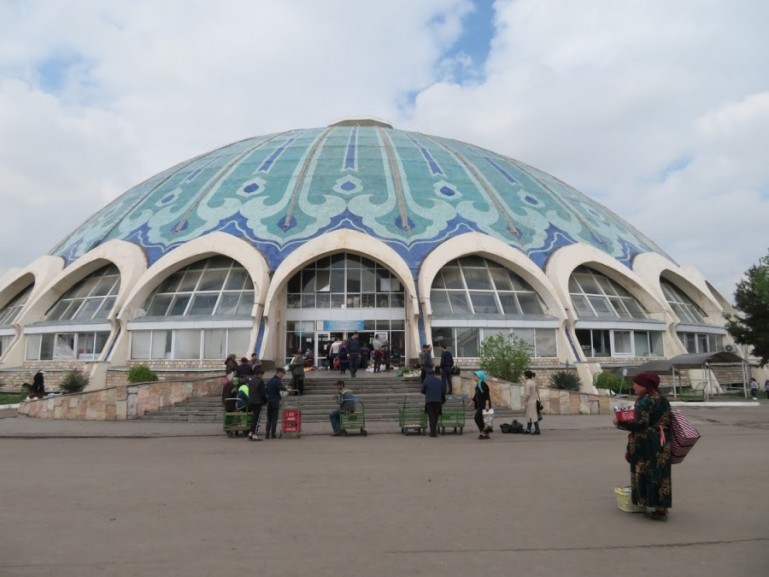
Tashkent is an undisputed heavyweight in terms of culture and history. Its Khast Imam Complex, housing the Uthman Quran, is a breathtaking collection of madrasahs and mosques that transport you back centuries. The city's metro system, an underground art gallery, reflects its Soviet grandeur, with each station like 'Alisher Navoi' or 'Cosmonauts' telling a story through intricate mosaics and sculptures. The Chorsu Bazaar is a sensory overload of traditional life, while the Amir Timur Square and Independence Square showcase its more modern, monumental history. Almaty, in contrast, offers a different historical narrative. Its Soviet past is evident in buildings like the Hotel Kazakhstan and the Republic Square, but its cultural identity leans heavily into modern Kazakh nationalism and its stunning natural surroundings. The Ascension Cathedral (Zenkov Cathedral), an all-wooden church, is a marvel of resilience, and the Central State Museum offers insights into Kazakh history. "Tashkent's history hits you in the face, Almaty's is more subtle and mixed with nature." While Almaty has its charms, Tashkent provides a far richer, more tangible dive into ancient Silk Road legacies and impactful 20th-century narratives, with sites like the Museum of Applied Arts further enriching the experience.
Winner takeaway
- Winner: Tashkent
- Why: Tashkent boasts a greater concentration of well-preserved ancient Silk Road sites and Soviet-era architectural marvels, offering a deeper historical immersion.
- Who this matters for: History buffs, architecture enthusiasts, and those fascinated by Silk Road heritage.
⛰️ Nature & Outdoors
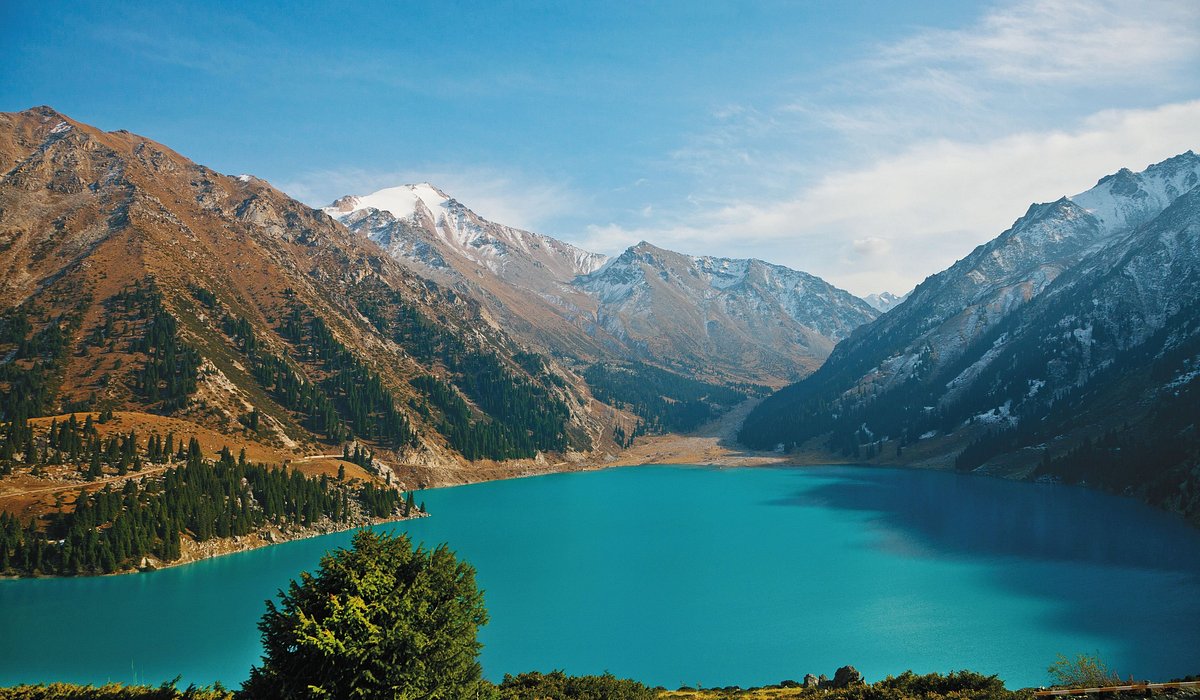
Almaty is a nature lover's paradise, hands down. The city literally butts up against the magnificent Tian Shan mountains, making world-class outdoor adventures incredibly accessible. Within a 30-minute drive, you can be at the Medeu high-mountain skating rink or taking the gondola up to Shymbulak Ski Resort, which offers stunning alpine views even in summer. The iconic Big Almaty Lake, with its mesmerizing turquoise waters, is a popular day trip, though access can sometimes be restricted depending on the season and permits. Further afield, the epic Charyn Canyon (often called the 'Grand Canyon of Central Asia') and the serene Kolsai and Kaindy Lakes are must-sees, requiring a longer day trip or overnight stay. "Almaty's mountains are just… right there. You can feel them from the city, and they're so easy to get to." Tashkent's natural surroundings are far less dramatic. While it has the Chimgan-Beldersay ski resort area about 1.5-2 hours away, and the Ugam-Chatkal National Park, these don't hold a candle to the sheer scale and variety of Almaty's offerings. The landscape around Tashkent is generally flatter, dominated by agricultural lands, making it less appealing for spontaneous outdoor excursions.
Winner takeaway
- Winner: Almaty
- Why: Almaty's direct proximity to the majestic Tian Shan mountains provides unmatched access to hiking, skiing, and iconic natural wonders.
- Who this matters for: Hikers, skiers, nature photographers, and anyone seeking dramatic landscapes.
🍜 Food Scene
Both cities offer delicious food, but Almaty's culinary scene is more diverse and dynamic, appealing to a wider range of tastes. While you'll find excellent traditional Kazakh food like Beshbarmak and Kazy in places like Navat restaurant, Almaty also boasts a thriving modern cafe culture (e.g., Bowler Coffee Roasters, Nedelka), numerous Pan-Asian restaurants, and upscale European dining options. The Green Bazaar offers a fantastic local experience for fresh produce, spices, and prepared foods. A good meal at a mid-range restaurant costs 4,000-8,000 KZT ($9-18). Tashkent, on the other hand, is a paradise for authentic Uzbek cuisine. Plov (rice pilaf) is king, and you'll find incredible variations at dedicated Plov Centers, like the Central Asian Plov Center, often served for just 25,000-40,000 UZS ($2-3.50) a portion. Shashlik (kebabs), Lagman (noodles), and Samsa (savory pastries) are also ubiquitous and excellent, especially at the Chorsu Bazaar's food stalls. "Tashkent's plov is legendary, but Almaty just has more variety if you want something beyond Central Asian staples." While Tashkent's traditional food is superb and incredibly cheap, Almaty's cosmopolitan blend, modern dining trends, and higher quality international options give it the edge for overall culinary experience.
Winner takeaway
- Winner: Almaty
- Why: Almaty offers a broader and more diverse culinary experience, blending traditional Kazakh dishes with a vibrant modern cafe culture and international options.
- Who this matters for: Foodies, those seeking diverse dining options, and coffee connoisseurs.
🕺 Nightlife & Entertainment
Almaty takes the crown for nightlife and entertainment. As a more cosmopolitan and Western-leaning city, it boasts a vibrant scene, particularly around Dostyk Avenue and Furmanov Street. You'll find a wide array of options, from sophisticated cocktail bars like BAROOM and Bla Bla Bar to lively pubs and nightclubs where you can dance until the early hours. Live music venues are also common. A pint of local beer might cost 1000-1800 KZT ($2.20-$4), and cocktails range from 2500-4500 KZT ($5.50-$10). "Almaty feels more like a proper city for going out, with different options depending on your mood." Tashkent's nightlife is significantly more subdued, reflecting a more conservative culture. While there are a few upscale hotel bars (like the ones in Hyatt Regency or Wyndham) and some local spots, the focus is generally on quiet tea houses (chaikhanas), family-friendly entertainment, or cultural performances like the Navoi Opera and Ballet Theatre. Clubs exist but are fewer and tend to cater to a specific local crowd. Don't expect a buzzing pub crawl scene like in Almaty. For those seeking lively evenings, Almaty offers a much more fulfilling experience.
Winner takeaway
- Winner: Almaty
- Why: Almaty offers a more diverse, dynamic, and accessible nightlife with numerous bars, clubs, and entertainment venues.
- Who this matters for: Young travelers, solo travelers looking to socialize, and those who enjoy evening entertainment.
🚇 Getting Around
While both cities are easy to navigate, Tashkent's iconic metro system gives it a significant edge. Each station, from the celestial 'Cosmonauts' to the ornate 'Alisher Navoi,' is a work of art, making every journey an attraction in itself. A single ride costs a mere 2000 UZS (approx. $0.16), making it incredibly economical to explore the city. Buses and marshrutkas (shared minibuses) also cover the city comprehensively, and ride-hailing apps like Yandex Go are cheap and reliable (a 15-minute ride might be 15,000-25,000 UZS, or $1.20-$2). "Tashkent metro isn't just transport, it's sightseeing for pocket change!" Almaty also has a decent public transport network of buses and trolleybuses, which are cheap (around 100-200 KZT, or $0.22-$0.45 per ride using the ONAY! card). Its small, modern metro system, though efficient and clean, has only one line and doesn't cover as much of the city as Tashkent's. Ride-hailing via Yandex Go or Bolt is equally prevalent and affordable in Almaty (800-1500 KZT for a typical city ride, or $1.80-$3.30). However, the sheer grandeur, efficiency, and widespread coverage of Tashkent's metro make it superior for urban exploration.
Winner takeaway
- Winner: Tashkent
- Why: Tashkent's world-famous, artistically adorned metro system is a tourist attraction in itself, offering efficient and incredibly cheap transport.
- Who this matters for: Budget travelers, public transport enthusiasts, and those who value efficient, scenic city navigation.
🏨 Accommodation
Almaty generally offers a slightly higher standard and wider variety of accommodation options, especially in the mid-to-high range. You'll find more boutique hotels with modern designs, international chains like Ritz-Carlton (offering incredible mountain views), and a good selection of well-regarded hostels (e.g., Sky Hostel Almaty, Da Hostel). Many hotels benefit from Almaty's picturesque setting, offering rooms with stunning mountain panoramas. Expect to pay $15-30 for a hostel bed, $60-120 for a quality mid-range hotel like Rixos Almaty, and upwards of $200 for luxury. "Almaty just felt like it had more stylish and comfortable hotel options, especially if you want a bit of luxury or a cool boutique vibe." Tashkent, while rapidly developing its tourism infrastructure, still leans more towards value-oriented guesthouses and functional mid-range hotels like Art House Hotel Tashkent or the former Grand Mir Hotel. International chains such as Hyatt Regency Tashkent and Wyndham Tashkent are present, but the sheer breadth and style of boutique options, especially with unique views, are somewhat less developed compared to Almaty. Hostel prices are comparable, but mid-range hotels can be slightly cheaper ($40-90).
Winner takeaway
- Winner: Almaty
- Why: Almaty provides a broader selection of modern, stylish, and high-quality accommodation, often with picturesque mountain views.
- Who this matters for: Travelers seeking comfort, modern amenities, boutique stays, or luxury options.
🏞️ Day Trips & Excursions
For stunning day trips focused on natural beauty, Almaty is in a league of its own. The proximity to the Tian Shan mountains means destinations like Big Almaty Lake, Turgen Gorge, and the Bear Waterfall are easily accessible, offering breathtaking scenery and hiking opportunities. The crown jewel for many is Charyn Canyon, a geological wonder often compared to the Grand Canyon, which can be done as a long day trip or an overnight. "Charyn Canyon is absolutely mind-blowing, totally worth the bumpy ride out of Almaty. Like being on another planet." Then there are the Kolsai and Kaindy Lakes, known for their submerged forest, requiring a longer commitment but incredibly rewarding. Tashkent's day trip scene, while historically rich, lacks the same natural drama. While you can visit the Chimgan Mountains for some hiking or skiing, they don't rival Almaty's scale. Tashkent's true strength for excursions lies in its access to Uzbekistan's other Silk Road gems: Samarkand, Bukhara, and Khiva. However, these are generally multi-day trips by high-speed train, not typical day trips, although Samarkand can be done in a very long day if you start early. For pure, accessible natural wonders, Almaty dominates.
Winner takeaway
- Winner: Almaty
- Why: Almaty offers a more diverse array of easily accessible, dramatic natural wonders like canyons, lakes, and mountains for day trips.
- Who this matters for: Adventure seekers, nature lovers, photographers, and those who enjoy exploring outside the city.
☀️ Weather & Seasons
Deciding a winner for weather depends entirely on your preferences, making this a tie. Almaty, nestled against the mountains, experiences distinct four seasons. Summer (June-August) is warm to hot (25-35°C), perfect for hiking in the mountains where it's cooler, but the city can feel warm. Winter (December-February) brings heavy snowfall, ideal for skiing at Shymbulak, with city temperatures around -5°C to 5°C. Spring (April-May) and Autumn (September-October) are generally the most pleasant, with mild temperatures (15-25°C) and beautiful foliage. "Almaty in autumn with the golden trees against the mountains is just magical." Tashkent has a more continental climate, characterized by very hot and dry summers (often exceeding 40°C in July-August), which can make sightseeing uncomfortable. Winters are milder than Almaty (around 0-10°C) with less snow. Spring (April-May) and Autumn (September-October) are universally considered the best times to visit Tashkent, offering comfortable temperatures (20-30°C) for exploring its outdoor historical sites and bazaars. If you hate extreme heat, avoid Tashkent in summer. If you love winter sports, Almaty is your spot. If you prefer mild temps for city exploration, both are great in shoulder seasons.
Winner takeaway
- Winner: Tie
- Why: Both cities offer distinct seasonal advantages, catering to different traveler preferences for climate and activities.
- Who this matters for: Travelers with specific seasonal preferences (e.g., winter sports enthusiasts vs. heat-averse history buffs).
♀️ Safety & Solo Travel
Both Almaty and Tashkent are remarkably safe cities for travelers, including solo adventurers. However, Tashkent often feels marginally safer due to its slightly more conservative culture, lower reported crime rates, and the incredibly warm, hospitable nature of Uzbek people. Petty crime like pickpocketing is rare, and serious crime against tourists is almost unheard of. "I felt completely safe walking around Tashkent alone at night, even as a woman. People were just curious and friendly." Uzbekistan, in general, has a reputation for being one of the safest countries in Central Asia. Almaty is also very safe, particularly in central areas. You can walk around comfortably day and night. However, like any larger, more cosmopolitan city, it has a slightly higher level of petty crime, and typical big-city precautions are advised, especially in crowded markets like the Green Bazaar or late at night in club districts. Locals are friendly, and English is more commonly spoken than in Tashkent, which can sometimes make communication easier for solo travelers. But for an almost palpable sense of security and genuine care from locals, Tashkent just nudges ahead.
Winner takeaway
- Winner: Tashkent
- Why: Tashkent offers an exceptionally high sense of safety and hospitality, making solo travel particularly comfortable and reassuring.
- Who this matters for: Solo travelers (especially solo female travelers), families, and those prioritizing a very low-stress environment.
❓ Frequently Asked Questions
Which city is better for a short 3-day trip?
For a short 3-day trip, Almaty might offer a more impactful experience due to its immediate access to stunning mountain scenery. You can easily combine city exploration with a trip up to Shymbulak or a visit to Big Almaty Lake, providing diverse experiences in a compact timeframe.
Is English widely spoken in Almaty and Tashkent?
In Almaty, English is more commonly understood and spoken, especially among younger generations and in tourist-oriented businesses. In Tashkent, English is less prevalent; Russian is more widely spoken alongside Uzbek. Having a translation app or learning a few basic phrases in Russian or Uzbek will be very helpful in Tashkent.
What's the best way to travel between Almaty and Tashkent?
The most efficient way to travel between Almaty and Tashkent is by air. Direct flights take about 1.5 hours and typically cost between $100-$150 one-way. There are also overnight trains, which are cheaper but take around 16-20 hours and require a border crossing.
Are visas required for U.S. citizens to visit Kazakhstan and Uzbekistan?
No, U.S. citizens (and citizens of many other countries) do not require a visa for tourist visits to either Kazakhstan (up to 30 days) or Uzbekistan (up to 30 days). Always check the latest visa policies of both countries before travel, as regulations can change.
Which city has better shopping opportunities?
Almaty offers more modern shopping malls like Mega Center Alma-Ata and Dostyk Plaza with international brands, alongside its traditional Green Bazaar. Tashkent's shopping focuses more on authentic local crafts, textiles, and spices found in bustling bazaars like Chorsu, offering a more unique, cultural shopping experience rather than high-street fashion.
What local dishes should I absolutely try in each city?
In Almaty, don't miss Beshbarmak (noodles with boiled meat), Kazy (horse sausage), and Lagman (spicy noodle soup). In Tashkent, Plov (rice pilaf with meat and carrots) is king, along with Shashlik (kebabs), Samsa (baked meat pastries), and Manti (steamed dumplings).
Is solo female travel safe in both cities?
Yes, both Almaty and Tashkent are considered very safe for solo female travelers. People are generally respectful and hospitable. Tashkent might feel slightly more conservative, which can sometimes translate to fewer unsolicited interactions, contributing to a strong sense of security. Basic precautions, as in any city, are always recommended.
Which city is better for digital nomads?
Almaty generally edges out Tashkent for digital nomads due to its more developed co-working spaces, a greater number of cafes with reliable Wi-Fi, and a slightly more Westernized and expat-friendly social scene. Both have good internet, but Almaty offers more infrastructure tailored to remote work and networking.
Ready to plan your Central Asia trip?
Get a free custom itinerary for Almaty, Tashkent, or both — built from real traveler insights.
🎟️ Book Tours & Experiences
Hand-picked tours and activities for both destinations — book with free cancellation
Experiences via Viator — free cancellation on most tours