How we built this comparison
This page combines traveler discussion patterns, published price ranges, flight schedules, and seasonal data to help you decide between Alps and Andes.
- Reviewed 50+ Reddit threads from r/travel, r/solotravel, r/EuropeTravel, r/SouthAmerica, r/Peru, r/Switzerland, r/Alps
- Verified costs and logistics against current booking platforms like Booking.com, Skyscanner, Rome2Rio, and specific tour operator sites.
- Cross-referenced seasonal patterns and weather data from meteorological services and travel blogs for optimal visit times.
⚡ The TL;DR Verdict
For those craving well-trodden paths, efficient infrastructure, and pristine European charm, the Alps are your answer, with a budget starting around $150-250 USD/day. If rugged adventure, deep cultural immersion, and stretching your dollar further are priorities, the Andes await, often for $50-150 USD/day, though some regions can be pricier.
- Choose Alps: Pick the Alps if you value comfort, impeccable infrastructure, diverse activities from skiing to hiking, and a higher standard of service, even if it means a higher price tag. Ideal for families, luxury travelers, or those new to mountain travel.
- Choose Andes: Choose the Andes for raw, untamed nature, profound cultural experiences, high-altitude trekking, and a more budget-friendly adventure. Best for independent travelers, backpackers, and those seeking a truly immersive, less polished journey.
- Choose Both: Consider both if you have ample time (6+ weeks) and budget, allowing for distinct experiences. Start with the Alps for a week or two of refined adventure, then fly to South America for 3-4 weeks to embrace the wilder, culturally rich Andes. This provides a comprehensive taste of the world's grandest mountain ranges.
Quick Comparison
| Category | Alps | Andes | Winner |
|---|---|---|---|
| Costs & Budget | Significantly higher daily costs, especially in Switzerland. Expect premium prices for everything from food to accommodation. | Generally very budget-friendly, particularly in Peru and Bolivia. Chile and Argentina can be moderate but still offer good value compared to the Alps. | Andes |
| Nature & Scenery | Iconic, picture-postcard landscapes with jagged peaks, pristine lakes, and lush valleys. Highly accessible and well-maintained. | Dramatic, high-altitude landscapes with unique flora and fauna, vast open spaces, glaciers, and active volcanoes. Often more rugged and remote. | Alps |
| Culture & History | Rich European mountain culture, charming villages, medieval towns, and a blend of Germanic, French, and Italian influences. | Deep indigenous heritage, ancient civilizations (Inca, pre-Inca), colonial history, and vibrant living traditions. | Andes |
| Adventure Activities | World-class skiing/snowboarding, mountaineering, via ferrata, paragliding, canyoning, and extensive hiking trails for all levels. | High-altitude trekking, mountaineering (many 6000m+ peaks), white-water rafting, mountain biking, and exploring vast natural parks. | Alps |
| Accommodation | Wide range from luxury hotels to charming chalets, mountain huts, and well-equipped hostels. Generally high quality but expensive. | Mix of basic hostels, guesthouses, unique eco-lodges, and some luxury options. Quality varies, but excellent value is common. | Alps |
| Getting There & Around | Excellent air connectivity to major hubs, followed by efficient train and bus networks. Cable cars and lifts are abundant. | Long-haul flights often required. Domestic travel by bus is common, flights for longer distances. Infrastructure can be less developed. | Alps |
| Food & Drink | Rich, hearty European mountain cuisine (fondue, schnitzel, pasta, charcuterie) with regional variations. Excellent wine and beer. | Diverse, flavorful Andean cuisine (ceviche, lomo saltado, empanadas, aji de gallina) using local ingredients. Pisco, chicha, and craft beer. | Alps |
| Safety & Health | Extremely safe with low crime rates. Excellent medical facilities and clear emergency procedures in the mountains. | Generally safe in tourist areas, but crime can be a concern in some cities. Altitude sickness is a major factor. Medical care varies. | Alps |
| Best Time to Visit | Summer (June-Sept) for hiking and warm weather; Winter (Dec-March) for skiing and snow sports. Shoulder seasons offer fewer crowds. | Dry season (May-Sept) is best for trekking and high altitudes. Patagonia's summer (Dec-Feb) is ideal. Rainy season can limit access. | Tie |
| Digital Nomad Suitability | Excellent infrastructure, high internet speeds, co-working spaces in larger towns, but very high cost of living. | Lower cost of living, vibrant cultural scenes, but internet can be spotty outside cities. Fewer dedicated co-working spaces. | Andes |
💰 Costs & Budget
The cost difference between the Alps and the Andes is perhaps the most defining factor. In the Swiss Alps, a basic hostel bed in Zermatt might run you 60-80 CHF ($65-85 USD), and a simple meal at a mountain hut can easily be 25-40 CHF ($27-44 USD). In contrast, a comfortable hostel in Cusco, Peru, averages 40-70 PEN ($10-18 USD), and a hearty 'menu del día' lunch is often 10-20 PEN ($2.50-5 USD). Even organized treks like the Inca Trail, while expensive for the region at $600-1000 USD for 4 days, offer an unparalleled experience for less than a week's budget in a major Alpine resort. While Chile and Argentina can be pricier, with meals in Santiago or Buenos Aires ranging from 8,000-15,000 CLP ($9-17 USD) or 5,000-10,000 ARS ($5-10 USD, highly variable with inflation), they rarely reach Alpine levels. 'I literally blew through my month's budget in Switzerland in a week. My entire month backpacking Peru cost less than 10 days in the Grindelwald area, and I ate like a king there.'
Winner takeaway
- Winner: Andes
- Why: The Andes overwhelmingly win on cost, offering incredible value for money across almost all aspects of travel.
- Who this matters for: Budget travelers, backpackers, and those planning longer trips.
🏞️ Nature & Scenery
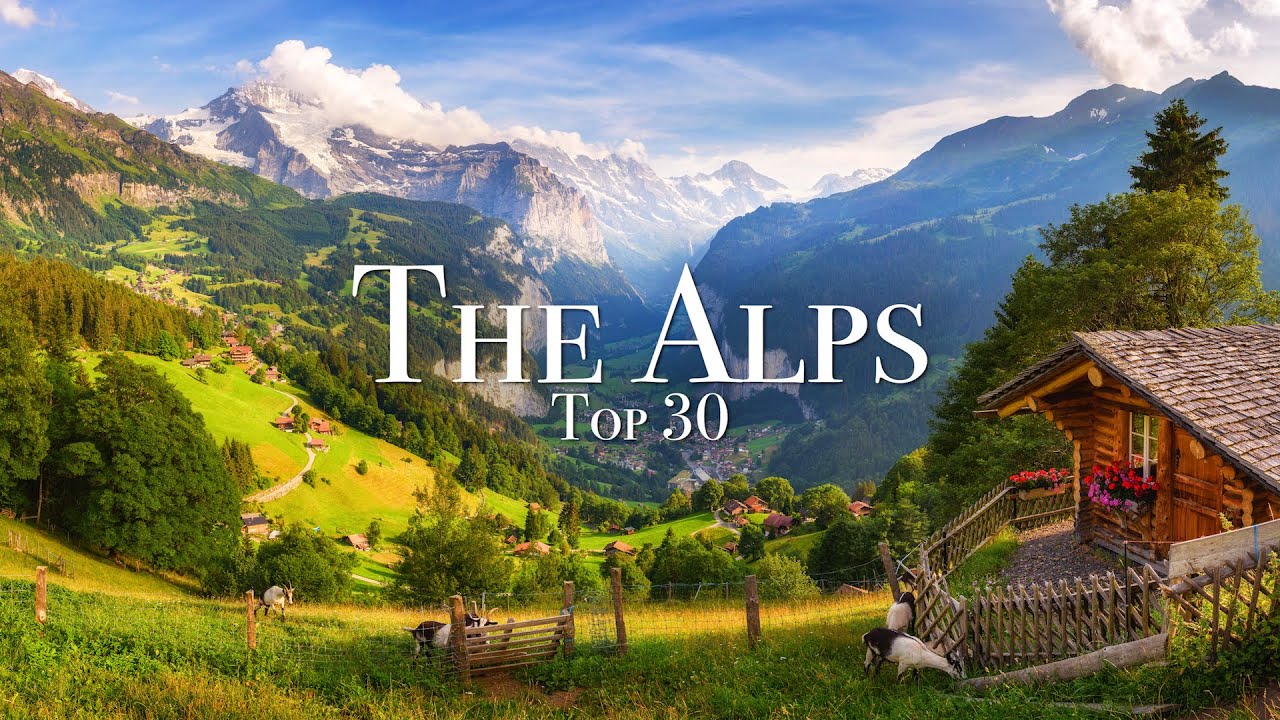
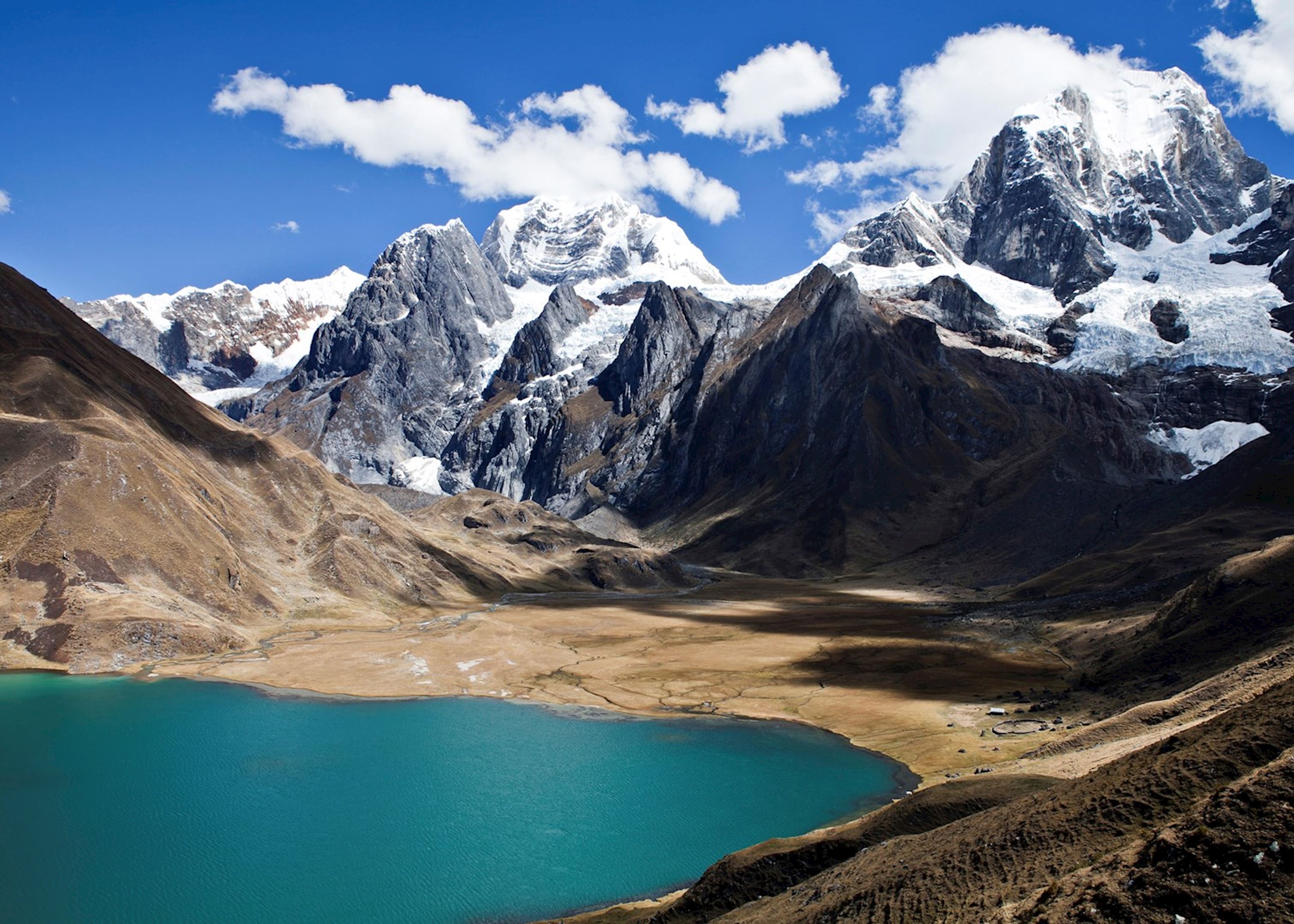
Both ranges are breathtaking, but the Alps offer a more varied and 'classic' mountain aesthetic that's arguably more universally appealing and accessible. From the Matterhorn's iconic pyramid to the Mont Blanc massifs and the Dolomites' unique rock formations, the Alps present a diverse palette of natural beauty within a relatively compact area. Trails are impeccably maintained, views are often accompanied by charming alpine villages, and accessibility via cable cars (like the Aiguille du Midi in Chamonix, ~70 EUR/$75 USD) is unmatched. The Andes, while possessing a raw, wild grandeur — think Torres del Paine's granite spires, Patagonia's immense glaciers, or the otherworldly landscapes of Bolivia's Salar de Uyuni — require more effort to reach and explore. Their beauty often feels more isolated and less 'manicured.' The unique wildlife like llamas, alpacas, and condors adds a distinct charm, but for sheer postcard-perfect, easily digestible beauty, the Alps have an edge. 'Honestly, every turn in the Bernese Oberland felt like a wallpaper background. The Andes are incredible, but the Alps just hit different for pure scenic perfection.'
Winner takeaway
- Winner: Alps
- Why: The Alps offer a more consistently picturesque, accessible, and diverse range of iconic mountain landscapes.
- Who this matters for: Photographers, casual hikers, and those seeking classic, easily accessible mountain vistas.
🗿 Culture & History
When it comes to cultural depth and historical significance, the Andes are unparalleled. This region is the cradle of the Inca Empire, with awe-inspiring sites like Machu Picchu (entrance ~152 PEN/$40 USD, plus train/bus) and Cusco's ancient stones, as well as countless pre-Incan ruins. Bolivia's indigenous cultures are incredibly vibrant and visible, from the bustling markets of La Paz to traditional ceremonies in rural villages. You'll encounter unique textiles, music, and spiritual practices that have persisted for centuries. The Alps, while boasting charming chalet villages, medieval castles (e.g., Chillon Castle in Switzerland, ~13.50 CHF/$15 USD), and a rich history of mountaineering and alpine farming, don't offer the same profound sense of ancient civilizations or living indigenous traditions. Their cultural narrative is more European, refined, and often less overtly 'exotic' than the Andean experience. 'Walking through Cusco felt like stepping back in time; the layers of Inca and Spanish history are just everywhere. The Alps are pretty, but they don't have that deep, ancient soul.'
Winner takeaway
- Winner: Andes
- Why: The Andes provide a far richer, more ancient, and deeply immersive cultural and historical experience.
- Who this matters for: History buffs, anthropologists, and travelers seeking profound cultural immersion.
🏔️ Adventure Activities
Both ranges are adventure playgrounds, but the Alps win for sheer variety, organization, and accessibility of activities, catering to a broader audience. From the legendary ski slopes of Verbier or St. Anton to guided via ferrata routes in the Dolomites (equipment rental + guide ~100-150 EUR/$110-165 USD), the Alps are a mecca for organized outdoor pursuits. Paragliding over Interlaken, Switzerland, is a quintessential experience (~170 CHF/$185 USD). While the Andes offer incredible high-altitude trekking (e.g., Santa Cruz Trek in Peru, 4 days ~$250-400 USD), mountaineering on peaks like Huayna Potosi in Bolivia (3-day guided trip ~$200-300 USD), and remote multi-day Patagonia hikes, these often require higher levels of fitness, experience, or specialized guiding. The infrastructure for spontaneous, diverse adventure is simply more developed and widespread in the Alps, making it easier to try multiple activities. 'If you want to try literally everything from skiing to hiking to canyoning in a week, the Alps are set up for it. The Andes are more about committing to one big, epic trek.'
Winner takeaway
- Winner: Alps
- Why: The Alps offer a wider, more accessible, and better-organized array of adventure activities for all skill levels.
- Who this matters for: Multi-sport enthusiasts, families seeking diverse activities, and those valuing convenience in adventure.
🏨 Accommodation
While the Andes offer great value, the Alps generally provide a higher standard, consistency, and variety of accommodation options. In the Alps, you can stay in a five-star hotel with spa facilities in St. Moritz (easily 500+ CHF/$550+ USD/night), a cozy family-run chalet in Annecy (100-200 EUR/$110-220 USD/night), or a modern, clean hostel in Innsbruck (40-60 EUR/$45-65 USD/night). The network of mountain huts (e.g., Cabane de Prafleuri, ~70 CHF/$75 USD half-board) is extensive, well-maintained, and offers a unique experience. In the Andes, especially in popular areas like Cusco or El Chaltén, you'll find comfortable hostels (e.g., Pariwana Hostel Cusco, ~70 PEN/$18 USD) and mid-range hotels. However, luxury options are fewer and often concentrated in specific cities or resorts, and quality can be more inconsistent outside tourist hubs. Remote areas might only offer very basic 'refugios' or tent camping. 'I loved the charm of the guesthouses in the Andes, but after a long hike, there's nothing like a spotless, warm Alpine hotel with a hot shower that actually works, even if it costs a fortune.'
Winner takeaway
- Winner: Alps
- Why: The Alps offer a superior standard, wider variety, and more consistent quality of accommodation options.
- Who this matters for: Comfort-seekers, luxury travelers, and those valuing reliable quality.
✈️ Getting There & Around
The Alps are remarkably easy to get to and navigate. Major international airports like Zurich (ZRH), Geneva (GVA), Milan (MXP), and Munich (MUC) serve as excellent gateways, with frequent flights from North America, Asia, and other European cities. Once there, Switzerland's SBB train network is legendary for its punctuality and scenic routes (e.g., Zurich to Zermatt, ~120 CHF/$130 USD round trip), and France, Italy, and Austria also boast efficient rail and bus systems. Cable cars and lifts crisscross the mountains, making even high-altitude spots accessible to almost everyone. The Andes, by contrast, require longer, often more expensive international flights to hubs like Lima (LIM), Santiago (SCL), or Buenos Aires (EZE). Domestic travel often relies on long-distance buses (e.g., Cusco to Puno, ~60-100 PEN/$16-26 USD for 8-10 hours) or internal flights which can add up. While adventurous, navigation can be more challenging due to language barriers, varying road quality, and less frequent public transport in remote areas. 'You can literally land in Geneva and be hiking in Chamonix within a few hours by train and bus. Trying to get from Lima to Huaraz felt like an expedition in itself.'
Winner takeaway
- Winner: Alps
- Why: The Alps offer vastly superior connectivity, efficiency, and ease of travel within the region.
- Who this matters for: Travelers with limited time, those who prefer public transport, and families with young children.
🧀 Food & Drink
While Andean cuisine is incredibly flavorful and has gained international recognition (especially Peruvian), the Alps offer a more diverse, consistently high-quality, and generally more 'safe' culinary experience for a broader palate. In the Alps, you'll find exquisite regional variations: Swiss fondue and raclette, Italian pasta and pizza, Austrian schnitzel and strudel, and French haute cuisine in Chamonix. Paired with world-class wines from France/Italy or excellent local beers in Germany/Austria, the dining experience is a highlight. A meal in a mid-range restaurant in the Alps might be 30-60 EUR/CHF ($33-65 USD). Andean food, while delicious, can be more challenging for some travelers, focusing on corn, potatoes, quinoa, and various meats, with spices and preparation styles that are distinct. A high-end meal in Lima at a place like Central or Maido (if you can get a reservation) is an experience, but everyday dining in the Andes, while affordable, doesn't always reach the varied gourmet heights of the Alps. 'I love Peruvian food, but sometimes I just craved a simple, perfect Italian pasta or a hearty Austrian goulash that you find everywhere in the Alps. The variety is just better.'
Winner takeaway
- Winner: Alps
- Why: The Alps provide a more diverse, consistently high-quality, and globally recognizable culinary landscape.
- Who this matters for: Foodies, those with less adventurous palates, and travelers who appreciate fine dining options.
🚨 Safety & Health
The Alps are among the safest travel destinations in the world. Crime rates are very low, even in major cities, and mountain safety is paramount, with well-marked trails, reliable rescue services, and clear emergency protocols. Medical facilities are universally excellent, state-of-the-art, and easily accessible. While accidents can happen in any mountain environment, the organized nature of Alpine adventure minimizes risks. The Andes present a more complex safety picture. Tourist areas (like the Inca Trail or Patagonia) are generally safe, but petty crime (pickpocketing) is more common in larger cities like Lima, Quito, or La Paz. More significantly, altitude sickness (Soroche) is a pervasive health concern, requiring acclimatization, and symptoms can range from mild headaches to severe, life-threatening conditions. Access to high-quality medical care can be limited outside of major urban centers, especially in remote trekking regions. 'I felt completely safe hiking solo in the Dolomites at 10 PM. In parts of South America, I was constantly aware of my surroundings, and the altitude sickness really hit me hard in Cusco, which totally threw off my first few days.'
Winner takeaway
- Winner: Alps
- Why: The Alps offer a significantly higher level of personal safety, reliable emergency services, and top-tier medical care.
- Who this matters for: Solo female travelers, families, first-time international travelers, and those with health concerns.
☀️ Best Time to Visit
Deciding the 'best' time to visit is highly dependent on your activity focus for both regions, making this a tie. In the Alps, summer (June-September) is prime for hiking, mountaineering, and enjoying lush green valleys, with temperatures ranging from 15-25°C (60-77°F). Winter (December-March) transforms the region into a skiing and snowboarding paradise, with reliable snow. The shoulder seasons (April-May, October-November) offer fewer crowds and often lower prices, though some lifts and trails may be closed. For the Andean highlands, the dry season (May-September) is crucial for trekking to Machu Picchu or hiking in Huaraz, offering clear skies and stable weather, albeit colder nights. However, if your focus is Patagonia in the south, their summer (December-February) is the ideal time for trekking, while the Peruvian Amazon is best visited during its dry season (June-October). 'It really depends on if you're chasing powder in St. Anton or clear skies for the Inca Trail. Both have very distinct peak seasons you need to hit for the best experience.'
Winner takeaway
- Winner: Tie
- Why: Both destinations have distinct peak seasons for different activities, making a 'best' time subjective to traveler preference.
- Who this matters for: Travelers with specific activity preferences (e.g., skiing vs. trekking) and flexible schedules.
💻 Digital Nomad Suitability
For digital nomads, the Andes generally present a more sustainable and appealing long-term option, primarily due to cost of living. While the Alps boast impeccable infrastructure, fast Wi-Fi, and a high quality of life, the cost of an apartment in a place like Innsbruck or Chamonix can easily exceed 1500-2500 EUR ($1650-2750 USD) per month, making it difficult for many. Food and daily expenses are also steep. In contrast, cities like Cusco, Medellín (though technically not in the highest Andes, it's a popular Andean gateway), or even La Paz offer a significantly lower cost of living – a comfortable apartment might be 400-800 USD/month, and food is cheap. While Wi-Fi can be less reliable in more remote Andean towns, major cities have decent internet and growing co-working scenes (e.g., Impact Hub in Lima, daily pass ~$10-15 USD). The vibrant culture and opportunities for weekend adventures further enhance its appeal. 'I could barely afford coffee in the Swiss Alps while trying to work remotely. In Medellín, I had a great apartment, amazing food, and could take Spanish classes, all for less than half my Alpine budget.'
Winner takeaway
- Winner: Andes
- Why: The Andes offer a far more budget-friendly cost of living and vibrant cultural experience, crucial for long-term digital nomad sustainability.
- Who this matters for: Location-independent workers, long-term travelers, and those prioritizing budget and cultural immersion.
❓ Frequently Asked Questions
Which destination is better for solo female travelers?
The Alps generally offer a higher level of safety and comfort for solo female travelers due to extremely low crime rates and excellent infrastructure. While the Andes are largely safe in tourist areas, general travel precautions are more necessary, especially in larger cities or less developed regions.
How do the hiking experiences differ?
Alps hiking typically means well-marked, maintained trails with frequent mountain huts and cable car access, offering a blend of challenge and convenience. Andes hiking often involves higher altitudes, more rugged and less developed trails, and a greater sense of wilderness and self-reliance, with more basic accommodations like 'refugios' or camping.
What about language barriers?
In the Alps, English is widely spoken in tourist areas across Switzerland, Austria, and Italy, though knowing some German, French, or Italian helps. In the Andes, Spanish is essential for deeper interaction, especially outside major tourist hubs. Basic Spanish phrases will significantly enhance your experience.
Which destination is better for families with young children?
The Alps are generally better suited for families with young children due to superior infrastructure, child-friendly activities (playgrounds, easy walks, theme parks), better medical access, and lower safety concerns. Many resorts cater specifically to families, offering kids' clubs and gentle slopes.
Are there any major health considerations for either region?
For the Alps, common concerns are minor injuries from outdoor activities. For the Andes, altitude sickness is a significant consideration, requiring acclimatization days upon arrival in high-altitude cities. Additionally, travelers to some Andean regions may need to consider vaccinations or precautions against mosquito-borne illnesses if visiting jungle lowlands.
Can I see unique wildlife in both mountain ranges?
Yes, but they differ! The Alps feature ibex, chamois, marmots, and various birds of prey. The Andes boast incredible biodiversity, including llamas, alpacas, vicuñas, condors, pumas, and spectacled bears, particularly in national parks and higher elevations, offering more distinct and 'exotic' wildlife viewing opportunities.
Which destination offers better opportunities for budget luxury travel?
While 'budget luxury' is an oxymoron in the Alps, you can find incredible value for high-quality experiences in the Andes. You can stay in boutique hotels, hire private guides, and eat at excellent restaurants for a fraction of the price you'd pay for similar services in the Alps. A truly luxurious experience in the Alps comes at a premium.
What's the internet and connectivity like?
The Alps generally offer excellent, fast, and reliable internet access in towns, hotels, and even many mountain huts. The Andes have improving connectivity in major cities and tourist zones, but outside of these areas, internet can be slow, intermittent, or non-existent, especially in very remote trekking regions.
Ready to plan your mountain adventure?
Get a free custom itinerary for Alps, Andes, or both — built from real traveler insights.
🎟️ Book Tours & Experiences
Hand-picked tours and activities for both destinations — book with free cancellation
Experiences via Viator — free cancellation on most tours