How we built this comparison
This page combines traveler discussion patterns, published price ranges, flight schedules, and seasonal data to help you decide between Alps and Rockies.
- Reviewed 50+ Reddit threads from r/travel, r/solotravel, r/alps, r/rockies, and specific country/region subreddits for authentic traveler experiences and tips.
- Verified costs for flights, accommodation, and activities against current booking platforms (e.g., Google Flights, Booking.com, resort websites) to ensure realistic ranges.
- Cross-referenced seasonal patterns, weather data, and local event calendars to provide accurate 'best time to visit' and activity recommendations.
⚡ The TL;DR Verdict
For those seeking deeply rooted culture, charming villages, and unparalleled public transit amidst stunning peaks, the Alps are your calling, budget around $150-250 USD/day. If epic raw wilderness, vast national parks, and a road-trip focused adventure appeal more, the Rockies await, with a daily budget closer to $100-200 USD/day.
- Choose Alps: Pick the Alps if you crave picturesque villages, world-class public transport connecting stunning peaks, a deep cultural history, and don't mind a higher price tag for unmatched infrastructure and European charm.
- Choose Rockies: Go for the Rockies if you dream of expansive wilderness, epic road trips through national parks, abundant wildlife viewing, and a more rugged, self-sufficient adventure, often at a slightly more accessible price point.
- Choose Both: If you have ample time (3+ weeks) and budget, experience both for the ultimate mountain lover's journey. Start with the cultural immersion of the Alps, then transition to the wild grandeur of the Rockies for a truly diverse adventure.
Quick Comparison
| Category | Alps | Rockies | Winner |
|---|---|---|---|
| Nature & Scenery | Dramatic, iconic peaks, lush valleys, charming alpine meadows, and accessible glaciers, often with human-made elements like historic chalets integrated beautifully. | Vast, wild, and rugged landscapes, enormous national parks, turquoise lakes, dense forests, and abundant wildlife, feeling more untouched and remote. | Tie |
| Costs | Generally higher, especially in Switzerland, with significant costs for accommodation, food, and activities. Austria/Italy offer slightly better value. | More moderate, particularly outside of major resort towns. Accommodation and dining can be reasonable, though national park entry fees add up. | Rockies |
| Getting There | Well-connected international airports (Zurich, Geneva, Munich, Milan) with easy train/bus transfers to mountain towns. Longer flight times from North America. | Major hubs like Denver, Calgary, Salt Lake City offer good access. Domestic flights are shorter, but remote park access often requires a connecting flight or long drive. | Rockies |
| Getting Around | Unparalleled public transportation networks (trains, buses, cable cars) that are efficient, scenic, and connect even tiny villages. Car not necessary. | Car rental is almost essential for flexibility and accessing remote trailheads. Limited public transport, mainly shuttles within popular national parks. | Alps |
| Accommodation | Wide range from luxurious chalets and boutique hotels to charming B&Bs and rustic mountain huts (Refuges/Hütten). Often character-rich and well-serviced. | National Park lodges, chain hotels in gateway towns, cabins, and extensive camping options. Tends to be more functional, though some luxury options exist. | Alps |
| Activities (Summer) | World-class hiking, mountaineering, paragliding, mountain biking, scenic cable car rides, and charming village exploration. | Extensive hiking, backpacking, whitewater rafting, wildlife viewing, mountain biking, and water sports on glacial lakes. | Tie |
| Activities (Winter) | Legendary skiing and snowboarding, cross-country skiing, charming Christmas markets, ice skating, and cozy après-ski culture. | Exceptional downhill skiing and snowboarding at large resorts, snowshoeing, ice climbing, and dog sledding, often with a focus on big mountain terrain. | Alps |
| Food & Drink | Diverse regional cuisines (Swiss, French, Italian, Austrian) featuring cheese fondue, raclette, schnitzel, pasta, cured meats, and exquisite pastries. Excellent wine and beer. | Hearty American/Canadian fare, craft breweries, BBQ, bison burgers, and regional specialties influenced by local ingredients. Less emphasis on fine dining outside resorts. | Alps |
| Culture & Villages | Ancient, charming villages with deep cultural traditions, historic architecture, distinct languages/dialects, and a rich history of alpine life. | Frontier towns, national park gateways, and resort communities with a newer, more outdoor-focused culture. Less historical depth and traditional community feel. | Alps |
| Safety & Preparedness | Generally very safe. Excellent infrastructure and well-marked trails minimize risks, though mountain specific hazards (weather, avalanches) still apply. | Generally safe. Wilderness preparedness is paramount due to vast, remote areas and potential wildlife encounters (bears, cougars). Cell service can be spotty. | Alps |
🏔️ Nature & Scenery
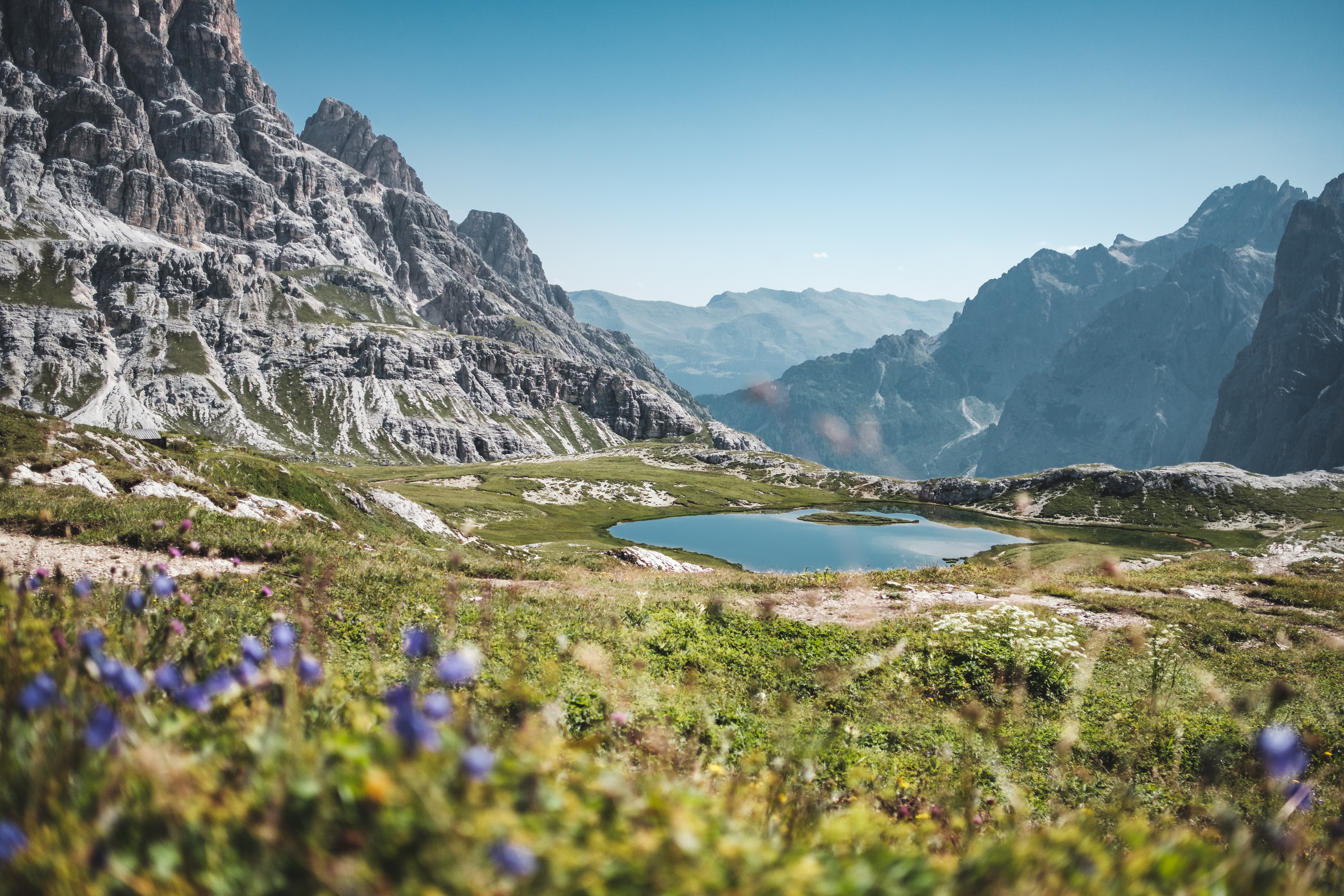
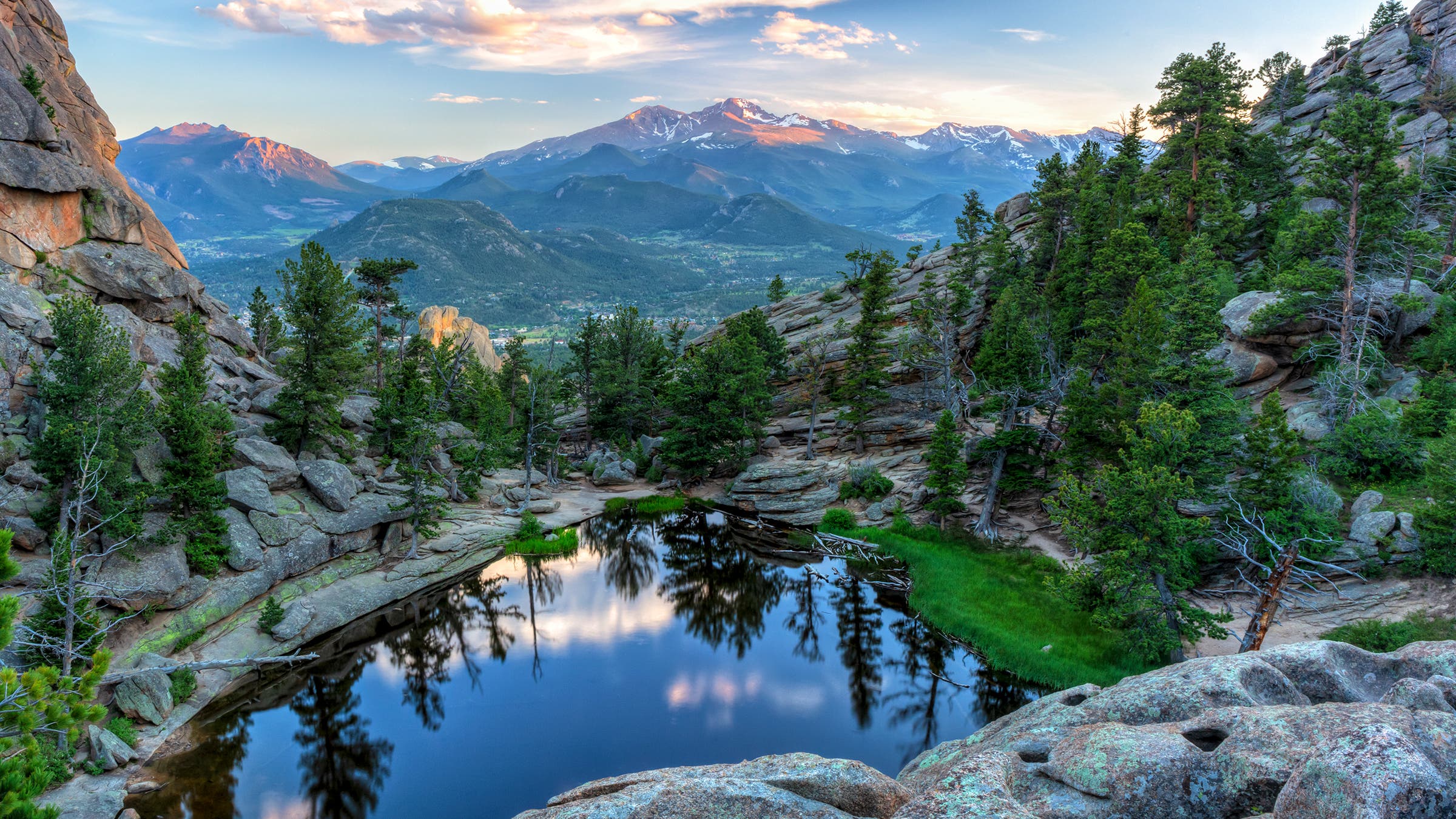
Both mountain ranges offer breathtaking natural beauty, but with distinct personalities. The Alps, especially in Switzerland (like Zermatt with the Matterhorn) or the Dolomites in Italy, present a postcard-perfect, almost manicured beauty, often with quaint villages nestled within. You'll find iconic, jagged peaks, dramatic glaciers easily accessible by cable car (e.g., Jungfraujoch), and lush, green valleys. The Rockies, particularly areas like Banff National Park in Canada or Glacier National Park in the US, impress with their sheer scale and raw, untamed wilderness. Think colossal icefields, endless forests, and brilliant turquoise lakes like Lake Louise. Wildlife encounters (bears, elk, moose) are far more common and expected in the Rockies. While the Alps have a more 'civilized' beauty, the Rockies deliver a powerful sense of wild grandeur. It truly comes down to preference. "Honestly, the sheer scale of Banff just hit different. Like, those mountains just kept going forever, way bigger than anything I saw in Switzerland, even if the villages there were cuter." - r/traveler.
Winner takeaway
- Winner: Tie
- Why: Both offer world-class, distinct mountain scenery, making it impossible to pick a single 'winner' without personal preference.
- Who this matters for: Anyone whose primary reason for travel is to witness awe-inspiring landscapes.
💰 Costs
The Alps are notorious for their high costs, with Switzerland leading the pack. Expect to pay CHF 20-30 ($22-33 USD) for a casual lunch, and basic hotel rooms in popular areas like Zermatt or Grindelwald can start at CHF 180-250 ($200-275 USD) per night. Even hostels are often EUR 40-60 ($45-65 USD) in France/Austria. Public transport, while excellent, adds up; a Swiss Travel Pass can be hundreds of dollars. The Rockies, while not 'cheap,' offer better value. A decent meal in Canmore, Alberta, or Estes Park, Colorado, might run CAD 18-25 ($13-18 USD) or USD 15-22. Mid-range hotels in gateway towns are often USD/CAD 120-180 ($90-130 USD). National Park entrance fees (e.g., $35 USD for a 7-day pass to Glacier NP) are reasonable. Car rental is a primary cost, but splitting it makes it manageable. "My week in Lauterbrunnen drained my wallet faster than anything. The Rockies felt like a bargain even with the rental car." - r/solotravel.
Winner takeaway
- Winner: Rockies
- Why: The Rockies offer a more accessible price point for accommodation, dining, and general travel, especially when factoring in transportation costs.
- Who this matters for: Budget-conscious travelers or those looking to maximize their trip duration without breaking the bank.
✈️ Getting There
For North American travelers, reaching the Rockies is significantly faster and often cheaper. Flights from major US hubs (e.g., NYC, LAX) to Denver, Calgary, or Salt Lake City range from 2-5 hours, typically costing $300-800 USD round trip. From these hubs, you can rent a car and drive directly into the parks within a few hours. Getting to the Alps from North America involves longer, usually overnight, flights (7-9 hours) to hubs like Zurich (ZRH), Geneva (GVA), Munich (MUC), or Milan (MXP), with typical costs ranging $600-1200 USD. While train connections from these airports into the mountains are seamless and efficient, the overall travel time is considerably longer. For European travelers, the Alps are obviously closer. "Flew into Calgary, grabbed a car, and was hiking in Banff by afternoon. The Alps flight just felt like forever, then more trains." - r/travel.
Winner takeaway
- Winner: Rockies
- Why: Shorter flight times and generally lower airfares for North American travelers make the Rockies a more convenient 'getaway' option.
- Who this matters for: Travelers with limited vacation time or those sensitive to long-haul flight costs and durations.
🚌 Getting Around
The Alps are a dream for car-free travel. Switzerland, in particular, boasts an incredible network of trains, post buses, and cable cars that reach virtually every corner of the mountains, offering stunning views along the way. Passes like the Swiss Travel Pass (starting around CHF 232 for 3 days, ~ $255 USD) can make it economical. You can hike from one village to another and easily catch a bus or train back. The Rockies, however, are built for the road trip. While some popular areas like Banff National Park offer shuttle services to key sights like Lake Louise, a personal vehicle is almost a prerequisite for true exploration and flexibility, especially for accessing lesser-known trails or covering vast distances between parks (e.g., between Banff and Jasper, a 3-4 hour drive). Car rental costs (USD 50-100/day) and fuel add up, but it's the only practical way for many. "I loved not having to worry about driving in the Alps. Just hop on a train, stare out the window, and arrive. In the Rockies, I felt chained to my rental." - r/solotravel.
Winner takeaway
- Winner: Alps
- Why: The Alps' integrated and extensive public transport system makes getting around incredibly easy, efficient, and scenic without the need for a car.
- Who this matters for: Travelers who prefer not to drive, enjoy scenic journeys, or prioritize environmental sustainability.
🛌 Accommodation
Accommodation in the Alps often feels intrinsically linked to the experience. You can stay in historic chalets in Chamonix, France (expect EUR 150-300+ for a mid-range hotel, $165-330 USD), charming family-run guesthouses in the Dolomites, or unique mountain huts (Refuges/Hütten) for as little as EUR 40-70 ($45-77 USD) including dinner and breakfast. The variety is excellent, from ultra-luxury in St. Moritz to cozy, authentic farm stays. In the Rockies, options range from iconic, historic lodges within national parks (like The Fairmont Banff Springs, often CAD 400-800+, $290-580 USD) to more standard chain hotels or motels in gateway towns (e.g., Canmore or Estes Park, typically USD/CAD 120-250, $90-180 USD). Camping is a huge draw and generally excellent, offering a budget-friendly and immersive experience. While the Rockies have some incredible lodges, the Alps offer a broader and more consistently charming range of character accommodations, deeply integrated into the local culture. "Staying in that little Gasthaus in Austria, it just felt *right*. The Rockies have great lodges, but nothing beats an old alpine inn." - r/travel.
Winner takeaway
- Winner: Alps
- Why: The Alps offer a more diverse, character-filled, and culturally integrated range of accommodation, from luxurious chalets to authentic mountain huts.
- Who this matters for: Travelers who value unique, culturally immersive stays and a wide variety of lodging types, including rustic mountain shelters.
🚶 Activities (Summer)
Both ranges are summer playgrounds. The Alps offer an incredible network of well-marked hiking trails, from easy walks through alpine meadows to multi-day treks like the Tour du Mont Blanc. Via ferratas, paragliding over iconic peaks like the Matterhorn, and exploring quaint villages are major draws. Cable car systems make high-altitude access easy for all abilities. The Rockies excel in vast, rugged hiking opportunities, from day hikes to Grinnell Glacier in Glacier NP (USA) to multi-day backcountry trips. Whitewater rafting on rivers like the Kicking Horse in BC, extensive mountain biking trails, and unparalleled wildlife viewing (bears, elk, bighorn sheep) are highlights. Water activities on pristine lakes (e.g., canoeing on Lake Louise) are also hugely popular. The Alps might have a slight edge in variety due to the dense settlement and infrastructure, but the Rockies offer a deeper immersion in raw nature. "I've hiked both, and while the Alps have amazing hut-to-hut trails, nothing beats spotting a grizzly while canoeing on a remote lake in Jasper. Different vibes, both epic." - r/hiking.
Winner takeaway
- Winner: Tie
- Why: Both destinations offer an incredible, diverse array of summer activities catering to different styles of outdoor adventure.
- Who this matters for: Outdoor enthusiasts of all levels looking for hiking, adventure sports, or scenic explorations.
⛷️ Activities (Winter)
The Alps are arguably the birthplace of modern winter sports and boast an unrivaled concentration of world-class resorts like Zermatt, St. Moritz, Chamonix, and Kitzbühel. You'll find extensive interconnected lift systems, vast terrain for all abilities, and a deeply ingrained après-ski culture. Ski passes can be expensive (e.g., CHF 80-100/day in Zermatt, ~$88-110 USD), but the experience is iconic. Beyond skiing, there's a strong focus on traditional winter experiences, from charming Christmas markets (e.g., Innsbruck) to ice skating and tobogganing. The Rockies also offer fantastic winter sports, with renowned resorts like Aspen, Vail, Whistler (Canada), and Banff-Lake Louise. These resorts often feature massive terrain and excellent powder. However, the culture around them feels more purpose-built for skiing than the long-standing alpine traditions of Europe. The Rockies excel in more rugged activities like ice climbing or heli-skiing, but for a comprehensive, culturally rich winter experience, the Alps win. "Nothing beats the atmosphere of skiing in the Dolomites, then having proper glühwein in a centuries-old village. Rockies skiing is great, but it's not the same vibe." - r/skiing.
Winner takeaway
- Winner: Alps
- Why: The Alps offer a more holistic and culturally rich winter experience, blending world-class skiing with charming traditions and extensive non-skiing activities.
- Who this matters for: Winter sports enthusiasts who appreciate deep cultural integration, charming villages, and a vibrant après-ski scene beyond just the slopes.
🧀 Food & Drink
The Alps, spanning multiple countries, offer an incredibly diverse and delicious culinary journey. In Switzerland, indulge in cheese fondue (CHF 30-45, $33-50 USD), raclette, and rosti. The French Alps boast Savoyard specialities like Tartiflette. Italian Dolomites provide exquisite pasta and polenta dishes, while Austrian Alps offer schnitzel, Kaiserschmarrn, and strudel. Local wines, beers, and spirits are abundant and high quality. The Rockies food scene, while good, is more focused on hearty, comforting fare suitable for active days. Expect excellent craft breweries (e.g., breweries in Bend, Oregon, or Canmore, Alberta), bison burgers, BBQ, and general American/Canadian comfort food. Upscale dining is primarily found in resort towns like Aspen or Banff. While you can eat well in the Rockies, the sheer variety, historical depth, and fine dining options (at all price points) in the Alps are simply unmatched. "I love a good burger, but nothing in Banff compared to the simple, perfect pasta I had after a hike in the Italian Alps. Plus, the wine was cheaper!" - r/foodtravel.
Winner takeaway
- Winner: Alps
- Why: The Alps offer a richer, more diverse, and historically deep culinary landscape with distinct regional specialities and high-quality local products across multiple countries.
- Who this matters for: Foodies, gourmands, and anyone who sees dining as a central part of their travel experience and cultural immersion.
🏘️ Culture & Villages
This is where the Alps truly shine. Centuries-old villages like Gimmelwald (Switzerland), Hallstatt (Austria), Annecy (France), or Ortisei (Italy) are not just scenic backdrops but living communities with distinct traditions, architecture, and often local dialects. You'll encounter ancient churches, traditional farming practices, and a palpable sense of history woven into the landscape. The culture feels deep-rooted and authentic, passed down through generations. The Rockies, by contrast, feature towns that are generally newer, often developed as gateways to national parks or ski resorts. Places like Banff, Canada, or Estes Park, USA, are vibrant and charming in their own right, focused heavily on outdoor recreation and tourism, but they lack the profound historical and cultural depth found in European alpine communities. While indigenous history is rich in the Rockies, its presentation to tourists is different from the continuous, visible European alpine culture. "Walking through Wengen felt like stepping into a fairytale from centuries ago. Banff is beautiful, but it's a tourist town, not a living history book." - r/travel.
Winner takeaway
- Winner: Alps
- Why: The Alps offer a far richer, more authentic, and deeply historical cultural experience through its ancient villages and enduring traditions.
- Who this matters for: Culture vultures, history buffs, and travelers seeking quaint, charming villages with a strong sense of place and tradition.
⛑️ Safety & Preparedness
Both mountain ranges are generally very safe destinations, but the nature of the risks differs. In the Alps, the primary concerns are typical mountain hazards: sudden weather changes, avalanches (especially in winter), and the inherent risks of mountaineering. However, the extensive infrastructure, well-maintained trails, and widespread cell service (even in remote areas) mean help is often readily accessible. The density of population also adds a layer of indirect safety. In the Rockies, especially in the vast national parks like Jasper or Glacier, the biggest safety factor is preparedness for true wilderness. Bear and cougar encounters are a real possibility, necessitating bear spray and knowledge of wildlife safety protocols. Cell service is frequently nonexistent once you leave main roads or towns, making self-sufficiency crucial. While crime rates are low in both, the sheer remoteness and wildness of the Rockies demand a higher level of personal preparedness and awareness of natural dangers. "I felt safer alone on a trail in the Dolomites than I did even on a popular trail in Glacier, just knowing how remote it was and the wildlife around." - r/solotravel.
Winner takeaway
- Winner: Alps
- Why: The Alps offer a slightly higher sense of safety due to better infrastructure, more consistent cell service, and a lower prevalence of dangerous wildlife in easily accessible areas.
- Who this matters for: Solo travelers, families with young children, or those less experienced in remote wilderness travel who prioritize readily available assistance and predictable conditions.
❓ Frequently Asked Questions
Which is better for a first-time international mountain trip?
For a first-timer, the Alps often provide an easier entry point. Their extensive public transport, well-marked trails, and the convenience of hopping between culturally rich countries make logistics simpler, especially for those less comfortable driving abroad.
Is it possible to visit the Alps on a budget?
Yes, but it requires strategic planning. Focus on countries like Austria or the French/Italian Alps instead of Switzerland. Opt for hostels, mountain huts (Refuges), or Airbnb. Pack picnic lunches, cook some meals, and utilize regional passes for transport. Off-peak season also helps.
What's the best time to visit each range?
For summer activities (hiking, sightseeing), late June to early September is ideal for both. For winter sports, December to March is prime. Spring (April-May) and Fall (October-November) offer beautiful scenery with fewer crowds, but some facilities might be closed.
Are there guided tours available for both locations?
Absolutely! Both the Alps and Rockies have countless guided tour options, from multi-day hiking/skiing excursions to cultural village tours and wildlife safaris. This is a great option for solo travelers or those wanting a stress-free experience.
Which is better for families with young children?
The Alps often win for families due to their excellent infrastructure, easy-to-navigate public transport, and abundant child-friendly activities like alpine playgrounds, easy cable car rides, and charming, safe villages to explore. Many resorts cater specifically to families.
Do I need to speak another language in the Alps?
While English is widely spoken in tourist areas across the Alps, knowing a few phrases in German, French, or Italian (depending on the region) can greatly enhance your experience and is always appreciated by locals. Google Translate is your friend!
How do wildlife experiences compare?
The Rockies offer a much higher chance of viewing large mammals like bears, elk, moose, and bighorn sheep in their natural habitat, often from the roadside or on trails. The Alps have wildlife (chamois, ibex, marmots), but encounters are generally less frequent and with smaller animals.
Can I combine both a city trip and a mountain trip easily?
Yes, especially with the Alps. Major cities like Zurich, Geneva, Munich, or Milan are often just a short train ride from stunning mountain regions. In the Rockies, cities like Denver or Calgary serve as excellent gateways but require more dedicated travel time to reach the deep wilderness.
Ready to plan your mountain adventure?
Get a free custom itinerary for Alps, Rockies, or both — built from real traveler insights.
🎟️ Book Tours & Experiences
Hand-picked tours and activities for both destinations — book with free cancellation
Experiences via Viator — free cancellation on most tours