How we built this comparison
This page combines traveler discussion patterns, published price ranges, flight schedules, and seasonal data to help you decide between Alsace and Burgundy.
- Reviewed 100+ Reddit threads from r/travel, r/solotravel, r/FranceTravel, and r/Eurotravel for authentic traveler experiences and tips.
- Verified costs for accommodation, dining, and transportation against current booking platforms (Booking.com, Google Flights, SNCF) for realistic pricing.
- Cross-referenced seasonal patterns, weather data, and local event calendars to advise on the best times to visit and specific attractions.
⚡ The TL;DR Verdict
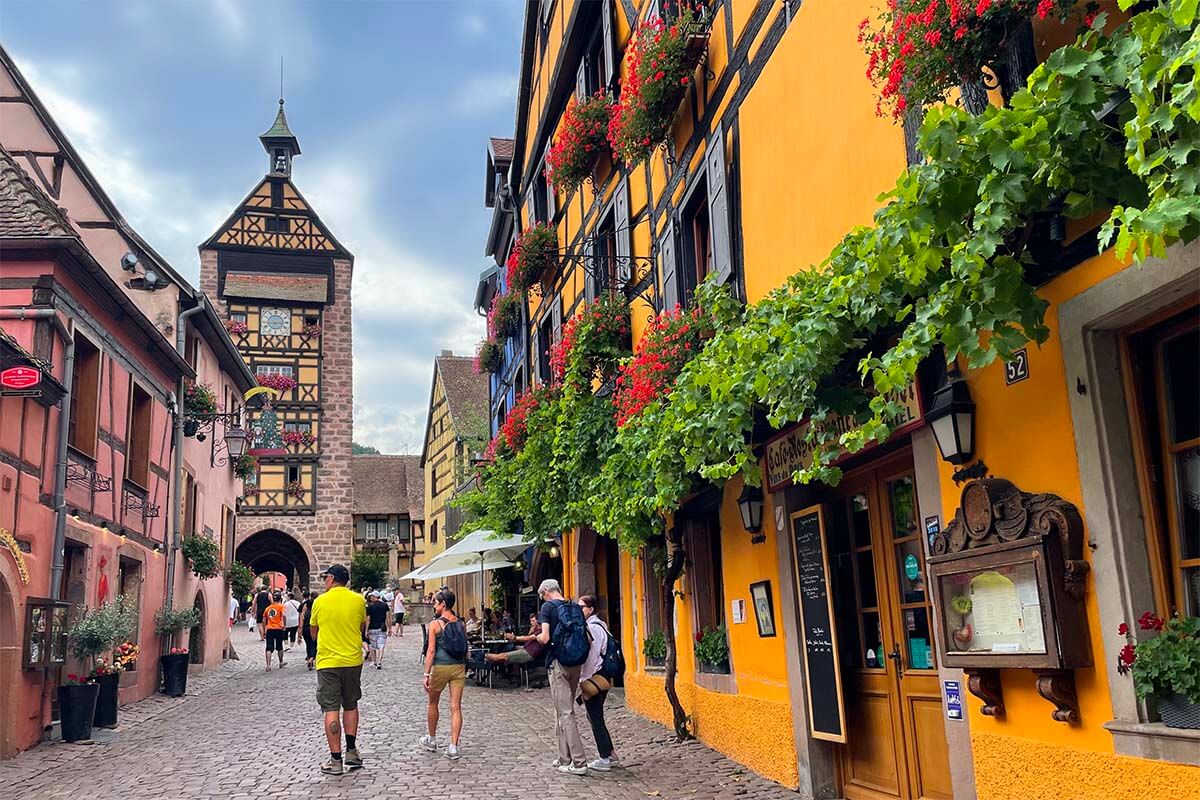
Alsace shines for those seeking picturesque fairytale towns, a distinct Franco-German culture, and a slightly more budget-friendly approach to food and wine, often around €100-180 ($110-200 USD) per day. Burgundy, on the other hand, is a dream for serious foodies and wine connoisseurs craving sophisticated gastronomy and world-class Pinot Noir and Chardonnay, with daily budgets typically starting from €150-250+ ($165-275+ USD).
- Choose Alsace: For travelers enchanted by charming medieval villages, a unique cultural blend, festive markets, and excellent white wines, often with a slightly more accessible price point. Great for families and those who love scenic drives.
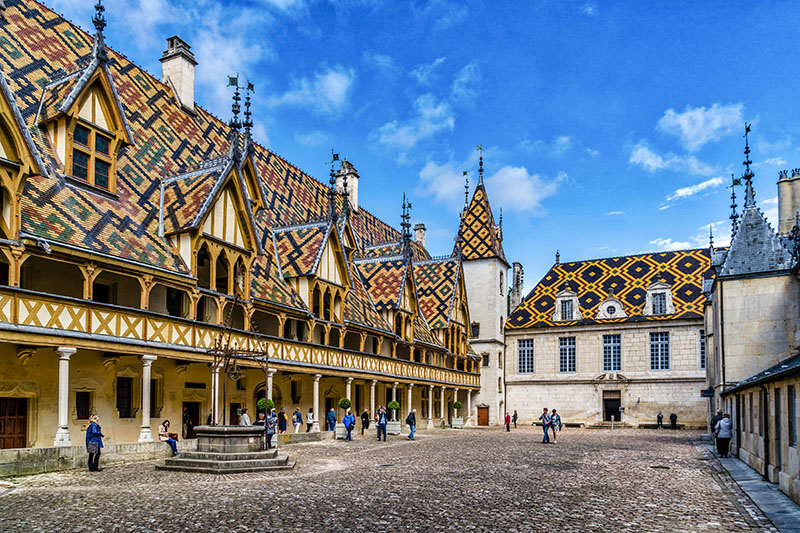
- Choose Burgundy: Ideal for discerning food and wine lovers, particularly those passionate about red wines (Pinot Noir) and classic French cuisine. It offers a more understated elegance and a focus on epicurean experiences and serene landscapes.
- Choose Both: If you have 10-14 days and a love for diverse French experiences, you can combine both! Start in Alsace (3-5 days), then take a scenic drive or train (approx. 4-5 hours) to Burgundy (4-6 days), immersing yourself in two distinct facets of eastern France's rich heritage.
Quick Comparison
| Category | Alsace | Burgundy | Winner |
|---|---|---|---|
| Food & Wine | Hearty, comforting Franco-German cuisine; vibrant white wines (Riesling, Gewürztraminer); famous for Flammkuchen, Choucroute. | Sophisticated, refined French gastronomy; world-renowned red (Pinot Noir) and white (Chardonnay) wines; Boeuf Bourguignon, Coq au Vin, Dijon mustard. | Burgundy |
| Costs & Budget | Generally more affordable for food and mid-range accommodation; wine is excellent value. Daily budget: €100-180. | Higher price tags for accommodation, fine dining, and prestigious wine tastings; can be significantly more expensive. Daily budget: €150-250+. | Alsace |
| Getting There & Around | Strasbourg has an international airport (SXB) and excellent TGV connections. Car essential for wine route. | Dijon is well-connected by TGV; Dole (DLE) is a small local airport. Car is absolutely vital for exploring vineyards. | Tie |
| Culture & History | Unique Franco-German heritage; Roman and medieval history; strong regional identity; Christmas markets. | Dukes of Burgundy legacy; Cistercian abbeys; Romanesque architecture; mustard and gastronomic traditions. | Alsace |
| Nature & Scenery | Rolling vineyards, Vosges mountains, Black Forest proximity; scenic drives and fairytale villages. | Gentle rolling hills, vast vineyards of the Côte d'Or, Morvan Regional Natural Park; serene canals and rivers. | Alsace |
| Accommodation | Charming half-timbered hotels, guesthouses (gîtes), boutique hotels; good value in smaller towns. | Elegant châteaux, luxury hotels, more exclusive wine estate stays; can be pricier, especially around Beaune. | Alsace |
| Vibe & Atmosphere | Lively, festive, fairytale-like; bustling markets, colorful villages, distinct Franco-German energy. | Sophisticated, serene, understated elegance; focus on quiet enjoyment of food, wine, and history; less bustling. | Alsace |
| Day Trips | Easy access to Black Forest (Germany), Strasbourg, Colmar, Eguisheim, Haut-Kœnigsbourg castle. | Beaune, Dijon, Cluny, Morvan Regional Park, Chablis (further north); less cross-border potential. | Alsace |
| Best Time to Visit | Spring (April-May) for blooms, Summer (June-Aug) for warmth, Autumn (Sept-Oct) for harvest, Winter (Dec) for Christmas markets. | Spring (April-May) for blossoming vineyards, Autumn (Sept-Oct) for grape harvest and 'Les Trois Glorieuses' festival. | Tie |
| Shopping & Souvenirs | Local crafts, traditional Alsatian pottery, textiles, Christmas market goods, excellent value wines. | World-renowned wines, gourmet foods (mustard, cassis), high-end kitchenware, antique markets. | Alsace |
🍷 Food & Wine
Burgundy is, without a doubt, a mecca for serious food and wine enthusiasts. Its reputation for world-class Pinot Noir and Chardonnay is unparalleled, with vineyards like Romanée-Conti and Montrachet producing some of the most expensive and sought-after bottles globally. Dining in Beaune or Dijon offers Michelin-starred experiences alongside charming bistros serving classic dishes like Coq au Vin and Escargots de Bourgogne. Expect to pay €30-60 ($33-66 USD) for a good bistro meal with wine, while a tasting menu at a top restaurant can easily hit €100-200+ ($110-220+ USD) per person. Alsace offers a distinctly different, equally delicious, but less 'haute cuisine' experience. Its culinary identity is a delicious blend of French and German influences, think hearty Choucroute Garnie (around €18-25 / $20-28 USD) and the addictive Flammkuchen (a steal at €8-15 / $9-17 USD). The white wines – particularly Riesling, Gewürztraminer, and Pinot Gris – are aromatic, crisp, and fantastic value, often available for €5-10 ($6-11 USD) a glass. "Burgundy wine tours are an investment, but walking through those grand cru vineyards in autumn and tasting a premier cru Pinot Noir right at the source? Absolutely unforgettable. Alsace is great for everyday deliciousness, but Burgundy is for the special occasions," a traveler once shared on r/travel.
Winner takeaway
- Winner: Burgundy
- Why: Burgundy takes the crown for its unparalleled prestige, diverse range of world-class wines, and sophisticated culinary scene that defines classic French gastronomy.
- Who this matters for: Serious wine collectors, food connoisseurs, and those seeking refined dining experiences.
💰 Costs & Budget
When it comes to stretching your travel budget, Alsace generally offers more bang for your buck. Accommodation in charming towns like Colmar or Strasbourg can range from €80-150 ($88-165 USD) for a comfortable double room, with excellent gîtes and B&Bs available. Dining, as mentioned, is hearty and reasonably priced, with a good meal often under €30 ($33 USD). Wine tastings are usually free or very low cost (€5-15 / $6-17 USD) if you purchase a bottle. For example, a picturesque hotel like Hôtel Le Colombier in Colmar might cost €120 in shoulder season. Burgundy, by contrast, can quickly become a budget buster, particularly if you're indulging in its renowned wines and gastronomy. A similar quality hotel in Beaune, such as Hôtel Le Cep, could easily start at €180-300 ($200-330 USD). Wine tastings, especially at premier cru or grand cru domaines, can cost €30-80 ($33-88 USD) per person, often without a guarantee of a purchase credit. Rental cars (approx. €40-70 / $44-77 USD per day) are recommended for both, but fuel costs are similar. "I found Alsace way easier on the wallet. We stayed in a beautiful Airbnb in Eguisheim for like €90 a night and ate amazing food without thinking twice. Burgundy felt like I was constantly checking my bank account if I wanted anything more than a baguette," noted a traveler on r/solotravel.
Winner takeaway
- Winner: Alsace
- Why: Alsace provides a more accessible and budget-friendly experience across accommodation, dining, and wine, allowing travelers to enjoy more without overspending.
- Who this matters for: Budget-conscious travelers, families, and those looking for great value without compromising quality.
🚗 Getting There & Around
Both regions are very accessible from major European hubs, but how you get around differs slightly. For Alsace, Strasbourg (SXB) has its own international airport, with direct flights from several European cities. Alternatively, you can fly into Basel-Mulhouse-Freiburg (BSL/MLH/EAP), which serves all three countries and is a convenient hop to Colmar or Mulhouse. Strasbourg is also a major TGV hub, with high-speed trains from Paris (approx. 1h 50m, €40-80 / $44-88 USD). While Strasbourg and Colmar are walkable, a car is highly recommended to fully explore the picturesque wine villages along the Route des Vins. Rental cars average €40-70 ($44-77 USD) per day. Burgundy's main gateway is Dijon, easily reachable by TGV from Paris (approx. 1h 35m, €35-70 / $39-77 USD). While Dijon has its charms, the true magic of Burgundy lies in its countryside. A car is not just recommended, it's virtually essential to navigate the Route des Grands Crus, visit specific domaines, and explore the charming towns like Beaune and Chablis. Public transport outside of the main cities is sparse in both regions. "Honestly, don't even *think* about doing the Burgundy wine route without a car unless you're doing an organized tour. You'll miss everything! We rented from Dijon station and it was smooth," advised a Reddit user on r/FranceTravel.
Winner takeaway
- Winner: Tie
- Why: Both regions offer excellent major city access via TGV and have airports nearby, but both also necessitate a rental car for truly immersive exploration.
- Who this matters for: Travelers who prioritize efficient transit to the region and flexibility once they arrive; those comfortable with driving abroad.
🏰 Culture & History
Alsace offers a truly distinct cultural experience, a fascinating blend of French and German influences that sets it apart from other French regions. Its history of changing hands between France and Germany has left an indelible mark on its architecture, language (Alsatian dialect), and cuisine. Strasbourg, with its stunning Notre Dame Cathedral and charming Petite France quarter, is a UNESCO World Heritage site, deeply rooted in European history and institutions. Colmar's 'Little Venice' and the numerous fortified villages like Riquewihr and Eguisheim transport you back to medieval times. The Haut-Kœnigsbourg castle (entry around €9-12 / $10-13 USD) is a magnificent example of a restored medieval fortress. Burgundy boasts its own rich history, from the powerful Dukes of Burgundy who rivaled the kings of France, to the Cistercian abbeys like Fontenay (entry around €10-12 / $11-13 USD). Dijon's Ducal Palace and the Hospices de Beaune (entry around €10-12 / $11-13 USD) are iconic, showcasing the region's wealth and artistic patronage. However, Alsace's cultural identity feels more palpable and visually present in its everyday life, from the half-timbered houses to the local festivals. "Alsace just *feels* different. Like stepping into a Grimm fairytale, especially around Christmas with all the markets. Burgundy's history is grand, but Alsace's is literally painted on its houses," commented a traveler on r/Eurotravel.
Winner takeaway
- Winner: Alsace
- Why: Alsace's unique Franco-German cultural fusion, distinctive architecture, and vibrant regional identity offer a more visibly unique and immersive historical experience.
- Who this matters for: History buffs, architecture lovers, and those seeking a truly unique European cultural blend.
🏞️ Nature & Scenery
Alsace offers a captivating blend of landscapes that feel almost cinematic. The iconic Route des Vins d'Alsace winds through perfectly manicured vineyards, dotted with picturesque, flower-filled villages nestled against the foothills of the Vosges mountains. The Vosges themselves offer opportunities for hiking, with stunning views and charming mountain chalets. Moreover, Alsace's proximity to the Black Forest in Germany (just across the Rhine) means you can easily dip into another stunning natural landscape. The scenery here is dramatic and varied, from the plains to the mountains. Burgundy's beauty is more subtle and expansive, characterized by its gently rolling hills covered in world-famous vineyards, particularly along the Côte de Nuits and Côte de Beaune. The Morvan Regional Natural Park offers wilder, forested terrain for hiking and outdoor activities, a stark contrast to the manicured vineyards. The region's network of canals and rivers (like the Canal de Bourgogne) offers serene boat trips and cycling paths. While beautiful, Burgundy's landscapes are arguably less 'postcard-perfect' than Alsace's storybook villages and mountain backdrops. "We drove through the Vosges in autumn after doing the wine route in Alsace, and the colors were insane. Burgundy's vineyards are beautiful, but Alsace just has more 'wow' moments with the mountains and fairytale towns," said a traveler on r/travel.
Winner takeaway
- Winner: Alsace
- Why: Alsace provides a more diverse and visually striking natural landscape, combining rolling vineyards, dramatic mountains, and charming villages in a compact area.
- Who this matters for: Photographers, hikers, scenic drivers, and those who love a mix of pastoral and mountainous views.
🏨 Accommodation
Accommodation in Alsace tends to offer excellent value, especially outside of peak festival times like Christmas. You'll find a delightful array of options, from charming half-timbered hotels in towns like Colmar (e.g., Hôtel Le Colombier, ~€120-180 / $132-200 USD) and Strasbourg (e.g., Hôtel Cour du Corbeau, ~€150-250 / $165-275 USD), to rustic guesthouses (gîtes) in the wine villages for as little as €80-120 ($88-132 USD). There's a strong emphasis on cozy, traditional stays that enhance the region's fairytale atmosphere. Burgundy, while offering stunning luxury options, can be significantly more expensive. In Beaune, a highly sought-after base, hotels like Hôtel Le Cep can easily run €250-400+ ($275-440+ USD) per night. There are beautiful châteaux-hotels, but these often come with a premium price tag. While guesthouses exist, they might be less numerous or require more advance booking, especially in prime wine areas. Budget options are harder to come by without sacrificing location or quality. "We stayed in a converted farmhouse in Riquewihr for a fraction of what our friends paid for a tiny room in Beaune. And ours had a pool! Alsace just has more charming, affordable options," shared a Redditor on r/Europe.
Winner takeaway
- Winner: Alsace
- Why: Alsace offers a wider range of charming, high-quality accommodation options at more accessible price points, making it easier to find a delightful stay for various budgets.
- Who this matters for: Travelers seeking charming and authentic stays, budget-conscious travelers, and those who prefer guesthouses over large hotels.
✨ Vibe & Atmosphere
Alsace possesses a unique, almost magical atmosphere that is hard to replicate. The vibrant colors of its half-timbered houses, the intricate floral displays, and the lively squares in towns like Colmar and Eguisheim create a joyful, storybook ambiance. During Christmas, the entire region transforms into a festive wonderland with renowned markets. There's a palpable sense of regional pride and a welcoming, often bustling, energy, particularly in the larger towns and popular villages. It feels distinctly European yet wonderfully unique. Burgundy, in contrast, offers a more refined, understated elegance. The atmosphere is generally more serene and sophisticated, focused on the quiet appreciation of fine wine, gourmet food, and historical sites. Towns like Beaune have a sophisticated charm, but they don't have the same 'bustle' or overt visual theatricality of Alsace. Life moves at a slower pace, encouraging relaxation and contemplation rather than festive exuberance. "Alsace just hits different. You walk into Colmar and it's like you're in a movie set. Burgundy is beautiful, but it's more 'quiet luxury' than 'enchanted village', if that makes sense," posted a user on r/travel.
Winner takeaway
- Winner: Alsace
- Why: Alsace's vibrant, fairytale-like atmosphere, colorful villages, and lively festive spirit create a more overtly enchanting and memorable experience.
- Who this matters for: Families, romantic travelers, those seeking a visually stunning and lively destination, and fans of festive markets.
🗺️ Day Trips
Alsace truly excels in its day trip potential, largely due to its compact size and strategic location. From a central base like Colmar, you can easily explore the entire Alsatian Wine Route, visiting villages like Riquewihr, Eguisheim, and Kaysersberg, all within a short drive. The majestic Haut-Kœnigsbourg castle is a must-see, offering panoramic views. Strasbourg, a major city with stunning architecture and European institutions, is an easy day trip. What sets Alsace apart is its direct border with Germany; a quick drive across the Rhine can take you to the charming towns and natural beauty of the Black Forest, such as Freiburg im Breisgau, adding an international dimension to your trip. Burgundy offers excellent day trips within its own region. From Beaune, you can easily reach Dijon for its ducal palace and vibrant market, visit the Cistercian Abbey of Fontenay, or explore the Romanesque architecture of Cluny. The Morvan Regional Natural Park provides a different natural escape. However, the options for venturing beyond Burgundy into distinct cultural or natural areas are less diverse compared to Alsace's proximity to Germany. "Alsace is awesome for day trips. We did Colmar, Riquewihr, then popped over to Freiburg for dinner in Germany all in one day. You just can't do that kind of diverse exploring from Burgundy as easily," commented a traveler on r/solotravel.
Winner takeaway
- Winner: Alsace
- Why: Alsace's compact geography and border location offer more diverse and easily accessible day trip options, including cross-border excursions to Germany.
- Who this matters for: Travelers who enjoy varied daily excursions, those with limited time, and anyone interested in exploring beyond a single country's borders.
☀️ Best Time to Visit
Both regions shine during the shoulder seasons, offering distinct charms depending on your preferences. Alsace is incredibly popular in spring (April-May) when the villages burst with flowers, and the weather is pleasant (average 15-20°C / 59-68°F), perfect for hiking and exploring. Summer (June-August, 20-28°C / 68-82°F) is lively but can be crowded. Autumn (September-October, 10-18°C / 50-64°F) brings the grape harvest and stunning fall foliage along the wine route. However, Alsace's undisputed peak is December, when its world-famous Christmas markets transform the region into a magical wonderland, albeit with colder temperatures (0-8°C / 32-46°F) and higher prices. Burgundy truly comes alive in late spring (May-June) when the vineyards are lush and green, and in autumn (September-October) during the 'vendanges' (grape harvest). This is when the region celebrates with festivals like 'Les Trois Glorieuses' in Beaune, and the weather is ideal for vineyard visits (10-20°C / 50-68°F). Summer can be warm for walking the vineyards, and winter is very quiet, with many domaines closed or operating on reduced hours. "Honestly, Burgundy in autumn for the harvest is just *chef's kiss*. The air, the colors, the excitement. But for pure festive magic, Alsace at Christmas can't be beat. So it really depends on your vibe," a seasoned traveler posted on r/travel.
Winner takeaway
- Winner: Tie
- Why: Both regions offer unique and compelling experiences across different seasons, making the 'best' time highly dependent on individual traveler preferences and desired atmosphere.
- Who this matters for: Travelers with specific seasonal interests, whether it's festive markets, grape harvests, or blooming flowers.
🛍️ Shopping & Souvenirs
Alsace offers a more diverse and charming range of souvenirs that reflect its unique culture. You'll find traditional Alsatian pottery with its distinctive patterns, embroidered linens, storks (the region's symbol) in various forms, and a plethora of handcrafted goods, especially during the Christmas markets. Wines are excellent value for money, with many wineries offering direct sales. In cities like Strasbourg, you'll find larger shops, while smaller villages specialize in local artisans. For example, a beautifully painted ceramic dish can cost €20-50 ($22-55 USD), while a festive Christmas ornament might be €5-15 ($6-17 USD). Burgundy's shopping scene is primarily centered around its gastronomic delights and fine wines. Iconic Dijon mustard from establishments like Maille (a jar for €5-15 / $6-17 USD) is a must-buy, as are Crème de Cassis and local cheeses. High-end wine shops (cavistes) in Beaune and Dijon offer a vast selection, but be prepared for higher prices for prestigious bottles. While there are some antique shops, the general craft scene is less prominent than in Alsace. "If you want truly unique, charming little trinkets that scream 'Alsace', it's the place. Burgundy's souvenirs are mostly edible or drinkable, which is great, but Alsace has more 'stuff' to bring home," mentioned a traveler on r/travel.
Winner takeaway
- Winner: Alsace
- Why: Alsace provides a wider array of unique, culturally specific, and often more affordable souvenirs and crafts beyond just food and wine.
- Who this matters for: Travelers who love collecting unique local crafts, Christmas shoppers, and those seeking charming decorative items.
❓ Frequently Asked Questions
Is Alsace or Burgundy better for non-drinkers?
Alsace is generally better for non-drinkers. While both regions are famous for wine, Alsace offers more visual charm with its fairytale villages, distinct architecture, and strong cultural blend that isn't solely focused on vineyards. Burgundy's primary draw for many is its wine, making it potentially less appealing if you're not interested in tastings.
Which region is more family-friendly?
Alsace tends to be more family-friendly. Its storybook villages, the Haut-Kœnigsbourg castle, and a slightly more relaxed atmosphere cater well to children. The vibrant Christmas markets in winter are also a huge draw for families. Burgundy, with its emphasis on fine dining and sophisticated wine experiences, might be less engaging for younger travelers.
What's the language situation in each region?
Both regions are in France, so French is the official language. However, in Alsace, due to its historical ties, you'll often hear Alsatian (a German dialect) spoken, and many locals, especially older generations, are bilingual in French and German. English is widely understood in tourist areas in both regions, but knowing basic French phrases will always enhance your experience.
Which region has better hiking opportunities?
Alsace offers slightly more varied and dramatic hiking opportunities, particularly in the Vosges mountains. Trails range from easy vineyard strolls to more challenging mountain hikes with rewarding views. Burgundy has good hiking too, especially in the Morvan Regional Natural Park, but its vineyard hikes are generally less strenuous and less varied in elevation.
Are these regions good for solo travelers?
Both regions can be great for solo travelers, but with different vibes. Alsace's bustling towns and organized tours (especially for wine) can make it feel more social. Burgundy, with its emphasis on quiet appreciation and often requiring a car for exploration, might appeal more to solo travelers who prefer solitude and independent discovery. Safety is excellent in both.
How much time should I allocate for each region?
For a good introduction to either region, aim for at least 3-5 full days. This allows you to explore a main city (Strasbourg/Colmar in Alsace, Dijon/Beaune in Burgundy) and take a couple of day trips into the surrounding countryside and wine regions. If you're passionate about wine and food, you could easily spend a week in Burgundy.
Is public transportation viable for touring the wine routes?
Public transportation is generally *not* viable for truly exploring the wine routes in either region. While buses connect some major towns, they are infrequent and don't service many smaller villages or individual wineries. A rental car is highly recommended (or an organized tour) for the best experience in both Alsace's Route des Vins and Burgundy's Route des Grands Crus.
Which region has more picturesque villages?
Alsace is widely considered to have more picturesque, fairytale-like villages. Towns like Eguisheim, Riquewihr, and Kaysersberg, with their colorful half-timbered houses and flower-filled streets, are truly stunning and often win 'most beautiful village' awards. Burgundy's villages are charming but generally more understated and less visually dramatic.
Ready to plan your unforgettable French adventure?
Get a free custom itinerary for Alsace, Burgundy, or both — built from real traveler insights, tailored to your budget and interests.
🎟️ Book Tours & Experiences
Hand-picked tours and activities for both destinations — book with free cancellation
Experiences via Viator — free cancellation on most tours