How we built this comparison
This page combines traveler discussion patterns, published price ranges, flight schedules, and seasonal data to help you decide between Alsace and Loire Valley.
- Reviewed 50+ Reddit threads from r/travel, r/solotravel, r/FranceTravel, and r/europetravel.
- Verified costs and logistics against current booking platforms (e.g., SNCF, Booking.com, Kayak) for 2024-2025 travel.
- Cross-referenced seasonal patterns, weather data, and local event calendars to assess 'best times to visit'.
⚡ The TL;DR Verdict
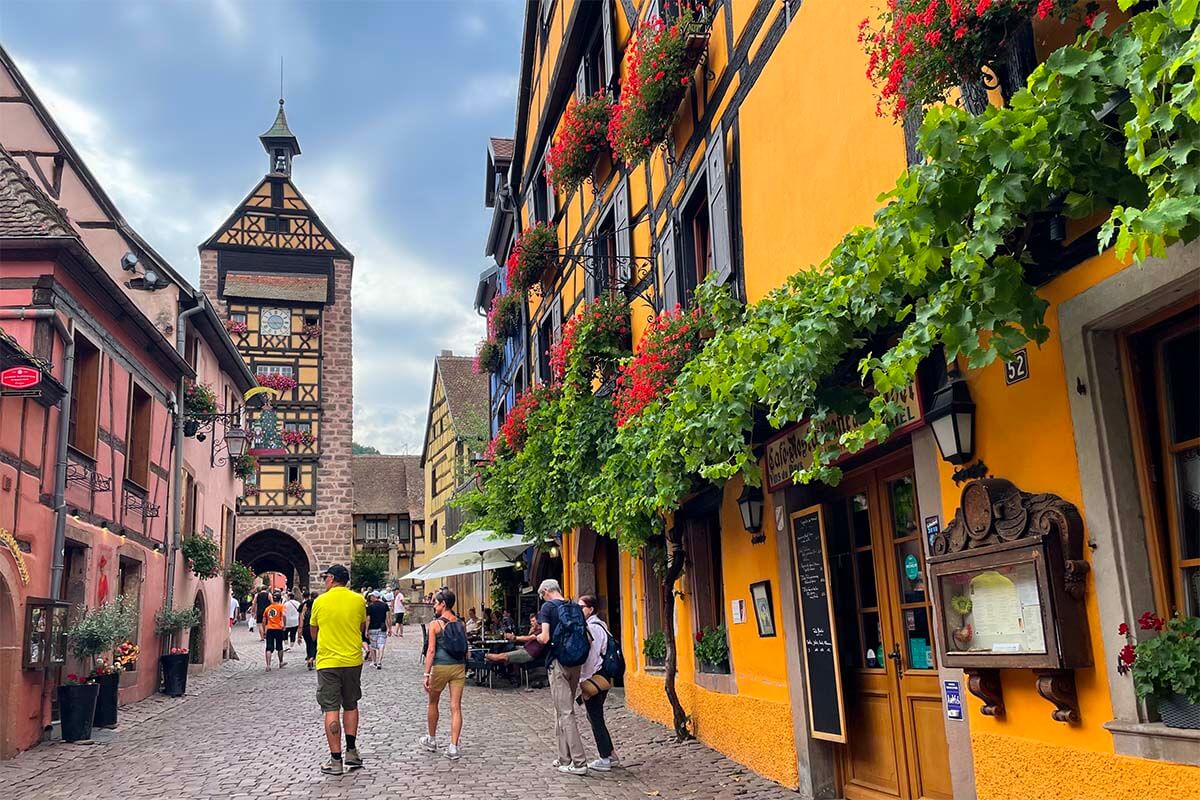
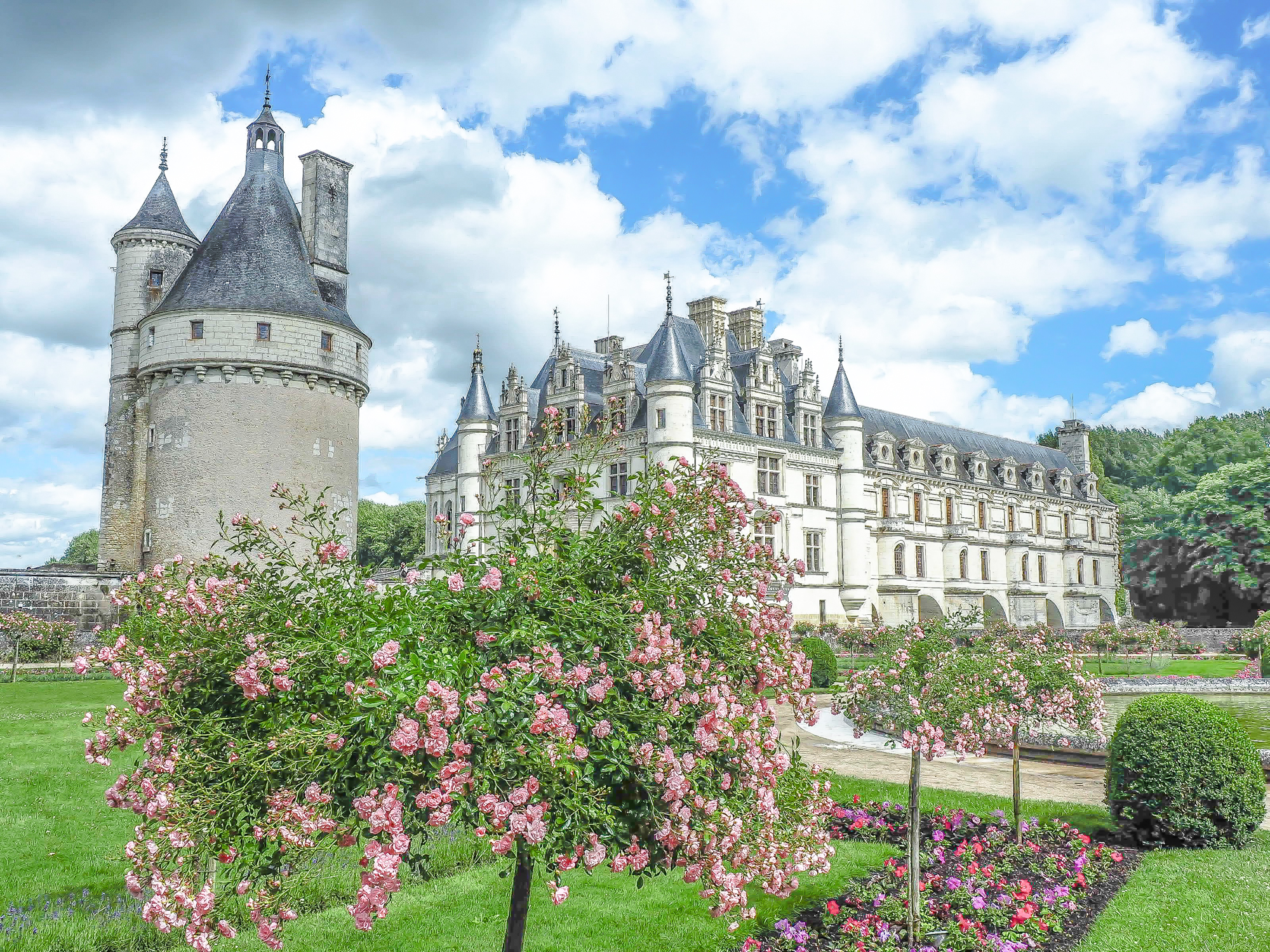
If you're after storybook villages, robust wines, and a unique Franco-Germanic culture, Alsace is your winner, typically costing €100-€180 ($110-$200) per person daily. For grand castles, royal history, and elegant wines amidst a serene river landscape, the Loire Valley beckons, usually €90-€170 ($100-$190) per day. Both offer incredible value, but for different types of adventurers.
- Choose Alsace: Choose Alsace if you're a foodie, wine lover (especially whites!), enjoy picturesque half-timbered towns, and appreciate a blend of French and German cultures. Perfect for scenic drives and charming Christmas markets.
- Choose Loire Valley: Opt for the Loire Valley if you're captivated by grand Renaissance castles, French royalty, elegant gardens, and prefer a more relaxed, gentle countryside. Ideal for cycling and history buffs.
- Choose Both: If you have at least 10-14 days and want a comprehensive taste of central and eastern France, you can combine both. Start in Paris, train to one, then train or rent a car to the other, making it a diverse trip.
Quick Comparison
| Category | Alsace | Loire Valley | Winner |
|---|---|---|---|
| Food & Wine | Hearty, comforting Franco-Germanic cuisine; world-renowned white wines (Riesling, Gewürztraminer). | Classic French cuisine; diverse wines (Sancerre, Vouvray, Chinon); goat cheese focus. | Alsace |
| Castles & History | Medieval fortresses (Haut-Kœnigsbourg), charming historic towns, Roman roots, strong Franco-Germanic legacy. | Iconic Renaissance châteaux (Chenonceau, Chambord, Villandry), royal history, Leonardo da Vinci's legacy. | Loire Valley |
| Getting Around | Car is king for the Wine Route; good regional train network connects major towns. | Car highly recommended for château hopping; limited public transport to rural sites. | Tie |
| Accommodation | Charming boutique hotels, gîtes, and traditional half-timbered guesthouses. | Elegant château hotels, gîtes, B&Bs in historic manor houses, chain hotels in cities. | Tie |
| Costs & Budget | Slightly higher costs in popular tourist towns, but good value for food/wine. | Similar to Alsace, with château entry fees adding up; good value for local produce. | Tie |
| Nature & Scenery | Vosges mountains, Rhine river, dense forests, rolling vineyards, picturesque villages. | Gentle Loire River landscape, serene forests, manicured gardens, expansive vineyards. | Alsace |
| Best Seasons | Late spring/early summer for vineyards; autumn for harvest/colors; magical Christmas markets. | Spring/early summer for gardens; autumn for fewer crowds/mild weather. | Alsace |
| Family Friendliness | Fairytale towns, animal parks, interactive museums, easy walks, safe environment. | Châteaux with activities, cycling paths, boat trips, Leonardo da Vinci's home. | Tie |
| Getting There | Fly into Strasbourg (SXB) or Basel-Mulhouse-Freiburg (BSL); direct TGV from Paris. | Fly into Paris (CDG/ORY); direct TGV from Paris to Tours or Angers. | Alsace |
| Local Vibe & Culture | Unique Franco-Germanic blend, distinct architecture, Alsatian dialect, lively markets. | Quintessential French elegance, relaxed pace, focus on history and art de vivre. | Alsace |
🍷 Food & Wine
Alsace truly shines for its distinctive culinary scene and exceptional wines. Think rich choucroute garnie, flammekueche (tarte flambée), and baeckeoffe – dishes that are both comforting and deeply flavorful, influenced by its Germanic heritage. A meal with wine at a traditional winstub in Strasbourg or Colmar can range from €25-€45 ($28-$50) per person. Their white wines, especially Riesling, Gewürztraminer, and Pinot Gris, are among the best in the world, often available for €10-€20 ($11-$22) a bottle directly from a vineyard like Domaine Zind-Humbrecht. The Loire Valley offers classic French gastronomy, from rillettes to freshwater fish, and a fantastic array of goat cheeses, particularly Crottin de Chavignol. Its wines are diverse, with crisp Sancerre and Pouilly-Fumé whites, and earthy Chinon and Bourgueil reds. While both are excellent, Alsace's unique character and concentrated wine route make it a more immediate and immersive experience for food and wine lovers. "The Christmas markets in Colmar just push Alsace over the top for me – the food stalls alone are worth the trip." is a sentiment I hear often.
Winner takeaway
- Winner: Alsace
- Why: Alsace offers a more unique and concentrated food and wine experience with its distinct Franco-Germanic flavors and world-class white wines.
- Who this matters for: Foodies, wine enthusiasts (especially white wine lovers), and those seeking a unique cultural palate.
🏰 Castles & History
When it comes to grand, majestic castles and a deep dive into French royal history, the Loire Valley is simply unparalleled. You're visiting the playgrounds of kings and queens, with masterpieces like Château de Chambord, its double-helix staircase often attributed to Leonardo da Vinci, and the elegant Château de Chenonceau, spanning the Cher River. Entry to these major châteaux typically costs €14-€18 ($15-$20) per person. You could easily spend a week just exploring a handful of the 300+ châteaux. Alsace offers a different historical flavor – more medieval and fortified, like the impressive Château du Haut-Kœnigsbourg (€12/$13 entry), which provides incredible panoramic views, or the remnants of Roman fortifications in Strasbourg. The history here is more about border disputes and the resilience of a unique culture. While Alsace's history is fascinating, it doesn't have the sheer density and grandeur of the Loire's royal residences. "Nothing beats seeing Chenonceau reflected in the water at sunset; it's pure magic and makes you feel like you've stepped into a history book." The scale and variety of the Loire châteaux are truly breathtaking.
Winner takeaway
- Winner: Loire Valley
- Why: The Loire Valley is the undisputed champion for its unparalleled collection of magnificent Renaissance châteaux and rich royal history.
- Who this matters for: History buffs, architecture enthusiasts, and those dreaming of fairytale castles.
🚗 Getting Around
Both regions benefit greatly from having a car, but they also offer viable alternatives. In Alsace, a car is ideal for exploring the picturesque villages along the Wine Route, allowing spontaneous stops at vineyards and smaller towns like Eguisheim or Riquewihr. Car rental from Strasbourg can be around €40-€70 ($44-$78) per day. However, major cities like Strasbourg, Colmar, and Mulhouse are well-connected by TER trains, making city-hopping easy (Strasbourg to Colmar is about €10-€15/$11-$17). Local buses also connect some villages. The Loire Valley is trickier without a car. While cities like Tours and Blois are accessible by train, reaching many of the most iconic châteaux (Chambord, Chenonceau) requires a car, or relying on organized bus tours, taxis, or cycling. Renting a car from Tours can also be €40-€70 ($44-$78) daily. Some travelers choose to cycle between châteaux, which is a fantastic option if you're fit. "Honestly, trying to do the Loire châteaux without a car was a nightmare. Just rent one, it’s worth it for the freedom." This sums up the general consensus. Given both lean heavily on cars for the best experience, it's a tie.
Winner takeaway
- Winner: Tie
- Why: Both regions highly recommend a car for optimal exploration, but also offer decent (though sometimes limited) public transport options for main hubs.
- Who this matters for: Travelers who prefer independent exploration and flexibility, regardless of their mode of transport.
🏨 Accommodation
Accommodation options in both Alsace and the Loire Valley offer unique charm tailored to their respective regions. In Alsace, you'll find an abundance of delightful boutique hotels and 'gîtes' (self-catering cottages) in the heart of historic villages like Colmar or Kaysersberg. Staying in a half-timbered house B&B, like those found in Eguisheim, truly enhances the fairytale experience, often costing €90-€150 ($100-$165) per night for a charming double room. Larger cities like Strasbourg offer more modern hotels and budget-friendly options. The Loire Valley, however, boasts the unique opportunity to stay in actual château hotels, like Château de Noizay near Amboise, which can range from €150-€300+ ($165-$330+) for a truly memorable experience. There are also countless lovely B&Bs in converted manor houses and gîtes nestled in vineyards. Both regions offer good value chain hotels in their larger cities (Tours, Blois, Orleans) for around €70-€120 ($78-$132). "We splurged on a night in a small château near Chinon, and it was the highlight of our trip. Waking up to that view was unreal." The choice really comes down to personal style – historic charm vs. royal grandeur. Both deliver excellent, distinctive options.
Winner takeaway
- Winner: Tie
- Why: Both regions offer unique, high-quality accommodation experiences, from charming guesthouses to luxurious château stays, catering to different preferences.
- Who this matters for: Travelers prioritizing unique lodging experiences, whether rustic charm or historic elegance.
💰 Costs & Budget
Overall, the daily travel costs for Alsace and the Loire Valley are quite comparable, making it difficult to declare a clear winner. For a mid-range traveler, expect to spend roughly €100-€180 ($110-$200) per person per day in either region, excluding flights. Accommodation in a comfortable B&B or 3-star hotel runs €90-€150 ($100-$165). Meals (lunch and dinner) can be €40-€80 ($44-$88) per day, depending on if you're eating at a casual brasserie or a nicer restaurant. Transportation (car rental + fuel or train tickets) can add another €30-€60 ($33-$66) if you're covering significant ground. In Alsace, wine tastings are often free or very low cost (€5-€10/$6-$11 per person, often refundable with purchase). In the Loire, the main difference comes from château entry fees, which can quickly add up if you visit multiple per day (€14-€18/$15-$20 per château, per person). Many suggest purchasing multi-château passes if available for a slight discount. "We found groceries and picnic supplies in the Loire to be super affordable, which helped balance the château entrance fees." This is a great tip for both regions. Both offer opportunities to save money by picnicking or utilizing local markets. Neither is a budget destination, but neither is exorbitantly expensive compared to Paris.
Winner takeaway
- Winner: Tie
- Why: Both regions present similar mid-range costs, with specific expenditures (e.g., château entries vs. wine tours) balancing out for a comparable overall budget.
- Who this matters for: Budget-conscious travelers looking to optimize their spending without sacrificing experience.
🌳 Nature & Scenery
Alsace offers a more dramatic and diverse natural landscape, making it a slight winner here. To the west, you have the rugged Vosges Mountains, perfect for hiking and offering stunning panoramic views, like those from the Grand Ballon. To the east, the Rhine River plains and, most notably, the endlessly rolling vineyards that stretch between charming villages like Kaysersberg and Riquewihr. The contrast of the mountains, forests, and meticulously maintained vineyards is incredibly picturesque, especially during autumn. The Parc Naturel Régional des Ballons des Vosges provides ample opportunities for outdoor activities. The Loire Valley, while beautiful, is generally flatter and more serene. Its beauty lies in the gentle flow of the Loire River, the tranquil forests, and the exquisite, meticulously manicured gardens of its châteaux, such as those at Villandry. It's a landscape of elegance and grace, not raw drama. "The drives through the Vosges were unexpectedly gorgeous, and then you drop into these perfect little wine villages. It's just stunning every corner." This captures the unique appeal of Alsace. While the Loire is lovely, Alsace's combination of mountains, forests, and vineyards gives it an edge.
Winner takeaway
- Winner: Alsace
- Why: Alsace presents a more varied and dramatic natural landscape, from the Vosges mountains to the rolling vineyards and the Rhine plain.
- Who this matters for: Nature lovers, hikers, scenic drivers, and photographers seeking diverse backdrops.
☀️ Best Seasons
Alsace offers a broader range of 'best seasons' depending on what you're looking for, giving it an advantage. Late spring (May-June) and early autumn (September-October) are glorious, with pleasant temperatures (€15-€25°C / 59-77°F), lush vineyards, and fewer crowds. Autumn, in particular, brings the grape harvest (vendanges) and stunning fall foliage, creating a vibrant landscape. However, Alsace truly becomes a magical wonderland during the Christmas market season (late November-December), especially in Strasbourg and Colmar, making it a unique winter destination. Prices for accommodation can spike during these periods. The Loire Valley is best visited in late spring (May-June) when the château gardens are in full bloom and the weather is mild (around €18-€25°C / 64-77°F), making it perfect for cycling and outdoor exploration. Early autumn (September) is also excellent, with comfortable temperatures and fewer tourists. Summer (July-August) can be hot and crowded, with peak prices. "You HAVE to go to Alsace for Christmas; it's like stepping into a Hallmark movie, seriously." The unique appeal of Alsace's winter season pushes it ahead, offering a distinct experience that the Loire Valley doesn't quite match.
Winner takeaway
- Winner: Alsace
- Why: Alsace boasts a wider appeal across seasons, including its globally renowned Christmas markets, offering unique experiences beyond typical spring/autumn travel.
- Who this matters for: Travelers seeking specific seasonal experiences, especially festive winter markets, or those who prefer shoulder seasons.
👨👩👧👦 Family Friendliness
Both regions are wonderfully family-friendly, offering different appeals. Alsace's charm often resonates strongly with children due to its 'gingerbread house' villages (Colmar, Eguisheim), which feel straight out of a storybook. There are attractions like the Parc des Cigognes et Loutres (stork and otter park) in Hunawihr (€10/$11 entry) and the Écomusée d'Alsace, an open-air museum where kids can experience traditional Alsatian life. The compact nature of many towns makes them easy to explore on foot, and local bakeries are always a hit. The Loire Valley, however, leverages its châteaux with activities specifically designed for younger visitors, like dress-up at Château du Clos Lucé (Leonardo da Vinci's last home, €18/$20 for adults, €12/$13 for kids 7-18) or the labyrinth at Villandry. Cycling along the Loire à Vélo route is also a fantastic family activity, with many flat, safe sections. Boat trips on the Loire are another relaxing option. "My kids absolutely loved dressing up at Clos Lucé and exploring the inventions. It really brought history to life for them." Both regions offer safe, engaging environments, whether your kids prefer storybook villages or royal adventures, making it a tie.
Winner takeaway
- Winner: Tie
- Why: Both regions offer diverse attractions and activities that cater well to families, from fairytale villages to interactive château experiences.
- Who this matters for: Families with children of all ages looking for engaging and safe travel experiences.
✈️ Getting There
Getting to Alsace is marginally easier due to its excellent high-speed train connectivity and two convenient international airports. From Paris, a TGV train to Strasbourg takes just 1 hour 45 minutes, costing around €30-€70 ($33-$78) depending on booking in advance. You can also fly directly into Strasbourg (SXB) or, more commonly, Basel-Mulhouse-Freiburg (BSL), which serves as a tri-national airport with good connections, and then take a short train or bus transfer. The proximity to Germany and Switzerland also opens up more flight options for international travelers. The Loire Valley typically requires flying into Paris (CDG or ORY) and then taking a TGV. High-speed trains connect Paris Montparnasse to Tours (specifically Tours Saint-Pierre-des-Corps, a suburb) in about 1 hour 15 minutes, with tickets ranging from €25-€60 ($28-$66). From Tours, you'd then need regional transport or a rental car. While the TGV ride is quick, the additional step of connecting from Paris airports to Montparnasse can add complexity and time, especially with luggage. "The TGV to Strasbourg is such a breeze; we were sipping Alsatian wine by lunch after landing at CDG in the morning." The directness and varied airport options give Alsace a slight edge for initial access.
Winner takeaway
- Winner: Alsace
- Why: Alsace is slightly more accessible with faster direct TGV connections from Paris and multiple nearby international airports.
- Who this matters for: Travelers prioritizing quick and convenient arrival from major international hubs like Paris or neighboring countries.
🗣️ Local Vibe & Culture
Alsace offers a truly unique cultural experience that sets it apart from other regions in France. Its history of shifting between French and German rule has forged a distinct identity reflected in its language (the Alsatian dialect, a Germanic language), architecture (half-timbered houses), and traditions. Walking through Colmar or Strasbourg, you'll hear a mix of French and German, see specific culinary traditions, and experience a warmth and friendliness that feels uniquely Alsatian. This cultural blend is both fascinating and tangible, offering a different flavor of France. The Christmas markets are a prime example of this distinct cultural expression. The Loire Valley, by contrast, embodies a more quintessential French elegance and 'art de vivre.' It's serene, refined, and steeped in the history of French royalty, but it doesn't have the same striking cultural 'difference' as Alsace. It's more about classic French charm, beautiful landscapes, and a relaxed pace. "The Alsatian villages just feel so unique, like nowhere else in France. The vibe is super welcoming and full of character." If you're looking for a profoundly different French experience, Alsace delivers in spades.
Winner takeaway
- Winner: Alsace
- Why: Alsace's unique blend of French and German cultures, reflected in its architecture, language, and traditions, offers a distinctly different and captivating local vibe.
- Who this matters for: Culture vultures, travelers seeking a truly unique regional identity, and those interested in historical cultural blends.
❓ Frequently Asked Questions
Which region is better for a solo traveler?
Both regions are safe and welcoming for solo travelers. Alsace might have a slight edge due to its excellent public transport network between major towns like Strasbourg and Colmar, making it easier to explore without a car. Its compact, walkable villages also feel very safe and charming for solo exploration. The Loire Valley's reliance on a car for château hopping can be a bit more challenging for solo travelers without a rental.
Can I visit both Alsace and Loire Valley on the same trip?
Yes, but you'll need at least 10-14 days to do both justice without feeling rushed. A common route would be to start in Paris, take a TGV to Strasbourg (Alsace), spend 4-5 days, then take a TGV (potentially with a transfer in Paris) to Tours (Loire Valley), spending another 4-5 days. A car rental for each region is highly recommended to maximize exploration.
Which region is more budget-friendly?
They are quite comparable. Daily budgets for a mid-range traveler typically fall between €100-€180 ($110-$200) per person, excluding flights. Accommodation, dining, and transportation costs are similar. The main difference lies in attractions: Alsace has many free village explorations and low-cost wine tastings, while the Loire Valley's château entry fees can add up quickly.
What's the best time to visit for wine tasting?
For both regions, the best time for wine tasting is late spring (May-June) when vineyards are lush and weather is pleasant, or early autumn (September-October) during the harvest season. Autumn offers the added bonus of beautiful fall foliage and a bustling atmosphere around the wineries.
Which region is better for hiking and outdoor activities?
Alsace is generally better for hiking and more varied outdoor activities due to its proximity to the Vosges Mountains. The Parc Naturel Régional des Ballons des Vosges offers numerous trails for all skill levels. The Loire Valley is flatter and more suited for gentle cycling along the river or exploring château gardens rather than strenuous hikes.
Are English speakers common in either region?
In major tourist centers and hotels in both regions, you'll generally find English speakers, especially among younger generations and those working in tourism. However, venturing into smaller villages, knowing some basic French phrases will be greatly appreciated and will enhance your experience. Alsace also has a higher prevalence of German speakers due to its history.
Which region has better photographic opportunities?
Both offer incredible photo opportunities, but for different aesthetics. Alsace excels with its fairytale half-timbered houses, colorful flower displays, and dramatic vineyard/mountain backdrops, especially at sunrise/sunset. The Loire Valley offers grand architectural photography of châteaux, elegant garden shots, and serene river landscapes, often with stunning reflections.
What's the main difference in cuisine between the two regions?
Alsace's cuisine is hearty and comforting, with strong Germanic influences, featuring dishes like choucroute, flammekueche, and baeckeoffe. The Loire Valley offers more classic, refined French gastronomy, with an emphasis on freshwater fish, rillettes, and a wide array of excellent goat cheeses. Both have fantastic local wines, but Alsace is known for its crisp whites, while the Loire has a wider variety of whites and some good reds.
Ready to plan your unforgettable French adventure?
Get a free custom itinerary for Alsace, Loire Valley, or both — built from real traveler insights, tailored to your preferences.
🎟️ Book Tours & Experiences
Hand-picked tours and activities for both destinations — book with free cancellation
Experiences via Viator — free cancellation on most tours