How we built this comparison
This page combines traveler discussion patterns, published price ranges, flight schedules, and seasonal data to help you decide between Amalfi Coast and French Riviera.
- Reviewed 100+ Reddit threads from r/travel, r/solotravel, r/ItalyTravel, r/France, etc.
- Verified costs and logistics against current booking platforms (Booking.com, Skyscanner, Rome2Rio) and official tourism sites.
- Cross-referenced seasonal patterns, weather data, and major event calendars to determine optimal travel times.
⚡ The TL;DR Verdict
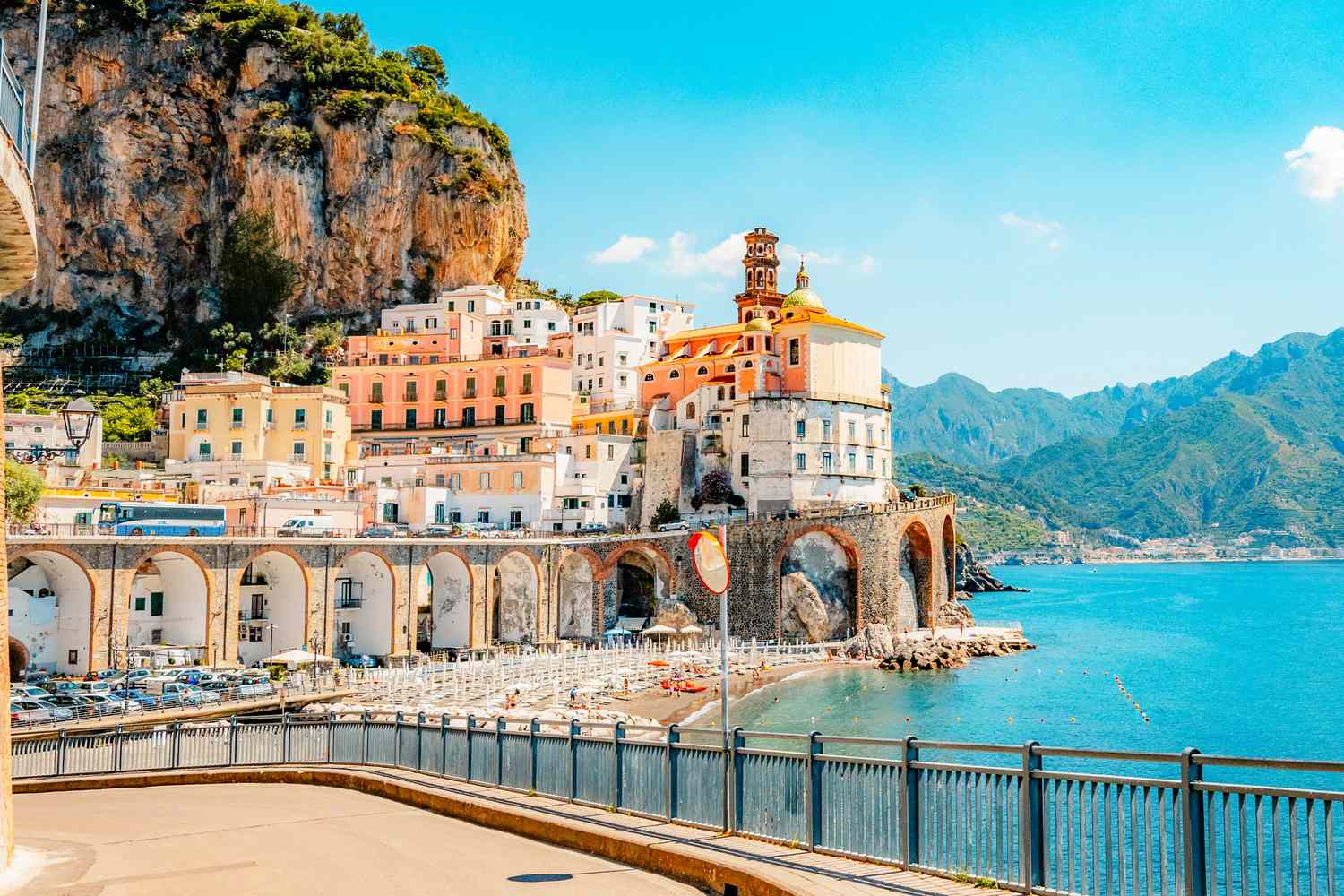
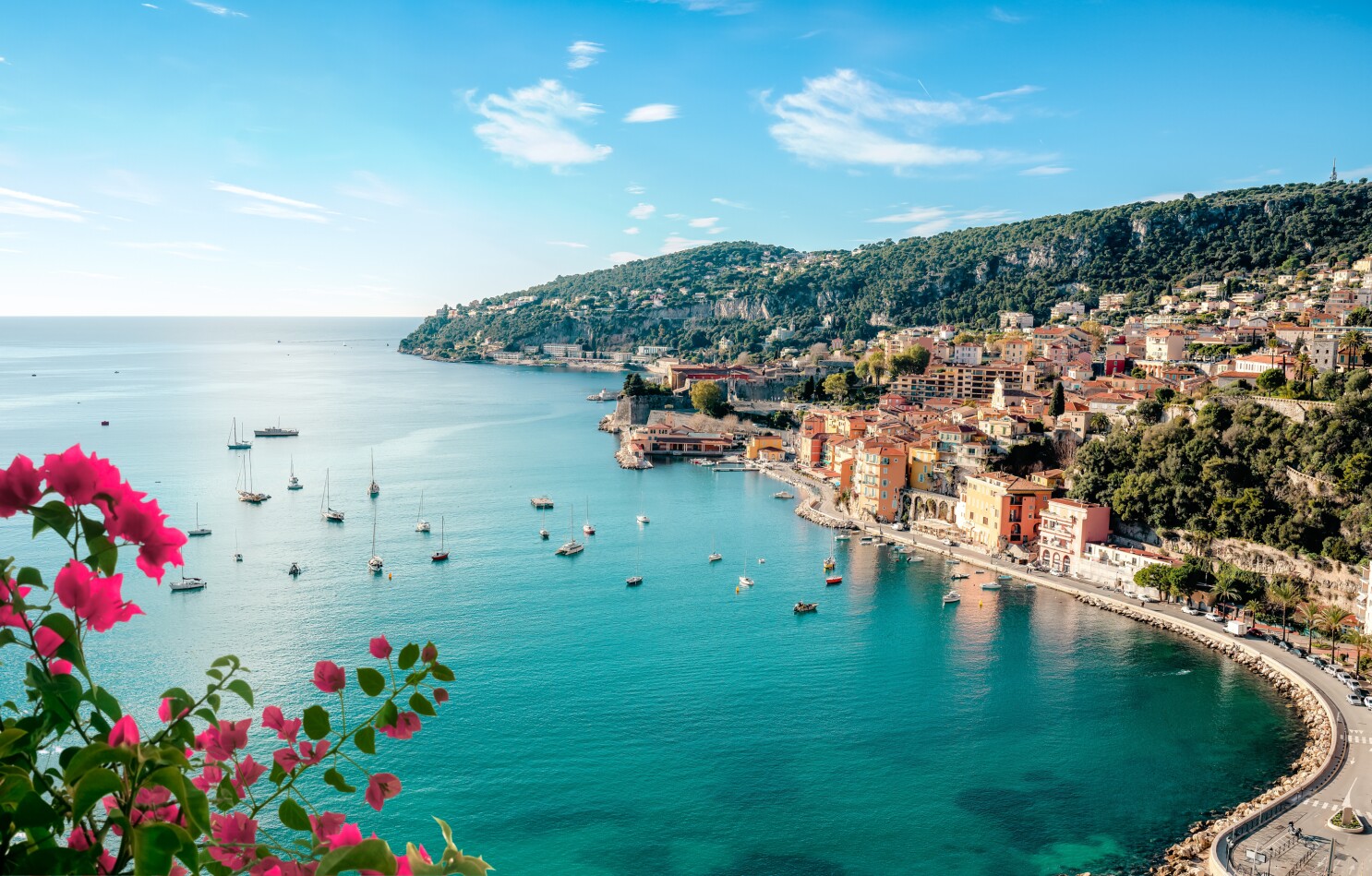
For those craving dramatic scenery, exquisite food, and a more rustic, romantic charm, the Amalfi Coast (budget €150-€400/$160-$430 per day) wins. If you prefer polished glamour, world-class infrastructure, art, and vibrant city life, the French Riviera (budget €180-€500/$190-$540 per day) is your pick. Both offer unforgettable experiences but cater to distinct travel styles.
- Choose Amalfi Coast: Choose Amalfi if you're a couple or solo traveler seeking breathtaking coastal drives, intimate dining, incredible seafood, and a bit of 'getting lost' charm. It's for those who appreciate natural beauty over nightlife and don't mind navigating winding roads or crowded ferries.
- Choose French Riviera: Pick the French Riviera for a more cosmopolitan vibe, excellent public transport, art museums, designer shopping, and a buzzing nightlife. It's ideal for groups, families, or anyone who enjoys a blend of beach relaxation and urban sophistication, with easy access to glamorous day trips like Monaco or St. Tropez.
- Choose Both: If you have 2+ weeks and want to experience both, start with the Amalfi Coast for 4-5 days, then fly from Naples to Nice (via Rome or Paris usually) and spend 5-7 days exploring the Riviera. It's a logistical challenge but offers a full spectrum of Mediterranean charm.
Quick Comparison
| Category | Amalfi Coast | French Riviera | Winner |
|---|---|---|---|
| Costs & Value | Generally expensive, especially for accommodation in Positano. Food can be reasonable if you eat like a local, but tourist traps exist. | Can range from very affordable (Nice in low season) to extremely luxurious (Monaco, St. Tropez). Good value found in local markets and brasseries. | French Riviera |
| Beaches & Swimming | Mostly small, pebbly beaches, often private clubs. Dramatic backdrops, but not for sprawling out on sand. | A mix of sandy (Cannes, St. Tropez) and pebbly (Nice) beaches. Generally larger, more accessible, and offers more public beach options. | French Riviera |
| Food & Drink | Exceptional fresh seafood, pasta, pizza, limoncello. Rustic, authentic Italian flavors. Michelin stars exist. | Provençal cuisine, fresh ingredients, Mediterranean influence, excellent rosé wine. High-end gastronomy, but also great markets. | Amalfi Coast |
| Culture & History | Ancient Roman history (Pompeii, Herculaneum), charming fishing villages, strong local traditions, stunning cathedrals. | Roman ruins, medieval villages, vibrant art scene (Matisse, Chagall museums), Belle Époque architecture, film festivals. | Amalfi Coast |
| Nightlife & Entertainment | More relaxed, focused on intimate dinners, aperitivos, and quiet drinks. Limited late-night clubs. | Vibrant and diverse, from chic beach clubs and casinos to sophisticated bars and nightclubs, especially in Nice, Cannes, and Monaco. | French Riviera |
| Getting Around | Challenging with winding roads, crowded buses, and ferries as the best option. Driving is stressful. | Excellent public transport (trains, buses) connecting major towns. Driving is manageable but parking can be an issue in cities. | French Riviera |
| Accommodation & Luxury | Boutique hotels, villas, B&Bs, often with dramatic sea views. High prices for top-tier luxury, especially in Positano. | Grand hotels, luxury resorts, charming apartments, and a wider range of price points. Iconic hotels like Hôtel du Cap-Eden-Roc. | French Riviera |
| Nature & Scenery | Dramatic, vertical landscapes; terraced lemon groves, towering cliffs, turquoise waters. Raw, breathtaking beauty. | Rolling hills, azure coastline, picturesque coves, lush gardens, the Esterel Massif's red rocks. Diverse and refined beauty. | Amalfi Coast |
| Day Trips & Excursions | Capri, Ischia, Pompeii, Herculaneum, Naples. Mix of ancient history and island glamour. | Monaco, Eze, Antibes, St. Paul de Vence, Cannes, Grasse. Glamorous cities, medieval villages, and perfume capital. | French Riviera |
| Best Time to Visit | Late spring (May-early June) or early autumn (Sept-Oct) for pleasant weather and fewer crowds. | Late spring (May-June) or early autumn (Sept) for ideal weather. July/August for peak glamour and events, but very crowded. | Tie |
💸 Costs & Value
While both destinations can be pricey, the French Riviera offers a broader spectrum of price points and better value in its mid-range options, making it the winner here. For instance, a decent hotel in Nice might run you €120-€200 ($130-$215) per night, whereas a comparable stay in Positano or Amalfi could easily start at €250-€400 ($270-$430). Food-wise, a casual lunch in Nice or Antibes can be found for €15-€25 ($16-$27), including a plat du jour and a glass of wine, while the Amalfi Coast often starts higher, around €20-€35 ($22-$38) for a similar meal, particularly in prime tourist spots. Public transport on the Riviera with the TER train is incredibly efficient and cheap (e.g., Nice to Cannes for €7-€10/$7.50-$11), far more reliable and less stressful than the often-crowded SITA buses or pricey private transfers on the Amalfi Coast. Renting a scooter on the Amalfi Coast could be €60-€80 ($65-$85) per day, while train tickets on the Riviera are a fraction of that. 'Seriously, we saved so much money just taking the train everywhere from Nice instead of paying for a taxi or dealing with parking like we had to do in Italy.'
Winner takeaway
- Winner: French Riviera
- Why: The French Riviera provides better value across various budget levels and more affordable, efficient public transport options.
- Who this matters for: Budget-conscious travelers, families, and those who prioritize ease of getting around without a car.
🏖️ Beaches & Swimming
The French Riviera takes the crown for beaches. While the Amalfi Coast offers incredibly picturesque coves like Spiaggia Grande in Positano or Marina Grande in Amalfi, they are often small, pebbly, and heavily organized with private lidos charging €20-€50 ($22-$54) for a chair and umbrella. The sheer drama of the cliffs plunging into the sea is the draw, not the sandy real estate. The French Riviera, conversely, provides a diverse range of beach experiences. You have the famous sandy stretches of Cannes (e.g., Plage de la Croisette) and St. Tropez (Pampelonne Beach), perfect for sunbathing and swimming, often with vibrant public sections alongside private clubs. Even Nice's pebbly beaches are extensive and well-maintained, with a stunning promenade. The water quality in both regions is excellent for swimming. 'If you want actual sand and space to chill, the French Riviera is way better. Amalfi's beaches are more for photos than lounging.'
Winner takeaway
- Winner: French Riviera
- Why: The French Riviera offers a wider variety of larger, more accessible beaches, including sandy options, catering to diverse preferences.
- Who this matters for: Sunbathers, families with kids, and those who prioritize spacious, comfortable beach access.
🍝 Food & Drink
This is a tough one, but the Amalfi Coast nudges ahead for its sheer soul-stirring authenticity and specific regional delights. While the French Riviera boasts incredible Provençal food, fresh seafood, and fantastic rosé, the Amalfi Coast delivers an unparalleled sensory experience with its lemons, seafood-focused pasta dishes, and legendary pizza (especially if you venture into Naples). Imagine dining at Da Adolfo in Positano (reachable by boat!), savoring fresh catch of the day, or a simple, perfect Margherita pizza from a local trattoria for €8-€12 ($8.50-$13). The limoncello is ubiquitous and delightful. Riviera's highlights include bouillabaisse, salade niçoise, and socca, and places like La Petite Maison in Nice offer exquisite dining for €50-€100+ ($54-$108+) per person. However, the consistent quality and unique regional identity of Amalfi food, even at more casual spots, just hits differently. 'Honestly, every meal in Amalfi was an event. The pasta, the seafood, the lemon everything – it’s just next level, even in the little family places.'
Winner takeaway
- Winner: Amalfi Coast
- Why: The Amalfi Coast wins for its distinctive, deeply authentic, and consistently high-quality regional Italian cuisine, especially its fresh seafood and legendary lemons.
- Who this matters for: Foodies, couples seeking romantic dining, and anyone who cherishes fresh, local, and traditional flavors.
🏛️ Culture & History
The Amalfi Coast, with its proximity to ancient wonders, barely edges out the French Riviera here. While the Riviera boasts Roman ruins in Cimiez (Nice), medieval hilltop villages like Eze, and world-class art museums (Musée Matisse, Musée Chagall in Nice, Fondation Maeght near St. Paul de Vence), the sheer impact of Pompeii and Herculaneum is unparalleled. A day trip to these preserved Roman cities from the Amalfi Coast is a journey back in time, offering an incredible glimpse into ancient life, with entrance fees around €18-€20 ($19-$22). The charming towns themselves, like Ravello with Villa Rufolo and Villa Cimbrone's gardens, or Amalfi Cathedral's Arab-Norman architecture, also offer layers of history and unique Italian culture. The Riviera offers a more diverse cultural landscape, from the glamour of Cannes Film Festival to the perfumeries of Grasse, but for profound historical immersion, the Amalfi Coast region is hard to beat. 'Nothing on the Riviera can compare to walking through Pompeii, it’s just chilling and incredible.'
Winner takeaway
- Winner: Amalfi Coast
- Why: The Amalfi Coast's proximity to Pompeii and Herculaneum provides a more profound and historically significant cultural experience.
- Who this matters for: History buffs, those interested in ancient civilizations, and travelers who appreciate traditional village life.
🥂 Nightlife & Entertainment
For those seeking vibrant nightlife and entertainment, the French Riviera is the clear winner. The Amalfi Coast tends to be more subdued, with evenings revolving around leisurely dinners, a glass of local wine at a scenic bar, or perhaps a limoncello after-dinner drink. There are very few 'clubs' in the traditional sense, and most places close by midnight or 1 AM. Prices for drinks range from €8-€15 ($8.50-$16) for a cocktail. The French Riviera, however, offers a dynamic array of options. Nice has bustling pubs and clubs along Rue Masséna, Cannes boasts glamorous casinos like Casino Barrière and chic beach clubs that transform into lively venues after dark, and Monaco is synonymous with high-stakes gambling and exclusive clubs like Jimmy'z Monte-Carlo where drinks can easily hit €20-€30 ($22-$32). Whether you're after a sophisticated cocktail bar in Antibes or dancing until dawn in St. Tropez, the Riviera delivers. 'If you're under 40 and want to actually go out, the Riviera is where it's at. Amalfi is strictly dinner and maybe one drink.'
Winner takeaway
- Winner: French Riviera
- Why: The French Riviera offers a significantly more diverse and vibrant nightlife, catering to a wider range of preferences from chic bars to bustling clubs and casinos.
- Who this matters for: Younger travelers, groups, and anyone who enjoys lively evenings and late-night entertainment.
🚗 Getting Around
The French Riviera wins hands down for ease of getting around. The TER train network along the coast is incredibly efficient, affordable (€5-€15/$5.50-$16 per journey), and offers stunning views, connecting major hubs like Nice, Cannes, Antibes, and Monaco frequently. Buses are also excellent and cheap (e.g., €1.50/$1.60 for a regional bus ticket). Driving is possible, with well-maintained roads, though traffic and parking in peak season can be challenging. On the Amalfi Coast, transportation is a major hurdle. The iconic SS163 coastal road is beautiful but notoriously narrow, winding, and often congested, especially in summer. SITA buses are cheap (€2-€5/$2.20-$5.50 for a ticket) but get incredibly crowded and delayed. Ferries are the most pleasant way to travel between towns (e.g., Positano to Amalfi for €8-€15/$8.50-$16), but they're weather-dependent and less frequent in off-season. Driving your own car is generally discouraged due to parking scarcity, ZTL zones, and the sheer difficulty of the roads. 'The trains on the Riviera are a dream. We took them everywhere. In Amalfi, we spent half our time waiting for a bus or stressing about a transfer.'
Winner takeaway
- Winner: French Riviera
- Why: The French Riviera boasts a superior, more efficient, and less stressful public transportation network, making independent exploration far easier.
- Who this matters for: Families, those with mobility concerns, budget travelers, and anyone who prefers not to drive on vacation.
🏨 Accommodation & Luxury
While both regions offer incredible luxury, the French Riviera provides a broader range of options and often a more polished, grand experience, earning it the win. On the Amalfi Coast, luxury is often found in stunning boutique hotels carved into cliffsides, like Le Sirenuse in Positano (easily €1000+/$1080+ per night) or Hotel Santa Caterina in Amalfi. These are breathtaking but can feel limited in scope. The Riviera, however, is home to legendary institutions such as the Hôtel du Cap-Eden-Roc in Antibes, the Carlton Cannes, or the Hotel de Paris Monte-Carlo, offering unparalleled service, amenities, and history. You'll find everything from grand Belle Époque hotels to modern resorts and chic apartment rentals across various towns. A mid-range hotel on the Riviera (e.g., Hotel Suisse in Nice for €180-€300/$195-$325) often provides better amenities and more space than a similarly priced option on the Amalfi Coast. 'We found it easier to get a great hotel on the Riviera without breaking the bank. Amalfi's prices for anything decent were just insane unless you booked a year out.'
Winner takeaway
- Winner: French Riviera
- Why: The French Riviera offers a wider range of luxury accommodations, including iconic grand hotels, and better value across different price points.
- Who this matters for: Luxury travelers, those seeking iconic hotel experiences, and travelers who appreciate a wider array of accommodation choices.
⛰️ Nature & Scenery
This is a close call, as both are stunning, but the Amalfi Coast's sheer dramatic intensity gives it the edge. The way the towns cling precariously to the cliffs, the terraced lemon groves, and the vibrant colors of the Mediterranean sea against the rugged mountains create an almost theatrical landscape that feels unique. Hikes like the 'Path of the Gods' (Sentiero degli Dei) offer panoramic views that are truly unforgettable and free to experience. While the French Riviera offers beautiful azure waters, the red rock formations of the Esterel Massif, and meticulously manicured gardens (like those at Villa Ephrussi de Rothschild for €15/$16.50 entrance), its beauty feels a bit more manicured and less raw. The Amalfi Coast's charm lies in its untamed, vertical grandeur that simply takes your breath away at every turn. 'Nothing beats the view from Ravello or a boat ride past Positano. It’s just so dramatic, like something out of a movie, everywhere you look.'
Winner takeaway
- Winner: Amalfi Coast
- Why: The Amalfi Coast offers a more dramatic, awe-inspiring, and uniquely vertical landscape with iconic cliffside towns and rugged natural beauty.
- Who this matters for: Photographers, hikers, couples seeking romantic vistas, and those who prioritize 'wow factor' natural landscapes.
⛵ Day Trips & Excursions
The French Riviera offers a more diverse and easily accessible array of day trips, making it the winner. From Nice, you can hop on a short train ride to the independent principality of Monaco (train ticket ~€5-€10/$5.50-$11), explore the charming medieval hilltop village of Eze, wander the ramparts of Antibes, or experience the glamour of Cannes. St. Paul de Vence offers an artistic escape, and Grasse is the world's perfume capital. Each destination is distinct and easily reachable by train or bus. The Amalfi Coast, while boasting incredible destinations like Capri (ferry ~€40-€60/$43-$65 round trip) and the ancient ruins of Pompeii (train to Pompeii Scavi then bus/walk, total ~€15-€20/$16-$22), these trips often involve more complex logistics, longer travel times, or higher costs (especially for Capri). The variety and sheer convenience of the Riviera's day trip options are hard to beat. 'We loved how easy it was to hit Monaco, Eze, and Antibes all in a few days from Nice. Amalfi's day trips felt like more of a commitment.'
Winner takeaway
- Winner: French Riviera
- Why: The French Riviera offers a greater variety of distinct and easily accessible day trip options by efficient public transport.
- Who this matters for: Explorers, those who enjoy frequent excursions, and travelers who appreciate convenience in their day trips.
☀️ Best Time to Visit
Both regions share very similar 'best times to visit,' making this a tie. For the Amalfi Coast, late spring (May-early June) or early autumn (September-October) are ideal. Temperatures range from 20-28°C (68-82°F), the sea is warm enough for swimming, and the crowds are manageable compared to the peak summer months. July and August can be intensely hot (up to 35°C/95°F) and overwhelmingly crowded, making getting around a nightmare. The French Riviera follows a similar pattern. May and June offer lovely weather (20-28°C/68-82°F), beautiful blooms, and fewer tourists than mid-summer. September is also fantastic, with warm seas and a relaxed atmosphere. July and August are the peak season for glamour, festivals (like the Jazz à Juan), and celebrity spotting, but also bring scorching heat and maximum crowds. For overall enjoyment, avoiding the absolute peak summer is recommended for both. 'Everyone says to avoid August for both, and they’re right. We went to Amalfi in May and Riviera in September, and it was perfect weather, not too crazy busy.'
Winner takeaway
- Winner: Tie
- Why: Both destinations share similar ideal travel seasons, with late spring and early autumn offering the best balance of weather and crowd levels.
- Who this matters for: All travelers, as optimal timing significantly enhances the experience in both regions.
❓ Frequently Asked Questions
Which destination is better for a honeymoon?
The Amalfi Coast often edges out the Riviera for honeymoons due to its unparalleled romantic drama, intimate dining, and breathtaking, postcard-perfect vistas. Positano and Ravello, in particular, exude a unique, passionate charm perfect for couples. However, if you prefer glamorous nightlife, Michelin-starred dining, and chic resorts, the French Riviera offers a sophisticated, equally romantic alternative.
Is it easy to travel between the Amalfi Coast and French Riviera?
Direct travel isn't straightforward. You'd typically fly from Naples (NAP) to Nice (NCE), usually with a connection in Rome (FCO) or Paris (CDG). The total travel time, including airport transfers, can easily be 5-8 hours. It's not a casual day trip; plan it as a separate leg of a longer trip.
Which has better hiking opportunities?
The Amalfi Coast, with its famous Path of the Gods (Sentiero degli Dei) and numerous cliffside trails, offers more dramatic and accessible coastal hiking experiences. The French Riviera has lovely coastal walks (like Cap d'Antibes) and more challenging hikes further inland in the Mercantour National Park, but the Amalfi Coast feels more intrinsically linked to walking for exploration and views.
Which is more family-friendly?
The French Riviera is generally more family-friendly due to its easier public transport, larger and often sandy beaches, and a wider range of activities beyond just scenic views. Nice offers parks and museums suitable for kids, and many towns are flatter and more walkable than the steep Amalfi villages. The Amalfi Coast can be challenging with strollers and small children due to steps and crowded buses.
What's the language barrier like in each region?
In both regions, English is widely spoken in tourist areas, hotels, and restaurants. However, learning a few basic phrases in Italian for the Amalfi Coast and French for the Riviera will go a long way and is always appreciated by locals. Beyond the main tourist hubs, a bit of the local language will definitely help.
Which destination is safer for solo female travelers?
Both regions are generally safe for solo female travelers, with low violent crime rates. However, typical urban precautions against pickpocketing should be taken in crowded areas (e.g., Naples, Nice train stations). The French Riviera, with its better public transport and more accessible city layouts, might feel slightly more comfortable for navigating alone at night than the more isolated villages and winding roads of the Amalfi Coast.
Are there good options for vegetarian/vegan travelers?
Both regions offer good options. Italian cuisine on the Amalfi Coast is rich in fresh vegetables, pasta, and pizza, making vegetarianism relatively easy, though dedicated vegan spots are fewer. The French Riviera also boasts excellent fresh produce, often with 'plat du jour' options featuring vegetables. Larger cities like Nice have more dedicated vegan restaurants than the smaller towns of the Amalfi Coast.
What are the key airport hubs for each?
For the Amalfi Coast, the main international airport is Naples International Airport (NAP). From there, you'll need to arrange onward transport via train, bus, or private transfer. For the French Riviera, the primary hub is Nice Côte d'Azur Airport (NCE), which is very well-connected to major European cities and has excellent public transport links directly into Nice and along the coast.
Ready to plan your Mediterranean escape?
Get a free custom itinerary for Amalfi Coast, French Riviera, or both — built from real traveler insights.
🎟️ Book Tours & Experiences
Hand-picked tours and activities for both destinations — book with free cancellation
Experiences via Viator — free cancellation on most tours