How we built this comparison
This page combines traveler discussion patterns, published price ranges, flight schedules, and seasonal data to help you decide between Amazon and Borneo.
- Reviewed 50+ Reddit threads from r/travel, r/solotravel, r/SouthAmerica, r/borneo, r/Brazil, r/Peru, r/Malaysia and related subreddits.
- Verified costs and logistics against current booking platforms (e.g., Booking.com, Skyscanner, local tour operators).
- Cross-referenced seasonal patterns and weather data from meteorological sources.
- Consulted official tourism board websites and reputable travel blogs for local insights and safety information.
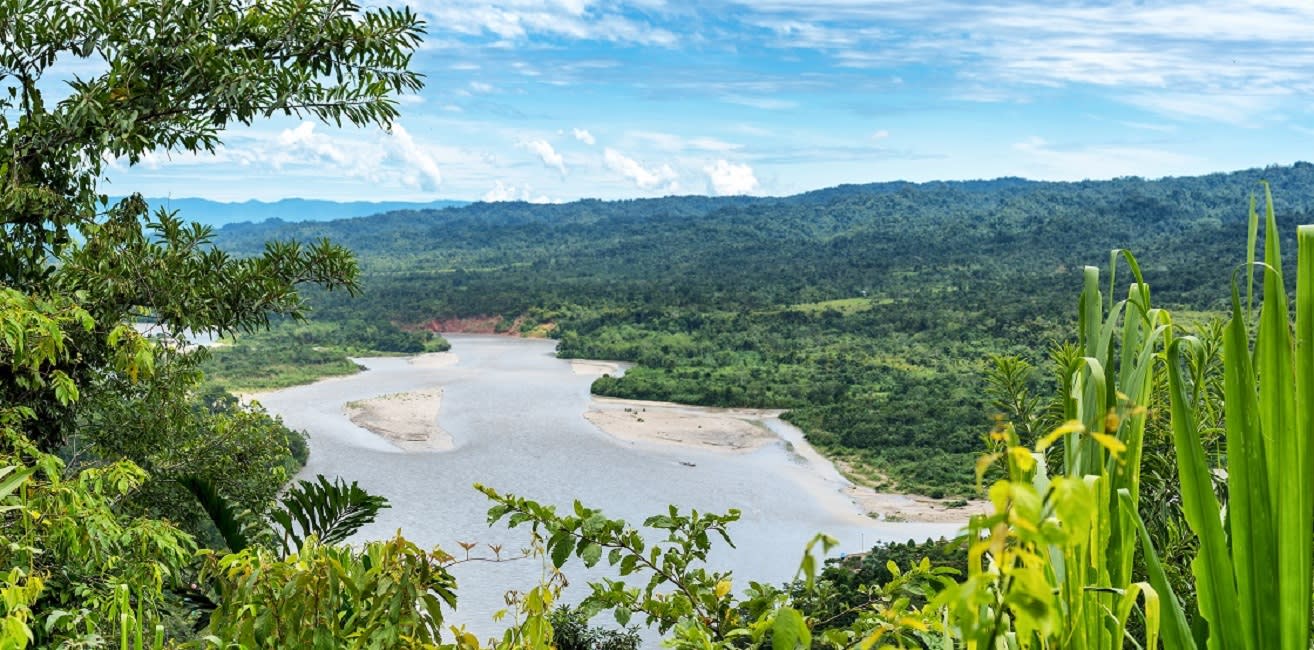
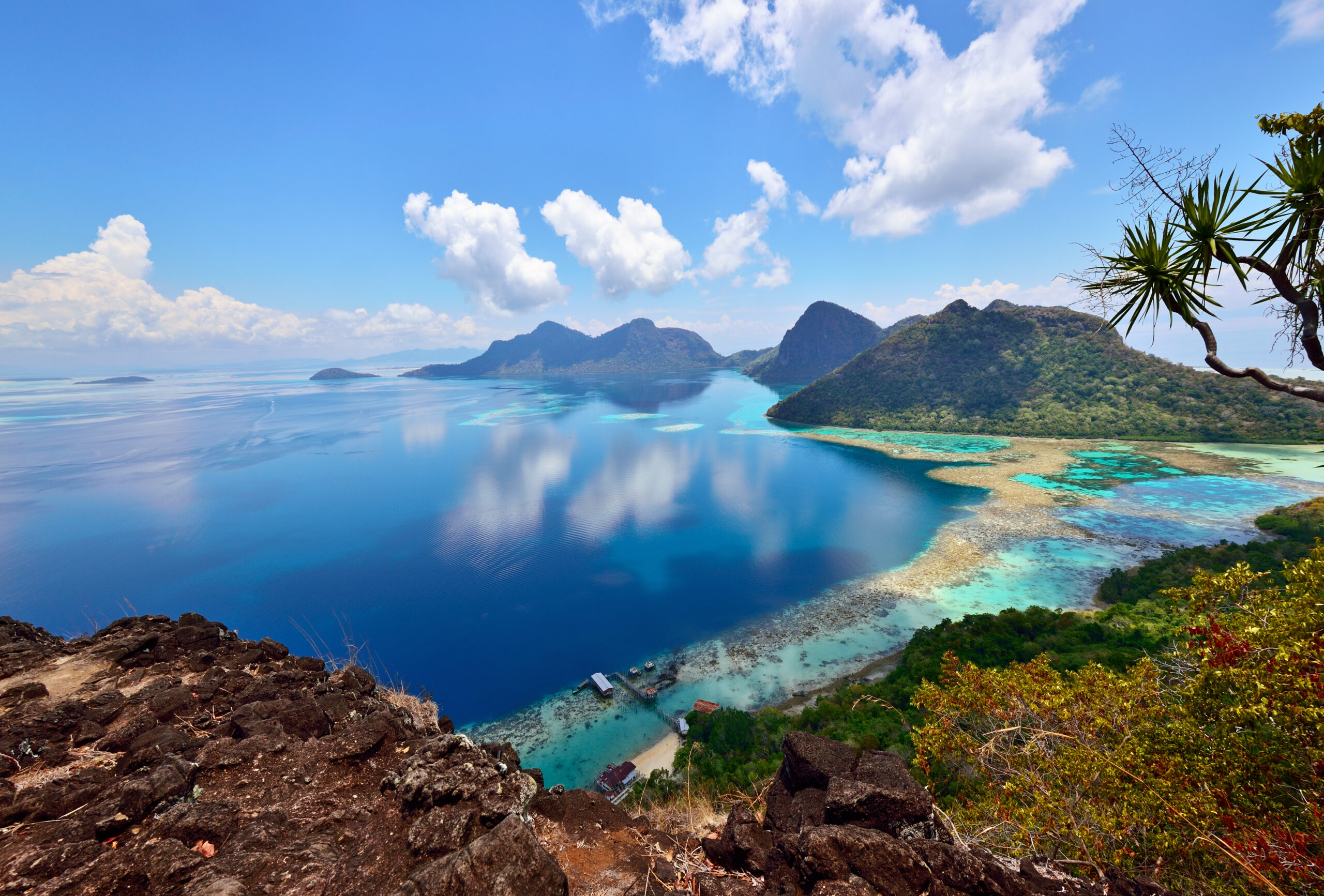
⚡ The TL;DR Verdict
For those seeking raw, challenging jungle immersion and unique riverine wildlife encounters, the Amazon is your pick with a budget of $150-300 USD/day. If diverse wildlife (especially orangutans), stunning beaches, mountain adventures, and a more developed tourist infrastructure at $80-180 USD/day appeal, Borneo is the clear winner.
- Choose Amazon: Choose the Amazon for unparalleled biodiversity, a truly wild frontier experience, and iconic river animals like pink dolphins and caiman. Best for seasoned adventurers comfortable with rustic conditions.
- Choose Borneo: Choose Borneo for its iconic orangutans, accessible rainforests, incredible diving/beaches, diverse cultural experiences, and a generally easier, more comfortable travel experience. Great for families and those seeking varied adventures.
- Choose Both: If you have 4-6 weeks and a robust budget, experiencing both offers the ultimate rainforest comparison. Start with Borneo for ease, then tackle the Amazon for a deeper challenge.
Quick Comparison
| Category | Amazon | Borneo | Winner |
|---|---|---|---|
| Nature & Wildlife | Unrivaled biodiversity, river-focused wildlife, iconic Amazonian species like jaguars (rarely seen), anacondas, pink river dolphins, macaws, and caiman. Primary focus is on the vast, dense jungle and its waterways. | Home to iconic orangutans, proboscis monkeys, pygmy elephants, and hornbills. Offers a mix of accessible rainforests, diverse ecosystems from mountains (Mt. Kinabalu) to coral reefs (Sipadan). | Borneo |
| Costs & Budget | Generally more expensive due to specialized tour packages, remote lodge access, and often higher international flight costs to South American hubs. Daily budget: $150-300+ USD. | Overall more budget-friendly. Accommodation, food, and internal flights are cheaper. Tours are well-priced and competitive. Daily budget: $80-180 USD. | Borneo |
| Getting There & Around | Logistically more challenging. Requires long international flights to gateway cities (e.g., Manaus, Iquitos, Quito), often followed by smaller planes or multi-day boat journeys. Internal travel is primarily by river. | Easier to access with good international connections (via Kuala Lumpur) to major cities like Kota Kinabalu and Kuching. Efficient, affordable internal flights and decent road infrastructure make getting around straightforward. | Borneo |
| Accommodation | Predominantly rustic eco-lodges or basic guesthouses. Options can be limited and often part of all-inclusive tour packages. Luxury is rare and expensive. | Wide range from budget hostels, homestays, and mid-range hotels to luxurious resorts (e.g., Shangri-La Rasa Ria) and comfortable eco-lodges. More variety and better value. | Borneo |
| Culture & Local Experience | Focuses on indigenous riverine cultures, traditional practices, and a deep connection to the forest. Opportunities to visit local communities, but cultural experiences might feel more raw and less curated. | Rich tapestry of indigenous Dayak, Kadazan-Dusun, Malay, Chinese, and colonial influences. Accessible cultural villages, vibrant markets, and historical sites. Offers a broader, more integrated cultural immersion. | Borneo |
| Food & Drink | Simple, rustic cuisine often centered around river fish (pirarucu), exotic fruits, and cassava. Limited variety outside of main gateway cities. Meals are typically provided as part of tour packages. | A gastronomic paradise! Influenced by Malay, Chinese, Indian, and indigenous cuisines. Famous for fresh seafood, Laksa, Nasi Lemak, Satay, and vibrant hawker centers offering incredible value and variety. | Borneo |
| Beaches & Water Activities | No traditional ocean beaches. Water activities are entirely river-based: piranha fishing, river cruises, swimming in safe areas. Seasonal river beaches appear during low water. | World-class diving and snorkeling (Sipadan, Mabul, Kapalai), beautiful islands (Gaya, Sapi, Manukan) easily accessible from Kota Kinabalu, stunning coastal scenery. Truly a dual-destination for jungle and sea. | Borneo |
| Adventure & Activities | Deep jungle treks, canopy walks, night safaris, piranha fishing, river boating, birdwatching. Focus on raw, immersive nature exploration. | Offers a vast array: Mount Kinabalu climb, extensive cave systems (Mulu National Park), white water rafting, jungle trekking (Bako National Park, Danum Valley), river safaris, diving, and cultural village visits. | Borneo |
| Safety & Health | Malaria, yellow fever, and dengue are prevalent. Remote locations mean slower access to medical care. Some petty crime in gateway cities. Requires higher vigilance and preparation. | Generally safer with lower crime rates in tourist areas. Malaria risk exists but is generally lower. Good medical facilities in major cities. Requires standard tropical travel precautions. | Borneo |
| Best Time to Visit / Weather | Hot and humid year-round. Two main seasons: high water (Jan-Jun, easier river travel, more mosquitoes) and low water (Jul-Dec, better hiking, more concentrated wildlife, seasonal river beaches). | Equatorial climate, hot and humid year-round with frequent rainfall. Generally drier period from May to September, which is popular for climbing Mt. Kinabalu and enjoying beaches. Can rain any time. | Tie |
🐒 Nature & Wildlife
Both destinations boast incredible biodiversity, but Borneo nudges ahead for its 'marquee' wildlife – the orangutans. While the Amazon's species count is higher, seeing the iconic orangutan at rehabilitation centers like Sepilok in Sabah, Malaysia, or Tanjung Puting National Park in Kalimantan, Indonesia, is a more guaranteed and impactful experience for many travelers. For example, a 3-day Kinabatangan River cruise in Malaysian Borneo, costing around MYR 600-900 (USD 130-200), almost guarantees sightings of proboscis monkeys, orangutans, and pygmy elephants. In contrast, Amazonian wildlife, though abundant, is often more elusive, requiring longer, deeper excursions into the jungle from hubs like Iquitos (Peru) or Manaus (Brazil) where a 4-day lodge package might run USD 600-1500. While jaguars exist in the Amazon, sightings are incredibly rare. 'Honestly, I saw so much more varied wildlife on a 3-day Kinabatangan trip than I did in a week near Iquitos. Orangutans just hit different,' remarked one Redditor.
Winner takeaway
- Winner: Borneo
- Why: Borneo offers more accessible and iconic wildlife encounters, particularly with orangutans, making it a more rewarding experience for many.
- Who this matters for: This matters most for travelers prioritizing guaranteed sightings of specific, iconic animals and diverse ecosystems.
💰 Costs & Budget
Borneo generally offers better value for money, especially when factoring in the quality of experience. A comfortable mid-range guesthouse in Kota Kinabalu might cost MYR 100-200 (USD 22-45) per night, with delicious hawker food for MYR 10-20 (USD 2-4) per meal. Internal flights via AirAsia are incredibly cheap, e.g., Kota Kinabalu to Kuching for as little as MYR 60 (USD 13). In the Amazon, a reputable multi-day lodge tour is often the primary cost, ranging from USD 150-350 per person per day (e.g., a 3-day stay at Ceiba Tops in Iquitos can be USD 800+). Flights into Manaus or Iquitos from major international hubs can also be pricier than flights into Southeast Asia. 'My 5-day Amazon trip near Iquitos cost more than my entire 10 days in Sabah, including the Sepilok and Kinabatangan tours,' a traveler shared, highlighting the cost discrepancy.
Winner takeaway
- Winner: Borneo
- Why: Borneo provides a more affordable travel experience across accommodation, food, and tours, offering excellent value.
- Who this matters for: This is crucial for budget-conscious travelers and those looking to maximize their experience per dollar spent.
✈️ Getting There & Around
Borneo's travel logistics are significantly smoother. International travelers typically fly into Kuala Lumpur (KUL) or Singapore (SIN), then take a direct, affordable flight (e.g., AirAsia, Malaysia Airlines) to Kota Kinabalu (BKI) or Kuching (KCH) in Malaysian Borneo. These flights are often 2-3 hours and cost around MYR 100-300 (USD 22-65). Once there, internal flights between cities like Sandakan and Miri are frequent and cheap, and major tourist areas are accessible by road or short boat transfers. The Amazon, by contrast, demands more effort. Flying to Manaus (Brazil) or Iquitos (Peru) often involves multiple long-haul flights. From these hubs, reaching remote lodges necessitates organized boat transfers, which can be long and sometimes uncomfortable. 'Getting to my Amazon lodge felt like an expedition in itself, whereas in Borneo, I was sipping a beer on the Kinabatangan River a few hours after landing in Sandakan,' a Reddit user recounted.
Winner takeaway
- Winner: Borneo
- Why: Borneo offers far more accessible and less logistically complex travel, from international arrivals to internal movement.
- Who this matters for: This matters greatly for travelers seeking a smoother, less stressful journey, especially those with limited time or less experience with remote travel.
🏨 Accommodation
Borneo boasts a far more diverse and generally higher-quality range of accommodation options. In cities like Kota Kinabalu or Kuching, you can find excellent hostels for MYR 40-70 (USD 9-15) per night, comfortable 3-star hotels for MYR 150-300 (USD 33-65), and luxury resorts like the Shangri-La Rasa Ria for MYR 700+ (USD 150+). Even eco-lodges in places like the Kinabatangan River offer varying levels of comfort, from basic chalets to air-conditioned rooms with private bathrooms. The Amazon largely offers rustic, often open-air, jungle lodges which, while authentic, might lack modern comforts. While there are some high-end luxury lodges (e.g., Inkaterra Reserva Amazónica in Peru, USD 500+ per night), they come with a hefty price tag. 'Finding a decent, clean private room in the Amazon outside a tour package was tough, but in Borneo, I had my pick of great places for cheap,' noted one traveler.
Winner takeaway
- Winner: Borneo
- Why: Borneo provides significantly more variety, comfort, and value in accommodation across all budget ranges.
- Who this matters for: This is important for travelers who value comfort, choice, and a good night's sleep after a day of adventuring.
🎭 Culture & Local Experience
Borneo offers a much more diverse and accessible cultural landscape. Cities like Kuching are rich with colonial architecture, bustling markets like the Main Bazaar, and cultural experiences at the Sarawak Cultural Village (entry MYR 95 / USD 20) where you can learn about the different ethnic groups like the Iban and Bidayuh. You can also visit longhouses and experience traditional Dayak life firsthand. The Amazon's cultural encounters are often with smaller, more isolated indigenous communities, which can be profound but also more challenging to access and sometimes feel voyeuristic if not handled sensitively by your tour operator. While authentic, the Amazon's cultural offerings are less varied than Borneo's vibrant multi-ethnic society. 'Borneo's cultural melting pot really surprised me. From the markets in KK to a longhouse visit in Sarawak, there was so much to absorb beyond just the wildlife,' commented a Redditor.
Winner takeaway
- Winner: Borneo
- Why: Borneo provides a richer, more diverse, and readily accessible array of cultural experiences from various ethnic groups.
- Who this matters for: This appeals to travelers who seek to understand local traditions, history, and interact with diverse communities beyond just nature.
🍜 Food & Drink
Borneo's food scene is a highlight in itself, easily surpassing the Amazon's more basic fare. Cities like Kota Kinabalu and Kuching are renowned for their hawker centers where you can feast on delicious and incredibly cheap meals. Try Sarawak Laksa for MYR 8-15 (USD 1.70-3.30), fresh grilled seafood at the Waterfront in KK for MYR 30-80 (USD 6.50-17.50), or diverse Chinese and Malay dishes. The variety is immense, and hygiene is generally good. In the Amazon, food is typically basic lodge fare – often rice, beans, chicken, and local river fish like pirarucu. While fresh and often tasty, the culinary experience is not a draw in itself. 'I went to Borneo for the orangutans but stayed for the food! Kuching Laksa changed my life, and the night markets were insane value,' said one Reddit user.
Winner takeaway
- Winner: Borneo
- Why: Borneo offers a vastly superior and more diverse culinary experience with world-class street food and fresh ingredients.
- Who this matters for: This is essential for foodies and travelers who consider local cuisine a vital part of their travel experience.
🏖️ Beaches & Water Activities
When it comes to beaches and water activities, Borneo is in an entirely different league. It seamlessly combines rainforest adventures with pristine tropical coastlines and some of the best dive sites globally. The Tunku Abdul Rahman Marine Park, just a 15-minute boat ride from Kota Kinabalu, offers multiple islands with white sand beaches, snorkeling, and diving opportunities (island hopping tours start from MYR 80 / USD 17). Further afield, the dive sites around Semporna, including the legendary Sipadan Island, attract divers from all over the world. A permit to dive Sipadan is highly coveted and can cost MYR 1000+ (USD 220+) for a day trip. The Amazon, while centered on its massive rivers, does not offer 'beaches' in the conventional sense, nor marine activities. 'After hiking through the jungle, being able to jump into crystal-clear turquoise water on an island near KK was just perfect. The Amazon can't touch that combo,' a traveler shared.
Winner takeaway
- Winner: Borneo
- Why: Borneo offers stunning tropical beaches and world-class diving, providing a diverse 'jungle-to-beach' experience the Amazon cannot match.
- Who this matters for: This is crucial for travelers who want to combine rainforest exploration with beach relaxation and marine adventures.
⛰️ Adventure & Activities
Borneo offers a much broader spectrum of adventure activities. While the Amazon excels at deep jungle immersion, Borneo presents a 'choose your own adventure' playground. You can summit Southeast Asia's highest peak, Mount Kinabalu (a 2-day climb with permits and guide costing around MYR 1000-1500 / USD 220-330), explore the colossal caves of Mulu National Park (entry MYR 30 / USD 6.50, cave tours MYR 30-60), go white water rafting on the Kiulu River (MYR 200-300 / USD 45-65), or trek through pristine rainforests in Danum Valley (multi-day packages can be expensive, MYR 2000+ / USD 440+). The Amazon's adventures are more confined to the river and its immediate jungle. 'Borneo had everything: climbing a mountain, caving, snorkeling, and then jungle trekking for orangutans. The Amazon felt more one-note, albeit an amazing note,' observed a traveler.
Winner takeaway
- Winner: Borneo
- Why: Borneo provides a significantly wider range of diverse adventure activities, combining mountains, caves, rivers, and marine environments.
- Who this matters for: This is ideal for active travelers and adrenaline junkies who want a variety of challenges and experiences.
🩹 Safety & Health
Borneo generally presents a lower overall risk profile for travelers compared to the Amazon. Major cities like Kota Kinabalu and Kuching have modern hospitals and clinics. While mosquito-borne diseases like dengue are present, malaria risk is often lower in popular tourist areas than in deep Amazonian regions, though prophylaxis is still recommended. Petty crime is less prevalent than in major South American cities. In the Amazon, the very remoteness that makes it appealing also makes medical emergencies more serious. Yellow fever vaccination is mandatory for many Amazonian countries, and malaria prophylaxis is strongly advised. Gateway cities like Manaus or Iquitos have higher rates of petty theft and street crime. 'I felt much safer walking around Kuching at night than I ever did in Manaus. And knowing there was a decent hospital in KK was comforting,' a Redditor shared.
Winner takeaway
- Winner: Borneo
- Why: Borneo is generally perceived as safer, both in terms of crime and access to better medical facilities.
- Who this matters for: This is a key consideration for solo travelers, families, and those with health concerns who prioritize peace of mind.
☀️ Best Time to Visit / Weather
Both destinations are equatorial, meaning hot, humid, and prone to rain year-round, making a 'perfect' time subjective. The Amazon's high water season (January-June) allows deeper river penetration and easier wildlife spotting from boats, but comes with more mosquitoes and limited hiking. The low water season (July-December) enables more jungle trekking and concentrates wildlife near shrinking water sources, but can limit river access in some areas. Borneo's 'drier' season (May-September) aligns well with northern hemisphere summer holidays, making it popular for beach activities and Mount Kinabalu climbs, though rain is still common, often in short, heavy bursts. The monsoon season (November-February) brings more consistent heavy rain, but the rainforest is lush and waterfalls are spectacular. 'Honestly, you're going to get wet in either place, no matter when you go. Just embrace the humidity and pack quick-dry clothes!' advises a seasoned traveler.
Winner takeaway
- Winner: Tie
- Why: Both regions have distinct wet and dry seasons, each offering unique advantages and disadvantages, making neither a clear 'winner' year-round.
- Who this matters for: This matters for travelers whose primary activities are highly weather-dependent (e.g., trekking vs. river cruising) or who have specific holiday timing constraints.
❓ Frequently Asked Questions
Which destination is better for solo female travelers?
Borneo is generally considered safer and more straightforward for solo female travelers. Its developed infrastructure, efficient public transport, and lower crime rates provide more peace of mind. The Amazon, while generally safe with organized tours, requires more planning and can feel more isolated, especially in remote areas.
What vaccinations do I need for the Amazon vs. Borneo?
For the Amazon, Yellow Fever vaccination is often mandatory and highly recommended, along with Hepatitis A/B, Typhoid, and Tetanus. Malaria prophylaxis is strongly advised. For Borneo, Hepatitis A/B, Typhoid, and Tetanus are recommended. Malaria risk exists but is generally lower in main tourist areas; consult your doctor for prophylaxis advice based on your itinerary. Dengue fever is a risk in both, so mosquito protection is crucial.
How long should I spend in each destination to get a good experience?
For the Amazon, plan a minimum of 4-7 days for a meaningful lodge or boat tour, plus travel time to and from gateway cities. For Borneo, a minimum of 7-10 days is recommended to experience a mix of wildlife (orangutans), culture, and perhaps some coastal or mountain activities. Two weeks would allow for a more comprehensive exploration of different states like Sabah and Sarawak.
Can I do a luxury trip in the Amazon or Borneo?
Yes, luxury options exist in both! In the Amazon, high-end eco-lodges like Inkaterra Reserva Amazónica (Peru) or Cristalino Lodge (Brazil) offer refined experiences. Borneo has luxury resorts, especially in coastal areas like Kota Kinabalu (e.g., Shangri-La Rasa Ria), and some exclusive eco-lodges in places like Danum Valley. Borneo generally offers more widespread luxury at better value.
What's the internet and phone connectivity like?
In Borneo, major cities (Kota Kinabalu, Kuching) have excellent 4G/5G coverage and Wi-Fi is common in hotels/cafes. Even many remote lodges offer basic Wi-Fi. In the Amazon, connectivity is much more limited. Expect little to no phone signal or Wi-Fi outside of major gateway cities. Many jungle lodges offer only satellite internet for emergencies, if at all, which can be a welcome digital detox.
Which is better for families with young children?
Borneo is generally more family-friendly. It offers a wider range of activities suitable for various ages, more comfortable accommodations, better healthcare access, and less strenuous travel logistics. The Amazon's remote nature and health risks might be more challenging for very young children, though older, adventurous kids could love it.
Are language barriers an issue?
In Borneo (Malaysian side), Bahasa Malaysia is the official language, but English is widely spoken, especially in tourist areas and major cities, due to its colonial history and diverse population. In the Amazon, Spanish (Peru, Ecuador, Colombia) or Portuguese (Brazil) are the main languages. English proficiency is lower outside of major tourist hubs and high-end lodges, so a basic grasp of Spanish/Portuguese is very helpful.
Which destination has a higher chance of seeing specific iconic animals?
Borneo offers a higher chance of seeing its iconic animals like orangutans (especially at rehabilitation centers like Sepilok), proboscis monkeys, and pygmy elephants, particularly on river cruises in areas like the Kinabatangan. The Amazon's incredible biodiversity means a higher *variety* of animals, but sightings of specific large mammals like jaguars are exceptionally rare and require significant luck and specialized, often longer, tours.
Ready to plan your rainforest adventure?
Get a free custom itinerary for Amazon, Borneo, or both — built from real traveler insights.
🎟️ Book Tours & Experiences
Hand-picked tours and activities for both destinations — book with free cancellation
Experiences via Viator — free cancellation on most tours