How we built this comparison
This page combines traveler discussion patterns, published price ranges, flight schedules, and seasonal data to help you decide between Amazon and Congo.
- Reviewed 50+ Reddit threads from r/travel, r/solotravel, r/SouthAmerica, r/Africa, r/Peru, r/Brazil, r/DRC, r/Ecuador for firsthand accounts and current advice.
- Verified costs and logistics against current booking platforms for flights, permits, and tour operators (e.g., Skyscanner, Virunga National Park official site, major eco-lodge websites).
- Cross-referenced seasonal patterns and weather data with local expert recommendations and traveler blogs.
- Consulted official government travel advisories for safety and health information for both regions.
⚡ The TL;DR Verdict
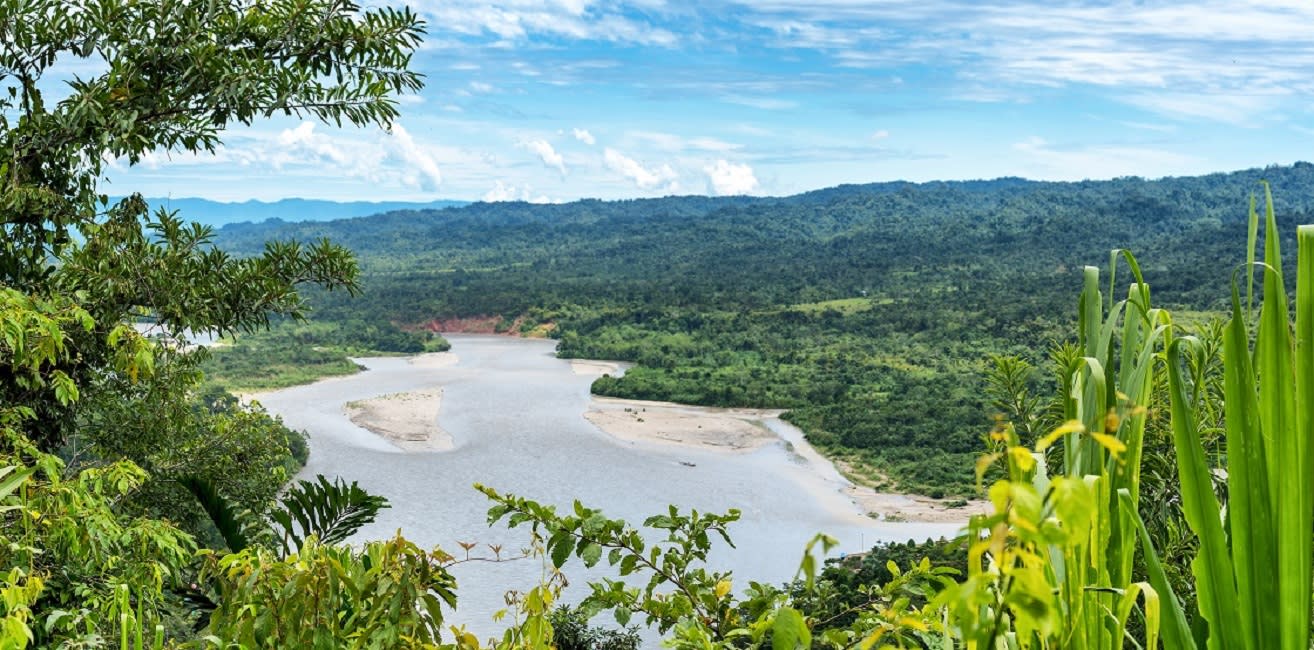
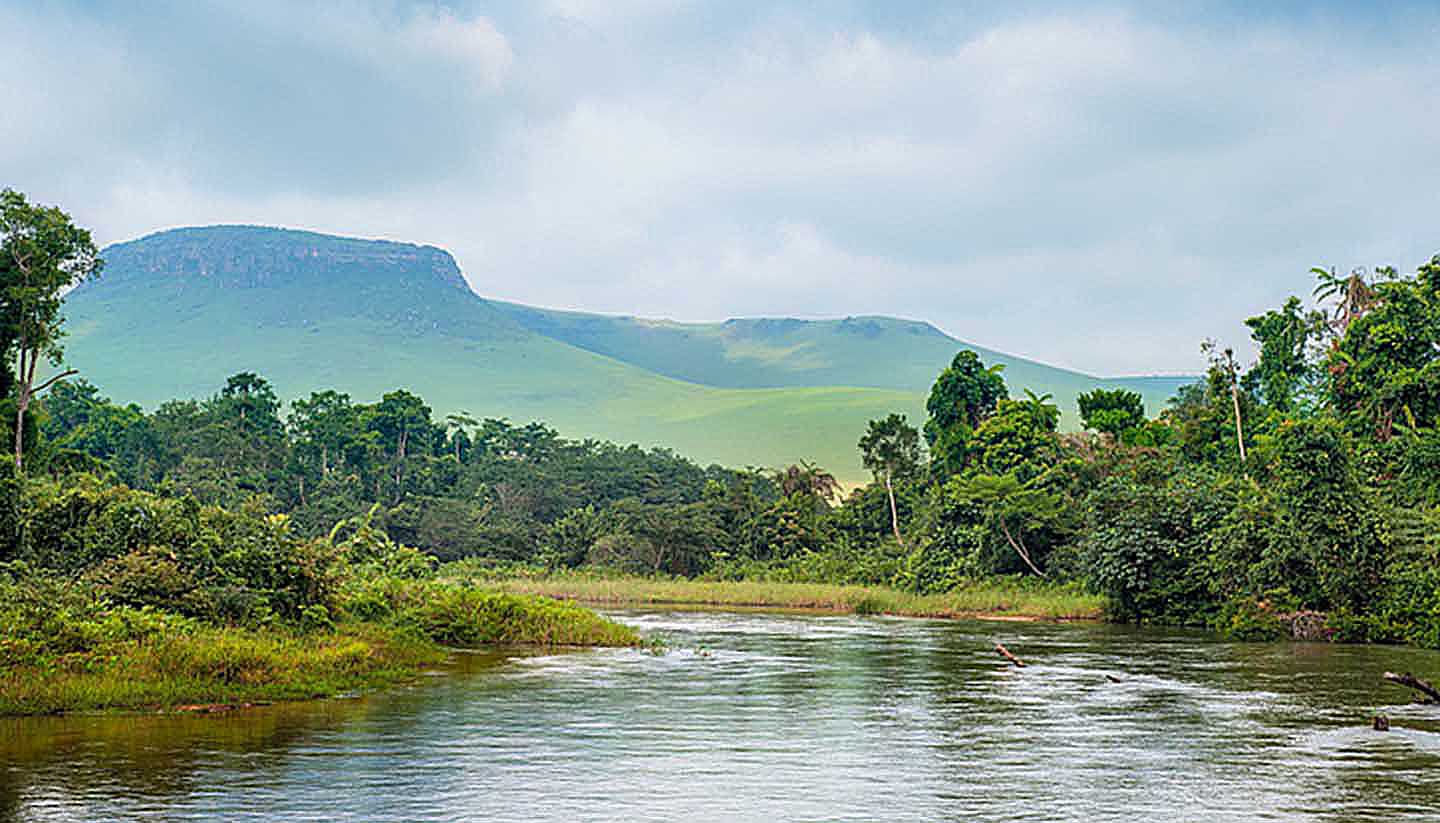
For adventurers seeking an accessible, diverse eco-tourism experience with a range of budgets, the Amazon is your undisputed champion. If you're an ultra-niche, high-budget traveler whose sole mission is a life-changing encounter with mountain or lowland gorillas in truly rugged terrain, then the Congo Basin beckons.
- Choose Amazon: Opt for the Amazon if you crave rich biodiversity, riverine adventures, and the chance to explore vast jungles with relatively established tourist infrastructure. It's more forgiving on the wallet and offers a broader range of activities beyond just wildlife spotting, suitable for families, solo travelers, and couples alike.
- Choose Congo: Choose the Congo if you're an experienced, resilient traveler with a substantial budget, specifically drawn by the unparalleled opportunity to trek to mountain gorillas (Virunga, DRC) or lowland gorillas (Odzala-Kokoua, Republic of Congo). This is for the ultimate off-the-beaten-path explorer, prioritizing truly unique wildlife encounters over comfort or ease of travel.
- Choose Both: Doing both is an epic, once-in-a-lifetime endeavor for those with significant time (6+ weeks) and a very large budget ($15,000+ per person). It's a true 'bucket list' combination for the ultimate wilderness enthusiast, best undertaken as two separate, distinct trips rather than trying to link them logistically.
Quick Comparison
| Category | Amazon | Congo | Winner |
|---|---|---|---|
| Nature & Wildlife | Unmatched biodiversity, iconic river, diverse primates, birds, piranhas, jaguars (rarely seen). | Home to gorillas (mountain & lowland), chimpanzees, forest elephants, okapi, unique forest species. | Tie |
| Costs | Ranges from budget-friendly hostels and basic tours (~$50/day) to luxury eco-lodges (~$500+/day). | Extremely high, driven by permits (gorillas $400-$1500 USD), limited infrastructure, and safety costs. Budget travel is almost non-existent. | Amazon |
| Getting There & Around | Multiple international airports (Manaus, Iquitos, Coca) and robust river transport network. | Limited international access (Kinshasa, Brazzaville, Goma), very challenging internal travel, poor roads, expensive flights. | Amazon |
| Safety & Health | General precautions against petty crime in cities, malaria risk, dengue, yellow fever vaccination required. | High political instability, armed conflict zones (DRC), high crime rates, severe health risks (malaria, Ebola, yellow fever, poor medical facilities). | Amazon |
| Accommodation | Wide range from rustic jungle camps and budget hostels to comfortable eco-lodges and luxury river cruises. | Extremely limited, typically basic guesthouses in cities or high-end, specialized lodges/camps in national parks. Few options, high cost. | Amazon |
| Culture & Local Life | Indigenous communities, riverine cultures, rubber boom history, vibrant local markets in gateway cities. | Diverse tribal cultures, unique traditions, vibrant but often chaotic urban life, strong resilience. | Amazon |
| Adventure & Activities | River cruises, jungle treks, canopy walks, piranha fishing, nocturnal wildlife spotting, kayaking, birdwatching. | Gorilla trekking (mountain & lowland), Nyiragongo volcano hike (DRC), forest walks, limited river safaris. | Amazon |
| Food & Drink | Fresh river fish (pirarucu, tambaqui), exotic fruits (cupuaçu, açaí), unique local dishes, cachaça/aguardiente. | Basic staples (fufu, chikwangue, pondu), limited variety, challenging for vegetarians, local beer. | Amazon |
| Weather & Seasons | Tropical climate, hot and humid year-round, distinct wet (high water) and dry (low water) seasons. | Equatorial climate, hot and humid year-round with varying rainy seasons, can impact travel significantly. | Tie |
| Digital Nomad & Remote Work | Limited but improving internet in gateway cities, very sparse in jungle lodges, not ideal for consistent work. | Extremely poor internet, unreliable electricity, high cost of mobile data, absolutely not suitable for remote work. | Amazon |
🐒 Nature & Wildlife
Both destinations are global titans of biodiversity, yet offer distinctly different wildlife experiences. The Amazon (e.g., Peruvian Amazon near Iquitos, Brazilian Amazon near Manaus) overwhelms with sheer volume: countless bird species, vibrant insects, diverse monkeys (spider, howler, capuchin), sloths, caimans, and river dolphins. Your daily river excursions or jungle treks will almost guarantee multiple sightings. Seeing a jaguar is rare, but the jungle's symphony is constant. Guides at lodges like Refugio Amazonas (Peru) or Juma Amazon Lodge (Brazil) are experts at spotting the hidden. Congo, primarily focusing on Virunga National Park in DRC or Odzala-Kokoua in Republic of Congo, is all about the primates, particularly the gorillas. The experience of silently observing a mountain gorilla family in Virunga is profoundly intimate and unrivaled. While other forest species like forest elephants and chimps exist, they are harder to track. "I've seen so much wildlife in the Amazon, but nothing prepared me for the gorillas in Virunga. It's truly a spiritual experience, worth every penny and every bumpy road." The Amazon is quantity and variety; the Congo is quality and iconic encounter.
Winner takeaway
- Winner: Tie
- Why: Both offer unparalleled, distinct wildlife experiences that cater to different preferences, making a direct 'winner' impossible.
- Who this matters for: Anyone whose primary motivation for travel is wildlife observation and immersion in nature.
💸 Costs
When it comes to your wallet, the Amazon is far more forgiving and offers a broader spectrum of choices. A decent 3-day/2-night Amazon tour from Iquitos or Manaus can run anywhere from $300-$800 USD per person, including transport, accommodation, food, and guides, depending on the lodge's comfort level. Basic hostels in gateway cities might cost $15-30 USD/night. Even mid-range eco-lodges like Sacha Lodge in Ecuador or Cristalino Jungle Lodge in Brazil offer excellent value at $300-500 USD per night. Conversely, the Congo Basin is prohibitively expensive for most travelers. A single mountain gorilla trekking permit in Virunga, DRC, costs $400 USD (low season) to $750 USD (high season), while lowland gorilla permits in Odzala-Kokoua, Republic of Congo, can be $1000-$1500 USD. Beyond permits, accommodation is scarce and pricey, and transport often requires expensive chartered flights or armed escort. A typical 3-day Virunga trip can easily exceed $2,500-$4,000 USD per person, not including international flights. "Congo made my bank account cry, but seeing those gorillas... man, worth it. Just don't expect any cheap eats or hostels." For general jungle exploration, the Amazon is unequivocally more accessible.
Winner takeaway
- Winner: Amazon
- Why: The Amazon provides a vastly wider range of budget options and is significantly more affordable for most travelers.
- Who this matters for: Budget-conscious travelers, backpackers, and anyone seeking value for money.
✈️ Getting There & Around
Reaching and navigating the Amazon is comparatively straightforward. Major gateways include Manaus (Brazil), Iquitos (Peru), and Coca (Ecuador), all accessible via domestic flights from their respective capital cities. For example, a flight from Miami (MIA) to Manaus (MAO) takes about 6-7 hours, costing $500-800 USD return. From these cities, travel into the jungle is primarily by riverboat or smaller planes to remote airstrips. Public transport on passenger boats is common and cheap (e.g., Manaus to Leticia for ~$100 USD over several days). Lodges arrange transfers seamlessly. The Congo is a different beast entirely. International flights typically land in Kinshasa (DRC) or Brazzaville (Republic of Congo). From Europe, flights might take 8-10 hours, costing $800-1500 USD return. Getting to Virunga National Park (DRC) involves flying into Goma via Kigali, Rwanda, or a domestic flight from Kinshasa which can be unreliable. Internal roads are often unpaved, prone to washouts, and require robust 4x4 vehicles, often with security. "Getting to Virunga felt like an expedition before the actual trek! The internal flight from Kinshasa was an adventure in itself." Public transport is almost non-existent for tourists in critical areas. Movement is slow, expensive, and requires meticulous planning, often with specialist tour operators.
Winner takeaway
- Winner: Amazon
- Why: The Amazon offers significantly easier, more reliable, and more affordable transportation both to and within the region.
- Who this matters for: All travelers, especially those who value logistical ease and efficient travel.
🩹 Safety & Health
Safety is a critical differentiator. The Amazon, while requiring standard travel precautions (e.g., petty crime in Manaus or Iquitos), is generally safe for tourists within established eco-tourism zones. Reputable lodges and tour operators prioritize traveler safety. Health-wise, yellow fever vaccination is often mandatory, and malaria prophylaxis is highly recommended. Dengue fever is also a risk. Hydration and insect repellent are key. The Congo, particularly the Democratic Republic of Congo, presents significantly higher risks. Decades of political instability, armed conflict (especially in the east near Virunga), and high crime rates in major cities like Kinshasa are major concerns. While Virunga National Park has made strides in visitor safety, it remains an area with sporadic unrest, and armed escorts are often mandatory. Health risks are also severe: high malaria risk (often chloroquine-resistant), yellow fever is endemic, and access to quality medical care is extremely limited outside of major cities. "My travel insurance barely covered DRC, and the pre-trip health warnings were intense. You need to be prepared for anything." Ebola outbreaks have occurred. This is not a destination for the faint of heart or those unwilling to accept significant inherent risks.
Winner takeaway
- Winner: Amazon
- Why: The Amazon offers a much safer and less health-risk-laden environment for travelers.
- Who this matters for: All travelers, especially families, solo travelers, and those concerned about personal security and health infrastructure.
🏡 Accommodation
Accommodation in the Amazon is diverse and well-developed for tourism. You can find basic, rustic jungle camps for under $50 USD/night, offering hammocks or simple beds and an authentic (buggy!) experience. Mid-range eco-lodges, like La Selva Jungle Lodge in Ecuador or Ariau Amazon Towers (though currently closed, others like Juma exist) in Brazil, provide comfortable bungalows, guided tours, and excellent food for $150-300 USD/night. For luxury, there are opulent river cruises on the Aria Amazon or Delfin II in Peru, costing $1,000+ USD per night for all-inclusive experiences. Options cater to every budget and comfort level. Congo's accommodation landscape is starkly different and incredibly limited. In cities like Kinshasa or Brazzaville, you'll find a few international-brand hotels (e.g., Pullman, Kempinski) at premium prices ($200-400 USD/night), but most other options are basic guesthouses. Within national parks, especially Virunga, options are specific and often tied to permits, such as Mikeno Lodge (high-end) or the Tented Camps. "Outside of Mikeno Lodge, accommodation in Virunga was pretty spartan. You're paying for the experience, not the thread count." These few options are expensive, with limited availability, and often booked far in advance through tour operators.
Winner takeaway
- Winner: Amazon
- Why: The Amazon provides a much greater variety of accommodation types and price points, catering to diverse traveler needs.
- Who this matters for: Travelers seeking choice, comfort, and value in their lodging.
🤝 Culture & Local Life
While both regions boast rich indigenous and local cultures, the Amazon offers more accessible and developed opportunities for respectful cultural exchange. Visits to indigenous communities (e.g., Bora or Yagua tribes near Iquitos, Peru) are often part of tour packages, providing insights into traditional practices, crafts, and riverine life. Gateway cities like Manaus and Iquitos buzz with unique Amazonian vibes, from the Mercado Adolpho Lisboa (Manaus) to the floating Belén Market (Iquitos), showcasing a distinct blend of history and daily life. The legacy of the rubber boom is also evident in architecture. "Visiting the local community felt genuine, not just a show. They shared their life, their struggles, their knowledge." In the Congo, cultural experiences are more challenging to access and less formalized for tourism. While the region is home to hundreds of ethnic groups (e.g., Pygmy communities, Luba, Kongo), interactions are typically facilitated through specialist guides or aid organizations, rather than standard tourist itineraries. Urban centers like Kinshasa offer a raw, vibrant, and often overwhelming street culture, famous for its music (rumba, soukous) and 'Sapeurs' (stylish dandies), but direct cultural immersion can be difficult and requires heightened safety awareness.
Winner takeaway
- Winner: Amazon
- Why: The Amazon provides more accessible, integrated, and safer opportunities for cultural interaction and understanding for the average tourist.
- Who this matters for: Travelers interested in indigenous cultures, local traditions, and historical context.
🛶 Adventure & Activities
The Amazon offers a broader and more diverse array of adventure activities for the general tourist. Beyond core jungle treks and wildlife spotting, you can enjoy exhilarating canopy walks (like the one near Reserva Cuyabeno, Ecuador), thrilling piranha fishing, peaceful kayaking or paddleboarding along tributaries, nocturnal animal spotting walks, and multi-day riverboat journeys. The emphasis is on immersive exploration of the ecosystem. Many lodges offer tailored itineraries, from birdwatching specific tours to survival skills workshops. "My Amazon trip felt like a new adventure every hour, from catching piranhas to spotting sloths right outside our cabin." In the Congo, the adventure is primarily centered around specific, high-stakes wildlife encounters. Mountain gorilla trekking in Virunga National Park (DRC) is the pinnacle, an arduous but profoundly rewarding hike. Another iconic experience in Virunga is the two-day trek to the summit of Nyiragongo volcano to witness its active lava lake, a truly unique and strenuous endeavor. Lowland gorilla trekking in Odzala-Kokoua (Republic of Congo) offers a different type of forest immersion. While incredible, the range of available activities is narrower and more physically demanding, catering to a very specific type of adventurer.
Winner takeaway
- Winner: Amazon
- Why: The Amazon offers a significantly wider variety of adventure activities suitable for a broader range of interests and fitness levels.
- Who this matters for: Travelers seeking diverse outdoor activities and immersive jungle experiences beyond a single iconic encounter.
🍽️ Food & Drink
The Amazon, particularly the Brazilian and Peruvian sections, offers a surprisingly delightful and distinct culinary experience. Freshly caught river fish like pirarucu, tambaqui, and surubim are staples, often grilled or stewed with local herbs. Exotic fruits such as cupuaçu, açaí, and bacuri are abundant and feature in juices, desserts, and breakfasts. Local specialties like 'Tacacho con Cecina' (fried plantains with smoked pork) in Peru, or 'Pato no Tucupi' (duck in tucupi sauce) in Brazil, provide unique flavors. In major cities, you can find a good range of restaurants, from simple eateries to more upscale options. "I wasn't expecting the food in Iquitos to be so good, especially the fresh fish and those crazy fruits. Everything was so flavorful!" In contrast, dining in the Congo is much more basic and functional. The diet revolves around staple starches like 'fufu' or 'chikwangue' (cassava bread), often served with 'pondu' (cassava leaf stew) or 'moambe' (palm nut stew) with chicken or fish. Vegetarian options can be extremely limited outside of urban centers, and food variety is generally low for tourists. While local beers like Primus or Skol are popular, the overall gastronomic experience is not a highlight. Hygiene standards can also be a concern, making it advisable to stick to reputable establishments or lodge-provided meals.
Winner takeaway
- Winner: Amazon
- Why: The Amazon offers a more diverse, flavorful, and accessible culinary experience with a wider range of fresh ingredients.
- Who this matters for: Foodies, travelers who enjoy exploring local cuisines, and those with dietary restrictions.
☀️ Weather & Seasons
Both regions are equatorial and experience hot, humid weather year-round, with distinct wet and dry seasons that influence travel. In the Amazon, the 'dry' season (roughly June to November) means lower water levels, making land treks easier and concentrating wildlife near shrinking water sources. The 'wet' season (December to May) brings higher water, allowing for deeper exploration by canoe into flooded forests and easier access to some areas, though land treks are muddier. Temperatures consistently hover around 25-35°C (77-95°F) with high humidity. "Visiting in the wet season meant more boat trips, which was awesome for getting deep into the flooded forest and seeing sloths up close." The Congo Basin also has a hot, humid, equatorial climate. The 'dry' seasons (June-August and December-February) are generally preferred for gorilla trekking in Virunga (DRC) as trails are less muddy and photography is easier. However, rainfall can occur at any time, and the humidity is relentless. Temperatures are similar to the Amazon. The wet seasons (March-May and September-November) make roads and trekking trails extremely challenging, often impacting travel logistics and increasing travel times significantly. While both have rain, the impact on accessibility in Congo can be more severe due to poorer infrastructure.
Winner takeaway
- Winner: Tie
- Why: Both regions present similar challenges and advantages depending on the season, with neither offering a definitively 'better' weather experience.
- Who this matters for: Travelers who are flexible with their travel dates and understand the implications of tropical climates.
💻 Digital Nomad & Remote Work
For digital nomads, neither destination is ideal for sustained remote work, but the Amazon offers a sliver more practicality. In gateway cities like Manaus, Iquitos, or Coca, you'll find adequate Wi-Fi in some hotels and cafes, allowing for basic work tasks. Mobile data (4G) is usually available. However, once you venture into the jungle lodges, internet access becomes extremely limited, slow, or non-existent, often relying on expensive satellite connections. It's an environment designed for disconnection. "I managed to get some emails out in Manaus, but once we hit the lodge, my laptop was just for movies. Embrace the digital detox!" The Congo, on the other hand, is a complete no-go for remote work. Internet infrastructure is notoriously poor and unreliable across the region. Even in Kinshasa or Brazzaville, Wi-Fi can be patchy and expensive. Outside major urban centers, forget about it. Electricity supply is often erratic, and mobile data, while available in some areas, is costly and slow. The focus here is entirely on the immersive travel experience, making it impossible to maintain a consistent work schedule. This is a destination where you completely disconnect.
Winner takeaway
- Winner: Amazon
- Why: The Amazon provides slightly better, albeit still limited, infrastructure for basic connectivity in gateway cities, making occasional remote work feasible.
- Who this matters for: Digital nomads, remote workers, or anyone needing to stay connected during their travels.
❓ Frequently Asked Questions
What's the best time to visit the Amazon vs. Congo?
For the Amazon, both wet (Dec-May) and dry (Jun-Nov) seasons offer unique experiences; dry is generally preferred for hiking, wet for deeper canoe exploration. For the Congo, the dry seasons (Jun-Aug and Dec-Feb) are best for gorilla trekking to avoid overly muddy trails, but be prepared for rain anytime.
Are these destinations safe for solo female travelers?
The Amazon (Peru, Ecuador, Brazil) can be traveled solo by females with standard precautions, especially with reputable tour operators. The Congo (DRC) is strongly advised against for solo female travelers due to high safety risks, political instability, and cultural complexities; a guided group tour is essential for all travelers.
What visa and vaccination requirements should I be aware of?
Both regions require a yellow fever vaccination certificate upon entry. Visas are mandatory for most nationalities for both. Amazon countries (Brazil, Peru, Ecuador) generally have more straightforward online or embassy processes. DRC and Republic of Congo visas are notoriously complex, expensive, and require significant lead time and often invitation letters from tour operators.
What's the main difference in the wildlife viewing experience?
The Amazon offers incredible biodiversity with abundant sightings of diverse monkeys, birds, sloths, and river creatures, primarily viewed by boat or light jungle treks. The Congo's wildlife viewing is highly specialized, focused on the profound experience of trekking to observe mountain or lowland gorillas in their natural habitat, a truly intimate and rare encounter.
Can I combine a visit to the Amazon or Congo with other countries?
Yes, easily for the Amazon, as it's often combined with trips to Machu Picchu (Peru), the Galapagos (Ecuador), or Rio de Janeiro (Brazil). Combining with other South American countries is common. The Congo is typically a standalone trip or combined only with very nearby, logistically similar countries like Rwanda or Uganda for extended gorilla trekking, due to its complex logistics and safety concerns.
Is it possible to visit either on a strict budget?
Yes, the Amazon offers budget-friendly options, from basic hostels in gateway cities to rustic jungle camps for around $50-100 USD/day (excluding international flights). The Congo, however, is not a budget destination. Gorilla permits alone are hundreds of dollars, and the lack of infrastructure means high costs for transport, accommodation, and security, making budget travel virtually impossible.
What is the typical length of a trip to each destination?
A typical Amazon trip focuses on 3-5 days in the jungle itself, often as part of a longer 1-2 week trip to the country. For the Congo, a dedicated gorilla trekking trip to Virunga might be 3-5 days, but often requires 7-10 days factoring in complex travel to and from the region.
What should I pack differently for the Amazon versus Congo?
Both require light, breathable clothing, good walking shoes/boots, insect repellent, and rain gear. For Congo, especially gorilla trekking, pack sturdy, waterproof hiking boots, gaiters, thick gloves (to protect from stinging nettles), and layers for varying altitudes. For the Amazon, focus more on light, quick-drying clothes and good sun protection, as trekking is generally less intense.
Ready to plan your next wilderness adventure?
Get a free custom itinerary for Amazon, Congo, or both — built from real traveler insights.
🎟️ Book Tours & Experiences
Hand-picked tours and activities for both destinations — book with free cancellation
Experiences via Viator — free cancellation on most tours