How we built this comparison
This page combines traveler discussion patterns, published price ranges, flight schedules, and seasonal data to help you decide between Amazon and Mekong.
- Reviewed 50+ Reddit threads from r/travel, r/solotravel, r/SouthAmerica, r/SoutheastAsia, and specific country subreddits.
- Verified costs and logistics against current booking platforms like Booking.com, Skyscanner, and local tour operator websites.
- Cross-referenced seasonal patterns and weather data with travel advisories and reputable climate sources.
⚡ The TL;DR Verdict
For those craving unparalleled biodiversity, raw adventure, and a truly remote escape, the Amazon is your call, budget around $150-250 USD daily. If ancient cultures, world-class cuisine, bustling markets, and a more budget-friendly, social vibe are what you seek, the Mekong region, at $40-100 USD daily, is your ideal journey.
- Choose Amazon: Choose the Amazon for an immersive, once-in-a-lifetime wildlife experience, profound natural beauty, and a chance to disconnect. Ideal for adventurous solo travelers, couples, or small groups seeking eco-tourism and unique biological encounters.
- Choose Mekong: Opt for the Mekong for rich historical sites, incredible food, diverse cultural interactions, and a well-established travel infrastructure. Perfect for backpackers, culture enthusiasts, foodies, and those looking for a lively, social, and affordable journey.
- Choose Both: Consider doing both if you have 4-6 weeks and a larger budget, craving a comprehensive blend of natural wonder and cultural immersion. Start with the Mekong for its ease of travel and cultural acclimatization, then transition to the Amazon for a rugged adventure. Fly from Southeast Asia to a major South American hub like Lima (LIM) or São Paulo (GRU) to connect to Amazon gateway cities.
Quick Comparison
| Category | Amazon | Mekong | Winner |
|---|---|---|---|
| Nature & Wildlife | Unparalleled biodiversity; jaguars, anacondas, pink river dolphins, macaws. Truly wild and remote. | River life, mangroves, rice paddies, some unique birds/fish. More human-altered landscapes. | Amazon |
| Culture & History | Indigenous communities, shamanic traditions, rubber boom history in gateway cities. | Ancient empires (Angkor Wat), colonial history, vibrant floating markets, war memorials. | Mekong |
| Costs | Higher costs due to remote access, specialized tours, and eco-lodges. | Very budget-friendly, especially for food, accommodation, and local transport. | Mekong |
| Getting There & Around | Remote, requires domestic flights to gateway cities, then boat travel. Less interconnected. | Well-connected international airports, extensive and affordable bus/train/boat networks. | Mekong |
| Food & Drink | Simpler, fish-based diet, jungle fruits, often part of lodge packages. | World-renowned cuisine; Pho, Banh Mi, curries, street food, diverse flavors. | Mekong |
| Accommodation | Primarily jungle lodges (eco-luxury to rustic) in remote areas, basic hotels in gateway towns. | Wide range from budget hostels to luxury resorts, boutique hotels, homestays. | Mekong |
| Safety | Wildlife encounters, remote travel risks, reputational guide crucial. Limited medical access. | Petty crime in cities, traffic hazards, political stability generally good. | Tie |
| Activities & Adventure | Jungle treks, piranha fishing, caiman spotting, canopy walks, shamanic encounters. | Temple hopping, floating market tours, cycling, river cruises, cooking classes, city exploration. | Amazon |
| Weather & Seasons | Hot and humid year-round, distinct wet (high water) and dry (low water) seasons, each with pros. | Tropical climate with distinct dry (cooler, popular) and wet (hotter, lush, less crowded) seasons. | Tie |
| Solo Travel & Community | More challenging for solo travelers due to tour reliance and remote locations; less spontaneous social interaction. | Extremely popular backpacker trail, easy to meet people in hostels, tours, and shared transport. | Mekong |
🌿 Nature & Wildlife
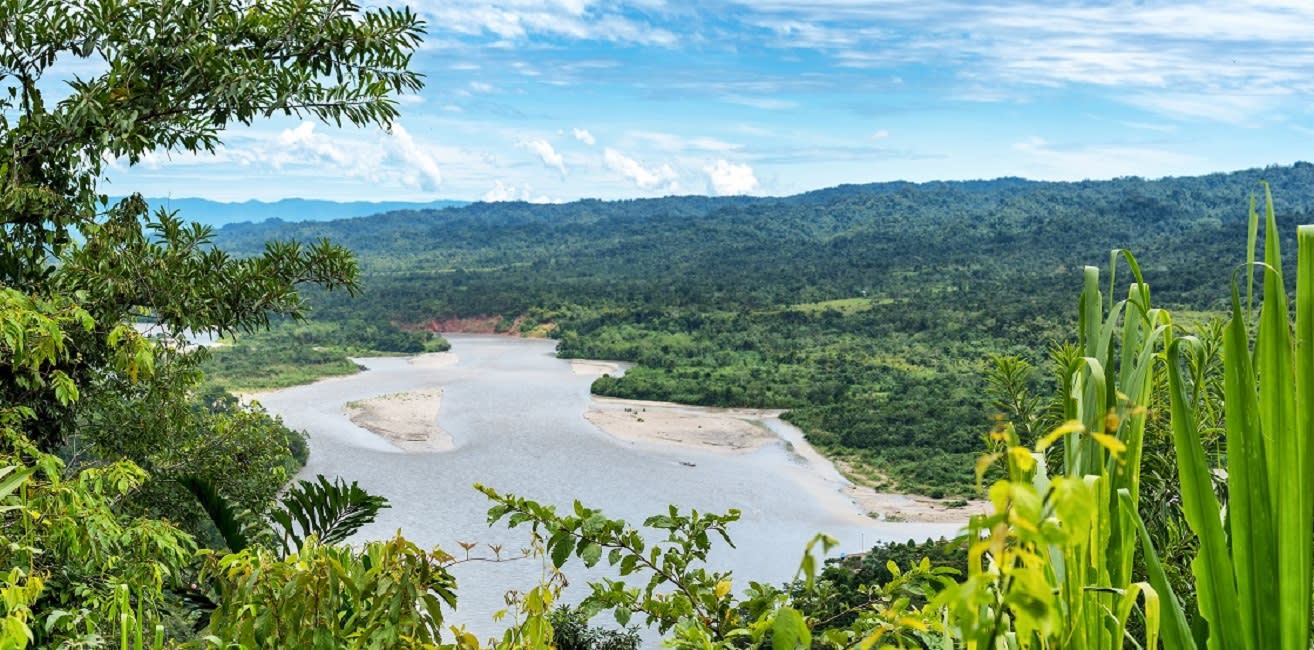
The Amazon is the undisputed champion for raw, untamed nature and wildlife. From the dense jungle surrounding Iquitos, Peru, to the vast waterways near Manaus, Brazil, you'll encounter a biodiversity hotspot unlike any other. Think 3-day/2-night eco-lodge packages near Leticia, Colombia, for $300-600 USD per person, including guided jungle treks, piranha fishing, and night caiman spotting. You might spot sloths, monkeys, and an incredible array of birds. For true 'big five' style wildlife viewing, this is it. The Mekong, while scenic with its rice paddies and river life, simply cannot compete on this scale. "Saw more wildlife in one Amazon boat trip than a week in Southeast Asia. Pink dolphins were wild!" – r/travel. While the Mekong has some unique species like the Irrawaddy dolphin, they are far rarer to spot and the overall ecosystem feels less pristine.
Winner takeaway
- Winner: Amazon
- Why: The Amazon boasts the world's highest biodiversity, offering an unmatched experience for raw wildlife observation and immersion in a pristine ecosystem.
- Who this matters for: Serious wildlife photographers, adventure seekers, and anyone looking for a truly wild, untouched natural experience.
🗿 Culture & History
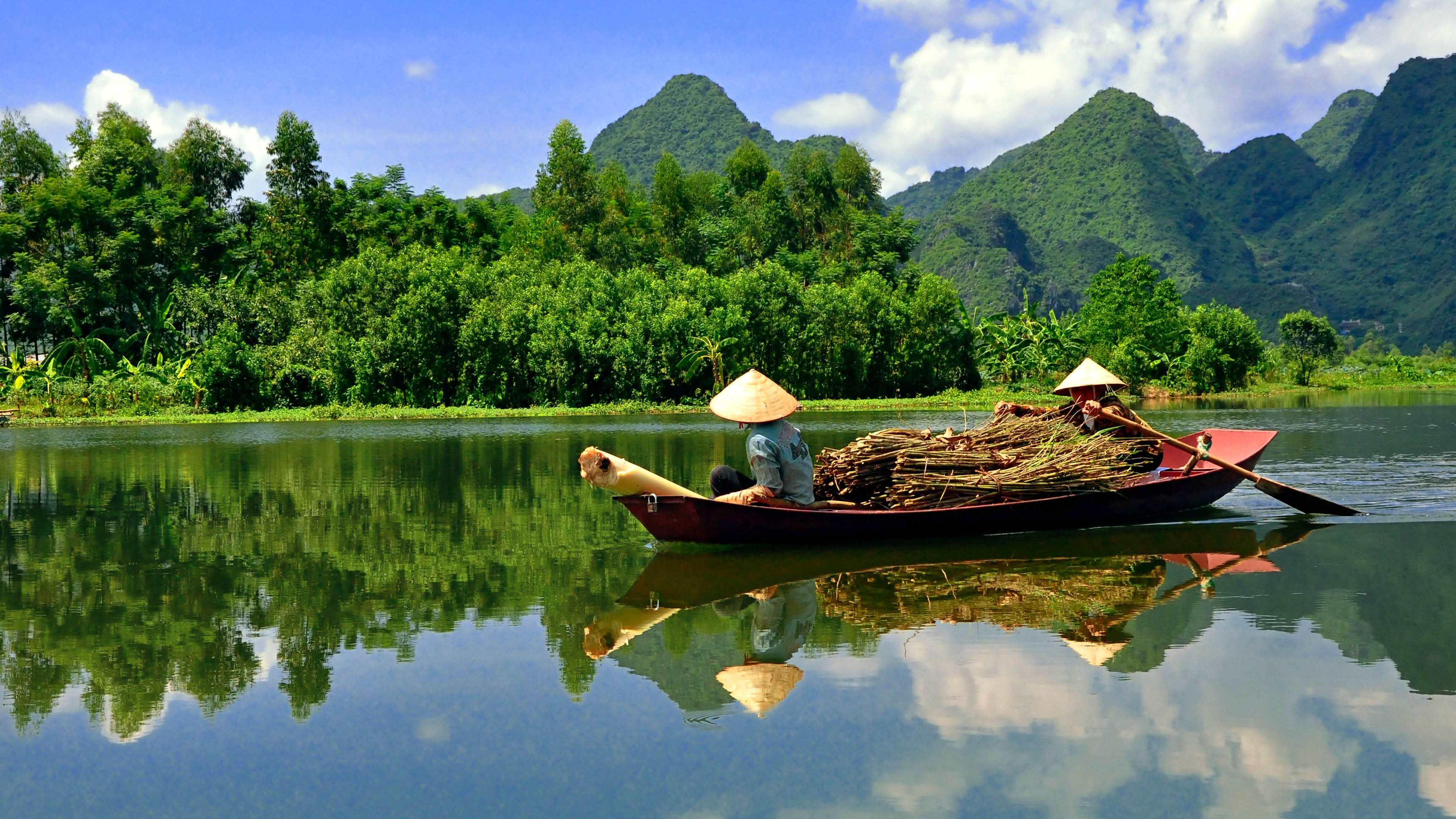
The Mekong region is a treasure trove of ancient history and vibrant living cultures. Cambodia’s Angkor Wat complex, a UNESCO World Heritage site, is breathtaking – a 3-day pass costs $62 USD, and you can spend days exploring temples like Bayon and Ta Prohm. In Vietnam, immerse yourself in the chaotic charm of Hanoi's Old Quarter, visit the Cu Chi Tunnels ($11 USD entry) near Ho Chi Minh City for a poignant look at war history, or explore the floating markets of Cai Rang in the Mekong Delta. The diverse mix of Buddhism, French colonial influence, and indigenous traditions creates a rich tapestry. "Angkor Wat blew my mind, but then cruising the Mekong Delta felt like stepping back in time." – r/solotravel. The Amazon offers unique indigenous cultural encounters, often involving deep shamanic traditions, but it's more niche and less accessible than the grand historical sites and bustling cultural hubs of the Mekong.
Winner takeaway
- Winner: Mekong
- Why: The Mekong region offers a richer, more accessible tapestry of ancient history, diverse cultural practices, and impactful historical sites.
- Who this matters for: History buffs, culture vultures, and those who enjoy exploring ancient ruins and vibrant local traditions.
💸 Costs
When it comes to your wallet, the Mekong is a clear winner. You can comfortably travel for $40-70 USD per day if you're a budget backpacker, enjoying street food (like a bowl of Pho for 30,000 VND / $1.25 USD in Vietnam or a Pad Thai for 100 THB / $2.75 USD in Thailand), staying in hostels ($8-15 USD/night), and using local transport. Mid-range travelers might spend $70-120 USD. The Amazon, by contrast, is significantly more expensive. Access often requires domestic flights to gateway cities like Iquitos (Peru) or Manaus (Brazil), which can be hundreds of dollars. Multi-day jungle tours and eco-lodges, which are essential for a good Amazon experience, typically start from $150-200 USD per person per day and can easily go up to $400-600 USD for a high-quality, all-inclusive package. "My Mekong trip cost me less for a month than a week in the Amazon, no joke." – r/backpacking. Expect to pay premium for the remoteness and specialized guides.
Winner takeaway
- Winner: Mekong
- Why: The Mekong offers significantly lower daily expenses for food, accommodation, and transportation, making it highly accessible for budget travelers.
- Who this matters for: Budget backpackers, long-term travelers, and those who want to maximize their travel time without breaking the bank.
✈️ Getting There & Around
The Mekong region boasts superior accessibility. Major international airports in Bangkok (BKK), Hanoi (HAN), Ho Chi Minh City (SGN), and Siem Reap (REP) offer direct flights from around the globe. Once there, an extensive network of affordable long-distance buses (e.g., overnight bus from Ho Chi Minh City to Phnom Penh for $20-30 USD), trains, and riverboats makes inter-country travel seamless. Ride-sharing apps like Grab are ubiquitous and cheap. The Amazon is far more challenging. You typically fly into a major South American hub (e.g., Lima, Bogotá, São Paulo) then take another domestic flight to a gateway city like Iquitos (Peru), Manaus (Brazil), or Coca (Ecuador). From there, further travel is almost exclusively by riverboat, often requiring pre-booked tours. "Flying into Iquitos felt like I was already halfway through an adventure, then the boat ride to the lodge was another half day." – r/travel. Spontaneous travel is difficult, and transport options are limited and often slow.
Winner takeaway
- Winner: Mekong
- Why: The Mekong offers extensive, affordable, and well-integrated transportation networks both internationally and domestically, making travel efficient and easy.
- Who this matters for: Travelers who prioritize ease of access, efficient inter-country travel, and a variety of affordable transport options.
🍜 Food & Drink
For culinary delights, the Mekong is a clear heavyweight. Vietnamese cuisine alone offers incredible variety, from fragrant Pho (noodle soup) to crispy Banh Mi (sandwiches) and fresh spring rolls. Cambodian and Thai food are equally celebrated, with flavorful curries, stir-fries, and an abundance of fresh seafood. Street food is king, providing delicious meals for a few dollars. Don't miss a cooking class in Hoi An (Vietnam) for $25-40 USD, or trying Bia Hoi (fresh beer) for as little as $0.50 USD a glass. "Every meal in Vietnam was an adventure. I still dream about the street food in Hanoi." – r/foodtravel. Amazonian cuisine, while fresh and local, tends to be simpler, centered around river fish like pirarucu, plantains, and jungle fruits. Most meals are provided as part of your lodge package and, while wholesome, lack the incredible diversity and street-side vibrancy of the Mekong region.
Winner takeaway
- Winner: Mekong
- Why: The Mekong offers a world-class culinary experience with incredible diversity, vibrant street food scenes, and unparalleled flavor at unbeatable prices.
- Who this matters for: Foodies, culinary adventurers, and anyone who considers eating a major highlight of their travels.
🏨 Accommodation
The Mekong region offers an incredible array of accommodation options to suit every budget and style. You can find clean, comfortable hostel dorms in cities like Phnom Penh or Ho Chi Minh City for $8-15 USD per night, charming boutique hotels for $30-70 USD, and luxurious resorts for those seeking indulgence. Homestays in rural areas offer authentic cultural immersion. Booking is easy and competitive. In contrast, the Amazon's accommodation is largely defined by its remote nature. You'll primarily find jungle lodges, ranging from rustic, basic cabins to sophisticated eco-luxury retreats like the Juma Lodge near Manaus, which can cost $300-500 USD per night for all-inclusive packages. Basic hotels are available in gateway cities but often lack charm. "Finding a decent hostel with a pool in Siem Reap for $10 was a breeze. In the Amazon, it was all about the package deal, which was great, but less choice." – r/solotravel. The limited options and higher price points in the Amazon make the Mekong the winner here.
Winner takeaway
- Winner: Mekong
- Why: The Mekong provides a vast selection of accommodation across all price points, offering more flexibility, affordability, and diverse experiences.
- Who this matters for: Budget travelers, those seeking varied accommodation experiences, and anyone who values choice and affordability.
🛡️ Safety
Both regions require travelers to exercise common sense, but their risks differ. In the Mekong, the main concerns are petty theft (bag snatching in Ho Chi Minh City, pickpocketing in crowded markets) and extremely chaotic traffic, particularly in Vietnam and Cambodia, where motorbike accidents are common. Scams, like inflated tuk-tuk prices, are also prevalent but easily navigated with research. Generally, violent crime against tourists is low. In the Amazon, the risks are more environmental: venomous snakes, dangerous animals, and the remoteness itself. Medical facilities are scarce, and you are heavily reliant on your guide's expertise. "Honestly, felt safer wandering around Angkor Wat at night than crossing the street in Hanoi. But the Amazon felt like a real wilderness, you need to trust your guide 100%." – r/travel. Choosing reputable tour operators is paramount in the Amazon to avoid scams or unsafe practices. Both are safe with proper precautions, but the nature of the risks is distinct.
Winner takeaway
- Winner: Tie
- Why: Both regions present distinct safety challenges that require different types of awareness and preparation, resulting in a nuanced tie.
- Who this matters for: All travelers, but especially solo travelers or those with health concerns who need to understand the unique risks of each destination.
🛶 Activities & Adventure
For raw, immersive adventure, the Amazon is in a league of its own. Activities are deeply integrated with nature: multi-day jungle treks through dense foliage, night safaris to spot caimans and nocturnal creatures, piranha fishing on serene rivers, and exploring the canopy from suspended walkways. Opportunities for unique cultural interactions with indigenous tribes or even ayahuasca ceremonies (for the brave and well-researched) offer profound experiences. A 4-day/3-night tour from Iquitos might include all of this for $400-800 USD. "That night walk in the Amazon was terrifying and exhilarating. Nothing like it." – r/adventuretravel. The Mekong offers a different kind of adventure: exploring ancient temples like Preah Khan, cycling through rural villages, navigating bustling floating markets, or taking a scenic cruise down the Mekong River. These are fantastic, but they lean more towards cultural exploration and scenic beauty than the adrenaline-pumping, survivalist edge of the Amazon.
Winner takeaway
- Winner: Amazon
- Why: The Amazon provides a more intense, unique, and physically engaging range of adventure activities directly tied to its unparalleled natural environment.
- Who this matters for: Thrill-seekers, nature enthusiasts, and those looking for truly unique, off-the-beaten-path experiences.
☀️ Weather & Seasons
Both regions are tropical and present their own seasonal considerations. The Amazon is hot and humid year-round. The 'wet season' (roughly December to May) brings higher water levels, making boat travel easier and allowing deeper access into flooded forests, but also means more mosquitoes. The 'dry season' (June to November) has lower water, better for hiking and seeing land animals, but some waterways might be impassable. "Went in wet season, boat trips were amazing, but the humidity was brutal and bugs were everywhere." – r/travel. The Mekong region has a more distinct 'dry season' (November to February) which is cooler and drier, making it peak tourist season. The 'hot season' (March to May) is sweltering, and the 'wet season' (May to October) is characterized by daily downpours, which make the landscape lush but can hinder travel. Each season in both regions offers unique advantages and disadvantages, making it a matter of personal preference and activity focus. Neither is objectively 'better' than the other across all criteria.
Winner takeaway
- Winner: Tie
- Why: Both destinations have distinct tropical seasons, each offering different advantages and disadvantages based on traveler preferences for activities and conditions.
- Who this matters for: All travelers, as weather significantly impacts the type of experience and activities available during a trip.
🤝 Solo Travel & Community
The Mekong region is a dream for solo travelers looking to meet people and find a community on the road. The well-trodden 'banana pancake trail' means there's an abundance of hostels (e.g., Mad Monkey Hostels in Cambodia, The Hideout in Vietnam) designed for social interaction, group tours, and shared activities. It's incredibly easy to strike up conversations, find travel buddies, and participate in lively social scenes. "Traveled solo through Southeast Asia for two months, never felt truly alone unless I wanted to be. So many like-minded people!" – r/solotravel. The Amazon, while offering profound solo experiences, is less conducive to spontaneous social interaction. Most of your time will be spent with a pre-arranged tour group at a lodge, which can lead to camaraderie, but less 'open' social discovery. Independent solo exploration is logistically complex and often cost-prohibitive. While you'll meet fellow travelers on tours, the overall 'community' feel is less pervasive than in the Mekong.
Winner takeaway
- Winner: Mekong
- Why: The Mekong's extensive backpacker infrastructure, numerous hostels, and ease of joining group activities make it significantly better for meeting other travelers and building a community.
- Who this matters for: Solo travelers, first-time backpackers, and anyone who enjoys a vibrant social scene and making new friends on the road.
❓ Frequently Asked Questions
What's the best time to visit the Amazon versus the Mekong?
For the Amazon, the dry season (June-November) is ideal for hiking and observing land animals, though the wet season (December-May) offers easier boat access. For the Mekong, the cool, dry season (November-February) is most popular for pleasant weather, while the wet season (May-October) brings lush landscapes and fewer crowds, despite daily showers.
Is one destination significantly more expensive than the other?
Yes, the Amazon is generally more expensive. Due to its remote nature, specialized guides, and all-inclusive lodge packages, daily costs can easily be $150-250 USD. The Mekong, by contrast, is one of the most budget-friendly regions globally, with travelers often spending $40-100 USD per day for comfortable travel, including delicious food and affordable accommodation.
Which destination is better suited for families with children?
The Mekong region is generally more family-friendly due to its established tourist infrastructure, diverse activities (temple visits, cooking classes, easy beaches), and readily available amenities. The Amazon, while incredible, can be challenging for younger children due to its remote, rustic nature, reliance on tours, and potential wildlife hazards, although some eco-lodges cater specifically to families.
Which offers better opportunities for wildlife viewing?
The Amazon is unparalleled for wildlife viewing. Its sheer biodiversity means you're almost guaranteed to see a wide array of animals, from monkeys and sloths to colorful birds and unique aquatic life, often in their natural, untouched habitat. While the Mekong has some unique species, the overall volume and diversity of visible wildlife cannot compare to the Amazon.
What about sustainable tourism and eco-friendliness in each region?
Both regions are increasingly focusing on sustainable tourism. The Amazon has many eco-lodges and tour operators committed to conservation and supporting indigenous communities. In the Mekong, efforts are growing to combat overtourism at popular sites and promote responsible tourism in rural areas, though challenges remain with waste management and uncontrolled development in some areas. Always research operators' sustainability practices.
Do I need specific vaccinations for travel to either the Amazon or Mekong?
Yes, absolutely. For the Amazon, Yellow Fever vaccination is often mandatory and highly recommended, along with malaria prophylaxis, and routine vaccines. For the Mekong, routine vaccinations are key, with Hepatitis A/B and Typhoid often recommended. Consult a travel doctor well in advance of your trip for personalized advice based on your itinerary and health history.
How long should I plan to spend in each region for a meaningful trip?
For the Amazon, a 3-5 day multi-night jungle tour is usually sufficient for a profound experience. For the Mekong, you'll want at least 2-3 weeks to explore key countries like Vietnam and Cambodia meaningfully, allowing time for cultural immersion, historical sites, and relaxation without rushing.
Can I combine both the Amazon and Mekong into a single trip?
Yes, but it would require a significant amount of time (4+ weeks) and a substantial budget due to the long-haul flights between South America and Southeast Asia. It's more feasible for extended round-the-world trips or very dedicated travelers. You'd likely fly from a major hub in Southeast Asia (e.g., Bangkok) to a South American hub (e.g., Lima) and then connect to an Amazon gateway city.
Ready to plan your unforgettable adventure?
Get a free custom itinerary for Amazon, Mekong, or both — built from real traveler insights.
🎟️ Book Tours & Experiences
Hand-picked tours and activities for both destinations — book with free cancellation
Experiences via Viator — free cancellation on most tours