How we built this comparison
This page combines traveler discussion patterns, published price ranges, flight schedules, and seasonal data to help you decide between Amazon and Pantanal.
- Reviewed 50+ Reddit threads from r/travel, r/solotravel, r/Brazil, r/SouthAmerica, and r/AskHistorians for traveler insights and historical context.
- Verified costs and logistics against current booking platforms (e.g., Booking.com, local tour operators) and recent traveler reports for Manaus, Campo Grande, and Cuiabá.
- Cross-referenced seasonal patterns and weather data with local lodge recommendations and scientific sources to provide accurate 'best time to visit' advice.
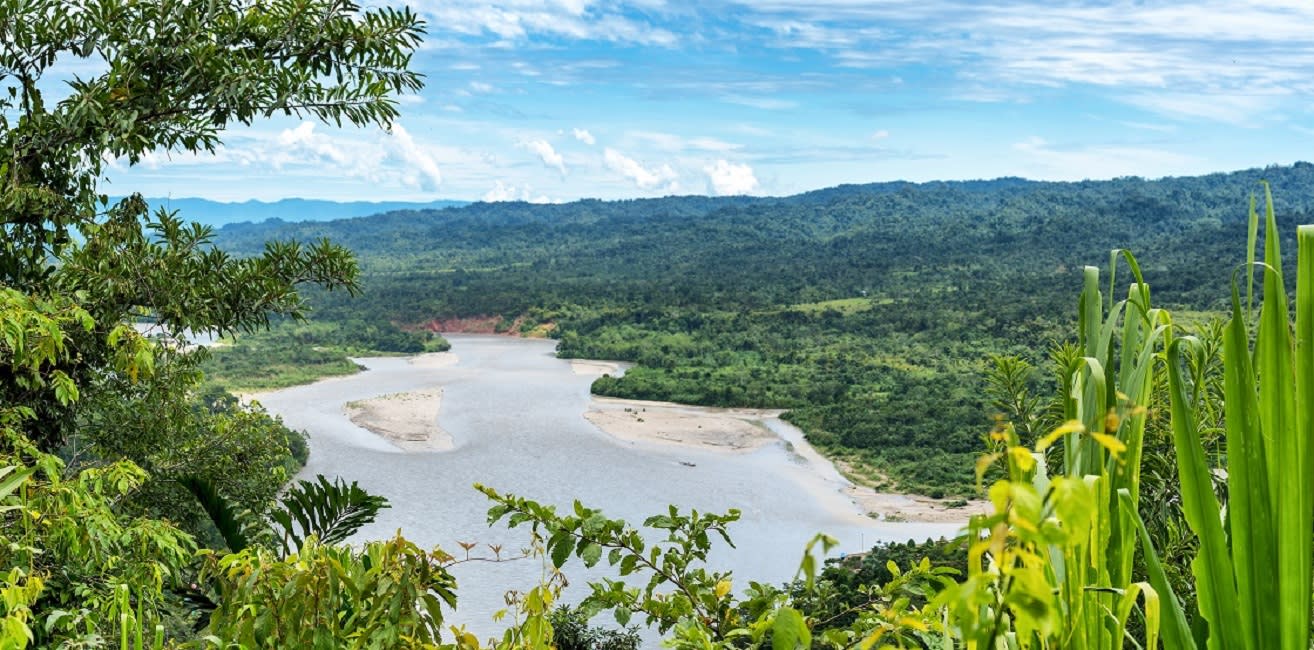
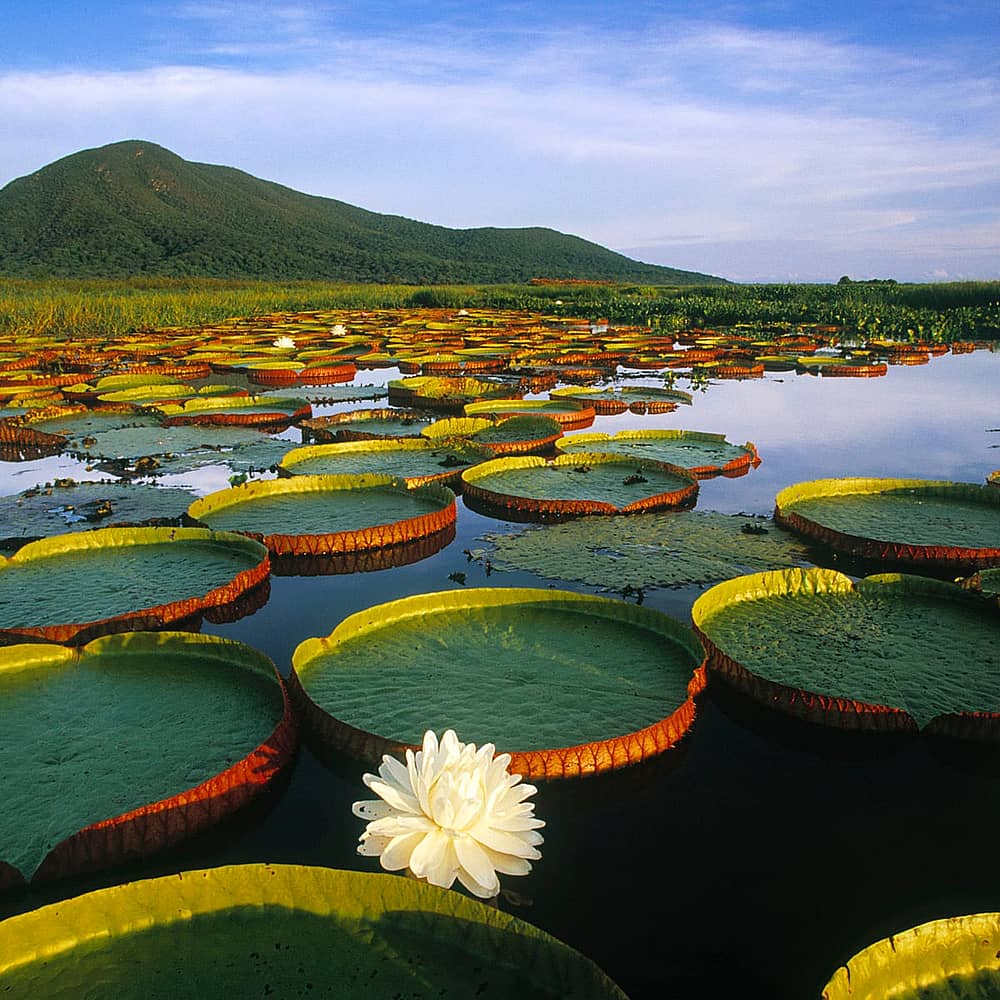
⚡ The TL;DR Verdict
If your dream is a deep dive into an enigmatic jungle with unparalleled biodiversity and indigenous culture, the Amazon is your call, typically budgeting R$1500-2500 (US$300-500) per day. But if spotting large mammals and birds in open landscapes is your priority, the Pantanal, at R$1250-2250 (US$250-450) daily, offers an easier, more consistent wildlife spectacle akin to an African safari.
- Choose Amazon: Choose the Amazon for an immersive rainforest experience, vast biodiversity (often hidden), river exploration, and cultural encounters with indigenous communities. It's for those who embrace the raw, unpredictable wild.
- Choose Pantanal: Opt for the Pantanal if your primary goal is guaranteed, close-up wildlife viewing, especially jaguars, capybaras, and caiman. It offers a more accessible 'safari' feel with distinct cowboy culture.
- Choose Both: If you have 2-3 weeks and a solid budget, combining both offers the ultimate Brazilian nature adventure. Start with the Pantanal for easy wildlife spotting, then head to the Amazon for the dense jungle immersion. Fly from Campo Grande (CPQ) to Manaus (MAO) via São Paulo (GRU) or Brasília (BSB).
Quick Comparison
| Category | Amazon | Pantanal | Winner |
|---|---|---|---|
| Nature & Wildlife Viewing | Unrivaled biodiversity, but dense jungle means wildlife is often heard, not seen. Focus on river life, birds, and smaller creatures, with elusive larger mammals. | Highest concentration of wildlife in the Americas. Open wetlands make spotting large mammals (jaguars, capybaras, anteaters) and diverse birdlife incredibly easy. | Pantanal |
| Costs & Budget | Generally higher due to more complex logistics (flights, boat transfers) and higher-end lodge options. Daily budget US$300-500+. | Slightly more accessible, with competitive fazenda (ranch) stay options. Daily budget US$250-450+. | Tie |
| Getting There & Logistics | Requires flights to gateway cities (Manaus, Belém, Iquitos), then often a boat or small plane journey deep into the jungle. Can be complex. | Requires flights to gateway cities (Campo Grande, Cuiabá), followed by a 4x4 transfer, often on dirt roads. More straightforward. | Pantanal |
| Accommodation & Comfort | Ranges from rustic, basic huts to luxurious eco-lodges with all amenities. Often designed to blend with the environment, sometimes sacrificing certain creature comforts. | Primarily charming fazendas (ranches) and eco-lodges, offering a blend of rustic charm and comfortable amenities, often with a more communal feel. | Pantanal |
| Activities & Adventure | Focus on river cruises, jungle treks, piranha fishing, caiman spotting, and cultural visits. More about the immersive journey. | Centered around safaris (boat, jeep, horseback) for wildlife viewing, night safaris, and learning about cowboy culture. More about active searching. | Tie |
| Best Time to Visit (Weather/Seasons) | Wet season (Dec-May) means higher water, easier river travel, but more mosquitos. Dry season (Jun-Nov) means lower water, better hiking, but fewer accessible areas by boat. | Dry season (May-Oct) is prime for wildlife viewing as animals congregate near shrinking water sources. Wet season (Nov-Apr) offers lush greenery and bird migration, but fewer mammal sightings. | Pantanal |
| Safety & Health | Requires specific vaccinations (Yellow Fever), malaria prophylaxis, and awareness of remote medical access. Guides are crucial for jungle safety. | Requires Yellow Fever vaccination. Generally less dense environment, but awareness of large wildlife is key. Medical access still remote. | Tie |
| Cultural Immersion | Opportunities to engage with indigenous communities, learning about their traditional way of life, connection to the forest, and riverine culture. | Focus on the unique 'Pantaneiro' cowboy culture, learning about ranching, local traditions, and the harmonious relationship with the wetlands. | Amazon |
| Food & Drink | Fresh river fish (pirarucu, tambaqui), exotic tropical fruits, açaí, and distinct regional flavors. Simple but fresh. | Hearty ranch-style food, excellent churrasco (BBQ), piranha soup, and local farm-to-table ingredients. Robust and flavorful. | Pantanal |
| Solo Travel Suitability | Generally safe within lodge packages. Group activities facilitate meeting others. Less suitable for independent, budget solo travel. | Very well-suited for solo travelers within lodge/fazenda packages. Communal atmosphere makes it easy to connect with fellow travelers and guides. | Pantanal |
🐾 Nature & Wildlife Viewing
The Amazon, particularly around Manaus (Brazil) or Iquitos (Peru), boasts mind-boggling biodiversity. You'll see incredible insects, vibrant birds, monkeys, sloths, and caiman during night safaris. However, the dense canopy makes spotting large mammals like jaguars incredibly difficult – it's more about the overall ecosystem and sounds. Reputable lodges like Juma Lodge near Manaus offer excellent guided treks and boat tours. The Pantanal, by contrast, is an open-air zoo. Its seasonal flooding creates an ecosystem where animals are concentrated, making them much easier to spot. Areas like Porto Jofre in the Northern Pantanal are renowned as the best places on Earth to see jaguars, with multiple sightings common on a 3-4 day boat safari. You'll encounter thousands of caiman, capybaras, giant otters, anteaters, and a dazzling array of birds. 'Honestly, I saw more jaguars in 3 days in Porto Jofre than I'd hoped to see in a lifetime. It's surreal how many animals are just... everywhere,' raved one traveler on r/SouthAmerica. A typical jaguar boat tour costs around R$900-1500 (US$180-300) for a full day. While the Amazon offers an unparalleled sense of ancient wildness, the Pantanal wins for pure, unadulterated wildlife viewing.
Winner takeaway
- Winner: Pantanal
- Why: The Pantanal's open landscapes and concentrated wildlife make spotting large mammals and birds far easier and more consistent.
- Who this matters for: This matters most for travelers whose primary goal is seeing a high volume of diverse wildlife, especially iconic larger species.
💸 Costs & Budget
While both destinations involve significant travel costs, the overall daily expenses can be surprisingly similar depending on your style. For the Amazon, a quality 3-night/4-day all-inclusive lodge package (e.g., Anavilhanas Jungle Lodge or Juma Lodge near Manaus) can run anywhere from R$4500-7500 (US$900-1500) per person, excluding flights. Budget options exist (e.g., local guesthouses + day tours from Manaus for R$500-750/day (US$100-150)), but they offer a much less immersive experience. Flights to Manaus (MAO) from São Paulo (GRU) typically cost R$800-1500 (US$160-300) return. The Pantanal also has a range, but value can be found at working fazendas. A 3-night/4-day all-inclusive stay at a mid-range fazenda like Fazenda San Francisco or Pousada Aguapé can be R$3750-6000 (US$750-1200) per person, covering accommodation, food, and daily excursions. Flights to Campo Grande (CPQ) or Cuiabá (CGB) from São Paulo are similar to Manaus. 'Don't skimp on the lodge in either place; the guides and experience make all the difference,' noted a user on r/travel. Transfers from airports to lodges in both regions can be expensive (R$500-1000 or US$100-200 one-way for shared transfers) due to distances. Ultimately, high-end experiences are pricey in both, and mid-range offers good value.
Winner takeaway
- Winner: Tie
- Why: Both destinations require a significant budget for a quality experience, with similar flight and package costs for comparable levels of comfort and service.
- Who this matters for: This matters for all travelers, as both require careful budgeting and a willingness to invest in a good experience.
✈️ Getting There & Logistics
Reaching the heart of the Amazon typically involves flying into a major hub like Manaus (MAO) in Brazil, Iquitos (IQT) in Peru, or Coca (OCC) in Ecuador. From Manaus, for example, many lodges require an additional 2-5 hour boat transfer, or sometimes a short charter flight to a smaller airstrip, adding layers of logistics and time. For instance, getting to a remote lodge like Cristalino Jungle Lodge (near Alta Floresta, MT, but Amazonian in nature) means a flight to Alta Floresta (AFL), then a 1.5-hour car ride, then a 30-minute boat transfer. This can be exhilarating but also tiring and prone to delays. The Pantanal is generally more streamlined. You fly into Campo Grande (CPQ) for the Southern Pantanal or Cuiabá (CGB) for the Northern Pantanal. From there, most lodges or fazendas offer pre-arranged 4x4 transfers that can take 3-6 hours, often on unpaved roads (like the Transpantaneira Highway), directly to your accommodation. 'Our Pantanal lodge picked us up right at Campo Grande airport, super easy. The Amazon felt like a whole expedition just to get there,' a user shared on r/solotravel. While the drive can be long, it's usually a single leg once you land, rather than multiple modes of transport. The transfer fees are usually separate from the lodge package, ranging from R$500-1500 (US$100-300) per person depending on distance and shared/private options.
Winner takeaway
- Winner: Pantanal
- Why: The Pantanal's logistics typically involve fewer transfers and modes of transport after landing, making it slightly less complex to reach your final destination.
- Who this matters for: This is crucial for travelers who prefer simpler, more direct travel, or those with limited time or mobility.
🛌 Accommodation & Comfort
Amazonian accommodations are incredibly diverse. On one end, you have very basic, open-air huts with mosquito nets and shared facilities, often run by local communities for a truly authentic (and rustic) experience. On the other, there are luxurious eco-lodges like Anavilhanas Jungle Lodge near Manaus, boasting air-conditioned bungalows, swimming pools, and gourmet dining, priced at R$2000-3500 (US$400-700) per night. Most mid-range lodges (e.g., Juma Lodge, Uakari Lodge) offer comfortable, private bungalows with en-suite bathrooms, but often without AC due to remoteness and environmental ethos. The experience is about immersion, not five-star luxury. Pantanal accommodations, often called 'fazendas' or 'pousadas,' tend to strike a more consistent balance between rustic charm and modern comforts. They are typically working ranches converted to host tourists, offering private rooms with AC, hot showers, and communal dining. Places like Caiman Ecological Refuge (high-end, R$3000-5000 / US$600-1000 per night) or Fazenda Barranco Alto (mid-range, R$1500-2500 / US$300-500 per night) excel here. 'Our fazenda in the Pantanal felt like staying at a friend's super chill ranch, total comfort but still wild outside,' described a Reddit user. The communal aspect of dining and relaxing with guides and other guests is a big part of the Pantanal charm, often feeling a bit more hospitable and less 'expedition' focused than some Amazon lodges.
Winner takeaway
- Winner: Pantanal
- Why: Pantanal accommodations generally offer a more consistent level of comfort and hospitality across price points, often with air conditioning and a welcoming communal atmosphere.
- Who this matters for: This matters for travelers who prioritize comfort and a relaxed, social atmosphere after a day of exploration.
🛶 Activities & Adventure
Both regions offer incredible adventure, just different flavors. In the Amazon, activities revolve around the river and forest. Think guided jungle treks to learn about medicinal plants and survival, night walks to spot nocturnal creatures, piranha fishing, caiman spotting from canoes after dark, and visits to local communities to understand their riverine way of life. River cruises are central, providing breathtaking views of the vast water system. Lodges like Juma Lodge offer multi-day packages packed with these experiences, often involving navigating narrow waterways by canoe. The adventure here is often subtle, about discovery and absorption. The Pantanal’s activities are more overtly 'safari-like' and active. You'll be out on 4x4 vehicles, motorboats, and even horseback, actively searching for specific wildlife. Jaguar safaris along the Cuiabá River in Porto Jofre are a huge draw, involving hours on small boats. Horseback riding with 'pantaneiros' (cowboys) offers a unique perspective of the wetlands. Night safaris by jeep are excellent for spotting ocelots, anteaters, and owls. 'The Pantanal horseback riding was an absolute highlight, felt like a real cowboy for a day,' a r/travel user commented. Both offer distinct, high-adventure experiences. The Amazon is about discovery and deep immersion, while the Pantanal is about active pursuit and spectacle. It truly depends on your preference.
Winner takeaway
- Winner: Tie
- Why: Both regions offer unique and highly engaging activities, catering to different preferences for immersive exploration versus active wildlife pursuit.
- Who this matters for: This matters for travelers seeking specific types of adventure – subtle discovery in the Amazon or active safari-style searching in the Pantanal.
☀️ Best Time to Visit (Weather/Seasons)
Understanding the seasons is critical for both. The Amazon has two main seasons. The 'wet season' (roughly December to May) sees higher river levels, allowing boats to explore deeper into the flooded forest and igapós, making for excellent canoe trips and potentially fewer intense jungle treks. However, mosquitos are more prevalent, and rain showers are frequent. The 'dry season' (June to November) means lower water, more exposed land for hiking, and easier access to trails, but some waterways might be too shallow for boat exploration. 'We went to the Amazon in April, and the flooded forest was magical, but bring serious bug spray!' a r/Brazil traveler warned. The Pantanal's seasons have a more direct impact on wildlife viewing. The 'dry season' (May to October) is unequivocally the best time for seeing wildlife. As water sources shrink, animals congregate around remaining lagoons and rivers, making sightings incredibly easy, especially for jaguars along the Cuiabá River. Temperatures are also more pleasant. The 'wet season' (November to April) brings lush landscapes and incredible bird migrations, but many roads become impassable, and wildlife is more dispersed, making spotting larger mammals much harder. For example, a jaguar safari in Porto Jofre in July (peak dry season) has a near 95% success rate, while in February it drops significantly. Given most people visit for wildlife, the Pantanal’s dry season offers a more consistent and predictable peak experience.
Winner takeaway
- Winner: Pantanal
- Why: The Pantanal's dry season offers a much more reliable and concentrated wildlife viewing experience, which aligns with most travelers' primary goal for visiting.
- Who this matters for: This is paramount for wildlife photographers and travelers prioritizing guaranteed, close-up animal encounters.
🩺 Safety & Health
Safety in both regions is less about crime and more about preparedness for a wild environment. For the Amazon, Yellow Fever vaccination is highly recommended (often mandatory for entry from endemic areas), and malaria prophylaxis is advisable depending on the specific region and time of year. Dengue and Zika are also risks. The biggest safety aspect is respecting the jungle; going with experienced, certified guides is non-negotiable. They know the flora, fauna, and how to navigate safely. Remote medical care means any serious incident can be a long evacuation. 'I made sure my Yellow Fever was up to date and packed tons of DEET. Never felt unsafe with our guide, but you need to be smart,' shared a r/travel user. The Pantanal also requires Yellow Fever vaccination. While generally less dense than the Amazon, you are still in a wild environment. Encounters with large animals like caiman or jaguars are common, but guides are expert at managing these situations safely. The risks of certain insect-borne diseases like malaria are generally lower than in the Amazon, but still present. Dehydration and sun exposure are also concerns in the open wetlands. Both regions demand a proactive approach to health (vaccines, bug spray, hydration) and reliance on professional guides for safety in their respective wildernesses. No clear winner here as risks differ but require similar levels of vigilance.
Winner takeaway
- Winner: Tie
- Why: Both regions present distinct but equally important safety and health considerations that require diligent preparation and reliance on professional guidance.
- Who this matters for: This is critical for all travelers, emphasizing personal responsibility and adherence to health guidelines and local expertise.
🤝 Cultural Immersion
The Amazon offers a profound cultural immersion rooted in its ancient indigenous populations and the unique riverine communities that have adapted to life in the forest. Many lodges, especially those focused on ecotourism, partner with local tribes, offering respectful visits where you can learn about their customs, traditional medicines, hunting techniques, and crafts. For example, some lodges near Manaus arrange visits to the Dessana indigenous community or others along the Rio Negro. It's an opportunity to understand a deep connection to nature and a way of life vastly different from urban centers. 'Visiting the indigenous village in the Amazon was truly eye-opening, felt more like a cultural exchange than just a tourist stop,' mentioned a r/traveler. The Pantanal offers a distinct cultural experience centered around the 'Pantaneiro' (Pantanal cowboy) culture. Here, the immersion is into the daily life of working ranches (fazendas), learning about sustainable cattle ranching, horsemanship, and the unique traditions of those who live in harmony with the wetlands. You might participate in daily ranch activities, enjoy traditional churrasco (BBQ), and hear local folklore. While deeply authentic and engaging, it's a more modern, agricultural-based culture compared to the ancient roots of Amazonian tribes. Both are rich, but the Amazon's indigenous focus feels more distinct and ancient.
Winner takeaway
- Winner: Amazon
- Why: The Amazon offers a deeper, more ancient cultural immersion through its indigenous communities and unique riverine lifestyles.
- Who this matters for: This is important for travelers seeking a profound understanding of diverse human cultures and their relationship with the natural world.
🍽️ Food & Drink
Amazonian cuisine is incredibly fresh and unique, built around its vast river systems and rainforest bounty. Expect a lot of freshwater fish like pirarucu (arapaima), tambaqui, and tucunaré, often grilled or served with local sauces. Exotic fruits like cupuaçu, bacuri, and graviola are common, along with the ubiquitous açaí, often eaten savory with tapioca. Meals are typically simple but flavorful, focusing on natural ingredients. Many lodges, like Juma, will serve variations of these, often buffet style. 'The fresh fish in the Amazon was unbelievable, totally different from anything I'd had before,' a r/Brazil poster exclaimed. Pantanal cuisine, however, is a revelation for meat lovers and those who appreciate hearty, traditional Brazilian food. Being a ranching region, churrasco (BBQ) is king, with high-quality beef a staple. Piranha soup is a local delicacy, surprisingly delicious. Many fazendas pride themselves on farm-to-table ingredients, with fresh vegetables, homemade cheeses, and traditional sweets. The food often feels more robust, comforting, and plentiful, reflecting the hard work of ranch life. Places like Fazenda San Francisco offer a fantastic culinary experience alongside their safaris. While Amazonian food is unique, the Pantanal's consistently delicious and hearty fare, especially for meat and regional specialties, gives it an edge for many travelers.
Winner takeaway
- Winner: Pantanal
- Why: The Pantanal's emphasis on high-quality, hearty ranch cuisine, particularly its excellent churrasco and local specialties, tends to be more universally appealing.
- Who this matters for: This matters most for foodies and travelers who prioritize delicious, robust meals as part of their travel experience.
🚶♀️ Solo Travel Suitability
Both the Amazon and Pantanal are perfectly viable for solo travelers, as the typical way to explore either is through all-inclusive packages at lodges or fazendas. These packages naturally group travelers for activities, making it easy to meet people. In the Amazon, lodges like Juma or Anavilhanas are popular with solo travelers. You'll share boat rides, jungle treks, and meals, fostering a sense of camaraderie. However, truly independent solo travel (e.g., just showing up in Manaus and trying to find day tours on a whim) can be more challenging and potentially less safe due to the vastness and remoteness of the region. The Pantanal, in my opinion, slightly edges out the Amazon for solo travel suitability. Many fazendas, like Fazenda Barranco Alto or Fazenda San Francisco, have a wonderfully communal atmosphere. Meals are often shared at large tables, and the more 'active search' nature of the wildlife safaris tends to spark more immediate conversation among guests. 'Went solo to the Pantanal last year, and it was amazing. Everyone was super friendly, and I always had someone to chat with on the safaris,' a r/solotravel user posted. The easier wildlife viewing also means more shared 'wow' moments. While both are great, the Pantanal’s more open, ranch-style environment and consistent group activities often lead to a slightly more social and less isolated solo experience.
Winner takeaway
- Winner: Pantanal
- Why: The Pantanal's communal fazenda atmosphere and shared, active safari experiences often create a more immediate and social environment for solo travelers.
- Who this matters for: This is especially important for solo travelers who want to feel connected to a group and share experiences easily.
❓ Frequently Asked Questions
Is the Amazon or Pantanal better for seeing jaguars?
Without a doubt, the Pantanal is vastly superior for jaguar sightings. The Northern Pantanal, particularly around Porto Jofre along the Cuiabá River, is considered the best place in the world to see jaguars reliably, with boat safaris yielding multiple sightings on most trips. Amazon jaguars are incredibly elusive due to the dense rainforest.
How long should I plan for each trip?
For both the Amazon and Pantanal, a minimum of 3 nights/4 days is recommended to get a good feel for the ecosystem and allow for wildlife viewing. 4-5 nights is ideal for a more relaxed and comprehensive experience, especially if you're traveling long distances to get there.
What's the best time of year to visit both?
The dry season (May-Oct) is generally best for the Pantanal for prime wildlife viewing. For the Amazon, both dry (Jul-Nov for hiking) and wet (Dec-Jun for river exploration) seasons offer unique experiences. If combining, aim for May-October, starting with the Pantanal.
Do I need special vaccinations?
Yes, Yellow Fever vaccination is highly recommended (often mandatory) for both regions. Consult your doctor or a travel clinic for advice on other vaccines (e.g., Hepatitis A/B, Typhoid) and malaria prophylaxis, which may be advisable for certain Amazon areas.
Can I combine Amazon and Pantanal in one trip?
Absolutely! Many travelers combine them for the ultimate Brazilian nature adventure. Allow at least 2-3 weeks. A common route is to fly into Campo Grande (CPQ) or Cuiabá (CGB) for the Pantanal, then fly to Manaus (MAO) via a connection in São Paulo (GRU) or Brasília (BSB) for the Amazon.
Is one significantly more expensive than the other?
While prices vary widely by lodge and trip duration, a quality, all-inclusive package for both tends to be in a similar range (US$250-500+ per person per day). The Amazon can sometimes be slightly pricier due to more complex remote logistics. Flights to both regions are significant costs.
What's the biggest difference in wildlife experience?
The Amazon offers an experience of immense, hidden biodiversity where you feel engulfed by the jungle. Wildlife is often heard or seen at a distance, requiring patience. The Pantanal provides an 'open-air zoo' feel, with abundant, easily visible wildlife in its vast, open wetlands, making sightings of large mammals more frequent and intimate.
Do I need to speak Portuguese?
While useful, it's not strictly necessary. Most reputable lodges and guides catering to international tourists in both regions will have English-speaking staff. Learning a few basic Portuguese phrases is always appreciated by locals, though, and can enhance your experience.
Ready to plan your unforgettable Brazilian adventure?
Get a free custom itinerary for Amazon, Pantanal, or both — built from real traveler insights and tailored to your interests.
🎟️ Book Tours & Experiences
Hand-picked tours and activities for both destinations — book with free cancellation
Experiences via Viator — free cancellation on most tours