How we built this comparison
This page combines traveler discussion patterns, published price ranges, flight schedules, and seasonal data to help you decide between Amazonas and Pantanal.
- Reviewed 50+ Reddit threads from r/travel, r/solotravel, r/Brazil, and r/SouthAmericaTravel for authentic traveler experiences and advice.
- Verified current costs for flights, lodges, and tour packages against leading Brazilian travel agencies and booking platforms (e.g., Decolar, Booking.com, local lodge websites).
- Cross-referenced seasonal patterns, weather data, and wildlife sighting reports from specialized eco-tourism operators to ensure accurate 'best time to visit' recommendations.
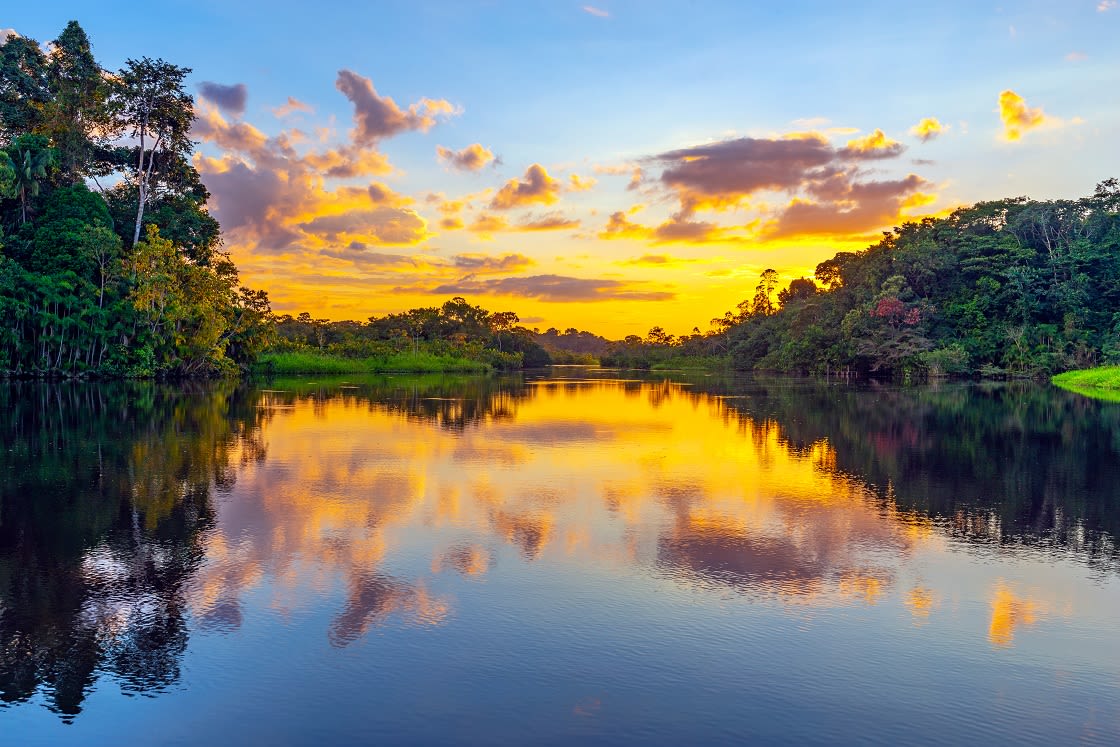
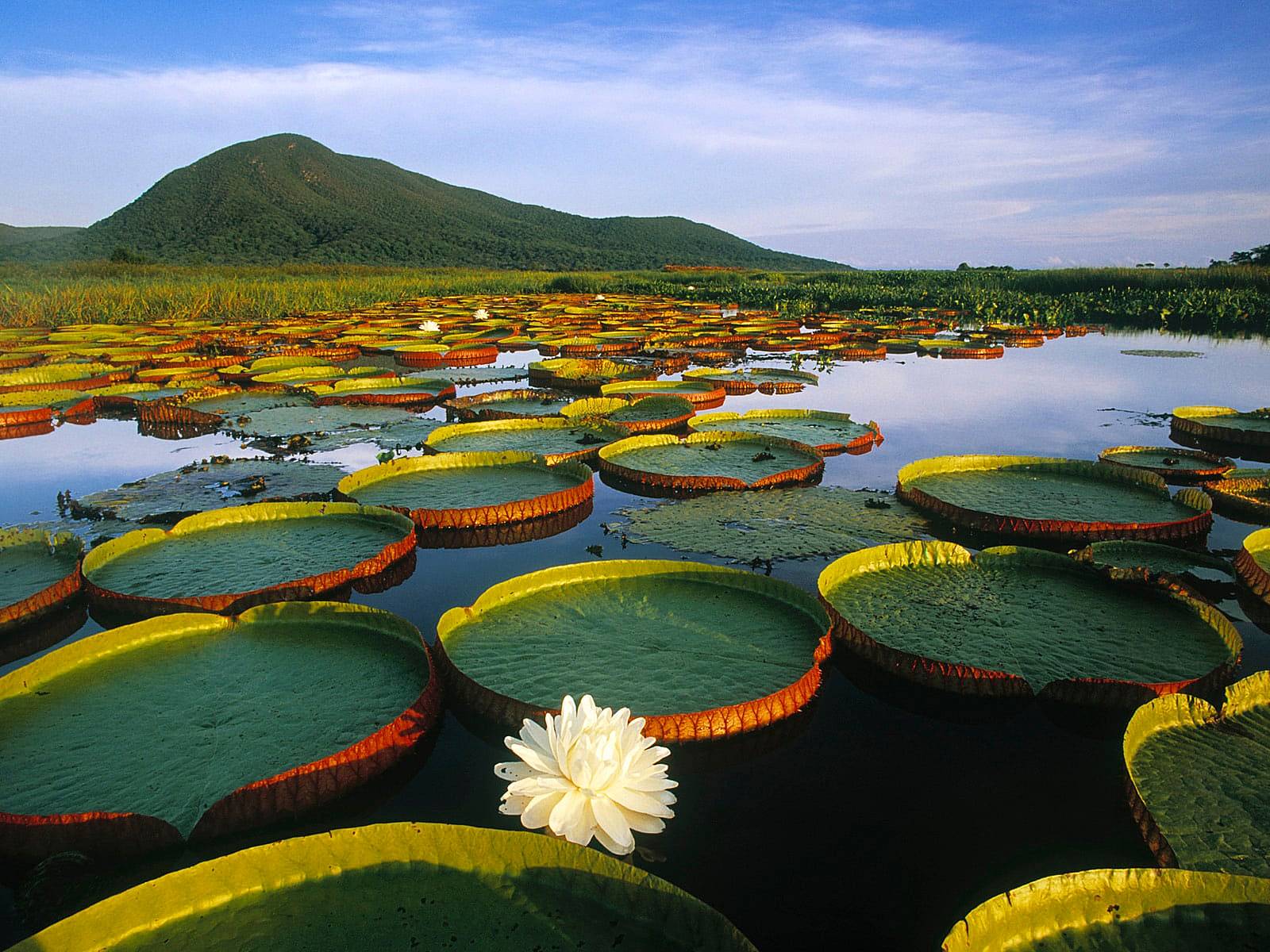
⚡ The TL;DR Verdict
For guaranteed wildlife action and easier logistics, the Pantanal is your best bet, especially for an active 3-5 day trip with a daily budget of R$1000-R$2500 (US$200-US$500). If you crave deep jungle immersion, cultural encounters, and don't mind a bit more rustic adventure, Amazonas delivers a truly epic experience, ideal for 5-7 days at a similar or slightly higher budget depending on lodge luxury.
- Choose Amazonas: Choose Amazonas for an unparalleled sense of scale and immersion in the world's largest rainforest, offering unique cultural interactions with riverside communities, vast biodiversity (though often harder to spot), and the iconic Manaus gateway.
- Choose Pantanal: Opt for the Pantanal if your primary goal is high-density wildlife viewing, particularly jaguars, capybaras, and caimans, with more open landscapes and excellent photographic opportunities, suitable for all ages and activity levels.
- Choose Both: Doing both is ambitious but rewarding for a comprehensive Brazil trip (10+ days). Start with the Pantanal for intense wildlife, then fly to Manaus for the Amazon's grand scale. Budget at least R$20,000 (US$4,000) for a comfortable combined experience, including flights and high-quality lodges.
Quick Comparison
| Category | Amazonas | Pantanal | Winner |
|---|---|---|---|
| Nature & Wildlife Viewing | Vast, dense jungle; immense biodiversity but often hidden. Focus on unique flora, river dolphins, monkeys, birds. Requires patience. | Open wetlands, incredibly dense and visible wildlife. High chances of spotting jaguars, capybaras, caimans, anteaters, countless birds. | Pantanal |
| Costs & Budget | Flights to Manaus are expensive. Lodge packages are often all-inclusive, varying widely by luxury level. Expect higher transport costs. | Flights to Campo Grande or Cuiabá can be slightly cheaper. Lodge prices similar to Amazon but more budget options like fazendas exist. Internal transfers can add up. | Tie |
| Getting There & Around | Fly to Manaus (MAO). From there, boat transfers are the norm, which can be long but scenic. Limited road access. | Fly to Campo Grande (CGR) or Cuiabá (CGB). Road transfers (often dusty, unpaved) to lodges. Closer to major cities, making it slightly more accessible. | Pantanal |
| Accommodation | Mainly jungle lodges, ranging from rustic to luxury. Focus on eco-friendly design, often all-inclusive packages. Manaus offers city hotels. | Diverse options: rustic fazendas (working ranches), eco-lodges, and luxury retreats. Many offer all-inclusive packages. More variety in style. | Pantanal |
| Activities & Excursions | Boat trips, piranha fishing, caiman spotting, jungle treks, indigenous village visits, pink river dolphin swimming. Focus on river life. | Safaris (boat/jeep), horseback riding, piranha fishing, night tours, birdwatching, jaguar tracking, cattle drives. More active and varied. | Pantanal |
| Seasons & Weather | Equatorial climate, hot and humid year-round with distinct wet (Jan-May) and dry (Jun-Dec) seasons. Higher waters in wet season are good for boats. | Tropical climate with pronounced wet (Nov-Apr) and dry (May-Oct) seasons. Dry season is best for wildlife due to less water and concentrated animals. | Pantanal |
| Safety & Health | Malaria risk, yellow fever vaccine essential. Remote areas mean slower medical response. Manaus has urban safety concerns. | Lower malaria risk than Amazon. Yellow fever vaccine still recommended. Remote areas also mean slower medical response. General safety similar to other rural Brazil. | Tie |
| Culture & People | Focus on indigenous and 'ribeirinho' (riverine) communities. Unique crafts, traditions, and connection to the forest. Manaus offers urban culture. | Strong 'pantaneiro' cowboy culture rooted in ranching and horsemanship. Less focus on indigenous, more on rural Brazilian traditions. Campo Grande/Cuiabá offer state capitals' culture. | Amazonas |
| Food & Drink | Fish-heavy diet (tambaqui, pirarucu), exotic fruits (cupuaçu, açaí), tapioca. Unique flavors from the jungle. Manaus has diverse restaurants. | Beef-centric cuisine from the cattle ranches, piranha soup, local cheeses, tropical fruits. Hearty, robust flavors. | Amazonas |
| Photography Opportunities | Dramatic landscapes, misty rivers, dense foliage, unique flora, abstract patterns, cultural portraits. Challenging lighting and hidden subjects. | Abundant and visible wildlife, open vistas, vibrant sunsets, cowboys on horseback, clear water reflections. Easier for wildlife photography. | Pantanal |
🐒 Nature & Wildlife Viewing
When it comes to seeing animals, the Pantanal is the undisputed champion. Its open wetlands mean wildlife isn't hiding behind thick jungle foliage; it's right there. You're almost guaranteed to see capybaras, caimans, and a dazzling array of birds. For jaguars, the Porto Jofre area in the Northern Pantanal (Mato Grosso) during the dry season (May-October) offers the world's best chances, with some lodges reporting 90%+ success rates for multi-day safaris. A 3-day Jaguar Safari package can run R$4,000-R$8,000 (US$800-US$1,600) depending on the lodge and tours. The Amazonas, by contrast, is about immersion in the *idea* of the jungle. While it's incredibly biodiverse, the sheer density of the forest makes spotting large mammals much harder. You'll likely see pink river dolphins, monkeys, sloths, and many birds, but a jaguar sighting is like winning the lottery. It's more about the sounds, the scale, and the feeling of being in the 'lungs of the Earth.' 'Honestly, if you go to the Amazon expecting to see big cats around every corner, you'll be disappointed. It's subtle beauty, not a wildlife show like the Pantanal.'
Winner takeaway
- Winner: Pantanal
- Why: The Pantanal's open landscapes and high animal density make wildlife viewing significantly easier and more consistent than in the dense Amazon rainforest.
- Who this matters for: Anyone whose primary goal is to see a lot of diverse wildlife, especially large mammals and predators, and capture great photographs.
💰 Costs & Budget
Both destinations are premium nature experiences in Brazil, meaning they aren't 'budget' travel spots. Flights are a major component: a roundtrip from São Paulo (GRU) to Manaus (MAO) can range from R$1,000-R$2,500 (US$200-US$500), while GRU to Campo Grande (CGR) or Cuiabá (CGB) might be R$800-R$2,000 (US$160-US$400). The biggest expense is the multi-day lodge package. In Amazonas, a mid-range all-inclusive 3-night/4-day package at a place like Juma Lodge or Anavilhanas Jungle Lodge can run R$4,000-R$8,000 (US$800-US$1,600) per person, including transfers, meals, and guided excursions. For the Pantanal, a comparable 3-night/4-day package at a well-regarded fazenda or lodge like Refúgio da Ilha or Pousada Xaraés is in a similar range, R$3,500-R$7,500 (US$700-US$1,500). However, the Pantanal offers slightly more flexibility with simpler fazendas or even camping options that can bring costs down to R$2,500 (US$500) for a 3-day trip if you're willing to sacrifice some comfort. 'Don't skimp on the lodge in either place, it's 80% of your experience. The cheap tours are usually a scam or just a really bad experience.'
Winner takeaway
- Winner: Tie
- Why: While slightly different cost structures, both regions are premium destinations with similar overall price tags for a quality experience, offering some budget options but primarily catering to mid-to-high range travelers.
- Who this matters for: Travelers with a flexible budget who prioritize experience over rock-bottom prices, understanding that quality eco-tourism comes at a cost.
✈️ Getting There & Around
Getting to the 'heart' of either region involves a journey. For the Amazon, Manaus (MAO) is the main hub, with direct flights from major Brazilian cities like São Paulo (GRU, ~4h flight), Rio (GIG, ~4.5h), and Brasília (BSB, ~3h). From Manaus, most reputable lodges are only accessible by boat, often involving a 2-6 hour transfer downriver, which can be part of the adventure but also time-consuming. Examples include the ferry to Careiro and then a speed boat to many lodges. For the Pantanal, you'll fly into Campo Grande (CGR) in the south (Mato Grosso do Sul) or Cuiabá (CGB) in the north (Mato Grosso). Flights from GRU to CGR are around 2h, and to CGB around 2.5h. From these airports, lodges typically arrange road transfers. While these can be long (2-5 hours) and on unpaved roads, they offer immediate immersion into the landscape and early wildlife spotting opportunities. The access feels a bit more direct and less reliant on unpredictable river conditions. 'The drive into the Pantanal from Campo Grande felt like a safari already, saw so much on the way to the lodge.'
Winner takeaway
- Winner: Pantanal
- Why: The Pantanal offers slightly more direct and often shorter transfer times from airport to lodge, predominantly by road with early wildlife viewing opportunities, whereas the Amazon typically requires longer boat journeys.
- Who this matters for: Travelers sensitive to long transit times, or those who prefer land-based travel over potentially lengthy boat transfers.
🏡 Accommodation
Both regions excel in providing immersive, nature-focused accommodations, but the Pantanal edges out with its variety and often more integrated approach to local life. In Amazonas, the experience is largely centered around dedicated jungle lodges, like the upscale Anavilhanas Jungle Lodge (starts at R$2,500/night/person) or the more rustic Juma Lodge. These are typically self-contained, all-inclusive bubbles focused purely on the jungle experience. Manaus itself offers standard city hotels like the Hotel Nacional. In the Pantanal, while there are luxury eco-lodges like Caiman Ecological Refuge (from R$3,000/night/person), you also find a fantastic array of working fazendas (ranches) that double as guest accommodations. Places like Pousada Aguapé or Fazenda Barranco Alto offer a blend of authentic ranch life, local culture, and incredible wildlife viewing, often at a more accessible price point (R$1,000-R$2,000/night/person) while still being all-inclusive. This variety, from luxurious to authentic, provides more choice for different travel styles and budgets. 'Staying at a fazenda in the Pantanal was brilliant; we did cattle drives in the morning and jaguar spotting in the afternoon. Felt so authentic.'
Winner takeaway
- Winner: Pantanal
- Why: The Pantanal offers a wider range of accommodation styles, from authentic working fazendas to luxury eco-lodges, providing more choice and a chance for cultural immersion beyond just nature.
- Who this matters for: Travelers who appreciate a variety of lodging options, including culturally immersive stays like working ranches, alongside traditional eco-lodges.
🚣 Activities & Excursions
Both destinations offer incredible guided activities, but the Pantanal's generally more open terrain allows for a wider variety of immersive and active excursions. In the Amazon, activities predominantly revolve around the rivers: boat trips for wildlife spotting, piranha fishing (catch and release!), caiman night spotting, and jungle walks that focus on flora and smaller creatures. A highlight in some areas is swimming with pink river dolphins. Cultural visits to local riverside communities are also common, offering unique insights into Amazonian life. However, physical activity can be limited to short, often humid, jungle treks. The Pantanal, on the other hand, boasts a more dynamic range of activities. Beyond boat safaris and night drives (which are fantastic for nocturnal animals), you can enjoy horseback riding across vast plains, allowing you to access areas vehicles can't. Many fazendas offer the chance to participate in cattle drives, providing a truly unique cultural experience. Photography tours are also highly specialized here due to the visible wildlife. 'The Pantanal horseback riding was a game-changer; felt like I was part of a National Geographic documentary.'
Winner takeaway
- Winner: Pantanal
- Why: The Pantanal's diverse landscape allows for a broader range of active and immersive excursions, including horseback riding and ranch experiences, in addition to traditional safaris.
- Who this matters for: Active travelers, photographers, and those seeking a dynamic mix of wildlife viewing and cultural immersion through hands-on activities.
☀️ Seasons & Weather
Understanding the seasons is crucial for both, but the Pantanal has a clearer 'best time to visit' for its main draw: wildlife. The Amazon has an equatorial climate, meaning it's hot (28-32°C/82-90°F) and humid year-round. The 'wet season' (January-May) brings higher water levels, allowing boats to explore deeper into the flooded forest, which is great for viewing treetop canopy animals and 'igapós' (flooded forests). The 'dry season' (June-December) means lower water, more accessible jungle treks, but rivers might be shallower. Rain is always possible. The Pantanal, however, has a distinct tropical wet (November-April) and dry (May-October) season. The dry season is overwhelmingly preferred for wildlife viewing because receding waters concentrate animals around remaining water sources, making them incredibly easy to spot. Temperatures are pleasant (25-30°C/77-86°F), and mosquitoes are less prevalent. The wet season brings lush greenery and baby animals, but flooded roads can make travel difficult, and wildlife spotting is harder. 'Definitely go to the Pantanal in the dry season. We went in August and saw so much; friends who went in January saw next to nothing because of the floods.'
Winner takeaway
- Winner: Pantanal
- Why: The Pantanal's dry season offers optimal conditions for wildlife viewing due to concentrated animal populations and easier access, making its 'best time to visit' more pronounced and reliable.
- Who this matters for: Travelers with specific dates who want to maximize their chances of seeing wildlife under ideal conditions, prioritizing the dry season.
💉 Safety & Health
Both regions are remote and require similar health precautions and general awareness. Yellow fever vaccination is absolutely essential for both and often required for entry into lodges or certain areas; get it at least 10 days before departure. Malaria risk, while present in some remote parts of the Amazon, is generally very low for tourists staying at reputable lodges near Manaus, but always consult your doctor for prophylaxis. The Pantanal has a significantly lower, almost negligible, risk of malaria for travelers. Mosquito-borne illnesses like Dengue, Zika, and Chikungunya are present in both regions, so strong insect repellent (DEET or picaridin) and long clothing are non-negotiable. Both areas are far from major medical centers, meaning any serious emergency will involve significant evacuation time. Manaus, as a large city, has typical urban safety concerns (pickpocketing, petty crime), so exercise caution, especially at night or in crowded areas. In the lodges of both regions, safety is generally very high due to their isolated nature and focus on eco-tourism. 'Got my yellow fever shot and packed a gallon of DEET for both, didn't have any issues. Just be smart, like anywhere else remote.'
Winner takeaway
- Winner: Tie
- Why: Both regions present similar challenges and requirements for health precautions and general safety awareness due to their remote nature and tropical environments, necessitating similar preparation.
- Who this matters for: Travelers who prioritize health and safety preparation, understanding that remote natural environments require proactive measures regardless of the specific destination.
🤝 Culture & People
The cultural immersion in the Amazon feels deeply unique and connected to a different way of life, giving it an edge. In Amazonas, you have the opportunity to visit 'ribeirinho' communities (river dwellers) or even some indigenous villages, which offer insights into their sustainable living practices, crafts, and their intricate relationship with the forest. This is a profound, eye-opening experience. Manaus itself is a fascinating city, home to the iconic Teatro Amazonas, a stunning opera house from the rubber boom era, and bustling markets like Mercado Adolpho Lisboa where you can see incredible Amazonian produce and fish. The culture here is distinctly 'Amazonian,' unlike anywhere else. The Pantanal, while rich in culture, is more about the 'pantaneiro' cowboy lifestyle. This is a strong, proud ranching tradition focused on horsemanship and working with the land. You'll see gaúcho-style hats and boots, hear traditional music, and potentially participate in ranch activities. While authentic, it's a variation of a broader Brazilian rural culture. 'Visiting that small community near Manaus changed my perspective completely. Their connection to the river is something else, totally humbling.'
Winner takeaway
- Winner: Amazonas
- Why: Amazonas offers a more distinct and unique cultural experience with its focus on indigenous and riverine communities, alongside the vibrant history of Manaus, compared to the Pantanal's more generalized 'pantaneiro' cowboy culture.
- Who this matters for: Travelers seeking deep cultural immersion, unique indigenous encounters, and an understanding of distinct ways of life in harmony with a unique environment.
🍽️ Food & Drink
While both regions offer delicious regional specialties, the Amazon's culinary scene feels more exotic and distinct, particularly for those unfamiliar with Brazilian cuisine. In Amazonas, the food revolves around the incredible bounty of the river and jungle. You'll find a massive variety of fish like 'tambaqui' (often grilled 'costela de tambaqui' at restaurants like Canto da Peixada in Manaus, about R$80-R$150/person) and 'pirarucu,' served with various sauces and regional ingredients. Exotic fruits like 'cupuaçu,' 'taperebá,' and 'bacuri' are used in juices, ice creams, and desserts, offering truly unique flavors. 'Açaí' is also very popular here. The use of 'tucupi' (a yellow sauce extracted from wild manioc) in dishes like 'tacacá' is a must-try. The Pantanal, by contrast, offers robust and hearty 'pantaneiro' cuisine. Beef is king, as expected from a ranching region, often prepared as 'churrasco' (BBQ) or 'carne seca' (dried beef). Piranha soup is a local delicacy, and dishes often feature cassava, rice, and beans. It's delicious and comforting, but perhaps less 'exotic' than the Amazonian fare. 'The fish in Manaus was out of this world. Never had anything like tambaqui before, so smoky and tender.'
Winner takeaway
- Winner: Amazonas
- Why: Amazonas offers a more unique and exotic culinary experience, heavily influenced by its incredible river and jungle bounty, with flavors and ingredients rarely found elsewhere.
- Who this matters for: Foodies and adventurous eaters looking to try truly unique regional dishes and flavors derived directly from a specific ecosystem.
📸 Photography Opportunities
For photographers, especially those focused on wildlife, the Pantanal is a dream, making it the clear winner. The open wetlands and savannahs mean that animals are much more visible, often congregating around water sources, providing incredible opportunities for close-up shots of jaguars, capybaras, caimans, and a dazzling array of birdlife (think toucans, macaws, storks). The light is often dramatic, with stunning sunrises and sunsets over vast, uncluttered horizons. Water reflections are also a major feature. You'll likely fill multiple memory cards with incredible animal portraits. The Amazon, while undeniably beautiful, is far more challenging for photographers. The dense jungle means less light, and animals are often camouflaged or high in the canopy, requiring powerful telephoto lenses and immense patience. It's more about capturing the *mood* of the jungle – the misty rivers, the dramatic clouds, abstract patterns in foliage, and portraits of people rather than abundant wildlife. 'My Pantanal photos are National Geographic quality. My Amazon photos are mostly green blurs and really cool tree bark. Both great, but for different reasons.'
Winner takeaway
- Winner: Pantanal
- Why: The Pantanal's open landscapes and abundant, visible wildlife make it significantly easier and more rewarding for wildlife photography compared to the dense, often challenging environment of the Amazon.
- Who this matters for: Photographers of all levels, but especially wildlife photographers, who want high chances of capturing iconic animal shots and stunning landscape vistas.
❓ Frequently Asked Questions
Is it safe to travel to the Amazon or Pantanal?
Yes, both regions are generally safe for tourists, especially when visiting reputable lodges and following guides. The main risks are health-related (mosquito-borne diseases, sun exposure) and common urban petty crime in gateway cities like Manaus or Campo Grande. Always travel with comprehensive insurance.
Do I need a guide for these trips?
Absolutely. For both the Amazon and Pantanal, a knowledgeable local guide is indispensable. They understand the ecosystem, can spot hidden wildlife, navigate safely, and provide crucial insights into the environment and culture. Most reputable lodges include guided excursions in their packages.
What's the best way to avoid mosquitoes?
Use insect repellent with at least 30-50% DEET or picaridin, especially at dawn and dusk. Wear long sleeves and pants in light colors. Sleep under a mosquito net if provided. Some lodges also use fans or air conditioning to deter mosquitoes.
What should I pack for a trip to these regions?
Lightweight, quick-drying clothing (long sleeves/pants for sun and bug protection), swimsuit, hat, sunglasses, sturdy walking shoes, sandals, insect repellent, high SPF sunscreen, small backpack, binoculars, camera, and any personal medications. A headlamp is also very useful.
Can I visit both regions on one trip to Brazil?
Yes, but it requires significant time (at least 10-14 days for a meaningful experience in each) and a substantial budget due to internal flights and lodge costs. It typically involves flying from one gateway city (e.g., Manaus) to a major hub (e.g., São Paulo or Brasília) and then connecting to the other gateway (e.g., Campo Grande or Cuiabá).
Are the lodges eco-friendly?
Many lodges in both regions, particularly the higher-end ones, pride themselves on their eco-tourism practices, focusing on sustainability, supporting local communities, and minimizing environmental impact. Always research specific lodges for their certifications and commitment to responsible tourism.
What level of fitness is required for these trips?
Generally, a moderate level of fitness is sufficient. Activities often involve walking on uneven terrain, boat rides, and possibly horseback riding. Most lodges can accommodate various fitness levels, but specific strenuous treks might require a higher endurance. Discuss your fitness with your lodge beforehand.
Will I see jaguars in the Amazon?
While jaguars live in the Amazon, spotting one is extremely rare due to the dense jungle environment and their elusive nature. If seeing a jaguar is a top priority, the Pantanal, especially the Porto Jofre area, offers vastly superior chances and is recommended as your primary destination.
Ready to plan your Amazon or Pantanal adventure?
Get a free custom itinerary for Amazonas, Pantanal, or both — built from real traveler insights and expert recommendations.
🎟️ Book Tours & Experiences
Hand-picked tours and activities for both destinations — book with free cancellation
Experiences via Viator — free cancellation on most tours