How we built this comparison
This page combines traveler discussion patterns, published price ranges, flight schedules, and seasonal data to help you decide between Amboseli and Serengeti.
- Reviewed 500+ Reddit threads from r/travel, r/solotravel, r/Kenya, r/tanzania, and r/safari
- Verified costs and logistics against current booking platforms and safari operator quotes (e.g., Safarilink, Coastal Aviation, lodge websites)
- Cross-referenced seasonal patterns, weather data, and migration reports from reputable safari sources
- Consulted travel blogs and forums for up-to-date local insights and traveler experiences
⚡ The TL;DR Verdict
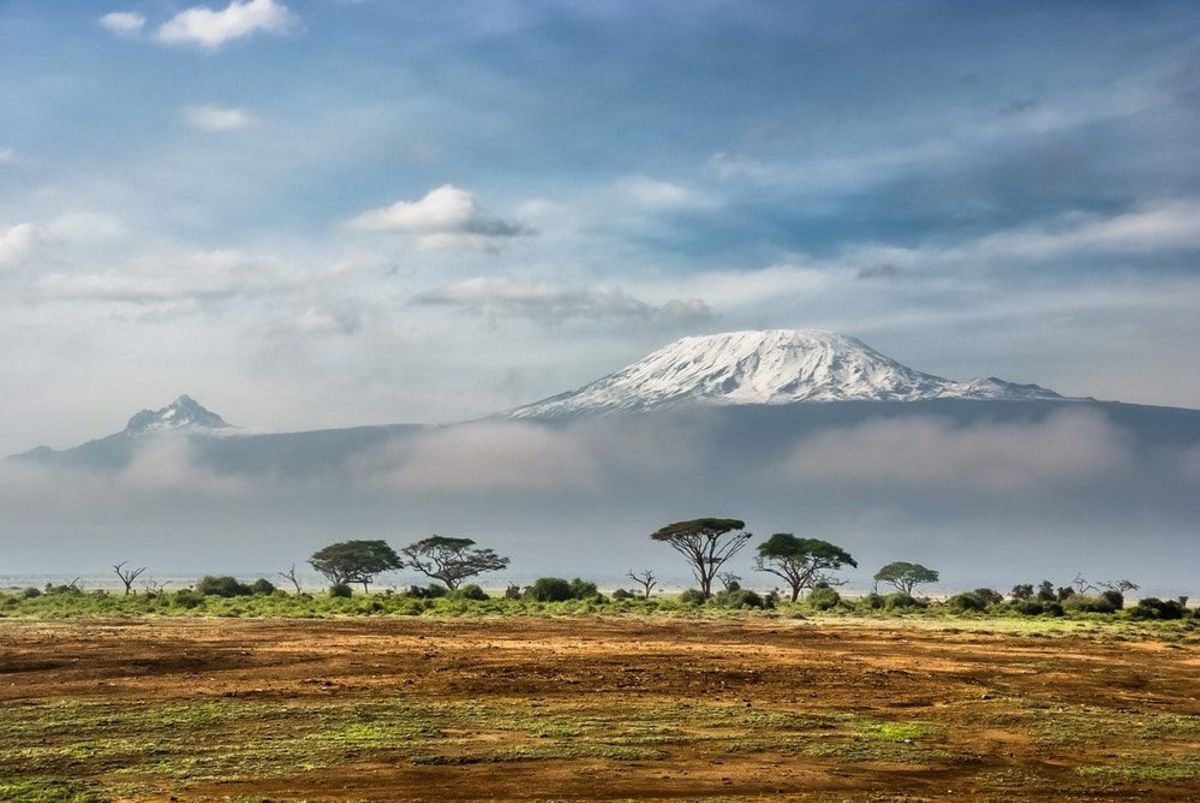
If your dream safari involves stunning elephant encounters with a snow-capped mountain backdrop, Amboseli is your pick, often at a slightly more accessible price point (~$300-500/day). For the ultimate, vast wildlife spectacle, including the Great Migration, the Serengeti delivers an unparalleled experience, though prepare for a higher budget (~$600-1000+/day).
- Choose Amboseli: Choose Amboseli if you prioritize iconic postcard views, particularly of elephants against Kilimanjaro, on a slightly shorter or more budget-conscious trip. It's excellent for first-time safari-goers and families with younger kids.
- Choose Serengeti: Opt for the Serengeti if your primary goal is the sheer scale of wildlife, especially witnessing the Great Migration, diverse predator action, and an immersive, expansive safari adventure. It's ideal for those with a more flexible budget and longer trip duration.
- Choose Both: Combine both if you have 10+ days and a generous budget. Start with Amboseli for the iconic views and elephants, then fly to the Serengeti for the grand migration and diverse ecosystem. This offers the best of both worlds, truly a trip of a lifetime.
Quick Comparison
| Category | Amboseli | Serengeti | Winner |
|---|---|---|---|
| Costs & Value | Generally more affordable per day, especially for shorter trips and mid-range accommodations. Park fees are around $60 USD/day. | Significantly higher daily costs, particularly during peak migration season. Park fees are $70-80 USD/day, plus higher concession fees. | Amboseli |
| Wildlife Viewing | Renowned for massive elephant herds and excellent predator sightings, often against the backdrop of Kilimanjaro. Big Five possible but rhino sightings rare. | Unmatched for its sheer abundance and diversity, home to the Great Migration, all Big Five, and incredible predator-prey dynamics. | Serengeti |
| Scenery & Photography | Iconic, postcard-perfect views of Mount Kilimanjaro towering over the dusty plains and swamps, providing a dramatic backdrop for wildlife. | Vast, seemingly endless golden grasslands dotted with kopjes (rocky outcrops) and acacia trees, offering epic wide-angle landscapes and dramatic skies. | Amboseli |
| Getting There & Logistics | Easily accessed from Nairobi (NBO), a major international hub, via a 4-5 hour drive or short domestic flight (45 mins). | Requires flying into Kilimanjaro (JRO) or Arusha (ARK), then a domestic flight or a very long drive from Arusha, adding complexity and cost. | Amboseli |
| Crowd Levels | Generally less crowded than the Serengeti, though popular viewpoints can see a few vehicles. Easier to find quiet moments. | Can be very crowded, especially during peak migration periods (river crossings, calving season) where vehicle concentrations can be high. | Amboseli |
| Accommodation Options | Good range of lodges and tented camps, from mid-range to luxury, but fewer options overall compared to Serengeti. | Extensive selection across all budgets, from basic public campsites to ultra-luxury lodges and mobile tented camps, offering immense variety. | Serengeti |
| Best Season & Weather | Dry seasons (Jan-Feb, June-Oct) are ideal for wildlife viewing and clearer Kili views. Short rains (Nov-Dec), Long rains (March-May). | Dry season (June-Oct) is prime for the Great Migration and river crossings. Wet season (Jan-March) is calving season in the south. | Tie |
| Overall Safari Experience | Intimate, focused, and iconic. Great for shorter safaris, with a strong emphasis on elephants and the Kili backdrop. | Epic, grand, and immersive. Offers a vast, diverse, and often dramatic wildlife experience that is the epitome of an African safari. | Serengeti |
| Family Friendliness | Excellent for families with younger children due to shorter drives, easy animal spotting, and iconic views that capture attention. | Great for families with older children who can appreciate the longer drives and grand scale of the migration. Many lodges offer dedicated kids' programs. | Tie |
| Culture & Local Interaction | Strong Maasai presence around the park boundaries, offering numerous opportunities for authentic village visits and cultural experiences. | Maasai communities are present near some park entrances, but the park itself is more focused on pure wildlife, with fewer integrated cultural experiences. | Amboseli |
💰 Costs & Value
Comparing costs, Amboseli generally offers a better value proposition, especially for those on a tighter budget. A typical 3-day safari in Amboseli staying at a mid-range lodge like Kibo Safari Camp can run about $900-1500 USD per person, including transfers from Nairobi and game drives. Park entry fees are around KES 8,000 (approx. $60 USD) per adult per 24 hours. Domestic flights from Nairobi to Amboseli airstrip average KES 20,000-35,000 (approx. $150-250 USD) return. In contrast, a similar 3-day experience in the Serengeti, even at a comparable standard lodge like Seronera Wildlife Lodge, would easily start from $1800-3000 USD per person. This is largely due to higher park fees (TSh 160,000 - approx. $70 USD per 24 hours, plus a concession fee that often adds $40-70 USD), more expensive domestic flights (e.g., Arusha to Seronera can be TSh 400,000-800,000 or $170-340 USD one-way), and generally higher lodge pricing. Luxury options in the Serengeti can easily push daily costs to $1000-1500+ per person. As one Redditor put it, "Amboseli was stunning and felt way more accessible, budget-wise, than what I was seeing for Serengeti trips. Still an investment, but doable." While both are investments, Amboseli provides a memorable safari without the Serengeti's premium price tag.
Winner takeaway
- Winner: Amboseli
- Why: Amboseli offers a more budget-friendly safari experience with slightly lower park fees and accommodation costs, making it more accessible for many travelers.
- Who this matters for: This matters most for budget-conscious travelers, families, or those looking for a shorter, impactful safari without breaking the bank.
🐘 Wildlife Viewing
When it comes to the sheer volume and diversity of wildlife, the Serengeti is truly in a league of its own. It's the stage for the Great Migration, where millions of wildebeest and zebras trek across the plains, offering spectacular river crossings (e.g., Mara River in July-October) and calving season in the southern Ndutu plains (Jan-March). The park boasts all of the Big Five – lions, leopards, elephants, buffalo, and rhinos – with excellent chances of seeing them all, especially in areas like Seronera Valley for big cats. Amboseli, while spectacular, is primarily famous for its enormous herds of elephants, often numbering in the hundreds, and the iconic shots of them with Kilimanjaro in the background. Predator sightings are common, including lions and cheetahs, but the overall species diversity is less than the Serengeti. Rhino sightings are exceedingly rare in Amboseli. "The migration in Serengeti blew my mind, nothing prepares you for that scale," one Redditor shared. While Amboseli offers intimate and iconic encounters, the Serengeti provides a broader, more dynamic, and often dramatic wildlife viewing experience that's hard to beat globally.
Winner takeaway
- Winner: Serengeti
- Why: The Serengeti offers unparalleled wildlife diversity, the spectacle of the Great Migration, and more consistent Big Five sightings, especially rhino.
- Who this matters for: This matters most for serious wildlife enthusiasts, photographers, and those seeking the quintessential, grand African safari experience.
📸 Scenery & Photography
Amboseli takes the crown for its instantly recognizable and utterly breathtaking scenery, primarily due to the majestic presence of Mount Kilimanjaro. The sight of massive elephant herds silhouetted against Africa's highest peak, especially during sunrise or sunset, is truly iconic and makes for unparalleled photographic opportunities. The park's diverse habitats, from dry lake beds to lush swamps fed by Kili's meltwaters, create unique lighting and compositions. From Observation Hill, you get panoramic views that are simply unforgettable. While the Serengeti offers its own brand of expansive beauty—endless plains stretching to the horizon, dotted with distinctive kopjes that serve as big cat hideouts, and dramatic African skies—it lacks that singular, universally recognized natural landmark. "Nothing beats that Kili backdrop with elephants, it's just so unique," a traveler remarked on Reddit. The Serengeti's beauty is in its vastness and ever-changing light, while Amboseli's beauty is framed by an immovable, awe-inspiring giant, making it the more photogenic choice for many.
Winner takeaway
- Winner: Amboseli
- Why: Amboseli's unique selling point is the stunning, consistent backdrop of Mount Kilimanjaro, creating iconic and dramatic photographic opportunities unmatched elsewhere.
- Who this matters for: This matters most for photographers, those seeking iconic 'postcard' shots, and travelers who value a distinctive, memorable landscape.
✈️ Getting There & Logistics
Amboseli benefits from its relative proximity to Nairobi (NBO), which is a major international airport with excellent global connections. From NBO, you can reach Amboseli by a scenic 4-5 hour drive or a swift 45-minute domestic flight with airlines like Safarilink or AirKenya to Amboseli Airstrip. This makes it a very straightforward addition to a Kenya itinerary or even a standalone short safari. For the Serengeti, the logistics are a bit more involved. Most international travelers fly into Kilimanjaro International Airport (JRO) or directly to Arusha Airport (ARK). From there, you typically either take a long, bumpy 6-8 hour drive to the park gates or, more commonly, another domestic flight (e.g., Coastal Aviation, Regional Air) to one of the Serengeti's airstrips (like Seronera, Kogatende, or Ndutu). These domestic flights can cost anywhere from TSh 400,000 to 800,000 (approx. $170-340 USD) one way. "Getting to Amboseli from Nairobi was a breeze, felt like half the hassle compared to my Tanzania leg last year," a recent Reddit post stated. The added travel time and expense for internal flights or long drives make Serengeti slightly more challenging logistically.
Winner takeaway
- Winner: Amboseli
- Why: Amboseli is more easily accessible via a major international airport (Nairobi), offering quicker and more direct travel options than the Serengeti.
- Who this matters for: This matters most for travelers with limited time, those combining safari with other Kenyan activities, or anyone preferring simpler logistics.
🧑🤝🧑 Crowd Levels
While no popular safari destination is truly empty, Amboseli generally offers a less crowded experience than the Serengeti, especially outside of peak holiday seasons. Its smaller size means vehicles can spread out more effectively, and it's easier to find yourself alone with a herd of elephants or a predator sighting without a dozen other jeeps jostling for position. The main exception might be around Observation Hill or specific waterholes during prime viewing times. In contrast, the Serengeti, particularly during the Great Migration's most sought-after events like river crossings (July-October) or the calving season in Ndutu (January-March), can see significant vehicle concentrations. It's not uncommon to find 20-30 vehicles around a single lion kill or a river crossing point. "We were shocked by how many cars were at the Mara River crossing, almost felt like a traffic jam," lamented one Redditor. While the Serengeti's vastness still allows for solitude in less popular areas, the iconic events can be a bit of a circus. Amboseli, while popular, feels more intimate and less commercially overwhelming.
Winner takeaway
- Winner: Amboseli
- Why: Amboseli generally experiences fewer crowds, offering a more serene and less competitive wildlife viewing experience compared to the Serengeti's popular migration hot spots.
- Who this matters for: This matters most for travelers seeking a more peaceful, unhurried safari experience and those who prefer to avoid large groups of vehicles.
🛌 Accommodation Options
The Serengeti's sheer size and popularity translate into a far greater and more diverse range of accommodation options. You can find everything from budget-friendly public campsites (approx. $30-50 USD/night for camping fees, excluding tent/gear), through comfortable permanent tented camps like Seronera Wildlife Lodge (from $350-500 USD/night), to ultra-luxurious lodges like the Four Seasons Safari Lodge Serengeti or various &Beyond properties (easily $1000-2000+ USD/night). Crucially, the Serengeti also has a strong presence of mobile tented camps that follow the migration, offering a unique, immersive experience. Amboseli, while having excellent choices such as Ol Tukai Lodge (from $400-600 USD/night) or Tawi Lodge (from $500-800 USD/night), has a more limited selection. Most accommodations are permanent lodges or tented camps, and while they cater to various budgets, the top-tier luxury options are fewer and often not quite as opulent or numerous as in the Serengeti. "The sheer variety of camps in Serengeti meant we found exactly what we wanted, even last minute, which wasn't as easy elsewhere," a traveler noted. The Serengeti's expansive choice ensures every traveler can find something to match their style and budget, from rustic to ultra-posh.
Winner takeaway
- Winner: Serengeti
- Why: The Serengeti offers a much broader and more diverse range of accommodation options across all budget levels, including unique mobile camps that follow the migration.
- Who this matters for: This matters most for travelers with specific accommodation preferences, those seeking ultra-luxury, or anyone wanting a unique mobile safari experience.
☀️ Best Season & Weather
Both Amboseli and the Serengeti offer distinct 'best seasons' depending on what a traveler prioritizes, leading to a tie in this category. For Amboseli, the dry seasons (January-February and June-October) are generally considered optimal. During these months, vegetation is sparse, making wildlife easier to spot, and animals congregate around fewer water sources. Crucially, the dry season often brings clearer skies, increasing the chances of seeing Mount Kilimanjaro without cloud cover, which is a major draw. However, the short rains (November-December) and long rains (March-May) can also be beautiful, with lush green landscapes and fewer tourists, though Kili views might be obscured. The Serengeti also shines during its dry season (June-October) when the Great Migration is typically in full swing, especially around the Mara River crossings. Yet, the wet season (January-March) offers the incredible spectacle of the wildebeest calving in the southern Ndutu plains, along with lush landscapes and excellent birdwatching. "We chose the Serengeti for the calving season, and it was absolutely magical, despite some rain," a Reddit user commented. Both parks have their high and low seasons, each offering unique advantages, so the 'best' time truly depends on individual safari goals.
Winner takeaway
- Winner: Tie
- Why: Both destinations offer distinct 'best seasons' that cater to different safari interests, from clear mountain views to specific migration events, making neither definitively superior.
- Who this matters for: This matters most for travelers with specific wildlife viewing goals (e.g., Kili views vs. migration crossings vs. calving) and those sensitive to weather conditions.
✨ Overall Safari Experience
The overall safari experience in the Serengeti is unparalleled in its grandeur and scope, earning it the win in this crucial category. It's not just a park; it's an ecosystem that feels boundless, offering a truly immersive sense of wilderness. The sheer scale of the landscape, the endless herds, the intense predator-prey dynamics, and the constant possibility of witnessing a truly epic natural event (like a migration crossing) create a profound and unforgettable adventure. Game drives can be long and rewarding, covering vast distances and revealing new surprises around every kopje. Guides in the Serengeti are often world-class, deeply knowledgeable about the intricate ecosystem. Amboseli, while offering a truly magnificent and intimate experience—particularly with its famous elephants and the stunning Kilimanjaro backdrop—feels more contained and focused. It's excellent for a shorter, impactful safari, but it doesn't quite match the raw, untamed, and sprawling epicness of the Serengeti. "Nothing compares to the feeling of driving for hours in Serengeti and still seeing endless plains and wildlife, it's just pure magic," noted a Redditor. For a truly 'epic' safari, the Serengeti delivers.
Winner takeaway
- Winner: Serengeti
- Why: The Serengeti provides a grander, more immersive, and diverse safari experience with its vast landscapes and unparalleled wildlife spectacle.
- Who this matters for: This matters most for travelers seeking the ultimate, comprehensive African safari adventure, including high chances of dramatic wildlife encounters.
👨👩👧👦 Family Friendliness
Both Amboseli and the Serengeti can be wonderful for families, though they cater to slightly different age groups and preferences, making it a tie. Amboseli often shines for families with younger children (say, 5-10 years old). Its smaller size means less time spent driving between sightings, which can be crucial for short attention spans. The abundant and easily-spotted elephants, especially with the clear Kili backdrop, provide instant gratification and 'wow' moments. Lodges like Ol Tukai Lodge are well-equipped for families. For older children (10+ years), the Serengeti can be an absolutely transformative experience. The sheer scale of the Great Migration, the thrilling predator action, and the vastness of the plains can be incredibly inspiring. Many high-end lodges in the Serengeti, like Four Seasons Safari Lodge, offer dedicated 'Young Explorers' clubs, bush craft lessons, and tailored activities for kids. "My kids (12 and 14) were glued to the binoculars in Serengeti, totally worth the long days," shared one parent on Reddit. While Amboseli offers a slightly easier entry to safari for the very young, the Serengeti's grand narrative captivates older children, so the 'winner' truly depends on the family's specific needs and children's ages.
Winner takeaway
- Winner: Tie
- Why: Both destinations offer strong family-friendly options, with Amboseli better suited for younger kids due to shorter drives, and Serengeti excelling for older children with its grand scale and dedicated programs.
- Who this matters for: This matters most for families planning a safari, as the choice depends significantly on the age of their children and their tolerance for travel time.
🌍 Culture & Local Interaction
Amboseli offers a more integrated and accessible cultural experience, primarily with the Maasai community, earning it the win in this category. The park is surrounded by Maasai communal lands, making it relatively easy to arrange authentic village visits, guided walks with Maasai warriors, and learn about their traditional way of life. Many lodges, such as Tortilis Camp Amboseli, have strong ties with local Maasai communities and offer ethical cultural experiences directly from the camp. You can participate in traditional dances, visit bomas, and even learn about local medicinal plants. In contrast, while the Serengeti also has Maasai communities living on its periphery and in the Ngorongoro Conservation Area nearby, the focus within the national park itself is almost exclusively on wildlife conservation and viewing. Opportunities for cultural interaction are less frequent and often require specific arrangements or traveling outside the main safari circuit, such as visiting Maasai bomas near the Ngorongoro Crater rim. "Our Maasai guide near Amboseli was incredible, learning about their life felt just as important as seeing the elephants," a traveler posted. Amboseli provides a more direct and enriching pathway to understanding the local culture alongside wildlife viewing.
Winner takeaway
- Winner: Amboseli
- Why: Amboseli offers more accessible and integrated opportunities for authentic cultural interactions and Maasai village visits directly alongside the safari experience.
- Who this matters for: This matters most for travelers interested in cultural immersion, learning about local traditions, and connecting with indigenous communities during their trip.
❓ Frequently Asked Questions
Can I combine Amboseli and Serengeti in one trip?
Yes, combining Amboseli and Serengeti is absolutely possible and highly recommended if you have the time (10+ days) and budget. You'd typically fly into Nairobi, visit Amboseli, then fly to Kilimanjaro (JRO) or Arusha (ARK) and connect to the Serengeti. Be prepared for international flights between Kenya and Tanzania, which adds complexity and cost.
What's the best time to see the Great Migration in Serengeti?
The Great Migration is a year-round phenomenon, but specific events occur at different times. For the dramatic Mara River crossings, visit July to October in the northern Serengeti. For the calving season and huge herds of young wildebeest, head to the southern Serengeti (Ndutu region) from January to March. Always check current migration predictions.
How long should I spend in each park?
For Amboseli, 2-3 nights (3-4 days) is generally sufficient to fully experience the park and get good chances of Kili views. For the Serengeti, due to its vastness and the variety of ecosystems, 4-6 nights is ideal, allowing you to explore different areas (e.g., Seronera, Grumeti, Mara Triangle) and increase your chances of diverse sightings, especially during the migration.
Are self-drive safaris possible in either park?
Self-drive safaris are generally not recommended or even possible for most international tourists in Amboseli or the Serengeti. Both parks require experienced 4x4 vehicles and knowledgeable guides due to challenging terrain, complex wildlife tracking, and strict park regulations. It's best to hire a reputable safari operator with a professional driver-guide.
What about safety in Kenya vs Tanzania for these parks?
Both Kenya and Tanzania are generally safe for tourists visiting their national parks. Safari operators prioritize safety, and guides are highly trained. Standard precautions apply: avoid walking alone at night, secure valuables, and be aware of your surroundings in urban areas. Within the parks, follow your guide's instructions for wildlife safety.
Which park is better for birdwatching?
Both parks offer fantastic birdwatching opportunities, but the Serengeti, with its greater diversity of habitats and vast wetlands, often edges out Amboseli. It's home to over 500 bird species, including numerous raptors and migratory birds. Amboseli also boasts a strong avian population, particularly water birds around its swamps, but the sheer variety in Serengeti is hard to beat.
What's the main difference in landscape between them?
Amboseli's landscape is characterized by its relatively flat, dusty plains and swamps, dominated by the colossal presence of Mount Kilimanjaro on the horizon. The Serengeti, in contrast, is an endless expanse of rolling grasslands, dotted with distinctive granite kopjes (rocky outcrops) and acacia woodlands, offering a sense of boundless wilderness.
Are walking safaris common in both parks?
Walking safaris within the main game viewing areas of Amboseli and Serengeti National Parks are generally not permitted for safety reasons due to high predator populations. However, some private conservancies bordering the parks, or specific lodges with private concessions, do offer guided bush walks with armed rangers. Always check with your safari operator for available options outside the core park areas.
Ready to plan your East Africa trip?
Get a free custom itinerary for Amboseli, Serengeti, or both — built from real traveler insights.
🎟️ Book Tours & Experiences
Hand-picked tours and activities for both destinations — book with free cancellation
Experiences via Viator — free cancellation on most tours