How we built this comparison
This page combines traveler discussion patterns, published price ranges, flight schedules, and seasonal data to help you decide between Amman and Beirut.
- Reviewed 50+ Reddit threads from r/travel, r/solotravel, r/jordan, r/lebanon, etc.
- Verified costs and logistics against current booking platforms (Booking.com, Google Flights, local taxi apps)
- Cross-referenced seasonal patterns and weather data from NOAA and local meteorological services
⚡ The TL;DR Verdict
If you're after ancient history, dramatic desert landscapes, and a more conservative, predictable travel experience, Amman is your pick, with a comfortable daily budget around $70-120. But for an electrifying cultural fusion, buzzing nightlife, and Mediterranean vibes, Beirut steals the show, albeit with a slightly higher and less predictable daily spend, ranging from $80-150+ depending on the economic situation and your lifestyle.
- Choose Amman: Choose Amman if you prioritize historical depth, unparalleled day trips (Petra!), desert adventures, and a generally safer, more organized, and budget-friendly trip focused on cultural immersion and natural beauty.
- Choose Beirut: Opt for Beirut if you crave a vibrant, cosmopolitan city experience, fantastic food, legendary nightlife, trendy boutiques, and a unique blend of historical layers with a distinctly modern, energetic pulse.
- Choose Both: If you have 10-14 days and want the full Levant experience, absolutely do both! Start with Amman for history and day trips, then fly or overland to Beirut for its distinct urban energy. Just be mindful of border complexities and flight connections (often via Cairo or Istanbul).
Quick Comparison
| Category | Amman | Beirut | Winner |
|---|---|---|---|
| Culture & History | Ancient Roman ruins, Crusader castles, Nabataean city of Petra, rich biblical history, traditional Bedouin culture. | Phœnician roots, Ottoman architecture, Roman baths, vibrant art scene, modern history of resilience and reconstruction. | Amman |
| Food Scene | Hearty, traditional Jordanian cuisine; excellent falafel, hummus, mansaf, kunafa, and shawarma. | Sophisticated, diverse Lebanese cuisine; renowned for mezze, seafood, innovative chefs, and vibrant café culture. | Beirut |
| Nightlife | More subdued, focused on shisha cafes, trendy lounges, and rooftop bars with city views. Alcohol is available. | Legendary, vibrant, and diverse; world-class clubs, buzzing bars in Mar Mikhael and Gemmayzeh, late-night parties. | Beirut |
| Costs & Budget | Generally more affordable and predictable; budget-friendly street food, reasonable transport, mid-range hotels. | Variable due to economic situation; can be very cheap for some things, expensive for others; USD is often preferred. | Amman |
| Getting Around | Reliant on taxis (Careem/Uber available), comfortable for inter-city travel via JETT buses or private drivers. | Dense traffic, shared taxis (serviis), notoriously chaotic, walking is key in certain districts. | Amman |
| Day Trips & Nature | Unbeatable access to Petra, Wadi Rum, Dead Sea, Jerash, Ajloun Forest Reserve. Diverse natural landscapes. | Access to Byblos, Baalbek, Jeita Grotto, Kadisha Valley, Chouf Cedar Reserve. Mediterranean coast. | Amman |
| Safety & Stability | Very safe, politically stable, low crime rate, welcoming to tourists. A haven in the region. | Generally safe in tourist areas but requires situational awareness; political instability can cause disruptions. Consult advisories. | Amman |
| Beaches & Water | Landlocked city, but easy access to the Dead Sea's unique floating experience and therapeutic mud. | Mediterranean coastline with urban beaches, beach clubs, and access to cleaner northern beaches near Byblos. | Beirut |
| Shopping & Souvenirs | Traditional souqs, artisanal crafts, Dead Sea products, spices, modern malls for international brands. | Fashionable boutiques, unique local designers, art galleries, high-end malls, antique shops. | Beirut |
| Accommodation | Wide range from budget hostels to international chain hotels; good value for money; traditional guesthouses. | Boutique hotels, luxury options, stylish apartments; can be pricier but offers unique character. | Tie |
🏛️ Culture & History
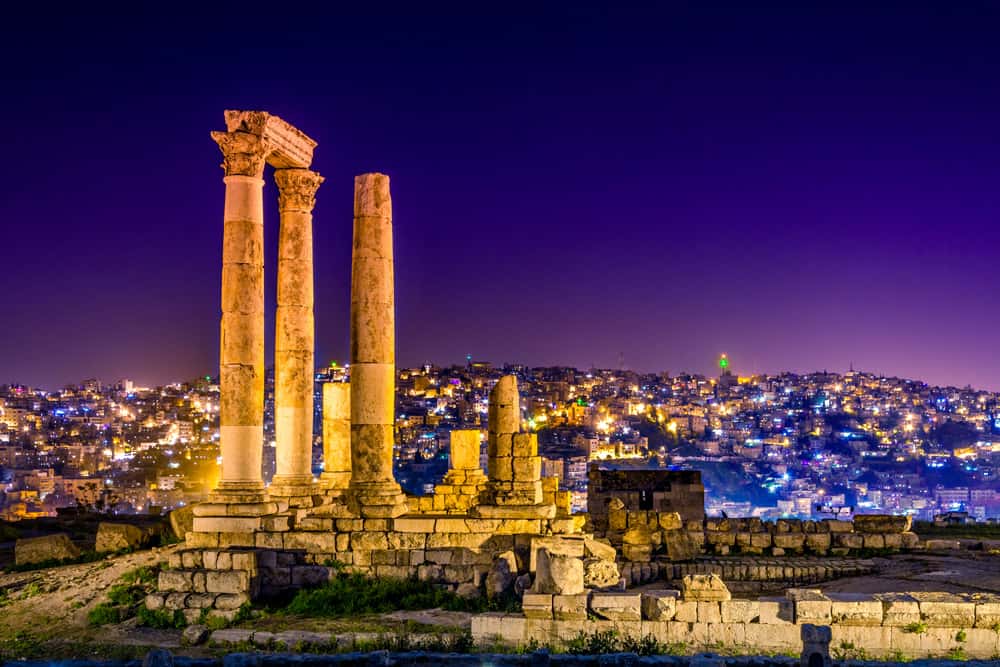
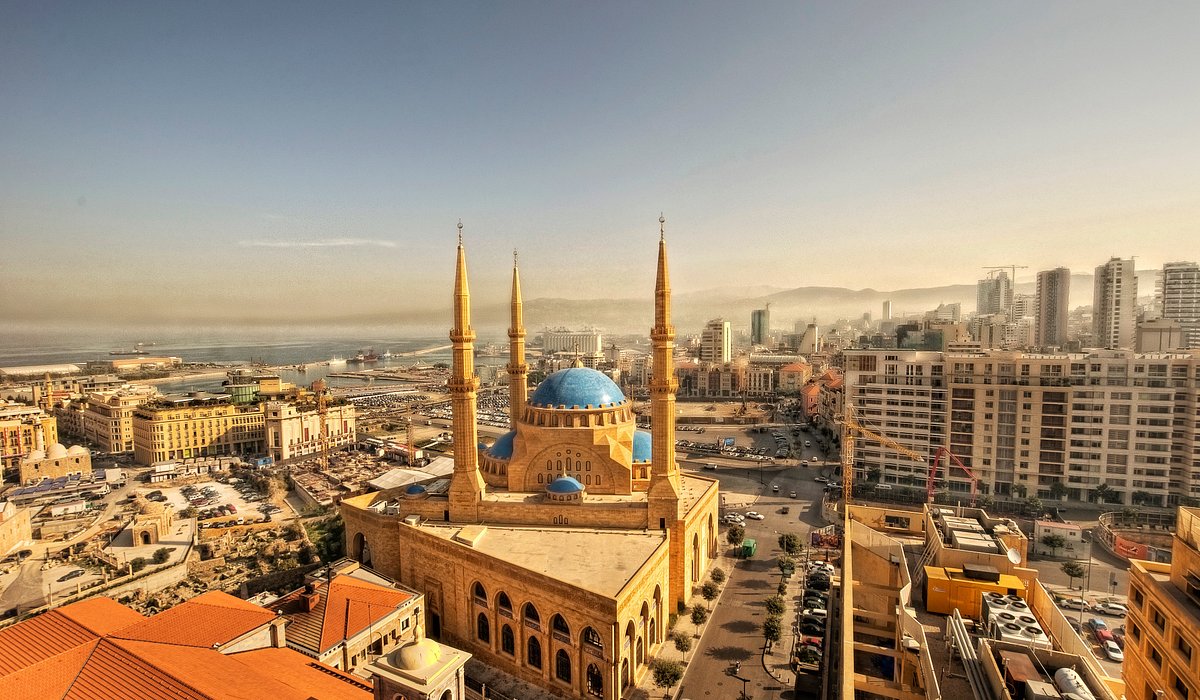
Amman, and Jordan as a whole, offers an almost unmatched density of ancient wonders. Within and around Amman, you'll find the Roman Amphitheatre, the Citadel with its Umayyad Palace and Temple of Hercules, and the nearby perfectly preserved Roman city of Jerash. But the real game-changer is Petra, a UNESCO World Heritage site and one of the New7Wonders of the World, easily accessible as a day or overnight trip from Amman. Add in Wadi Rum's Martian landscapes and the Dead Sea's unique properties, and Amman serves as a gateway to millennia of history and natural marvels. Beirut, while possessing its own fascinating layers of history from Roman baths to Ottoman era buildings and poignant reminders of its civil war, feels more like a modern city built upon ancient foundations. Its cultural scene is vibrant with contemporary art galleries and museums like the Sursock, but it can't quite compete with Jordan's sheer volume of blockbuster ancient sites. One Reddit user put it perfectly: "Amman is your base for exploring a living museum. Beirut is the museum you live in, constantly changing." Getting to Petra from Amman takes about 3 hours by car/taxi (JD 80-100 round trip) or public bus (JD 10 one-way).
Winner takeaway
- Winner: Amman
- Why: Amman is the undisputed winner for history buffs, offering direct access to world-class ancient sites like Petra and Jerash that are simply unparalleled.
- Who this matters for: History enthusiasts, archaeologists, and those seeking iconic ancient wonders.
🍲 Food Scene
Beirut's food scene is a dazzling, dynamic affair, famous across the Middle East and beyond. From high-end dining experiences at places like Em Sherif, which offers an extravagant multi-course Lebanese feast for around $100-150 per person, to trendy bistros in Mar Mikhael and Gemmayzeh, and fantastic street food from local bakeries, Beirut truly shines. You'll find incredible mezze spreads, fresh seafood, and an innovative culinary spirit that constantly reinvents traditional dishes. The café culture is also legendary. Amman, on the other hand, offers a more traditional, comforting, and generally more affordable culinary journey. You'll find some of the best falafel and hummus at iconic spots like Hashem Restaurant in Downtown (a full meal for JD 5-8 / ~$7-11), delicious mansaf (Jordan's national dish), and incredible kunafa. While Amman has its upscale restaurants, Beirut just has a broader spectrum of innovation and sheer volume of diverse, high-quality eateries. As one traveler noted, "Beirut food felt like an art form, Amman was soul food perfection. Both amazing, but Beirut wins on variety and presentation." Expect a fantastic shawarma in Amman for JD 2.5-4 (~$3.5-5.5).
Winner takeaway
- Winner: Beirut
- Why: Beirut takes the crown for its sheer diversity, sophisticated dining, innovative chefs, and an unparalleled range of culinary experiences, from street food to fine dining.
- Who this matters for: Foodies, gourmands, and those who prioritize diverse and high-quality dining experiences.
🎉 Nightlife
When it comes to nightlife, Beirut is in a league of its own in the Middle East, often dubbed the 'party capital.' The neighborhoods of Mar Mikhael and Gemmayzeh are packed with bars, pubs, and clubs that come alive after dark, staying open until the early hours. You can find everything from casual pubs to upscale cocktail bars and pulsating techno clubs like B 018 (entrance can be $20-40, drinks extra). The energy is infectious, and people dress to impress. Amman's nightlife, while certainly present, is more laid-back and less intense. You'll find a good selection of trendy rooftop bars (like District Urban Rooftop or Cantaloupe Gastro Pub where cocktails average JD 8-12 / ~$11-17), shisha cafes, and lounges, particularly along Rainbow Street and in the Abdoun area. It's a great place for a relaxed evening with friends, enjoying city views and good conversation, but it doesn't have the same wild, 'dance until dawn' reputation as Beirut. "If you want to properly party, Beirut is the only choice. Amman is more chill drinks and shisha," a Reddit user wisely advised. A local beer in Beirut can cost $5-8, while in Amman it's JD 5-7 (~$7-10).
Winner takeaway
- Winner: Beirut
- Why: Beirut's nightlife is legendary, offering a dynamic, diverse, and high-energy party scene that draws people from across the globe.
- Who this matters for: Party-goers, social butterflies, and those looking for vibrant late-night entertainment.
💰 Costs & Budget
Amman offers a more predictable and generally more affordable travel experience. A budget traveler can comfortably get by on JD 50-70 ($70-100) per day, covering a decent hostel or budget hotel (JD 25-40 / $35-55), street food (JD 5-10 / $7-14), and local transport/entry fees. Mid-range travelers might spend JD 80-120 ($110-170). Taxis are metered and reasonable (a short ride JD 2-4 / $3-5). Entry to sites like the Citadel is JD 3 (~$4). Beirut's costs are far more complex due to Lebanon's severe economic crisis and hyperinflation. While some things can be incredibly cheap (e.g., local produce), others, especially imported goods or upscale dining, can be quite expensive, often priced in USD. A mid-range hotel might cost $80-150, but a street food meal could be as little as $5-10. Taxis are negotiable but often more expensive than Amman, especially for tourists. The variability makes budgeting difficult. "Amman was easy to stick to a budget. Beirut felt like a constant calculation of which currency to use and what was actually a fair price," remarked one traveler. For stability and clear budgeting, Amman is the easier choice. A coffee in Amman is JD 2-3 (~$3-4), in Beirut $3-5.
Winner takeaway
- Winner: Amman
- Why: Amman provides a more stable, predictable, and generally lower cost of travel, making budgeting significantly easier for visitors.
- Who this matters for: Budget-conscious travelers, backpackers, and anyone who prefers clear, predictable pricing.
🚕 Getting Around
Navigating Amman is relatively straightforward. Within the city, metered taxis are plentiful and affordable, or you can use ride-hailing apps like Careem or Uber for transparency (a 20-min ride typically JD 4-7 / ~$6-10). For inter-city travel to popular sites like Petra, Wadi Rum, or the Dead Sea, JETT buses offer comfortable and reliable services (e.g., Amman to Petra is JD 10 one-way, ~3 hours). Renting a car is also a viable option for those comfortable with Middle Eastern driving. Beirut, however, is a different beast entirely. Its traffic is legendary – dense, slow, and often chaotic. While taxis are available, negotiating fares is common, and ride-hailing apps are less prevalent or sometimes unreliable. The 'serviis' (shared taxis) are a local experience but can be confusing for first-timers. Walking is the best way to explore neighborhoods like Gemmayzeh and Mar Mikhael, but distances between major areas can be significant. "In Amman, I just hailed a taxi or booked a Careem. In Beirut, I felt like I needed a battle plan just to cross the city," a traveler lamented. For ease and efficiency of movement, Amman wins hands down.
Winner takeaway
- Winner: Amman
- Why: Amman offers much easier and more predictable intra-city and inter-city transportation options, making travel smoother and less stressful.
- Who this matters for: Travelers who prefer easy logistics, aren't keen on heavy traffic, and value convenience in getting around.
🌄 Day Trips & Nature
This is where Amman truly shines, serving as the perfect launchpad for some of the world's most iconic natural and historical sites. From Amman, you can easily embark on day trips or overnight stays to Petra, the ancient Nabataean city carved into rose-red cliffs (3-hour drive), the ethereal desertscape of Wadi Rum, where you can go stargazing and glamping (4-hour drive), and the therapeutic Dead Sea (45-minute drive). You can also explore the Roman ruins of Jerash (1-hour drive) or the green hills of Ajloun. These experiences are truly bucket-list worthy and incredibly diverse, offering everything from ancient wonders to unique geological formations. Beirut offers excellent day trips too, including the ancient city of Byblos (45-min drive), the colossal Roman temples of Baalbek (2-hour drive), and the stunning Jeita Grotto. While impressive, they generally don't have the same global 'wow' factor as Petra or the unique natural draw of Wadi Rum and the Dead Sea. "Jordan’s day trips are legendary. Nothing in the world compares to Petra and Wadi Rum. Beirut's are great, but different league entirely," said one online review. A private car to Petra and back from Amman can be arranged for JD 80-100 (~$110-140).
Winner takeaway
- Winner: Amman
- Why: Amman's proximity to unparalleled, world-famous sites like Petra, Wadi Rum, and the Dead Sea makes it an unrivaled base for day trips and diverse natural experiences.
- Who this matters for: Adventure seekers, photographers, nature lovers, and those with a bucket list of natural and ancient wonders.
✅ Safety & Stability
Jordan, and Amman in particular, is widely regarded as one of the safest and most stable countries in the Middle East. Crime rates are low, and tourists generally feel very secure, even when exploring independently or as a solo traveler. The government is stable, and there's a strong emphasis on maintaining a welcoming environment for visitors. This sense of security allows travelers to relax and fully immerse themselves in the experience without constant worry. Beirut, unfortunately, has a more complex and volatile history. While tourist areas like Hamra, Gemmayzeh, and Mar Mikhael are generally safe and bustling, the country's political and economic instability can lead to protests, occasional unrest, or power outages. It requires a higher degree of situational awareness and checking local news or government travel advisories is crucial. "I felt completely at ease walking alone in Amman at night. In Beirut, I loved the energy but was always a bit more vigilant," a solo female traveler mentioned. While both can be safe for tourists, Amman offers a far greater sense of peace of mind. A typical taxi ride in Amman is JD 2-4 (~$3-5), feeling very secure.
Winner takeaway
- Winner: Amman
- Why: Amman provides a consistently high level of safety and political stability, ensuring a more relaxed and worry-free travel experience.
- Who this matters for: Solo travelers, families, first-time visitors to the region, and those prioritizing peace of mind.
🌊 Beaches & Water
Beirut, as a coastal city, naturally wins this category. It sits right on the beautiful Mediterranean Sea, offering a mix of urban beaches and upscale beach clubs where you can relax, swim, and enjoy the sun. While the city beaches like Ramlet al-Baida can be crowded and not always pristine, heading north to areas like Byblos (Jbeil) reveals clearer waters and more traditional sandy stretches or resort-style beaches. Places like Lazy B Beach Club outside Beirut offer day passes for around $20-30, providing pools, sunbeds, and direct sea access. Amman, being landlocked, doesn't have traditional beaches. However, it offers a truly unique water experience: the Dead Sea, just an hour's drive away. Here, you can float effortlessly in the hypersaline water and cover yourself in mineral-rich mud, an experience unlike any other. While not a 'beach' in the traditional sense, it's a major draw. "Beirut for actual swimming and beach vibes, Dead Sea for the surreal experience. Can't compare apples and oranges directly," one traveler summarized. A day pass to a Dead Sea resort like Amman Beach Resort is around JD 20-30 (~$28-42).
Winner takeaway
- Winner: Beirut
- Why: Beirut's direct access to the Mediterranean Sea and its vibrant beach club scene make it the clear choice for traditional beach experiences.
- Who this matters for: Beach lovers, sun worshippers, and those who enjoy coastal relaxation and water activities.
🛍️ Shopping & Souvenirs
Beirut excels in offering a diverse and stylish shopping experience. From chic boutiques in the fashionable neighborhoods of Gemmayzeh and Mar Mikhael showcasing local designers and unique pieces, to high-end international brands in Beirut Souks and ABC Achrafieh Mall, the city caters to a sophisticated shopper. You'll find unique jewelry, art, and home decor items that reflect Lebanon's artistic flair. Even browsing is an experience, with many shops having beautiful displays. Amman offers a more traditional shopping experience, particularly in its bustling downtown souqs where you can haggle for spices, traditional clothing, gold, and local crafts. Rainbow Street also has charming artisan shops and galleries. For modern shopping, malls like City Mall and Taj Mall offer international brands, but they feel more generic. "Beirut felt like I could find truly unique, fashionable pieces. Amman was great for traditional souvenirs and spices," a shopper noted. A unique piece of art or jewelry in Beirut could range from $50-200+, while a quality silver souvenir in Amman's souq might be JD 20-50 (~$28-70).
Winner takeaway
- Winner: Beirut
- Why: Beirut's vibrant fashion scene, unique boutiques, and high-end malls offer a more diverse and exciting shopping experience for trend-conscious travelers.
- Who this matters for: Fashionistas, art collectors, souvenir hunters looking for unique contemporary items, and those who enjoy upscale retail therapy.
🏨 Accommodation
Both cities offer a broad spectrum of accommodation, making this category a tie, as the 'winner' depends heavily on preference and budget. Amman provides excellent value across the board. You can find clean, comfortable hostels for JD 10-20 ($14-28) per night, mid-range hotels like The Olea Hotel or Wild Jordan Center for JD 50-80 ($70-110), and international chains for JD 100+ ($140+). Many options have a welcoming, traditional feel. Beirut, on the other hand, excels in boutique hotels and stylish, design-focused apartments, especially in areas like Hamra, Mar Mikhael, or Achrafieh. These often come with a higher price tag – a good boutique hotel might start at $100-150 per night, with luxury options far exceeding that. However, there are also budget guesthouses and hostels, though less numerous than in Amman. "Amman had solid, reliable, good-value hotels. Beirut had more 'character' hotels but at a higher price," a traveler observed. For example, a stay at The Smallville Hotel in Beirut might run $120-200 per night, offering a distinct design aesthetic. So, if value and traditional comfort are key, Amman wins. If unique style and a vibrant atmosphere are priorities, Beirut might edge it out.
Winner takeaway
- Winner: Tie
- Why: Both cities offer high-quality accommodation options tailored to different budgets and styles, making it a matter of personal preference.
- Who this matters for: All travelers, as both cities cater to diverse accommodation needs; depends on budget and desired aesthetic.
❓ Frequently Asked Questions
Do I need a visa for Jordan or Lebanon?
Visa requirements vary significantly by nationality. Many nationalities can obtain a visa on arrival for Jordan, or use the Jordan Pass which includes visa fees and entry to Petra. For Lebanon, most visitors need to obtain a visa in advance or get one on arrival, but this can be complex. Always check the latest requirements with the respective embassies or consulates well before your trip.
What's the best time of year to visit Amman and Beirut?
The best time for both cities is spring (April-May) and autumn (September-October). The weather is pleasantly warm, ideal for exploring historical sites and enjoying outdoor activities. Summers (June-August) can be very hot, especially in Amman, while winters (November-March) can be cold and rainy, with occasional snow in Amman.
Is solo female travel safe in both cities?
Amman is generally considered very safe for solo female travelers, with a welcoming atmosphere and low harassment. Standard precautions apply, but you'll likely feel very comfortable. Beirut is also generally safe in tourist areas, but a higher degree of situational awareness is advised due to its more complex social and political climate. Dressing modestly, especially in more conservative areas, is always respectful in both.
How many days should I spend in each city?
For Amman, plan 2-3 full days to explore the city itself and then add 3-4 days for day trips to Petra, Wadi Rum, and the Dead Sea. For Beirut, 3-4 full days are ideal to soak in the city's vibe, explore its neighborhoods, and enjoy its food and nightlife. If combining both, allow at least 5-7 days for Jordan (Amman as base) and 4-5 days for Beirut.
What's the currency situation in Lebanon like for tourists?
Lebanon's currency situation is volatile. While the official currency is the Lebanese Pound (LBP), due to hyperinflation, prices for many goods and services (especially hotels, tours, and high-end restaurants) are often quoted and preferred in US Dollars. It's advisable to carry USD in small denominations and be aware of the daily parallel market exchange rate if paying in LBP.
Can I travel overland between Jordan and Lebanon?
Direct overland travel between Jordan and Lebanon via Syria is currently not advisable or generally possible for tourists due to the ongoing conflict in Syria and border closures/restrictions. The safest and most common way to travel between the two countries is by flying, usually with a layover in a hub like Cairo or Istanbul.
Are English speakers common in Amman and Beirut?
Yes, English is widely spoken in both Amman and Beirut, especially in tourist areas, hotels, and restaurants. In Beirut, French is also very common. You'll have no trouble communicating basic needs and navigating in either city, but learning a few Arabic phrases (like 'hello' - marhaba, 'thank you' - shukran) is always appreciated by locals.
What are the main cultural differences a traveler might notice?
Amman is generally more conservative and traditional, reflecting Jordanian values, with a strong emphasis on hospitality and family. Beirut is much more liberal, cosmopolitan, and Western-influenced, especially in its fashion, social norms, and nightlife. While both are Arab cities, Beirut's Mediterranean coastal vibe gives it a distinct European-Middle Eastern fusion that feels different from Amman's more classic Levantine character.
Ready to plan your Levant trip?
Get a free custom itinerary for Amman, Beirut, or both — built from real traveler insights.
🎟️ Book Tours & Experiences
Hand-picked tours and activities for both destinations — book with free cancellation
Experiences via Viator — free cancellation on most tours