How we built this comparison
This page combines traveler discussion patterns, published price ranges, flight schedules, and seasonal data to help you decide between Andalusia and Catalonia.
- Reviewed 100+ Reddit threads from r/travel, r/solotravel, r/SpainTravel, r/Barcelona, and r/Andalusia for genuine traveler experiences and insights.
- Verified costs, flight routes, train times, and logistics against current booking platforms like Renfe, Skyscanner, and major hotel aggregators.
- Cross-referenced seasonal patterns, weather data, and local events to provide optimal travel timing recommendations.
⚡ The TL;DR Verdict
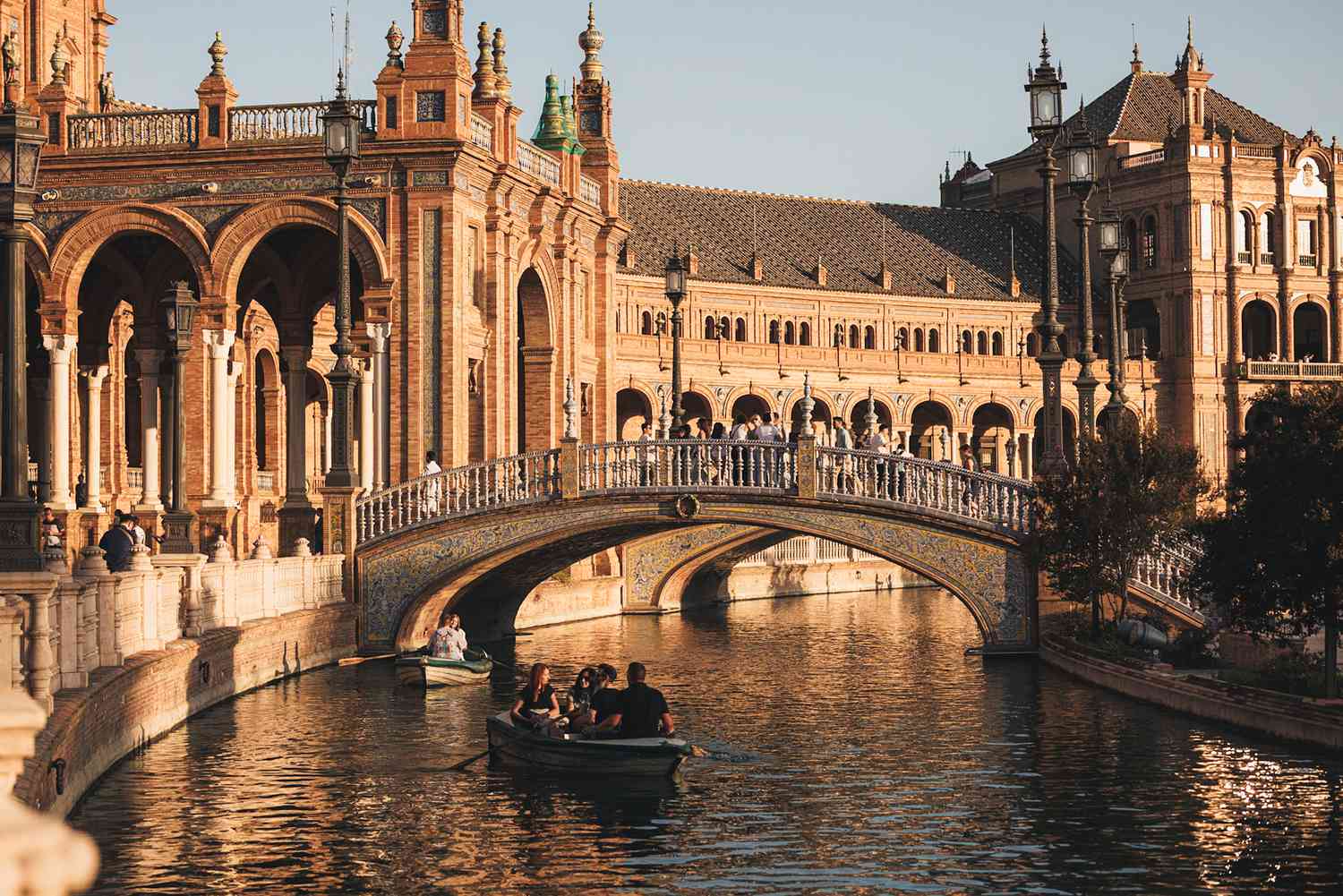
For budget-conscious travelers seeking deep history, authentic culture, and a more relaxed pace, Andalusia is your winner, with daily budgets ranging from €60-100 ($65-110). If you crave vibrant city life, cutting-edge cuisine, diverse art, and aren't afraid of higher costs, Catalonia, especially Barcelona, calls your name, typically requiring €90-150+ ($98-165+) per day.
- Choose Andalusia: Pick Andalusia for a rich dive into Spain's Moorish past, passionate flamenco, incredible value tapas, and a generally more laid-back, sun-drenched experience perfect for history buffs and foodies on a budget.
- Choose Catalonia: Choose Catalonia for its distinct Catalan culture, world-class modern art (hello, Gaudí!), a dynamic nightlife, fantastic beaches like Costa Brava, and excellent food, appealing to city explorers and contemporary culture vultures.
- Choose Both: If you have at least 10-14 days and want to experience the full spectrum of Spanish diversity, combining both is absolutely doable. Fly into Barcelona, spend 4-5 days, then take a high-speed train or flight to Seville/Málaga for another 5-7 days.
Quick Comparison
| Category | Andalusia | Catalonia | Winner |
|---|---|---|---|
| Food & Drink | Tapas culture reigns supreme, with delicious, affordable small plates. Iconic jamón ibérico, sherry wine, and olive oil. Emphasis on fresh, local ingredients. | Innovative Catalan cuisine, from fresh seafood to avant-garde dishes. Cava sparkling wine. Barcelona is a foodie paradise with Michelin stars and diverse global options. | Andalusia |
| Culture & History | A rich tapestry of Moorish, Roman, and Christian heritage. Iconic flamenco, grand cathedrals, and ancient palaces. Deeply traditional. | Distinct Catalan identity, language, and culture. Gaudi's modernism in Barcelona, Roman ruins in Tarragona, medieval Girona. Unique art and architecture. | Andalusia |
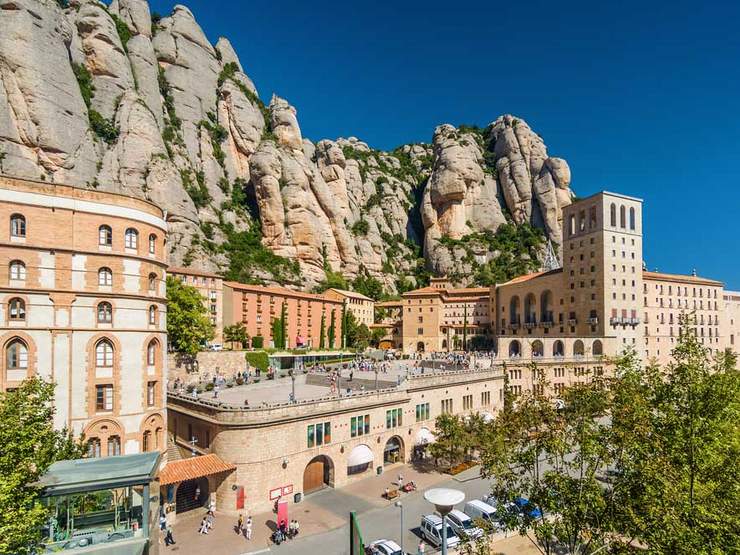
| Beaches & Nature | Diverse coastlines (Costa del Sol, Costa de la Luz), stunning white villages (Ronda, Frigiliana), and the Sierra Nevada mountains for hiking/skiing. | Rugged Costa Brava coastline, Pyrenees mountains for hiking, Montserrat's unique rock formations. More developed beach resorts. | Andalusia |
| Nightlife & Entertainment | More traditional, focused on late-night tapas bars, local 'tablaos' for flamenco, and social squares. Less club-centric. | Barcelona offers world-class clubbing, vibrant bar scenes in diverse neighborhoods, and a cosmopolitan atmosphere. Plenty of live music and sophisticated lounges. | Catalonia |
| Costs & Budget | Generally more affordable for accommodation, food, and local transportation. Excellent value for money, especially outside peak season. | Higher costs, particularly in Barcelona. Accommodation, dining, and tourist attractions can be significantly pricier. Madrid is comparable. | Andalusia |
| Getting Around | Good inter-city bus network. High-speed trains connect major cities. A car is recommended for exploring white villages and rural areas. | Excellent public transport in Barcelona (metro, bus). Extensive regional train network (Rodalies) for day trips. High-speed AVE trains to other major cities. | Catalonia |
| Accommodation | Offers a wide range from budget hostels to charming boutique hotels in historic centers, often with great value. Traditional 'haciendas' in rural areas. | Barcelona has trendy design hotels, apartments, and modern hostels. Can be pricier, especially in prime locations. Good options outside the capital too. | Tie |
| Day Trips | From Seville: Córdoba (Mezquita), Ronda (cliffside town), Cádiz (ancient port). From Málaga: Nerja (caves, beaches), Granada (Alhambra). | From Barcelona: Montserrat (monastery, mountains), Girona (medieval city), Figueres (Dalí Museum), Sitges (coastal town). | Tie |
| Weather & Best Seasons | Long, hot, dry summers (often 35°C+/95°F+). Mild, sunny winters. Ideal shoulder seasons (spring/fall) for pleasant temperatures and fewer crowds. | Mediterranean climate, generally milder than Andalusia. Hotter, humid summers (around 30°C/86°F). Cooler winters, especially further north in the Pyrenees. | Andalusia |
| Solo Travel & Safety | Generally very safe and welcoming for solo travelers. Laid-back atmosphere. Petty crime exists in major cities but is less prevalent than in Barcelona. | Safe overall, but Barcelona is notorious for petty crime (pickpocketing) in tourist areas. Solo female travelers generally feel safe. Good public transport for late nights. | Andalusia |
🍽️ Food & Drink
Andalusia, hands down, offers a more accessible and often more authentic everyday food experience. The tapas culture here is legendary; you can easily hop between bars like El Rinconcillo in Seville (Spain's oldest bar, established 1670!) or Bodeguita Romero and enjoy delicious small plates with a drink for just €3-5 ($3.30-5.50) each. Think fried fish, patatas bravas, espinacas con garbanzos (spinach with chickpeas), or amazing jamón ibérico. Sherry wine from Jerez is a must-try. Catalonia, particularly Barcelona, excels in high-end dining and innovation, with world-renowned restaurants and a strong focus on seafood and cava. However, finding truly 'local' and budget-friendly eats can be more challenging outside of specific neighborhoods like Gràcia or Sant Antoni. A decent dinner in Barcelona might set you back €25-40 ($27-44) per person, whereas in Andalusia, you can feast for €15-25 ($16-27). "Honestly, Seville's tapas game is unmatched. You just walk into a place, grab a few things, and it's always good and cheap. Barcelona felt a bit more tourist-trap-y for food sometimes, unless you knew exactly where to go."
Winner takeaway
- Winner: Andalusia
- Why: Andalusia wins for its widespread, affordable, and deeply authentic tapas culture that allows you to truly taste the region without breaking the bank.
- Who this matters for: Budget travelers, social eaters, and those seeking traditional Spanish flavors.
🏛️ Culture & History
Andalusia offers an unparalleled journey through centuries of history, dominated by its Moorish past. The Alhambra in Granada is not just a palace; it's an entire city complex, a UNESCO World Heritage site, and a masterpiece that requires booking tickets months in advance (around €19 / $21). Seville boasts the colossal Seville Cathedral (Europe's largest Gothic church, €12 / $13) and the Alcázar, while Córdoba's Mezquita-Cathedral is a breathtaking blend of mosque and church (€11 / $12). Flamenco, born in Andalusia, offers raw, passionate performances that are deeply moving. Catalonia, while rich in history, shines brightest through its unique Catalan modernism, epitomized by Antoni Gaudí's Sagrada Família (€26-30 / $28-33) and Park Güell (€10 / $11) in Barcelona. It also offers Roman history in Tarragona and medieval charm in Girona. However, Andalusia's historical impact feels more profound and universally resonant, offering a truly immersive experience into a pivotal era of European history. "The Alhambra just blew my mind, seriously. Nothing in Barcelona quite matched that ancient grandeur for me, though Gaudí is definitely cool in its own way."
Winner takeaway
- Winner: Andalusia
- Why: Andalusia's combination of iconic Moorish architecture, deep-seated flamenco traditions, and ancient sites offers a more universally impactful and immersive historical experience.
- Who this matters for: History buffs, architecture enthusiasts, and those seeking profound cultural immersion.
🏖️ Beaches & Nature
Andalusia boasts incredible diversity beyond its cities. The Costa de la Luz, facing the Atlantic, offers expansive, golden sand beaches like those in Tarifa or Zahara de los Atunes, perfect for wind sports or just relaxing, often less crowded than other Spanish coasts. Inland, the 'Pueblos Blancos' (white villages) like Ronda, perched dramatically on a gorge, or the charming Frigiliana, offer picturesque escapes. And then there's the Sierra Nevada, where you can ski in the morning and be on a Mediterranean beach in the afternoon (a 1.5-hour drive from Granada). Catalonia's Costa Brava is undeniably beautiful with its coves and dramatic cliffs, and towns like Cadaqués or Tossa de Mar are stunning. The Pyrenees offer fantastic hiking, and Montserrat's unique jagged peaks are a short, iconic trip from Barcelona. However, Andalusia feels less developed and offers a broader spectrum of natural wonders from vast deserts (Tabernas) to high mountains and two distinct coastlines, giving it an edge for sheer variety and unspoiled beauty. "Loved the beaches near Cádiz, so chill and endless. Felt way less touristy than anything I saw on the Costa Brava, even though that was pretty too."
Winner takeaway
- Winner: Andalusia
- Why: Andalusia offers greater natural diversity, from vast uncrowded Atlantic beaches to the Sierra Nevada mountains and iconic white villages, often with less commercial development.
- Who this matters for: Nature lovers, hikers, beach enthusiasts seeking variety and tranquility, and those interested in picturesque inland villages.
🕺 Nightlife & Entertainment
When it comes to pure nightlife and entertainment variety, Catalonia, specifically Barcelona, is in a league of its own. Barcelona boasts an incredible array of options, from mega-clubs in Port Olímpic like Opium and Pacha (entry usually €15-25 / $16-27, including a drink) to trendy cocktail bars in El Born, live music venues in Gràcia, and underground electronic spots in El Raval. The city truly comes alive after midnight and often parties until dawn. Andalusia's nightlife is more deeply rooted in its traditions: late-night tapas bars where conversations flow, and, of course, authentic flamenco shows. While Seville and Málaga have their share of bars and some clubs, they generally cater to a more local crowd and don't have the international, high-energy clubbing scene of Barcelona. A good flamenco show in Seville can cost €20-40 ($22-44), offering a unique cultural experience, but it's a different kind of 'night out'. "Barcelona's nightlife is just epic. We went to a different club every night, and the vibe was always buzzing. Andalusia was cool for late dinners and drinks, but not really for dancing till 4 AM."
Winner takeaway
- Winner: Catalonia
- Why: Catalonia, especially Barcelona, offers a more diverse, energetic, and internationally renowned nightlife scene with options for every taste, from clubs to sophisticated bars.
- Who this matters for: Party-goers, club enthusiasts, those seeking late-night entertainment, and a cosmopolitan vibe.
💰 Costs & Budget
Andalusia is a clear winner for budget-conscious travelers. You can get a decent hostel bed in Seville or Granada for €20-35 ($22-38), or a comfortable double room in a mid-range hotel for €70-100 ($76-110). Meals, as mentioned, are incredibly good value with tapas. Transportation between cities via bus (e.g., Seville to Granada) might cost €20-25 ($22-27). Catalonia, especially Barcelona, is noticeably more expensive. Hostel beds can start from €30-50 ($33-55), and a similar mid-range hotel room will easily run you €100-180 ($110-198), or even more during high season. Dining out, while fantastic, comes with a higher price tag. Tourist attractions like the Sagrada Família (€26-30 / $28-33) are also on the higher end. Public transport in Barcelona is efficient but not remarkably cheap (single metro ticket €2.40 / $2.60). Overall, your daily budget in Andalusia could be €60-100 ($65-110), while in Catalonia, you're looking at €90-150+ ($98-165+). "My trip to Andalusia felt so much cheaper than Barcelona. I was actually shocked how much further my money went, especially on food and drinks."
Winner takeaway
- Winner: Andalusia
- Why: Andalusia offers significantly better value across accommodation, food, and local experiences, making it ideal for travelers on a tighter budget.
- Who this matters for: Budget travelers, long-term travelers, and anyone looking to maximize their euros.
🚗 Getting Around
Catalonia's transport infrastructure, particularly centered around Barcelona, feels slightly more seamless and efficient for travelers without a car. Barcelona's metro and bus system is world-class, making navigating the city incredibly easy (a T-Casual 10-trip card costs around €11.35 / $12.50). For day trips, the Rodalies train network connects Barcelona to places like Girona, Tarragona, and the Costa Brava effectively. High-speed AVE trains connect Barcelona to Madrid (2.5-3 hours, ~€60-100 / $65-110) and Valencia. Andalusia has a decent bus network (e.g., ALSA) connecting cities like Seville, Granada, and Málaga for around €20-25 ($22-27) per journey. High-speed trains also connect major Andalusian cities, but for exploring the charming white villages (Pueblos Blancos) or the more remote Sierra Nevada, a rental car (starting around €25-40 / $27-44 per day) is highly recommended, which adds to the cost and complexity. "Getting around Barcelona was a breeze with the metro. I didn't even think about renting a car there. In Andalusia, I felt like I really needed one to see the cool smaller towns."
Winner takeaway
- Winner: Catalonia
- Why: Catalonia wins for its superior urban public transport and comprehensive regional train network that makes car-free travel easier for most popular itineraries.
- Who this matters for: Travelers relying on public transport, city explorers, and those planning multiple day trips from a central hub.
🏨 Accommodation
Both regions offer excellent accommodation options, but with different flavors. Andalusia provides incredible value, especially in its charming historic centers. You can find beautiful boutique hotels or guesthouses (like Hotel Casa 1800 in Seville or Casa del Capitán in Ronda) for €90-130 ($98-142) a night, or quality hostel dorms for €20-35 ($22-38). The region also excels in unique rural stays like renovated 'cortijos' or 'haciendas'. Catalonia, particularly Barcelona, leans towards more modern, design-focused hotels and a vast array of vacation rentals. While you can find luxury and trendy spots (e.g., Hotel Arts Barcelona, or Hotel Praktik Bakery known for its smell of fresh bread), prices are generally higher, with mid-range hotels often starting at €120-180 ($130-198) and budget options closer to €30-50 ($33-55) for a dorm. Outside Barcelona, like in Girona or along the Costa Brava, prices become more competitive. The choice here depends on your preference: traditional charm and value in Andalusia, or modern design and urban convenience in Catalonia. "Finding a super cute, well-located hotel in Seville for under €100 was easy. Barcelona, not so much; everything decent was double that, or felt like a shoebox."
Winner takeaway
- Winner: Tie
- Why: Both regions offer diverse and high-quality accommodation, with Andalusia excelling in traditional charm and value, and Catalonia in modern design and urban convenience.
- Who this matters for: Everyone, as both regions cater to different preferences from budget to luxury.
🏞️ Day Trips
Both regions are fantastic for day trips, offering an incredible variety of experiences easily accessible from their main cities. From Seville, you can take a high-speed train to Córdoba in just 45 minutes (€20-30 / $22-33) to explore its breathtaking Mezquita-Cathedral. Ronda, with its dramatic Puente Nuevo bridge, is another popular choice, about 1.5-2 hours by bus or car. You can also visit Cádiz for its ancient charm and beaches, or even Granada for the Alhambra if you start early. Catalonia, with Barcelona as its hub, offers equally compelling options. The unique rock formations and monastery of Montserrat are a must-see, easily reached by train and cable car/funicular in about an hour (€25-30 / $27-33 for combined ticket). The medieval city of Girona (just 40 mins by train, €15-20 / $16-22) is a 'Game of Thrones' filming location, and Figueres, home to the Salvador Dalí Theatre-Museum, is also popular. Coastal towns like Sitges offer a beach escape. The quality and accessibility of day trips are so high in both regions that it truly comes down to personal preference for what kind of exploration you prefer. "I loved my day trip to Girona from Barcelona, felt like stepping back in time. But then again, Córdoba from Seville was absolutely stunning, can't really pick a favorite between them."
Winner takeaway
- Winner: Tie
- Why: Both regions offer an exceptional array of diverse and easily accessible day trips from their main cities, catering to various interests from history to nature.
- Who this matters for: Travelers who enjoy exploring beyond the main cities and want a mix of cultural and natural excursions.
☀️ Weather & Best Seasons
Andalusia truly shines during its shoulder seasons: spring (April-May) and fall (September-October). Temperatures are delightfully warm, typically 20-28°C (68-82°F), perfect for sightseeing and enjoying outdoor activities without the intense heat. Summers (June-August) are famously, brutally hot, often exceeding 35-40°C (95-104°F) in cities like Seville and Córdoba, making daytime exploration challenging. Winters are generally mild and sunny, around 10-18°C (50-64°F), making it a great escape from colder European climates. Catalonia has a more temperate Mediterranean climate. Summers are hot and humid, around 28-32°C (82-90°F), ideal for beach holidays but can feel sticky in Barcelona. Winters are cooler than Andalusia, especially further north towards the Pyrenees, with occasional rain. For consistent, pleasant weather for general tourism outside of beach-focused trips, Andalusia's spring and fall offer a longer window of truly ideal conditions. "Seriously, don't go to Seville in July unless you love sweating. April was absolutely perfect though, warm but not oppressive, and the orange blossoms smelled amazing."
Winner takeaway
- Winner: Andalusia
- Why: Andalusia offers a more extended period of ideal, sunny, and pleasant weather during its beautiful spring and fall, making sightseeing more comfortable.
- Who this matters for: Travelers sensitive to extreme heat, those looking for outdoor activities, and anyone seeking mild, sunny breaks from cooler climates.
🚶♀️ Solo Travel & Safety
Both regions are generally safe for solo travelers, but Andalusia feels slightly more relaxed and less prone to the petty crime issues that plague Barcelona. In Andalusian cities like Seville, Granada, and Málaga, you can feel comfortable walking alone at night in most central areas, and locals are typically very friendly and helpful. The pace is a bit slower, and there's a strong sense of community. Petty crime, such as bag snatching or pickpocketing, does exist, especially in crowded tourist spots, but it's less of a pervasive concern compared to Barcelona. Barcelona, unfortunately, has a reputation for opportunistic pickpockets, particularly in areas like Las Ramblas, the Gothic Quarter, and on crowded metro lines. While violent crime is rare, travelers, especially solo ones, need to be extra vigilant with their belongings. Solo female travelers generally feel safe in both regions, with good public transport and well-lit areas. However, the constant need for heightened awareness in Barcelona can detract slightly from the experience. "As a solo female traveler, I felt super comfortable walking around Seville at night, even after a flamenco show. Barcelona, I was constantly clutching my bag, especially on the metro."
Winner takeaway
- Winner: Andalusia
- Why: Andalusia offers a slightly more relaxed and less crime-prone environment, particularly regarding petty theft, making solo travel feel more stress-free.
- Who this matters for: Solo travelers (especially first-timers), those sensitive to petty crime, and anyone seeking a more laid-back atmosphere.
❓ Frequently Asked Questions
Which region is better for a first-time visitor to Spain?
For a comprehensive introduction to 'classic' Spain—flamenco, Moorish palaces, vibrant tapas culture—Andalusia is often recommended. However, if you're drawn to unique modern architecture, a bustling cosmopolitan city, and diverse beaches, Catalonia (via Barcelona) offers an equally compelling, albeit different, first impression.
Is English widely spoken in both Andalusia and Catalonia?
In major tourist areas and hotels in both regions, you'll find English speakers. However, outside of these hubs, Spanish is predominantly spoken in Andalusia, and both Spanish and Catalan in Catalonia. Learning a few basic phrases in Spanish will greatly enhance your experience in either region.
Which region is better for families with young children?
Both offer family-friendly attractions. Andalusia with its parks, gentle beaches, and magical palaces like the Alhambra can feel very enchanting. Catalonia, particularly Barcelona, has excellent museums, the Tibidabo amusement park, and beaches like those in Sitges. Catalonia might have a slight edge for stroller accessibility in Barcelona, but Andalusia is generally more relaxed.
How long should I spend in each region for a good visit?
For a good introduction, aim for at least 5-7 days in each region. This allows you 3-4 days in a main city (like Seville or Barcelona) and 2-3 days for day trips or exploring another smaller city. A full 10-14 days lets you truly dive deep into one region or comfortably combine both.
Can I easily travel between Andalusia and Catalonia?
Yes, high-speed AVE trains connect Seville to Barcelona (via Madrid) in about 5.5-6 hours, costing roughly €80-150 ($88-165). Alternatively, direct flights between Seville/Málaga and Barcelona are frequent and take about 1.5 hours, often costing €40-100 ($44-110) if booked in advance.
Which region has better shopping opportunities?
Catalonia, specifically Barcelona, offers a superior shopping experience with major international brands, unique boutiques in areas like Gràcia and El Born, and large department stores. Andalusia has traditional craft shops, local markets, and smaller chains, but lacks the high-fashion and diverse retail scene of Barcelona.
Are there distinct cultural differences I should be aware of?
Absolutely. Andalusia embodies a more traditional, passionate Spanish culture with deep roots in flamenco, bullfighting, and a strong 'fiesta' spirit. Catalonia has a distinct national identity, with its own language (Catalan), unique traditions like 'castells' (human towers), and a more cosmopolitan, modernist outlook. Both are vibrant, but very different.
Which region is better for outdoor activities like hiking?
While both offer hiking, Andalusia with its Sierra Nevada mountains (highest peak in mainland Spain, Mulhacén at 3,479m / 11,414ft) and diverse natural parks provides more extensive and varied hiking opportunities, from challenging treks to scenic coastal walks. Catalonia's Pyrenees are also excellent, but Andalusia's range of options edges it out.
Ready to plan your unforgettable Spanish adventure?
Get a free custom itinerary for Andalusia, Catalonia, or both — built from real traveler insights and tailored to your preferences.
🎟️ Book Tours & Experiences
Hand-picked tours and activities for both destinations — book with free cancellation
Experiences via Viator — free cancellation on most tours