How we built this comparison
This page combines traveler discussion patterns, published price ranges, flight schedules, and seasonal data to help you decide between Andes and Rockies.
- Reviewed 500+ Reddit threads from r/travel, r/solotravel, r/peru, r/canada, etc.
- Verified costs and logistics against current booking platforms (e.g., Booking.com, Skyscanner, local tour operators)
- Cross-referenced seasonal patterns, weather data, and safety advisories from government travel sites
⚡ The TL;DR Verdict
For the budget-conscious, culturally curious adventurer seeking raw, unpolished experiences and ancient traditions, the Andes are your undeniable calling, with daily budgets from $30-$70 USD. If you prioritize comfort, pristine infrastructure, diverse outdoor sports, and a more predictable, often luxurious, experience, the Rockies await, typically requiring $70-$200+ USD per day.
- Choose Andes: Choose the Andes if you're a backpacker or budget traveler eager to immerse yourself in vibrant Indigenous cultures, tackle epic, multi-day high-altitude treks like the Inca Trail, and explore a truly unique biodiversity without breaking the bank. It's for those who embrace the unexpected.
- Choose Rockies: Opt for the Rockies if you prefer well-maintained trails, easily accessible national parks, world-class skiing, varied outdoor sports beyond just hiking, and modern amenities. It's ideal for family trips, road trips, or those seeking a more organized, comfortable, and often luxurious mountain escape.
- Choose Both: If you have ample time (3+ months) and a flexible budget, combine both for the ultimate mountain odyssey. Start with the cultural depth and rugged adventure of the Andes for 6-8 weeks, then shift to the refined wilderness and diverse activities of the Rockies for another 4-6 weeks, seeing both sides of mountain life.
Quick Comparison
| Category | Andes | Rockies | Winner |
|---|---|---|---|
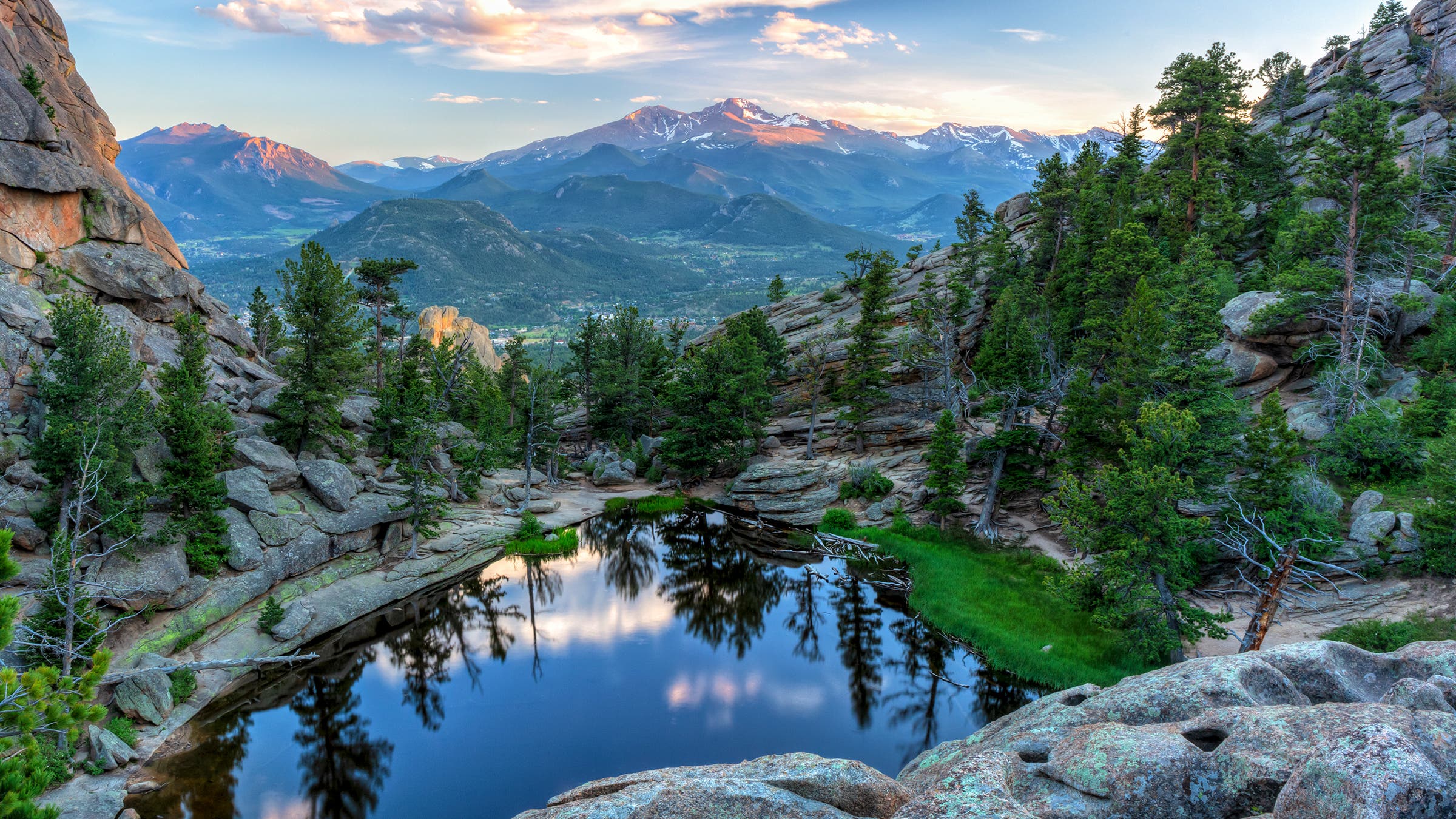
| Nature & Scenery | Dramatic high-altitude peaks, unique cloud forests, vast salt flats (Salar de Uyuni), and ancient agricultural terraces. | Expansive national parks, glaciated valleys, turquoise lakes (Moraine Lake), and abundant wildlife (bears, elk). | Andes |
| Costs & Budget | Significantly more budget-friendly across accommodation, food, and transport, especially outside major tourist hubs. | Generally much pricier due to higher wages, developed infrastructure, and strong tourism demand, particularly in national parks. | Andes |
| Culture & People | Rich Indigenous heritage, vibrant markets, ancient traditions, and a strong sense of community and history. | Modern, Western culture with strong outdoor recreation focus; less overt 'traditional' culture compared to the Andes. | Andes |
| Getting There | Longer international flights often with layovers, typically to Lima (Peru), Santiago (Chile), or Bogotá (Colombia). | Easier access for North Americans with direct flights to major hubs like Denver (USA) or Calgary (Canada). | Rockies |
| Getting Around | Extensive, affordable bus network; less reliant on rental cars but can be slow and less predictable. | Car rental is often essential for flexibility; shuttle services available for popular spots but less comprehensive. | Rockies |
| Accommodation | Wide range from budget hostels to boutique hotels, often with more unique, culturally infused options. | Mostly modern hotels, lodges, and vacation rentals, often pricier, with a focus on amenities for outdoor enthusiasts. | Andes |
| Food & Drink | Diverse, flavorful cuisine with strong Indigenous influences; emphasis on local ingredients and hearty meals. | Modern North American cuisine, often farm-to-table, with craft breweries and a focus on comfort food for active lifestyles. | Andes |
| Adventure Activities | High-altitude trekking (Inca Trail), mountaineering, white-water rafting, mountain biking, and unique wildlife viewing. | World-class skiing/snowboarding, extensive hiking, rock climbing, mountain biking, and whitewater rafting. | Rockies |
| Safety & Health | Requires awareness of altitude sickness, petty crime in cities, and political stability; some areas less safe. | Generally very safe with excellent medical facilities, but wildlife encounters and unpredictable weather pose risks. | Rockies |
| Weather & Seasons | Dry season (May-Sept) best for trekking; wet season (Oct-April) brings rain but lush landscapes. Varies by altitude. | Distinct four seasons; summer (June-Sept) ideal for hiking, winter (Dec-March) for snow sports. Shoulder seasons offer fewer crowds. | Rockies |
⛰️ Nature & Scenery
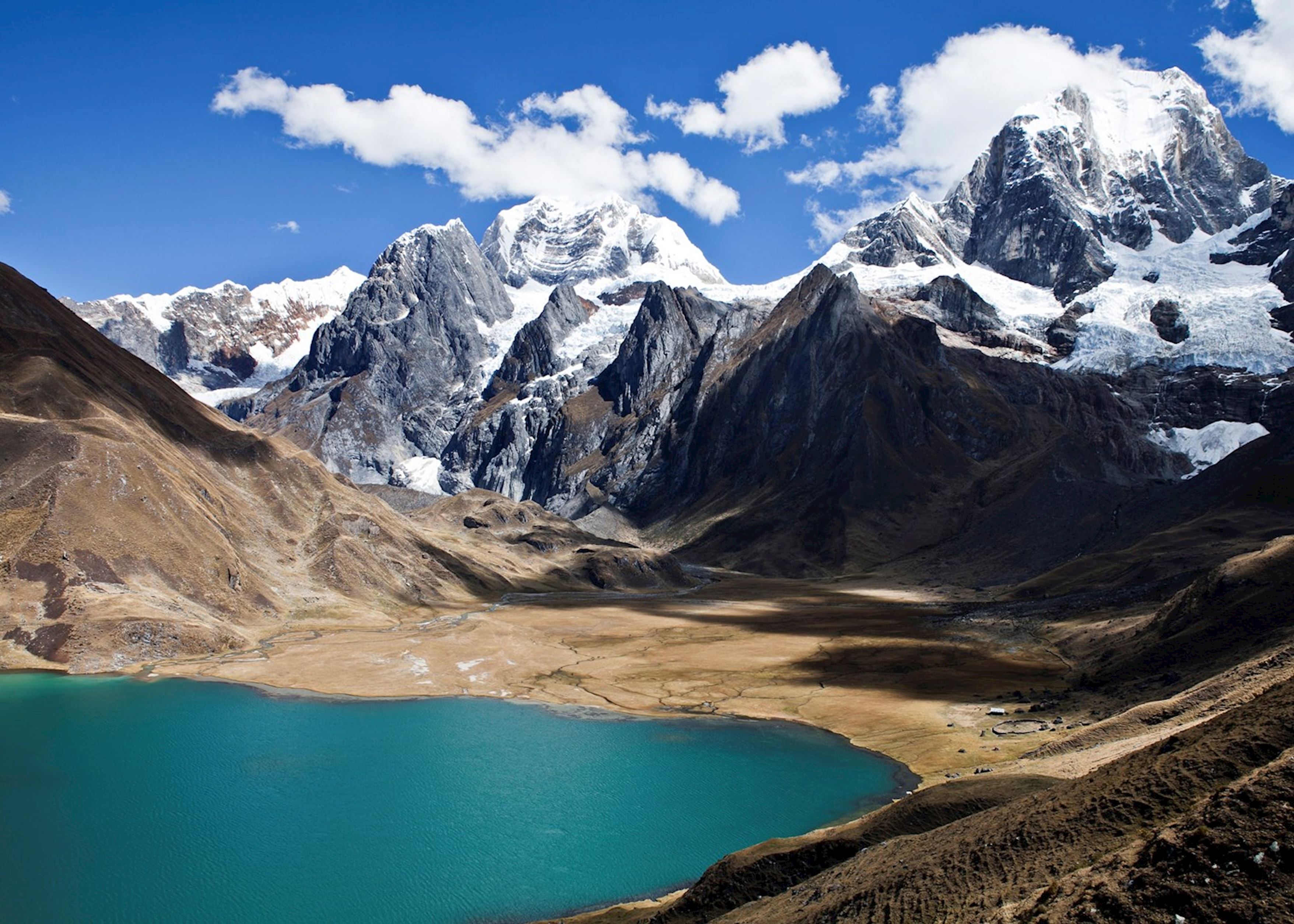
While both offer breathtaking mountain vistas, the Andes win for sheer diversity and raw, untamed grandeur. You'll find everything from the otherworldly white expanse of Bolivia's Salar de Uyuni to the vibrant, rainbow-colored Vinicunca mountain in Peru, and the towering granite spires of Torres del Paine in Chile. The ecosystems range from humid cloud forests teeming with unique birds to arid high-altitude deserts. It's a place where ancient landscapes feel alive with cultural history, truly unique. Think about trekking through the Cordillera Blanca in Peru, past 6,000-meter peaks like Huascarán, or exploring the geological wonders of Quebrada de Humahuaca in Argentina. "Honestly, nothing compares to seeing a condor soar over the Colca Canyon after a tough hike. It felt prehistoric and totally wild." The Rockies, while stunning with their iconic Banff and Yellowstone views, feel more 'groomed' by comparison, focusing on accessible, picture-perfect vistas.
Winner takeaway
- Winner: Andes
- Why: The Andes offer a more diverse range of extreme landscapes, unique biodiversity, and a sense of raw, untamed wilderness intertwined with ancient human history.
- Who this matters for: Photographers, serious trekkers, wildlife enthusiasts, and those seeking truly unique, off-the-beaten-path natural wonders.
💰 Costs & Budget
This isn't even a contest; the Andes are a backpacker's dream. In Peru or Bolivia, you can easily find a decent hostel bed for S/25-40 (USD $7-11), a hearty local meal for S/10-20 (USD $3-5), and intercity buses for S/30-80 (USD $8-22) for a 6-8 hour journey. Even multi-day treks like the Salkantay can be done for under $300-$400 USD including guides and food. Compare that to the Rockies, where a basic hostel in Banff will run you CAD $50-80 (USD $37-59), a sit-down meal easily CAD $20-40 (USD $15-30), and national park entry fees alone can be CAD $20 (USD $15) per day. Car rental, a necessity for many parts of the Rockies, adds significant costs (USD $50-100+ per day). "I spent a month in Peru for what a week in Banff would've cost me, no joke. And I ate like a king!" If your wallet dictates your adventures, the Andes are the clear champion, allowing for longer trips and more experiences.
Winner takeaway
- Winner: Andes
- Why: The cost of living, accommodation, food, and transportation in most Andean countries is substantially lower, making it far more accessible for budget travelers.
- Who this matters for: Budget travelers, long-term backpackers, and anyone who wants their money to stretch further for more experiences.
🎭 Culture & People
The Andes are steeped in millennia of Indigenous culture. From the Quechua people of Peru and Bolivia to the Aymara, their traditions, languages, music, and spiritual beliefs are deeply woven into the fabric of daily life. You'll encounter colorful markets like Pisac or Chinchero in Peru, ancient Incan ruins like Machu Picchu, and vibrant festivals that are truly unique. Engaging with local communities, trying traditional foods like 'cuy' (guinea pig) or 'aji de gallina', and learning a few phrases of Quechua offers an unparalleled cultural immersion. "Walking through Cusco felt like stepping back in time, then you hit a modern cafe. The blend is just incredible." The Rockies, while beautiful, are primarily a destination for nature and outdoor sports, reflecting a more modern North American culture. While there are historical elements (like mining towns), they don't offer the same depth of living, ancient traditions.
Winner takeaway
- Winner: Andes
- Why: The Andes offer a profound, living cultural experience rooted in ancient Indigenous traditions, visible in daily life, art, and spirituality.
- Who this matters for: Cultural explorers, history buffs, anthropologists, and anyone seeking deep human connection and traditional experiences.
✈️ Getting There
For most North American and European travelers, reaching the Rockies is significantly more straightforward. You can often find direct flights to major gateway cities like Denver (DEN) in the US or Calgary (YYC) in Canada, with flight times from New York to Denver being around 4-5 hours, or London to Calgary around 8-9 hours. From these hubs, it's usually a short drive or an easy domestic flight/shuttle to your mountain destination. "Flew into Denver, rented a car, and was hiking in Rocky Mountain National Park by lunchtime the next day. Super smooth." Getting to the Andes, on the other hand, typically involves longer international flights, often 8-12+ hours from North America or 12-16+ hours from Europe, usually with at least one layover in a larger South American hub like Lima (LIM), Santiago (SCL), or Bogotá (BOG). Domestic connections from there can also add time and complexity. For instance, flying from New York to Cusco (CUZ) will involve a minimum of one stop, taking 10+ hours.
Winner takeaway
- Winner: Rockies
- Why: The Rockies are generally easier and quicker to access for most international travelers, especially from North America, with more direct flight options to gateway cities.
- Who this matters for: Travelers with limited vacation time, families, or those who prefer convenience and shorter travel days.
🚌 Getting Around
While the Andes offer incredibly cheap public transport, the Rockies win for sheer convenience and efficiency, especially for self-guided exploration. In the US and Canadian Rockies, a rental car is king. It gives you the freedom to explore national parks like Yellowstone or Banff at your own pace, stop for photos, and access trailheads easily. Major roads are well-maintained, though mountain driving requires caution. "Having a rental SUV in Colorado made all the difference; we hit so many obscure trailheads the tour buses wouldn't touch." Shuttles exist for popular routes (e.g., from Denver to Aspen or within Banff National Park), but they lack the flexibility of a private vehicle. In the Andes, buses are the backbone of travel—they're incredibly cheap (e.g., Lima to Cusco for S/100-150, or $27-40 USD for a 20-hour journey!), but can be slow, sometimes uncomfortable, and schedules are fluid. Internal flights are an option for longer distances (e.g., Cusco to La Paz from $150-250 USD), but local transport is usually slower and requires more patience.
Winner takeaway
- Winner: Rockies
- Why: The Rockies offer a more reliable, comfortable, and flexible transportation network, especially with the prevalence of rental cars for self-exploration.
- Who this matters for: Independent travelers who value flexibility, comfort, and direct access to remote trailheads or viewpoints.
🛌 Accommodation
The Andes offer a remarkable range of accommodation for every budget, and often with more character. You can find charming colonial-era boutique hotels in Cusco starting around S/150 (USD $40), comfortable hostels in La Paz for BOB 50-80 (USD $7-11), or even rustic guesthouses in remote Andean villages for even less. There's a strong emphasis on local hospitality and unique experiences. Many places, like the Inkaterra Machu Picchu Pueblo Hotel, blend luxury with local culture beautifully. "Stayed in a little family-run hostal in Ollantaytambo for like $10, and they cooked me the best breakfast. Couldn't beat that authenticity." In the Rockies, while you'll find plenty of high-quality options—from cozy cabins in Estes Park to luxury resorts in Aspen or Banff Fairmont Springs—they come at a significantly higher price point. A mid-range hotel can easily run CAD $150-300 (USD $110-220+) per night, and budget options are fewer and often still quite expensive. The focus is more on modern comfort and proximity to outdoor activities rather than deep cultural immersion within the lodging itself.
Winner takeaway
- Winner: Andes
- Why: The Andes provide a broader range of accommodation options, offering better value for money and a more culturally authentic stay across all budget levels.
- Who this matters for: Budget travelers, those seeking unique guesthouses, and travelers who appreciate culturally integrated lodging experiences.
🍜 Food & Drink
If you're a food adventurer, the Andes will blow your mind. Peruvian cuisine, in particular, is world-renowned and a highlight of any trip. Think ceviche, lomo saltado, aji de gallina, and over 3,000 varieties of potatoes! Street food is abundant, delicious, and incredibly cheap (S/5-10 for a snack, USD $1.5-3). You can experience fine dining at places like Central or Maido in Lima (though pricey, $200+ USD), or enjoy a humble, hearty 'menu del día' for S/10 (USD $3). Local drinks like Chicha Morada (purple corn drink) and Inca Kola are ubiquitous. "The food markets in Arequipa were insane; tasted so many things I'd never even heard of, all for pocket change." The Rockies offer excellent food, with a strong farm-to-table movement, great craft breweries (especially in Colorado), and plenty of options for hearty post-hike meals. You'll find fantastic steakhouses, microbreweries, and modern American fare, but it lacks the ancient, diverse, and often surprising flavor profiles of Andean cuisine, and it's significantly more expensive.
Winner takeaway
- Winner: Andes
- Why: The Andes offer a more unique, diverse, and culturally rich culinary experience, with incredibly flavorful dishes and budget-friendly options that are hard to beat.
- Who this matters for: Foodies, adventurous eaters, and travelers who appreciate authentic, locally sourced, and budget-friendly cuisine.
🧗 Adventure Activities
While both offer incredible adventure, the Rockies edge out the Andes for sheer variety and accessibility of activities, especially if you include winter sports. The Rockies are a year-round playground: in winter, world-class ski resorts like Aspen, Vail, Banff Sunshine, and Lake Louise offer unparalleled skiing and snowboarding. In summer, hiking trails are meticulously maintained and incredibly diverse, from easy strolls around Moraine Lake to challenging multi-day backcountry routes. Rock climbing in places like Eldorado Canyon or cragging in Canmore is abundant, and mountain biking trails are extensive. "Hitting the slopes in Banff in the morning and then a quick ice climb in the afternoon was something else. So much variety packed in." The Andes excel in high-altitude trekking (Inca Trail, Salkantay, Ausangate, Torres del Paine's W-trek) and mountaineering, but specialized winter sports are less prevalent or accessible. Rafting, biking, and horse riding are available but less diverse in scope than the Rockies. The focus is more on epic, strenuous hikes.
Winner takeaway
- Winner: Rockies
- Why: The Rockies offer a broader range of adventure activities, including world-class winter sports, and more accessible, well-maintained options for hiking and climbing.
- Who this matters for: Skiers, snowboarders, multi-sport athletes, families with diverse activity interests, and those who prioritize well-maintained trails.
🚨 Safety & Health
Overall, the Rockies are a safer bet, primarily due to lower rates of petty crime and superior, more accessible healthcare infrastructure. Major cities in the Andean region (Lima, La Paz, Bogotá) can have issues with pickpocketing, scams, and occasional express kidnappings, though tourist areas are generally policed. The biggest health concern in the Andes is altitude sickness (Soroche), which can seriously impact a trip. Acclimatization is crucial. Road safety can also be an issue with less regulated buses. "I got my phone swiped in Cusco, but honestly, that was my own fault for not paying attention. Just be smart." In the Rockies, violent crime is rare, and medical facilities are world-class, though potentially expensive without insurance. The primary safety concerns revolve around nature: bear encounters, avalanche risks in winter, rapidly changing weather, and getting lost in vast wilderness areas. However, park services are highly organized and rescue operations are efficient. You're more likely to sprain an ankle on a trail than get pickpocketed.
Winner takeaway
- Winner: Rockies
- Why: The Rockies generally offer a lower risk of petty crime, better road safety, and more advanced and accessible healthcare facilities.
- Who this matters for: Solo female travelers, families, first-time international travelers, and those with health concerns who need easy access to modern medical care.
☀️ Weather & Seasons
The Rockies offer more predictable and distinct seasonal experiences, making planning a bit easier. Summer (June-September) is prime for hiking, camping, and road trips with warm days and cool nights, though popular areas can be crowded. Winter (December-March) is world-class for skiing and snowboarding, with abundant snow and clear, crisp days. Fall (September-October) brings stunning golden larches, and spring (April-May) sees melting snow and emerging wildlife. "Visited Banff in September, and the larch trees were just unbelievable. Perfect weather for hiking, too, not too hot." The Andes have two main seasons: the dry season (May-September) and the wet season (October-April). The dry season is ideal for trekking, with clear skies and cooler temperatures, but nights can be frigid at high altitudes. The wet season brings frequent afternoon rains, making some trails muddy or impassable, but also lush green landscapes and fewer tourists. Due to the vast latitude range, specific weather can vary dramatically (e.g., Ecuadorian Andes vs. Patagonian Andes), requiring more detailed research for specific regions.
Winner takeaway
- Winner: Rockies
- Why: The Rockies offer more distinct and predictable seasonal weather patterns, making it easier to plan trips around specific activities like summer hiking or winter sports.
- Who this matters for: Travelers seeking specific seasonal activities (e.g., ski trip vs. summer hike) and those who prefer more predictable weather conditions.
❓ Frequently Asked Questions
Is altitude sickness a major concern in the Andes?
Yes, altitude sickness (Soroche) is a significant concern, especially when arriving quickly to high-altitude cities like Cusco (3,400m/11,150ft) or La Paz (3,650m/11,975ft). It's crucial to spend a few days acclimatizing, drink plenty of water, avoid alcohol, and consider medication like Diamox. Listen to your body and descend if symptoms worsen.
What's the best way to get around the national parks in the Rockies?
For maximum flexibility and to reach diverse trailheads, renting a car is highly recommended for the Rockies. Shuttles are available for popular routes in parks like Banff or Rocky Mountain National Park, but a private vehicle offers unparalleled freedom to explore at your own pace. Book well in advance, especially during peak season.
Are solo female travelers safe in the Andes?
Yes, but with precautions. Petty crime is more common in cities, so be aware of your surroundings, avoid walking alone at night, and keep valuables secure. Stick to reputable tour operators and accommodations. Many solo female travelers have incredible experiences, but common sense and vigilance are key, just like in any unfamiliar region.
Can I see unique wildlife in both mountain ranges?
Absolutely! The Andes boast unique species like llamas, alpacas, vicuñas, condors, and pumas (though rarely seen). The Rockies are famous for grizzly bears, black bears, moose, elk, bighorn sheep, and wolves. Both offer incredible opportunities for wildlife viewing, but in very different ecosystems.
Is it possible to visit Machu Picchu and a Rockies national park in the same trip?
While possible, it would be a whirlwind and expensive. You'd need at least 1-2 weeks for Machu Picchu and the surrounding Sacred Valley, plus travel time. Adding a Rockies national park would require another 1-2 weeks, significant internal flights, and substantial budget. It's generally better to focus on one region for a more immersive experience unless you have 3+ weeks.
What's the language barrier like in the Andes vs. Rockies?
In the Andes, Spanish is essential, and basic phrases will greatly enhance your experience, especially outside major tourist hubs. Many locals also speak Indigenous languages like Quechua. In the Rockies (USA/Canada), English is the primary language, so communication is generally straightforward for English speakers.
Do I need travel insurance for these trips?
Absolutely, yes. Travel insurance is highly recommended for both regions, but especially for the Andes due to potential medical emergencies (like altitude sickness) and less robust public healthcare. For the Rockies, it covers lost luggage, trip cancellations, and medical care, which can be extremely expensive in the US without coverage.
Are there any specific permits needed for popular hikes?
Yes, for iconic treks like Peru's Inca Trail, permits are highly limited and must be booked months in advance through an authorized tour operator. In the Rockies, popular backcountry routes may require wilderness permits, and national park entry fees are standard. Always check specific park/trail requirements before you go.
Ready to plan your mountain trip?
Get a free custom itinerary for Andes, Rockies, or both — built from real traveler insights.
🎟️ Book Tours & Experiences
Hand-picked tours and activities for both destinations — book with free cancellation
Experiences via Viator — free cancellation on most tours