How we built this comparison
This page combines traveler discussion patterns, published price ranges, flight schedules, and seasonal data to help you decide between Antigua Guatemala and Merida.
- Reviewed 50+ Reddit threads from r/travel, r/solotravel, r/guatemala, r/mexico, and r/Yucatan for authentic traveler experiences and tips.
- Verified costs and logistics against current booking platforms (Booking.com, Airbnb, Skyscanner) and local service provider websites (volcano tours, bus companies).
- Cross-referenced seasonal patterns and weather data from NOAA and local meteorological services to provide accurate 'best time to visit' recommendations.
⚡ The TL;DR Verdict
Choose Antigua Guatemala for a more intense, visually stunning colonial experience with active volcanoes and a strong backpacker scene, ideal for adventurers on a mid-range budget ($60-90 USD/day). Opt for Merida if you prefer a larger, more relaxed cultural hub with deep Mayan roots, incredible food, and easy access to cenotes and ruins, perfect for those seeking comfort and culture ($70-110 USD/day).
- Choose Antigua Guatemala: If you crave dramatic landscapes, a smaller walkable city, easy access to outdoor adventures like volcano hikes, and don't mind a bit more rustic charm. Great for solo travelers and those seeking an authentic Central American feel.
- Choose Merida: If you're looking for a larger, sophisticated city with a vibrant arts scene, exceptional gastronomy, a strong sense of safety, and easy day trips to ancient Mayan ruins and refreshing cenotes. Ideal for families, couples, and foodies.
- Choose Both: For the ultimate Central American and Yucatecan immersion, combine both! Plan at least 4-5 days for Antigua (including a volcano trip) and 5-6 days for Merida (with ruin/cenote excursions). You'll need to fly between Guatemala City (GUA) and Merida (MID) with a connection, often through Mexico City (MEX) or Miami (MIA), taking a full travel day.
Quick Comparison
| Category | Antigua Guatemala | Merida | Winner |
|---|---|---|---|
| Culture & History | Stunning Spanish colonial architecture, cobblestone streets, active volcanoes as a backdrop. Rich Indigenous Mayan culture evident in daily life and markets. | Elegant colonial city with strong French influence, deep Mayan heritage, and a vibrant contemporary arts scene. Home to traditional Yucatecan culture. | Tie |
| Food Scene | Traditional Guatemalan cuisine (pepian, kak'ik) with a growing international and vegetarian scene. Excellent coffee culture. | World-renowned Yucatecan cuisine (cochinita pibil, sopa de lima, panuchos) distinct from other Mexican food. Diverse international options, vibrant street food. | Merida |
| Nightlife & Social Scene | Lively backpacker bars, international crowd, salsa nights, and cozy cafes. More focused on early evenings and socializing. | Sophisticated bars, live music venues, cultural events, and a more local, relaxed vibe. Less intense party scene, more about conversation and culture. | Antigua Guatemala |
| Costs & Budget | Generally more budget-friendly than Merida, especially for hostels and local food. Activities like volcano hikes can add up. | Mid-range prices, slightly more expensive than Antigua, particularly for accommodation and dining in tourist areas. Transportation and street food are still very affordable. | Antigua Guatemala |
| Getting There & Logistics | Fly into Guatemala City (GUA), then a 45-minute shuttle to Antigua. Direct flights common from major US hubs. | Fly into Merida (MID). Direct flights available from key US cities. Airport is close to downtown. | Merida |
| Getting Around Locally | Extremely walkable city. Most attractions are within a 15-20 minute walk. Taxis/Tuk-tuks available for longer distances. | Walkable historic center, but larger city. Public buses, colectivos, and ride-sharing (Uber, Didi) are common for wider exploration. | Antigua Guatemala |
| Accommodation | Wide range of hostels, boutique hotels in colonial buildings, and guesthouses. Many options with volcano views. | Elegant boutique hotels, renovated haciendas, charming guesthouses, and modern chain hotels. Excellent value for luxury. | Merida |
| Day Trips & Excursions | Iconic volcano hikes (Acatenango, Pacaya), Lake Atitlan, Chichicastenango Market, coffee plantations. | Mayan ruins (Chichen Itza, Uxmal), numerous cenotes, Progreso beach, haciendas, Izamal (Yellow City). | Tie |
| Safety | Generally safe in the tourist areas, but awareness needed, especially at night. Petty crime can occur. Avoid Guatemala City at night. | One of Mexico's safest cities. Low crime rates, relaxed atmosphere. Still wise to exercise general caution, especially in crowded areas. | Merida |
| Digital Nomad / Long-term Stay | Established nomad scene, good co-working spaces, strong community. Slower internet, visa limits for long stays. | Growing nomad scene, excellent infrastructure, faster internet, diverse expat community. Easier long-term visa options. | Merida |
🏛️ Culture & History
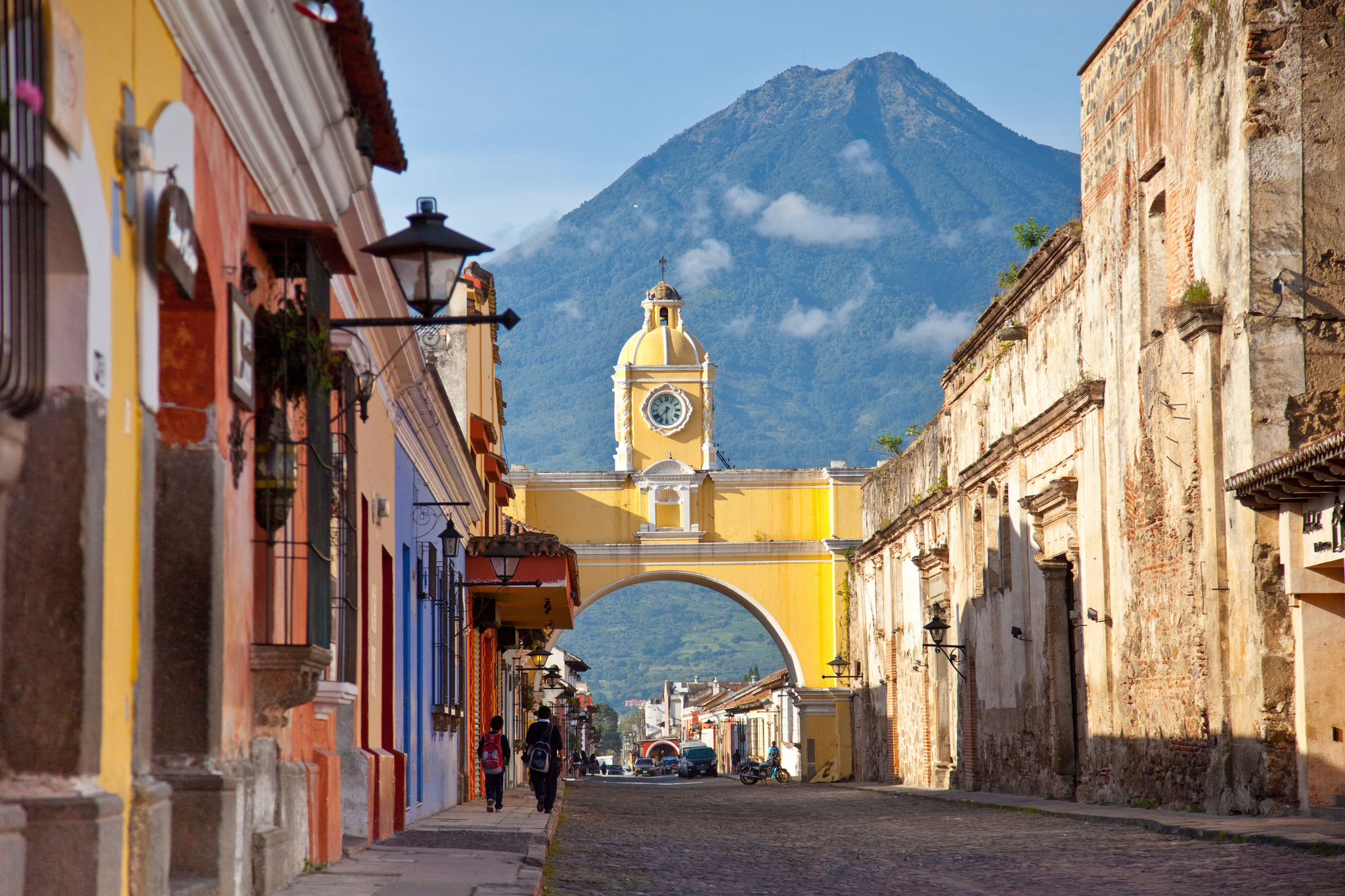
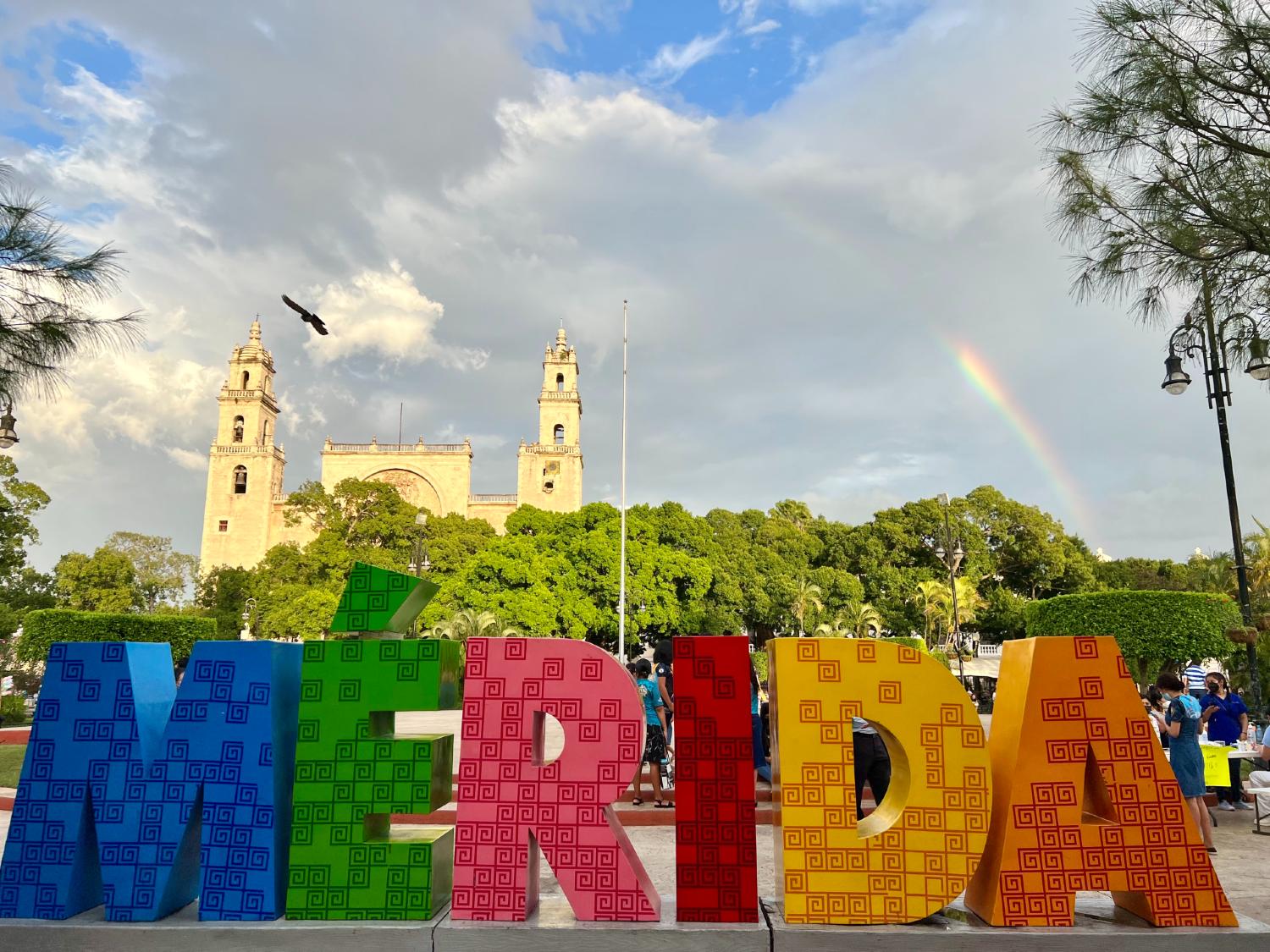
Antigua Guatemala offers an unparalleled colonial experience, designated a UNESCO World Heritage site, where every cobblestone street reveals churches, convents, and archways set against dramatic volcanic backdrops like Volcán de Agua. The blend of Spanish colonial grandeur with the vibrant Indigenous Mayan culture, especially visible in textiles and traditional markets like the one in Chichicastenango (a popular day trip), is truly captivating. Merida, on the other hand, boasts a distinct blend of elegant French-inspired architecture, particularly around Paseo de Montejo, and a profound Mayan legacy that permeates its cuisine, language (Yucatec Maya is widely spoken), and traditions. Its numerous museums, like the Gran Museo del Mundo Maya, and weekly cultural events, such as the Vaquería Yucateca in Plaza Grande, offer deeper insights. While Antigua's history feels more 'preserved in amber,' Merida's history is a living, breathing part of its modern identity. It's a tough call because both are culturally rich but in fundamentally different ways. "Antigua feels like stepping back in time, but Merida feels like history is still alive and kicking." The choice depends on whether you prefer dramatic historical scenery or a city where ancient traditions are intertwined with modern life.
Winner takeaway
- Winner: Tie
- Why: Both cities offer incredibly rich and distinct cultural and historical experiences, making it impossible to declare one superior without knowing individual preferences.
- Who this matters for: History buffs, culture enthusiasts, and those interested in colonial architecture or indigenous traditions.
🌮 Food Scene
Merida is a culinary powerhouse, offering a unique Yucatecan cuisine that’s distinct from the rest of Mexico. Dishes like cochinita pibil (slow-roasted pork), sopa de lima (lime soup), panuchos, salbutes, and marquesitas are staples you'll find everywhere, from bustling markets like Mercado Santiago to upscale restaurants like Chaya Maya or Ku'uk. Street food is abundant, delicious, and incredibly affordable, with a full meal costing around MXN 50-100 ($3-6 USD). Antigua's food scene, while growing, centers more on traditional Guatemalan staples like pepian (a hearty stew), kak'ik (turkey soup), and tamales. There's a strong coffee culture, with numerous cafes offering fresh brews from local Finca Filadelfia or El Injerto. The international restaurant scene is decent, with places like Céntrico or Hector's Bistro offering good variety, but often at higher prices (GTQ 100-200 / $13-26 USD for an entree). While Antigua has charm, Merida's depth, innovation, and sheer deliciousness of its local fare give it the edge. "Honestly, Merida's food blew my mind. I thought I knew Mexican food, but Yucatecan is a whole different beast. So many flavors!" If food is a primary driver for your trip, Merida is the clear winner.
Winner takeaway
- Winner: Merida
- Why: Merida's unique, flavorful Yucatecan cuisine is world-class, offering an incredible depth of traditional dishes and a vibrant street food scene that surpasses Antigua's more traditional offerings.
- Who this matters for: Foodies, culinary adventurers, and budget travelers seeking delicious and affordable eats.
🍻 Nightlife & Social Scene
Antigua Guatemala has a surprisingly vibrant and accessible nightlife, especially for backpackers and solo travelers. The city's compact size means bars like La Casa del Ron, Ocelot, or the rooftop bar at Café Sky are always buzzing, offering cheap drinks (local beers like Gallo are GTQ 20-30 / $2.50-4 USD) and a great chance to meet fellow travelers. Salsa nights are common, and hostels often organize social events. The scene tends to wrap up by midnight or 1 AM on weekdays, but weekends can go a bit later. Merida offers a more refined and local-centric nightlife. While there are some expat bars, the focus is more on live music venues like La Negrita Cantina (famous for its live trova music and cheap botanas), or sophisticated cocktail bars around Paseo de Montejo. Cultural events in the main plazas, particularly on weekends, also draw crowds. It's a great place for a relaxed evening of drinks and conversation, but it's not a 'party until dawn' destination. "Antigua was perfect for meeting people; every night felt like a mini-gathering. Merida was great for a chill evening with good music, but I didn't get that instant social vibe." If you're looking to easily mingle and enjoy a more active social scene, Antigua takes the cake.
Winner takeaway
- Winner: Antigua Guatemala
- Why: Antigua's compact size and strong backpacker presence create a more immediate and lively social scene, making it easier for travelers to connect and find nightly entertainment.
- Who this matters for: Solo travelers, backpackers, and those looking to easily meet other travelers and enjoy a more active social nightlife.
💰 Costs & Budget
Antigua Guatemala is generally more budget-friendly across the board. A dorm bed in a good hostel like Tropicana Hostel or Bigfoot Hostel can be found for GTQ 80-150 ($10-20 USD). Mid-range private rooms average GTQ 300-600 ($40-80 USD). Street food is incredibly cheap, with pupusas or tacos for GTQ 5-15 ($0.65-2 USD), and a filling local meal at a 'comedero' for GTQ 30-50 ($4-6.50 USD). Public 'chicken bus' transport is a few quetzales. The main budget-buster can be organized tours, like the Acatenango volcano hike which typically costs GTQ 200-300 ($25-40 USD) plus park entrance. Merida, while still affordable by Western standards, tends to be a bit pricier. Hostels like Nomadas Hostel range from MXN 200-400 ($12-24 USD) for a dorm. Mid-range hotels can be MXN 800-1500 ($47-88 USD). While street food is cheap (MXN 50-100 / $3-6 USD), nicer restaurants can quickly add up to MXN 300-600 ($18-35 USD) per person. Intercity buses are comfortable but pricier than Guatemala's chicken buses. "I could stretch my dollar way further in Antigua, especially if I ate local and didn't splurge on tours every day. Merida was still cheap, but I definitely saw prices creeping up." For travelers focused on maximizing their budget, Antigua offers better value.
Winner takeaway
- Winner: Antigua Guatemala
- Why: Antigua offers a more budget-friendly experience across accommodation, food, and local transportation, making it easier for travelers to stretch their money further.
- Who this matters for: Budget travelers, backpackers, and anyone looking to minimize daily spending without sacrificing experience.
✈️ Getting There & Logistics
Getting to Merida is generally more straightforward and less stressful. Merida International Airport (MID) is a comfortable, modern airport located just a 20-30 minute taxi or Uber ride from downtown, costing around MXN 200-300 ($12-18 USD). Direct flights are available from major US cities like Miami (MIA), Houston (IAH), Dallas (DFW), and Atlanta (ATL), with flight times typically ranging from 2.5 to 4 hours. Antigua requires flying into La Aurora International Airport (GUA) in Guatemala City. From GUA, it's about a 45-minute to 1.5-hour shuttle ride to Antigua, depending on traffic and time of day. Shuttles are readily available upon arrival, costing around GTQ 75-150 ($10-20 USD). While GUA also has direct flights from similar US hubs, navigating Guatemala City itself, even just for the transfer, can feel a bit more chaotic for first-time visitors compared to Merida's seamless experience. "Landing in Merida and being in my hotel within 30 minutes felt amazing. Guatemala City felt a bit more intense to navigate post-flight, even with a pre-booked shuttle." Merida's closer airport and easier transfer make for a smoother arrival.
Winner takeaway
- Winner: Merida
- Why: Merida's international airport is closer to the city center and offers direct flights from many US hubs, resulting in a more convenient and less stressful arrival experience compared to Antigua's transfer from Guatemala City.
- Who this matters for: First-time international travelers, those with limited time, and anyone prioritizing ease and comfort in their journey.
🚶 Getting Around Locally
Antigua Guatemala is a dream for pedestrians. The entire city center, where most hotels, restaurants, and attractions are located, is incredibly compact and easily navigable on foot. You can walk from one end of the historical core to the other in about 15-20 minutes. While the cobblestone streets are charming, they can be uneven, so comfortable shoes are a must. For slightly longer distances, or if your accommodation is on the outskirts, tuk-tuks (GTQ 10-20 / $1.30-2.60 USD) or taxis are readily available. Merida's historic center is also very walkable and pleasant, especially around Plaza Grande and Paseo de Montejo. However, Merida is a much larger city, and exploring beyond the immediate center (e.g., specific restaurants, shopping malls, or neighborhoods) will require transport. Public buses are cheap (MXN 7-10 / $0.40-0.60 USD), and ride-sharing apps like Uber and Didi are efficient and affordable, with most rides within the city costing MXN 50-100 ($3-6 USD). "Antigua felt like I could just wander and never get lost, everything was right there. Merida needed more planning for transport if I wanted to go beyond the main square." For sheer ease of exploration on foot and a truly immersive walkabout experience, Antigua is superior.
Winner takeaway
- Winner: Antigua Guatemala
- Why: Antigua's exceptionally compact and walkable city center means almost all attractions are easily accessible on foot, offering a more intimate and seamless exploration experience.
- Who this matters for: Pedestrians, slow travelers, and anyone who prefers to explore primarily on foot without relying on transportation.
🏨 Accommodation
Merida truly shines in its accommodation offerings, especially for those seeking charm and value. The city is renowned for its beautifully restored colonial mansions and haciendas, converted into stunning boutique hotels like Hotel Hacienda Chichen Itza or Coqui Coqui Casa de los Santos, often at prices that would be significantly higher in other international destinations. Even mid-range hotels like Hotel Casa Chalia or Luz En Yucatan offer incredible character, service, and amenities (often including pools) for MXN 1000-2000 ($58-118 USD) a night. Hostels are plentiful and well-maintained. Antigua also has a fantastic selection, from vibrant backpacker hostels like Selina or Yellow House to charming boutique hotels like Hotel San Rafael or El Convento. Many offer stunning volcano views, which is a unique draw. Prices are generally slightly lower than Merida for comparable quality, with boutique hotels often GTQ 800-1500 ($100-200 USD). However, Merida's ability to offer a truly luxurious, unique experience at a relatively affordable price point, especially in its restored haciendas, gives it the edge. "I stayed in this incredible boutique hotel in Merida, a converted colonial home with a courtyard pool, for what I'd pay for a basic chain hotel back home. Unbeatable value." For a more upscale and unique stay, Merida is hard to beat.
Winner takeaway
- Winner: Merida
- Why: Merida offers exceptional value for high-quality, often luxurious, accommodation in beautifully restored colonial buildings and haciendas, providing a more unique and comfortable stay experience.
- Who this matters for: Couples, luxury travelers on a budget, and those seeking unique, historically rich accommodations.
🗺️ Day Trips & Excursions
Both cities are phenomenal bases for day trips, offering entirely different but equally compelling experiences. From Antigua, the absolute highlight is the overnight hike up Acatenango volcano to witness Volcán de Fuego erupting, an unforgettable adventure (tour costs GTQ 200-300 + park fee GTQ 100 / ~$40-50 USD total). The Pacaya volcano hike is a shorter, easier alternative. Other popular excursions include the stunning Lake Atitlan, with its charming lakeside villages, and the vibrant Indigenous market in Chichicastenango. Merida's day trip game is centered around ancient Mayan civilization and natural wonders. The world-famous Chichen Itza (entrance MXN 614 / ~$36 USD) and the equally impressive but less crowded Uxmal ruins (MXN 460 / ~$27 USD) are easily accessible. The Yucatán Peninsula is also dotted with thousands of cenotes (natural swimming holes), like Cenote X'Batun or Cuzama Cenotes, offering refreshing swims (entry MXN 50-200 / $3-12 USD). The charming 'Yellow City' of Izamal and the coastal town of Progreso are also easy day trips. "Hiking Acatenango was life-changing, but then swimming in a cenote after exploring Uxmal felt like pure magic. You can't compare apples and oranges here, both are amazing." The choice really depends on whether you prefer dramatic landscapes and adventure or ancient history and unique natural swimming spots.
Winner takeaway
- Winner: Tie
- Why: Both destinations offer a superb and diverse range of unique day trips, catering to different interests, from adventure and nature to ancient history and relaxation.
- Who this matters for: Adventure seekers, history buffs, nature lovers, and anyone who enjoys exploring beyond the main city.
🛡️ Safety
Merida consistently ranks as one of the safest cities in Mexico, and even in North America. Its low crime rates contribute to a very relaxed and welcoming atmosphere, making it comfortable for solo travelers, families, and those who prefer a less anxious travel experience. Walking around the historic center, even at night, generally feels very safe. While petty crime can occur, it's far less prevalent than in many other tourist destinations. Antigua Guatemala is also generally considered very safe for tourists, especially within its well-lit, central areas. However, it's a smaller, more developing country, and general caution is advised. Petty theft, like bag snatching, can happen, particularly after dark or if you're distracted. It's recommended to take taxis or tuk-tuks at night, especially if walking alone, and to avoid walking through deserted streets. The transfer through Guatemala City, while usually managed by secure shuttles, requires awareness. "I felt completely at ease in Merida, even walking back to my hotel late. In Antigua, I was a bit more on guard, especially after dark, which is just natural for Central America." For peace of mind and overall perceived safety, Merida is the clear winner.
Winner takeaway
- Winner: Merida
- Why: Merida's extremely low crime rate and relaxed atmosphere make it one of the safest cities in Mexico, offering a significantly higher sense of security for travelers compared to Antigua.
- Who this matters for: Solo female travelers, families, first-time international travelers, and anyone prioritizing a very safe and secure environment.
💻 Digital Nomad / Long-term Stay
For digital nomads looking for a long-term base, Merida offers a more robust and comfortable experience. Internet speeds are generally excellent and reliable across the city, with many cafes like Bengala Kaffeehaus or co-working spaces like Coworking Merida offering strong connections. The cost of living, while slightly higher than Antigua, still provides great value for apartment rentals (MXN 8,000-15,000 / $470-880 USD for a 1-bedroom) and a high quality of life. The expat community is large and well-integrated, and obtaining longer-term visas (like the FMM for 180 days, or temporary residency options) is more straightforward than in Guatemala. Antigua has an established, albeit smaller, digital nomad scene, particularly among backpackers. There are several good co-working spaces like Impact Hub or Selina, and the social scene is very conducive to meeting people. However, internet can be spottier, and rental options for longer stays are more limited or pricier (GTQ 4,000-8,000 / $500-1000 USD for a 1-bedroom). Guatemala's standard tourist visa is typically 90 days, which can be extended, but less flexibly. "I tried Antigua for a month, loved the vibe, but the internet was hit or miss, and finding a decent apartment for longer felt tricky. Merida had better infrastructure and felt more stable for actually getting work done and settling in." Merida's superior infrastructure, easier visa situation, and larger expat community make it a more appealing option for long-term digital nomads.
Winner takeaway
- Winner: Merida
- Why: Merida offers superior infrastructure, more reliable and faster internet, easier long-term visa options, and a larger, more established expat and digital nomad community, making it more suitable for extended stays.
- Who this matters for: Digital nomads, remote workers, and anyone planning an extended stay.
❓ Frequently Asked Questions
What is the best time of year to visit Antigua Guatemala or Merida?
Both destinations are best visited during their dry seasons. For Antigua, this is typically November to April, offering sunny days and cooler temperatures. Merida's dry season runs from late October to May, with pleasant temperatures, though April and May can be very hot. Avoid hurricane season (June-October) for Merida, and the rainy season (May-October) for Antigua, though mornings are often clear.
Are both cities good for solo travelers?
Yes, both cities are excellent for solo travelers. Antigua has a strong backpacker scene with many hostels and tour groups facilitating connections. Merida, being incredibly safe and having a welcoming atmosphere, is also very comfortable for solo exploration, with plenty of cultural activities and social venues to enjoy independently.
Which city is more family-friendly?
Merida is generally more family-friendly due to its higher perceived safety, wider range of comfortable accommodations with amenities like pools, and diverse day trip options that cater to various ages, from cenote swimming to Mayan ruins. Antigua is also fine for families, but can be a bit more challenging with cobblestones and less 'kid-specific' attractions.
How many days should I spend in each city?
For Antigua Guatemala, aim for 3-4 full days to explore the city and take one major day trip (like Pacaya or Acatenango). If you include Lake Atitlan, add another 2-3 days. For Merida, 4-5 full days is ideal to experience the city's culture and food, plus allow for 2-3 day trips to ruins, cenotes, or the coast.
Do I need to speak Spanish in these cities?
While not strictly necessary, having some basic Spanish phrases will significantly enhance your experience in both cities. In tourist-heavy areas of Antigua and Merida, many locals in hospitality will speak English. However, venturing off the beaten path or interacting with market vendors will be much easier with Spanish.
Can I combine a trip to Antigua and Merida?
Yes, it's definitely possible but requires a flight. You'd typically fly from Guatemala City (GUA) to Merida (MID), usually with a connection in Mexico City (MEX) or a US hub like Miami (MIA) or Houston (IAH). This will take a good portion of a day, so factor it into your itinerary. It's a fantastic way to experience both Central American and Yucatecan cultures.
What's the public transportation like in each city?
In Antigua, the main local transport is walking, complemented by tuk-tuks and taxis for slightly longer distances. For intercity travel, 'chicken buses' are common and very cheap. Merida has an extensive and efficient public bus system, as well as affordable ride-sharing services like Uber and Didi, making it easy to get around the larger city.
Are there any hidden gems or local tips for each city?
For Antigua, wake up early to photograph the Arco de Santa Catalina without crowds, and check out Caoba Farms for a farm-to-table meal and market. In Merida, look for the free cultural events hosted almost nightly in the city's plazas, especially on Sundays, and definitely try a marquesita from a street vendor in the evening.
Ready to plan your Central America & Mexico trip?
Get a free custom itinerary for Antigua Guatemala, Merida, or both — built from real traveler insights.
🎟️ Book Tours & Experiences
Hand-picked tours and activities for both destinations — book with free cancellation
Experiences via Viator — free cancellation on most tours