How we built this comparison
This page combines traveler discussion patterns, published price ranges, flight schedules, and seasonal data to help you decide between Antigua Guatemala and Oaxaca.
- Reviewed 50+ Reddit threads from r/travel, r/solotravel, r/guatemala, r/oaxaca, r/mexicotravel for authentic traveler sentiment and tips.
- Verified costs and logistics against current booking platforms (Booking.com, Airbnb, Google Flights) and local tour operator websites.
- Cross-referenced seasonal patterns, weather data, and major festival dates to provide optimal timing advice.
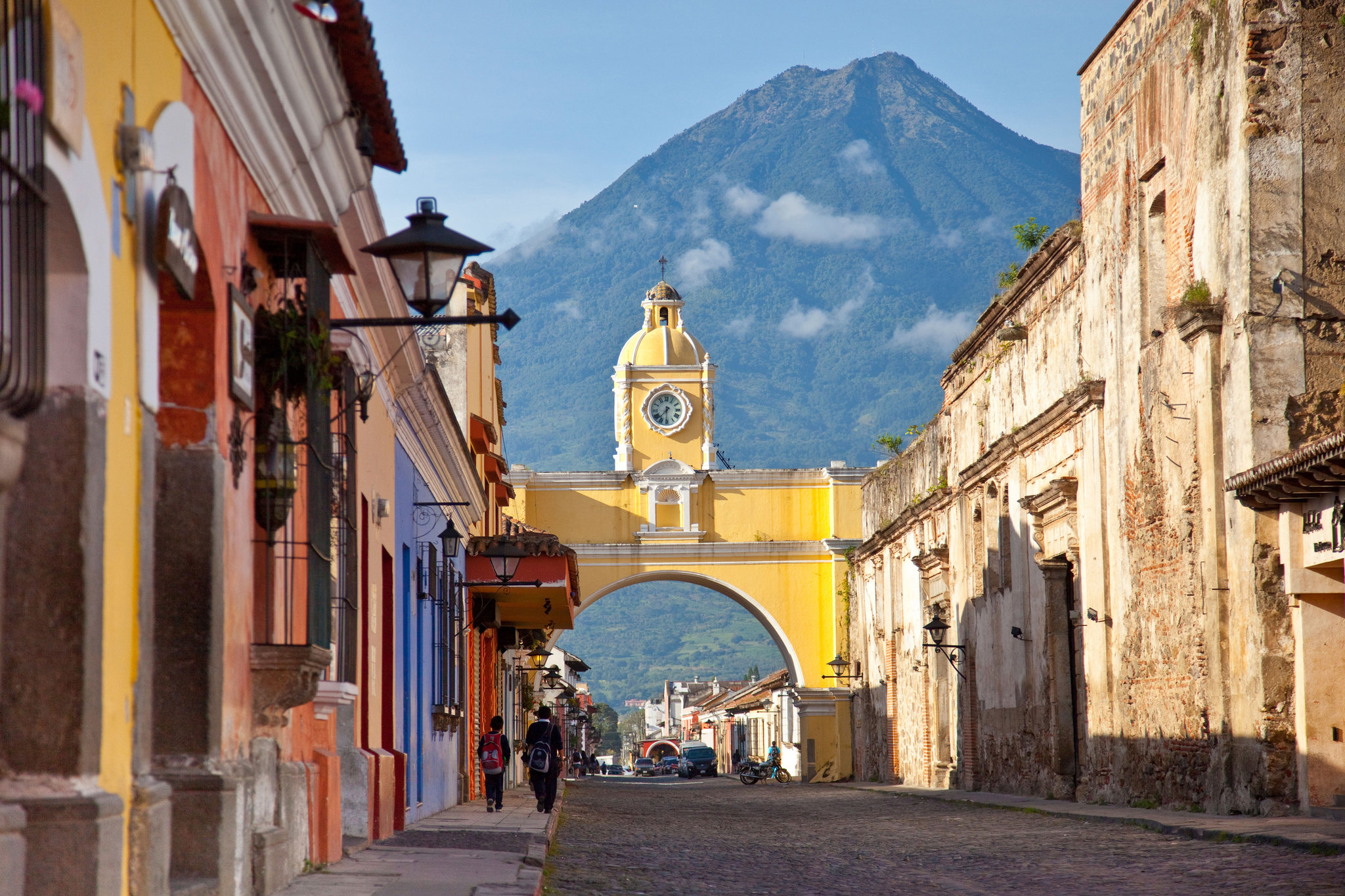
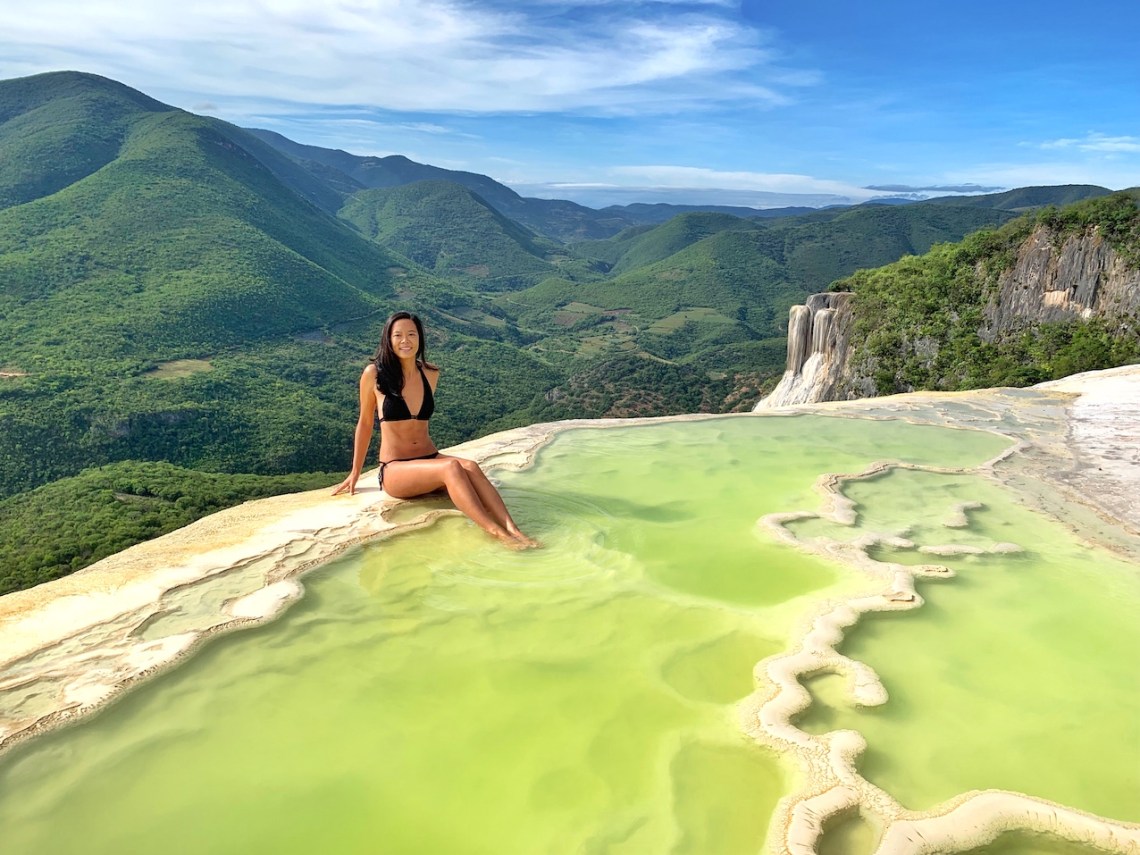
⚡ The TL;DR Verdict
For those craving a slower pace, dramatic volcanic backdrops, and a slightly more budget-friendly adventure, Antigua Guatemala is your pick (budget ~$45-70/day). If you're a serious foodie, art enthusiast, and want a more bustling, diverse cultural hub, Oaxaca will delight (budget ~$60-95/day). Both offer unparalleled cultural immersion, just through different lenses.
- Choose Antigua Guatemala: You're drawn to stunning natural scenery, a compact and walkable city, a laid-back vibe, and perhaps are on a tighter budget. You appreciate Spanish colonial architecture and don't mind a slightly less developed tourism infrastructure.
- Choose Oaxaca: Your priority is world-class gastronomy, vibrant arts and crafts, ancient ruins, and a deeper dive into indigenous Mexican culture. You enjoy a larger city with more options for nightlife and a slightly more polished tourist experience.
- Choose Both: If you have 2-3 weeks, combining these two incredible destinations is absolutely doable. Fly into Guatemala City (GUA), spend 4-5 days in Antigua, then fly to Oaxaca (OAX) via Mexico City (MEX) for another 5-7 days. It offers a rich, diverse experience of Mesoamerican culture.
Quick Comparison
| Category | Antigua Guatemala | Oaxaca | Winner |
|---|---|---|---|
| Food & Drink | Traditional Guatemalan fare, excellent coffee, decent international options. Focus on simple, hearty meals. | A culinary powerhouse, UNESCO-recognized gastronomy, mezcal capital, vibrant markets, and world-class fine dining. | Oaxaca |
| Culture & History | Spanish colonial architecture, volcano views, vibrant Semana Santa, and ancient Mayan ruins nearby. | Rich indigenous Zapotec and Mixtec heritage, vibrant arts, crafts, pre-Hispanic ruins, and Day of the Dead celebrations. | Oaxaca |
| Costs & Budget | Generally more affordable for accommodation, food, and activities, especially outside the peak season. | Still budget-friendly compared to Western cities, but slightly pricier for lodging and some tours. | Antigua Guatemala |
| Getting There & Around | Fly into Guatemala City (GUA), easy shuttle to Antigua. Walkable city, affordable tuk-tuks. | Fly into Oaxaca (OAX), easy airport transport. Walkable centro, affordable taxis and colectivos. | Tie |
| Safety | Generally safe within Antigua, but exercise caution, especially at night and on hiking trails. | Considered one of Mexico's safest cities, but standard urban precautions apply. | Oaxaca |
| Nightlife | Lively but contained bar scene, popular for social hostels, earlier closing times. | More diverse options, from sophisticated mezcalerías to lively cantinas and late-night clubs. | Oaxaca |
| Nature & Day Trips | Volcano hikes (active and dormant), Lake Atitlán, coffee farms, Pacaya volcano. | Ancient ruins, petrified waterfalls, agave fields, artisanal villages, Pacific coast beaches (further). | Antigua Guatemala |
| Accommodation | Range from budget hostels to charming boutique hotels, often with colonial aesthetics. | Wide array of boutique hotels, guesthouses, and hostels, often with a focus on design and local art. | Oaxaca |
| Digital Nomad Vibe | Growing community, good co-working spaces, slower internet outside city center. | Established and thriving DN scene, excellent cafes, co-working, faster internet. | Oaxaca |
| Shopping & Markets | Artisan markets with textiles, jade, local crafts, coffee. More tourist-focused. | World-class artisan crafts, vibrant markets for food, textiles, pottery, and mezcal. Authentic and diverse. | Oaxaca |
🍽️ Food & Drink
Oaxaca simply blows Antigua out of the water when it comes to food. It's a UNESCO City of Gastronomy for a reason, from the sprawling Mercado 20 de Noviembre where you can feast on 'pasillo de humo' (smoke alley) meats for about MXN $150-200 ($8-11), to incredible tlayudas (MXN $80 / $4.50), and seven types of mole. Fine dining spots like Origen or Criollo offer tasting menus for MXN $1000-2000 ($55-110) that rival anything in bigger cities. Don't forget the mezcal, with countless tasting rooms (mezcalerías) offering flights for MXN $150-300 ($8-17). Antigua has solid traditional dishes like Pepián or Kak'ik at La Fonda de la Calle Real (Q120-150 / $15-19), and fantastic street food like 'rellenitos' (fried plantain dumplings) for Q10 ($1.30), plus a burgeoning coffee scene. But the sheer diversity, depth, and quality of Oaxacan cuisine are unmatched. As one Redditor put it, "I went to Oaxaca just for the food and it exceeded all my expectations. Seriously, the street food alone is worth the trip."
Winner takeaway
- Winner: Oaxaca
- Why: Oaxaca is a world-renowned culinary destination, offering an unparalleled range of flavors from street food to fine dining, deeply rooted in indigenous traditions.
- Who this matters for: Serious foodies, culinary travelers, and anyone who wants their taste buds to be a primary focus of their trip.
🏛️ Culture & History
Both cities are UNESCO World Heritage sites, but Oaxaca offers a broader and deeper cultural tapestry. Antigua's charm lies in its remarkably preserved Spanish colonial architecture, cobblestone streets, and the dramatic backdrop of volcanoes, particularly during events like Semana Santa (Holy Week), which is a truly spectacular experience. You can visit numerous churches, convents (like La Merced or Santa Catalina Arch), and the captivating ruins of San Francisco Church. However, Oaxaca blends its colonial past with a potent, living indigenous culture. The city is a hub for Zapotec and Mixtec traditions, evident in its vibrant artisan markets (Benito Juárez and 20 de Noviembre), traditional textiles, pottery from San Bartolo Coyotepec, and pre-Hispanic sites like Monte Alban (MXN $90 / $5 entrance fee), just a short bus ride away. The Museo de las Culturas de Oaxaca, housed in a former convent, is exceptional. Day of the Dead (Día de Muertos) here is legendary. "Oaxaca's culture felt so alive, not just historical. The artisans, the language, the way they celebrate everything... it's just something else," noted a traveler on r/mexicotravel.
Winner takeaway
- Winner: Oaxaca
- Why: While Antigua has stunning colonial beauty, Oaxaca offers a richer, more diverse cultural experience, blending colonial history with a vibrant, living indigenous heritage and world-class artisanal traditions.
- Who this matters for: History buffs, art and craft enthusiasts, those interested in indigenous cultures, and travelers seeking immersive cultural festivals.
💸 Costs & Budget
Antigua generally wins on the budget front, especially for longer stays. You can find decent hostel beds for Q70-100 ($9-13) at places like Adra Hostel or Yellow House. Street food is abundant and cheap, with a filling meal for Q20-40 ($2.50-5). A typical budget traveler could comfortably spend Q350-550 ($45-70) per day including a private room, meals, and a couple of activities. Oaxaca, while still very affordable, is a bit more. Hostel beds run MXN $200-350 ($11-20) at places like Hostal Central or One Hostel. Street food is also great value, with tlayudas or tacos costing MXN $40-80 ($2.20-4.50), but restaurant meals can quickly add up to MXN $200-500 ($11-28) per person. A mid-range daily budget for Oaxaca would be MXN $1000-1700 ($55-95). Transportation within both cities is very cheap (Antigua tuk-tuks Q10-20 / $1.30-2.60; Oaxaca taxis MXN $50-80 / $2.80-4.50). "I found Antigua to be surprisingly cheap, especially for food and beer. You can live like a king on $50 a day," commented one budget traveler on r/solotravel.
Winner takeaway
- Winner: Antigua Guatemala
- Why: Antigua offers a noticeably lower cost of living and travel, making it an excellent choice for budget-conscious travelers without sacrificing quality.
- Who this matters for: Budget travelers, backpackers, and anyone looking to stretch their travel funds further.
✈️ Getting There & Around
Both destinations are relatively straightforward to access and navigate. For Antigua, you fly into La Aurora International Airport (GUA) in Guatemala City. From GUA, it's a direct, roughly 45-60 minute shuttle ride to Antigua, costing about Q75-100 ($10-13) per person. Major airlines like Avianca, American, Delta, and United fly here, often with direct flights from US hubs (e.g., LAX to GUA ~4.5 hrs, NYC to GUA ~5.5 hrs). Once in Antigua, the city is incredibly walkable, and tuk-tuks for longer distances are Q10-20 ($1.30-2.60). For Oaxaca, you fly into Xoxocotlán International Airport (OAX). From OAX, a taxi or shared colectivo to the city center costs MXN $100-200 ($5.50-11) and takes 20-30 minutes. Direct flights are available from some US cities (e.g., LAX to OAX ~3.5 hrs, NYC to OAX ~5.5 hrs, often with a stop in MEX). The historic center is very walkable, and local taxis are plentiful and cheap (MXN $50-80 / $2.80-4.50). "Both are easy to get to once you're in Central America, the main difference is just the number of direct flights from where you originate," a frequent flyer observed on r/travel.
Winner takeaway
- Winner: Tie
- Why: Both cities offer similar ease of access from international hubs and convenient, affordable local transportation.
- Who this matters for: Travelers who prioritize simple logistics and easy navigation within their destination.
🚨 Safety
While both cities are generally considered safe for tourists, Oaxaca has a slight edge due to its reputation as one of Mexico's safest major cities. In Oaxaca, the historic center is very well-policed, and petty crime, while it exists, is relatively low. Walking alone at night is generally fine in well-lit, populated areas, though common sense dictates caution in quieter streets. Antigua is also very safe within its compact historical center. However, the surrounding areas, especially on the outskirts or less-traveled paths near volcanoes, require more vigilance or guide services. There have been isolated incidents of muggings on popular hiking trails (like Pacaya, though less common with a group and guide) or after dark in less-frequented areas. Shuttles between Guatemala City and Antigua are generally secure, but it's always wise to use reputable companies. "I felt perfectly safe walking around Oaxaca even late at night, which is more than I can say for some places," a solo female traveler mentioned on r/solotravel. Always stay aware of your surroundings in both locations.
Winner takeaway
- Winner: Oaxaca
- Why: Oaxaca maintains a reputation as one of Mexico's safest cities, with a generally lower risk of petty crime compared to Antigua's slight vulnerabilities in surrounding areas.
- Who this matters for: Solo travelers, families, and anyone prioritizing peace of mind regarding personal safety.
🍻 Nightlife
Oaxaca offers a more varied and sophisticated nightlife scene. Beyond the excellent mezcalerías like Mezcalería In Situ or Los Amantes, where you can sample artisanal mezcal and learn about its production, there are plenty of lively bars, cantinas, and even a few clubs that stay open later. You can find live music, DJs, and a generally more mature crowd, alongside backpacker haunts. The atmosphere is vibrant and diverse, catering to different tastes. Antigua's nightlife is charming and social, centered around a handful of popular bars like Café No Sé (famous for its 'Ilegal Mezcal' bar) and The Snug. Many hostels also have lively bars that attract a backpacker crowd. It's a fun scene, but it's smaller, tends to wind down earlier (often by 1 AM), and has fewer options outside of the main bar strip. "Oaxaca's mezcal bars are an experience in themselves, but beyond that, there's just more variety if you want to dance or just chill in a different kind of spot," a nightlife enthusiast posted on r/oaxaca. For sheer variety and options, Oaxaca wins.
Winner takeaway
- Winner: Oaxaca
- Why: Oaxaca provides a broader spectrum of nightlife experiences, from sophisticated mezcal bars to lively cantinas, offering more diversity and later closing times.
- Who this matters for: Party-goers, social butterflies, and those who enjoy a variety of evening entertainment options.
🏞️ Nature & Day Trips
Antigua shines with its immediate access to dramatic natural landscapes. The highlight is undoubtedly hiking an active volcano like Pacaya (Q200 / $25 for a guided tour, plus Q100 / $13 entrance fee), where you can roast marshmallows over lava vents. Acatenango, a more challenging overnight hike, offers unparalleled views of Fuego erupting. Beyond volcanoes, day trips to the stunning Lake Atitlán (shuttle Q100-150 / $13-19 each way) are incredibly popular, offering boat tours between indigenous villages. You can also visit local coffee fincas (farms) for tours. Oaxaca's day trips are more culturally and historically focused, though still very impressive. Monte Alban (MXN $90 / $5 entrance) is a must-see pre-Hispanic site. Hierve el Agua, with its 'petrified waterfalls' and natural mineral pools (MXN $25 / $1.50 entrance, plus transport), is visually stunning, though a bit of a drive (MXN $200-300 / $11-17 for colectivo/tour). Visits to agave fields and mezcal distilleries (palenques) are also fantastic. The Pacific coast beaches like Huatulco or Puerto Escondido are too far for a day trip. "The volcano hikes around Antigua are just something you can't get anywhere else. Standing next to active lava flows? Unforgettable," a Reddit user recounted.
Winner takeaway
- Winner: Antigua Guatemala
- Why: Antigua offers more immediate and dramatic natural attractions, particularly active volcano experiences and the majestic Lake Atitlán.
- Who this matters for: Adventure seekers, hikers, nature photographers, and those who prioritize natural wonders.
🏨 Accommodation
Both cities offer excellent accommodation options, but Oaxaca's scene feels a bit more diverse and design-conscious. You'll find beautifully restored colonial homes turned into boutique hotels like Hotel de la Parra (MXN $2500+ / $140+) or the more modern Grana B&B (MXN $1800+ / $100+). Hostels such as Hostal Central or Casa Angel Youth Hostel (MXN $250-400 / $14-22) are plentiful and often include breakfast. The focus on art and design is evident even in mid-range guesthouses. Antigua also boasts stunning colonial hotels like Hotel Museo Casa Santo Domingo (Q1500+ / $190+) and numerous charming, smaller boutique hotels like Good Hotel Antigua (Q800+ / $100+). Hostels like Adra Hostel or Yellow House (Q100-150 / $13-19) are very social. The difference is subtle, but Oaxaca feels like it has a broader 'middle ground' of stylish yet affordable options, and a slightly higher overall standard of service and amenities in its boutique offerings. "I stayed in a guesthouse in Oaxaca that felt like a private art gallery, for less than $100 a night. Hard to beat that vibe," a satisfied guest shared on r/oaxaca.
Winner takeaway
- Winner: Oaxaca
- Why: Oaxaca offers a slightly more diverse and design-focused range of accommodations, from stylish boutique hotels to high-quality hostels, often with a greater emphasis on local art and aesthetics.
- Who this matters for: Travelers who appreciate design, unique stays, and a broader selection of mid-range to luxury options.
💻 Digital Nomad Vibe
Oaxaca has a more established and robust digital nomad scene. The city boasts numerous excellent cafes with reliable Wi-Fi, dedicated co-working spaces like Convivio or Impact Hub (MXN $2500-4000 / $140-220 monthly), and a larger, more organized expat community. Internet speeds are generally good and consistent, making it easier to work remotely. There's a strong entrepreneurial spirit and plenty of opportunities to network. Antigua's digital nomad scene is growing rapidly, with a few good co-working options like Impact Hub Antigua (Q1500-2500 / $190-320 monthly) and plenty of cafes. However, internet reliability can be more variable, especially outside the very center, and the community, while friendly, feels a bit smaller and less structured. The slower pace of life in Antigua can be a draw for some, but for consistent productivity and networking, Oaxaca is a stronger contender. "Oaxaca felt like it had everything a digital nomad needed – good coffee, fast internet, community events, and amazing food after work," a DN posted on r/digitalnomad.
Winner takeaway
- Winner: Oaxaca
- Why: Oaxaca offers a more developed infrastructure, faster and more reliable internet, and a larger, more established community for digital nomads.
- Who this matters for: Remote workers, freelancers, and digital nomads seeking a supportive and productive environment.
🛍️ Shopping & Markets
Oaxaca is a shopper's paradise, especially for authentic artisan crafts. Its markets, particularly Mercado Benito Juárez and Mercado 20 de Noviembre, are sprawling and offer everything from fresh produce and regional cheeses to intricate textiles, pottery, leather goods, and, of course, mezcal. The surrounding villages specialize in different crafts—San Bartolo Coyotepec for barro negro (black pottery), Teotitlán del Valle for hand-woven Zapotec rugs, and Ocotlán de Morelos for wood carvings and ceramics. This depth and variety are unparalleled. Antigua has charming markets too, like the Mercado de Artesanías and the main Municipal Market, where you can find beautiful huipiles (traditional blouses), jade jewelry, textiles, and local coffee. The quality is good, but the overall selection and the feeling of authenticity in the larger artisan tradition are more pronounced in Oaxaca. "If you want to bring back truly unique, high-quality artisanal goods, Oaxaca is your place. The variety and craftsmanship are just incredible, especially in the smaller villages," a keen shopper on r/oaxaca noted.
Winner takeaway
- Winner: Oaxaca
- Why: Oaxaca offers an unparalleled shopping experience with its vibrant, extensive markets and world-class artisan traditions found in the city and surrounding villages.
- Who this matters for: Souvenir hunters, art collectors, textile enthusiasts, and anyone looking for authentic local crafts.
❓ Frequently Asked Questions
Which city is better for a solo female traveler?
Both cities are generally safe for solo female travelers, but Oaxaca often edges out slightly due to its larger size and very active tourism infrastructure which means more people out and about later. Stick to well-lit, populated areas in both cities, especially at night, and always use reputable transport.
How many days should I spend in each city?
For Antigua Guatemala, 3-4 full days is usually sufficient to see the city and do a day trip like Pacaya volcano. For Oaxaca, 4-6 full days is recommended to properly explore the city, its markets, museums, and take at least two day trips (e.g., Monte Alban and Hierve el Agua/mezcal distillery).
Is it easy to get around if I don't speak Spanish?
Yes, in both cities, you'll find that many people in the tourism industry (hotels, restaurants, tour guides) speak English. Learning a few basic Spanish phrases will go a long way, especially in markets or when dealing with taxi drivers, but it's not strictly necessary for a smooth trip.
What's the best time of year to visit?
Both destinations share a similar 'dry season' from November to May, which is generally considered the best time with sunny skies and comfortable temperatures. The 'green season' (rainy season) from June to October brings afternoon showers but also lush landscapes and fewer crowds.
Are there good options for vegetarian/vegan travelers?
Absolutely! Oaxaca is particularly excellent for vegetarians and vegans due to its focus on fresh, plant-based ingredients in traditional cuisine. Many restaurants are accommodating. Antigua also has a growing number of vegetarian-friendly cafes and restaurants, catering to its expat and tourist population.
What are the main differences in atmosphere between the two cities?
Antigua has a quieter, more serene, and dramatically beautiful atmosphere, dominated by volcanoes and cobblestone streets. Oaxaca is more bustling, with a vibrant, artsy energy, deeper indigenous roots, and a more expansive urban feel, despite its charming historic center.
Can I combine a trip to both Antigua and Oaxaca?
Yes, it's a fantastic idea if you have enough time (2 weeks+). You'd typically fly into Guatemala City (GUA), take a shuttle to Antigua, then fly from GUA to Oaxaca (OAX), usually with a connection in Mexico City (MEX). It's a great way to experience both Central American and Mexican cultures.
Are credit cards widely accepted, or should I bring cash?
While larger hotels and fancier restaurants in both cities accept credit cards, many smaller establishments, markets, and street food vendors operate on cash only. It's always wise to carry a good amount of local currency (Quetzales in Antigua, Pesos in Oaxaca) for daily expenses and smaller purchases.
Ready to plan your Central America trip?
Get a free custom itinerary for Antigua Guatemala, Oaxaca, or both — built from real traveler insights.
🎟️ Book Tours & Experiences
Hand-picked tours and activities for both destinations — book with free cancellation
Experiences via Viator — free cancellation on most tours