How we built this comparison
This page combines traveler discussion patterns, published price ranges, flight schedules, and seasonal data to help you decide between Arches and Canyonlands.
- Reviewed 50+ Reddit threads from r/travel, r/NationalParks, r/solotravel, r/utah
- Verified costs and logistics against current booking platforms (NPS, recreation.gov, hotel/rental sites)
- Cross-referenced seasonal patterns and weather data from NOAA and NPS official sites
⚡ The TL;DR Verdict
If you're short on time, love iconic landmarks, and don't mind crowds, Arches is your go-to at a daily budget of $150-300 USD. For those craving solitude, expansive views, and longer, more challenging hikes, Canyonlands delivers with a slightly higher budget for exploration, around $175-350 USD per day. If you have 3+ days, definitely do both.
- Choose Arches: Perfect for families, first-time national park visitors, or anyone wanting to see the 'greatest hits' of geological formations with relatively easy access. Ideal for 1-2 day visits.
- Choose Canyonlands: Best for experienced hikers, backpackers, photographers, and those seeking remote wilderness. It offers more solitude and a sense of true adventure, especially in its less-visited districts. Requires more time (2-3+ days) to truly explore.
- Choose Both: If you have 3-5 days in the Moab area, combining both parks offers a comprehensive Utah desert experience. Start with Arches for its unique formations, then head to Canyonlands for its grand scale and fewer crowds.
Quick Comparison
| Category | Arches | Canyonlands | Winner |
|---|---|---|---|
| Nature & Scenery | Concentrated collection of over 2,000 natural sandstone arches, fins, and balanced rocks. Sculptural, dramatic, and easily accessible iconic features. | Vast, rugged landscape of canyons, mesas, buttes, and rivers. Grand, panoramic views reminiscent of the Grand Canyon, with distinct districts. | Arches |
| Accessibility & Crowds | Very accessible with paved roads and shorter trails, but extremely crowded, especially during peak season, often requiring timed entry. | Less crowded, particularly outside Island in the Sky. More rugged, with longer drives and trails, offering greater solitude. | Canyonlands |
| Hiking & Activities | Short to moderate hikes (1-7 miles) to impressive arches; great for casual walkers and families. Limited strenuous options. | Extensive hiking options from easy overlooks to multi-day backcountry treks. Offers more challenging terrain and opportunities for off-roading. | Canyonlands |
| Costs (Park Entry & Local) | National Park entry fee ($30/vehicle for 7 days, or America the Beautiful Pass). Timed entry reservation fee ($2) for peak season. | Same National Park entry fee ($30/vehicle for 7 days, or America the Beautiful Pass). No timed entry reservation needed for most districts. | Tie |
| Accommodation | Primarily hotels, motels, and vacation rentals in Moab, 5 miles from Arches' entrance. Limited camping inside the park (Devils Garden Campground). | Same options in Moab (20-30 miles from Island in the Sky). More primitive camping options within the park (e.g., Willow Flat) and extensive BLM land nearby. | Canyonlands |
| Getting There & Around | Fly into Grand Junction (GJT) or Salt Lake City (SLC), rent a car. Park has one main paved scenic drive with short spurs. | Same flight and car rental options. Park has three distinct districts, requiring significant driving between them; 4x4 needed for some areas. | Arches |
| Best Time to Visit | Spring (March-May) and Fall (September-October) offer ideal temperatures, but are peak tourist season with highest crowds. Summer is extremely hot. | Same ideal Spring and Fall seasons, but crowds are generally more manageable. Winter offers solitude and potentially snow-dusted red rocks. | Canyonlands |
| Photography Opportunities | Iconic, singular formations for dramatic landscape shots. Best for capturing unique geological features at sunrise/sunset. | Vast, sweeping panoramas and intricate canyon details. Ideal for grand landscape, dark sky, and adventure photography. | Tie |
| Family Friendliness | Many easy, paved trails and short hikes to impressive features, making it ideal for families with young children and strollers. | Fewer truly 'easy' trails, vast distances, and more rugged terrain make it better for families with older, more active children. | Arches |
| Solitude & Adventure | Limited opportunities for true solitude due to high visitor numbers. Adventure is primarily focused on specific challenging hikes. | Abundant opportunities for solitude and remote adventure, from backcountry hiking to multi-day 4x4 trips. A true wilderness experience. | Canyonlands |
🏞️ Nature & Scenery
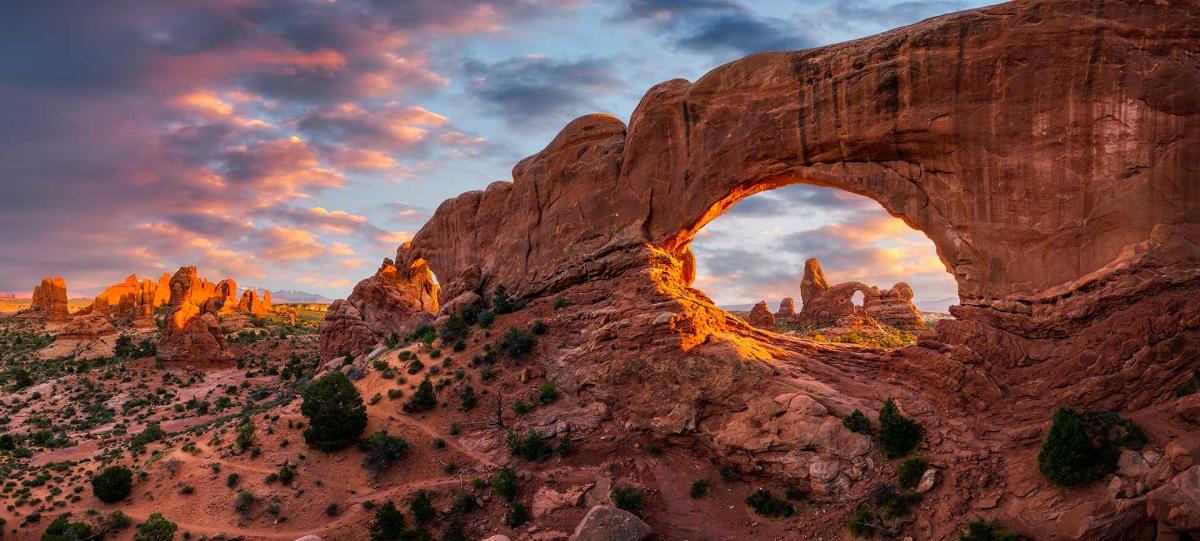
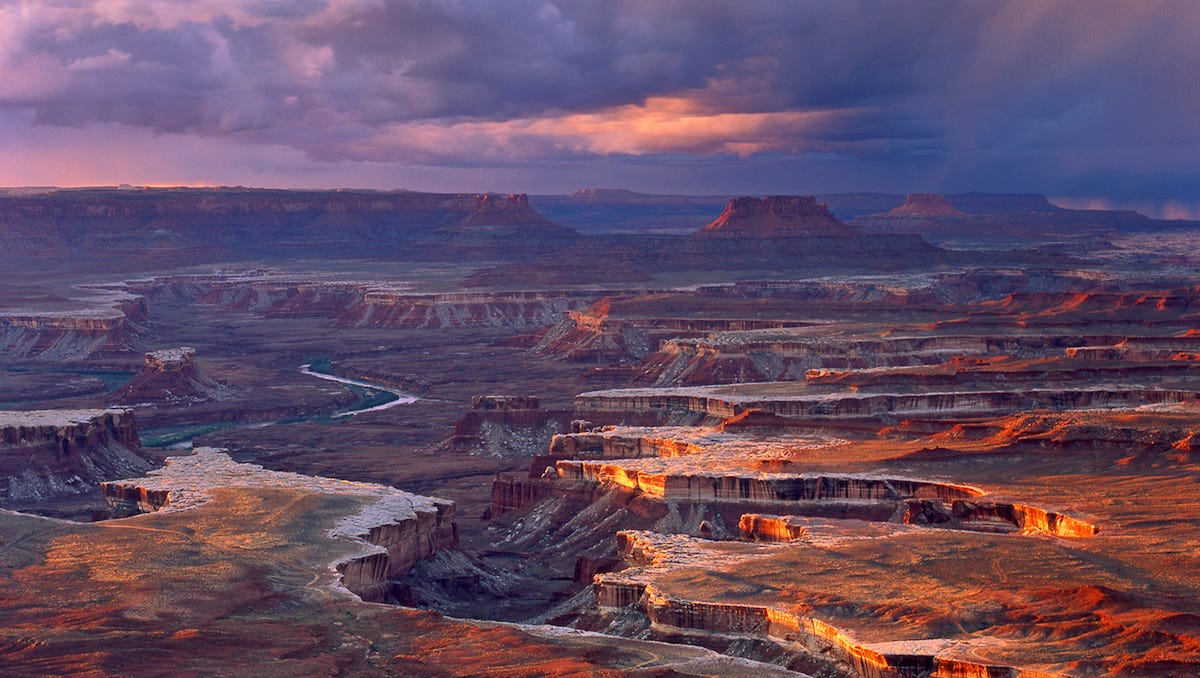
Arches National Park is like a natural sculpture garden, boasting the highest concentration of natural arches in the world. The star attractions like Delicate Arch (a 3-mile round trip hike, best at sunset), Landscape Arch (the longest arch in North America, an easy walk in Devils Garden), and Balanced Rock are breathtakingly unique and relatively easy to reach. The beauty here is in the intricate, often gravity-defying formations. Canyonlands, particularly the Island in the Sky district, offers a completely different kind of grandeur. Think sweeping vistas over immense canyons carved by the Colorado and Green Rivers, like those from Grand View Point or Mesa Arch at sunrise. While it has its own iconic features, they are more about the vastness and scale of the landscape. The Needles District offers a more intricate, spired landscape but requires more driving and commitment. For sheer 'wow' factor and unique, world-renowned geological features that feel like art, Arches often edges out Canyonlands for most first-time visitors, despite Canyonlands' immense beauty. "Honestly, Delicate Arch just hits different, it’s like seeing a postcard come to life, even with all the people."
Winner takeaway
- Winner: Arches
- Why: Arches offers a more concentrated and unique collection of world-famous geological features that are easier to appreciate for a broader audience.
- Who this matters for: First-time visitors, families with younger children, and those seeking iconic photo opportunities.
🚶♀️ Accessibility & Crowds
Arches National Park, while stunning, is a victim of its own popularity. During peak season (March-October), a timed entry reservation ($2.00 USD non-refundable fee on recreation.gov, in addition to the $30 USD park entrance fee) is often required between 7 AM and 4 PM, and parking lots for popular trailheads like Delicate Arch or Devils Garden fill up by mid-morning. It can feel like an amusement park at times. Canyonlands National Park, despite being just minutes from Arches, feels worlds apart in terms of crowds. While the Mesa Arch trailhead can get packed for sunrise, the rest of the Island in the Sky district is generally much less congested. The sheer size of the park (over 337,000 acres) and the longer distances between viewpoints mean visitors spread out more. The Needles and Maze districts are significantly more remote and require 4x4 vehicles and serious planning, offering true solitude. "We tried Arches at 10 AM, zero parking, literally bumper-to-bumper. Went to Canyonlands, found a spot easily, and felt like we had the trails to ourselves."
Winner takeaway
- Winner: Canyonlands
- Why: Canyonlands offers a much greater sense of solitude and less congestion, especially outside of the most popular viewpoints.
- Who this matters for: Travelers seeking peace and quiet, serious photographers, and those who dislike crowds.
🥾 Hiking & Activities
Arches offers incredible bang for your buck with its hikes. Iconic trails like the Delicate Arch Trail (3.2 miles RT, ~600 ft elevation gain, moderate) and the Devils Garden Trail (up to 7.8 miles RT if you do all spurs to 7+ arches, including Landscape Arch and Double O Arch, moderate to strenuous) are well-maintained and highly rewarding. The Park Avenue and Windows trails are shorter and easier, perfect for all skill levels. However, if you're looking for true wilderness and challenging, multi-day excursions, Canyonlands shines. Its vastness provides endless opportunities. In Island in the Sky, you can do moderate trails like Grand View Point (2 miles RT) or White Rim Overlook (1.8 miles RT), but its true strength lies in the backcountry. The White Rim Road (100 miles, multi-day 4x4 or mountain biking) and extensive trails in the Needles District (e.g., Chesler Park Loop, 10.5 miles, strenuous) cater to serious adventurers. You can also find rock climbing and canyoneering permits here. "Canyonlands totally blew Arches out of the water for actual hiking. We did a 15-mile loop in Needles and barely saw another soul, pure bliss."
Winner takeaway
- Winner: Canyonlands
- Why: Canyonlands offers a wider range of hiking difficulty, from easy to multi-day strenuous backcountry, catering to more adventurous travelers.
- Who this matters for: Experienced hikers, backpackers, mountain bikers, and those seeking extended outdoor challenges.
💰 Costs (Park Entry & Local)
The core cost for both parks is the National Park Service entrance fee, which is $30 USD per vehicle for a 7-day pass, or you can use an 'America the Beautiful' Annual Pass ($80 USD) which covers entry to all U.S. National Parks for a year – highly recommended if you plan to visit multiple parks. Arches requires an additional $2 USD timed entry reservation during peak season, which Canyonlands typically does not (except for specific backcountry permits). Accommodation in Moab, the gateway town for both parks, is the biggest variable cost. Budget hotels like the Super 8 or Motel 6 can run $150-250 USD/night, while mid-range options like the Hyatt Place Moab or Element by Westin are often $250-400+ USD/night, especially in high season. Camping within the parks (e.g., Devils Garden in Arches, $25 USD/night; Willow Flat in Canyonlands, $20 USD/night) is a cheaper but competitive option. Food costs are standard for a tourist town: expect $15-30 USD per person for a casual meal at places like Moab Diner or quesadilla mob. Given that both share the same gateway town and primary entrance fees, the overall cost difference is negligible unless you factor in extensive backcountry permits or 4x4 rentals for Canyonlands. "We spent way more on gas driving around Moab to find parking for Arches than we did for the actual entry. The $30 pass is worth it for both."
Winner takeaway
- Winner: Tie
- Why: Both parks share the same primary entrance fee and are accessed from the same relatively expensive gateway town, making overall costs similar.
- Who this matters for: Budget-conscious travelers, though the choice of park won't significantly alter the primary cost outlay.
🛌 Accommodation
The primary accommodation hub for both Arches and Canyonlands is Moab, Utah. This vibrant town offers a wide array of lodging, from budget-friendly motels like the Super 8 by Wyndham Moab (typically $150-200 USD/night) and La Quinta by Wyndham Moab ($200-250 USD/night) to more upscale resorts such as The Gonzo Inn or Sorrel River Ranch Resort (easily $400-800+ USD/night). Vacation rentals via Airbnb or VRBO are also popular. Inside Arches, the only option is Devils Garden Campground ($25 USD/night, reservations essential months in advance). Canyonlands, being larger and less developed, offers more diverse camping. Willow Flat Campground ($20 USD/night) in Island in the Sky is a popular first-come, first-served spot, and there are many dispersed camping opportunities on BLM (Bureau of Land Management) lands surrounding Moab, often free or for a minimal fee (e.g., Klondike Bluff Road camping). For those seeking true wilderness camping, Canyonlands has numerous backcountry sites accessible via 4x4 or extensive hiking. While Moab is convenient for both, Canyonlands' proximity to vast BLM lands provides more flexibility and cheaper options for campers and van lifers. "We just camped on BLM land near Canyonlands, saved a ton of money, and had amazing dark sky views. Way better than fighting for a spot at Devils Garden."
Winner takeaway
- Winner: Canyonlands
- Why: Canyonlands offers more diverse and affordable camping options, including primitive sites within the park and extensive BLM land nearby.
- Who this matters for: Campers, budget travelers, and those seeking a more rustic, off-grid experience.
🚗 Getting There & Around
Getting to the Moab area generally involves flying into Grand Junction Regional Airport (GJT) in Colorado (about 1.5-hour drive) or Salt Lake City International Airport (SLC) in Utah (about 3.5-4 hour drive), then renting a car. A rental car is absolutely essential for exploring either park. Arches National Park is extremely straightforward to navigate once inside; a single paved scenic drive (Arches Scenic Drive) leads to all the major trailheads and viewpoints, making it very easy for any vehicle. You can cover most of the main sights in a day or two with minimal extra driving. Canyonlands, however, is a different beast. It's divided into three distinct districts: Island in the Sky (closest to Moab, ~30-45 min drive), The Needles (2.5-3 hour drive from Moab), and The Maze (requires a high-clearance 4x4 and extensive backcountry experience, often 6+ hours drive from Moab). Exploring The Needles or especially The Maze requires significant planning, longer drives, and often a high-clearance 4x4 vehicle. For ease of access and simple navigation, Arches is a clear winner. "We flew into SLC, rented a car, and Arches was so easy to get around. Canyonlands felt like it needed a whole separate plan just for driving between districts, especially if you want to see Needles."
Winner takeaway
- Winner: Arches
- Why: Arches offers a single, easy-to-navigate scenic drive with all major attractions accessible by standard vehicles, simplifying travel within the park.
- Who this matters for: First-time visitors, families, and those preferring straightforward navigation without specialized vehicles.
☀️ Best Time to Visit
The shoulder seasons, Spring (March to May) and Fall (September to October), are generally considered the best times to visit both parks. Temperatures are pleasant, ranging from 60s-80s °F (15-30 °C), perfect for hiking. However, this is also when Arches is at its absolute busiest, requiring timed entry reservations and battling for parking. Summer (June-August) is brutally hot, with daytime temperatures often exceeding 100°F (38°C), making hiking dangerous during midday. Winter (November-February) brings cold temperatures, potential snow, and icy trails, but also incredible solitude and unique photo opportunities of snow-dusted red rocks, especially beautiful for the iconic formations in Arches. Canyonlands, due to its larger size and lesser fame, handles the shoulder season crowds much better. While Mesa Arch at sunrise is always busy, you can find much more peace and quiet throughout the day compared to Arches. For those who want pleasant weather without the intense battle against crowds, Canyonlands offers a superior experience during the ideal seasons. "We went to Canyonlands in late April, and it was perfect – warm but not scorching, and we practically had Grand View Point to ourselves after the sunrise rush at Mesa Arch. Arches felt like Disneyland."
Winner takeaway
- Winner: Canyonlands
- Why: Canyonlands provides the advantage of more manageable crowds during the desirable shoulder seasons, allowing for a more relaxed visit.
- Who this matters for: Travelers who prioritize comfortable weather but want to avoid the most intense crowds.
📸 Photography Opportunities
Both parks are a photographer's dream, offering distinctly different but equally stunning opportunities. Arches is famous for its individual, sculptural masterpieces. Delicate Arch at sunset is a pilgrimage for many, offering that iconic 'Utah' shot, though be prepared to share the view with hundreds of others. Landscape Arch and Double Arch provide equally compelling subjects, especially at sunrise or during the 'golden hour'. The challenge here is finding unique compositions amidst the crowds. Canyonlands, particularly Island in the Sky, excels at grand, sweeping panoramas. Mesa Arch at sunrise is legendary for its glowing undersides, but again, arrive early to claim a spot. Grand View Point and Green River Overlook offer immense vistas that demand wide-angle lenses. The vastness of Canyonlands also makes it an exceptional dark sky park, perfect for astrophotography – the sheer lack of light pollution reveals incredible starscapes. The Needles District, with its intricate spires, presents a different type of challenge for detail-oriented photographers. Each park offers world-class photography, but they cater to different styles: Arches for iconic features, Canyonlands for expansive landscapes and solitude. "Sunrise at Mesa Arch in Canyonlands, even with the crowd, was just magic, that glowing arch… but then seeing Delicate Arch in Arches, equally unforgettable. Both are must-shoots."
Winner takeaway
- Winner: Tie
- Why: Both parks offer unparalleled and distinct photography experiences, catering to different styles and preferences.
- Who this matters for: Photographers of all levels, depending on their preferred subject matter – iconic formations vs. grand landscapes.
👨👩👧👦 Family Friendliness
Arches National Park is generally more family-friendly, especially for those with younger children or strollers. The Park Avenue trail (1 mile RT, easy) provides impressive views without significant effort. The Windows Section and Double Arch trails are also short (0.5-1 mile RT each) and lead directly to stunning formations, offering immediate gratification. Balanced Rock Loop (0.3 miles RT, paved) is another excellent option. Kids love scrambling on the smaller rocks and seeing the arches up close without grueling hikes. The concentration of unique features also keeps their attention. Canyonlands, while beautiful, requires more commitment. Even in Island in the Sky, trails tend to be longer (e.g., Grand View Point, 2 miles RT) and some viewpoints require short, rocky walks. The sheer scale and distances between points of interest can be tiring for little ones. While older, active children might enjoy the longer trails and sense of adventure, Arches provides a more accessible and engaging experience for a broader range of family ages. "My 6-year-old was totally stoked seeing Double Arch in Arches, it felt like a playground for him. Canyonlands was cool, but he got bored faster with just 'more big views'."
Winner takeaway
- Winner: Arches
- Why: Arches offers a higher density of easily accessible, visually stunning features and shorter, more manageable trails suitable for families with young children.
- Who this matters for: Families with young children, those with limited mobility, or visitors looking for less strenuous activities.
⛰️ Solitude & Adventure
If solitude and a sense of true wilderness adventure are what you crave, Canyonlands National Park is your undisputed champion. While Arches offers some incredible strenuous hikes like the Primitive Trail in Devils Garden, you'll still be sharing the experience with many others, even in less-trafficked areas. Finding genuine solitude in Arches is a rare feat, especially during daylight hours. Canyonlands, conversely, is built for exploration and solitude. Beyond the main overlooks in Island in the Sky, venturing onto trails like the Lathrop Canyon Trail (a challenging descent to the White Rim, 8.8 miles RT) or into the remote Needles District (e.g., Elephant Hill, requires 4x4, leads to extensive backcountry trails like Chesler Park) offers an immersive wilderness experience. The Maze District, accessible only by high-clearance 4x4 and requiring significant planning, is one of the most remote and rugged areas in the contiguous United States, promising ultimate solitude and adventure. Here, you can truly escape the crowds and challenge yourself against the elements. "We spent three days backpacking in the Needles district of Canyonlands and saw maybe five other people the whole time. It was incredible, like having the whole park to ourselves. Arches was a mob scene by comparison."
Winner takeaway
- Winner: Canyonlands
- Why: Canyonlands offers unparalleled opportunities for true solitude and remote, challenging adventures across its vast, undeveloped districts.
- Who this matters for: Backpackers, serious hikers, off-road enthusiasts, and anyone seeking to escape the crowds and immerse themselves in wilderness.
❓ Frequently Asked Questions
Can I visit both Arches and Canyonlands in one day?
Yes, but it will be a rushed experience, focusing only on the main overlooks. To truly appreciate Arches, you need at least half a day for a few key hikes. For Canyonlands (Island in the Sky), you could spend another half day at viewpoints. A full day for each is highly recommended for a more fulfilling trip.
Which park is better for kids?
Arches National Park is generally better for families with younger children due to its shorter, more accessible trails leading to iconic, easily appreciated formations. Canyonlands has vast views that might not capture a child's attention as long, and its trails are often longer and more strenuous.
Do I need a 4x4 vehicle for Canyonlands?
Not for the main paved roads and popular viewpoints in the Island in the Sky district. However, a high-clearance 4x4 is essential if you plan to explore the famous White Rim Road, Elephant Hill in the Needles District, or attempt to reach the remote Maze District.
What's the best time of year to visit Moab and these parks?
Spring (March-May) and Fall (September-October) offer the most pleasant temperatures for hiking. However, these are also the busiest times. Winter offers solitude and unique snow-dusted landscapes but can be very cold, and summer is extremely hot.
Where should I stay when visiting Arches and Canyonlands?
Moab, Utah, is the primary gateway town for both parks. It offers a wide range of accommodation, from budget motels to luxury hotels and numerous vacation rentals. Camping is available within both parks (reservations essential for Arches) and on extensive BLM lands surrounding Moab.
Are reservations required for either park?
Arches National Park typically requires a timed entry reservation during peak season (March-October) in addition to the park entrance fee. Canyonlands National Park does not generally require timed entry for day-use visitors in its main districts, but backcountry permits are necessary for overnight trips.
What are some must-do hikes in each park?
In Arches, don't miss the Delicate Arch Trail (3.2 miles RT) and trails in the Windows Section (1 mile RT) and Devils Garden (up to 7.8 miles RT for all features). In Canyonlands (Island in the Sky), try the Mesa Arch Trail (0.6 miles RT for sunrise) and Grand View Point Trail (2 miles RT).
Is it worth driving to The Needles or The Maze districts of Canyonlands?
The Needles District offers a distinct, spired landscape and excellent challenging hikes, worth it if you have 2+ extra days and enjoy more remote areas. The Maze District is extremely remote, requires significant 4x4 experience and time, and is only for experienced backcountry adventurers seeking ultimate solitude.
Ready to plan your Utah National Parks trip?
Get a free custom itinerary for Arches, Canyonlands, or both — built from real traveler insights.
🎟️ Book Tours & Experiences
Hand-picked tours and activities for both destinations — book with free cancellation
Experiences via Viator — free cancellation on most tours