How we built this comparison
This page combines traveler discussion patterns, published price ranges, flight schedules, and seasonal data to help you decide between Argentina and Austria.
- Reviewed 70+ Reddit threads from r/travel, r/solotravel, r/Argentina, r/Austria, r/BuenosAires, r/Vienna
- Verified costs and logistics against current booking platforms like Google Flights, Booking.com, and local transport sites
- Cross-referenced seasonal patterns and weather data from reputable meteorological sources
⚡ The TL;DR Verdict
Most travelers seeking significant adventure on a tighter budget should choose Argentina. It offers immense natural diversity and a compelling cultural experience for around $40-80 per day. Austria, while more expensive at $80-150 daily, delivers refined European comfort, historical depth, and efficient travel. Pick Argentina if you want raw, immersive travel; pick Austria for elegant, predictable journeys.
- Choose Argentina: Go if you prioritize budget travel, expansive outdoor activities like hiking in Patagonia, deep cultural immersion (tango, gaucho life), and a lively social scene. This is for the traveler who appreciates spontaneity and a raw, authentic experience.
- Choose Austria: Choose Austria for reliable infrastructure, meticulously preserved historical sites, classical music culture, alpine landscapes, and a generally higher standard of comfort and convenience. It suits those who prefer efficiency, safety, and a more structured European itinerary.
- Choose Both: Visiting both is a logistical challenge due to distance and cost. If time and budget allow for a multi-month trip, dedicate at least 3-4 weeks to each, perhaps as part of a longer global journey. For most, pick one and explore it deeply.
Choose Argentina
Choose Argentina if your heart yearns for grand adventures like trekking in Patagonia's El Chalten, vibrant tango nights in Buenos Aires' San Telmo, and genuine cultural immersion. It's best for the budget-savvy explorer eager for raw beauty, lively spontaneity, and an unforgettable experience, thriving on around $40-80 per day.
Choose Austria
Opt for Austria when you desire refined European comfort, seamless efficiency, and a journey steeped in history and classical arts. It's ideal for travelers who envision exploring majestic Schönbrunn Palace, enjoying a classical concert in Vienna, or skiing in Tyrol, all with predictable elegance and a higher standard of service, typically budgeting $80-150 daily.
Quick Comparison
| Category | Argentina | Austria | Winner |
|---|---|---|---|
| Costs & Budget | Significantly cheaper across the board: food, transport, accommodation, activities. Offers excellent value for money. | Higher costs typical of Western Europe. Budget conscious choices exist, but overall prices are substantially steeper. | Argentina |
| Food & Drink | Renowned for beef, Malbec wine, empanadas, and dulce de leche. Emphasis on hearty, flavorful dishes. | Known for Wiener Schnitzel, Sachertorte, apple strudel, and Kaffeehaus culture. German and Central European influences. | Argentina |
| Nature & Outdoors | Incredibly diverse: Patagonia's glaciers, Andes mountains, Iguazú Falls, Puna desert, vast pampas. Opportunities for hiking, trekking, wildlife. | Stunning alpine landscapes, clear lakes, and rolling hills. Activities include hiking, skiing, cycling, and lake activities. Well-maintained trails. | Argentina |
| Culture & History | Rich blend of European immigrant influences, indigenous heritage, gaucho culture, and tango. Strong political history. | Centuries of Habsburg Empire history, classical music heritage (Mozart, Strauss), ornate palaces, and well-preserved medieval towns. | Austria |
| Getting There | Long-haul flights from North America/Europe, often 10-18+ hours. Buenos Aires (EZE) is the main international hub. Flights can be expensive. | Easily accessible from Europe, with many direct flights from North America (8-13 hours). Vienna (VIE) is the main hub. | Austria |
| Getting Around | Good intercity bus network. Buenos Aires has a subway (Subte) and extensive bus system. Domestic flights for long distances. Car rental can be challenging. | Excellent public transport network (trains, buses, trams) connecting cities and regions efficiently. Reliable, punctual, and easy to use. Driving is also simple. | Austria |
| Safety | Generally safe, but petty crime (pickpocketing, bag snatching) is a concern in large cities, especially at night. Exercise caution. | Very safe country with low crime rates. Major cities are safe to explore day and night. Standard precautions apply. | Austria |
| Accommodation | Diverse options from budget hostels to boutique hotels. Price-performance ratio is very good. Airbnb is popular. | Reliable standards across all types. Higher prices for hotels, but hostels and guesthouses are well-maintained. Airbnb is common. | Argentina |
| Nightlife & Entertainment | Late-night culture, tango shows, live music, 'boliches' (clubs). Strong emphasis on social interaction and dancing. | Classical music concerts, opera, theater, traditional pubs ('Beisl'), and some modern bars and clubs in major cities. More refined. | Argentina |
| Solo Travel | Challenging due to language, safety concerns, and vast distances. Rewarding for adventurous solo travelers seeking connection. | Excellent for solo travelers. Safe, efficient, and easy to navigate. Plenty of opportunities for independent exploration and organized tours. | Austria |
💰 Costs & Budget
Argentina is a budget traveler's dream, especially with a strong foreign currency. You can eat a substantial steak dinner with good wine for ARS 10,000-20,000 (roughly $10-20 USD)…
Argentina
Austria
Argentina is a budget traveler's dream, especially with a strong foreign currency. You can eat a substantial steak dinner with good wine for ARS 10,000-20,000 (roughly $10-20 USD) in Buenos Aires. Local transportation like the Subte (subway) costs around ARS 130 ($0.15 USD) per ride. Hostel beds in major cities like Buenos Aires or Córdoba run $15-30 USD per night, while a decent hotel can be found for $60-120 USD. Groceries are also inexpensive, making self-catering a viable option. Activities like tango shows or national park entries are generally affordable, though guided tours in Patagonia can add up. Expect a comfortable daily budget of $40-80 USD, depending on travel style.
Austria operates on a Western European price scale. A typical meal in Vienna, such as a Wiener Schnitzel at Figlmüller, can cost EUR 18-25 ($19-27 USD). Public transport, like a single ticket on Wiener Linien, is EUR 2.40 ($2.60 USD), and a 24-hour pass is EUR 8 ($8.60 USD). Hostel dorms are typically $30-50 USD per night, and mid-range hotels start at $100-200 USD. Entry to major attractions like Schönbrunn Palace costs around EUR 22 ($24 USD). While efficient, these costs accumulate quickly. A daily budget for a comfortable trip is realistically $80-150 USD, potentially more if you seek luxury or frequent fine dining. Argentina offers far more bang for your buck.
- Winner: Argentina
- Why: Argentina provides a significantly more affordable travel experience for nearly all categories, allowing budgets to stretch further.
- Who this matters for: Budget travelers, long-term explorers, and those seeking exceptional value.
🍷 Food & Drink
Argentine cuisine centers around its world-famous beef, often prepared 'asado' style over an open flame. Restaurants like Don Julio in Palermo, Buenos Aires, serve cuts that are…
Argentina

Austria
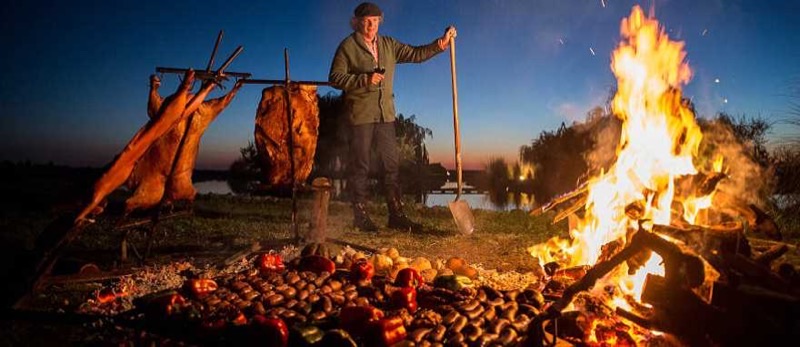
Argentine cuisine centers around its world-famous beef, often prepared 'asado' style over an open flame. Restaurants like Don Julio in Palermo, Buenos Aires, serve cuts that are both tender and flavorful. Malbec wine from Mendoza is globally recognized and very affordable locally. Beyond the steak, 'empanadas' (savory pastries), 'choripán' (grilled sausage sandwich), and 'dulce de leche' (caramelized milk spread) are staples. Buenos Aires offers a diverse culinary landscape with Italian, Spanish, and even some Asian influences. Street food is common and cheap, and the portions are generally generous. Pairing meals with a good bottle of Malbec for ARS 5,000-10,000 ($5-10 USD) is standard.
Austrian food is hearty and satisfying, with Vienna's 'Kaffeehaus' culture being a central experience. Expect Sachertorte, Apfelstrudel, and various coffee preparations. Savory dishes include Wiener Schnitzel, Goulash, and Tafelspitz. Local beers are good, and Austrian wines from regions like Wachau are gaining recognition. While the quality is high, the diversity can feel narrower compared to Argentina's broader palate. For example, a slice of Sachertorte at Hotel Sacher can cost EUR 8-10 ($8.60-10.80 USD). While delicious, Argentina's combination of affordability, quality meat, and diverse casual options gives it the edge for a broader food adventure.
- Winner: Argentina
- Why: Argentina wins for its exceptional beef, world-class Malbec, and broader range of accessible, flavorful dishes and street food.
- Who this matters for: Meat lovers, wine enthusiasts, and those who enjoy hearty, flavorful, and diverse everyday eating.
⛰️ Nature & Outdoors
Argentina's natural spaces are immense and varied, offering experiences from subtropical waterfalls to glacial fields. Iguazú Falls, on the border with Brazil, is a colossal…

Argentina
Austria
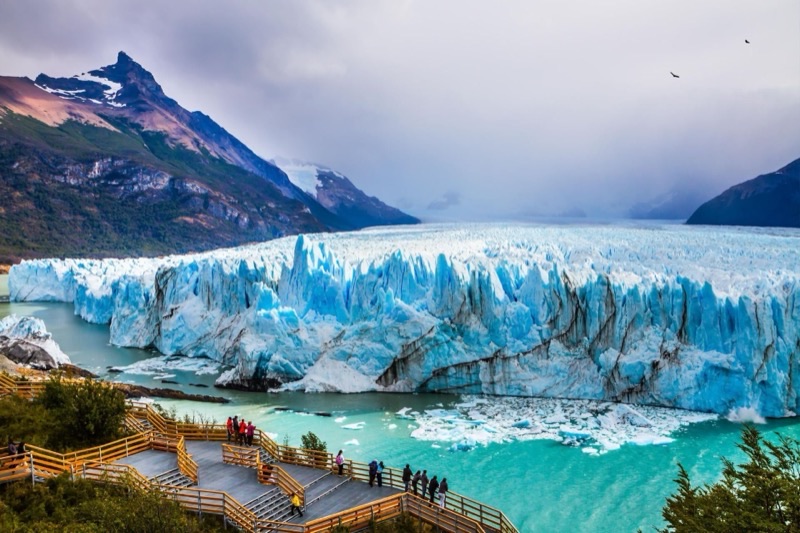
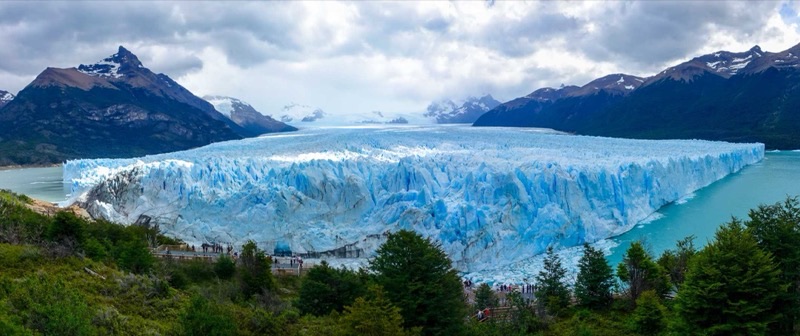
Argentina's natural spaces are immense and varied, offering experiences from subtropical waterfalls to glacial fields. Iguazú Falls, on the border with Brazil, is a colossal system of cascades where you can feel the spray from hundreds of meters away. Patagonia, in the south, features the Perito Moreno Glacier near El Calafate, where you can witness ice calving into Lago Argentino. Further south, Tierra del Fuego provides a frontier experience. The Andes mountains offer hiking and climbing, while the Northwest provides desert landscapes. National Parks like Los Glaciares or Nahuel Huapi (Bariloche) require entrance fees (e.g., ARS 12,000 or $12 USD for Perito Moreno for foreigners), but the scale of the environments is unparalleled. Expect significant travel times between regions.
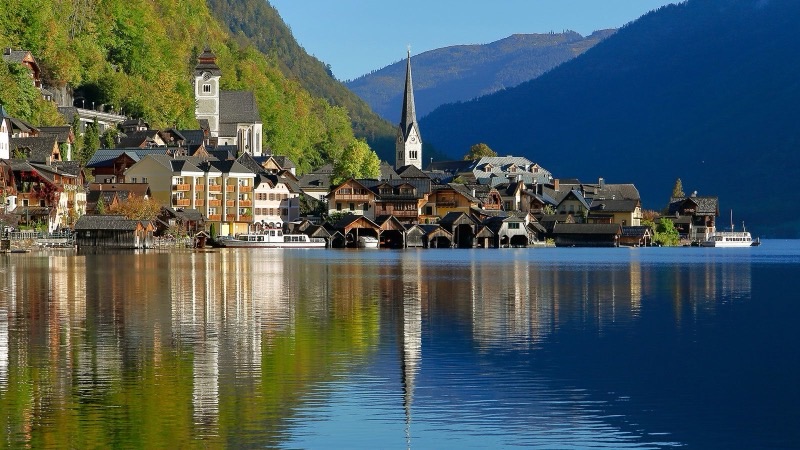
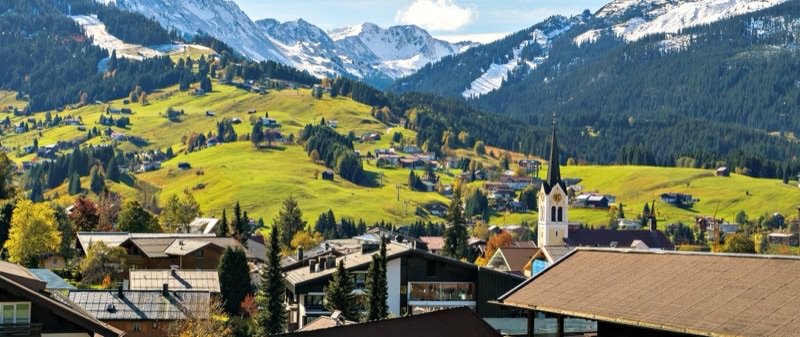
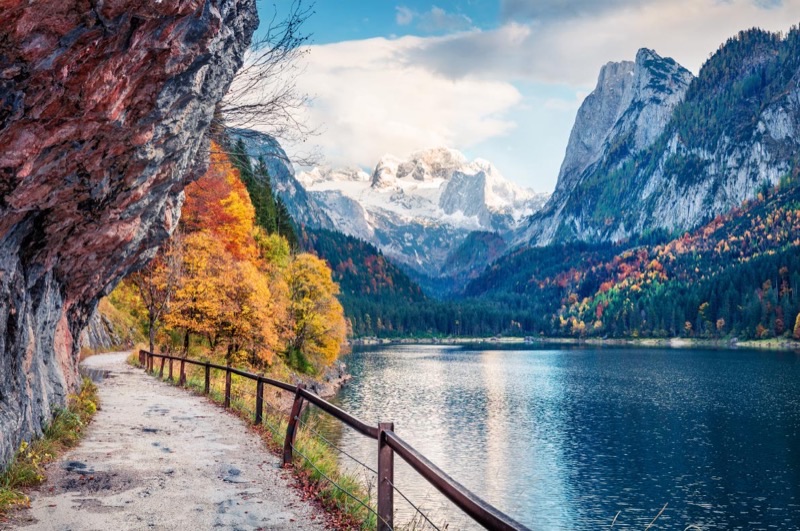
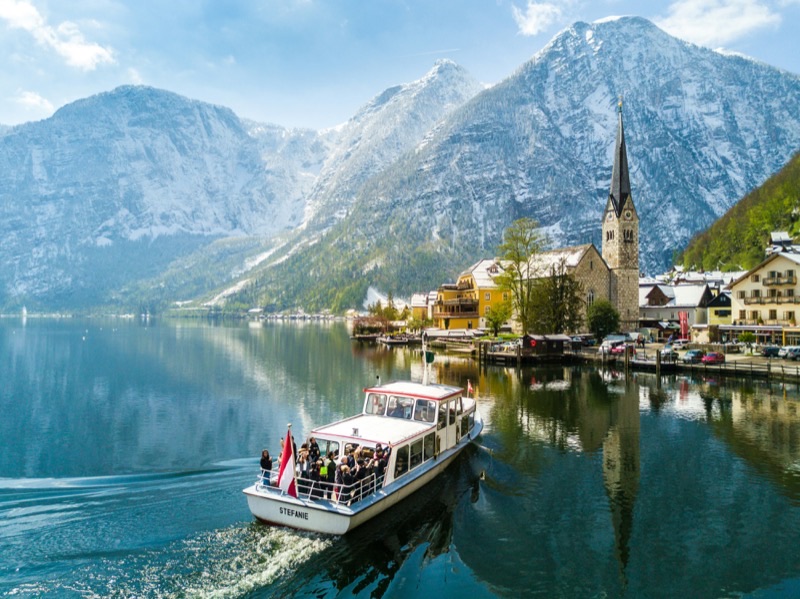
Austria's outdoors centers on the Alps and its many lakes. Regions like Tyrol around Innsbruck, or Salzkammergut with its pristine lakes like Wolfgangsee and Hallstätter See, offer well-marked hiking and cycling trails. Ski resorts are world-class in winter. The Grossglockner High Alpine Road provides impressive mountain access. While beautiful and accessible, Austria's landscapes are generally more cultivated and less 'wild' than Argentina's. The scale is smaller, and the variety, while present, doesn't match the extremes of Argentina. For sheer diversity and raw grandeur, Argentina takes the prize. Austria's maintained trails and accessible alpine scenery are excellent, but Argentina offers more dramatic, remote terrain.
- Winner: Argentina
- Why: Argentina offers unmatched geographical diversity, from towering waterfalls and glaciers to vast deserts and mountains, on a scale Austria cannot match.
- Who this matters for: Adventure seekers, serious hikers, landscape photographers, and those who want to experience extreme natural contrasts.
🏛️ Culture & History
Argentina's culture is a compelling mix, heavily influenced by Spanish and Italian immigration. Buenos Aires is a city of European architecture, passionate tango, and late-night…

Argentina
Austria
Argentina's culture is a compelling mix, heavily influenced by Spanish and Italian immigration. Buenos Aires is a city of European architecture, passionate tango, and late-night dining. The 'gaucho' culture of the Pampas offers a look into traditional horsemanship and rural life. Political history is complex, with monuments to Eva Perón and various political movements evident. The indigenous roots, particularly in the Northwest, add another layer. Places like San Telmo in Buenos Aires offer Sunday markets with tango performances. A tango show with dinner might cost ARS 50,000-100,000 ($50-100 USD), but local 'milongas' are much cheaper for watching or dancing.
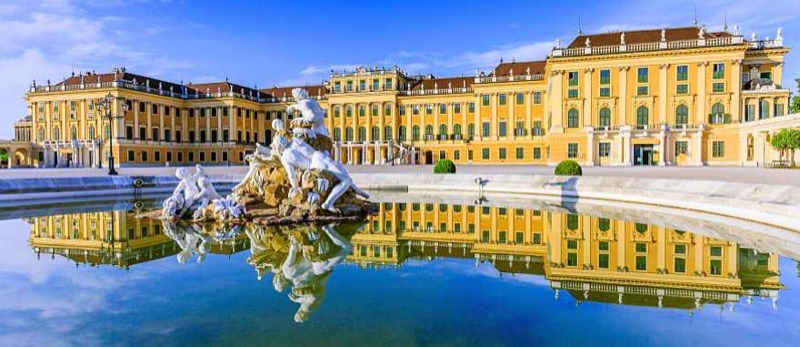
Austria is a historical powerhouse, the heart of the former Habsburg Empire. Vienna is synonymous with classical music, with institutions like the Vienna State Opera and the Musikverein. Palaces like Schönbrunn and the Hofburg showcase imperial grandeur. Salzburg is Mozart's birthplace, a city of Baroque architecture dominated by Hohensalzburg Fortress. Smaller towns like Hallstatt preserve medieval charm. The 'Kaffeehaus' culture is a pillar of daily life. The country's history is meticulously presented and preserved, offering a deep dive into European aristocracy and artistic movements. While Argentina offers a unique cultural fusion, Austria's depth and consistency in presenting its specific historical and artistic lineage makes it a stronger draw for history and classical arts aficionados. The imperial legacy is ever-present and easily accessible.
- Winner: Austria
- Why: Austria offers a more concentrated and consistently presented historical and artistic experience, particularly for fans of European imperial history and classical music.
- Who this matters for: History buffs, classical music enthusiasts, architecture admirers, and those interested in European imperial legacies.
✈️ Getting There
Reaching Argentina involves substantial travel time and cost from most major originating points. From New York (JFK) to Buenos Aires (EZE), direct flights are around 10-11 hours,…
Argentina
Austria
Reaching Argentina involves substantial travel time and cost from most major originating points. From New York (JFK) to Buenos Aires (EZE), direct flights are around 10-11 hours, costing $800-1500 USD round trip, depending on the season and booking time. From Los Angeles (LAX), expect 14-18 hours with at least one layover, often costing $1000-1800 USD. Flights from major European hubs like London or Frankfurt also average 13-15 hours and similar price ranges. The long flight duration means jet lag is a definite factor, and travel days consume a significant portion of a shorter trip.
Austria is far more accessible, especially for European travelers, with short, inexpensive flights from most European cities (e.g., London to Vienna is ~2 hours, EUR 50-150 round trip). From North America, direct flights to Vienna (VIE) are common. A direct flight from New York (JFK) to Vienna takes around 8.5 hours and can cost $600-1200 USD round trip. From Los Angeles (LAX), flights are typically 11-13 hours with one layover, costing $700-1300 USD. The shorter flight times and generally lower costs make Austria a much easier destination to reach for most international travelers, particularly for shorter trips where minimizing travel time is a priority. Austria's central European location is a clear advantage.
- Winner: Austria
- Why: Austria is significantly easier and quicker to reach for most international travelers, particularly from Europe and North America.
- Who this matters for: Travelers with limited vacation time, those sensitive to flight costs and duration, and European residents.
🚆 Getting Around
Getting around Argentina requires patience. Long-distance buses are the primary intercity mode, offering comfortable 'cama' (sleeper) seats for trips like Buenos Aires to Mendoza…
Getting around Argentina requires patience. Long-distance buses are the primary intercity mode, offering comfortable 'cama' (sleeper) seats for trips like Buenos Aires to Mendoza (12-14 hours, ARS 30,000-50,000 or $30-50 USD). Domestic flights are necessary for covering vast distances, e.g., Buenos Aires to El Calafate (3 hours, ARS 70,000-150,000 or $70-150 USD). In Buenos Aires, the Subte is efficient and cheap for city travel. However, outside major urban areas, public transport options can be less frequent, and navigating smaller towns often requires taxis ('remis') or local buses. Road conditions can vary significantly, and car rental might not be practical for all travelers due to cost, insurance complexities, and driving styles.
Austria boasts a superb public transport system. The ÖBB national railway network is efficient, punctual, and connects virtually every town and city. For example, a train from Vienna to Salzburg takes around 2.5 hours and costs EUR 30-60 ($32-65 USD). Within cities like Vienna, the Wiener Linien (subway, tram, bus) is comprehensive and easy to use, with a 72-hour pass costing EUR 17.10 ($18.50 USD). Roads are well-maintained, and driving is straightforward, making car rental an excellent option for exploring rural areas or the Alps. Signage is clear, and traffic rules are respected. The ease, reliability, and coverage of Austria's transport system are significantly superior, reducing travel stress and saving time.
- Winner: Austria
- Why: Austria's public transport system is exceptionally efficient, punctual, and covers the entire country, making travel simple and reliable.
- Who this matters for: Travelers who prioritize efficiency, rely on public transport, prefer stress-free navigation, and value punctuality.
🛡️ Safety
Argentina, like many South American countries, requires travelers to be vigilant. Petty crime, such as pickpocketing and bag snatching, is common in crowded tourist areas of…
Argentina, like many South American countries, requires travelers to be vigilant. Petty crime, such as pickpocketing and bag snatching, is common in crowded tourist areas of Buenos Aires like La Boca, San Telmo, and even Palermo. Muggings can occur, especially at night or in less trafficked areas. It's advisable to use taxis or ride-sharing apps after dark, avoid displaying valuables, and be aware of your surroundings. While violent crime is less common against tourists, it's not unheard of. Protests and demonstrations can also disrupt transport and public spaces. Basic safety measures and common sense are essential. For example, a taxi from EZE airport should be pre-booked or from a trusted stand to avoid 'pirate' taxis.
Austria is one of the safest countries in the world. Crime rates are very low, and tourists can generally feel secure walking around major cities like Vienna or Salzburg at night. Pickpocketing can occur in extremely crowded tourist spots or on public transport, but it is not a widespread issue. Women can feel comfortable traveling solo. The police are reliable and helpful. Emergency services are efficient. While no country is entirely crime-free, the level of safety and security in Austria is significantly higher, allowing travelers to relax and explore without constant worry. This peace of mind is a considerable advantage for many travelers.
- Winner: Austria
- Why: Austria has significantly lower crime rates and a higher overall sense of safety and security for travelers.
- Who this matters for: Solo travelers, families with children, travelers concerned about personal safety, and those seeking a low-stress environment.
🏨 Accommodation
Argentina offers a wide range of accommodation at very competitive prices. In Buenos Aires, you can find quality hostel dorms for $15-30 USD per night (e.g., Milhouse Hostel…
Argentina offers a wide range of accommodation at very competitive prices. In Buenos Aires, you can find quality hostel dorms for $15-30 USD per night (e.g., Milhouse Hostel Avenue), mid-range boutique hotels in Palermo for $60-120 USD (e.g., Mine Hotel), and luxury options for $200+ USD. Outside the capital, prices can be even lower. Estancias (ranches) offer a unique rural experience. Airbnb is widely available and often provides excellent value, especially for longer stays. Standards might not always match the polished finish of Europe, but the hospitality is generally warm, and amenities are adequate. The ability to find comfortable and stylish lodging without breaking the bank is a major plus.
Austria provides consistently high standards for accommodation. Hostel dorms in Vienna (e.g., Wombat's City Hostel) range from $30-50 USD per night. Mid-range hotels in the city center can easily cost $100-200 USD (e.g., Hotel Stefanie), while luxury options are plentiful at $250+ USD. Guesthouses ('Gasthöfe') and family-run hotels offer a charming, authentic experience, especially in smaller towns and alpine regions. Airbnb is also a popular choice. While the quality is dependable and the service often impeccable, the prices are considerably higher than in Argentina. Argentina edges out Austria due to the exceptional value it provides for the quality and variety of accommodation available at a fraction of the cost.
- Winner: Argentina
- Why: Argentina offers better value for money across all accommodation types, allowing travelers to secure comfortable stays for significantly less.
- Who this matters for: Budget-conscious travelers, those seeking good value, and travelers looking for unique boutique or local lodging experiences.
🕺 Nightlife & Entertainment
Argentina's nightlife is legendary for its late start and energetic atmosphere. In Buenos Aires, dinner often begins around 9-10 PM, followed by tango shows or live music, and…
Argentina's nightlife is legendary for its late start and energetic atmosphere. In Buenos Aires, dinner often begins around 9-10 PM, followed by tango shows or live music, and then heading to 'boliches' (clubs) that don't get going until 2 AM and stay open until dawn. Palermo and San Telmo are hubs for bars and clubs. Casual bars offer cheap local beer (e.g., a pint for ARS 3,000-5,000 or $3-5 USD) and cocktails. The social atmosphere is welcoming, with people often dancing in the streets or parks. Beyond Buenos Aires, cities like Córdoba and Mendoza also have lively student-driven scenes. This is a culture that embraces staying out and socializing until the sun comes up.
Austria's evening entertainment leans towards the sophisticated. Vienna is a global capital for classical music, offering opera (Vienna State Opera tickets from EUR 10-200+ or $11-215 USD), ballet, and concerts at venues like the Musikverein. Traditional 'Beisl' (pubs) offer a cozy place for a beer and conversation. Modern bars and clubs exist, primarily in Vienna's 'Bermuda Triangle' area, but the club scene is not as dominant or late-running as in Argentina. Salzburg also offers classical concerts. While there's a quieter charm and high artistic quality, for pure late-night energy, spontaneous dancing, and a generally more accessible party vibe, Argentina takes the lead. The late-night energy and social immersion in Argentina are simply more pervasive.
- Winner: Argentina
- Why: Argentina's late-night culture, passionate tango scene, and energetic clubs offer a more immersive and spontaneous nightlife experience.
- Who this matters for: Night owls, dancers, social travelers, and those seeking vibrant late-night entertainment and cultural immersion.
🚶♀️ Solo Travel
Solo travel in Argentina can be incredibly rewarding but presents specific challenges. The Spanish language barrier is real outside of major tourist hubs. Safety concerns,…
Solo travel in Argentina can be incredibly rewarding but presents specific challenges. The Spanish language barrier is real outside of major tourist hubs. Safety concerns, particularly petty crime, mean solo travelers need to be constantly aware, especially at night. However, Argentinians are generally friendly and open, and it's easy to meet other travelers in hostels or through tours. The vast distances between attractions mean internal flights or long bus rides are common, which can be isolating. Developing a network of fellow travelers is key to enriching the experience. Hostel activities often facilitate social connections. Planning is more involved, but the feeling of accomplishment and immersion is high.
Austria is an ideal destination for solo travelers. Its high safety rating means walking alone at night is generally not a concern. The efficient public transport system makes independent exploration straightforward and stress-free. English is widely spoken in tourist areas and among younger generations, minimizing communication issues. Hostels are plentiful and well-regarded, offering opportunities to meet people. Organized day trips and walking tours are easy to book, allowing for social interaction without constant reliance on others. Solo dining is common and accepted. For someone prioritizing ease, safety, and smooth logistics, Austria provides a more relaxed and accommodating environment. The overall predictability and comfort are significant advantages for navigating solo.
- Winner: Austria
- Why: Austria offers superior safety, easier navigation, and excellent infrastructure, making it a more comfortable and less stressful choice for solo travelers.
- Who this matters for: First-time solo travelers, those prioritizing safety and ease of navigation, and travelers who prefer independent, predictable journeys.
🎯 The Decision Framework
Choose Argentina If…
- You want to eat exceptional steak and drink world-class Malbec daily for under $20.
- You seek immense, diverse natural landscapes: glaciers, waterfalls, deserts, and mountains.
- You thrive in a late-night culture with tango, live music, and clubs that open past midnight.
- Your budget is tight, and you want to stretch your money for longer, deeper travel.
- You enjoy the challenge and reward of navigating a less predictable, more immersive travel environment.
- You are comfortable with long travel days between regions and a degree of spontaneity.
- You want to experience a passionate, expressive culture with strong European and indigenous influences.
- You are looking for adventure that involves significant hiking, trekking, or outdoor exploration.
Choose Austria If…
- You want to explore centuries of European imperial history and grand palaces.
- You are a fan of classical music, opera, and refined artistic performances.
- You prioritize safety, efficiency, and a predictable, stress-free travel experience.
- You want to navigate easily via world-class public transportation across cities and regions.
- You appreciate well-maintained alpine landscapes, charming towns, and pristine lakes.
- You enjoy refined coffee house culture and delicious pastries like Sachertorte.
- You prefer shorter flight times and easy accessibility from North America or Europe.
- You are comfortable with a higher daily budget for comfort and convenience.
❓ Frequently Asked Questions
Which destination is significantly cheaper for a two-week trip?
Argentina is considerably cheaper. A comfortable two-week trip to Argentina might cost around $800-1500 USD (excluding international flights), allowing for good food, accommodation, and activities. The same two weeks in Austria would likely range from $1500-2500 USD, reflecting higher European prices for meals, transport, and lodging.
What are the flight times and costs like from the USA?
From the USA East Coast, direct flights to Vienna are around 8-9 hours and typically cost $600-1200 USD round trip. To Buenos Aires, direct flights are 10-11 hours and often cost $800-1500 USD. West Coast flights to both will be longer and more expensive due to layovers.
Which country offers better outdoor activities?
Argentina offers a wider range of dramatic, large-scale outdoor activities, including glacier trekking in Patagonia, exploring the colossal Iguazú Falls, and hiking in the Andes. Austria provides excellent, well-maintained options for alpine hiking, skiing, and lake activities, but on a smaller, more 'tamed' scale.
Is English widely spoken in both countries?
In Austria, English is widely spoken in tourist areas, hotels, and among younger generations, making communication relatively easy. In Argentina, particularly outside of Buenos Aires, English proficiency is lower. Knowing some basic Spanish phrases will significantly improve your experience.
Which destination is better for history and culture enthusiasts?
Austria is stronger for those interested in European imperial history, classical music, and ornate architecture. Vienna and Salzburg offer concentrated historical and artistic experiences. Argentina has a rich blend of European and indigenous cultures, tango, and a complex political history, but its historical sites are less uniformly grand than Austria's.
What is the best time of year to visit each country?
For Argentina, spring (September-November) or autumn (March-May) are ideal for milder weather across most regions. Summer (December-February) is good for Patagonia. For Austria, summer (June-August) offers warm weather for hiking and city exploration, while winter (December-March) is prime for skiing and Christmas markets.
Which country is safer for solo female travelers?
Austria is generally considered much safer for solo female travelers due to its very low crime rates and efficient public services. While Argentina is manageable, solo female travelers need to be more vigilant about petty crime and personal safety, especially at night in major cities.
Can I easily travel between cities in both countries?
In Austria, intercity travel is exceptionally easy and efficient via its punctual train network. In Argentina, intercity travel relies heavily on comfortable but long-distance buses or domestic flights for vast distances, which can be time-consuming.
Ready to plan your South American or European trip?
Get a free custom itinerary for Argentina, Austria, or both — built from real traveler insights.
🎟️ Book Tours & Experiences
Hand-picked tours and activities for both destinations — book with free cancellation
Experiences via Viator — free cancellation on most tours