How we built this comparison
This page combines traveler discussion patterns, published price ranges, flight schedules, and seasonal data to help you decide between Argentina and Bolivia.
- Reviewed 100+ Reddit threads from r/travel, r/solotravel, r/Argentina, r/Bolivia, r/LatinAmerica
- Verified costs and logistics against current booking platforms and travel blogs (e.g., booking.com, Google Flights)
- Cross-referenced seasonal patterns, weather data, and local event calendars
⚡ The TL;DR Verdict
For most first-time South America travelers seeking diverse experiences without constant altitude concern, Argentina is the pick, offering easier logistics and a broad appeal at a mid-range budget of $60-120 USD per day. Those looking for an intense cultural immersion, rugged landscapes, and an extreme budget experience around $30-60 USD per day will find Bolivia more rewarding.
- Choose Argentina: You prioritize comfort, a diverse culinary scene, active nightlife, and access to Patagonian glaciers or Buenos Aires city life. You have a mid-range budget and prefer smoother travel.
- Choose Bolivia: You are a budget-conscious adventurer seeking raw, indigenous culture, extreme high-altitude landscapes like the Salar de Uyuni, and do not mind more basic infrastructure or challenging logistics.
- Choose Both: If you have 4+ weeks and a flexible budget, combine Argentinas north (Salta region) with Bolivas south (Uyuni) for a comprehensive Andean journey. Fly between Buenos Aires and La Paz to save time.
Choose Argentina
Choose Argentina if you're a first-time South America traveler seeking diverse experiences with comfort and smoother logistics. Indulge in sophisticated Buenos Aires nightlife, explore Palermo's vibrant cafe scene, or marvel at Patagonian glaciers. It's best for those with a mid-range budget who appreciate excellent food, wine, and a lively, accessible culture.
Choose Bolivia
Opt for Bolivia if you're a seasoned, budget-conscious adventurer craving raw cultural immersion and awe-inspiring high-altitude landscapes. Explore the otherworldly Salar de Uyuni or brave the bustling markets of La Paz for an extreme, authentic Andean experience. It's ideal for travelers undeterred by challenging logistics and basic infrastructure, seeking profound cultural encounters on a tight budget.
Quick Comparison
| Category | Argentina | Bolivia | Winner |
|---|---|---|---|
| Travel Costs | Mid-range budget, variable prices due to economic conditions. Accommodation $25-70 USD, meals $7-20 USD. | Budget-friendly, one of South Americas cheapest. Accommodation $15-40 USD, meals $3-12 USD. | Bolivia |
| Natural Landscapes | Diverse, from Patagonian glaciers and mountains to Iguazu Falls and Andean deserts. | Extreme high-altitude deserts, salt flats, unique multi-colored lagoons, Amazon basin access. | Argentina |
| Culture & History | European-influenced, tango, gaucho traditions, colonial architecture, sophisticated urban culture. | Strong indigenous heritage (Aymara, Quechua), Andean traditions, pre-Columbian sites, colonial cities. | Bolivia |
| Food & Drink | World-renowned beef, Malbec wine, Italian influence (pasta, pizza), empanadas, dulce de leche. | Hearty Andean stews, soups, salteñas, street food, quinoa-based dishes. | Argentina |
| Nightlife & Entertainment | Late-night culture in Buenos Aires, tango shows, bars, clubs. Mendoza for wine bars. | More subdued, local bars, some clubs in La Paz. Less emphasis on late-night entertainment. | Argentina |
| Getting Around | Extensive, comfortable long-distance buses, reliable domestic flights, good urban transport. | Buses are main mode, can be slow and basic. Domestic flights for key routes, but less frequent. | Argentina |
| Safety & Health | Generally safe in tourist areas, petty crime common in cities. Altitude less of an issue. | Higher risk of petty crime, road safety concerns. High altitude requires acclimatization. | Argentina |
| Accommodation | Wide range from budget hostels to luxury hotels, good quality for price point. | More basic options, fewer luxury choices, focus on budget and mid-range comfort. | Argentina |
| Solo Travel | Easier to navigate, social hostels, well-trodden backpacker routes, vibrant cities. | More challenging due to language, infrastructure, and safety. Rewarding for independent adventurers. | Argentina |
| Getting There | Direct flights from North America and Europe to Buenos Aires. Major international hub. | Requires connecting flights, often through Lima, Bogota, or Santiago. Fewer direct routes. | Argentina |
💸 Travel Costs
Argentina, despite its economic volatility which can sometimes make certain items quite cheap for foreigners holding USD, generally operates on a mid-range traveler budget. A…
Argentina
Bolivia
Argentina, despite its economic volatility which can sometimes make certain items quite cheap for foreigners holding USD, generally operates on a mid-range traveler budget. A typical day might involve spending $25-70 USD on a hostel or mid-range hotel, $7-20 USD for a decent meal, and $15-30 USD for intercity bus travel or local tours. For instance, a private room in a Buenos Aires hostel like Milhouse Avenue can be around $40 USD, while a steak dinner at a parilla like Don Julio (though high-end) can easily exceed $50 USD. Even budget travelers should plan for $40-80 USD per day to experience a reasonable amount without constant penny-pinching.
Bolivia consistently ranks as one of South Americas most economical destinations. Budget travelers can comfortably exist on $25-50 USD per day, while mid-range visitors might spend $50-80 USD. A basic hostel private room in La Paz or Sucre might cost $15-30 USD, with street food or local restaurant meals often just $3-7 USD. A three-day Salar de Uyuni tour, a major expenditure, is typically $150-250 USD, including accommodation and food. Public transport within cities is usually less than $1 USD per ride, making daily expenses very low. Bolivia wins this category hands down for those prioritizing minimal spending.
- Winner: Bolivia
- Why: Bolivia offers significantly lower daily expenses for accommodation, food, and transport, making it the choice for budget travelers.
- Who this matters for: Budget travelers, backpackers, and those seeking maximum travel duration for their money.
🏔️ Natural Landscapes
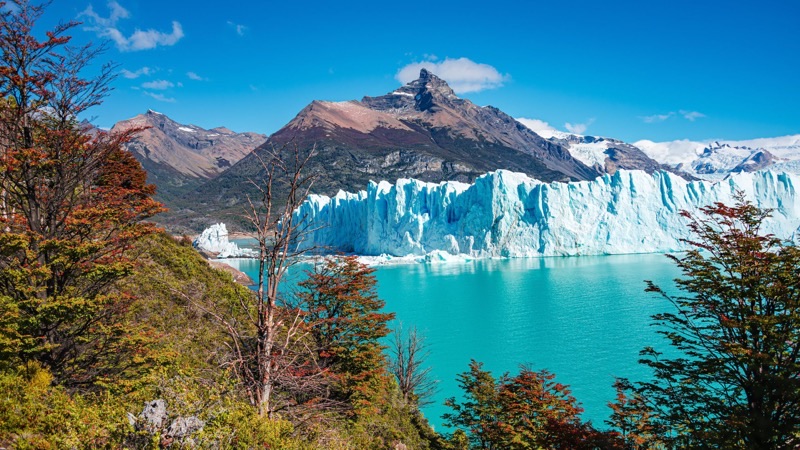
Argentina presents an enormous variety of landscapes. The Patagonia region in the south features the Perito Moreno Glacier near El Calafate, Mount Fitz Roy in El Chalten for…

Argentina
Bolivia
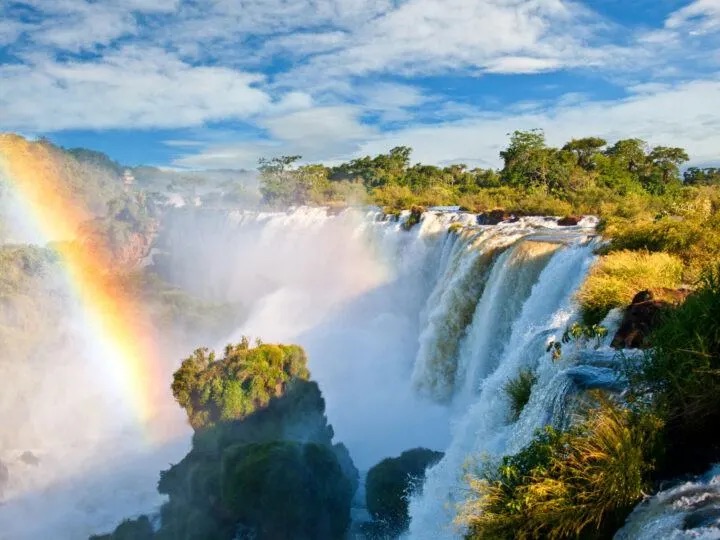
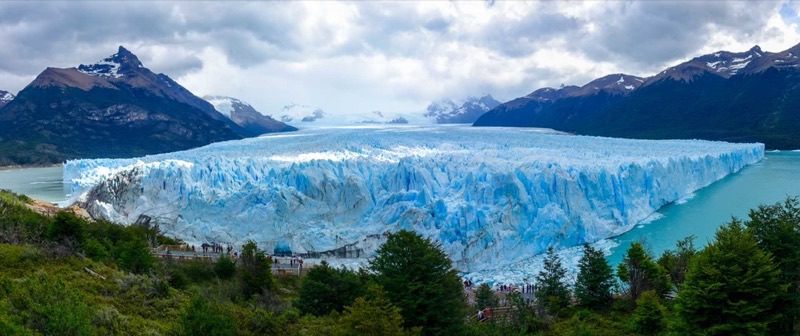
Argentina presents an enormous variety of landscapes. The Patagonia region in the south features the Perito Moreno Glacier near El Calafate, Mount Fitz Roy in El Chalten for serious hiking, and the Andes mountains offering vast expanses. The Iguazu Falls on the border with Brazil are immense and powerful, a natural wonder. The northwest around Salta offers colorful canyons and desert formations. You can go from glacial ice fields to subtropical jungle to arid mountains within the country. For example, a boat trip to Perito Moreno Glacier costs around $30-40 USD (AR$30,000-40,000) plus park entrance. The sheer scale and variety of distinct environments gives Argentina a slight edge.
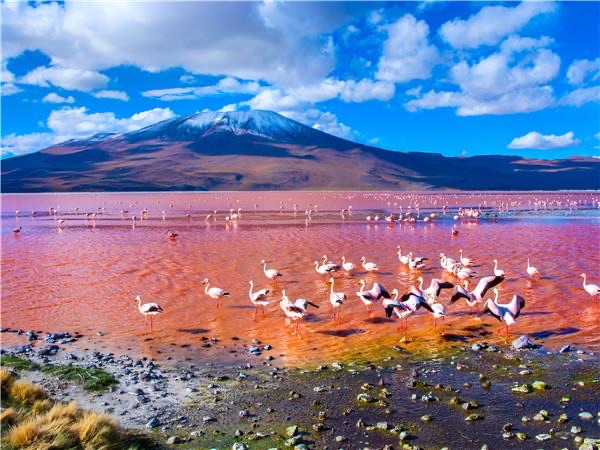
Bolivia counters with some of the worlds most surreal and extreme natural settings, primarily its high-altitude Andean plateau. The Salar de Uyuni, the largest salt flat globally, is a truly alien landscape, often explored over a 3-day tour. This tour also encompasses multi-colored lagoons (Laguna Colorada, Laguna Verde), geysers, and desert islands covered in cacti. The Cordillera Real near La Paz provides serious mountaineering opportunities. While these features are individually compelling, and the salt flats are globally renowned, the overall diversity of accessible natural environments across Argentina is greater. Argentina provides a broader spectrum of natural experiences for different types of explorers.
- Winner: Argentina
- Why: Argentina offers a greater diversity of iconic and accessible natural environments, from glaciers to waterfalls to mountains.
- Who this matters for: Travelers seeking a wide range of natural experiences, from hiking to waterfalls to glaciers.
🏛️ Culture & History
Argentinas culture is heavily influenced by European immigration, particularly from Spain and Italy. Buenos Aires is often called the 'Paris of South America' for its…
Argentina
Bolivia
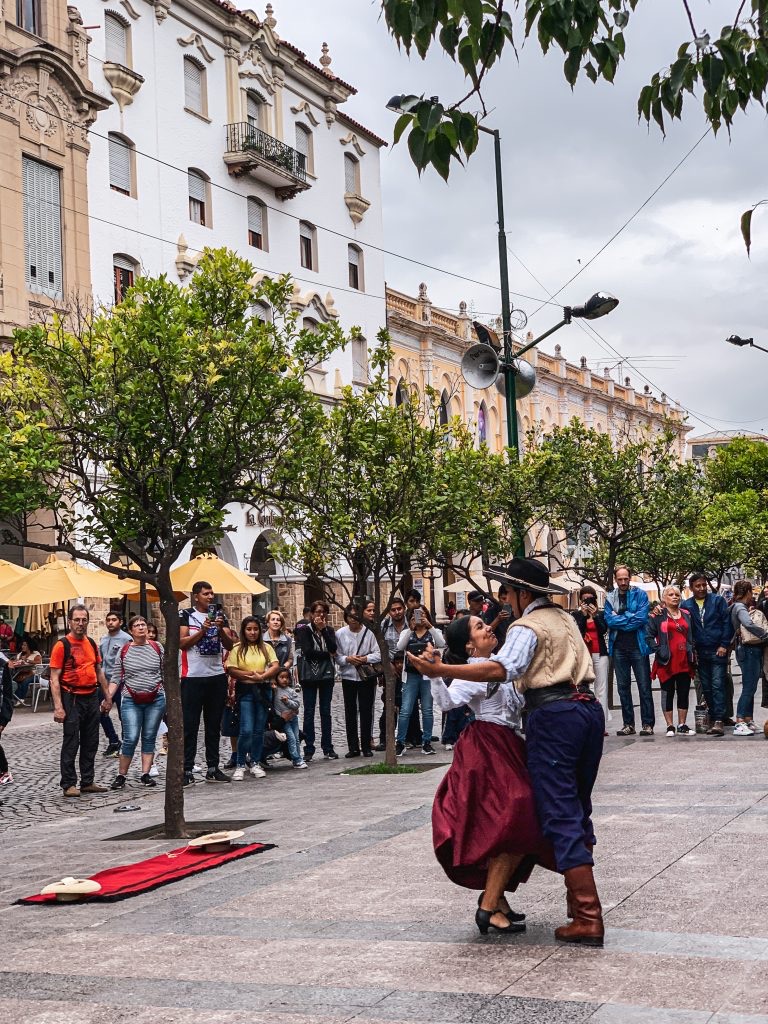
Argentinas culture is heavily influenced by European immigration, particularly from Spain and Italy. Buenos Aires is often called the 'Paris of South America' for its architecture, cafes, and sophisticated arts scene, including the iconic tango. You can visit Recoleta Cemetery, see a live tango show (from $30-100+ USD), or explore the San Telmo market on Sundays. The gaucho culture in the Pampas offers a look at traditional ranching life. While historically interesting, it leans more towards a European cultural experience with a South American twist, which may feel less distinct to some travelers seeking something truly unique to the continent.
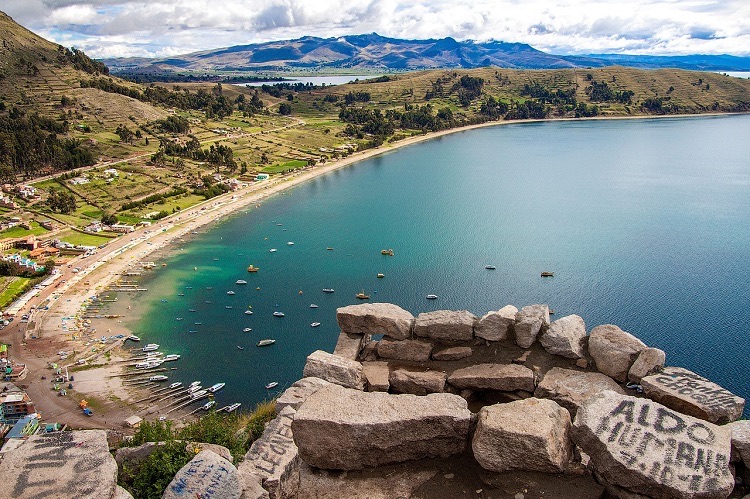
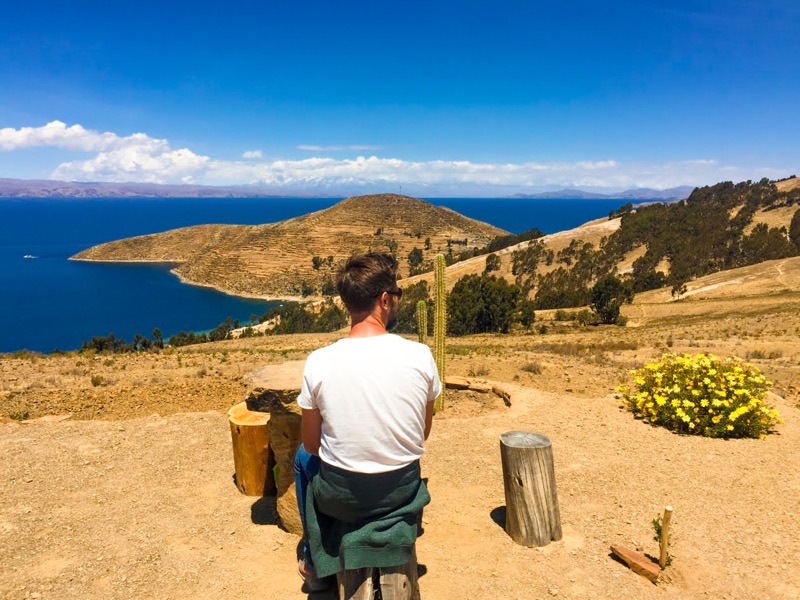
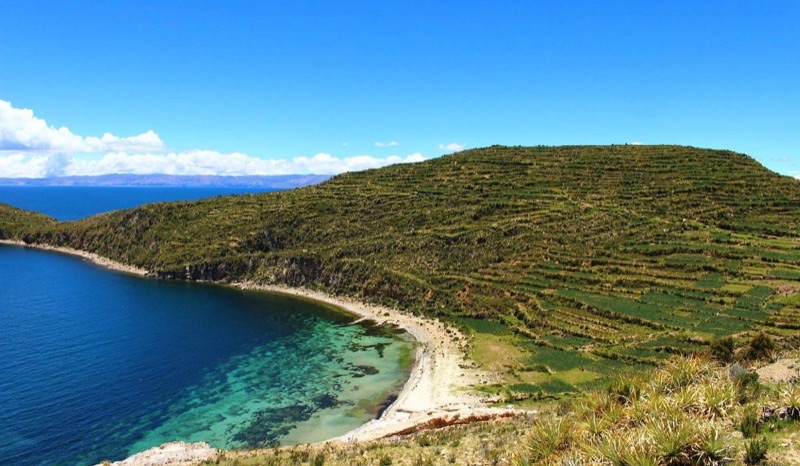
Bolivia retains a much stronger and visible indigenous heritage, primarily Aymara and Quechua. This translates into vibrant traditional markets like the Mercado de las Brujas (Witches Market) in La Paz, colorful traditional attire, and a slower pace of life in many areas. Colonial cities like Sucre (the constitutional capital) and Potosi (a former silver mining town) are UNESCO World Heritage sites, offering preserved architecture and a glimpse into a complex past. Lake Titicaca, shared with Peru, is a sacred site for the Inca. The cultural experience in Bolivia feels more authentically Andean and less diluted by outside influences. Bolivia offers a more profound immersion into pre-Columbian and indigenous traditions.
- Winner: Bolivia
- Why: Bolivia provides a deeper, more visible, and distinct indigenous cultural immersion, less influenced by European styles.
- Who this matters for: Travelers prioritizing indigenous culture, historical authenticity, and unique local traditions.
🍽️ Food & Drink
Argentinas food scene is a major draw. The beef, particularly cuts like bife de chorizo (sirloin), is globally recognized for its quality. Paired with local Malbec wine from…
Argentina
Bolivia
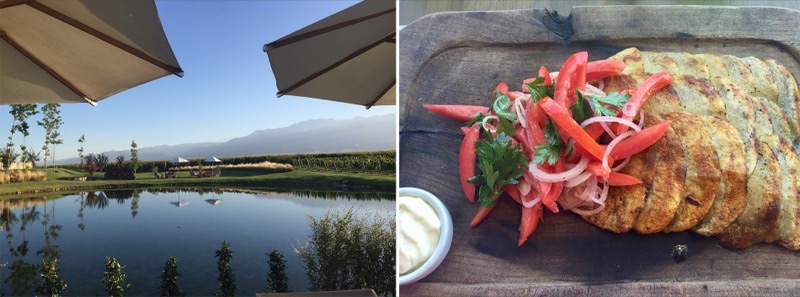
Argentinas food scene is a major draw. The beef, particularly cuts like bife de chorizo (sirloin), is globally recognized for its quality. Paired with local Malbec wine from Mendoza, it is a culinary highlight. Italian immigration has left a strong mark, so good pasta and pizza are common. Empanadas are ubiquitous and come with various fillings. For dessert, dulce de leche is everywhere. A meal at a local parilla (steakhouse) can cost $15-30 USD per person (AR$15,000-30,000) for a good steak and wine. Street food is also available, like choripan (sausage sandwich) for $3-5 USD. The quality and variety of dining, especially meat and wine, are consistently high.
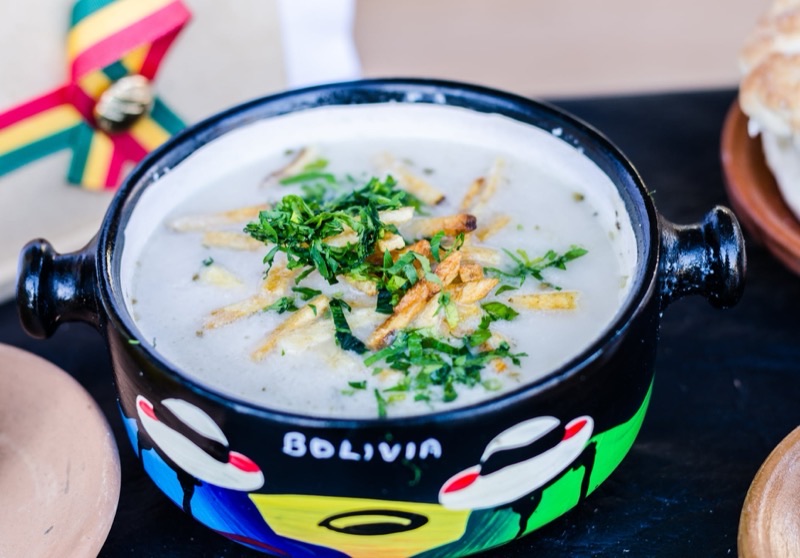
Bolivian cuisine is largely hearty and carb-heavy, designed to sustain in the high altitudes. Staples include potatoes, corn, and quinoa. Dishes like Pique Macho (beef, sausage, fries, onions, peppers), Salteñas (baked empanadas, a breakfast staple for $1-2 USD each), and various soups are common. Street food is plentiful and extremely cheap, but hygiene standards can be inconsistent. While flavorful and authentic, the range of dining experiences and sophistication is generally lower than in Argentina. For example, a full meal at a local 'comedores' (eatery) in La Paz might be $5-10 USD (BOB 35-70). Argentina offers a more universally appealing and higher-quality gastronomic experience.
- Winner: Argentina
- Why: Argentina excels with its world-famous beef, high-quality wines, and broader culinary diversity influenced by European traditions.
- Who this matters for: Foodies, steak lovers, wine enthusiasts, and those who appreciate sophisticated dining options.
💃 Nightlife & Entertainment
Argentinas nightlife, particularly in Buenos Aires, is legendary for its late hours and energy. Porteños (Buenos Aires residents) typically eat dinner around 9-10 PM and head to…
Argentina

Bolivia
Argentinas nightlife, particularly in Buenos Aires, is legendary for its late hours and energy. Porteños (Buenos Aires residents) typically eat dinner around 9-10 PM and head to bars or clubs (boliches) around midnight, often staying out until dawn. Neighborhoods like Palermo and San Telmo are full of bars, pubs, and clubs. Tango shows, both formal dinner-shows (e.g., Señor Tango from $80-150 USD) and casual milongas (tango dance halls, often $10-20 USD entry), are a key part of the entertainment scene. Mendoza offers a relaxed scene centered around wine bars and restaurants. The sheer volume and variety of options for evening entertainment are considerable.
Bolivian nightlife is more localized and generally less extensive. In La Paz, you will find some bars and clubs, particularly catering to younger locals and travelers, but they tend to close earlier than their Argentine counterparts. Areas around Calle Sagarnaga have a few tourist-oriented bars. Outside La Paz, nightlife is very subdued, often limited to local cantinas or a few quiet pubs. The emphasis is less on large-scale entertainment and more on social gatherings. For example, a local beer in a La Paz bar might be $2-4 USD (BOB 14-28). If late-night revelry and a wide array of entertainment options are priorities, Argentina is the clear choice.
- Winner: Argentina
- Why: Argentina, especially Buenos Aires, offers a more extensive, later, and more diverse nightlife scene with a wider range of entertainment.
- Who this matters for: Party-goers, those who enjoy late nights, tango enthusiasts, and travelers seeking active urban entertainment.
🚌 Getting Around
Getting around Argentina is generally comfortable and efficient, especially for long distances. The country boasts an excellent network of long-distance buses (micros larga…
Getting around Argentina is generally comfortable and efficient, especially for long distances. The country boasts an excellent network of long-distance buses (micros larga distancia) with options ranging from semi-cama (reclining seats) to full-cama (fully flat beds) with meal service. A 12-hour bus from Buenos Aires to Cordoba might cost $40-70 USD (AR$40,000-70,000). Domestic flights are also a good option for covering vast distances quickly, such as flying from Buenos Aires to El Calafate (3 hours, $100-250 USD). Urban transport in major cities like Buenos Aires is well-developed with subways (subtes) and buses (colectivos), costing less than $1 USD per ride.
Bolivias infrastructure for internal travel is more challenging. Buses are the primary mode of intercity transport, but roads can be rough, and journeys are often slow and less comfortable. A bus from La Paz to Uyuni, for example, can take 8-10 hours overnight and cost $15-30 USD (BOB 100-200). While domestic flights exist for key routes like La Paz to Uyuni (1 hour, $50-100 USD), they are less frequent and connect fewer destinations. Urban transport mainly relies on trufis (shared taxis) and micros (small buses), which are very cheap but can be crowded. Overall, Argentinas travel network provides a smoother and more reliable experience, especially when covering large distances with less time.
- Winner: Argentina
- Why: Argentina offers a more comfortable, reliable, and extensive public transport network, including high-quality long-distance buses and domestic flights.
- Who this matters for: Travelers who prioritize comfort, efficiency, and less stressful long-distance travel.
⚕️ Safety & Health
Argentina is generally considered safer for tourists than many other South American nations, especially in major tourist zones. However, petty crime like pickpocketing and bag…
Argentina is generally considered safer for tourists than many other South American nations, especially in major tourist zones. However, petty crime like pickpocketing and bag snatching is common in crowded urban areas of Buenos Aires, Mendoza, and Cordoba. Common sense precautions are advised, such as not displaying valuables and being aware of surroundings, especially at night. Road safety is generally better, though quality varies. Health-wise, altitude sickness is rarely a concern outside specific Andean regions in the northwest. Tap water is generally safe to drink in major cities, but bottled water is often preferred by travelers. Medical facilities in major cities are of good standard, though private care is recommended for visitors.
Bolivia presents more significant safety and health challenges. Petty crime, including pickpocketing and muggings, is more prevalent in cities like La Paz, Santa Cruz, and Cochabamba, particularly at night or in crowded markets. Road safety is a major concern, with bus accidents being more frequent due to poor road conditions and driving practices. Altitude sickness is a primary health consideration, as many major destinations like La Paz (3,650m / 11,975ft) and Uyuni (3,700m / 12,140ft) are at very high elevations. Proper acclimatization is crucial. Tap water is generally not safe to drink. While medical care is available, it is often more basic, especially outside major centers. Argentina offers a comparatively lower risk environment and fewer immediate health concerns for most travelers.
- Winner: Argentina
- Why: Argentina offers a generally safer environment for tourists with fewer significant health risks and less extreme altitude.
- Who this matters for: Travelers concerned about personal safety, road conditions, and managing altitude sickness.
🏨 Accommodation
Argentina provides a comprehensive range of accommodation options catering to all budgets and preferences, generally with good quality. In Buenos Aires, you can find everything…
Argentina provides a comprehensive range of accommodation options catering to all budgets and preferences, generally with good quality. In Buenos Aires, you can find everything from lively backpacker hostels (e.g., Milhouse Avenue, $25-40 USD for a dorm, $40-70 USD for a private) to boutique hotels in Palermo (e.g., Fierro Hotel Buenos Aires, $150-250 USD) and international luxury chains. Even in smaller towns like El Chalten or El Calafate, there are comfortable cabins (cabañas) and well-equipped hostels. The standards of cleanliness, amenities, and service across all price points are consistently good, allowing travelers to find suitable lodging without much hassle. Booking in advance is recommended for peak season in popular areas.
Bolivias accommodation landscape leans heavily towards budget and mid-range options. Hostels and simple guesthouses are abundant and very affordable (e.g., Wild Rover Hostel La Paz, $15-25 USD for a dorm, $30-50 USD for a private). While major cities like La Paz and Santa Cruz do have some higher-end hotels, true luxury options are fewer and far between compared to Argentina. Outside of these cities, particularly in more remote areas like during a Salar de Uyuni tour, accommodation can be very basic, often without heating or hot water, though these limitations are usually disclosed. While perfectly functional for budget travelers, those seeking higher comfort or luxury might find fewer satisfactory choices. Argentina offers more variety and higher quality for comfort-seeking travelers.
- Winner: Argentina
- Why: Argentina offers a wider selection of accommodation options across all budget levels with generally higher standards of comfort and amenities.
- Who this matters for: Travelers who prioritize comfort, variety in lodging choices, and predictable quality.
🚶♀️ Solo Travel
Argentina is a more straightforward and social destination for solo travelers. Buenos Aires is easy to navigate with public transport and many walking tours. The backpacker…
Argentina is a more straightforward and social destination for solo travelers. Buenos Aires is easy to navigate with public transport and many walking tours. The backpacker circuit through Patagonia (El Chalten, El Calafate, Ushuaia) and Mendoza is well-established, making it simple to meet other travelers in hostels like America del Sur Hostel (dorms from $25-35 USD). The Argentines are generally welcoming and outgoing, and Spanish is widely spoken, with English speakers in tourist areas. The robust transport system allows for independent exploration without too much logistical stress. Safety for solo travelers, while requiring caution in cities, is generally manageable in tourist zones. Many organized tours are available for day trips or multi-day excursions.
Bolivia, while incredibly rewarding, presents more challenges for solo travelers. The language barrier can be more pronounced outside of main tourist hubs, and fewer locals speak English. Public transport can be less intuitive and sometimes less safe, especially for solo females at night. Social interactions in hostels (e.g., Loki Hostel La Paz) are possible, but the overall solo travel experience requires more independence and resilience. Safety concerns, particularly petty theft, are higher, necessitating constant vigilance. However, the unique experiences, like the Salar de Uyuni tour (where you are grouped with others), can create strong bonds. While adventurous solo travelers will find Bolivia deeply satisfying, Argentina offers a more accessible and less stressful solo journey for most.
- Winner: Argentina
- Why: Argentina provides a more accessible, safer, and social environment for solo travelers, with easier logistics and well-established routes.
- Who this matters for: First-time solo travelers, those seeking easy social connections, and travelers prioritizing convenience and safety.
✈️ Getting There
Getting to Argentina is relatively straightforward for international travelers. Buenos Aires Ezeiza International Airport (EZE) is a major South American hub with numerous direct…
Getting to Argentina is relatively straightforward for international travelers. Buenos Aires Ezeiza International Airport (EZE) is a major South American hub with numerous direct flights from large cities in North America (e.g., New York, Miami, Atlanta) and Europe (e.g., Madrid, Rome, Paris). A direct flight from Miami to Buenos Aires takes approximately 9-10 hours, with costs typically ranging from $700-1200+ USD return. This accessibility means less travel time and often more competitive flight prices compared to countries requiring multiple connections. The ease of reaching Argentina makes it a more appealing starting point for many South American journeys.
Traveling to Bolivia usually involves at least one, and sometimes two, connecting flights. Major international airports are El Alto International Airport (LPB) in La Paz and Viru Viru International Airport (VVI) in Santa Cruz. Most travelers will connect through other South American hubs like Lima (Peru), Bogota (Colombia), Santiago (Chile), or Panama City (Panama). A flight from Miami to La Paz, for example, typically involves one stop and takes 10-14 hours, with return fares often in the $800-1500+ USD range. The longer travel times and lack of direct intercontinental routes can add to the overall travel fatigue and potentially increase costs. Argentina offers a more convenient and direct entry point for international visitors.
- Winner: Argentina
- Why: Argentina has direct international flights from major global hubs, making it significantly easier and often quicker to access.
- Who this matters for: Travelers who prioritize direct flight options, shorter travel times, and simpler international logistics.
🎯 The Decision Framework
Choose Argentina If…
- You want to eat world-class steak and drink Malbec wine.
- You dream of seeing immense glaciers and hiking Patagonian peaks.
- You want to experience a vibrant, late-night city culture with tango.
- You prefer comfortable, reliable long-distance bus travel and domestic flights.
- You want a wide range of accommodation options, from budget to luxury.
- You are a solo traveler seeking a relatively easy and social experience.
- You prefer less extreme altitudes and fewer health concerns.
- You value diverse landscapes, from subtropical waterfalls to arid mountains.
Choose Bolivia If…
- You are on a very strict budget and want your money to go further.
- You seek deep immersion in indigenous Andean culture and traditions.
- You want to witness the surreal landscapes of the Salar de Uyuni and high-altitude lagoons.
- You are prepared for basic infrastructure and slower, more rugged travel.
- You enjoy hearty, traditional Andean cuisine and cheap street food.
- You are an adventurous traveler who embraces challenges and unique experiences.
- You are comfortable with high altitudes and necessary acclimatization.
- You want to explore historic colonial cities like Sucre and Potosi.
❓ Frequently Asked Questions
Which country is cheaper for a backpacker?
Bolivia is significantly cheaper. A backpacker can comfortably travel in Bolivia on $25-40 USD per day, covering hostel dorms (around $10-15 USD), street food, and local transport. In Argentina, a backpacker should budget $40-70 USD per day due to higher costs for accommodation and meals, even with favorable exchange rates.
Is it safe to travel solo in Argentina or Bolivia?
Argentina is generally considered safer for solo travelers, especially in popular tourist areas, though petty crime is present. Bolivia carries a higher risk of petty crime, and public transport can be less reliable. Solo female travelers often report feeling more comfortable and finding easier social connections in Argentina.
What is the best way to get between Buenos Aires and La Paz?
The most efficient way is by flying. Direct flights are rare, so you will likely have a layover in a hub like Santiago or Lima. The flight duration, including layover, typically ranges from 7 to 12 hours, with prices from $250-500 USD one-way, depending on booking time and airline.
Which country has better hiking opportunities?
Both offer excellent hiking, but for different experiences. Argentina's Patagonia (El Chalten) provides world-class multi-day treks through mountains and glaciers. Bolivia offers high-altitude trekking in the Cordillera Real and unique desert hikes during the Salar de Uyuni tour. For accessible, well-marked, and diverse trails, Argentina has a slight edge.
How long should I spend in each country?
For Argentina, a minimum of 2-3 weeks is recommended to cover Buenos Aires, Iguazu Falls, and a taste of Patagonia. For Bolivia, 10-14 days allows for La Paz, Lake Titicaca, and the essential 3-day Salar de Uyuni tour. If combining, plan at least 4 weeks.
Do I need to worry about altitude sickness in these countries?
Altitude sickness is a significant concern only in Bolivia and specific high-altitude regions of Argentinas northwest. Major Bolivian cities like La Paz (3,650m) and popular sites like the Salar de Uyuni (3,700m) require acclimatization for 1-2 days. Most of Argentina is at lower elevations, so it is not a widespread issue there.
Which country has better internet access for digital nomads?
Argentina generally offers more reliable and faster internet, especially in Buenos Aires and other major cities. Cafes and co-working spaces are more common and better equipped. Bolivia's internet can be slower and less consistent, particularly outside of La Paz and Santa Cruz, making it more challenging for consistent remote work.
What is the primary language spoken in each country?
Spanish is the official language in both countries. In Bolivia, indigenous languages like Quechua and Aymara are also widely spoken, especially in rural areas, making the language barrier more pronounced for non-Spanish speakers. In Argentina, while Spanish is dominant, English is more commonly understood in major tourist areas.
Ready to plan your South America trip?
Get a free custom itinerary for Argentina, Bolivia, or both — built from real traveler insights.
🎟️ Book Tours & Experiences
Hand-picked tours and activities for both destinations — book with free cancellation
Experiences via Viator — free cancellation on most tours